REVIEW · PALERMO
Palermo: NO Mafia Walking Tour
Book on GetYourGuide →Operated by Addiopizzo Travel · Bookable on GetYourGuide
Palermo has a darker storyline than most city breaks. This NO Mafia walking tour uses the historic center as the classroom, connecting famous landmarks like Teatro Massimo with the everyday reality of Mafia influence and the people pushing back. Expect a guided route that goes beyond movie myths and talks about how intimidation works, and how communities respond.
I love that the tour balances big ideas with street-level specifics. You’ll see places tied to Palermo’s institutions (like the cathedral and the city hall) while also spotting campaign symbols along the Cassaro, including the orange stickers linked to the pago chi non paga ethical consumer effort. I also like the tone: guides bring serious subject matter, but keep it human, clear, and question-friendly (I’ve seen guides such as Linda, Valeria, Giuseppe, and Laura praised for being engaging and easy to follow in English).
One consideration: the topic isn’t “Mafia sightseeing.” The focus is on harm, violence, intimidation, and the families and prosecutors behind the resistance, so it’s better if you’re ready for a weightier theme than a standard highlights tour.
In This Review
- Key things I’d mark on your mental map
- Why Palermo’s anti-mafia story is more than a tour theme
- How the 3-hour route works in real life
- Teatro Massimo: culture, power, and why the Mafia story belongs here
- Il Capo market: seeing Palermo’s everyday life while the story stays serious
- Piazza Della Memoria: the memorial side of justice
- Along the Cassaro: orange stickers, extortion pressure, and pago chi non paga
- Piazza Beati Paoli, the Cathedral, and Palermo’s layered identities
- City hall area to the old-town finish: where the tour sends you next
- Guides really matter here: what you can expect from the tour style
- Price and value: why $40 feels reasonable for what’s included
- Who this tour fits best (and who might want to adjust expectations)
- What to bring and how to prepare for the walk
- Should you book the Palermo NO Mafia walking tour?
- FAQ
- How long is the Palermo NO Mafia walking tour?
- How much does it cost?
- Where does the tour take place?
- What are the main sights included on the walk?
- What’s included in the ticket price?
- Are museum or monument entrance fees included?
- What languages are available for the tour?
- Is the group size small?
- What should I bring?
- What’s the cancellation policy?
Key things I’d mark on your mental map
- Teatro Massimo as a starting point for how Palermo’s power and culture intersect
- Il Capo open-air market to ground the story in daily life, not just headlines
- Piazza Della Memoria and other memorial spots tied to prosecutors and judges
- Cassaro’s orange stickers that point to businesses refusing extortion
- A strong civic angle: anti-mafia work as long-term community action
- Small group pacing that makes it easier to ask questions in your chosen language
Why Palermo’s anti-mafia story is more than a tour theme
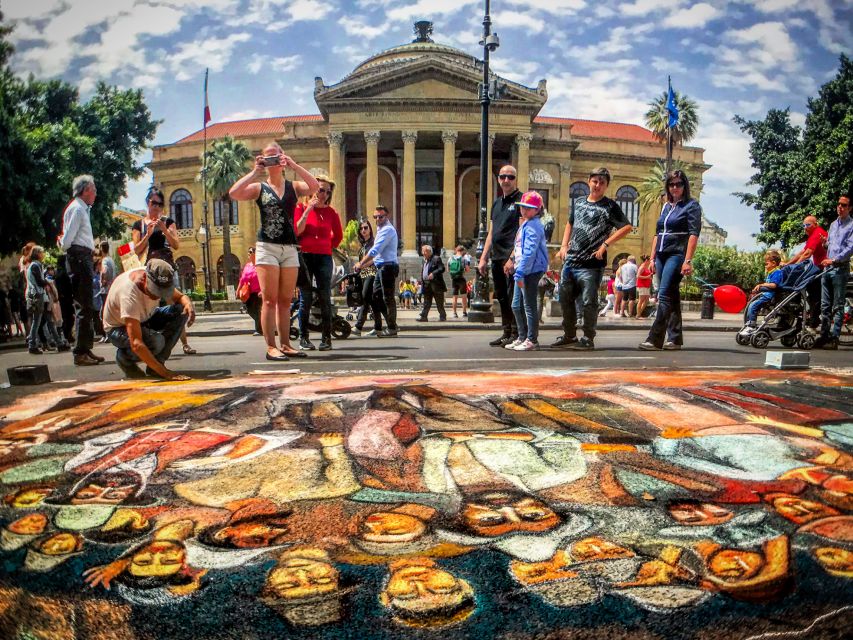
Palermo is the kind of city where the past isn’t locked behind glass. It sits in street corners, civic buildings, market routines, and the way people talk about trust and fear. That’s exactly what this tour leans on. You’re not just hearing “the Mafia existed.” You’re learning how Mafia power functioned inside ordinary life in Sicily, and how resistance took shape not only through big legal battles, but through local choices by citizens and businesses.
What helps is the way the tour frames the subject. It tackles Cosa Nostra as a social system, not a collection of villains for a clever script. You’ll also hear how the anti-mafia movement formed a civic counter-force—people working in neighborhoods, campaigning through the local economy, and insisting on accountability. This is why the tour feels practical rather than sensational.
If you’ve only absorbed Mafia stories through films and TV, you’ll likely walk away with a different mental picture. A lot of guides on this tour are praised for keeping it factual and grounded, not romantic. And because the route threads through recognizable landmarks, the ideas stick.
You can also read our reviews of more walking tours in Palermo
How the 3-hour route works in real life
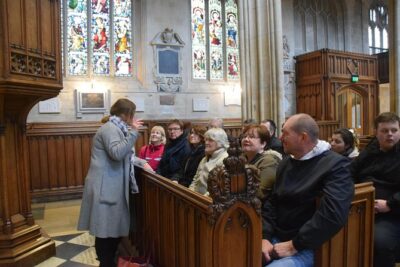
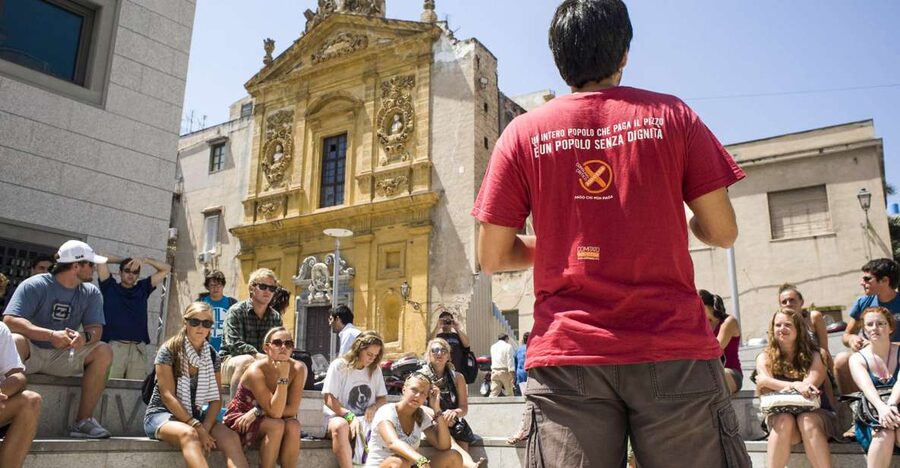
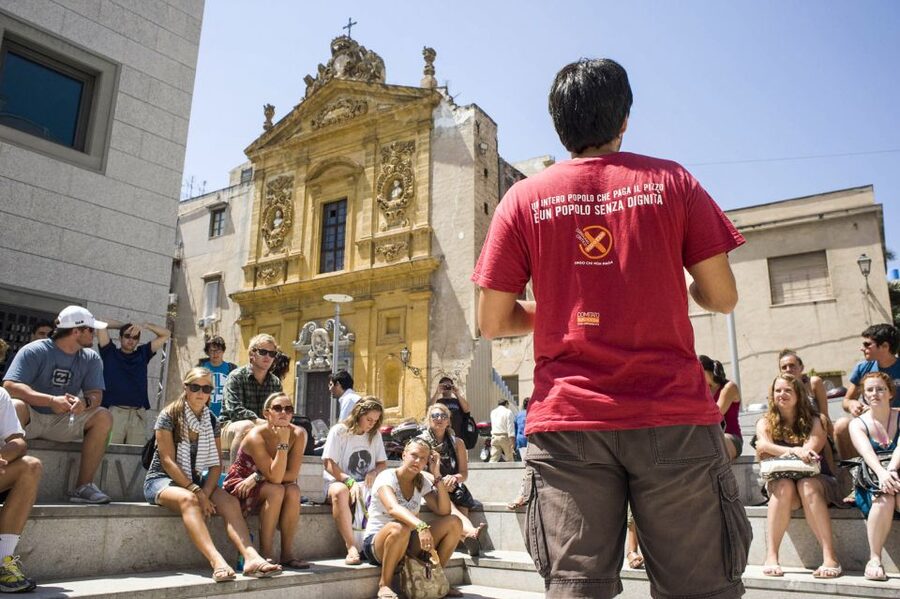
This is a 3-hour walking tour through Palermo’s historic center, typically paced like a conversation you can follow on foot. The group is listed as small, and that matters more than you’d think. In smaller groups, you’re more likely to get answers to follow-up questions, and the guide can slow down when someone needs context.
The tour also uses “landmark plus meaning” instead of stopping every five minutes for photos. You’ll cover major sights—Teatro Massimo, Il Capo, Piazza Della Memoria, Palermo Cathedral, and the city hall area—while the guide connects each stop to the wider theme: influence, intimidation, and resistance.
Bring comfortable shoes. You’re walking for three hours, and Palermo’s old center rewards sturdy footwear more than fancy footwear. Also note that the meeting point can vary by option, so be sure you’re clear on the exact location when you book.
Teatro Massimo: culture, power, and why the Mafia story belongs here
You start with a landmark many people recognize: Teatro Massimo. It’s not just an architectural stop. In the logic of this tour, it’s a way to show how culture and civic life sit alongside (and sometimes get tangled with) systems of control. Palermo’s institutions didn’t exist in a vacuum. The tour uses spaces like this to ask a simple question: who benefited from the way power was organized?
You don’t need to know opera to enjoy this portion. The real value is the guide’s storytelling approach—how they connect the city’s public face with the Mafia’s behind-the-scenes influence. Several guides are noted for being energetic and open to questions, including humor used to keep the material from feeling like a lecture.
If you’re the type who likes “why this place matters,” Teatro Massimo is a strong first clue that this tour won’t be superficial.
Il Capo market: seeing Palermo’s everyday life while the story stays serious
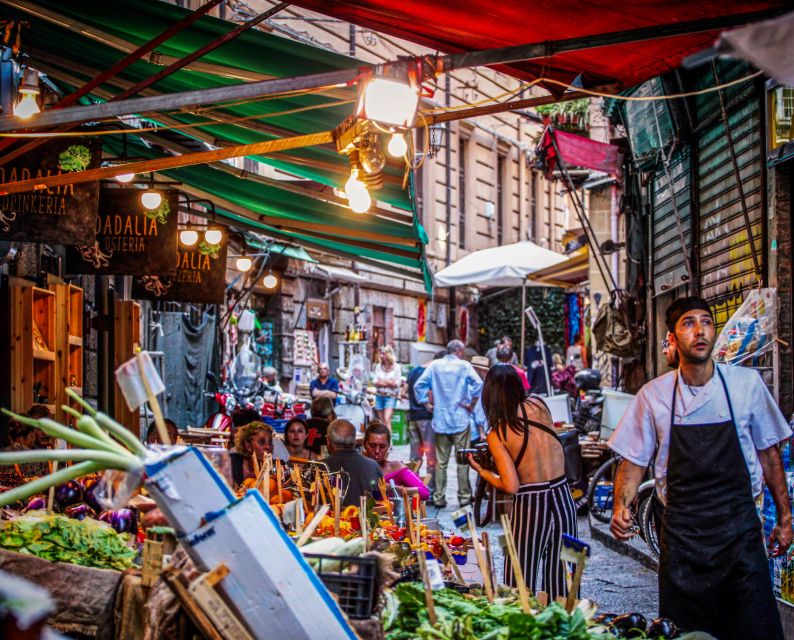
From there you’ll head toward Il Capo, the open-air market area. This is where the tour’s strength shows: it keeps Mafia talk anchored to daily rhythms. Markets are where money changes hands, where connections matter, and where pressure—if it exists—shows up in subtle ways.
Even if you only spend a short time in this zone, Il Capo helps you understand why Mafia influence wasn’t just about bosses and meetings. It was also about who could operate freely, who had to pay, and what “compliance” looked like in real storefront life. The tour uses the market area to keep things grounded.
A bonus for your trip planning: you’re in a part of town that’s naturally food-focused, and that makes it easier to follow up later with snacks and Sicilian specialties. The guide’s closing advice on where to eat is meant to carry you forward.
Piazza Della Memoria: the memorial side of justice
Next, the tour reaches Piazza Della Memoria, a memorial dedicated to prosecutors and judges killed by the Mafia. This stop changes the mood in a necessary way. It makes the stakes feel real, not theoretical.
What I appreciate here is the tour’s civic framing. The anti-mafia movement isn’t presented as a revenge fantasy. It’s presented as people defending rule-of-law values, often at great personal cost. You’re shown how judicial work and civic pressure connect—and why remembering victims matters for understanding what came after.
Some guides also point out additional memorial-type spots on the route (for example, the idea of a Mafia memorial wall is mentioned in the information you provided). Even if the exact spot varies, the takeaway is consistent: this tour wants you to connect places with purpose.
Along the Cassaro: orange stickers, extortion pressure, and pago chi non paga
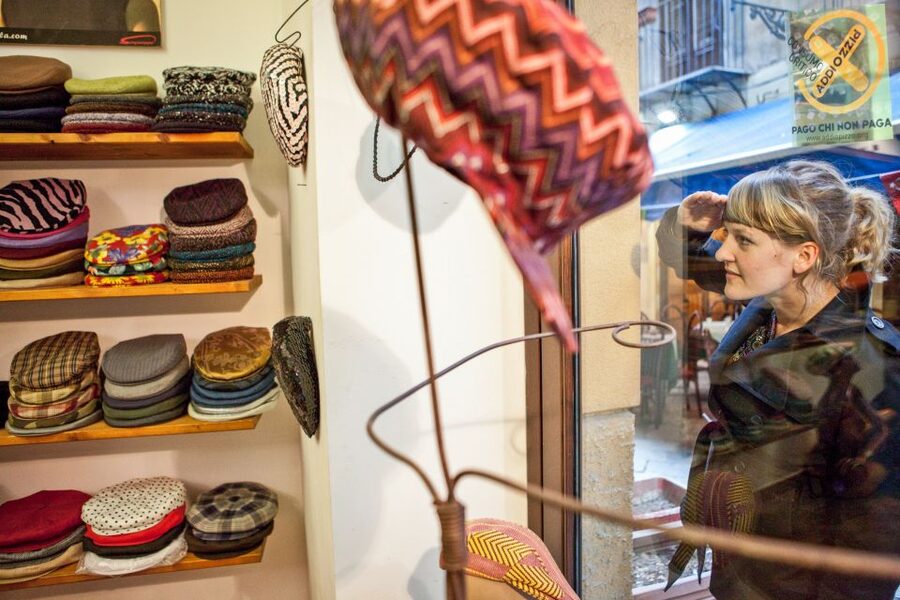
One of the most specific parts of this tour is the walk along the Cassaro, where you’ll spot businesses with orange stickers on their windows. These are linked to owners who said no to paying the extortion racket and joined an ethical consumer campaign called pago chi non paga.
This is the moment where the tour turns from “history of the Mafia” into “how a society fights back.” You get to see resistance as behavior, not just court outcomes. The campaign idea is simple: consumers and businesses refusing complicity changes the local incentives that allow extortion to keep working.
For me, this is one of the most valuable learnings because it translates the abstract into something visual. It also helps explain why civic organizations can matter just as much as headline events. The Mafia doesn’t only depend on fear. It depends on people going along with the system.
On the practical side, this is also a good stretch of the route to slow down and look closely at what’s around you, because the street details are part of the lesson.
Piazza Beati Paoli, the Cathedral, and Palermo’s layered identities
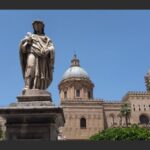
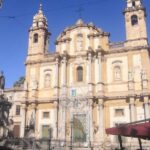
As the tour continues, you’ll pass through more of Palermo’s classic landmarks, including Piazza Beati Paoli and Palermo Cathedral. This is where the “beyond clichés” promise becomes tangible.
Piazza Beati Paoli helps you understand Palermo’s storytelling culture—how myths, legends, and public imagination can blur together in a city that has lived through long tension and change. Then the cathedral grounds the tour in a different kind of permanence: institutions that endure, and city traditions that people rely on even when the power structure around them shifts.
The cathedral area is also a reminder that Palermo is not only a “case study.” It’s a real city with real beauty, religious life, and daily movement. The tour uses that contrast on purpose. It’s a way of saying: don’t reduce Palermo to crime. Learn the full picture, including what people protected while fighting intimidation.
If your brain likes connections, this part of the walk helps you tie the theme back to the streets you’re actually walking.
City hall area to the old-town finish: where the tour sends you next
The tour rounds out in the heart of Palermo’s old town center, after passing city hall. This finish matters because you’re moving from explanation into next-step travel.
Your guide includes tips on where to keep exploring and where to taste good Sicilian specialties. Since you’ve already learned how Palermo’s civic and local economic life fits into the larger anti-mafia story, your food hunt won’t feel like a random detour. It becomes another way to experience the city as a living culture.
This end portion is also where you’ll likely feel the emotional weight of the tour. That’s not a bad thing. The anti-mafia narrative is meant to land, then move you outward.
Guides really matter here: what you can expect from the tour style
You’ll get a live guide in Spanish, French, English, or Italian. Choosing your language matters, because this tour works like a story with cause-and-effect. If you’re reading small clues off buildings and then hearing what they represent, you want your guide to be easy to follow.
The information you provided includes many examples of guides praised for clarity and engagement: Linda, Valeria, Giuseppe, Salvatore, Ermes, Attilio, Laura, Marinella, Claudio, and others. Common threads show up again and again:
- guides who sound genuinely committed to the subject
- explanations that connect Mafia influence to politics and everyday choices
- time well used, with a 3-hour span that doesn’t feel like filler
You should also expect questions. Several guides are described as patient and good at answering curiosity. That’s a key part of the value here, because “Mafia talk” can get confusing fast if you’re missing terms and context.
Price and value: why $40 feels reasonable for what’s included
At $40 per person for about 3 hours, this tour costs about what you’d pay for a typical guided walk that only covers architecture. The difference is what you’re buying.
You’re getting:
- a guided walk through major historic sights
- a guided narrative focused on the Mafia phenomenon beyond surface myths
- an included contribution to the Addiopizzo charitable organization
- no need to pre-plan museum or monument entrances
That last point matters for budgeting. The tour specifies that entrances to museums and monuments are not included, meaning you’re not paying extra on top of the ticket just to walk past places. You’re paying for the guide’s interpretation and the thematic route.
The donation component also changes the value equation. You’re not only consuming information. You’re supporting ongoing anti-extortion and anti-mafia work through the Addiopizzo effort included with the tour price.
If you’re trying to choose the best use of a limited day in Palermo, this is one of those activities that can reshape how you understand everything you’ll see later.
Who this tour fits best (and who might want to adjust expectations)
This is a great fit if you:
- want to understand Palermo in a way that goes past “pretty buildings”
- are interested in how corruption works socially and economically
- like guided storytelling that connects places to systems
- enjoy history that’s tied to real civic action
It also works surprisingly well for mixed ages. One review you shared mentions the tour holding attention for a teenager, and that’s often a sign a guide is doing more than listing dates.
You might want to adjust expectations if you’re looking for a light, entertainment-first Mafia experience. This tour is focused on harm and resistance. It’s educational and important, but it won’t treat the Mafia like a costume party.
Also note language options: the tour offers Spanish, French, English, and Italian. If you were hoping for Polish, it isn’t listed among the available languages in the info you provided.
What to bring and how to prepare for the walk
Preparation is simple:
- Wear comfortable shoes.
- Have a water plan if you know you run warm in the afternoon.
- Come with curiosity, not assumptions. The tour is designed to correct clichés and myths, so being open helps.
One small practical tip: if you’re sensitive to heavy topics, know this tour is meant to be direct. You’ll hear about murders, intimidation, and the efforts required to resist. That’s part of why the memorial stop is included.
Should you book the Palermo NO Mafia walking tour?
Yes, I’d book it if you’re spending even a couple of days in Palermo and you want one activity that gives you a real framework. The route covers major landmarks—Teatro Massimo, Il Capo, Piazza Della Memoria, Palermo Cathedral, and the city hall area—while focusing on civic resistance, not just crime stories.
It’s also a strong value at $40 because you get a guide, a themed walk through key sights, and an included donation to Addiopizzo. If you’re the kind of traveler who likes meaning over selfies, you’ll get your money’s worth fast.
If you want a carefree highlights tour instead, choose something lighter. But if you want to understand how Palermo functions—and how ordinary people tried to change it—this is one of the best “one tour” picks in town.
FAQ
How long is the Palermo NO Mafia walking tour?
It lasts about 3 hours.
How much does it cost?
The price is $40 per person.
Where does the tour take place?
It’s a walking tour through Palermo’s historic center.
What are the main sights included on the walk?
You’ll see places such as Teatro Massimo, Il Capo, Piazza Della Memoria, Piazza Beati Paoli, Palermo Cathedral, and the city hall area. The tour ends in the old town center.
What’s included in the ticket price?
You get a live guide and the walking tour. The price also includes a contribution to the Addiopizzo charitable organization.
Are museum or monument entrance fees included?
No. Entrance to museums and monuments is not included.
What languages are available for the tour?
Spanish, French, English, and Italian.
Is the group size small?
Yes, small group is available.
What should I bring?
Comfortable shoes.
What’s the cancellation policy?
You can cancel up to 24 hours in advance for a full refund.