REVIEW · PARIS
Paris: Le Marais & Montmartre Jewish History Walking Tour
Book on GetYourGuide →Operated by Walks In Europe · Bookable on GetYourGuide
Jewish Paris is written in streets, not plaques. This small-group walk connects Le Marais and Montmartre with stories that stretch from medieval community life to modern identity, stopping at the Agoudas Hakehilos synagogue exterior and the Mémorial de la Shoah.
I especially like two things: you get an expert English-speaking guide (Benjamin, Pierre Luis, Benoit, and Pilu have all been praised for clear storytelling), and you finish with wide-open Paris views from Sacré-Cœur that turn the day from facts into feeling. One drawback to plan for: it’s a lot of walking across two neighborhoods, so rain and stamina matter.
In This Review
- Key highlights you’ll notice fast
- Why Le Marais and Montmartre fit together in one Jewish Paris story
- Getting your bearings: meeting near BHV Marais or L’Elephant Du Nil
- Le Marais: Art Nouveau outside a synagogue and the feel of old Paris streets
- The Mémorial de la Shoah stop: when the guide slows the pace
- From Hôtel de Ville to Montmartre: a public-transport transition you shouldn’t skip
- Montmartre: artist streets, Jewish creativity, and a Sacré-Cœur payoff
- Price and value: what $80 buys in time, guidance, and included transit
- How to judge the guide before you commit
- Who this tour suits best (and who should think twice)
- Should you book this Jewish Paris tour?
- FAQ
- Is the tour a small group?
- How long is the Paris Le Marais & Montmartre Jewish History Walking Tour?
- Are synagogue interiors included?
- Does the tour include public transport?
- What are the main stops on the route?
- Is it suitable for wheelchair users or mobility impairments?
- What language is the tour guide?
- Can I cancel for a full refund?
Key highlights you’ll notice fast
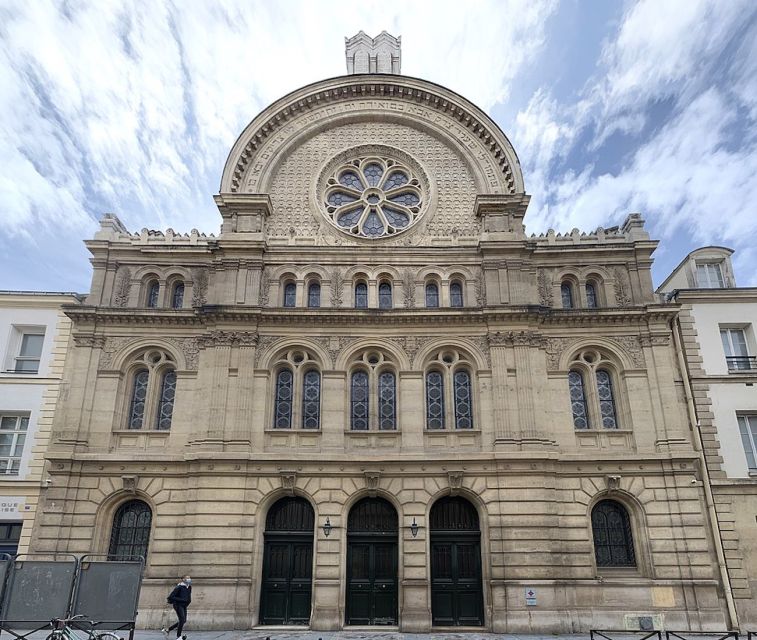
- Agoudas Hakehilos synagogue exterior by Hector Guimard: Art Nouveau beauty without an indoor visit
- Le Marais Jewish landmarks and street atmosphere: how everyday trade and community shaped the district
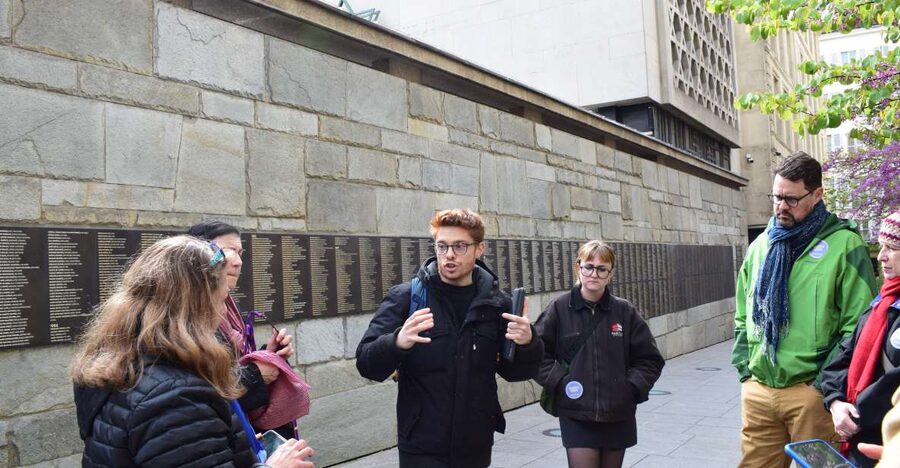
- Mémorial de la Shoah stop: a solemn moment with guided context, with emphasis on meaning over sightseeing
- Montmartre’s artist-and-writer world: Jewish voices presented through creativity, ambition, and resilience
- Sacré-Cœur finish plus reflection: panoramic views tied to identity and art, not just photos
Why Le Marais and Montmartre fit together in one Jewish Paris story
Le Marais and Montmartre feel different on purpose. Le Marais is the older neighborhood you can almost smell—shops, passageways, and the layered feeling of centuries. Montmartre is the creative side, where ideas, cafés, studios, and performance spill into the street.
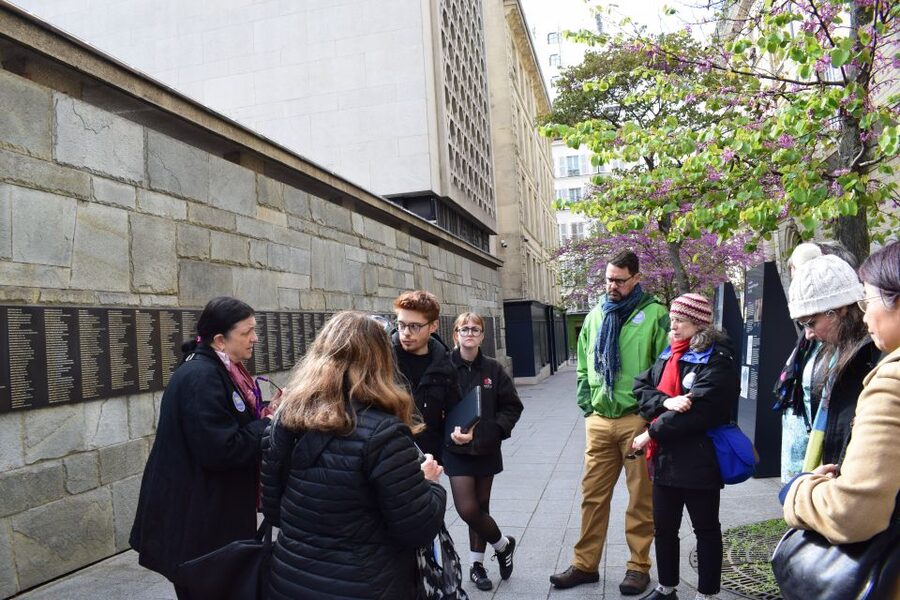
What makes this tour work is the way your guide links those moods. You’re not just “seeing Jewish sites.” You’re watching a theme evolve: community life, neighborhood change, cultural influence, and the long shadow of history. And because it’s a small group (up to 9), you can ask questions without the tour turning into a one-way lecture.
You can also read our reviews of more walking tours in Paris



Getting your bearings: meeting near BHV Marais or L’Elephant Du Nil

Your meeting point can vary based on the start option: BHV Marais (L’Elephant Du Nil is the other option). Paris can be confusing at first—BHV has multiple entrances—so I’d treat this like a mission. Arrive about 15 minutes early so you have time to confirm you’re at the correct spot.
This matters more than it sounds. A few reviews flagged that it wasn’t always obvious where the guide would be. Once you find your group and set eyes on your guide, the rest usually flows smoothly and your timing locks in.
Le Marais: Art Nouveau outside a synagogue and the feel of old Paris streets
The tour starts with about 90 minutes in Le Marais, led by your local guide. The goal here is atmosphere plus context: where Jewish Parisians lived, worked, and built community over time.
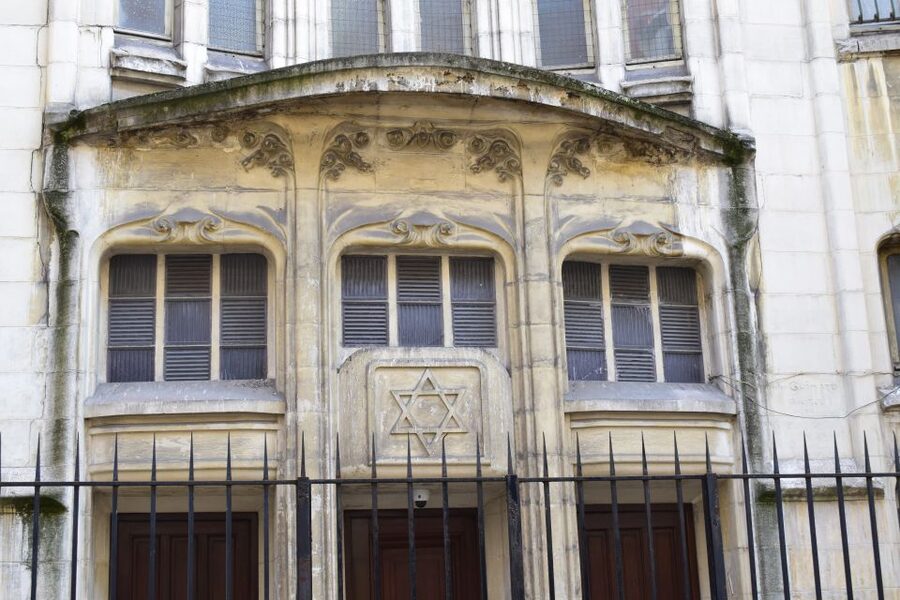
A standout moment is the exterior of Agoudas Hakehilos, designed by Hector Guimard—the same Art Nouveau designer people associate with distinctive Parisian street design. Since indoor synagogue entry isn’t included, you’ll focus on what you can see from the street: style, symbolism, and why this building caught the city’s artistic eye.
Then you move through Le Village Saint-Paul—a quick stop that’s more about anchoring you in the neighborhood than checking off another address. The guide’s job is to help you read the streets: which parts feel preserved, which parts feel changed, and how a neighborhood becomes a “memory machine” for community identity.
If you’re thinking, This sounds like a lot of walking for architecture only—good. That’s exactly why this itinerary is worth it. The architectural notes are tied to people and events, not treated like a photo scavenger hunt.
The Mémorial de la Shoah stop: when the guide slows the pace
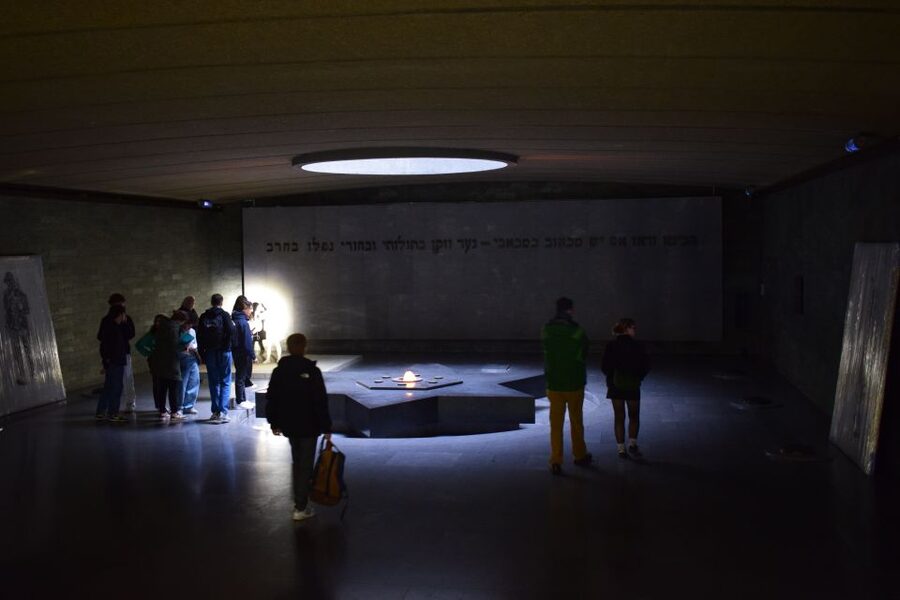
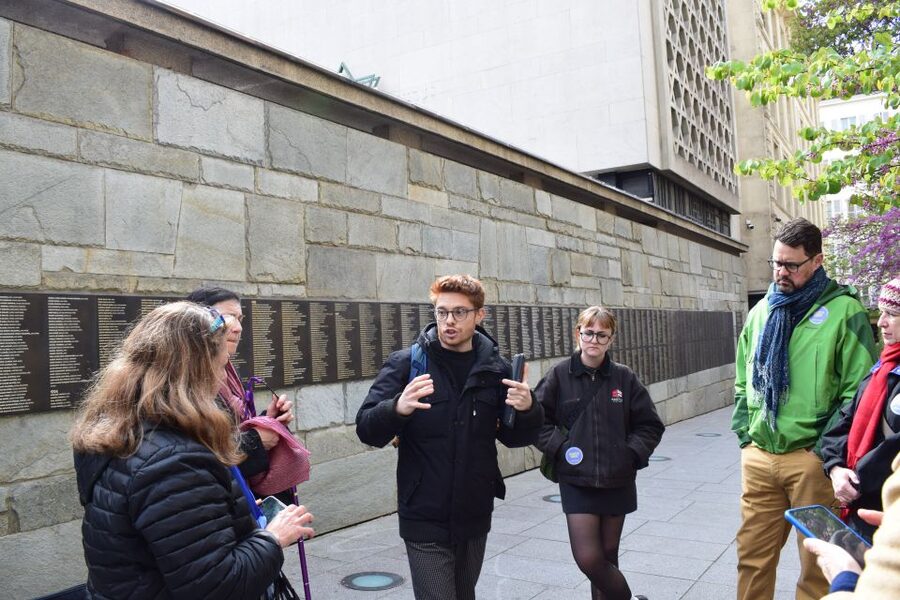
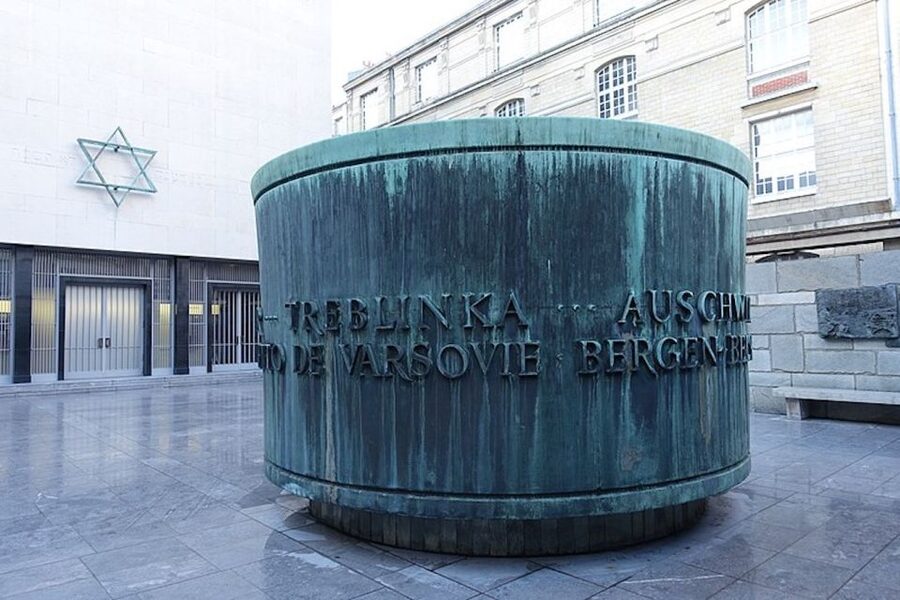
After Le Marais, you’ll head toward a key historical marker: the Mémorial de la Shoah (Holocaust Memorial). The tour frames this stop as solemn and reflective, with historical significance explained from the exterior.
One reason this tends to hit hard is timing. You’ve just been absorbing neighborhood life—then the tour turns toward the rupture in European Jewish history. Several guides are praised for handling sensitive topics with careful respect. That’s not just “nice.” It changes how the stop lands.
A practical point: this part can feel emotionally heavy. If you’re the type who processes by asking questions, you’ll likely appreciate guides like Benjamin and Pierre Luis, who are repeatedly praised for making room for curiosity while staying thoughtful with difficult material.
From Hôtel de Ville to Montmartre: a public-transport transition you shouldn’t skip
The Marais portion wraps near Hôtel de Ville and then you take about 30 minutes of public transport to Montmartre. Public transport tickets are included, which is one of those small perks that saves stress—especially if you’re trying to keep your day tight.
This transition also helps you mentally reset. You’re moving from the dense, historic street grid of Le Marais into the steeper, more theatrical streets of Montmartre. Your guide uses that shift to reframe the story: from community anchored in place to Jewish cultural life expressed through art, writing, and nightlife.
You can also read our reviews of more historical tours in Paris




Montmartre: artist streets, Jewish creativity, and a Sacré-Cœur payoff
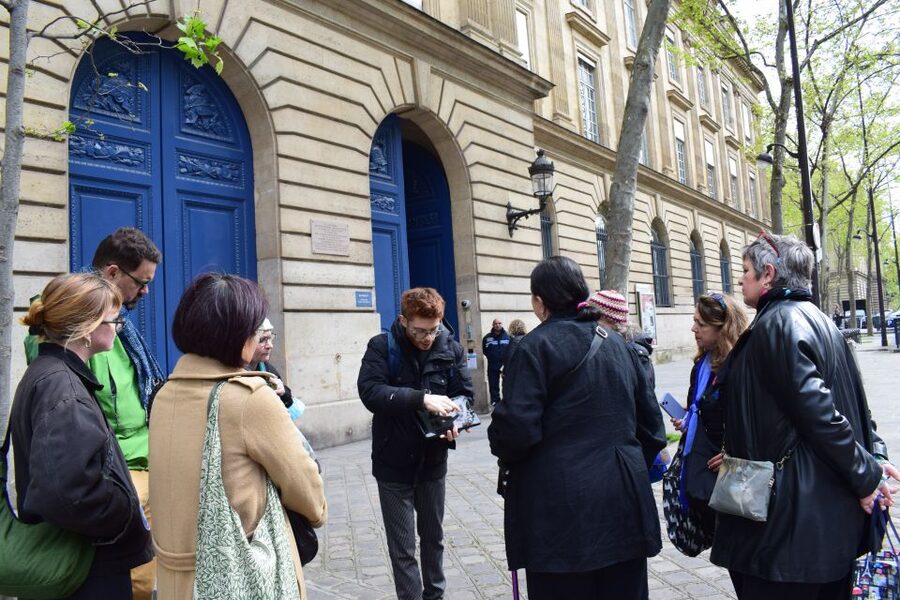
Montmartre is where the tour breathes. You’ll walk for roughly 90 minutes, following the neighborhood’s famous lanes and creative energy.
A few places stand out on the route: 7 Rue Ravignan, Le Bateau-Lavoir, and a pass-by at Musée de Montmartre. The important thing isn’t just the names—it’s what your guide connects them to. The emphasis here is on how Jewish artists, writers, and thinkers became part of Montmartre’s cultural heartbeat in the late 19th and early 20th centuries.
This is the part you’ll probably remember on your way back to your hotel. The story doesn’t stay in the past. Your guide keeps linking creative ambition and resilience to how Paris became the city it is.
And then you reach Sacré-Cœur Basilica. You’ll take in the wide panoramic views over Paris while connecting that view to the tour’s themes of identity and artistic expression. It’s a classic “big sky” Paris moment, but the guide helps you see it as more than a skyline photo.
Finally, the tour ends around Square Louise-Michel with a thoughtful final reflection. That reflection step is valuable because it gives your brain a place to land after a day that covers both inspiration and tragedy.
Price and value: what $80 buys in time, guidance, and included transit
At $80 per person for 210 minutes, this tour is priced like a serious guided experience—not a casual neighborhood stroll. The value comes from four things:
- Small-group format (up to 9): you’re more likely to get answers to your questions
- Local expert in English: the tour depends on interpretation, not just location walking
- Two neighborhoods in one: Le Marais and Montmartre are very different, and public transit bridges them efficiently
- Public transport tickets included: you’re not paying extra or figuring out routing mid-day
What’s not included matters too. You shouldn’t expect indoor synagogue visits or entry to monuments & historical sites as part of the package. That said, the itinerary is built around exterior viewing and guided street-level storytelling. If you want museum tickets and inside access every stop, this isn’t that kind of tour.
Also keep weather in mind. Several reviews mention on-and-off rain, and the guides seem to keep the pace and morale steady. Still: pack for walking, not just sightseeing. A long day plus wet streets changes the experience.
How to judge the guide before you commit
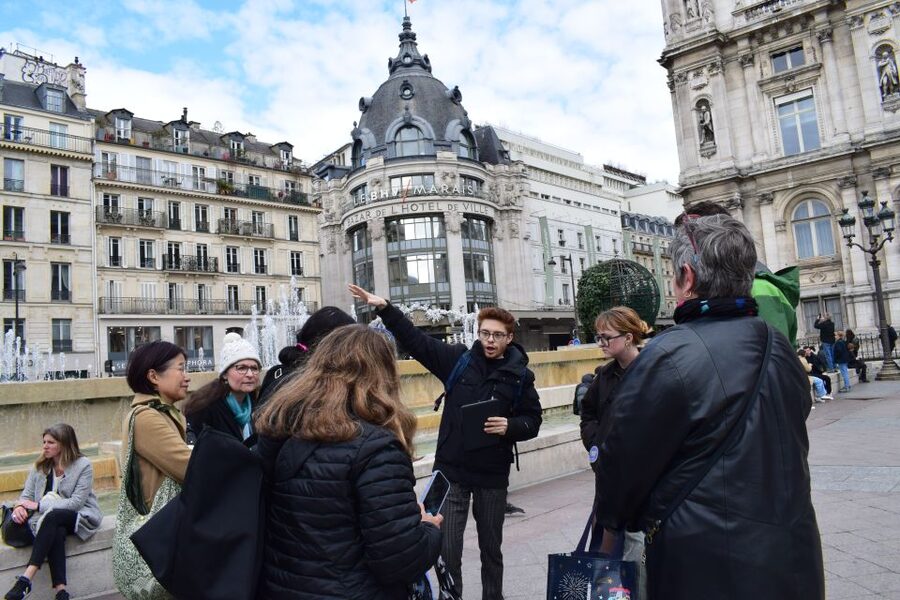
You can’t pre-screen your exact guide, but you can look at the pattern in what works. Reviews repeatedly praise guides like Benjamin, Benoit, Pierre Luis, Pilu, JP, and Achilles for two big skills:
- Clear, engaging storytelling that makes Le Marais and Montmartre feel connected.
- Appropriate sensitivity when the tour reaches the Holocaust memorial and related topics.
That combination is rare. You want the history told accurately, but also handled with care. If that’s your priority, this tour has a strong track record.
There are also a couple of useful caution notes from past experiences. Some people found the meeting spot tricky at BHV because of many entrances. Others mentioned the tour can run long if questions take a group off-script. And one review noted a mismatch with expectations when the route included more church architecture than they wanted. Those are individual factors—but they’re worth knowing.
Who this tour suits best (and who should think twice)
This walk fits well if you want Jewish Paris through a “story route,” not a collection of disconnected stops. It’s also a good match if you like asking questions and hearing how guides connect community life, art, and major historical events.
It’s not suitable for people with mobility impairments or wheelchair users. The tour is walking heavy, and the route includes neighborhood streets plus a transfer to Montmartre.
Also note the practical rule: you can’t join once the tour has started. Show up early and you’ll avoid stress.
Should you book this Jewish Paris tour?
I’d book it if you want a guided route that connects Le Marais Jewish landmarks to Montmartre’s creative story, with a careful, respectful stop at the Mémorial de la Shoah and a satisfying finish at Sacré-Cœur. For $80, you’re paying for interpretation, not just distance—plus you get small-group attention and transport support.
I wouldn’t book it if you need mostly indoor visits and monument entry, or if long walking is a problem for you. And if you’re very strict about maximizing only Jewish-content stops (with no detours toward architecture), you’ll want to align expectations with the guide’s approach.
FAQ
Is the tour a small group?
Yes. It’s a small-group walking tour (up to 9 persons) with an English live guide, and private or small groups may be available.
How long is the Paris Le Marais & Montmartre Jewish History Walking Tour?
The duration is 210 minutes.
Are synagogue interiors included?
No. The tour does not include indoor visits to synagogues.
Does the tour include public transport?
Yes. Public transport tickets are included, with about 30 minutes allocated for the transfer between neighborhoods.
What are the main stops on the route?
Key stops include Agoudas Hakehilos (exterior), the Mémorial de la Shoah, Montmartre streets and sites such as 7 Rue Ravignan and Le Bateau-Lavoir, and a finish at Sacré-Cœur Basilica (with reflection near Square Louise-Michel).
Is it suitable for wheelchair users or mobility impairments?
No. The tour is not suitable for people with mobility impairments or wheelchair users.
What language is the tour guide?
The tour is guided in English.
Can I cancel for a full refund?
Yes. You can cancel up to 24 hours in advance for a full refund.