REVIEW · PARIS
Paris: Île de la Cité and Notre-Dame Walking Tour With Crypt
Book on GetYourGuide →Operated by ExperienceFirst · Bookable on GetYourGuide
Notre-Dame hits different when you read it on foot. I love the way the guide points out façade symbols you can actually spot yourself, and I love that the included Archeological Crypt ticket lets you connect medieval Paris to the city’s earliest foundations. One thing to consider: you won’t get official entry to Notre-Dame during the tour, so you’ll need to plan a free visit on your own.
This is a tight 90-minute loop in the island heart of Paris, starting on the Pont Neuf bridge. You’ll meet the guide holding an orange ExperienceFirst sign, with English or Spanish narration.
After the walk, you shift to a self-guided crypt visit. If the crypt is closed for maintenance on the day, the tour becomes an outdoor-only route.
In This Review
- Key highlights you’ll feel right away
- Why this Île de la Cité route works for first-timers and repeaters
- Pont Neuf meeting point: get your bearings fast
- Henri IV to Square du Vert-Galant: the island’s mood shifts quickly
- Place Dauphine, Tour de l’Horloge, and the Conciergerie: design + power
- Sainte-Chapelle and the Gothic façade lesson you’ll carry all day
- Marché aux Fleurs (Elizabeth II): smell, color, and a story break
- Notre-Dame photo stop: you see it, then you decide your next step
- Crypt under Notre-Dame: Archeological Crypt makes the past physical
- Price and value: why $47 can make sense here
- Who should book this Île de la Cité Notre-Dame tour
- Quick planning tips before you go
- Should you book it?
- FAQ
- Where do I meet the guide?
- How long is the tour?
- What languages are offered?
- What is included in the price?
- Is entry to Notre-Dame Cathedral included?
- Will I have a guide in the crypt?
- What if the Archeological Crypt is closed?
- Is this tour accessible for wheelchair users?
- What should I wear or bring?
- Is there free cancellation?
Key highlights you’ll feel right away
- You learn the Notre-Dame façade symbols so the building stops being just a postcard
- You get a guided tour of the island core, with stops tied to law, royalty, and revolution
- Sainte-Chapelle and Notre-Dame are explained as Gothic design, not just big old churches
- Marché aux Fleurs (Elizabeth II) is a sensory break before you circle back to the cathedral area
- You see Notre-Dame from the outside on the tour, then visit the crypt afterward at your own pace
- The crypt visit is ticketed but self-guided, so you can go slowly and look longer
Why this Île de la Cité route works for first-timers and repeaters
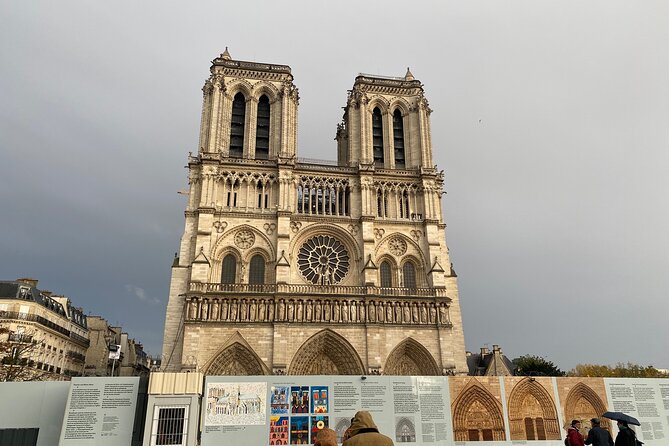
Île de la Cité is where Paris compresses into one small place. You get the cathedral complex, yes—but also the civic core: courts, prisons tied to famous moments, and the sense that this island has been shaping the city for centuries.
I like this tour because it doesn’t treat Notre-Dame like a single stop. It treats it like a neighborhood. The guide connects the dots between the Gothic façades you’re standing in front of, the legal-and-political buildings around you, and the older Paris story waiting below Notre-Dame.
The result: even if you’ve seen Notre-Dame in photos before, you’ll walk away with a clearer mental map. You’ll know what to look for when you’re back at street level, and you’ll understand why people keep returning to this spot after the cathedral fire and during ongoing restoration efforts.
You can also read our reviews of more walking tours in Paris



Pont Neuf meeting point: get your bearings fast
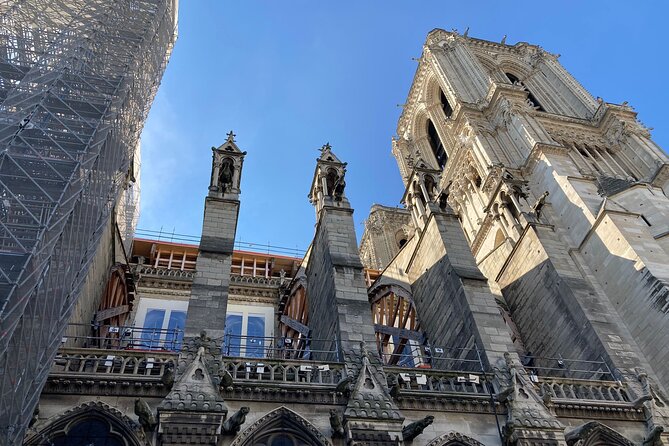
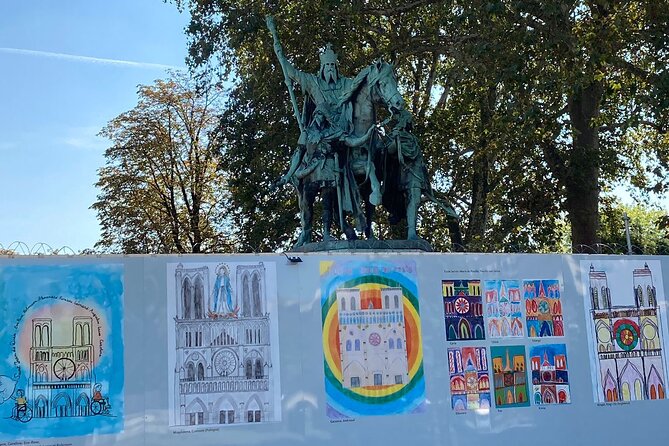
The tour meets at 15 Pl. du Pont Neuf, right in front of the equestrian statue of Henri IV on the Pont Neuf bridge. Your guide will be holding an orange ExperienceFirst sign, so it’s easy to spot once you’re there.
Why I think this starting point matters: it gets you oriented at the widest, most open end of the island. You start with a landmark that’s obvious, then you move into the tighter medieval street geometry where the story starts to feel real.
You’ll be walking on a schedule that’s meant to fit into a single morning or afternoon chunk—perfect when you only have a couple days in Paris. With English or Spanish narration, you can follow the main ideas without straining to catch every detail.
Practical tip: wear comfortable shoes. This is a walking tour in a dense area, so your feet will do the heavy lifting.
Henri IV to Square du Vert-Galant: the island’s mood shifts quickly
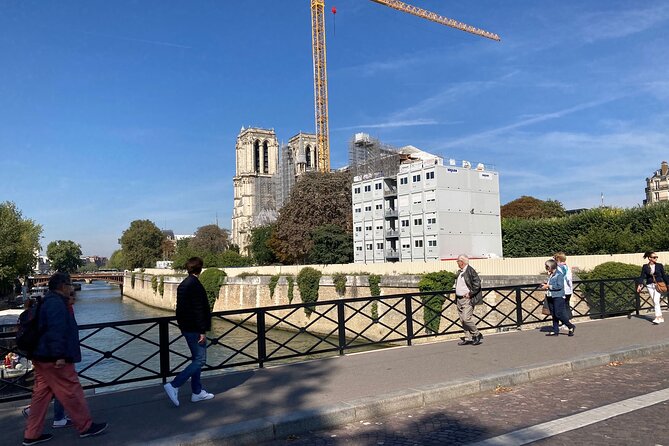
From the Henri IV statue, you head toward the Square du Vert-Galant. This stretch is short, but it’s a good warm-up because you’ll feel the island transition from broad views to more enclosed corners.
This is also where the guide’s style matters. In this experience, the guides are described as funny and energetic, with lots of Q&A. That’s not just nice to have. It helps you stay focused when you’re surrounded by distractions: tourists pointing phones, traffic noise, and the constant pull of Saint-Chapelle and Notre-Dame in your peripheral vision.
You’ll start hearing the bigger themes the guide plans to keep returning to: how architecture tells stories, how Paris’s power centers shaped everyday life, and why the cathedral area sits at the crossroads of religion and politics.
Think of this first section as the “decoder ring” phase. By the time you get to the heavier landmark stops, you’re already in the right mindset.
Place Dauphine, Tour de l’Horloge, and the Conciergerie: design + power
Next you move through Place Dauphine, then toward the buildings that show Paris’s official face. You’ll see the Tour de l’Horloge du Palais de la Cité and the Conciergerie, with a mix of guided explanation and sightseeing.
Here’s what I like about these stops: they’re not random. They’re the island’s institutional layer, sitting right beside the sacred layer. The Palais de Justice area comes into focus as you pass the court spaces, and you’ll hear how the site connected to major French history—royalty when power was centered, then revolution when power flipped.
At the Tour de l’Horloge, you’ll also hear about the secret of the oldest clock in Paris. The key for you isn’t memorizing dates. It’s learning how to read the building as a timeline device. Clocks, symbols, and stonework weren’t only decoration; they were tools of order.
Then comes the Conciergerie, once home to royalty and revolutionaries. Even if you’re not a “prison history” person, this stop gives you a strong sense of contrast: the same island that holds spiritual artwork also held political turning points.
Sainte-Chapelle and the Gothic façade lesson you’ll carry all day
The tour brings you to Sainte-Chapelle as a major sightseeing moment. Even if you don’t go inside on this tour, your guide points out details you can notice right there on the façades and structure.
Why that matters: a lot of cathedral tours fail when they only say things like tall, old, and beautiful. This one gives you specific cues—symbols and design elements—to help you see what’s in front of you.
The guide also uses Notre-Dame and Sainte-Chapelle as comparison points for Gothic style. You’ll hear about the logic of the architecture, not just its age. If you care about why buildings look the way they do, this part is where the tour starts feeling personal.
Bonus: the timing is good. You get these design explanations before you’re too tired or too deep into the crowds. That makes it easier to focus on what the guide says when you finally reach the Notre-Dame area for photos.





Marché aux Fleurs (Elizabeth II): smell, color, and a story break
You’ll stop at Marché aux Fleurs Elizabeth II during the tour. This is one of those choices that doesn’t sound like “history,” until you’re there and realize markets are how cities breathe.
The tour highlights the colors and smells of the market, and I agree this kind of pause makes the day easier. You go from stonework and symbolism to something human-scale and immediate. Flowers also fit the Notre-Dame neighborhood vibe in an unexpected way—public space, daily life, and a reminder that the island isn’t a museum shell.
If you’re traveling with kids, markets tend to be a win. The guide’s storytelling style often helps here too, because it gives the visual experience a thread to follow.
My advice: don’t try to do everything at once. If you want photos, take them quickly, then watch what the market is doing in motion—people bargaining, handlers moving quickly, the constant rotation of colors.
Notre-Dame photo stop: you see it, then you decide your next step
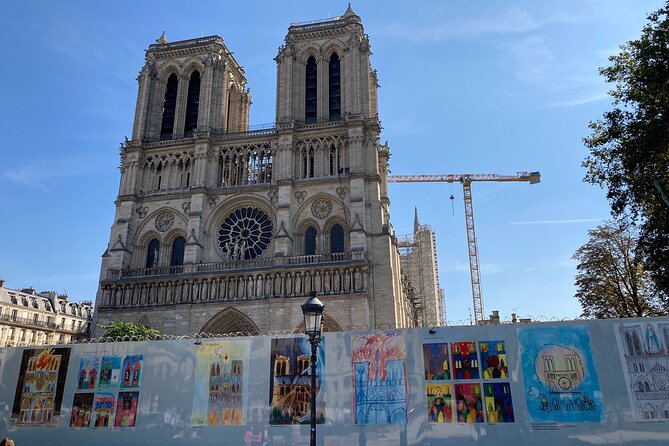
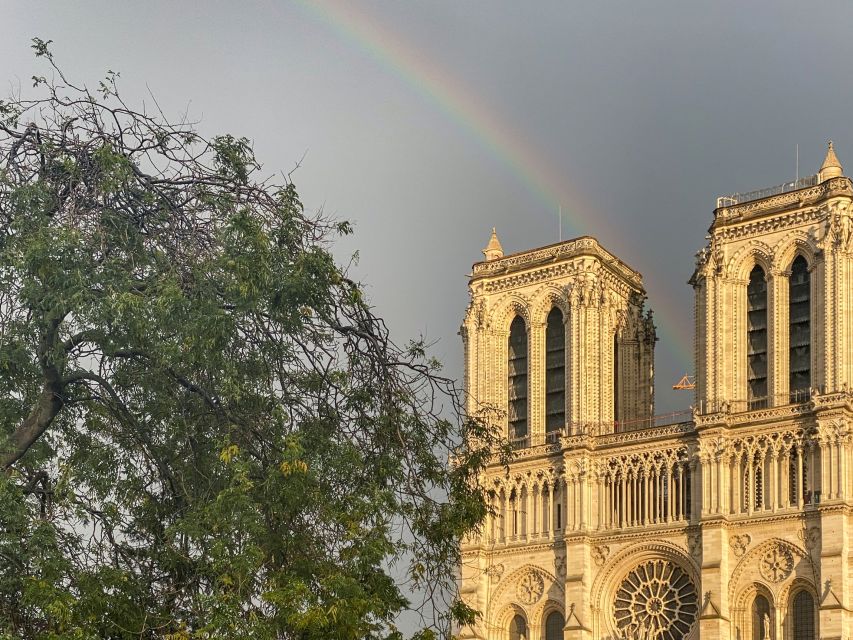
The tour includes a Notre-Dame Cathedral photo stop and guided sightseeing around the exterior. You’ll learn what to look for on the façades, and your guide will share tips on what to notice if you go inside later.
Important: entry to Notre-Dame is not included. So you’re not stuck in a long line with the group. Instead, you’ll need to handle your visit separately—either by making a free reservation on the Notre-Dame website or lining up on the day.
How to use this strategically:
- If you want the full cathedral experience, plan your Notre-Dame entry for after the tour or on another day.
- If you only care about exteriors and symbolism, this tour already does the heavy lifting for you.
One small consideration: because the cathedral area is busy, it can be hard to hear the guide at certain moments. If you’re sensitive to noise, pick a spot slightly off to the side where you can face the guide and get a clearer line to their voice.
Crypt under Notre-Dame: Archeological Crypt makes the past physical
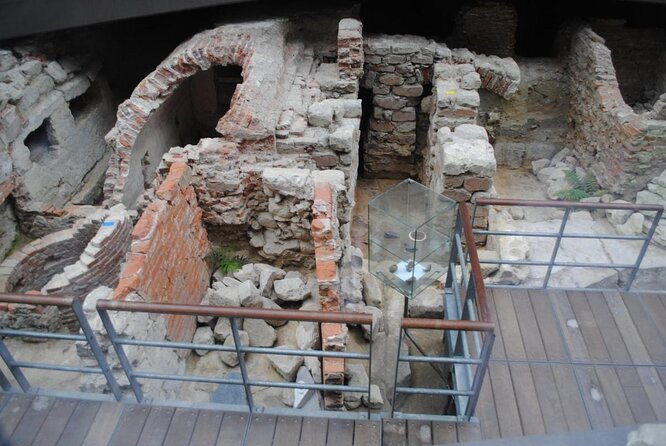
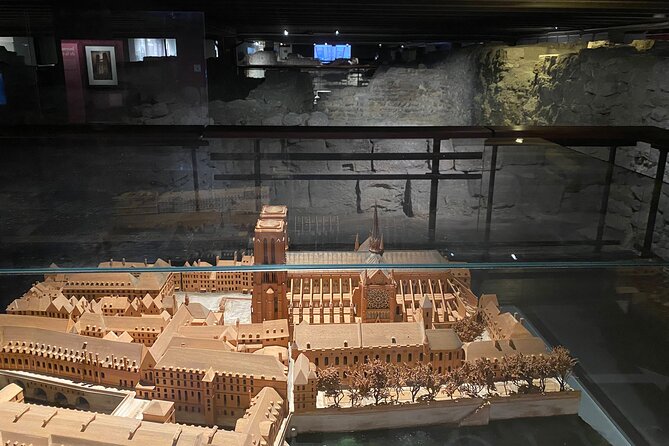
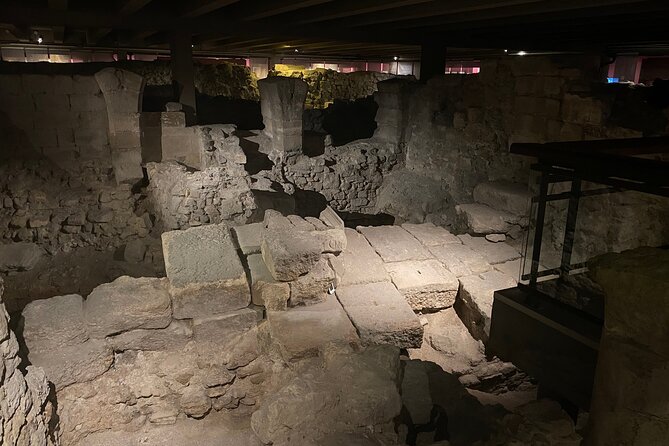
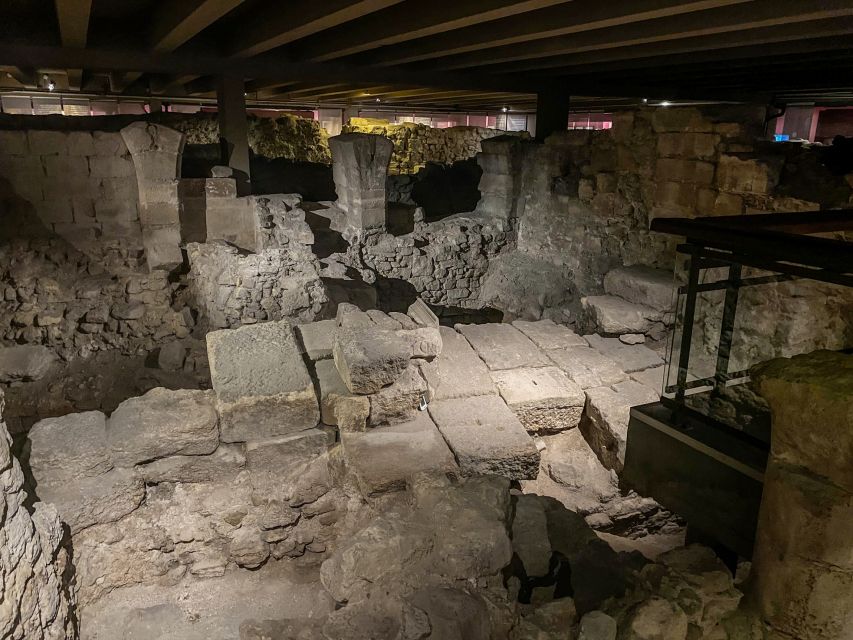
After the walking route, you head to the Archeological Crypt of Île de la Cité. This is where the tour pays off for people who love “what was here before.” The ticket is included, and the crypt visit is self-guided, meaning there’s no guide inside.
That self-guided format is a feature. You can slow down, read the plaques, and look at the foundations without needing to keep pace with a group’s schedule. You can focus on what interests you: construction layers, older remains, and the idea of early Paris sitting under a modern footprint.
One heads-up based on what people have found: if you expect a tomb-like burial space, you may be surprised. The focus is on Roman ruins and the foundations of original Paris. That’s still fascinating, but it’s better to arrive with the right mental image.
There’s also a practical note: the crypt can close rarely for construction or maintenance. If that happens, you’ll receive the outdoor guided walking tour only.
Price and value: why $47 can make sense here
At $47 per person for a 90-minute guided walk plus a crypt ticket, the value mostly comes from two things: guided interpretation and access to the crypt. In this area, “just walking around” is easy to do on your own. What costs you time and meaning is having someone point out the symbolism, architecture cues, and the local story connections.
So you’re paying for:
- a local guide to connect Palais de Justice history, Notre-Dame façade details, and Sainte-Chapelle design
- the crypt ticket that takes you below street level after the walk
If you’re comparing options, this tour fits best when you want a compact plan. You get the island overview in a short time block, then you decide how long you want to spend in the crypt on your own.
Who should book this Île de la Cité Notre-Dame tour
I think this is a strong fit if you:
- are seeing Notre-Dame for the first time and want a clearer way to read the façade and surroundings
- want a history lesson that stays practical and visual, not stuck in lecture mode
- are traveling with kids who do better with humor and stories than with long museum lines
- like a well-paced route that moves from design to civic history, then down into the ground-level past
It’s also a good pick if you’ve been to Notre-Dame already. The guided exterior cues and the crypt visit can add a layer that a quick photo stop usually doesn’t.
One mismatch: if you specifically want the cathedral interior experience guided as part of the tour, this won’t deliver that. You’ll need your own Notre-Dame entry plan afterward.
Quick planning tips before you go
This tour is rain or shine. Paris weather changes fast, so dress in layers and keep a small rain layer handy.
Also plan your energy. The route is short, but the island is dense. If you’re sensitive to crowds, aim for a calm mindset at the Notre-Dame zone and let the guide’s quieter explanations do their work between busier pockets.
For the crypt, give yourself time to look. The value is in reading and noticing what’s physically underfoot.
Should you book it?
My answer: yes, if you want a guided “read the place” version of Île de la Cité plus a crypt visit. The tour’s strength is interpretation—symbols, Gothic details, and the way the island’s power centers sit beside the cathedral story.
Book it if you like a compact plan that gets you bearings fast and then lets you slow down afterward in the Archeological Crypt. Skip it only if you’re mainly chasing Notre-Dame interior access with a guided walkthrough, because this tour doesn’t include cathedral entry.
If you do book: plan your Notre-Dame visit separately, and wear good shoes. Then you’ll get the full arc—stone, street life, and the oldest layers of Paris below.
FAQ
Where do I meet the guide?
Meet in front of the statue of Henri IV on the Pont Neuf bridge at 15 Pl. du Pont Neuf, 75001 Paris. The guide will be holding an orange sign that says ExperienceFirst.
How long is the tour?
The walking tour lasts 90 minutes.
What languages are offered?
The live tour guide is available in English and Spanish.
What is included in the price?
You get an expert local guide for the 90-minute walking tour of Île de la Cité, plus a ticket for the Archeological Crypt.
Is entry to Notre-Dame Cathedral included?
No. The tour does not include entry to Notre-Dame Cathedral. You can make a free reservation on the Notre-Dame website or line up on the day of your visit.
Will I have a guide in the crypt?
No. The Archeological Crypt portion is self-guided, even though the tour includes the ticket.
What if the Archeological Crypt is closed?
On rare occasions, the crypt can be closed for construction or maintenance. If that happens, you’ll still get the outdoor guided walking tour only.
Is this tour accessible for wheelchair users?
No. This tour is not accessible for wheelchairs.
What should I wear or bring?
Bring comfortable shoes. The tour also runs rain or shine.
Is there free cancellation?
Yes. There is free cancellation up to 24 hours in advance for a full refund.