REVIEW · SINGAPORE
Singapore: Chinatown Historic Walking Tour with Lunch
Book on GetYourGuide →Operated by On-A-Roll-Tours · Bookable on GetYourGuide
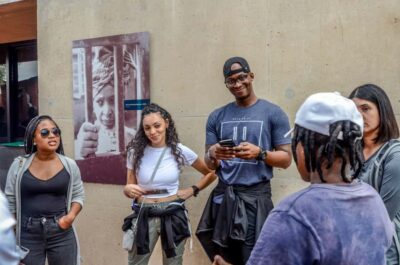
Chinatown feels like a storybook when someone else handles the street turns. This Chinatown historic walking tour pairs a lively guide, typically Ping, with real stops that explain how the neighborhood formed, not just what it looks like. I like the way the tour brings you to major sites such as Thian Hock Keng Temple (built in 1821), and I also love lunch at Chiew Kee Noodle House, famous for soy sauce chicken.
The only watch-out is that it’s a full 3.5-hour walk rain or shine, so comfortable shoes matter and you’ll want to use the included poncho if the weather turns.
In This Review
- Key highlights to look for on this Chinatown walk
- Why Chinatown works best with a tight walking loop
- Meeting at One Raffles Place: the walk starts with momentum
- Yueh Hai Ching Temple and the feeling of early Chinese immigrant hopes
- Fuk Tak Chi Museum: when old Taoist space gets a second life
- A quick detour to Nagore Dargah: Chinatown’s religious mix
- Thian Hock Keng Temple (1821): Mazu and the sea routes behind Chinatown
- Ann Siang Hill, clubs, and shophouse corners that tell stories
- Lunch at Chiew Kee Noodle House: soy sauce chicken does the talking
- Post-lunch trading stops: tea, pastries, and the scent of old merchants
- Pagoda Street, Sri Mariamman Temple, and the smell of incense logic
- Smith Street to Sago Lane: the trade map under your feet
- Buddha Tooth Relic Temple and Maxwell Food Centre: religion plus everyday meals
- Singapore City Gallery: a final map to tie it all together
- Price and logistics: is $54 good value for a Chinatown day?
- What I’d recommend it for (and who might want a different plan)
- Book it? My take on whether this Chinatown tour is worth your morning
- FAQ
- Where do I meet for the Chinatown Historic Walking Tour with Lunch?
- What time does the tour start?
- How long is the tour?
- Does the tour run in the rain?
- What lunch is included?
- What should I bring?
- Is hotel pickup and drop-off included?
Key highlights to look for on this Chinatown walk
- Ping’s storytelling: clear, energetic explanations that make temples, lanes, and clubs make sense fast
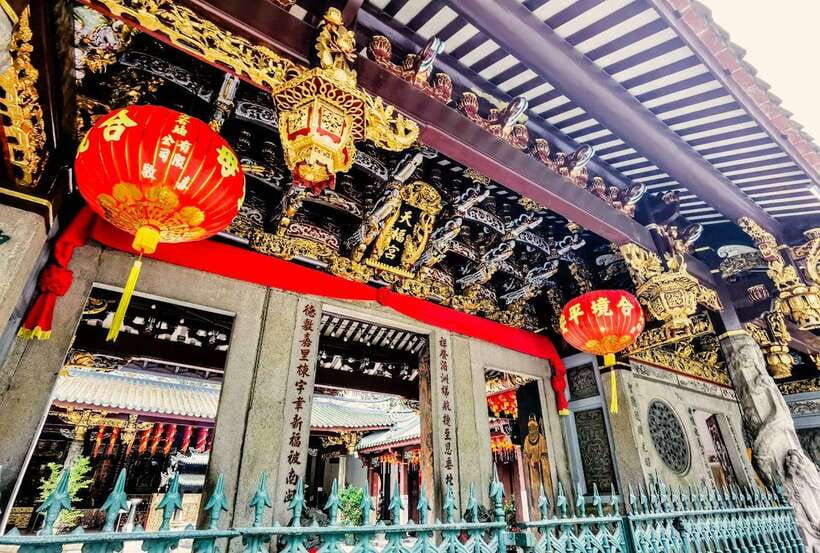
- 1821 Mazu temple time travel: see Thian Hock Keng Temple and learn why it mattered to early seafarers
- A proper old-school lunch: Chiew Kee Noodle House, known for soy sauce chicken
- Tea shop + pastry browsing: a Cantonese tea stop with more than a century of history
- Traditional medicine shop to end on: a Chinatown finale that ties culture to everyday life
Why Chinatown works best with a tight walking loop
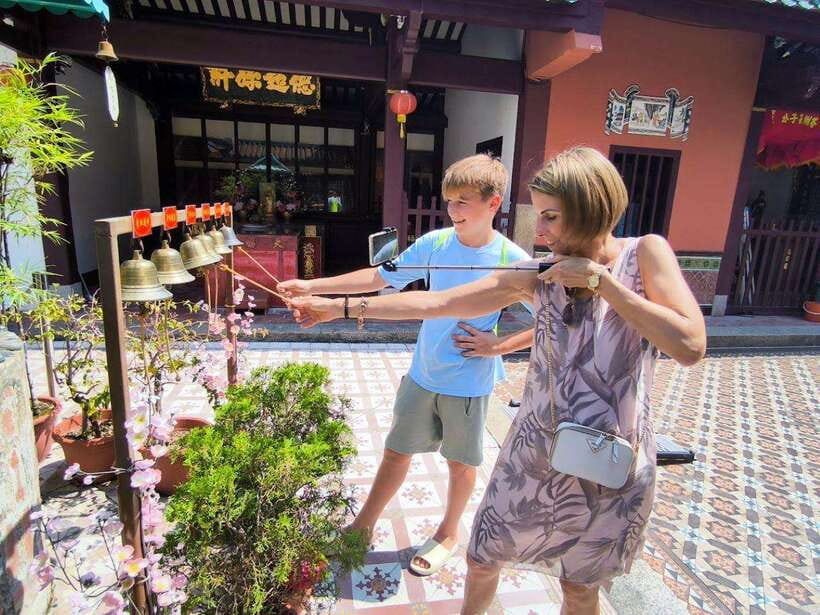
Singapore’s Chinatown can look orderly, but it’s still packed with lanes, small temples, and signboards in different styles. This tour does something useful: it threads those pieces into a logical route so you don’t waste time playing detective.
The vibe is part history and part food. You’re not just taking photos of buildings—you’re learning what people came to these places for, from worship to daily trade to community clubs.
You can also read our reviews of more walking tours in Singapore
Meeting at One Raffles Place: the walk starts with momentum
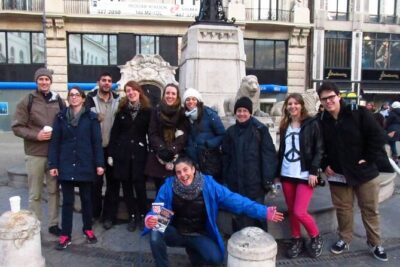
You meet at The Whisky Distillery at One Raffles Place (street level), across from Raffles Place MRT Exit A, at 9:55 AM with a 10:00 AM start. That timing matters because you’ll get a solid start on the day, before the heat and crowds build up around the center.
Expect an organized morning that moves on foot with frequent stops. If you like a tour that keeps a steady rhythm instead of lingering forever, this one fits.
Yueh Hai Ching Temple and the feeling of early Chinese immigrant hopes
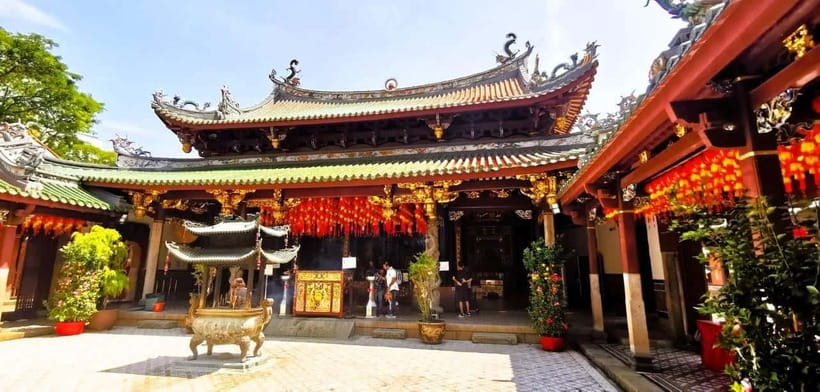
The first major religious stop is Yueh Hai Ching Temple in Raffles Place. It’s a national monument, and the tour frames it as a sign of hopes brought by early Chinese immigrants.
This is a good first stop because it sets the theme: Chinatown isn’t only about shopping. It’s also about faith, community, and the reasons people clustered where they did.
Tip for you: take a moment here to look up at details before you move on—this tour covers a lot of architecture, so your eyes will thank you later.
Fuk Tak Chi Museum: when old Taoist space gets a second life
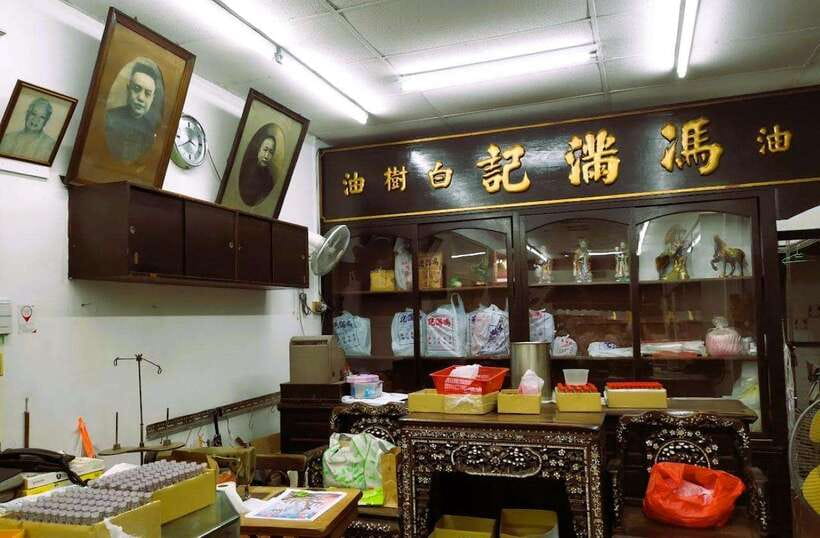
Next comes the Fuk Tak Chi Museum. The tour highlights that it was once a Taoist shrine and has been beautifully restored inside a boutique hotel.
What you get from this stop is perspective. Singapore has kept many traditions, but it also adapts old spaces for modern use—without pretending nothing changed. It’s a clear example of continuity with a new function.
How it feels in the flow: this is a 20-minute guided visit, short enough to keep moving, but long enough to connect the past to the present.
A quick detour to Nagore Dargah: Chinatown’s religious mix
Then there’s Nagore Dargah for a brief visit. It’s only 5 minutes on the schedule, but that short stop does an important job: it signals that Chinatown’s story isn’t single-note.
You’ll see how different faiths and communities show up in the area, side by side, shaped by migration patterns and trade routes.
If your goal is to understand Chinatown as a living neighborhood—not a museum district—this mix helps.
You can also read our reviews of more historical tours in Singapore
Thian Hock Keng Temple (1821): Mazu and the sea routes behind Chinatown
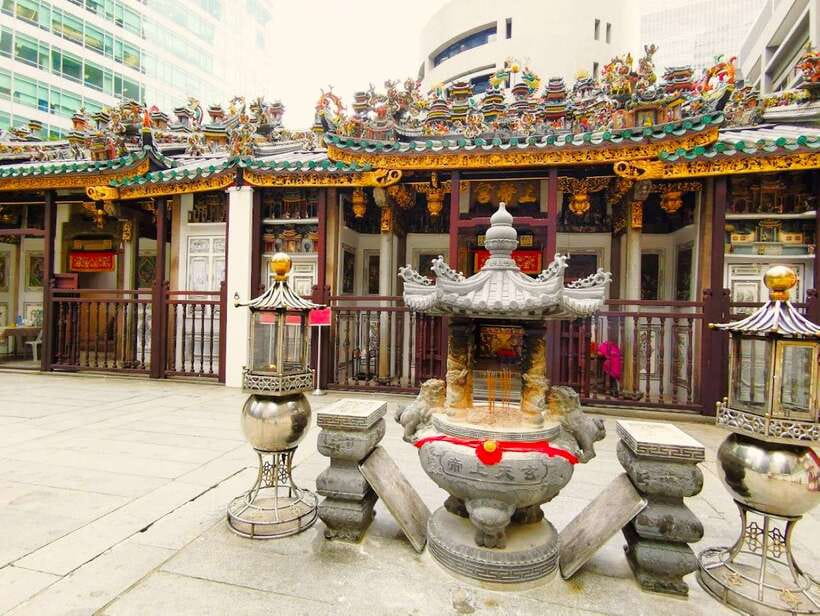
Now you hit the anchor site: Thian Hock Keng Temple, built in 1821 to honor Mazu, the sea goddess. This is one of those places where the dates and the stories click together.
The tour’s take is practical: it connects the temple to seafaring life and the needs of people who traveled by water. When you understand that, the architecture feels less decorative and more purposeful.
What to pay attention to: spend a few extra seconds on details during the 25-minute guided portion. You’ll be backtracking your camera settings all morning, so make this one count.
Ann Siang Hill, clubs, and shophouse corners that tell stories
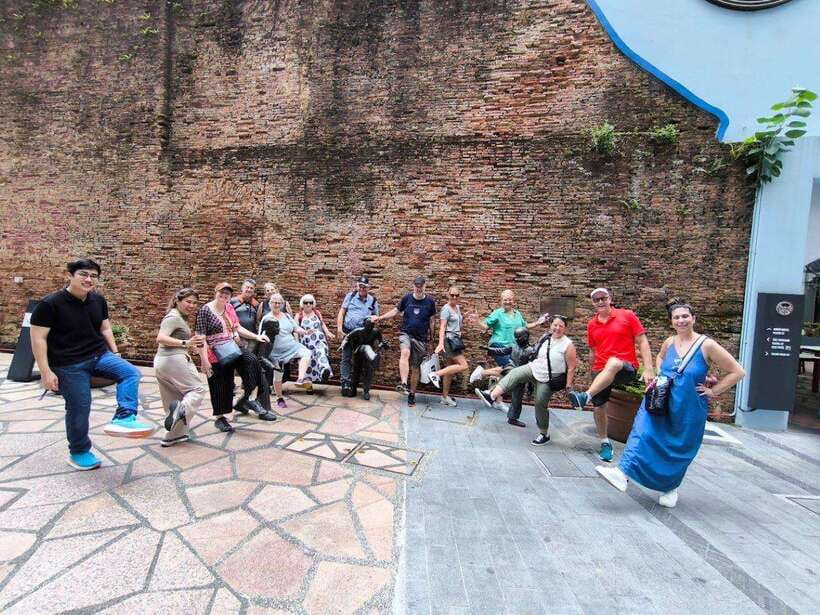
After the temple, you’ll head up Ann Siang Hill, with photo pauses and short guided moments at places like the Chinese Weekly Entertainment Club and the Goh Loo Club shophouse.
These stops matter because clubs and shophouses are where everyday culture happened. They show social life, entertainment, and the kind of community gathering that doesn’t always show up in guidebook headlines.
Then there’s a brief walk-by at Mohamed Ali Lane, where your guide shares stories about Chinatown’s colorful past. Even if you’re not a street-art person, these lanes help you picture what daily life looked like when the neighborhood was evolving fast.
Pace note: the tour keeps the pace friendly, and the guide tends to adjust if needed—handy if you walk slower or stop for photos.
Lunch at Chiew Kee Noodle House: soy sauce chicken does the talking
Lunch is at Chiew Kee Noodle House, one of Singapore’s oldest and most beloved spots, famed for soy sauce chicken. You get 35 minutes here, which is enough time to eat without feeling rushed.
This lunch is a value win. For many Chinatown tours, food is an extra charge. Here, lunch is included in the $54 price, so you’re not paying extra just to get fed.
What you can expect from the meal: it’s an old-school, family-run feeling place that fits the neighborhood rather than turning it into a performance for tourists. The “signature” is clear: order the soy sauce chicken if that’s part of your plan.
Post-lunch trading stops: tea, pastries, and the scent of old merchants
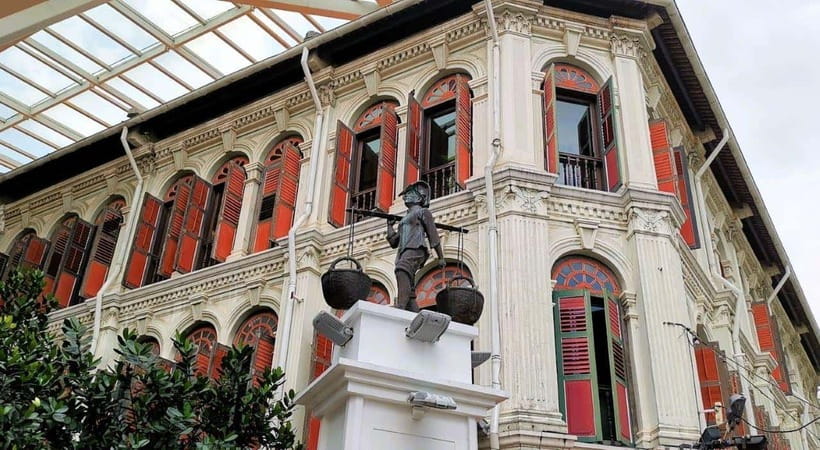
After lunch, you’ll transition into the shopping-and-trade side of Chinatown. The tour includes landmarks like Yue Hwa Chinese Products and the Majestic (with a photo stop).
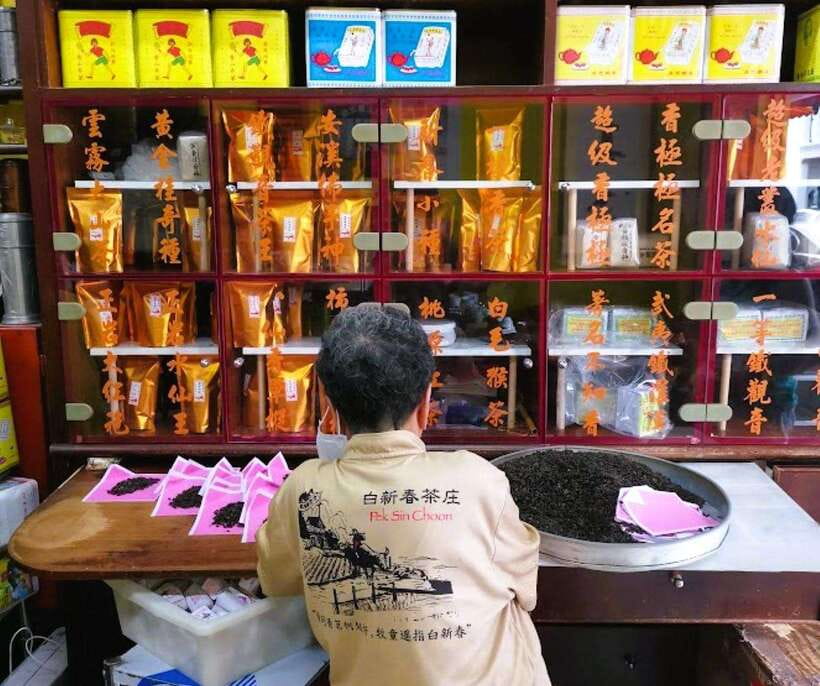
Then you’ll visit Pek Sin Choon, a tea merchant with over 100 years of history, where you can browse for Cantonese pastries. This part is more than souvenir time. It shows how specialty goods—tea, sweets, packaged products—kept families and communities connected.
For your shopping sanity: don’t plan to buy everything. Use this stop to taste or sample what looks best, then decide later if you truly want pastries or tea to carry home.
Pagoda Street, Sri Mariamman Temple, and the smell of incense logic
Next is Pagoda Street, followed by Sri Mariamman Temple. Both are guided stops, with Sri Mariamman Temple taking 10 minutes.
This section brings the spiritual side back in, but with different tones than the earlier temple visits. Together, the stops help you see how different religious traditions shaped community spaces in Chinatown.
Small practical advice: incense and temple interiors can be busy. If you want photos, wait for a quiet moment during the guided talk rather than shooting while everyone else is craning.
Smith Street to Sago Lane: the trade map under your feet
You’ll walk Smith Street with a guided segment, and the tour connects the route to Sago Lane, once home to the city’s sago factories.
This is one of the most “Singapore” lessons you’ll get today: names stick even when the industry changes. When you hear the story behind a lane name, the street becomes a clue, not just a place to pass through.
Think of it as learning to read a city sign in real time.
Buddha Tooth Relic Temple and Maxwell Food Centre: religion plus everyday meals
Later, you’ll visit Buddha Tooth Relic Temple with a short 5-minute guided portion, then continue onward toward Maxwell Food Centre for another 5-minute guided stop.
Even though these segments are brief, they round out the day. You see how sacred spaces exist next to the practical rhythm of eating and gathering—two sides of daily life.
If you love food but also want context, this timing works well. You’re not stuck in one zone too long.
Singapore City Gallery: a final map to tie it all together
The walk closes with Singapore City Gallery for 20 minutes. This last stop helps you connect the dots in a bigger picture way, so the day doesn’t feel like a string of unrelated temples and streets.
It’s a good finale because it turns what you saw into a clearer understanding of the city’s shape and direction.
Good habit for you: take a few notes here while the stops are fresh. You’ll be able to recall the names and stories later when you wander Chinatown on your own.
Price and logistics: is $54 good value for a Chinatown day?
For $54 per person and about 210 minutes (3.5 hours), this tour’s value comes from two things: a guided route through multiple major sites and an included lunch at Chiew Kee Noodle House.
Many tours of this type charge extra for food or treat lunch as a quick snack. Here, you get a real sit-down meal (35 minutes) plus multiple guided visits and photo stops.
Logistics-wise, there’s no hotel pickup, so you’ll want to be at The Whisky Distillery on time. Also plan for rain: it runs rain or shine, and you’re provided a disposable poncho if needed.
What I’d recommend it for (and who might want a different plan)
This tour is ideal if you want structure and explanations in a compact morning. It’s also a strong fit if you care about how different communities lived, worshiped, traded, and organized social life in Chinatown.
If you’re the type who hates walking, this probably won’t feel relaxing. It’s built for a steady pace across many stops. For best comfort, wear shoes you can keep on for hours.
Book it? My take on whether this Chinatown tour is worth your morning
Yes, if you want a Chinatown experience that links temples, lanes, trade, and food into one coherent story. I’d especially recommend it if you enjoy walking with an animated guide like Ping, who’s described as energetic and detail-focused, and who takes photos along the way to share afterward.
If you only want the fastest photo loop and don’t care about context, you could do Chinatown on your own. But if you want to understand why these places exist, and you’re happy to walk for half a day, this is a solid choice.
FAQ
Where do I meet for the Chinatown Historic Walking Tour with Lunch?
Meet your guide in front of The Whisky Distillery at One Raffles Place (across from Raffles Place MRT Station Exit A on the street level).
What time does the tour start?
Please meet at 9:55 AM. The tour starts at 10:00 AM.
How long is the tour?
The duration is 210 minutes (about 3.5 hours).
Does the tour run in the rain?
Yes. The tour will take place rain or shine.
What lunch is included?
Lunch is at Chiew Kee Noodle House, famed for soy sauce chicken.
What should I bring?
Bring comfortable shoes and water.
Is hotel pickup and drop-off included?
No. Hotel pickup and drop-off is not included.