REVIEW · PALERMO
Palermo : Historic Markets & monuments Walking Tour
Book on GetYourGuide →Operated by Guydeez Tours · Bookable on GetYourGuide
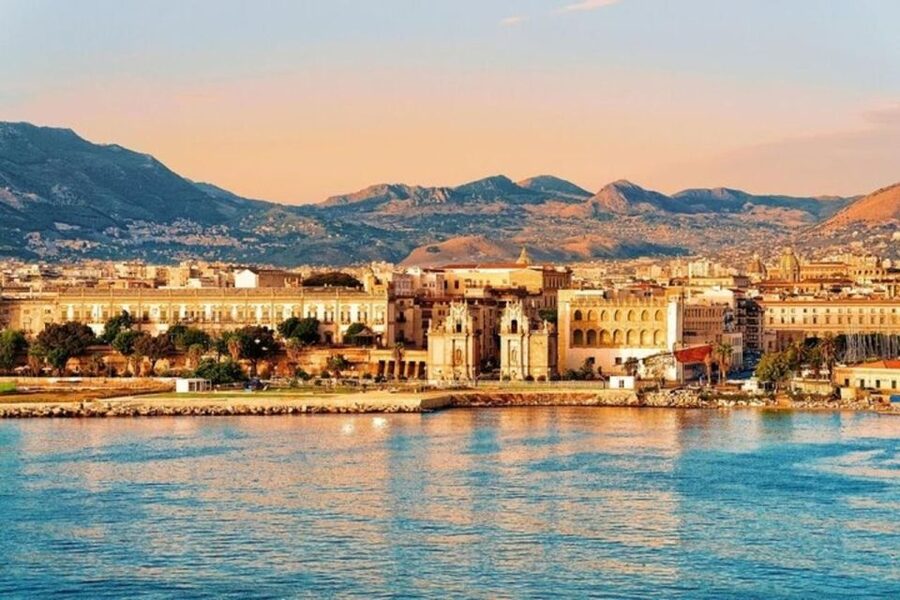
Palermo makes sense with a local guide. This private 3-hour walk strings together UNESCO Palermo Cathedral, Teatro Massimo, Quattro Canti, Fontana Pretoria, and Capo Market, plus Sicilian street-food sampling that helps the sights feel lived-in. You may even get a guide with an art-and-history bent, like Martina, or a warm storytelling style like Delia and Bianca.
I like the private, customizable pacing because it lets you slow down where you care most, not where the schedule says. I also like that you end up in Capo Market, where local vendors shape the mood of the city in real time. One consideration: drink or extra food purchases aren’t included, so come hungry but plan to pay for more bites if you want them.
In This Review
- Key things I’d watch for on this Palermo walk
- Via Ruggiero Settimo: starting where the old center feels close
- UNESCO Palermo Cathedral: what a quick stop can still teach
- Teatro Massimo and Quattro Canti: big-stage drama and street-corner math
- Fontana Pretoria: myth figures and the best quick-photo moments
- Capo Market: how to shop with your eyes, not your wallet
- Sicilian street-food sampling: ask for the canoli trail
- What makes it private and customizable in real life
- Price and value of a 3-hour markets-and-monuments walk
- Who should book this Palermo Cathedral and Capo Market tour?
- Should you book Palermo Historic Markets & monuments Walking Tour?
- FAQ
- How long is the Palermo Historic Markets & monuments Walking Tour?
- What’s included in the price?
- Is the tour food or drinks included?
- What languages are available for the live guide?
- Is there a private group option?
- Is cancellation free?
Key things I’d watch for on this Palermo walk
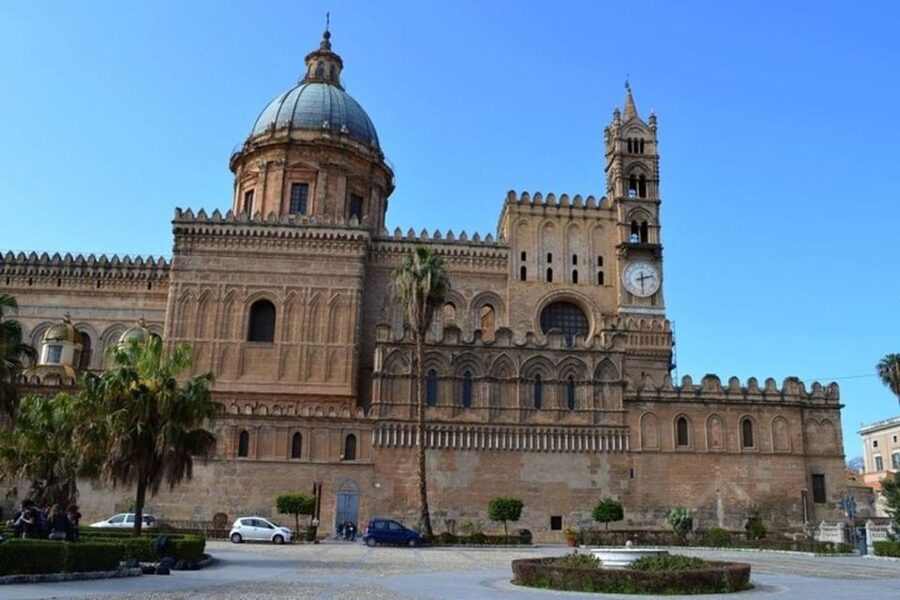
- UNESCO Palermo Cathedral on a tight route that still explains what you’re seeing
- Teatro Massimo (Italy’s largest opera house) without the usual museum-mode lectures
- Quattro Canti as a simple way to understand Palermo’s four historic quarters
- Fontana Pretoria with its mythological figures and great quick photo moments
- Capo Market where spices, produce, and crafts turn sightseeing into sensory memory
Via Ruggiero Settimo: starting where the old center feels close
The tour meets at Via Ruggiero Settimo, 55, in front of Hostelò – Luxury Hostel Palermo. This is a smart starting spot because it puts you near major sights like Teatro Massimo and the historic core, so you’re not spending your first part of the day fighting across town.
From the start, the feel is practical: you get a live guide (English, French, Italian, or Spanish) and a plan that’s flexible. Since it’s a walking tour, you’ll want to dress for the day and be ready for short segments on foot. The upside is that you’ll actually see how the city changes block by block, instead of only catching the big landmarks through a bus window.
One more helpful detail: the team can help book tickets for the visits you choose along the way. That matters in Italy, where a little planning can save you time and stress.
You can also read our reviews of more walking tours in Palermo
UNESCO Palermo Cathedral: what a quick stop can still teach
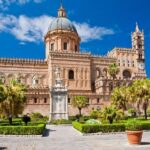
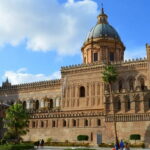
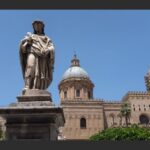
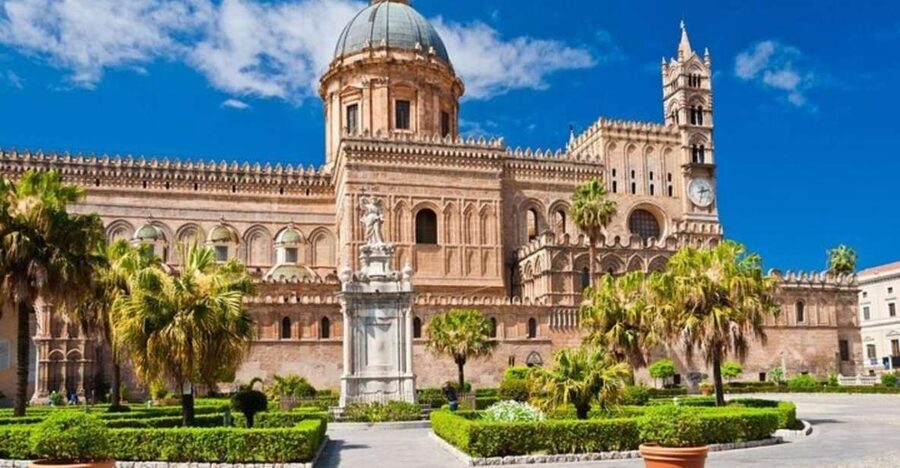
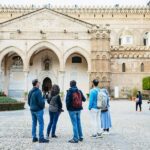
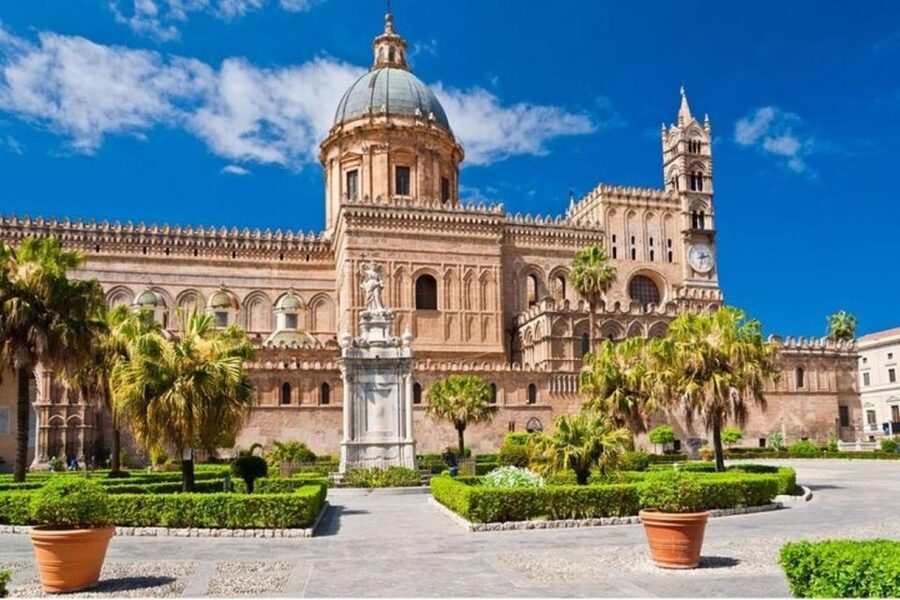
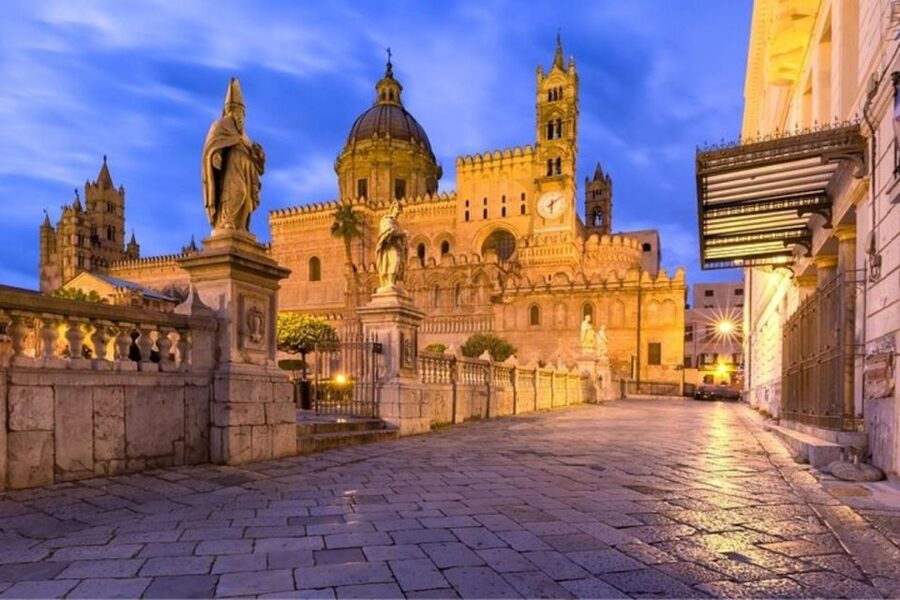
A highlight for many people is the UNESCO-listed Palermo Cathedral. Even if you only spend a limited amount of time there, a good guide turns it from a “check the box” stop into a place that makes sense.
What makes this stop worth it on a short tour is the focus. The cathedral isn’t just a pretty building in the frame—it’s presented as a symbol of Sicilian history and culture, so you’re hearing context while you look. That’s the real value of a guide here: you notice more because someone points you to what matters.
Also, this is one of the stops where the “private and customizable” part can be useful. If you want to spend a little longer looking around, you can usually negotiate that with your guide in real time. If you’re more into photos and quick orientation, you can keep the pace moving.
Teatro Massimo and Quattro Canti: big-stage drama and street-corner math
Next comes Teatro Massimo, described as the largest opera house in Italy. Opera houses can sound intimidating if you don’t know anything about them, but this stop is framed as an anchor point for understanding Palermo’s public life. Your guide helps you connect what you’re seeing to how Palermo carries itself.
Then you hit Quattro Canti, where the city’s four historic quarters converge. This intersection is one of those places that’s easier to understand when someone explains the logic instead of you guessing. Think of it as “street-corner geography”: once it clicks, your photos and your walking route make more sense.
One small consideration: this is a busy visual zone in many cities, so you may want to give yourself a moment for crowd flow before you aim for photos. A local guide is handy here because they tend to know the angles and the timing that make it easier to enjoy the stop without feeling rushed.
Fontana Pretoria: myth figures and the best quick-photo moments
After the big-square energy of Quattro Canti, the tour brings you to Fontana Pretoria, an ornate fountain covered in mythological figures. This is a classic “slow down for details” moment, and it works well in a short itinerary because you get a full visual payoff without a long detour.
What I like about placing this stop in the middle of the walk is momentum. Your brain has already learned how to “read” the historic center through the cathedral and the intersection. Now you can switch to a different mode: looking closely at the shapes, characters, and symbolism in the fountain.
If you care about photos, this is likely your best shot for quick variety: wide-angle for the fountain in its setting, then close-ups if you can find a spot where people aren’t blocking the view. A private guide helps here too, because you can ask where to stand for the cleanest angle rather than taking your best guess.
Capo Market: how to shop with your eyes, not your wallet
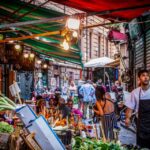
Then you reach Capo Market, one of the most practical reasons to do a guided walking tour in Palermo. It’s described as a bustling bazaar where vendors offer fresh produce, spices, and handicrafts—and that mix changes the whole feel of the city.
Here’s what you should do when you arrive: look first, buy second. Watch how stalls are set up, how vendors talk about their goods, and how the smells help you separate one section from another. Your guide can also steer you toward what to notice without pressuring you to buy anything. That’s a big deal in markets, where the temptation to overpay or misunderstand can be real.
This is also where the guide’s local voice matters. In the feedback shared about guides, you see patterns: guides like Alessia and Delia are praised for weaving stories into the market atmosphere and pointing out where locals actually go. Even if you don’t buy much, you’ll leave with sharper instincts for navigating Palermo on your own later.
You can also read our reviews of more historical tours in Palermo
Sicilian street-food sampling: ask for the canoli trail
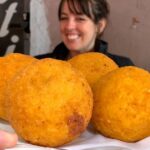
The tour includes Sicilian street-food sampling, and that part is more valuable than it looks on paper. Food in Palermo is a shortcut to culture. You’re not only eating—you’re learning what locals treat as worth grabbing quickly.
The key is attitude. Treat sampling as research: taste, ask questions, and figure out what you personally like. If you’re a sweets person, you might want to lean into what your guide suggests.
One useful tip that shows up strongly in guide recommendations is the canoli trail, including a stop where the recipe is described as an original made by nuns, recommended by Federico. Even if your street-food sampling doesn’t line up with that exact stop, you can still ask your guide, What’s the canoli you’d send a friend to today? That one question can turn a tour snack into an evening plan.
Since the tour notes that drink or food purchases aren’t included, plan for extra spending if you want to keep eating after your sampling. The tour gives you the entry point; you decide how far you take it.
What makes it private and customizable in real life
A lot of city tours say private. This one is private and framed as customizable, which matters most when you’re dealing with real people, real legs, and real interests.
In practice, that usually means:
- You can adjust your pace when something catches your eye, like a fountain detail or a market stall.
- You can ask more questions about what you’re seeing, instead of waiting for a group rhythm.
- You’ll often get better restaurant guidance at the end because the guide is still thinking about what suits you, not what fits a preset plan.
The guide experience also shows up clearly in the names people mention: Martina is praised for combining warmth with art-and-history context. Alessia is praised for sharing lots of practical places to eat and visit. Aurora is mentioned as making the route work for someone in a wheelchair, which is a reminder that the guide’s flexibility isn’t just about personality—it’s also about accommodating needs when possible.
If you care about food and want clear next steps, you’ll likely love how guides wrap up with ideas beyond the walking route. That’s the payoff: the tour doesn’t just end when you return your shoe soles to the pavement.
Price and value of a 3-hour markets-and-monuments walk
At $41 per person for 3 hours, this is priced like an efficient, high-impact city walk. That’s not cheap-cheap, but it’s also not one of those “why did this cost so much” sightseeing add-ons.
Here’s where the value comes from:
- You’re paying for a live guide, not just access to landmarks.
- You get a walking route connecting major sights, so you spend your time meaningfully instead of figuring out logistics.
- If you choose the private/exclusive option, you’re paying to make the experience about your group’s interests.
- The provider also offers help booking tickets for desired visits, which reduces friction.
What’s not included is important for budgeting: drink or food isn’t included. And while street-food sampling is part of the experience, you should still expect to spend a little more if you want extra bites, drinks, or souvenirs you find irresistible in Capo Market.
If you’re short on time in Palermo and want the “main sights + local texture” combo, this price is easier to justify. If you’d rather wander without questions, you might find it less necessary. But if you like stories, orientation, and local tips, $41 for a guided 3-hour loop is fair.
Who should book this Palermo Cathedral and Capo Market tour?
This is a strong choice if you want:
- A first-timer’s backbone for Palermo’s center (cathedral, major squares, opera house, market)
- A guide who can point out what matters at each stop, instead of you guessing
- Street-food sampling and practical advice to keep your trip moving after the tour ends
It may not be the best fit if:
- You dislike walking and prefer mostly indoor or bus-based tours.
- You want a food-focused tour with lots of meals included (this one specifically notes drink or food isn’t included, aside from sampling).
On the plus side, it’s listed as wheelchair accessible, and private group options exist if you want less jostling and more control over pacing. If you have mobility needs, it’s worth confirming what adjustments can be made with your provider ahead of time.
Should you book Palermo Historic Markets & monuments Walking Tour?
I think you should book this tour if you’re excited by the idea of seeing Palermo’s biggest names and its everyday market energy in one smooth 3-hour format. The price is reasonable for a guided route that covers the UNESCO cathedral, Teatro Massimo, Quattro Canti, Fontana Pretoria, and Capo Market—then adds food sampling and guide advice that helps you plan what comes next.
Skip it only if you’d rather self-guide and already have a strong plan for where to go and what to look for. Otherwise, this is the kind of tour that gives you direction fast, so Palermo starts feeling familiar rather than overwhelming.
FAQ
How long is the Palermo Historic Markets & monuments Walking Tour?
The tour lasts 3 hours.
What’s included in the price?
You get the guide and a walking tour. If you choose the private option, it’s private and exclusive. The team can also help with booking tickets for the visits you want.
Is the tour food or drinks included?
The tour includes Sicilian street-food sampling, but drink or food purchases are listed as not included. Plan to pay if you want extra bites or drinks.
What languages are available for the live guide?
The live guide is available in English, French, Italian, and Spanish.
Is there a private group option?
Yes, private group available is offered.
Is cancellation free?
Yes. You can cancel up to 24 hours in advance for a full refund.