REVIEW · PALERMO
Palermo: Walking Tour of Historic Markets and Monuments
Book on GetYourGuide →Operated by Palermo a Piedi - Walking Tour · Bookable on GetYourGuide
Palermo starts tasting better before you reach the market. This 3-hour guided walk links the city’s big monuments with the places locals actually eat and talk—so history feels usable, not just viewed. You’ll move from the UNESCO-listed Palermo Cathedral to Teatro Massimo, then down into the Capo market for street food.
I love the way this tour mixes iconic sights with market-time. The Cathedral and Teatro Massimo give you the grand, architectural Palermo story, while Capo market keeps it grounded in everyday life. I also like the legend storytelling—the guide turns well-known landmarks into locations with myths you’ll remember.
One consideration: this tour is Italian only, and cathedral entry requires modest clothing. Also, entry tickets aren’t included, so check whether any part requires you to pay on top of the tour price.
In This Review
- Key things I’d plan around
- Starting in Front of Feltrinelli: how this walk gets rolling
- Palermo Cathedral: going inside the early 12th-century icon
- Teatro Massimo: Italy’s largest theater and the stories around it
- Quattro Canti and Fontana Pretoria: baroque squares with real purpose
- Capo street market: where the tour turns edible
- The guide matters: what you’ll feel from Claudio and Fabrizio
- Price and tickets: does $35 make sense for this 3-hour format?
- Who this tour fits best (and who should skip it)
- Practical tips so you don’t waste time
- Should you book Palermo: Walking Tour of Historic Markets and Monuments?
- FAQ
- What is the duration of the Palermo walking tour?
- How much does the tour cost?
- Is the tour offered in English?
- Where is the meeting point?
- Does the price include entry tickets?
- What should I bring?
- Is there free cancellation?
Key things I’d plan around
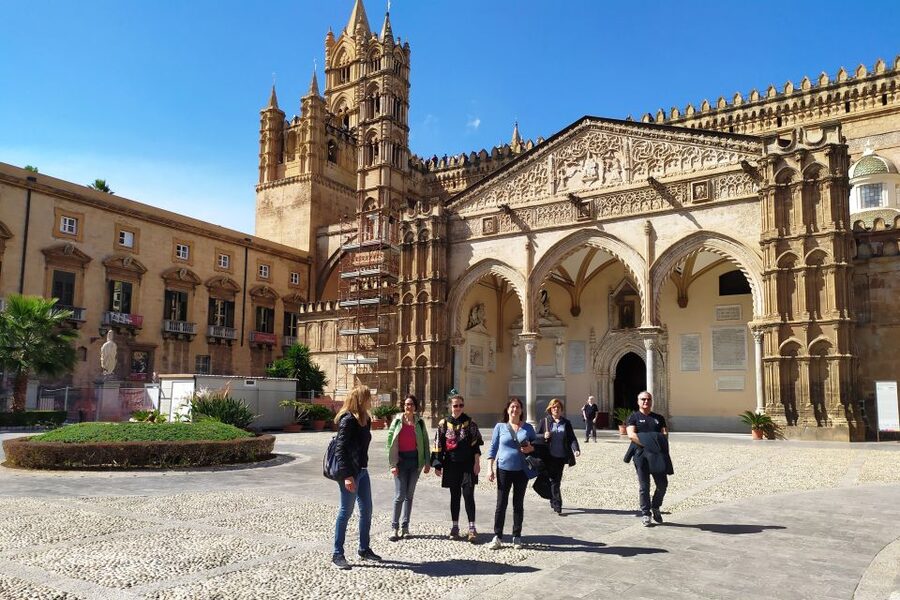
- UNESCO Palermo Cathedral: entry inside the early 12th-century site plus notes on architectural changes over time and its bell towers
- Teatro Massimo + ghost legends: Italy’s largest theater stops for both context and eerie stories
- Quattro Canti and Fontana Pretoria: baroque squares you’ll understand better once the guide explains the symbolism
- Capo market street food: time to wander and sample pastries and street treats from the stalls
- Guides with energy: guides like Claudio and Fabrizio are described as highly prepared and entertaining
Starting in Front of Feltrinelli: how this walk gets rolling
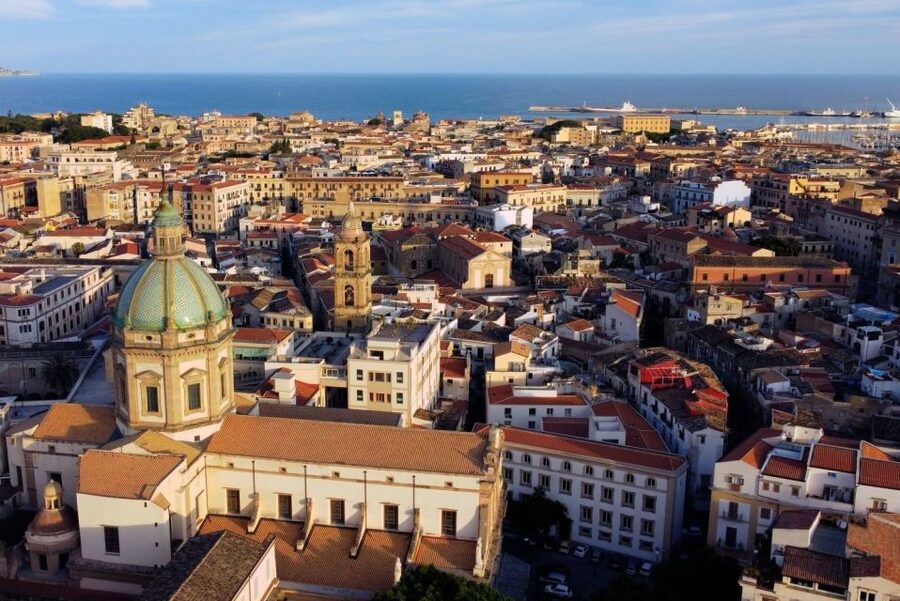
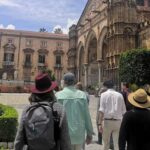
You meet in front of the library Feltrinelli. It’s a simple, easy-to-find landmark, and the guide wears a red tag that clearly says tour guide. That matters because Palermo’s historic center can feel like a maze at first—having a visible meeting point cuts down the mental overhead.
From there, the pacing is designed for walking. This is not a bus-and-photo-stop tour. You’ll cross major squares and landmark areas on foot, with enough time at each stop to understand what you’re seeing before moving on. It’s a smart setup for a city like Palermo, where streets, facades, and corners all play their part.
You can also read our reviews of more walking tours in Palermo
Palermo Cathedral: going inside the early 12th-century icon
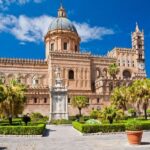
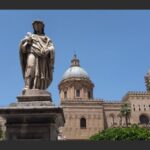
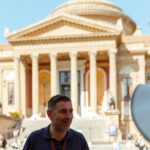
The tour starts by entering the Palermo Cathedral, a UNESCO-listed site dating from the early 12th century. This is the kind of stop where the guide’s job is crucial: without context, you can see a famous building and still miss why it’s special. With the guide, you get the big picture—how its architecture evolved over time, plus what to look for in its iconic bell towers.
There’s also a very practical tip: cathedral entry requires modest clothing. Keep that in mind when you plan what to wear—shoulders covered, no very short shorts. If you show up dressed like it’s beach season, you could lose time right at the start.
Even if you’re not the type who reads every label, the Cathedral stop works because it gives you a foundation. After this, the rest of the walk feels less like a checklist and more like a story of how Palermo built and rebuilt itself.
Teatro Massimo: Italy’s largest theater and the stories around it
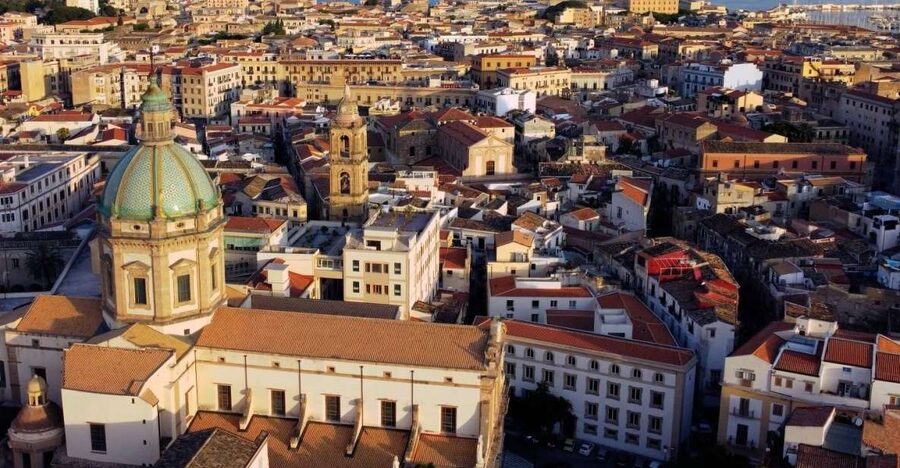
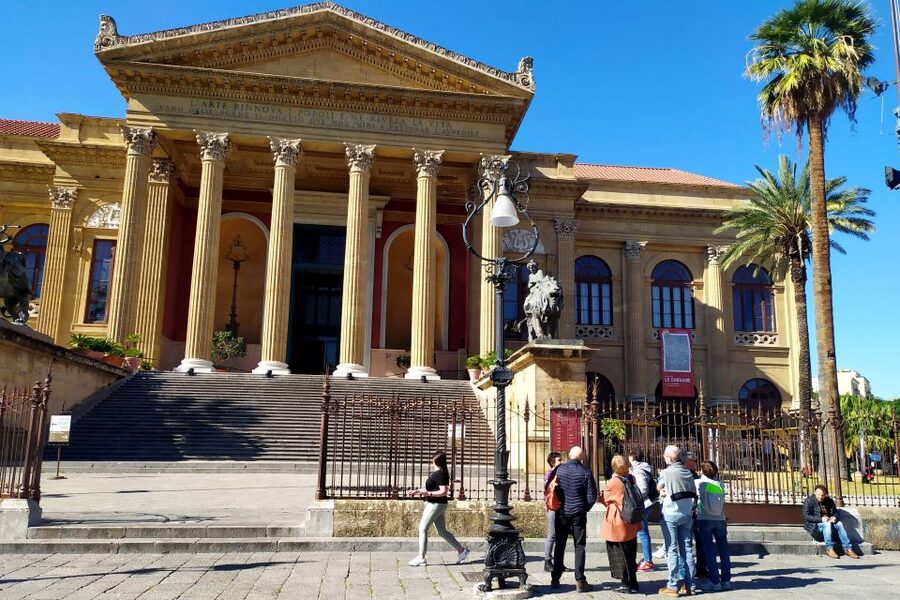
Next comes Teatro Massimo, described as Italy’s largest theater and a major symbol of the city. You’re not just looking at a big building—you’re learning why it matters. The guide also shares ghostly legends linked to the theater, which adds a layer of personality to a site that could otherwise feel purely monumental.
What I like about this stop is the blend. You get real cultural context for why a theater becomes a city identity, then you get local-style folklore that explains how people relate to place. Even if you’re skeptical, the stories make the building feel more human—like it has a mood, not just a history.
A heads-up: this is a walk-and-stop format. So if you want long, slow stays inside museums, this tour won’t be that. But if you want the landmark plus the meaning in a short time, Teatro Massimo is a strong match.
Quattro Canti and Fontana Pretoria: baroque squares with real purpose
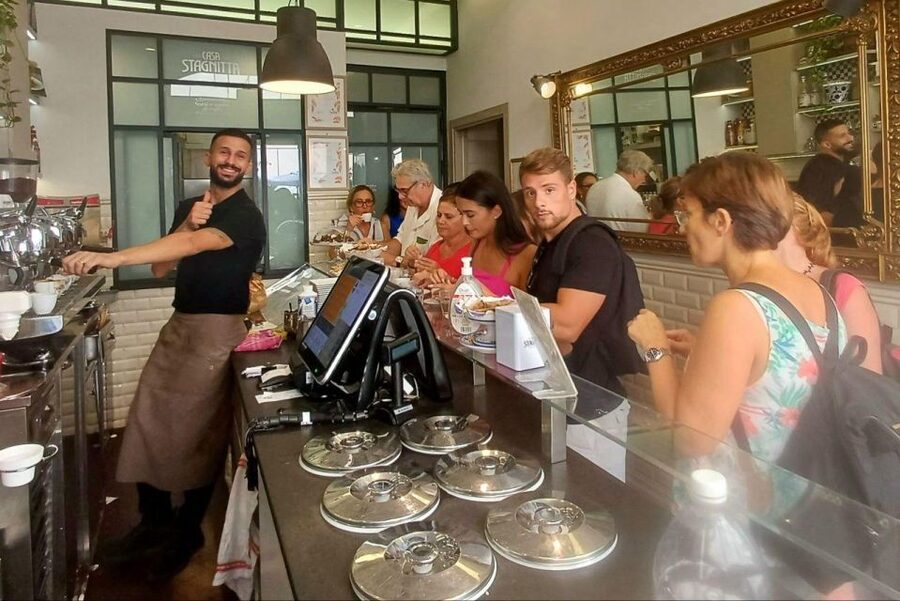
After the theater, the tour moves into some of Palermo’s best-known baroque geometry: Quattro Canti and Fontana Pretoria in the Piazza of the same name.
Quattro Canti is one of those places you can photograph easily, but it becomes much more interesting when you understand what you’re looking at. The guide explains it as part of the city’s layout and identity—so the square stops being just decoration and starts being a plan for how Palermo organized itself.
Then comes Fontana Pretoria, an imposing fountain that tends to catch your eye from a distance. The guide’s framing helps you see why it’s such a standout landmark in this particular area of town. In other words, you’re not just staring at details—you’re learning how that area functions as a cultural crossroads.
This section is also where I think the tour delivers a big value point for time. In about an hour-ish span, you cover two major square moments and leave with a clearer mental map of central Palermo.
Capo street market: where the tour turns edible
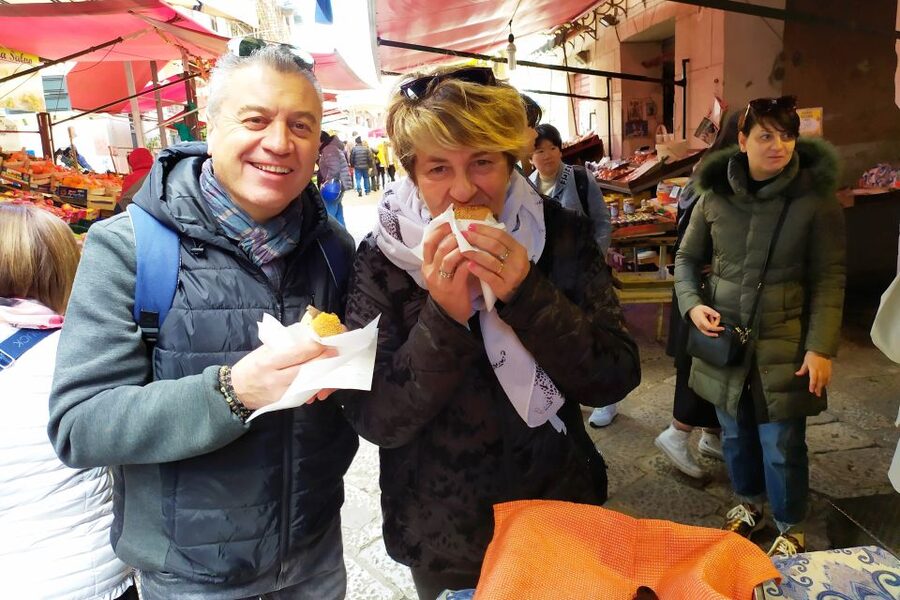
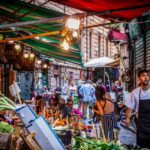
The final act is the Capo street market. This is the part many people are hoping for, but it’s also the part where a guided experience helps the most.
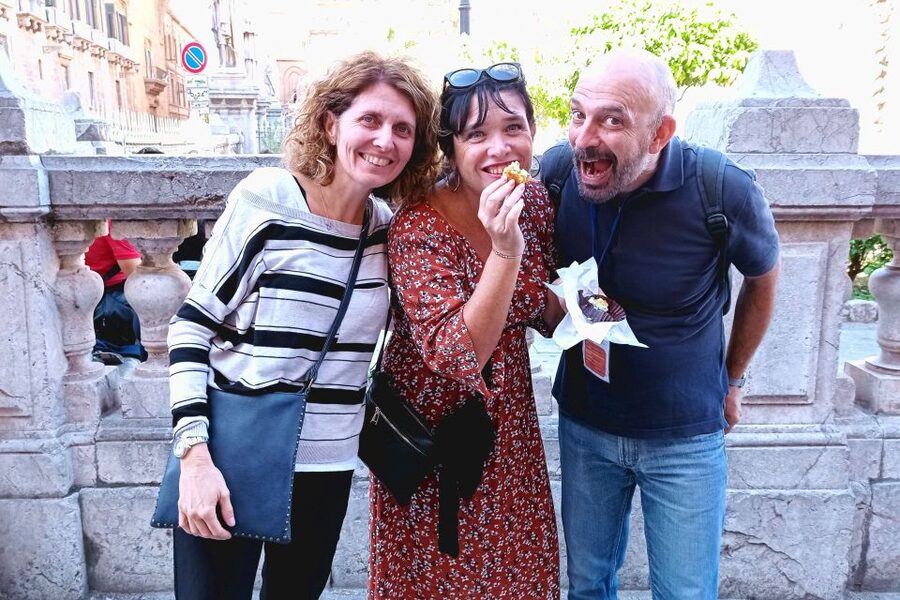
You’ll wander through the market’s street life—sounds, colors, and the everyday flow of stalls. And then you get the chance to sample Sicilian street food and pastries fresh from the market. That matters because you’re not guessing what’s good or what’s tourist-trappy. You’re eating what fits the place, at the pace of a working market.
Even if you’re not a big foodie, Capo works as a sensory break after the cathedral and theater stops. It grounds the whole tour in the present. You see how old Palermo still lives in the street corners.
Quick reality check: the food part is a chance to taste what’s there, not a sit-down meal. Go in ready to snack your way through a few things, then keep walking.
You can also read our reviews of more historical tours in Palermo
The guide matters: what you’ll feel from Claudio and Fabrizio
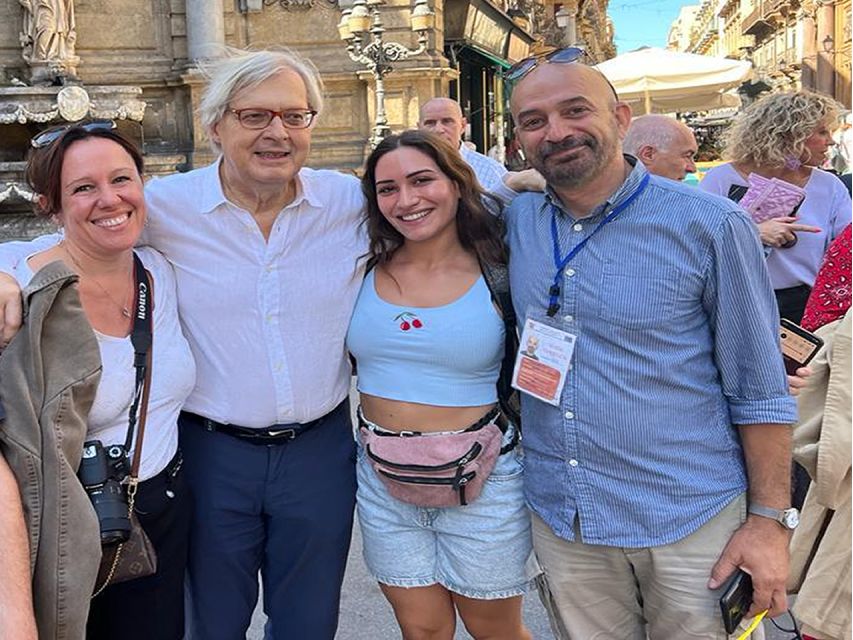
A lot of tours have a guide. This one has guides who do more than recite facts.
Claudio, for example, has been described as professional, enthusiastic, and even ironic in a fun way—like you’re being shown Palermo by someone who genuinely enjoys it. Fabrizio also comes up with praise for being very well prepared, with explanations that cover both history and the monuments and streets you cross.
That’s more than just personality. A great guide changes how you remember a place. You stop noticing only the big facade and start picking up patterns: why a square is shaped a certain way, why a theater becomes symbolic, why the Cathedral’s architectural evolution matters.
If you want your walking tour to feel like a guided conversation rather than a long lecture, this tour’s guide reputation is a real part of the value.
Price and tickets: does $35 make sense for this 3-hour format?
At $35 per person for about 3 hours, this tour is priced like a solid mid-range walking experience. The big value is that you get a live guide across multiple major landmarks plus market time for tasting. Since it’s a compact route, you’re effectively paying for interpretation—someone to point out what to notice and connect it into a story.
Two things to plan around:
- Entry tickets aren’t included. If the Cathedral or any other stop requires paid entry for you specifically, you may pay extra on the spot.
- The tour is in Italian only, so you’ll want basic comfort with Italian or be okay with going mostly on visual context.
If you’re traveling with someone who loves monuments but also wants food moments, this format can be a good bargain. You’re not buying separate experiences for each stop; you’re bundling explanation + landmark time + market sampling into one walk.
Who this tour fits best (and who should skip it)
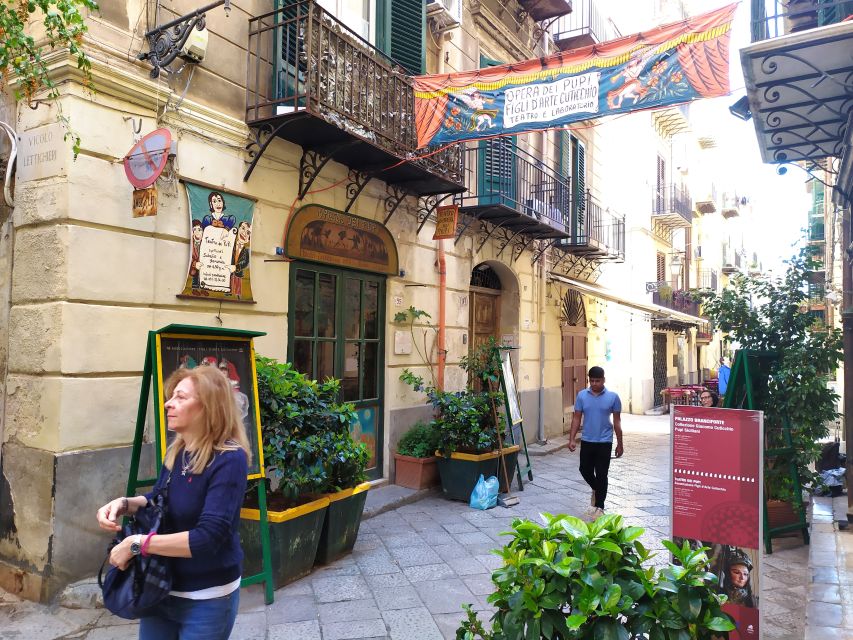
This is ideal if you want a concentrated look at Palermo’s core sights in a short time. It also suits you if you like your history with stories—legends about the Beati Paoli sect and the patron saint Santa Rosalia (La Santuzza) show up as part of the narrative.
It’s also a good choice if you enjoy food that’s connected to a place. The Capo market segment isn’t generic shopping time; it’s designed for eating what comes out of the stalls.
Consider skipping if you need the tour in English, or if you’re uncomfortable with mosque/church-style dress expectations for the Cathedral. It’s not a “wear anything” kind of walk.
Practical tips so you don’t waste time
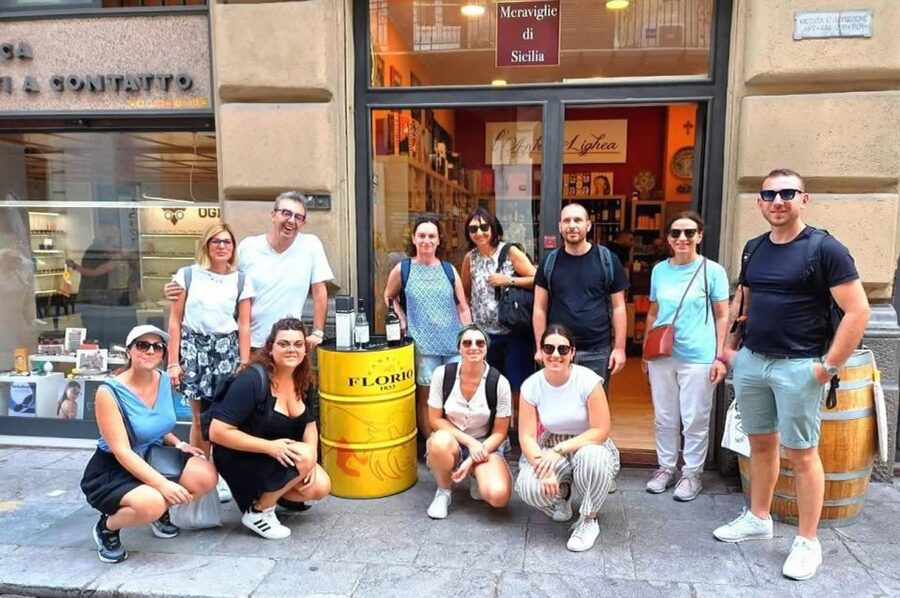
Bring comfortable shoes. This tour is built on walking between central landmarks and down into the market area, so you’ll want something you can move fast in without getting sore.
Dress for the Cathedral: plan for modest clothing if you want a smooth entry. If you’re unsure what counts as modest, when in doubt, cover shoulders and wear shorts or skirts that aren’t too short.
Also keep your expectations tuned to the format. This is three hours with structured stops. You won’t see every corner of Palermo, but you’ll leave with a clearer sense of the city’s layout, its monument logic, and what Capo market tastes like.
Should you book Palermo: Walking Tour of Historic Markets and Monuments?
I’d book it if you want a short, well-guided sweep of Palermo’s most important center points, plus time to snack in the Capo market. The guide-driven storytelling—especially the legends and the explanation of how the big squares fit together—makes the difference between seeing buildings and actually understanding the city.
Skip or reconsider if you need English, you hate walking, or you’re not willing to dress modestly for the Cathedral. And because entry tickets aren’t included, check in advance whether you’ll need to pay separately for specific stops.
FAQ
What is the duration of the Palermo walking tour?
The tour lasts 3 hours.
How much does the tour cost?
The price is $35 per person.
Is the tour offered in English?
No. The tour is Italian only.
Where is the meeting point?
You meet in front of the library Feltrinelli. The guide wears a red tag that says tour guide.
Does the price include entry tickets?
No. Entry tickets are not included.
What should I bring?
Bring comfortable shoes.
Is there free cancellation?
Yes. You can cancel up to 24 hours in advance for a full refund.