REVIEW · VENICE
Venice: Jewish Ghetto Walking Tour with Synagogues Visit
Book on Viator →Operated by Walks In Europe · Bookable on Viator
Venice holds a quieter story nearby. This Venice Jewish Ghetto walking tour guides you through the Cannaregio area and into the old and new ghetto spaces, ending with a synagogues visit led by experts from the Jewish Museum. I love how human the story feels in just two hours, and I like the small-group size that keeps questions from getting lost; the main drawback is that the area is compact, so you’ll spend some time standing in place.
What makes this one worth your time is the mix of place + meaning: you’ll look at the Campo del Ghetto Nuovo square, track how the confinement system worked, and then step inside the Levantine and Spanish Synagogues (with a dress code). I also like the practical flow—meet near the action, walk short distances, then get into the rooms where tradition is still practiced; just note that on Fridays the Levantine Synagogue visit isn’t included.
In This Review
- Key highlights you should care about
- Venice Jewish Ghetto walking tour: what you’re really buying for $88.10
- Meeting at Campo di Ghetto Nuovo: the route starts where the story sharpens
- Ghetto Ebraico and Cannaregio: two neighborhoods, one identity you can feel
- Ghetto Vecchio: artisan shops, galleries, and the feeling of everyday Venice
- Campo del Ghetto Nuovo square: the bas-reliefs most people miss
- Levantine and Spanish Synagogue visits: entry rules and what to expect inside
- Deportation Memorial and the Jewish Museum area: learning to look without rushing
- Napoleon and the end of the gates: why the district still feels Jewish
- Small-group pacing: how it affects comfort, questions, and flow
- Price and logistics: getting value without getting frustrated
- Who this tour is best for (and who should skip)
- Quick practical tips to make your visit smoother
- Should you book the Venice Jewish Ghetto walking tour with synagogues?
- FAQ
- How long is the Venice Jewish Ghetto walking tour?
- How many people are in the group?
- What language is the tour offered in?
- What is included in the price?
- Are the synagogues included in the tour?
- Is the Jewish Museum included inside?
- Where do I meet the guide?
- What time should I arrive at the meeting point?
- Is there a dress code for the synagogues?
- What is the cancellation policy?
Key highlights you should care about
- Two synagogues in one outing: the Levantine and Spanish Synagogue visits are part of the experience (with a Friday note).
- Campo del Ghetto Nuovo bas-reliefs: a set of carvings most visitors never notice gets explained clearly.
- Cannaregio streets you’ll actually recognize: Hebrew and Italian signage shows up the moment you enter.
- Ghetto Vecchio at a slower pace: artisan workshops, galleries, shops, and delis make the neighborhood feel lived-in.
- Deportation Memorial area: you’ll pass significant remembrance sites as part of the route.
- Napoleon’s gates and the change in rules: the walk connects policies to what daily life became.
Venice Jewish Ghetto walking tour: what you’re really buying for $88.10
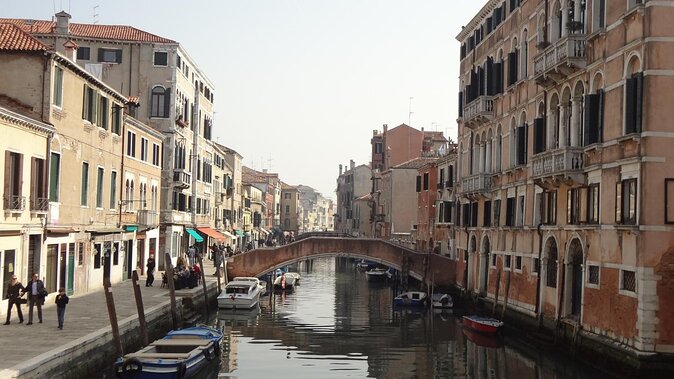
At $88.10 per person for about two hours, you’re not paying for long museum time or wide-reaching city views. You’re paying for a guided route through a small part of Venice that most people skip, plus synagogue access that’s managed by the Jewish Museum. That’s the trade: tight geography, heavy context.
I think this price makes sense if you want more than a photo stop. The best moments here are interpretation moments: why the ghetto was a physical island, what the key landmarks mean, and what you’re seeing when you enter active synagogues. With a maximum group size of 10, you’re also more likely to hear the guide over the city noise and actually ask questions.
If you’re expecting a big, sprawling walking day, you might find yourself wanting more movement. The ghetto district is small, and the route is designed for meaning more than mileage.
You can also read our reviews of more walking tours in Venice



Meeting at Campo di Ghetto Nuovo: the route starts where the story sharpens
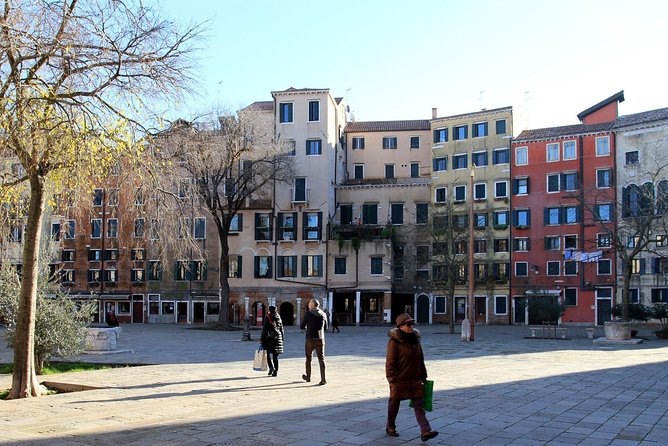
The tour starts at Campo di Ghetto Nuovo, 30121 Venezia VE, Italy. That choice matters, because this square is tied directly to how the ghetto was laid out and controlled. You’re not wandering in blind. You’re stepping into the logic of the place.
One practical tip: arrive 5 to 10 minutes early. The tour notes say you can’t join after it starts, and a few past participants have had trouble with the meeting directions. Venice is full of tiny alleys that look the same until you’re standing in the right one.
You’ll also want to wear comfortable shoes. Even when the walking distances feel short, Venice ground can be uneven, and you’ll pause at multiple stops.
Ghetto Ebraico and Cannaregio: two neighborhoods, one identity you can feel
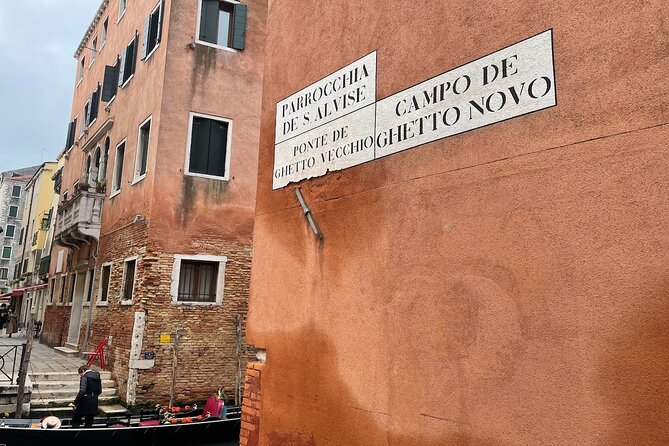
Your first stretch is spent in the Ghetto Ebraico area and then moving through Cannaregio. The Cannaregio part is a smart reset. It turns what you just learned into what you can still see now: a working residential zone, not a ghost town.
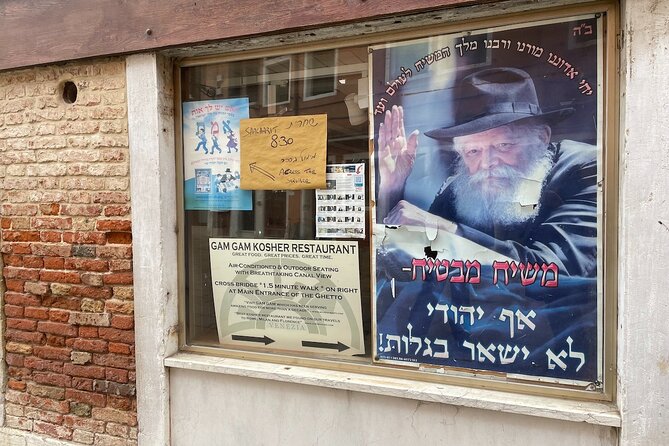
The moment you enter Cannaregio, you’ll notice yellow signs in Hebrew and Italian directing you toward the synagogue area. That visual cue is exactly what a good guide does well here: they point out the small things that prove the past isn’t totally past.
This is also the section where you might hear stories about everyday life and food. The tour is described as including wonderful food and hidden landmarks that most visitors miss. In practice, that means you’re guided to details you’d likely walk right past on your own, like how the neighborhood boundaries and signage help you orient yourself without a map.
Ghetto Vecchio: artisan shops, galleries, and the feeling of everyday Venice
A stop in the Ghetto Vecchio (Old Ghetto) keeps things from becoming all solemn all the time. Instead, you’re walking through a corner of Venice where you’ll find artisan workshops, galleries, shops, and delis.
This is valuable because it prevents the experience from turning into a history lesson only. Yes, you’re learning about confinement and persecution. But you’re also seeing how a community’s culture survives through crafts, commerce, and street life. A slow stroll here works because the area is made for it.
If you’re the type who gets impatient when guides stop too long, this part may help you. The pace is meant to feel more like wandering with purpose than marching through bullet points.
Campo del Ghetto Nuovo square: the bas-reliefs most people miss
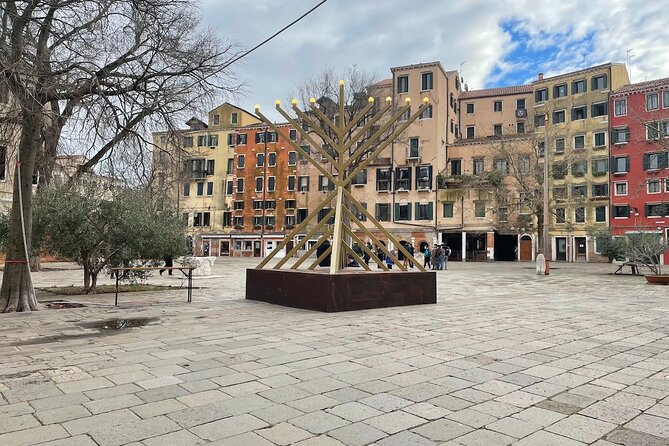
One of the tour’s standout moments is at Campo del Ghetto Nuovo (New Ghetto Square), tied to the fortified island concept from 1516. Your guide explains why Venice’s Jewish population was confined to the island and how it became densely populated.
Then comes the surprise detail: a series of bas-reliefs in the square. The tour description calls this out as a highlight that “most visitors” miss, and that matches what makes this kind of guided walk worth it. Without interpretation, carvings can look like decoration. With a guide, they turn into evidence—about what people wanted remembered, and how identity showed up in stone.
This is also where you’ll get close to other key points, including major synagogue landmarks and remembrance spaces. Even if you don’t linger long at each spot, you’ll understand how the pieces fit together.


Levantine and Spanish Synagogue visits: entry rules and what to expect inside
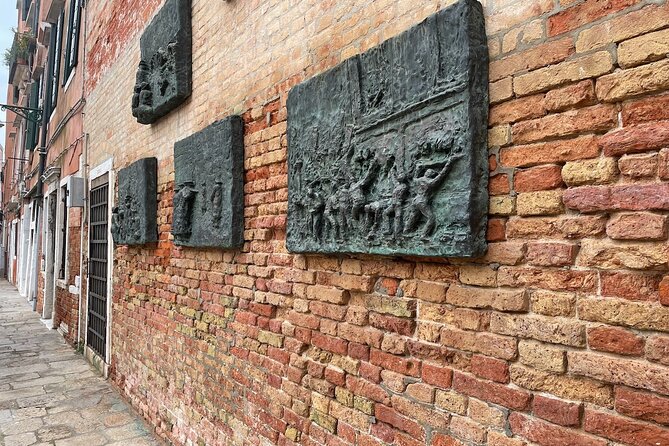
The core payoff is the synagogue section: Levantine Synagogue and the Spanish Synagogue visits, with expert guidance provided by the Jewish Museum. This is listed as included, and the guide provides the synagogue tickets.
A few practical notes matter here:
- Dress code: both men and women must wear clothing that covers the belly, shoulders, and knee inside the synagogues. If you forget, you’ll lose time at the most important part. Plan ahead.
- No weapons or sharp objects: carrying any type of weapon or sharp objects, such as a knife, isn’t allowed.
- Friday exception: the Levantine Synagogue is not included on Fridays. If your trip includes a Friday, check your day before you buy so you don’t feel shorted.
Inside, you should expect a guided, respectful interpretation of the buildings and customs. The synagogue portion is described as inspiring by multiple participants, and for me the best sign of a strong synagogue visit is when you leave with questions answered in a way that feels grounded, not scripted.
You’re also likely to notice that synagogue tour guides often talk about how traditions show up in architecture and routine—how space shapes practice.
Deportation Memorial and the Jewish Museum area: learning to look without rushing
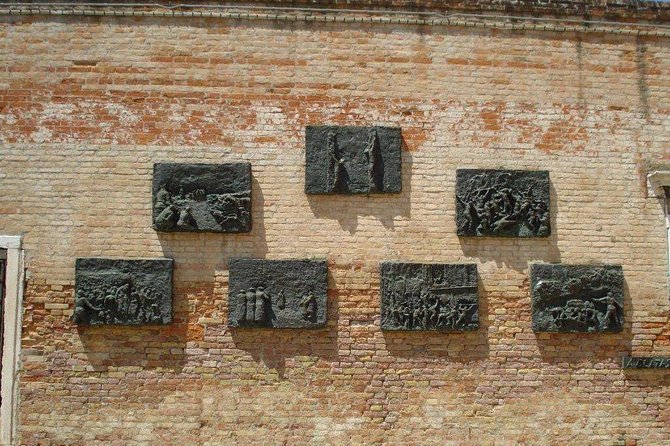
On the walk you’ll pass by the Deportation Memorial, the Levantine Synagogue, and the Jewish Museum of Venice. This is where the tone shifts. It’s not just about origins; it’s about what happened later and how memory is kept in public space.
A key clarification: the Jewish Museum interior visit is not included, and the listing notes the museum is under restoration and closed to visitors. That matters because you might think you’ll go inside the museum after seeing the synagogue exteriors. You won’t. The focus stays on the ghetto walk and the synagogue access.
One of the most moving parts of walking tours like this is that you can choose your pace. You’ll be in a group, but you can still pause to absorb what’s in front of you—especially at remembrance sites. If you’re someone who likes silence for a moment, you’ll probably find a few moments where you can slow your breathing.
Napoleon and the end of the gates: why the district still feels Jewish
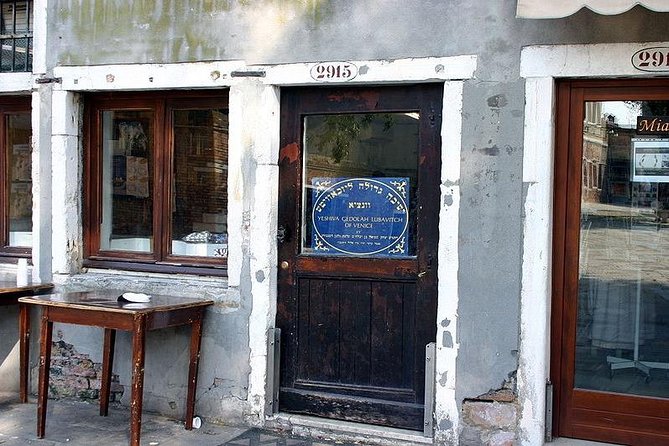
The last stretch brings you back into the Ghetto Ebraico area. This is where the story turns from confinement to change. You’ll learn how Napoleon tore down the gates of the Jewish Ghetto, granting Jews the right to live anywhere in Venice.
The practical value here is that it explains why the neighborhood survived, and why some Jewish cultural life stayed close to home even after the rules changed. The tour describes the district as having a continued presence of Jewish culture, with bakeries, restaurants, and handicraft stores.
So the walk ends not with pure closure, but with continuity. You’ll see that a place can be historically controlled and still become a living neighborhood.
Small-group pacing: how it affects comfort, questions, and flow
This tour caps at 10 travelers, and that shows in the way the day is structured. With a small group, you’re less likely to get stuck behind people every time the guide stops. You can also hear explanations better, which is a big deal in Venice’s narrow streets.
Still, there’s a fair warning: since the ghetto is a compact area, you may feel like you’re standing around at certain points. If it’s cold or you’re dressed for comfort but not for long pauses, that can affect your mood. Bring layers and plan on short stops with longer listening moments than you might expect from a typical city stroll.
Also, don’t underestimate the power of a good guide’s communication. Several participants praised English clarity and guide energy (names like Alicia, Claire, Sylvia, Christina, Isabella, Paola, and Clara show up in past groups), but there are also mentions of guides being hard to understand in some cases. If you’re sensitive to audio clarity, I’d choose headphones-free focus and sit near the guide when you can.
Price and logistics: getting value without getting frustrated
Here’s how I’d judge value for this one:
- You get a 2-hour guided walk through a part of Venice most people don’t route themselves through.
- You get synagogue access with Jewish Museum-guided interpretation, which is typically the hard part to arrange on your own.
- You don’t get a Jewish Museum interior visit, which helps keep the focus tight.
What you should watch for is logistics friction. The meeting point is specific, and you’ll want to show up early. Transportation isn’t included, so you’ll need to get there on your own using whatever you prefer (walk, vaporetto, or taxi). Once you’re assembled, the group keeps moving along a set route.
You also need to respect the synagogue entry rules. If you show up in summer tank tops and shorts, you may lose time getting ready. Better to have a light layer in your bag.
Who this tour is best for (and who should skip)
This is a great fit if you want:
- A focused Venice Jewish Ghetto experience in a short time.
- Access to the Levantine and Spanish Synagogues with guided context.
- A guided route that points out landmarks you’d likely miss, including the bas-reliefs at Campo del Ghetto Nuovo.
It’s less ideal if:
- You hate standing still and want lots of constant walking.
- You expect museum time inside the Jewish Museum.
- You’re visiting on a Friday and specifically want the Levantine Synagogue interior visit included.
Also, it works well for many types of visitors. The route is built for Jews and Christians alike, focusing on history, architecture, and customs without turning it into a purely religious lecture.
Quick practical tips to make your visit smoother
- Wear comfortable shoes. You’ll pause often.
- Bring a cover-up option for synagogue clothing (cover belly, shoulders, and knees).
- Arrive 5 to 10 minutes early at Campo di Ghetto Nuovo.
- Keep your expectations aligned: this is a small-area, high-meaning tour, not a big-city highlight chase.
- If you’re traveling with someone who needs extra clarity, stand where you can hear best; small group size helps.
Should you book the Venice Jewish Ghetto walking tour with synagogues?
Yes, if you want a short, well-focused experience that makes this part of Venice click. This tour is strongest when you care about context and when you want synagogue access with Jewish Museum guidance rather than just looking from the outside. The bas-reliefs at Campo del Ghetto Nuovo, the Cannaregio signage, and the way the route connects policy to lived space are the kind of details you only get with a guide.
Skip it only if you’re determined to do long museum hours, dislike pauses in cold weather, or are visiting on a Friday and strongly need the Levantine Synagogue interior included. If you’re flexible and ready to listen, this is one of the most meaningful ways to understand Venice beyond canals and postcard views.
FAQ
How long is the Venice Jewish Ghetto walking tour?
The tour is about 2 hours.
How many people are in the group?
The tour has a maximum group size of 10 travelers.
What language is the tour offered in?
The tour is offered in English.
What is included in the price?
You get a professional local guide, a 2-hour walking tour of the Ghetto, a small-group experience, and a synagogue tour led by the Jewish Museum. Synagogue tickets are provided by your guide.
Are the synagogues included in the tour?
Yes. The tour includes a guided visit to the Levantine and the Spanish Synagogue, with the Levantine Synagogue not included on Fridays.
Is the Jewish Museum included inside?
No. An interior visit to the Jewish Museum is not included, and it is noted that the museum is under restoration and closed to visitors.
Where do I meet the guide?
The meeting point is Campo di Ghetto Nuovo, 30121 Venezia VE, Italy.
What time should I arrive at the meeting point?
Arrive 5 to 10 minutes before the scheduled start time.
Is there a dress code for the synagogues?
Yes. Both men and women must cover the belly, shoulders, and knee when visiting the synagogues.
What is the cancellation policy?
You can cancel for free up to 24 hours in advance for a full refund. After that time, the amount paid is not refunded.