REVIEW · PRAGUE
Prague: World War 2 and Operation Anthropoid Walking Tour
Book on GetYourGuide →Operated by McGee's Trips & Tickets · Bookable on GetYourGuide
A dark chapter of WWII starts right on Prague’s streets. This Operation Anthropoid walking tour connects the city’s landmarks to the assassination of Reinhard Heydrich and the Czech resistance that tried to survive it. I especially like how the story moves from big political events to small, risky human choices, and how the walk ends at a site tied to the paratroopers’ final hiding place. One watch-out: it’s a lot of walking and it’s not wheelchair accessible.
What really makes this tour feel worth your time is the way the guide ties each stop to a clear timeline: the early days of the war, resistance activity, the Prague Uprising, and then the student uprising. In practice, guides like Allen, Richard, Daniel, Martin, and Robin are often praised for making the facts understandable, including using maps/diagrams/photos on a tablet and answering questions without rushing you. If you hate WWII topics, you’ll likely feel like the tour is too heavy; otherwise, it’s one of Prague’s most direct ways to understand what occupation meant.
In This Review
- Key highlights you’ll care about
- How this 3-hour Operation Anthropoid walk turns streets into WWII proof
- Meeting at Týnská 627/7: finding the tour fast (and warm)
- From Dům U Kamenného zvonu to Celetná: setting the occupation atmosphere
- Wenceslas Square and Petschek Palace: where politics feels close
- Charles Square: the walk slows just long enough to connect the dots
- Saints Cyril and Methodius Church: the last hiding place that still hurts
- National Memorial to the Heroes of the Heydrich Terror: after the assassination
- What you’ll learn about Operation Anthropoid (and the people behind it)
- Price and value: what $32 buys you in Prague
- Walking pace, weather reality, and who will enjoy it most
- Should you book the Prague World War 2 and Operation Anthropoid Walking Tour?
- FAQ
- How long is the Prague Operation Anthropoid walking tour?
- How much does the tour cost?
- Where do I meet the guide?
- Is hotel pick-up included?
- What language is the tour in?
- Does the tour include a visit to Saints Cyril and Methodius Church?
- Is the tour wheelchair accessible?
- Is the tour stroller accessible?
- Are service animals allowed?
- What should I bring?
Key highlights you’ll care about
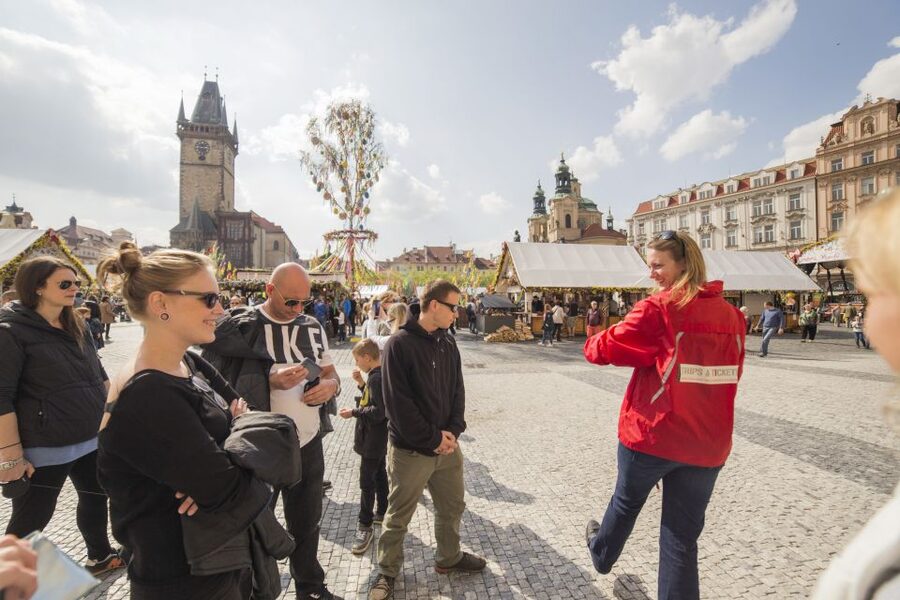
- Operation Anthropoid explained in plain language, focused on the assassination of Heydrich
- Stops tied to Czech resistance hiding places and the reasons people risked everything
- A route that links Prague’s WWII landmarks to the Prague Uprising and the student uprising
- An emotional finale at Saints Cyril and Methodius Church, tied to the paratroopers’ last resistance
- A visit to the National Memorial to the Heroes of the Heydrich Terror before you head back toward Old Town
- A 3-hour format that’s long enough for context, but short enough to keep your evening free
How this 3-hour Operation Anthropoid walk turns streets into WWII proof
This tour is built like a guided story walk, not a museum lecture. You cover a straight line through central Prague while your guide builds a timeline of occupation, resistance, and the consequences. The big idea is simple: you’re not just learning that an assassination happened. You’re seeing how Prague’s spaces held people who were planning, hiding, and surviving.
I like that the tour doesn’t just focus on one moment. It frames Operation Anthropoid within broader events: the early-war student uprising, the Prague Uprising, and the local resistance’s choices under pressure. That matters because it keeps the story from feeling like a single dramatic episode. Instead, you get a sense of how quickly fear, propaganda, and retaliation took over daily life.
You should also know what you’re signing up for emotionally. It’s not all gloom, but it’s not light sightseeing either. The ending at the Church of St. Cyril and Methodius is specifically positioned as a memorial to victims of the Third Reich, so bring a minute of quiet attention at the end.
You can also read our reviews of more walking tours in Prague
Meeting at Týnská 627/7: finding the tour fast (and warm)
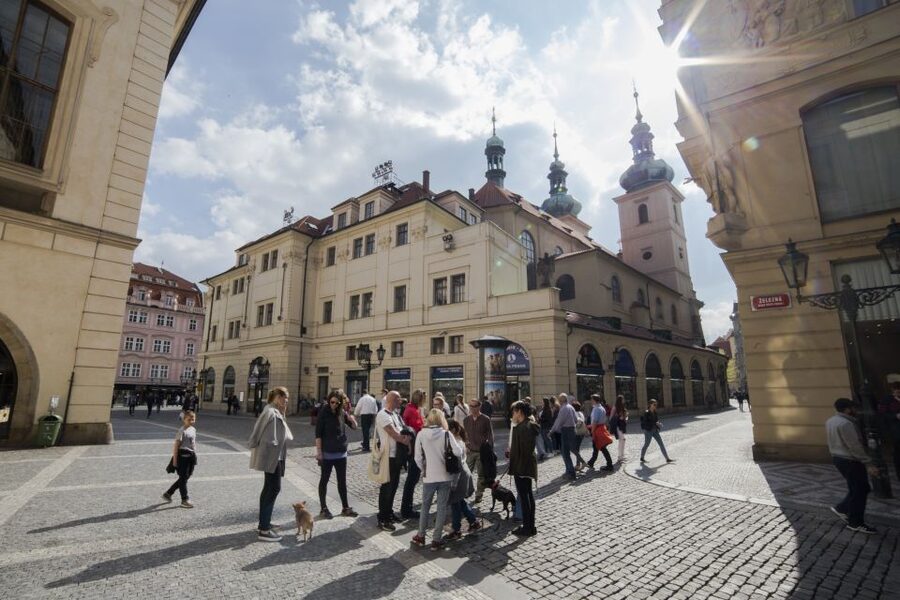
All tours begin at 7, Týnská 627/7, right by the area around Týn Cathedral. The practical tip: once you’re standing behind Týn Cathedral, turn left onto Týnská Street, and look for the wooden door at house number 7. It’s easy to miss if you’re scanning too broadly, so give yourself a few extra minutes.
This matters more than you’d think. The tour runs for about 3 hours, so being on time helps you start the story without the guide repeating earlier context. If Prague weather is doing its usual thing—wind, cold, sudden rain—plan to keep your outer layer on for the first stretch.
From Dům U Kamenného zvonu to Celetná: setting the occupation atmosphere
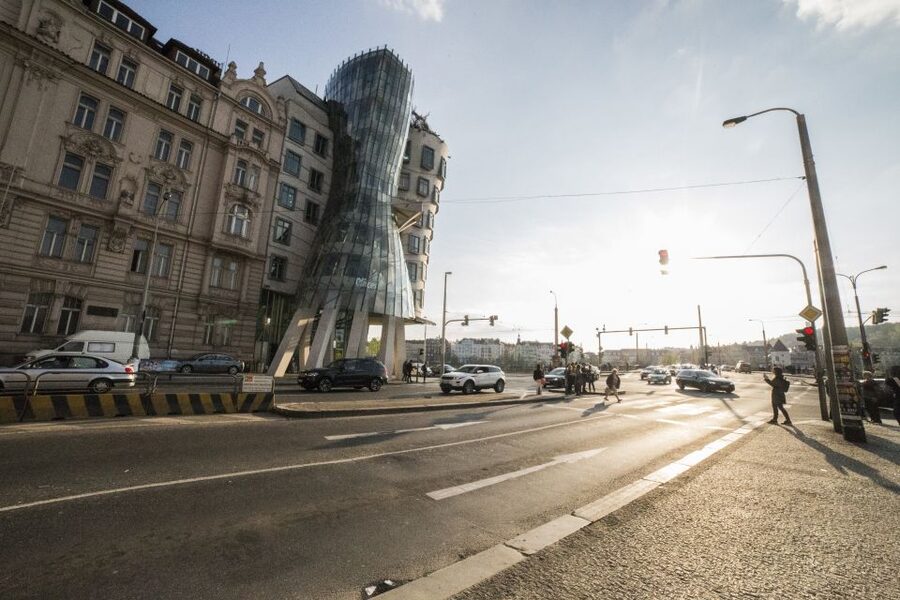
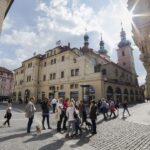
After meeting, the walk begins with guided stops that help you understand the city’s WWII-era context. You’ll visit Dům U Kamenného zvonu and then head along Celetná, both part of central Prague’s historic core. These aren’t random photo stops. They’re used to explain how the area looked and functioned as the occupation tightened.
Expect your guide to connect the architecture and street layout to the kinds of movement people were forced to make: where they could go, what they could notice, and how fear shaped ordinary decisions. Even if you’re not a history nerd, these are good stops because they help you see the city as a living system, not just postcard buildings.
A small drawback to keep in mind: this is a walking tour. You’ll want comfortable shoes right away, because the route is designed to keep momentum.
Wenceslas Square and Petschek Palace: where politics feels close
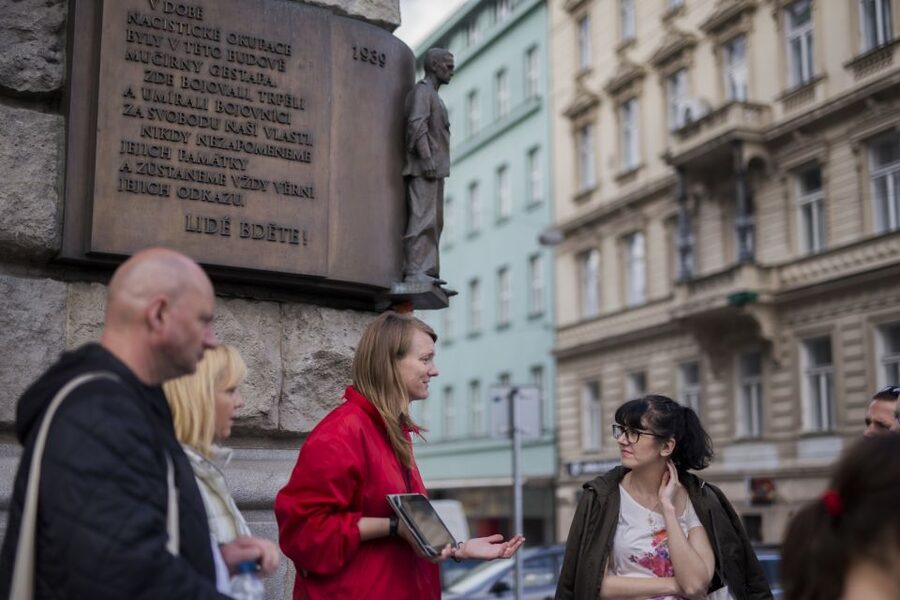
Next up are two major central landmarks: Wenceslas Square and Petschek Palace. This is where the tour shifts from “this is where people moved” to “this is where power made itself visible.” Wenceslas Square is a familiar name in Prague, but the guide uses it to anchor the story to occupation pressures and public life under control.
Petschek Palace brings a different angle. Even without going into every detail, the stop gives your guide a chance to explain how the occupation era touched real institutions and property, not only underground groups. This is also a good moment to ask questions, because the timeline usually becomes clearer here.
If you’re the type who likes to understand how European big powers influenced Prague, this stretch is where that theme starts to show. You’ll likely hear about the superpower context behind Czech resistance decisions, not just the local heroics.
Charles Square: the walk slows just long enough to connect the dots
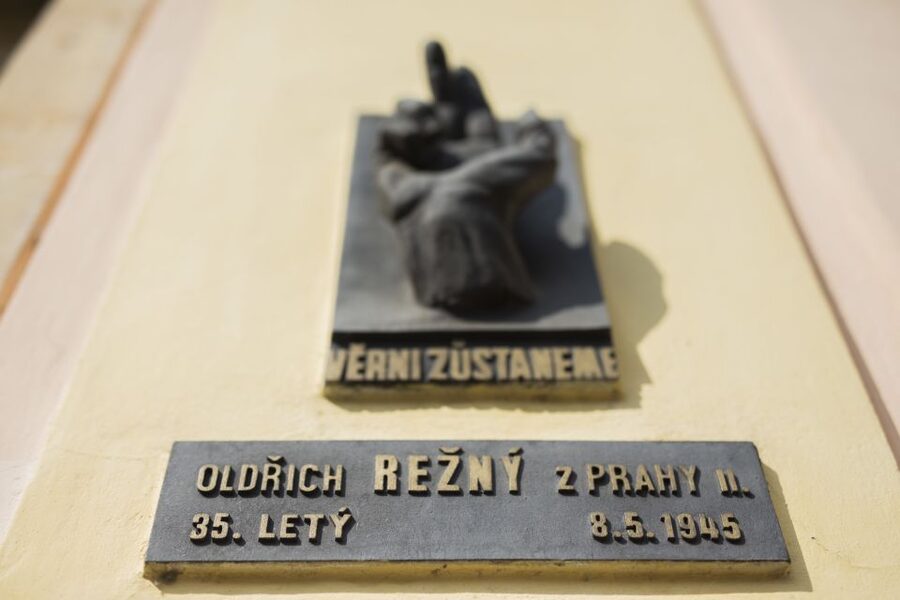
You’ll continue to Charles Square, another central spot where the guide can broaden the conversation. This is a nice mid-tour transition: you’ve already gotten the occupation framework, and now you’re moving closer to the resistance and its final consequences.
What I like about the way this route is paced is that it gives your brain time to connect earlier stories to what comes next. By the time you reach the final sites, you’ll understand why people hid where they did and what the stakes were.
Practical note: Charles Square and other central areas can feel crowded. The tour is structured to keep you moving as a group, but you’ll still want to stay aware of your surroundings and keep an eye on your meeting point within the group.
Saints Cyril and Methodius Church: the last hiding place that still hurts
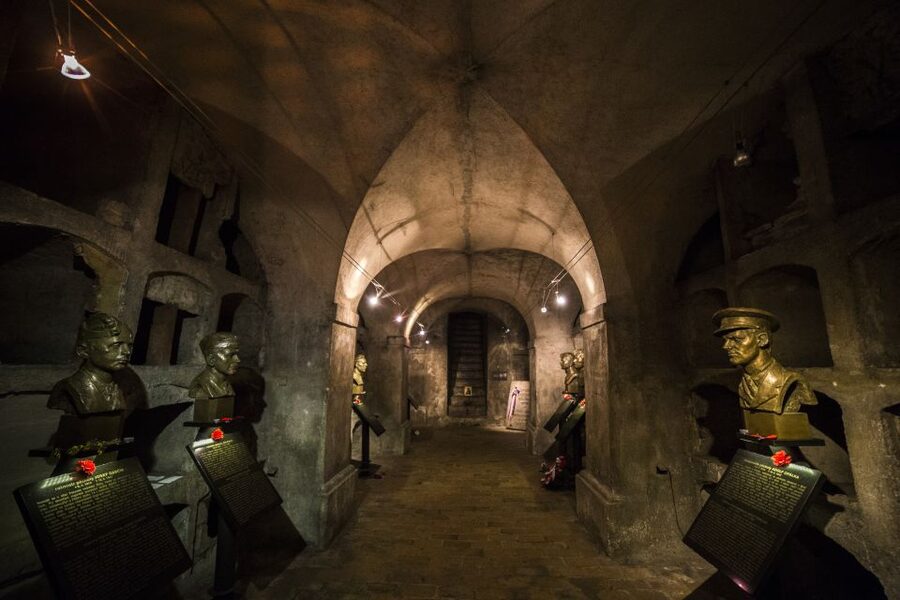
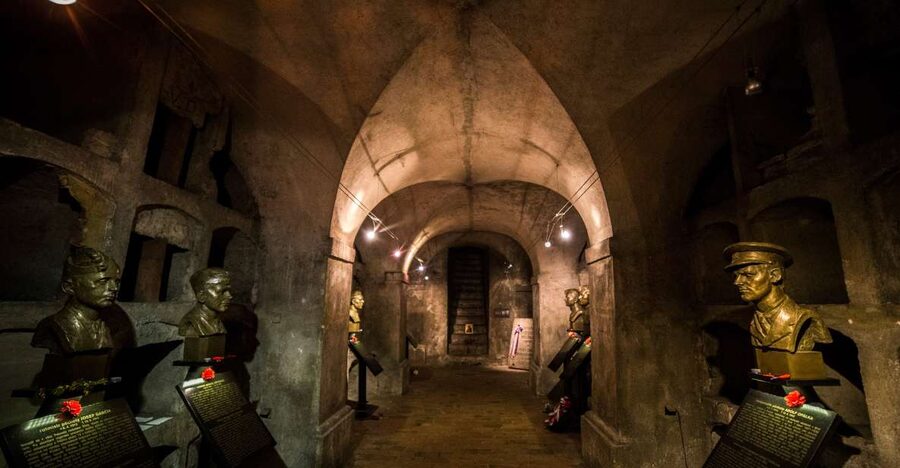
The emotional core of the tour is the visit to Saints Cyril and Methodius Cathedral/Church, the included stop tied to the paratroopers’ last resistance. This is the moment the story stops being theoretical. The church serves as a memorial space tied to victims of the Third Reich, and it’s described as the last hiding place of Czech paratroopers.
In multiple guide styles on this route, the finale is often where people pause. Some departures include time that feels especially moving, with attention on the crypt area under the church as part of the experience. Even if you’re not a “church person,” this stop lands because it’s tied to the human cost of resistance when options run out.
If you want to get the most out of this visit, treat it like part of a ceremony: slow down, read what you can, and don’t rush the guide through your questions. The tour is designed to end here so you can sit with what you learned before heading back.
National Memorial to the Heroes of the Heydrich Terror: after the assassination
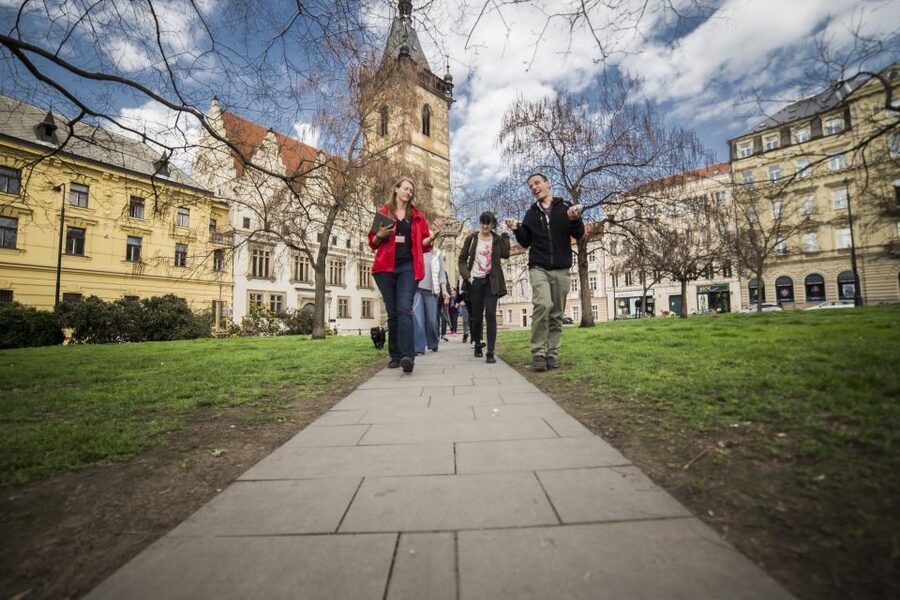
Between the central walk and the final church stop, you’ll also visit the National Memorial to the Heroes of the Heydrich Terror. This is where the assassination story (Operation Anthropoid) connects to what happened next.
The key context you’ll want to understand is the name itself: the Heydrich terror. After Heydrich becomes the focus of Operation Anthropoid, retaliation and repression follow. The memorial exists to honor those who resisted and those caught up in the consequences, so it’s not a “victory” stop. It’s a recognition stop.
I like memorials like this because they don’t let history become a clean, heroic movie. They force you to see that resistance often triggers suffering for many people, including civilians. If you came to Prague for dark history with honesty, this is exactly the right kind of place to learn it.
What you’ll learn about Operation Anthropoid (and the people behind it)
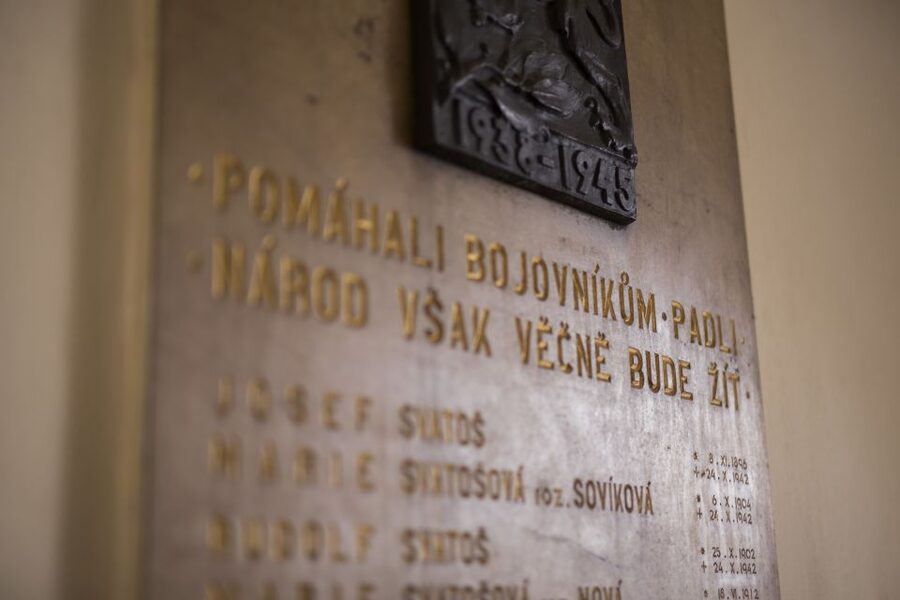
By the time you’re mid-walk, your guide should have built the main story: Operation Anthropoid involved the assassination of one of Hitler’s top officers, Reinhard Heydrich. You’ll also hear who the key players were—especially the Czech resistance network and the paratroopers connected to that mission.
This tour also puts special emphasis on the question of why people risked their lives. That part matters. It turns the story from “who did what” into “what made them keep going.” You’ll learn how occupation pushed people into action, and how the resistance operated under extreme danger.
You’ll also cover related events that shaped the resistance environment, including the student uprising and the Prague Uprising. The value here is context: if you only hear the assassination story, you might miss how resistance thinking formed over time. With this walk, those events work together to explain the bigger picture.
Price and value: what $32 buys you in Prague
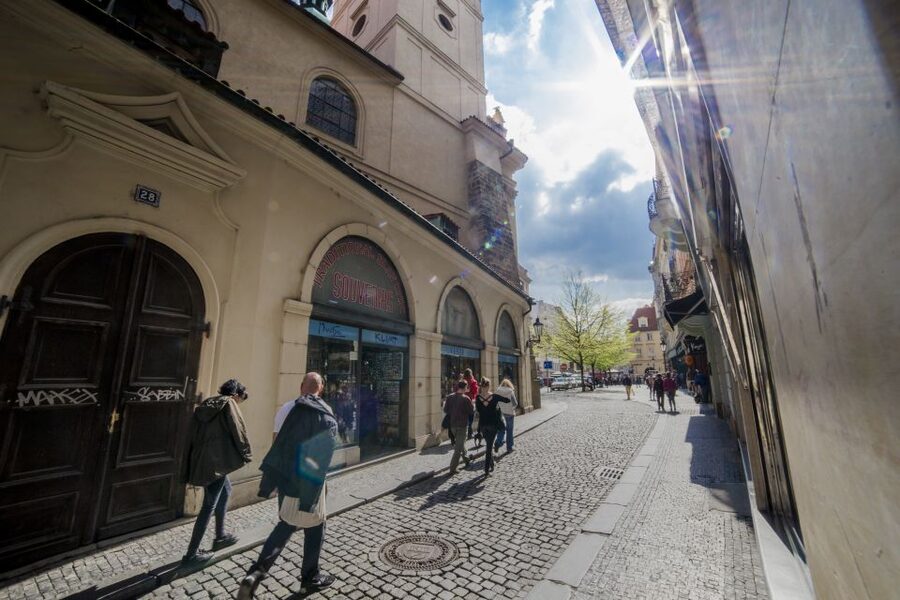
At $32 per person for about 3 hours, this tour sits in the “reasonable for what you get” category—especially because you’re not only seeing exterior landmarks. You also get an included visit to the church associated with the paratroopers’ last hiding place.
Here’s how I’d think about the value if you’re comparing options in Prague:
- You’re paying for a guided narrative that links multiple central stops into one coherent WWII story.
- The emotional finale isn’t a generic viewpoint—it’s a memorial site connected to resistance history.
- The duration is long enough to explain cause and effect, but short enough to avoid turning into an all-day slog.
One more value factor: this activity offers private group availability, and it runs with a minimum of 2 guests. That often translates into a more conversational feel, and some guides are known for interactive storytelling, including using visual aids.
Walking pace, weather reality, and who will enjoy it most
This is a walking tour through central Prague. It’s designed for comfortable walking, so plan for cobblestones and uneven sections. The tour is stroller accessible, and service animals are allowed, but it is not wheelchair accessible.
If you’re traveling in cold weather, you’ll be on your feet for a few hours in public spaces. I’d dress for wind and keep layers handy. Bring comfortable shoes—you’ll be using your feet more than you’ll realize at the start.
Who this fits best:
- History lovers who like stories tied to real locations
- People curious about how Czech resistance worked under occupation
- Anyone who wants WWII context beyond Prague’s usual surface highlights
Who might want to skip:
- If WWII history is a hard no for you, this tour will feel like too much tragedy and too many serious stops.
Should you book the Prague World War 2 and Operation Anthropoid Walking Tour?
Book it if you want a Prague WWII experience that feels grounded in real places, not just dates. The tour’s biggest strength is the way it connects Operation Anthropoid, the Heydrich terror aftermath, and the resistance’s last stand at Saints Cyril and Methodius. For $32 and 3 hours, it’s a strong value if you’re even a little curious about Czech wartime choices.
Skip it if you’re looking for light city sightseeing, or if long walks through central Prague buildings and streets don’t work for you. Also think twice if you need wheelchair access, since the tour isn’t wheelchair accessible.
If you do book, come ready to walk, ask questions, and slow down at the memorial ending. That’s where the story stops being history class and becomes something you can actually feel.
FAQ
How long is the Prague Operation Anthropoid walking tour?
The tour lasts 3 hours.
How much does the tour cost?
The price is $32 per person.
Where do I meet the guide?
Meet in front of the building at 7, Týnská 627/7. If you’re behind Týn Cathedral, turn left onto Týnská Street and look for the wooden door of house number 7.
Is hotel pick-up included?
No, hotel pick-up is not included.
What language is the tour in?
The tour is offered with a live English guide.
Does the tour include a visit to Saints Cyril and Methodius Church?
Yes. The tour includes a visit to the Church of St. Cyril and Methodious, tied to the paratroopers’ last hiding place.
Is the tour wheelchair accessible?
No, this tour is not wheelchair accessible.
Is the tour stroller accessible?
Yes, it is stroller accessible.
Are service animals allowed?
Yes, service animals are allowed.
What should I bring?
Bring comfortable shoes for the walking route.