REVIEW · OSLO
Oslo: City Highlights Walking Tour
Book on GetYourGuide →Operated by Oslo Walking · Bookable on GetYourGuide
Two hours, Oslo, and you get your bearings. This German-guided walk strings together the city’s big turning points, from the Nobel Peace Center to Karl Johan Street. You’ll be moving on foot the whole time, with classic landmarks kept close enough that the story actually makes sense.
I especially like the mix of medieval and modern sights. Akershus Fortress gives you the Viking-era feel of old Oslo, and then the walk pivots to the fjord-side modern icon of the Oslo Opera House. I also like the guide style—names like Emily and Maria show up in past tours for being energetic, detailed, and quick to answer questions (even when the group is tiny).
One drawback to plan for: it’s a moderate walking route in the open air. It also won’t be canceled for bad weather (except severe storms), so pack for chill and slush and keep an eye on the forecast.
In This Review
- Quick highlights you’ll actually feel in your legs
- A 2-hour Oslo intro that connects the dots fast
- Nobel Peace Center: a serious start before the sightseeing begins
- Akershus Fortress: medieval Oslo in a single stretch
- Christiania Torv and Kvadraturen: the old-city plan you can picture
- Oslo Opera House by the fjord: modern identity, right on schedule
- Karl Johan Street: Cathedral, Parliament, Theater, and the University area
- How pacing works in two hours (and where you’ll want to move faster)
- Price and value: what $37 buys you in Oslo time
- What to ask your guide (so it becomes more than sightseeing)
- Weather reality: dress for the outdoors and keep expectations realistic
- Who this walking tour suits best
- Should you book this Oslo City Highlights Walking Tour?
- FAQ
- How long is the Oslo City Highlights Walking Tour?
- Where do I meet the guide?
- What language is the tour guide?
- Is the walking tour wheelchair accessible?
- Is there much walking involved?
- Will the tour be canceled if the weather is bad?
Quick highlights you’ll actually feel in your legs
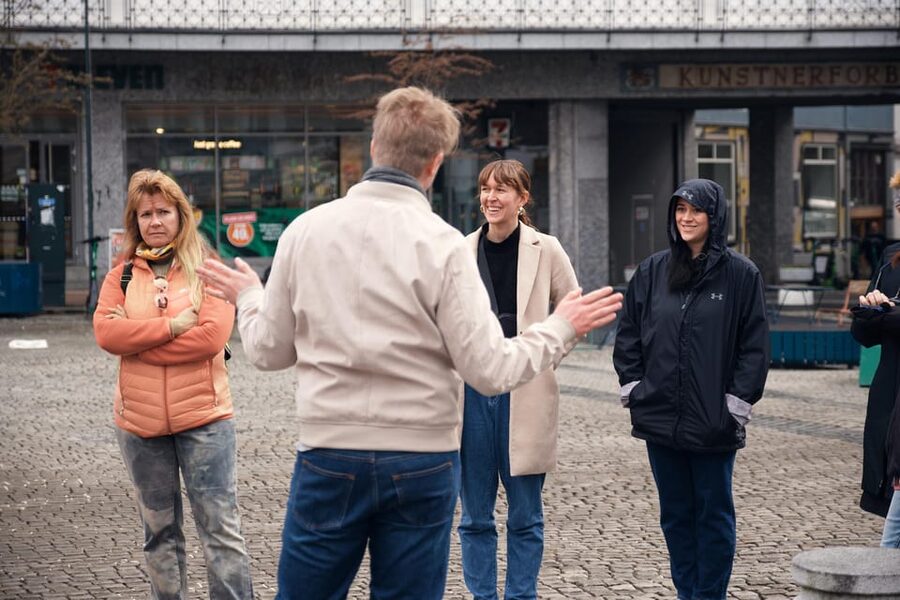
- Nobel Peace Center as the launchpad: you start with a landmark that sets a thoughtful tone before you hit the streets.
- Akershus Fortress: a shortcut into Oslo’s medieval roots and strategic waterfront thinking.
- Christiania Torv and Kvadraturen: you’ll see the historic square and the older district layout that shaped the city.
- Oslo Opera House by the fjord: modern Oslo appears fast, right when your eyes start to expect the old stuff.
- Karl Johan Street lineup: Cathedral, Parliament, National Theater, and the University area—packed into a walkable spine.
- A question-friendly format: guides such as Ulaf, Anna Marie, and Olav have been praised for explaining culture and history clearly, plus handling follow-ups.
A 2-hour Oslo intro that connects the dots fast
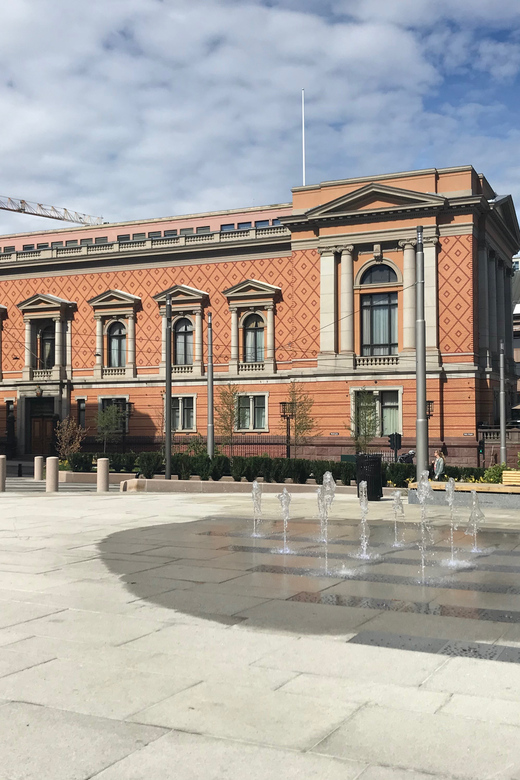
If you only have a short window in Oslo, this is the kind of walking tour that helps you build a mental map. The key is the order: you don’t just tick off monuments—you see how Oslo’s center shifted over time, from old-city origins to the modern civic core.
The total time is two hours. That’s enough to cover a lot of ground without turning your day into a marathon. It’s also long enough for a guide to explain the “why” behind what you see—especially if you like context: how districts grew, how power and institutions evolved, and why Karl Johan Street became the main thread.
You can also read our reviews of more walking tours in Oslo



Nobel Peace Center: a serious start before the sightseeing begins
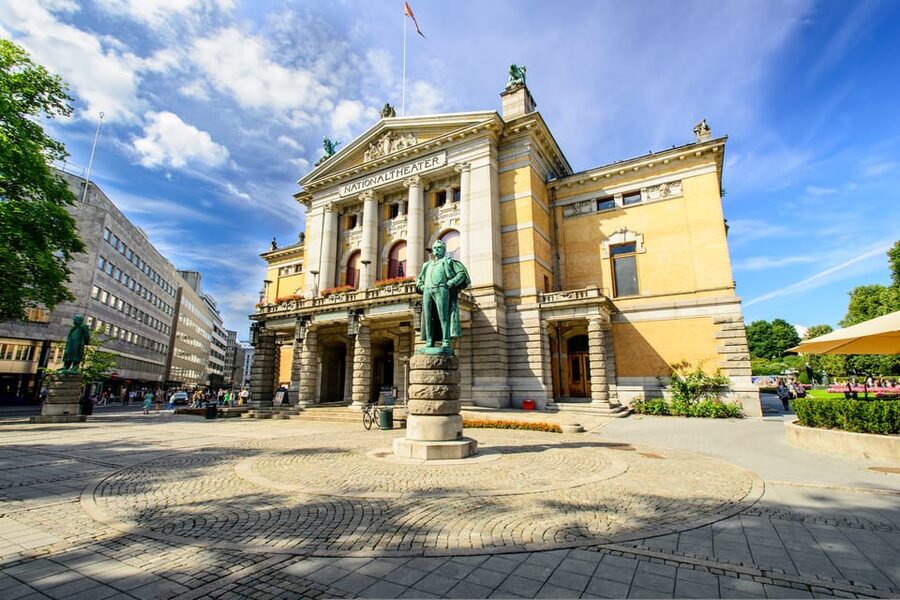
You meet the guide near the entrance of the Nobel Peace Center. That start point matters. The Nobel Peace Center isn’t a random landmark—it puts you in the mood for Oslo’s public identity right away, before you move into the medieval-to-modern storyline.
From there, the tour moves into Oslo’s historical heart. You’ll be walking through the core where government, culture, and old city fabric overlap. In practice, that means fewer “So what am I looking at?” moments, because the guide is guiding you through what each place represents.
Akershus Fortress: medieval Oslo in a single stretch
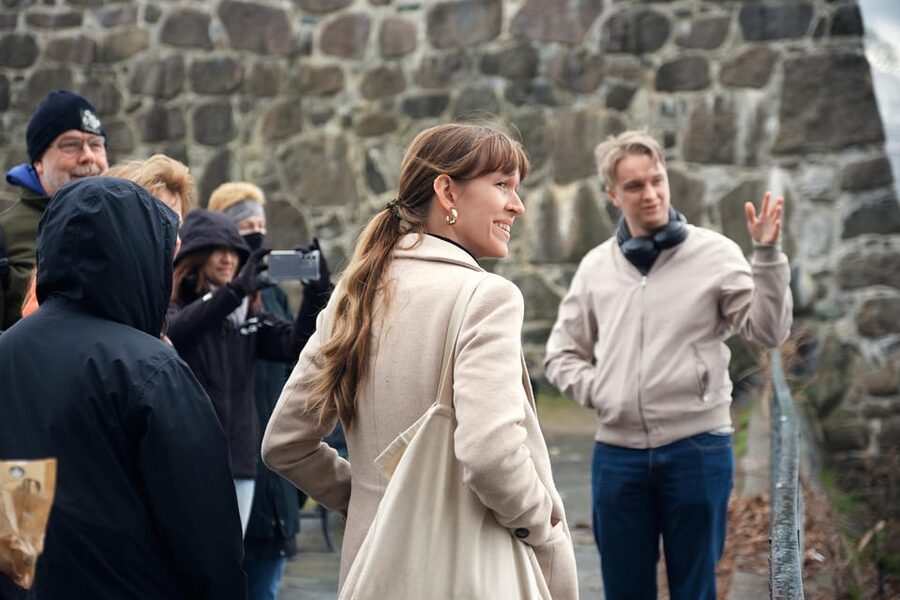
Akershus Fortress is the big medieval stop on this route. You pass by it and learn about Oslo’s medieval origins. Even if you’ve never studied Norwegian history, you can usually feel the atmosphere of a fortress area: thick walls, defensive geography, and the sense that this was once about control and protection.
This part of the walk is great for two reasons:
- It gives you a historical anchor early in the tour, so later sites feel connected instead of random.
- It helps you understand the city as something that evolved, not something you’re simply visiting.
If you like asking questions, this is a smart moment to do it. Past guides have covered topics such as how Oslo grew from Viking time into later eras and how different districts developed. Ask how the fortress relates to the city layout, and you’ll start seeing Oslo as a system.
Christiania Torv and Kvadraturen: the old-city plan you can picture
Next comes Christiania Torv, followed by the historic Kvadraturen district. This is where a walking tour earns its keep. Streets and squares are harder to understand from photos, but on foot you can register the shape of the city.
Christiania Torv works as a pivot point. It’s the kind of square where you can sense everyday life, commerce, and the public rhythm of the city center. Then Kvadraturen steps in with the idea of an original city layout—so you’re not only seeing buildings, you’re seeing planning.
This is also a good area to slow down for photos. The tour keeps moving, but the spacing between major stops is enough that you can capture key angles without turning the walk into a stop-and-start mess.
Oslo Opera House by the fjord: modern identity, right on schedule
Then the walk shifts to the Oslo Opera House by the fjord. This is one of the smartest transitions on the route. You go from older stone and older plans to a modern civic landmark, and suddenly Oslo feels like a city with two timelines at once.
The Opera House stop is about recognition: you’ll admire modern design and get that immediate sense of Oslo facing outward, with water and architecture sharing the frame. If you’re the type who likes to compare eras side by side, you’ll feel the contrast quickly here.
Even if you don’t spend time inside (the tour is short), the exterior views and the fjord setting give you an easy “Now I get Oslo” moment. It’s the kind of landmark that changes how you read the rest of the city.





Karl Johan Street: Cathedral, Parliament, Theater, and the University area
From the Opera House area, you head toward Karl Johan Street. This is Oslo’s main thoroughfare, and the tour turns it into a guided story arc.
As you walk up Karl Johan Street, you’ll pass by:
- the Oslo Cathedral
- the Parliament building
- the National Theater
- and the University of Oslo’s historic Aula area
This is a strong sequence because the sites cluster around the city’s public life—religious, governmental, cultural, and educational. That helps you understand why Karl Johan Street is the spine of the center. You’re not just moving along a road; you’re moving along Oslo’s institutions.
The Cathedral and Parliament are especially useful anchors. They make it easy to orient yourself later, because you’ll remember the “civic wall” feeling of this stretch. And if you’re a photo person, you’ll have plenty of chances to frame the buildings from the sidewalk as you keep walking.
How pacing works in two hours (and where you’ll want to move faster)

Two hours sounds simple, but timing on walking tours can make or break the experience. The overall pace is designed to cover a lot of ground, and guides keep the group moving to fit the main highlights.
Here’s the practical thing I’d watch for: if you’re trying to take a photo, don’t wait for the perfect pause. Some guides finish a point and then start walking immediately. If you want photos, be ready to step into the shot right when you get the chance.
That said, the tour isn’t trying to be a sprint. It’s more like a guided stroll with clear talking points. And because it’s concentrated, you end the tour near the University of Oslo area with an easy finale—there’s a picturesque view of the Royal Palace nearby, which gives your brain a clean ending image.
Price and value: what $37 buys you in Oslo time
At about $37 per person for a two-hour guided walk, you’re paying for three things: a guide in German, a route that hits the core institutions, and a history-and-culture explanation that saves you from piecing it together alone.
If you’re in Oslo for one day (or you want a first-day orientation), this can be good value because you get a lot of landmarks in a short time. It’s also valuable if German is your comfort language—you’ll likely understand more than you would with a quick audio guide, especially when the guide connects the dots.
If you already know Oslo well or you prefer slow, independent exploring with zero structure, you might feel the pace is tight. But for most first-timers, the price-to-time ratio works because the walk is efficient and focused.
What to ask your guide (so it becomes more than sightseeing)
I like tours like this most when you treat them like a question tool. You’ll get better value if you ask small, specific things that a guide can answer with local clarity.
Good question topics based on what guides have covered include:
- why Norwegian place-life and language usage can feel different from other Scandinavians
- the relationships between Norway, Denmark, and Sweden (and how that shows up in the city)
- how Oslo’s districts grew over time, from older roots to later layout
- what the city’s institutions mean and how they relate to the buildings you’re seeing
Also, don’t be shy about asking for practical guidance. One guide approach—mentioned in past experiences—is that they’re energetic and willing to keep conversations going, not just recite facts.
And if you’re traveling in winter: one of the nice surprises in past tours is how guides have worked in short warm stops, like grabbing a warm chocolate when it’s chilly.
Weather reality: dress for the outdoors and keep expectations realistic
This tour requires a moderate amount of walking. You’ll be outside, so you need to dress like the city is not going to switch to indoor mode because you’re cold. Since it isn’t canceled due to bad weather (unless severe storms), your best move is simple: check the forecast and dress for it.
Good footwear matters. Oslo sidewalks can be slippery when conditions turn, and you’ll appreciate comfortable shoes when you’re moving along Karl Johan Street and the center’s slopes.
Who this walking tour suits best
This is a great fit if:
- you want a fast orientation to Oslo’s center
- you like history and culture explained in context, not just building names
- you’re comfortable with German and want a live guide
- you need a route that’s wheelchair accessible (the tour is listed as wheelchair accessible)
It’s also a smart choice if you’re the type who likes to finish a day with your bearings. The ending near the University of Oslo area, plus the Royal Palace viewpoint, gives you a strong last image to anchor your mental map.
If you hate walking in winter weather or you need long pauses to catch photos, you might find the pacing a bit demanding.
Should you book this Oslo City Highlights Walking Tour?
Yes, if you want a guided, high-efficiency way to understand the Oslo core. The route makes sense: Nobel Peace Center sets the tone, Akershus and medieval references provide the old-city anchor, Christiania Torv and Kvadraturen explain how the center formed, and the Opera House plus Karl Johan Street ties it all together with modern institutions.
Book it especially if:
- you have limited time in Oslo
- you want German commentary instead of guessing from signs
- you’d rather ask questions than read your way through history alone
Skip it if you want a slow, quiet wander with long stops or you’re planning to do deep museum time instead. In that case, you’ll probably enjoy a more flexible self-guided route.
FAQ
How long is the Oslo City Highlights Walking Tour?
The tour lasts 2 hours.
Where do I meet the guide?
Meet your guide near the entrance of the Nobel Peace Center.
What language is the tour guide?
The live tour guide speaks German.
Is the walking tour wheelchair accessible?
Yes, the tour is listed as wheelchair accessible.
Is there much walking involved?
Yes. The tour requires a moderate amount of walking.
Will the tour be canceled if the weather is bad?
The tour is not cancelable due to bad weather, except for severe storms, so check the forecast and dress appropriately.