REVIEW · NEW DELHI
Old Delhi: Spices, Heritage and Bazaars Walking Tour
Book on GetYourGuide →Operated by Discover Activitis · Bookable on GetYourGuide
Spices and Mughal streets under one short walk. I like how this tour pairs Jama Masjid views with a hands-on look at the Khari Baoli spice market, so you get both heritage and the daily business that keeps Old Delhi running. The guide also keeps a relaxed rhythm, answers questions, and helps you make sense of what you’re seeing from mosque to markets to artisans’ lanes.
The main trade-off is that this is real walking in tight lanes and crowded spots, and you’ll want to travel light since no luggage or large bags are allowed.
In This Review
- Quick highlights worth noting
- Old Delhi in 3 hours: why this route works
- Meeting up at Jama Masjid Metro Exit Gate 1
- Jama Masjid optional visit: views, architecture, and Shah Jahan
- What to watch for during the mosque stop
- From Meena Bazaar to Chandni Chowk: living lanes, changed markets
- Why these stops matter
- Havelis and heritage houses: reading the architecture as you walk
- Khari Baoli spice market: rare spices, warehouse scale, strong aromas
- How the guide makes sense of spice shopping
- Goldsmith artisans in a Mughal-era neighborhood
- Tea and street-food stops: what you may taste along the way
- How to handle food costs
- Pace, small group size, and staying oriented
- Price and logistics: why $13 can be good value
- Shopping tips that help you avoid getting ripped off
- Who should book this walk, and who might skip it
- Should you book this Old Delhi spices and bazaars walking tour?
- FAQ
- How long is the walking tour?
- What does the $13 price include?
- Is the Jama Masjid entrance included?
- Where do I meet the guide?
- Is there pickup from hotels?
- Where does the tour end?
- Are food and drinks included?
- Is there a limit on group size?
- Is the tour suitable for everyone?
- Is the tour in English and are there any special access steps?
Quick highlights worth noting
- Jama Masjid optional entry: pay only if you want to go inside (INR 450), otherwise enjoy photos from outside
- Meena Bazaar roots: you’ll see how a once-royal gems market has shifted into everyday shopping
- Chandni Chowk time: a guided walk through classic lanes where historic trade still shapes the street life
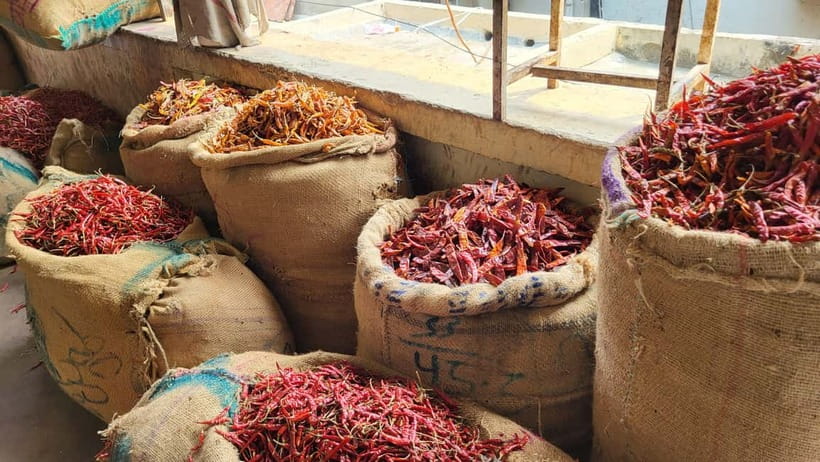
- Khari Baoli spice warehouse: big bags open for display, with rare spices explained in plain terms
- Mughal-era goldsmith neighborhood: an older craft community that’s still living in place
- Small group pace (up to 7): easier navigation through the crowds and fewer missed details
Old Delhi in 3 hours: why this route works
Old Delhi can feel like sensory overload in a hurry. This tour gives you structure, but it doesn’t lock you into a rigid script, which is exactly what you want when you’re trying to understand a place that’s still functioning.
The big win is the mix: Jama Masjid, a heritage lane network, and then Khari Baoli where spices are sold in bulk and talked about like everyday science. You leave with a better sense of how religion, commerce, and crafts overlap in the same streets.
You can also read our reviews of more walking tours in New Delhi


Meeting up at Jama Masjid Metro Exit Gate 1
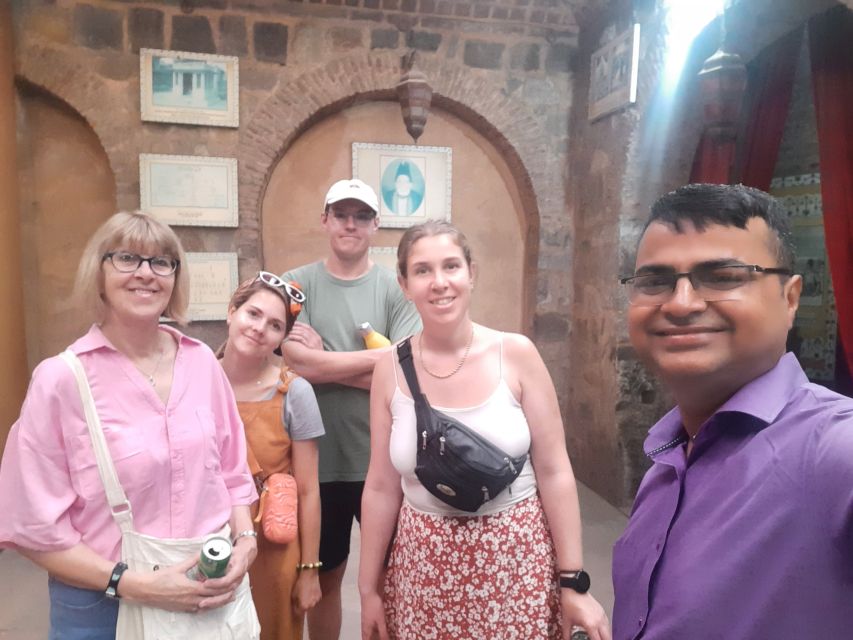
You meet the guide at Exit Gate No 1 of the Jama Masjid Metro Station. If you’re coming by Uber, you’ll use the provided Google pin so you can regroup fast if you’re a few meters off.
This is one of those tours where being on time matters because the streets start to feel busy quickly. If you’re unsure you’ll find the group, share your WhatsApp/cell number/email so the guide can coordinate and keep you from wandering.
Jama Masjid optional visit: views, architecture, and Shah Jahan
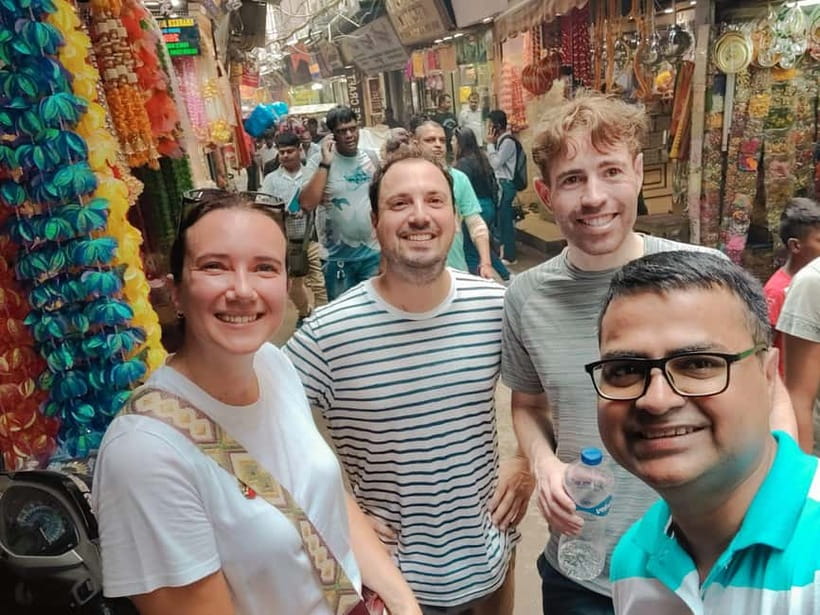
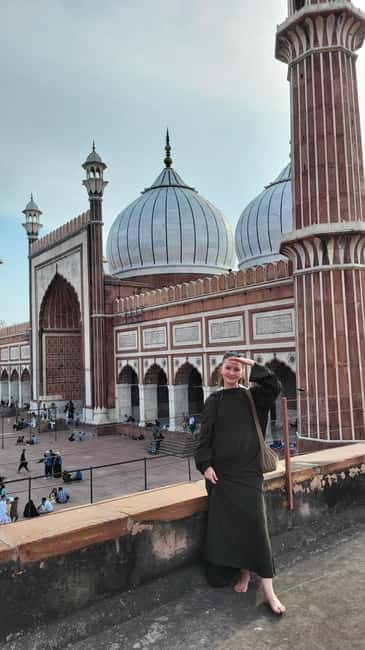
You start with a focused stop at Jama Masjid, guided for about 30 minutes. It’s known as one of India’s biggest mosques, and the story connects it to Shah Jahan, the same ruler associated with the Taj Mahal.
Entry is optional, not forced. The entrance fee is INR 450 per person if you want to go in; if not, you can still get a good photo stop from outside and keep moving through the Old City.
What to watch for during the mosque stop
The value here isn’t just the building—it’s the way the guide helps you read the surroundings. You’ll connect what you see around you to the wider Old Delhi layout, instead of treating it like a standalone monument.
From Meena Bazaar to Chandni Chowk: living lanes, changed markets
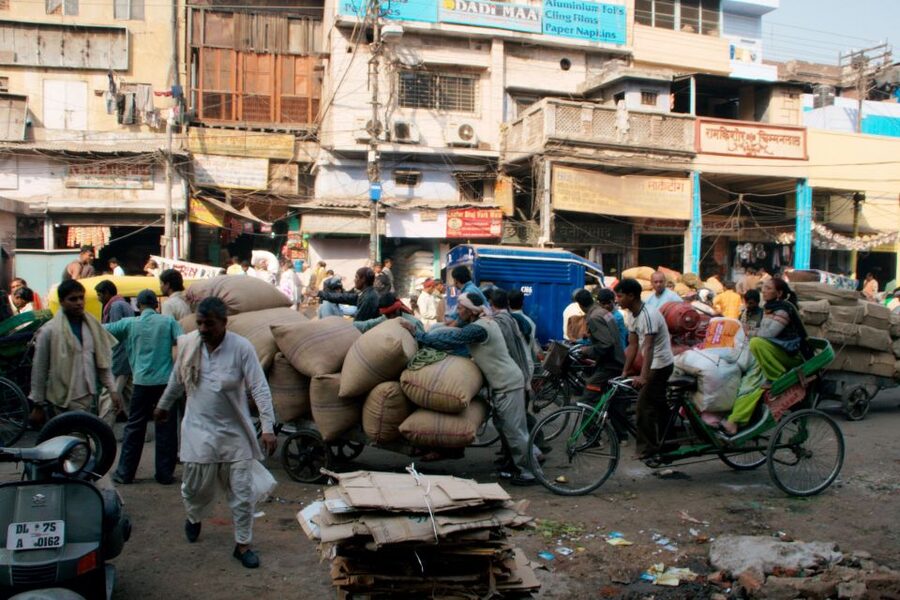
After Jama Masjid, the walking shifts into the Old City’s narrow geography. You begin near Meena Bazaar, which was historically an opulent Mughal-era market for precious goods, and has since become a more everyday setup for people shopping on smaller budgets.
Then you move toward Chandni Chowk, with a guided walk of about 45 minutes. This is where you feel the real trading rhythm: stalls, doorways, and the way streets funnel people toward what they need.
You can also read our reviews of more historical tours in New Delhi
Why these stops matter
You’re not just sightseeing buildings. You’re learning how historic trade routes and neighborhoods still shape what sells today, and how the crowd decides where to pause. That’s the difference between a photo-only visit and a trip that actually helps you understand Old Delhi.
Havelis and heritage houses: reading the architecture as you walk
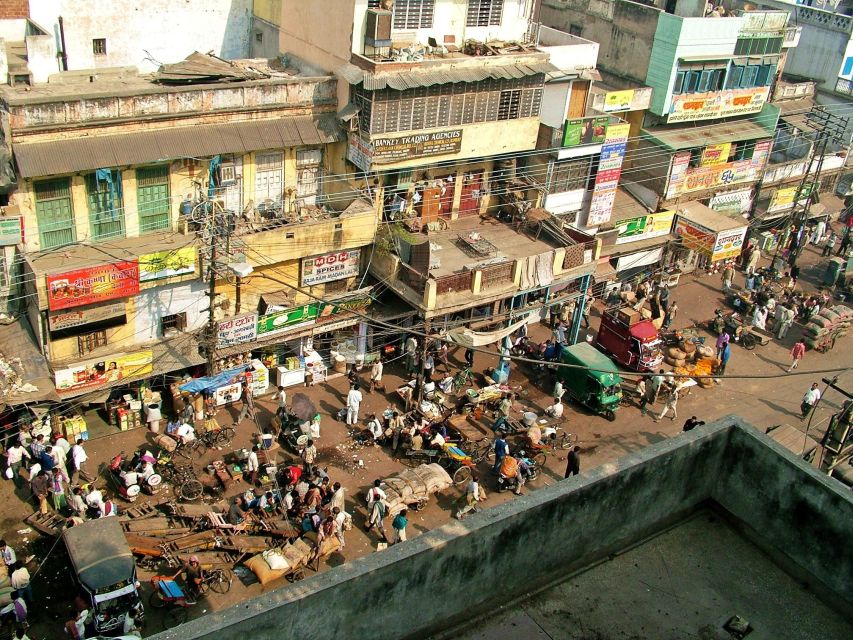
As you move lane to lane, you’ll pass havelis—traditional heritage homes with distinctive design. The tour doesn’t treat these as static museum pieces; it frames them as part of a neighborhood story that still makes sense when you look at the street patterns.
You also get guided time through twisty lanes where smaller markets operate on long-standing habits. The goal is to help you see why certain corners feel different: light, shop layout, and the way people move around courtyards and doorways.
Khari Baoli spice market: rare spices, warehouse scale, strong aromas
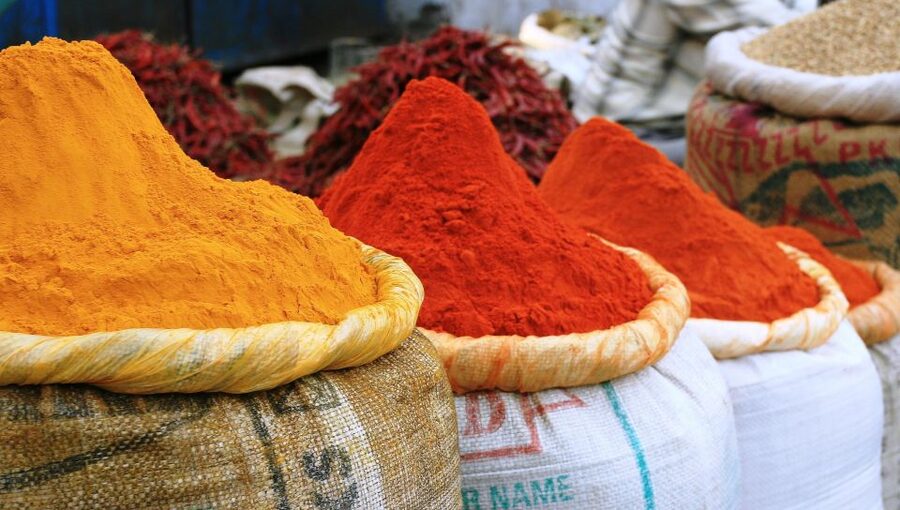
Next comes the tour’s most sensory moment: Khari Baoli, Asia’s biggest spice market. You’ll spend about 30 minutes here, guided through a classic Old Delhi spice setup.
The route typically brings you to a large warehouse-style space where big merchants handle wholesaler deals. Bags of spices are often displayed with part-open cuts, and the air fills with smell fast—this is where the guide’s explanations help you connect name to scent to use.
How the guide makes sense of spice shopping
A standout feature is the practical talk: different spice types, what they’re used for, and how prices and availability work when buying in bulk versus at home. It’s a quick reality check that helps you understand why some spices feel expensive later, once you’re comparing retail to market-scale sourcing.
Goldsmith artisans in a Mughal-era neighborhood
Somewhere between markets, you’ll also see an ancient neighborhood of goldsmith artisans with roots reaching back to the Mughal era. This is valuable because it adds a craft layer to the tour.
Spices can dominate your senses, but goldsmith lanes remind you that Old Delhi isn’t only about trading commodities—it’s also about sustaining skilled work through generations.
Tea and street-food stops: what you may taste along the way
Food and drinks aren’t included as a set part of the price. But the experience is designed to include tea stops, and many small-group walks include tasting sessions like different masala chai styles.
Some tours also include short snack moments such as street bites like samosas and other simple local options, with the guide steering you toward safer, local-style places.
How to handle food costs
Plan on paying for anything you eat or drink in shops. The included water bottle is a nice buffer, but chai and snacks can still add up in a market like this—so bring small cash if you can.
Pace, small group size, and staying oriented
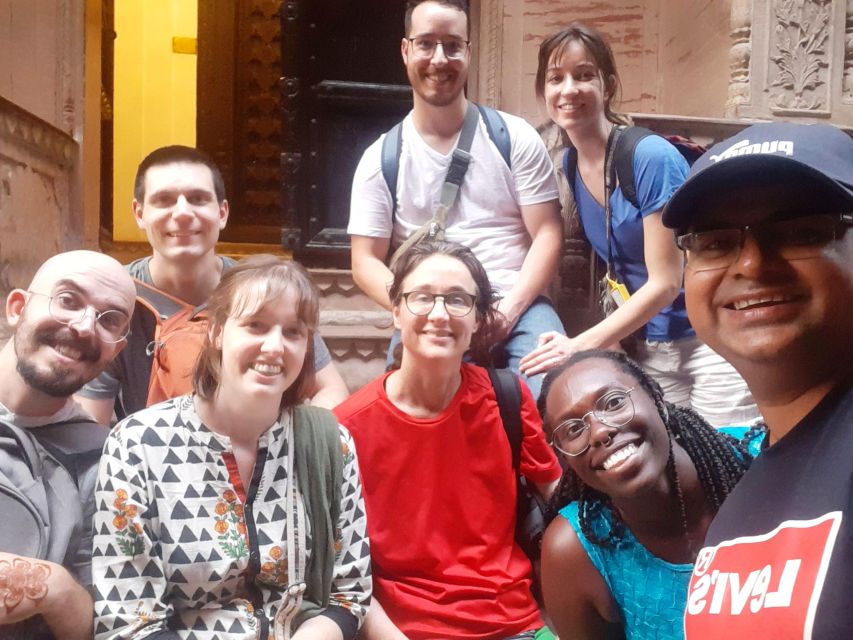
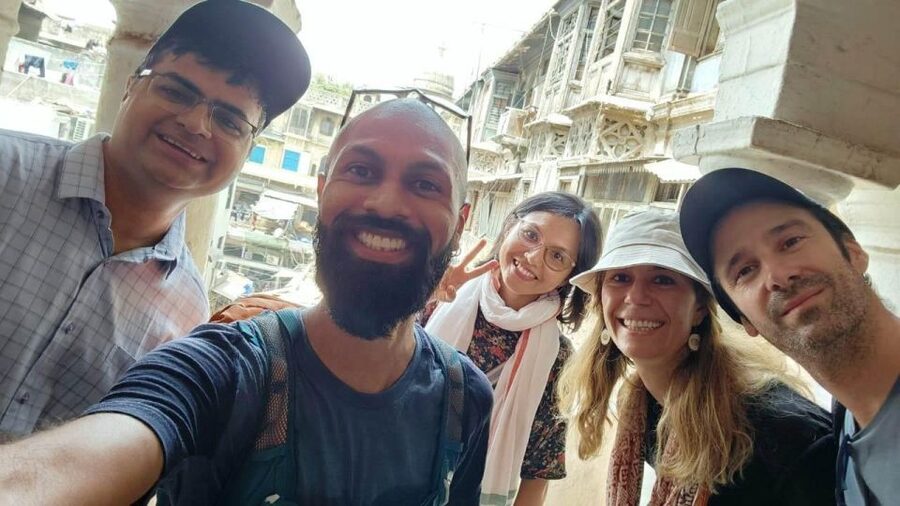
This is a small group tour limited to 7 participants, which makes a real difference in Old Delhi. Smaller groups are easier to keep together when lanes narrow, and the guide can answer questions without the usual time-pressure squeeze.
The tour also includes an express security check, so you’re not stuck watching other lines grow longer while the group waits. And because the route involves lots of turns, having a guide who keeps the logic of the street network in mind helps you feel less lost and more in control.
Price and logistics: why $13 can be good value
At $13 per person for about 3 hours, you’re paying for guided access to Old Delhi’s main heritage and spice-market zones, plus a water bottle. That’s a solid deal for Delhi, where local guides can cost much more on an hourly basis.
Two costs to remember: Jama Masjid entry (INR 450) is optional, and food/drinks are not included. If you choose to enter the mosque and you eat along the way, your total spend will rise—but the structure still makes the time feel efficient.
Shopping tips that help you avoid getting ripped off
You’ll pass places where people sell spices, tea, textiles, jewellery, and other market items. If you want souvenirs, this is the sort of route where the guide can help you understand what you’re looking at before you buy anything.
For anything packaged (like spices), ask what’s inside and how it’s commonly used. For higher-value items (like jewellery), take your time and don’t feel rushed by the crowd.
Who should book this walk, and who might skip it
This is a great match if you want a practical intro to Old Delhi without trying to navigate alone. Solo visitors also tend to feel more comfortable with a guide when you’re walking through tight areas and busy marketplaces.
It’s not suitable for people with mobility impairments or pregnant women, and you should avoid bringing luggage or large bags because the route is too restrictive.
Should you book this Old Delhi spices and bazaars walking tour?
Book it if you want a 3-hour, guide-led route that connects Jama Masjid, classic Old City lanes, and Khari Baoli into one story. It’s especially worth it if you like questions, want real explanations (not just monument photos), and enjoy the smell-and-shop reality of markets.
Skip it if you hate walking in crowded streets or need a low-mobility experience. And if you know you’ll want specific museum-style time, you may find 3 hours a bit short for your personal priorities.
FAQ
How long is the walking tour?
The tour lasts about 3 hours.
What does the $13 price include?
It includes a local guide and one mineral water bottle per person.
Is the Jama Masjid entrance included?
Entry is optional. If you choose to enter, there is an entrance fee of INR 450 per person. You can also do a photo stop from outside.
Where do I meet the guide?
Meet at Exit Gate No 1 of Jama Masjid Metro Station. If you’re arriving by Uber, use the provided Google pin.
Is there pickup from hotels?
Pickup is optional, and the operator picks from centrally located hotels.
Where does the tour end?
There are two drop-off locations listed: Connaught Place and Khari Baoli.
Are food and drinks included?
Food and drinks are not included.
Is there a limit on group size?
Yes, it’s a small group limited to 7 participants.
Is the tour suitable for everyone?
It’s not suitable for people with mobility impairments or pregnant women. Luggage or large bags are also not allowed.
Is the tour in English and are there any special access steps?
The tour is in English, and it includes an express security check.