REVIEW · QUEBEC CITY
Old Quebec City: Grand Walking Tour with Private Option
Book on GetYourGuide →Operated by Tours Voir Quebec · Bookable on GetYourGuide
Old Quebec tells its story on foot. I love the Fortifications of Québec walk and the big photo moments at Terrasse Dufferin, and the guides like Mark and Dominique turn street corners into clear, funny timelines. The only real drawback to plan for: it is not suitable for wheelchair users, and the Old City means cobbles and hills.
You start at a counter inside the Tourist Information Center near 12 Rue Sainte-Anne, then work your way through Upper and Lower Old Quebec toward the Funiculaire du Vieux-Québec. The pacing is laid-back enough to enjoy the scenery, but structured enough that you do not miss the essentials like Place Royale and the city hall area.
One more thing I appreciate: this tour runs in all weather, with winter help like hand and toe warmers for sale at the counter. Wear good walking shoes and expect the guide to adjust as skies change.
In This Review
- Key highlights that make this tour worth your time
- Why a guided walk beats wandering Old Quebec on your own
- Meeting point at Tours Voir Quebec inside the Tourist Information Center
- Terrasse Dufferin: the viewpoint stop that makes photos feel effortless
- Ursulines Chapel: a quieter stop with big story value
- Place de l’Hôtel de Ville and the Seminary area: architecture with explanations
- Fortifications of Québec: the walled-city walk you will remember
- Place Royale and Notre-Dame-des-victoires: where the city begins to feel old
- Petit Champlain’s lanes and the Funiculaire du Vieux-Québec finish
- Price, duration, and value: what $29 buys you in real terms
- Group tour vs private 2½-hour option: when to go personal
- Show up smart: weather, shoes, and the Old City hill reality
- Who this tour fits best (and who should skip it)
- Should you book this Old Quebec City walking tour?
- FAQ
- Where do I meet for the tour?
- How long is the Old Quebec grand walking tour?
- Is the tour available in English and French?
- How much does the tour cost?
- What is the difference between the group tour and the private option?
- What stops are included in the walking route?
- What is the finish point?
- Do I need to bring snacks or drinks?
- Does the tour run in bad weather?
- Is it suitable for wheelchair users?
- Are hand and toe warmers available in winter?
- Can children join for free?
Key highlights that make this tour worth your time
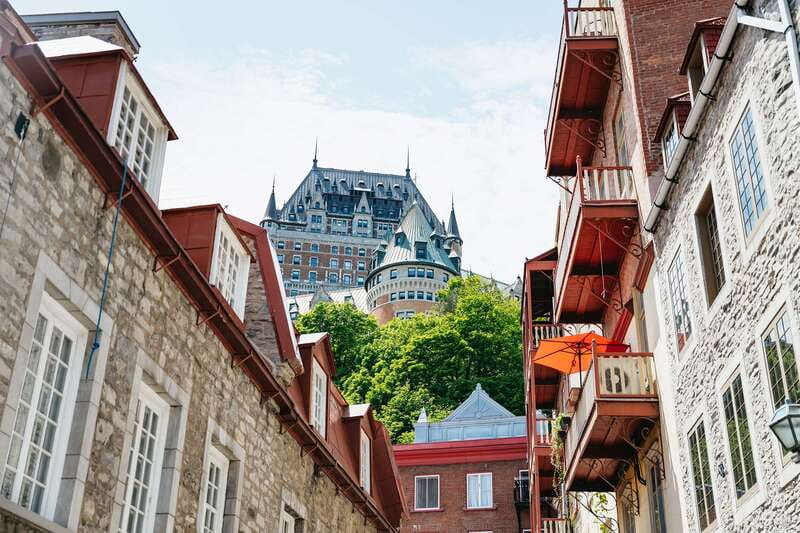
- Terrasse Dufferin viewpoint stops with guided photo opportunities and big city-and-river views
- Fortifications of Québec: a guided walk through one of North America’s rare walled-city systems
- Ursulines Chapel and other Upper Town stops that explain why this place matters
- Place Royale as the oldest core you can feel in your legs as you walk
- Petit Champlain with photo moments in the Lower Town lane maze
- Bilingual guide-led storytelling in English or French, with lots of humor and Q&A
Why a guided walk beats wandering Old Quebec on your own
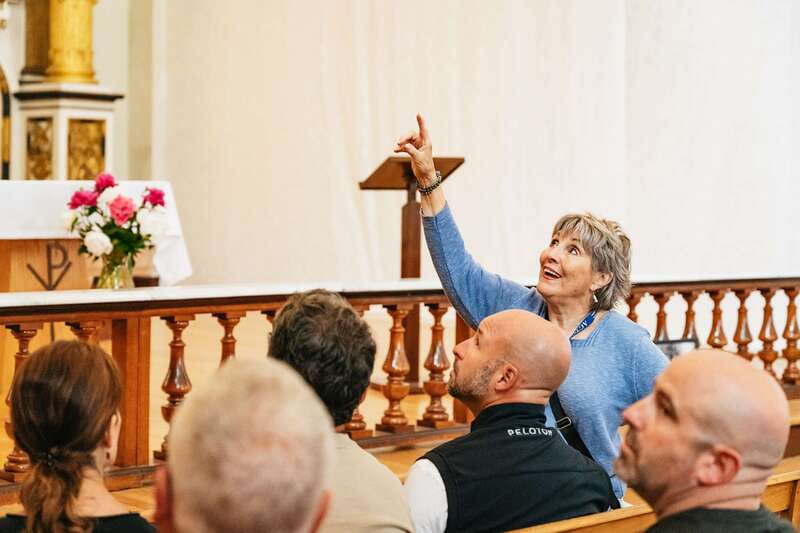
Old Quebec is compact, but it is not simple. The streets fold over themselves, the buildings look similar at first glance, and the hills can trick your sense of direction. A good walking tour fixes that fast. You get orientation early, then your independent time gets easier.
The real payoff here is that you see Old Quebec in layers: official-looking civic spots, religious corners, the oldest quarter, and then the defensive walls. That mix helps you understand how the city worked—where people built up, where they defended, and where they lived day to day.
You also get practical context. Guides often steer you toward where to eat and shop after the tour, and they point out details you would likely gloss over by yourself—like why the architecture looks the way it does or what a particular location meant at the time.
You can also read our reviews of more walking tours in Quebec City

Meeting point at Tours Voir Quebec inside the Tourist Information Center
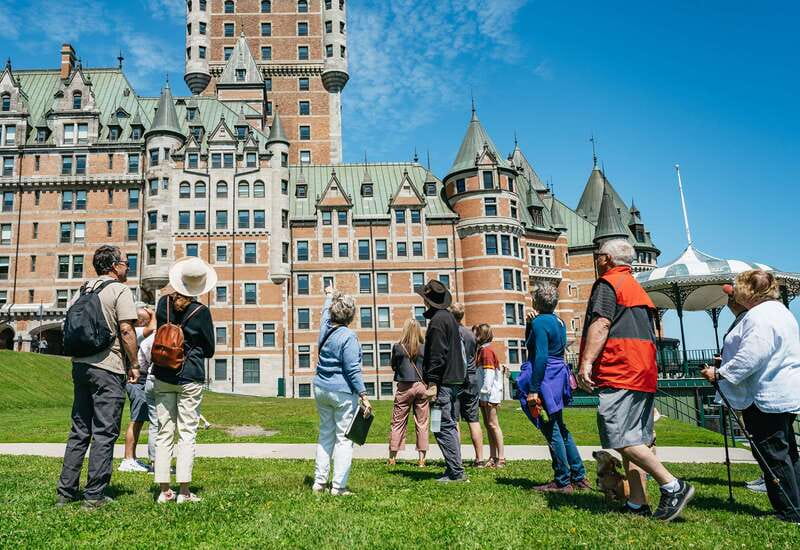
Plan to check in at Tours Voir Quebec’s sales desk inside the Tourist Information Center at 12 Rue Sainte-Anne. Do not assume the desk is outside. On a snowy or rainy day, you will be glad you found the right counter quickly.
This tour begins with a guided walk through the heart of Old Quebec. The route is described as a relaxed, downhill stroll, but Old Quebec can be stubborn about hills. One guest even noted that the start included several fairly steep climbs—so I treat this as a “bring your stamina” walk, not a flat sightseeing stroll.
What you should do when you arrive: take a second to position yourself so you can hear the guide clearly. In one group size example around 15 people, hearing was a little harder for everyone who stayed farther back. If that happens in your group, moving toward the front makes a big difference.
Terrasse Dufferin: the viewpoint stop that makes photos feel effortless

Terrasse Dufferin is one of those places where you immediately understand why Quebec gets so many repeat visitors. The guide brings you to the viewpoint and gives you the story behind what you are looking at. It is not just a scenic break—it’s a key “read the city” moment.
You get a guided photo stop here, and you also get another quick viewpoint stop after. That matters because Old Quebec’s beauty is partly in the angles: the way the buildings stack, how the river area sits beyond the walls, and how the Upper Town and Lower Town relate.
If you want photos that look like you planned them, this is the stop. You will likely get a clear route and timing for when to snap pictures before the group moves on.
Ursulines Chapel: a quieter stop with big story value
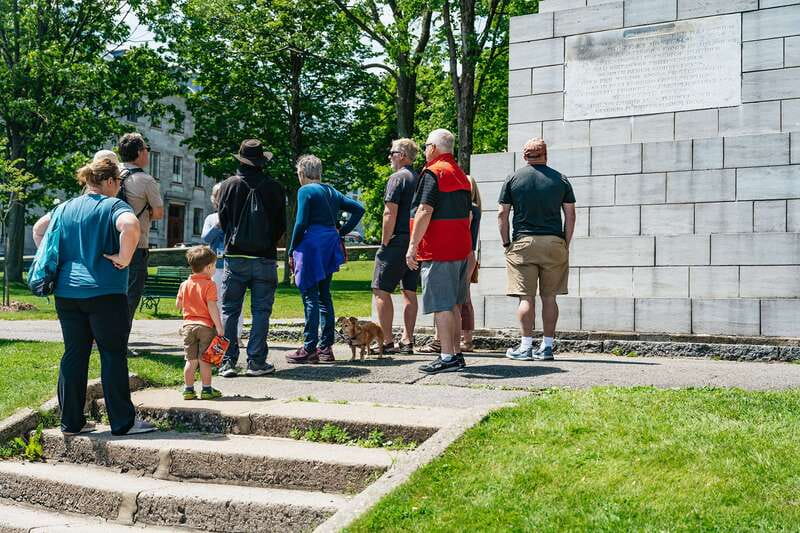
The Ursulines Chapel adds depth to the walk. It is the kind of stop that feels small on paper, but it becomes meaningful when your guide explains who was involved and why their presence mattered in Quebec City’s development.
This is also where the tour’s tone often shifts from exterior landmarks to human scale. Guides like Louise and Carole Parent are the type who answer questions well and encourage curiosity, so you can end up asking about everyday life, institutions, and how faith communities shaped the city.
One practical note: chapels and religious interiors can be cool even in winter. Bring a layer, especially if you start in cold weather. You will be glad you did once you slow down for the guided portion.
Place de l’Hôtel de Ville and the Seminary area: architecture with explanations
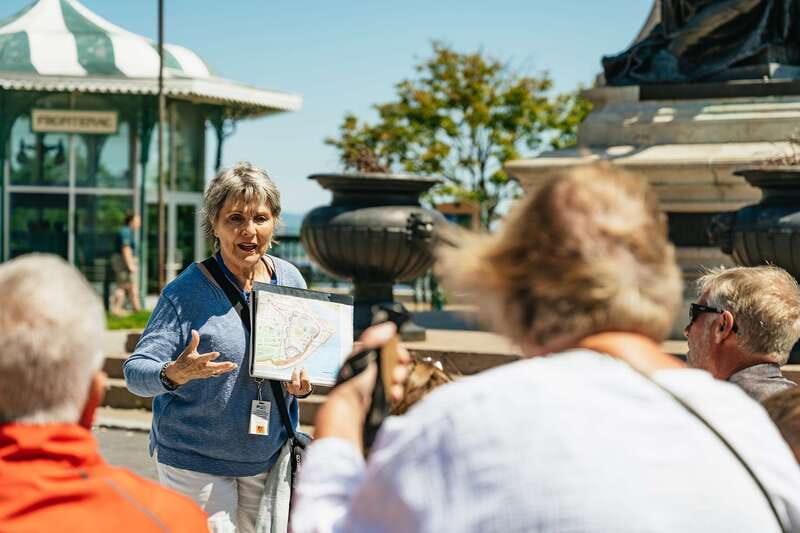
From the chapel area, the walk continues through Old Quebec’s civic and institutional spaces. Place de l’Hôtel de Ville brings you to Quebec City Hall, known for its castle-like architecture, and it is a strong “this city runs on more than tourists” moment.
Next comes the Seminary of Québec. Even if you are not a history buff, this stop helps you connect the dots. Religious and educational institutions affected how the city functioned, who held influence, and how traditions persisted.
Guides tend to do more than point at buildings. Mark’s style, for example, is often described as a blend of fact, history old and new, politics, culture, and humor—exactly the kind of mix that keeps you from zoning out while you stand in front of stone walls.
If you are traveling with kids or people who get bored on long sightseeing stops, this section is usually where the guide’s energy helps keep attention.
You can also read our reviews of more city tours in Quebec City




Fortifications of Québec: the walled-city walk you will remember
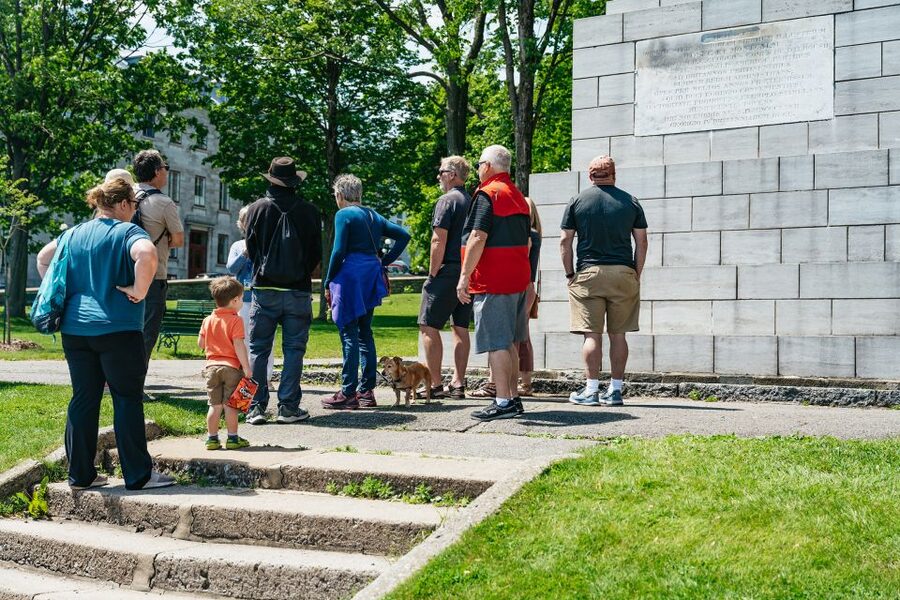
This is one of the tour’s biggest reasons to book. The Fortifications of Québec National Historic Site of Canada is one of the few remaining walled cities in North America, and seeing it with a guide changes how it lands.
A defensive system is easier to understand when someone points out the logic while you are standing in the places it was built to protect. Your guide’s commentary helps you connect the walls to the city’s layout—what they guarded, how people moved, and why the fortifications shaped daily life.
This section is also a physical highlight. It gets you out of the “street view” mindset and into the “city as a system” mindset. You see how the walls relate to the vantage points and the older quarters you will hit later.
And yes, it is worth the effort even if you have been to other fortifications elsewhere. Here, the city itself is part of the story, not just the walls as an object.
Place Royale and Notre-Dame-des-victoires: where the city begins to feel old
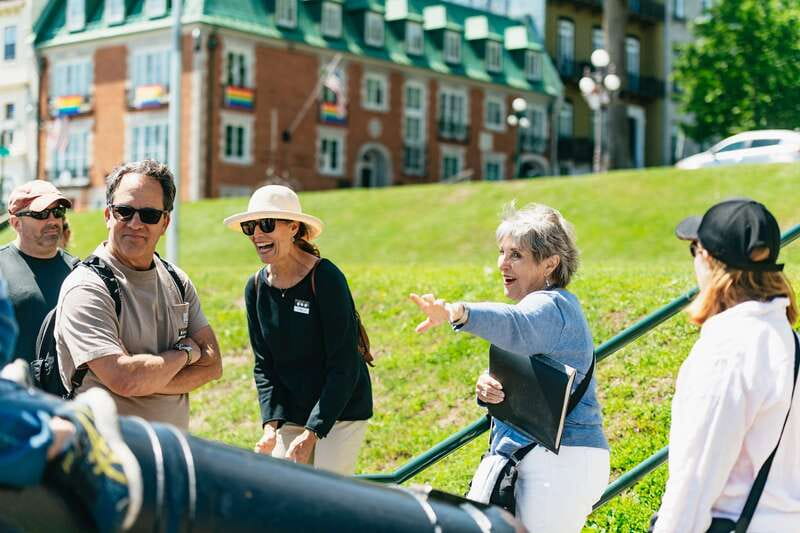
Place Royale is Quebec City’s oldest part, and it has that special density of time. As you walk through, you get a sense of the original core—smaller, more tightly packed, and built for a different pace than modern tourism.
This is also where the tour typically brings in Notre-Dame-des-victoires, a quaint church that adds a different kind of atmosphere. With a guide, you are not just looking at pretty stone. You are learning why this location matters and what role religion and community held.
If you like walking tours for orientation, this is a great “checkpoint” area. You are deep enough into Old Quebec that the stories start to click, but you have not yet reached the more maze-like Lower Town lanes.
Petit Champlain’s lanes and the Funiculaire du Vieux-Québec finish
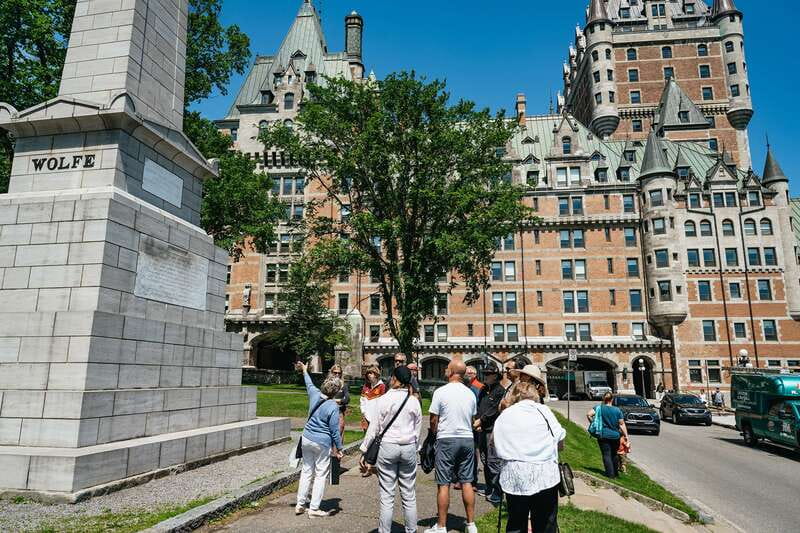
Petit Champlain is where Old Quebec starts to feel like a living maze. The lanes can be narrow and charming, and this part of the walk includes photo stops that help you capture the vibe.
You end at the Funiculaire du Vieux-Québec, which is a smart finish. After a couple of hours of hills and cobbles, having a nearby way to shift gears makes the experience feel less exhausting. Even if you do not use it right away, it gives you a clean exit point to explore further.
This is also a good moment to ask your guide for the next step. Many guides are praised for recommending places to eat and for pointing out where to shop. If you want to keep your day moving with fewer wrong turns, this is when that advice becomes useful.
Price, duration, and value: what $29 buys you in real terms
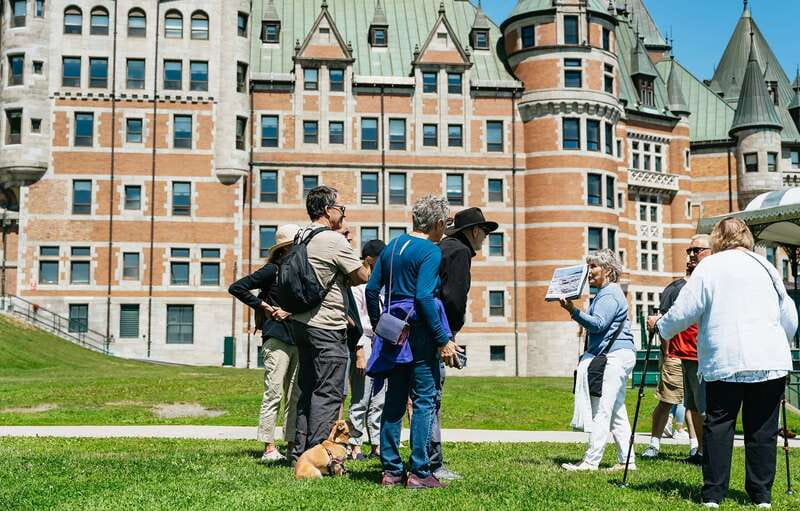
At about $29 per person for roughly 2 hours to 150 minutes, this tour is priced as an affordable “orientation + storytelling” experience. You are paying for more than walking time. You are paying for a guide who ties together multiple layers—civic buildings, religious sites, the oldest core, and the fortifications.
The time matters because Old Quebec can eat hours fast. A two-hour structure helps you get the high-impact sites without losing your whole day to logistics and guesswork.
You also get a live English or French guide, and small group sizes mean you are more likely to hear the details and ask questions. One guest described the guide as having a strong mix of humor and deep local context, and that kind of delivery is hard to replicate on your own.
Group tour vs private 2½-hour option: when to go personal
If you want a more tailored experience, the tour offers a 2½-hour private walking tour. That extra time can be useful if you want your guide to focus on what you care about—history, architecture, food, or hidden treasures (the tour’s language for what guides point out beyond the obvious).
Private tours also help if your group has hearing needs or mobility concerns that require more frequent pacing breaks. Just remember: the tour is still not suitable for wheelchair users based on the walking nature of the route.
If you choose the group option, aim to position yourself so you can hear well. Guides do a great job with presentation, but when groups are around the teens, it helps to stay closer to the front.
Show up smart: weather, shoes, and the Old City hill reality
This tour operates in all weather conditions, with adaptations if conditions get rough. In winter, warmers are available for sale at the counter, which is a nice practical touch. Still, plan your layers like you would for an outdoor hike.
The route includes hills and cobblestones. Even if you expect a mostly downhill start, assume the ground will be uneven and the climb will happen at least once. That affects not just comfort, but also photo timing and how tired you feel in Place Royale and Petit Champlain.
If it rains, the guide usually keeps the plan going. One guest specifically praised a guide for having a plan B during downpour. So while you should bring appropriate outerwear, you probably will not be left standing around waiting for things to clear.
Who this tour fits best (and who should skip it)
This walking tour is ideal if you:
- want a clear first pass through Old Quebec’s most important areas
- care about understanding why the city looks the way it does
- like guided storytelling with humor and frequent questions
It’s also a strong fit if you want to control your day afterward. You end near the Funiculaire, you have the key neighborhoods in your head, and you can head out for meals or extra sights with confidence.
I would skip it if you:
- use a wheelchair or have mobility impairments, since it is not suitable for wheelchair users
- can’t comfortably handle cobblestones and hills
If you are visiting in winter, bring the right footwear and dress for the cold. The warmers help, but the main solution is still good boots and weather layers.
Should you book this Old Quebec City walking tour?
Yes, if your goal is to get oriented fast and leave with a real grasp of how Old Quebec is put together. The combination of Fortifications of Québec, Place Royale, Notre-Dame-des-victoires, and the big photo viewpoint at Terrasse Dufferin is exactly the mix that turns a pretty city into a place with logic.
Book it especially if you value the guide. The tour’s reviews repeatedly highlight guides who keep it entertaining—Dominique, Mark, Robert, Christian, Tommy, Chantal, Ives, Francis, and others are praised for humor, clarity, and answering questions. A great guide can make stone streets feel like a living timeline.
You might want to consider a private 2½-hour option if your group has specific interests or you want more time to ask follow-up questions at each stop.
FAQ
Where do I meet for the tour?
Check in at the Tours Voir Quebec sales desk inside the Tourist Information Center at 12 Rue Sainte-Anne.
How long is the Old Quebec grand walking tour?
The tour runs about 2 hours, up to 150 minutes, depending on the starting time and conditions.
Is the tour available in English and French?
Yes. The live guide is available in English and French.
How much does the tour cost?
The price is $29 per person.
What is the difference between the group tour and the private option?
You can choose a group tour or a private walking tour. The private option is 2½ hours and is tailored to your interests.
What stops are included in the walking route?
You can expect stops and guided visits that include Terrasse Dufferin, Ursulines Chapel, Place de l’Hôtel de Ville, the Seminary of Québec, the Fortifications of Québec, Place Royale, and Quartier Petit Champlain. Notre-Dame-des-victoires is also listed among the highlights.
What is the finish point?
The tour finishes at the Funiculaire du Vieux-Québec.
Do I need to bring snacks or drinks?
Drinks or snacks are not included, so you should plan accordingly.
Does the tour run in bad weather?
Yes, it takes place in all weather conditions, though the route may be adapted due to inclement weather.
Is it suitable for wheelchair users?
No. It is not suitable for people with mobility impairments or wheelchair users.
Are hand and toe warmers available in winter?
Yes. You can buy hand and toe warmers at the counter during the winter.
Can children join for free?
Children aged 7 and younger may participate for free with a paying adult.