REVIEW · QUEBEC CITY
Quebec City: Old Quebec Historical Walking Tour
Book on GetYourGuide →Operated by Cicerone · Bookable on GetYourGuide
Old Quebec feels like a movie set with real facts. What makes this tour special is a period-costumed guide who steers you off the usual route, and the 400-year story that connects the big landmarks in a way that actually sticks. I like the theatrical touch, and I also like the practical pace, with stops that feel worth the effort. One consideration: this is a hill-and-stairs walking experience, so it’s not a fit for wheelchair users.
I also love that you’re not just looking outward—you get exclusive areas of the Château Frontenac that many visitors never see. And because the guide can answer questions and keep the mood light (think Louis Hebert, Champlain, or other in-character figures), the history doesn’t turn into a lecture. The tour is only 2 hours, so if you want slow wandering or café time, you’ll likely wish you had more daylight to roam after.
If you’re new to Quebec City, this is a strong way to get your bearings fast—and for a first visit, that matters. Wear comfortable shoes, be ready for some slopes, and plan to meet at the Cicerone information centre on Sainte-Anne Street.
In This Review
- Key things to know
- Old Quebec, but with a guide who acts like the era
- Check-in on Sainte-Anne Street, then get ready for slopes
- What the tour really does: makes 400 years feel connected
- Château Frontenac: famous from the outside, better from inside
- Dufferin Terrace viewpoints: the city’s “in-between” space
- Basilica of Notre-Dame de Québec: the spiritual center with a reason
- Place Royale: the cradle of French civilization in North America
- The guide experience: full costume, playful storytelling, real answers
- Pace and coverage in just 2 hours (and where you might want more time)
- Price value: why $24 can be a good deal here
- Who this tour fits best (and who should skip it)
- Should you book this Old Quebec historical walking tour?
- FAQ
- FAQ
- How long is the Quebec City Old Quebec historical walking tour?
- What does the tour cost?
- What is included in the price?
- What major sights will we see?
- Will we get access beyond normal viewing areas?
- Where do I check in?
- What language options are available?
- Is this tour suitable for wheelchair users?
- What should I bring for the walk?
Key things to know
- A guide in full colonial costume brings the stories to life and keeps the tone fun
- Small group size helps you hear the guide and ask questions
- You’ll see major icons like Château Frontenac, Dufferin Terrace, Notre-Dame de Québec, and Place Royale
- The route is built to help you understand how Old Quebec became what it is today
- You get special access around Château Frontenac, not just a photo stop
- Expect some hills and stairs, and plan accordingly
Old Quebec, but with a guide who acts like the era
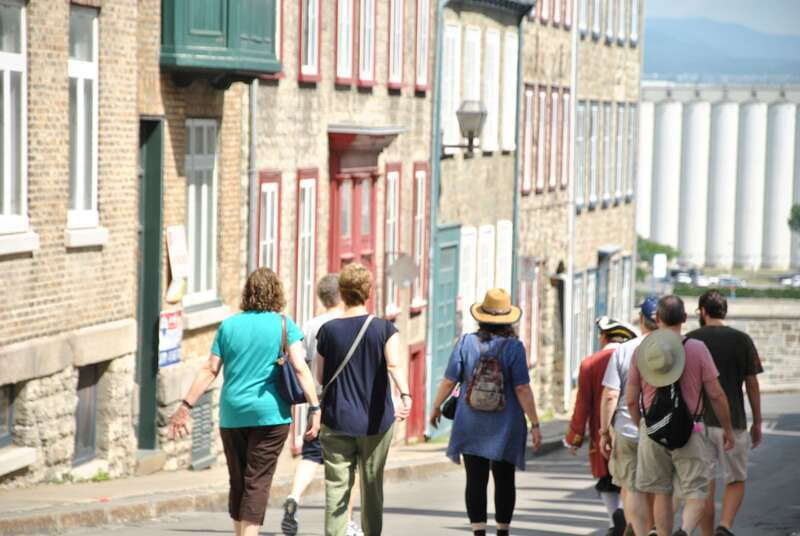
Old Quebec is the kind of place where you can feel the layers. The streets curve, the buildings hold their posture, and it’s easy to imagine the city evolving in real time—over and over.
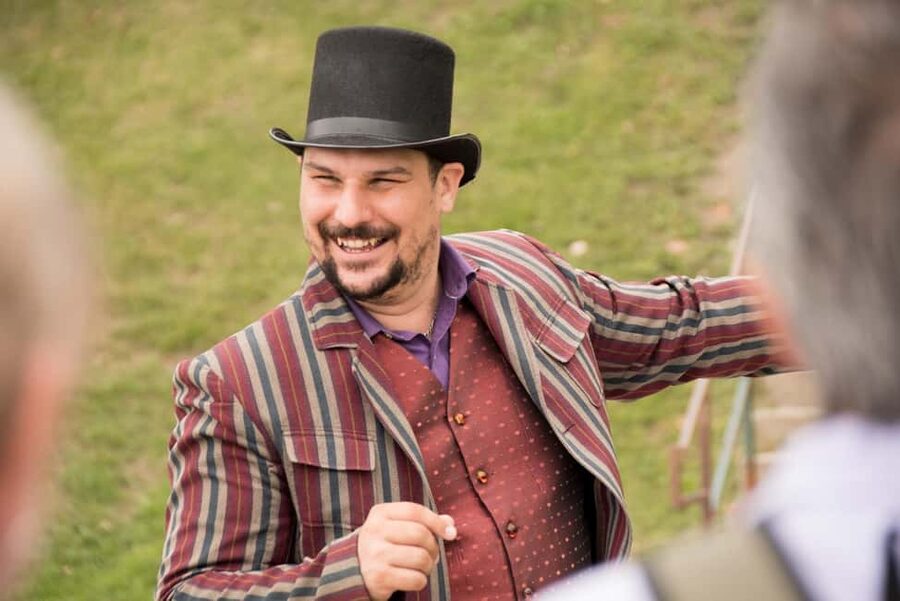
This tour leans hard into that idea. You follow your guide as a character in colonial costume, which is more than costume-for-costume’s-sake. It’s a storytelling device that helps you connect why certain buildings and viewpoints matter, instead of just ticking off sights.
I also like that the focus stays on the city itself. You’re not bus-transported across town or left to figure things out alone. In a compact 2 hours, you get a guided walk through the parts of Old Quebec that best explain its identity.
You can also read our reviews of more walking tours in Quebec City



Check-in on Sainte-Anne Street, then get ready for slopes
Plan for a straightforward start: check in at the Cicerone information Centre at 12 Sainte-Anne St, G1R 3X2. Meeting point can vary by option, but check-in is fixed, so don’t overthink it—show up a bit early.
What to wear is simple. Bring comfortable shoes and comfortable clothes. Quebec City’s Old Town terrain can be tricky, and the tour is not designed for a wheelchair route.
If you’re traveling with limited mobility, this is where you’ll want to be honest with yourself. Even when a guide adjusts pace, you’re still going to be moving through an old walled city with changes in elevation.
What the tour really does: makes 400 years feel connected
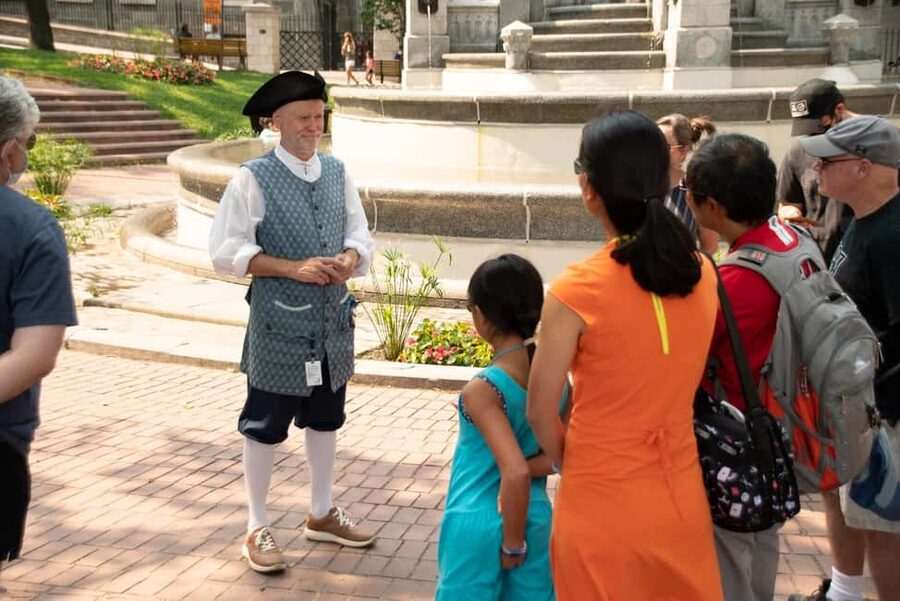
The promise here isn’t “see everything.” It’s “learn the threads.” Over roughly two hours, you’re guided through the story of Quebec City across a long stretch of time, framed as a sequence of actions, decisions, and power shifts.
That structure is the main value. Old Quebec can be visually stunning, but history-by-handout often turns into facts floating in space. This tour tries to connect the dots so that when you see a landmark again later, you recognize how it fits the larger narrative.
And because the guide speaks French and English, you won’t get the sense you’re missing half the point. The tour is listed as small group, which typically means you spend more time watching the sights and less time waiting for everyone to catch up.
Château Frontenac: famous from the outside, better from inside
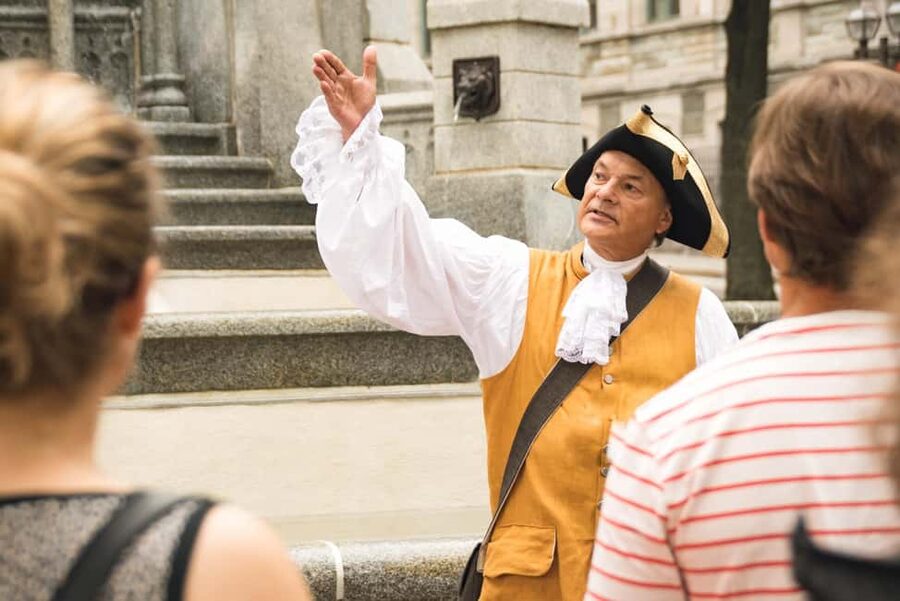
Château Frontenac is one of those sights you recognize instantly, even from afar. It’s a postcard icon—but the tour nudges you past the simple “wow.”
A standout is the access to exclusive areas of the Château Frontenac. That matters because it changes the experience from exterior admiration into context. You start to understand how the setting, the positioning, and the building’s presence shape the city’s story.
You also get to connect Frontenac with the broader Old Quebec layout. From the right angles, the hotel becomes a visual anchor for what came before and what the city became after. The guide ties it back to the timeline, rather than leaving it as a dramatic backdrop.
Practical tip: if your camera battery dies, you won’t be alone. This is the part where people slow down—so keep some energy for the rest of the walk.
Dufferin Terrace viewpoints: the city’s “in-between” space
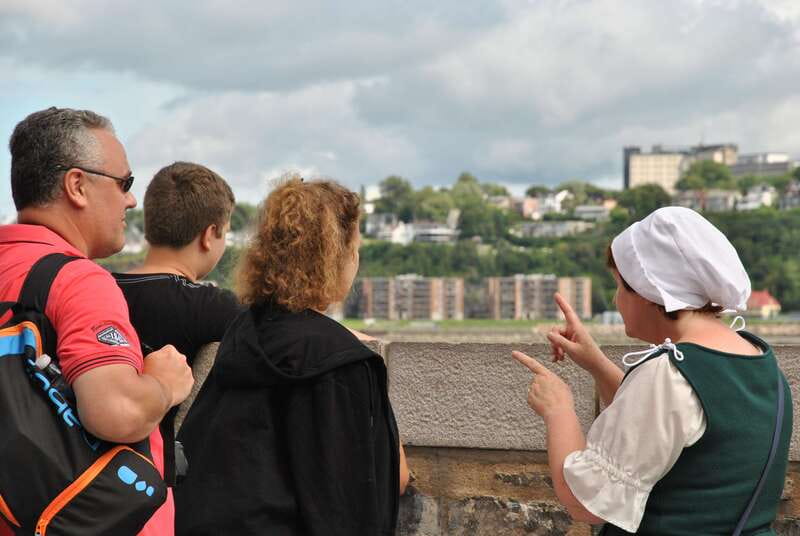
After Frontenac, you’ll spend time at Dufferin Terrace, one of the best places to understand Old Quebec’s geography. It’s not just a scenic walkway; it’s a vantage point that shows how the city clings to the terrain.
The guide helps you read what you’re seeing. Instead of treating the views as filler, the tour uses the terrace to reinforce how Quebec City developed around its strategic and cultural position.
One drawback to keep in mind: terrace time can feel more “walk and look” than “explain and sit.” If you want frequent breaks, you may want to plan a longer pause after the tour ends. The 2-hour format is designed for movement and coverage, not a slow sit-down experience.
You can also read our reviews of more city tours in Quebec City


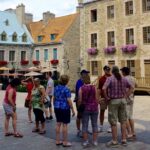


Basilica of Notre-Dame de Québec: the spiritual center with a reason
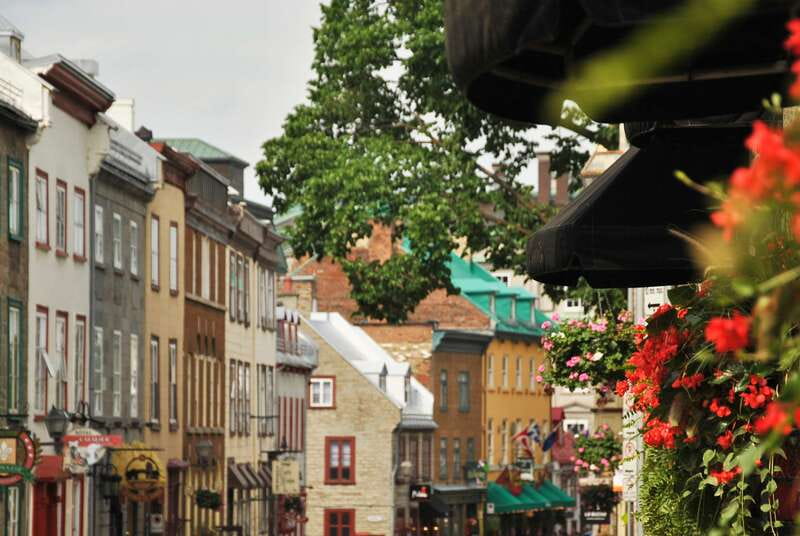
The Basilica of Notre-Dame de Québec is one of the city’s major landmarks, and the tour treats it like more than a photo stop. This stop adds meaning—religion and civic life were tied together in the way the city grew.
What I like about this type of visit with a character guide is that it helps you interpret details without needing to become an expert on day one. Even if you’re not into church architecture, you’ll leave with a clearer sense of why this place holds weight for Quebec City.
Your best bet here is to look up and around while the guide speaks. Let the exterior and the location do some of the work. A guide who keeps the pace friendly makes it much easier to absorb what you’re seeing.
Place Royale: the cradle of French civilization in North America
If you want one stop that feels like a turning point, it’s Place Royale. It’s described as the cradle of French civilization in North America, and that phrasing is a big clue to the tone of the tour around it.
This is where the story clicks into place. Place Royale isn’t just a square; it’s a marker for how the French presence took root and shaped what came after. With the guide connecting the timeline to what you see around you, the “why” becomes clearer than the “what.”
Because this is the kind of area that people revisit on later walks, you’ll likely get more from it right now. You’ll be better equipped to look around after the tour and notice small details you might otherwise miss.
The guide experience: full costume, playful storytelling, real answers
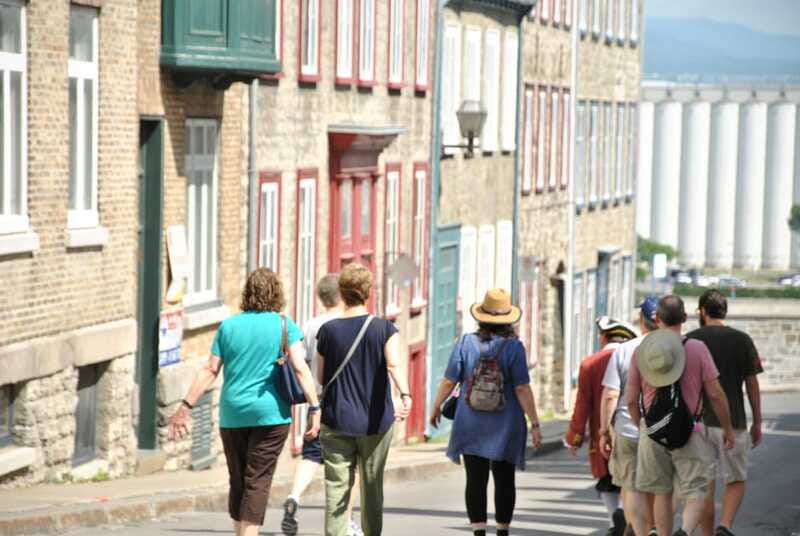
A major reason this tour earns such high marks is the way characters are handled. Guides in period costume are part of the format, but the real win is how well they use that style.
Some past guides have portrayed famous historical roles in-character, such as Pierre, Sylvain, Bernard, Alex as Louis Hebert, and Kevin as Champlain. You also might meet guides playing other historical figures like Marie-Anne Barbel or characters such as Charles and Gary. The names vary by guide, but the theme stays consistent: tell the history like it’s a story you can picture.
From the reviews’ pattern, the tone tends to stay friendly and funny, not stiff. People also highlight that guides listen to the group and adjust pace when needed, which helps a lot on cobbled streets and uneven angles.
One thing I’ll be straight with you about: with two hours, the guide has to move. You’ll get context and answers, but there’s no long sit-down lecture. If you like a fast, story-led overview, this is your lane.
Pace and coverage in just 2 hours (and where you might want more time)
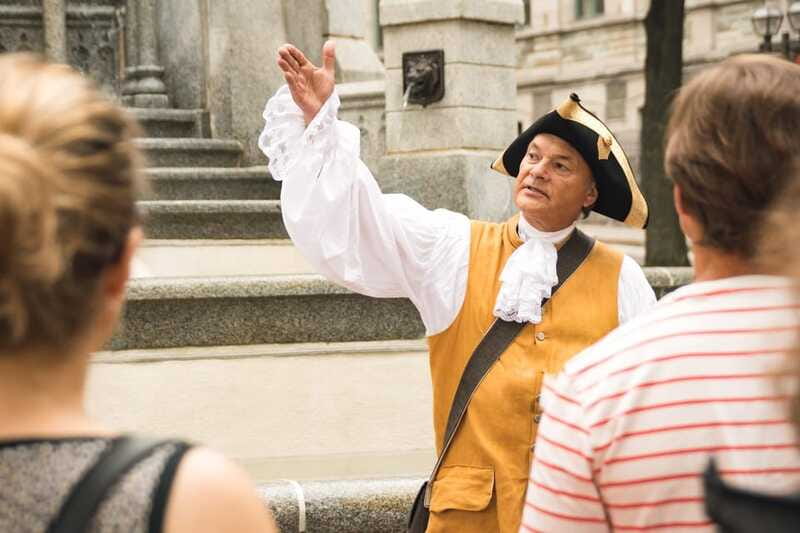
Two hours is the sweet spot for a first pass in Old Quebec, especially because the city is compact but steep. You’ll cover major sights like Château Frontenac, Dufferin Terrace, Notre-Dame de Québec, and Place Royale, so you come away with a mental map.
Still, 2 hours is also a constraint. If you’re a slow walker or you like long photo breaks, you may finish the tour thinking you want to linger at one of the icons longer. A review pattern includes wishes for extra time at places like the Château Frontenac and more space for a boardwalk-style viewpoint—so it’s a real possibility.
My advice: treat this tour as your setup. Afterward, go back to your favorite stop and slow down on your own terms. You’ll get more satisfaction that way than trying to squeeze deep exploration into the guided time.
Price value: why $24 can be a good deal here
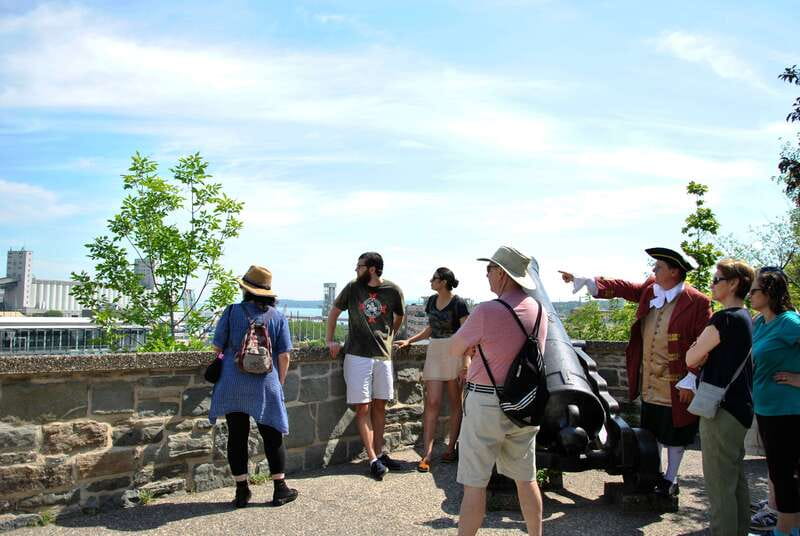
At $24 per person for a 2-hour guided walk, this tour can feel fair—especially because it includes more than basic commentary. You’re paying for a licensed guide in period costume, and you’re also getting special access around Château Frontenac.
That access is the part that changes the economics. A lot of sightseeing tours are just “walk and point.” This one adds something that’s harder to replicate: getting into exclusive areas at an iconic site.
The small group format also matters for value. When the group is smaller, the guide can keep the story flowing without constantly pausing, and you’re more likely to hear details at each stop.
If you’re watching your budget, this is one of the better ways to spend it in Old Quebec. If you’re the type who hates structured walking, then it’s still $24—but you might not get the full value from a guided, stop-by-stop format.
Who this tour fits best (and who should skip it)
This works best for first-timers who want orientation plus meaning. If you’re visiting Quebec City with limited time and you want a strong overview of Old Quebec’s evolution, the costumed storytelling format is a practical match.
It also suits people who enjoy history told with personality. The in-character approach—whether the guide is Pierre, Champlain, Louis Hebert, or another role—keeps you engaged while still covering the landmarks you came for.
Skip it if you need an easy, flat walk. The tour is not suitable for wheelchair users, and comfortable shoes are not optional. It’s an Old City walk, and the terrain is part of the real experience.
Should you book this Old Quebec historical walking tour?
If your goal is to understand Old Quebec fast—without getting history dumps—you should book. The blend of period character, small group pacing, major sights, and exclusive access around Château Frontenac makes it a high-value introduction.
If you’re the type who needs lots of rest breaks, or you dislike walking tours, you might be happier reserving time for self-guided exploring. But for most visitors, especially first-timers, this tour does exactly what you want early in the trip: it helps you see the city with context.
FAQ
FAQ
How long is the Quebec City Old Quebec historical walking tour?
The tour lasts about 2 hours.
What does the tour cost?
The price is $24 per person.
What is included in the price?
Included is the 2-hour walking tour and a licensed guide in period costume.
What major sights will we see?
You’ll visit places such as Château Frontenac, Dufferin Terrace, the Basilica of Notre-Dame de Québec, and Place Royale.
Will we get access beyond normal viewing areas?
Yes, the tour includes access to exclusive areas of the Château Frontenac.
Where do I check in?
Check in at the Cicerone information Centre, 12 Sainte-Anne St, G1R 3X2.
What language options are available?
The live tour guide is offered in French and English.
Is this tour suitable for wheelchair users?
No, it is not suitable for wheelchair users.
What should I bring for the walk?
Bring comfortable shoes and comfortable clothes.