REVIEW · ANTWERP
Antwerp: City Highlights Walking Tour
Book on GetYourGuide →Operated by Antwerp by Bike · Bookable on GetYourGuide
Antwerp’s streets have stories on every corner. This 2-hour walk threads together UNESCO-listed sights in the historic center and then lands at Antwerp Central Station, often called the Railway Cathedral. You start at Handschoenmarkt, then work your way through grand squares, old guild buildings, and quiet lanes before the tour ends where the city feels most dramatic.
What I like most is how the route mixes headline landmarks with small, offbeat details. You’ll pass famous stops like the Cathedral of Our Lady and the city hall, then you’ll also see atmospheric passages such as Vlaeykensgang and quieter courtyards that most people miss. The guides also score big on delivery: Mark’s history-for-real storytelling and Leo’s attentive style show up again and again in the way this tour is run. One drawback to keep in mind: the walk ends at Central Station, so plan how you’ll get back to your hotel or keep sightseeing from that side of town.
In This Review
- Key Highlights You Shouldn’t Rush
- Walking Antwerp From Handschoenmarkt to the Railway Cathedral
- Meeting Point at Handschoenmarkt: Your First Landmark Check
- Grote Markt and the Guild-House Feeling of Antwerp’s Golden Age
- Vleeshuis and the Power of Context in Old Buildings
- Vlaeykensgang: The Alley Stop That Changes the Mood
- Cathedral of Our Lady and City Hall: Big Architecture With Human Meaning
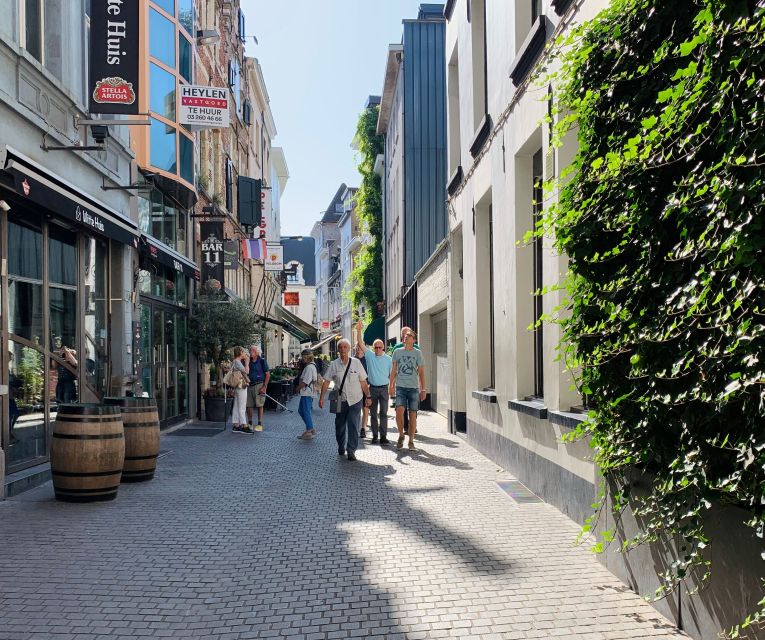
- Hidden Courtyards and Off-the-Map Corners
- The Street of Meir: Where Antwerp Shows a Different Side
- Ending at Antwerp Central Station: The Grand Finale
- Small Groups, Smooth Flow, and Guides Who Pay Attention
- Value for Money: Why $22 Works Here
- Who This Walking Tour Is Best For
- Should You Book This Antwerp Walking Tour?
- FAQ
- How long is the Antwerp city highlights walking tour?
- Where do we meet the guide?
- What’s the tour language?
- How much does it cost?
- Where does the tour end?
- Can I cancel if my plans change?
Key Highlights You Shouldn’t Rush
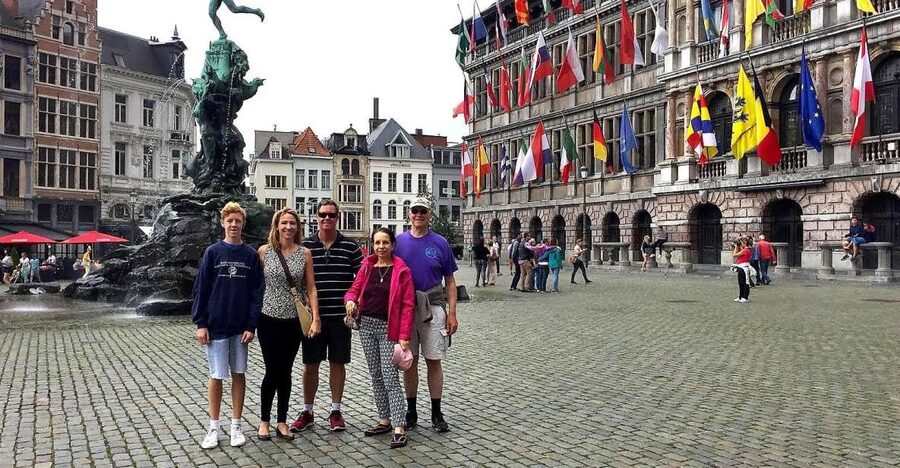
- UNESCO historic center loop: See major monuments around Grote Markt as part of one easy walking route
- Grote Markt guild houses: Get the context behind the 16th-century facades without getting lost in names
- Old lanes like Vlaeykensgang: Walk through an atmospheric, narrow setting that feels like a secret doorway
- Cathedral of Our Lady plus city hall: Combine big architecture with local civic history
- Meir street-area views: Get a feel for modern Antwerp while staying anchored in the old core
- Finish at Antwerp Central Station: End at the city’s most photogenic transport icon
Walking Antwerp From Handschoenmarkt to the Railway Cathedral
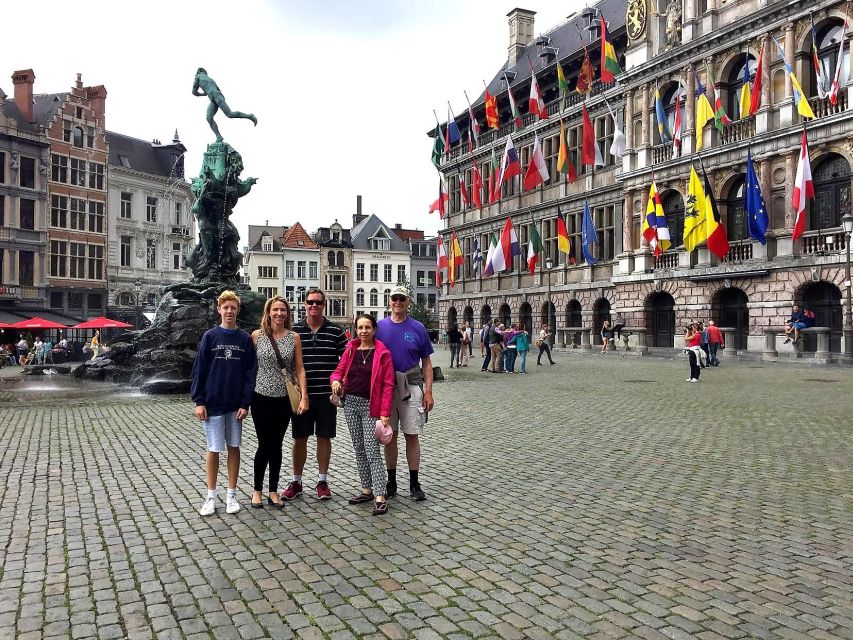
Antwerp is one of those cities where a short walk can do a lot of work. In two hours, you get a clear “map in your head” of the historic center, plus a strong visual ending at the station. The tour is designed so you don’t just look at buildings—you understand how the city worked when it was growing wealthy and powerful.
You begin at Handschoenmarkt, right in front of the Nello and Patrasche statue. That statue is a handy landmark if you arrive early or you’re meeting friends. The guide waits there with a name badge and a plaque for the organization, and they’ll be easy to spot if you’re looking for that gray shoulder bag cue.
This tour is offered in English or Dutch, and that language choice matters more than you might think. Antwerp has a mix of Flemish culture, French influence, and international visitors, so having a guide explain what you’re seeing in your own language keeps the stories from turning into background noise.
Price-wise, it’s $22 per person for a two-hour guided walk. That’s a solid value for what you cover: multiple headline sights, a guided path through the old streets, and a final stop at Central Station that’s a major attraction on its own. You’re not paying for one museum ticket; you’re paying for orientation and interpretation across several major stops.
You can also read our reviews of more walking tours in Antwerp

Meeting Point at Handschoenmarkt: Your First Landmark Check
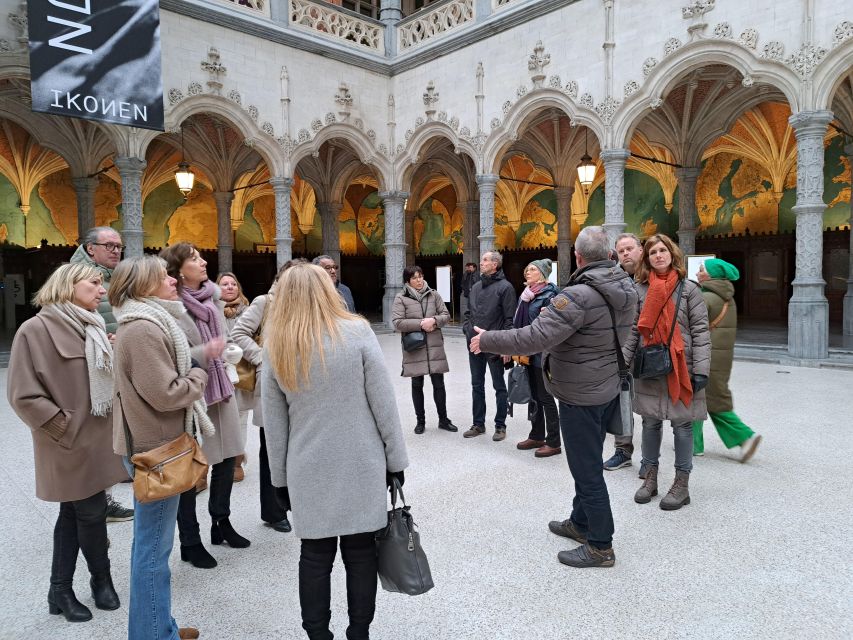
Starting at Handschoenmarkt works because it’s central enough to feel like you’re already inside the city’s “active zone.” Handschoenmarkt also gives you a good warm-up moment before the tour zooms into the historic core. When you meet at the Nello and Patrasche statue, you avoid the classic problem of standing outside the wrong church or the wrong square.
Look for the guide by the gray shoulder bag, name badge, and organization plaque. If you’re the type who hates last-minute stress, show up five to ten minutes early. It’s not only about being punctual—it’s about getting comfortable, buying a coffee if you want one, and making sure you’re standing at the right exact spot when the group gathers.
Grote Markt and the Guild-House Feeling of Antwerp’s Golden Age
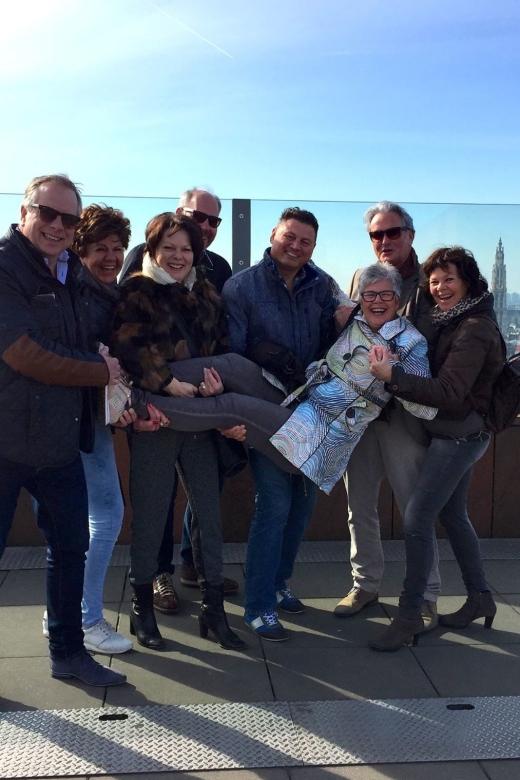
The walk brings you to the Grote Markt, and this is where Antwerp shows off its confidence. The square is famous for the 16th-century guild houses, and a self-guided stroll can be pretty, but it won’t always explain why those buildings look the way they do or what civic power meant back then.
With a guide, Grote Markt becomes a snapshot of how Antwerp became a trading powerhouse. You’ll see the façades, but you’ll also get the story behind the stonework: why guilds mattered, what kind of city this was trying to be, and how the square functioned beyond being a photo stop.
This is also a great spot for pacing. The route moves at a steady walking speed and avoids that “run to the next corner” feeling that ruins city tours. Even with steady movement, you’ll have time to look up at details like rooflines, symmetry, and the kind of ornate touches that only make sense once you know what they represent.
Vleeshuis and the Power of Context in Old Buildings
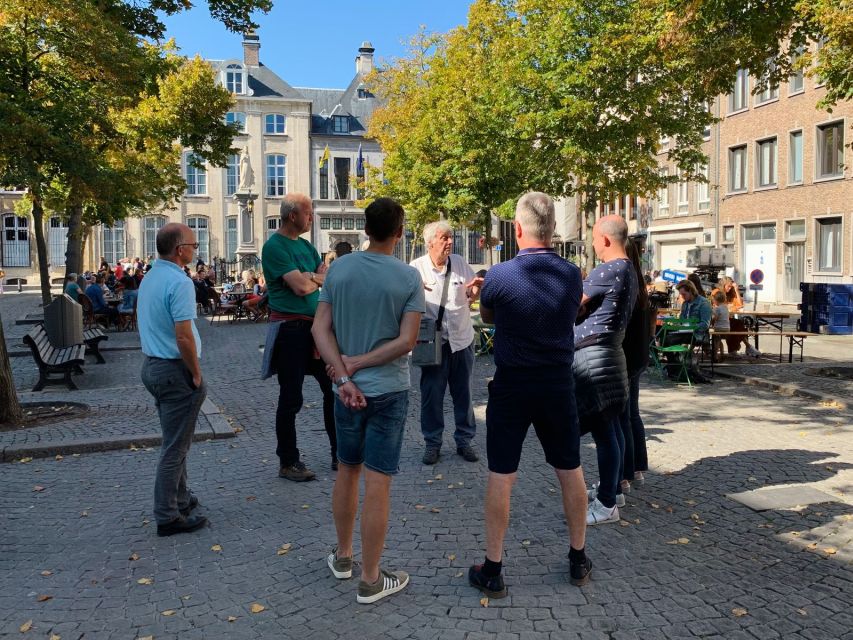
After the square, the tour heads toward historic sites that are easier to overlook if you’re just scanning for big landmarks. The Vleeshuis is one of those stops where your eyes catch the building faster than your brain catches the meaning—until the guide fills in the background.
This is exactly why guided walking works. You don’t need to be an architecture expert. You just need someone to connect the dots between the exterior you can see and the role the building played in everyday life. Once you hear that context, the building stops being a random old façade and starts acting like a chapter in Antwerp’s story.
If you enjoy learning through specifics—what a building was for, why it survived, what it signals about the city’s past—this part of the tour is a good payoff.
Vlaeykensgang: The Alley Stop That Changes the Mood
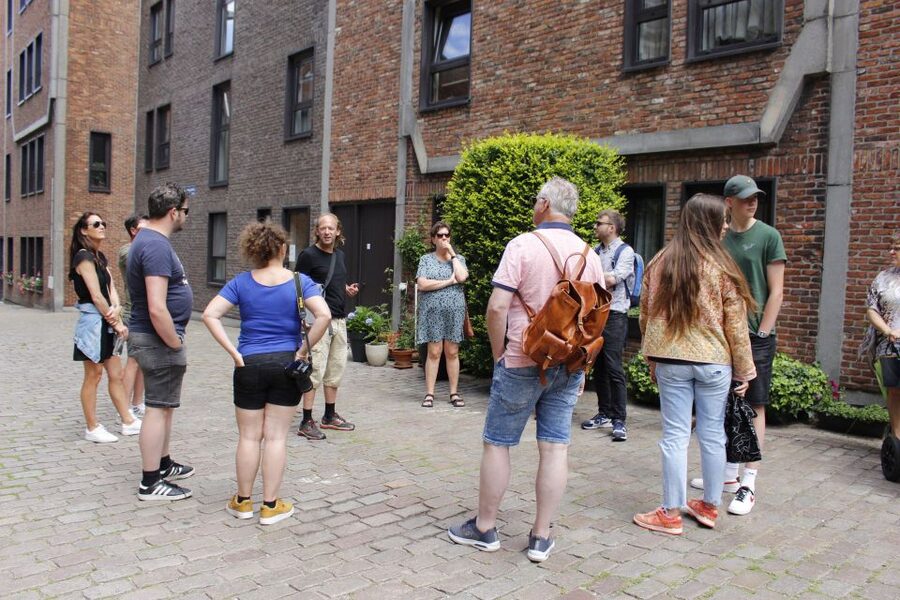
Then comes Vlaeykensgang, the kind of place you can walk past without realizing you’re entering something special. This narrow passage changes the atmosphere fast. The streets feel older here, and the tight spacing makes you notice small things: the scale, the way the architecture compresses your view, and how the city’s human life used to move through tight corridors.
A guide’s storytelling makes these alley sections far more satisfying. You’re not just checking a lane off your list; you’re seeing how Antwerp’s old fabric still exists under the city’s modern pace. It’s also a nice break from larger open squares because your attention shifts from “big landmarks” to “how the city feels when it’s quieter.”
Cathedral of Our Lady and City Hall: Big Architecture With Human Meaning
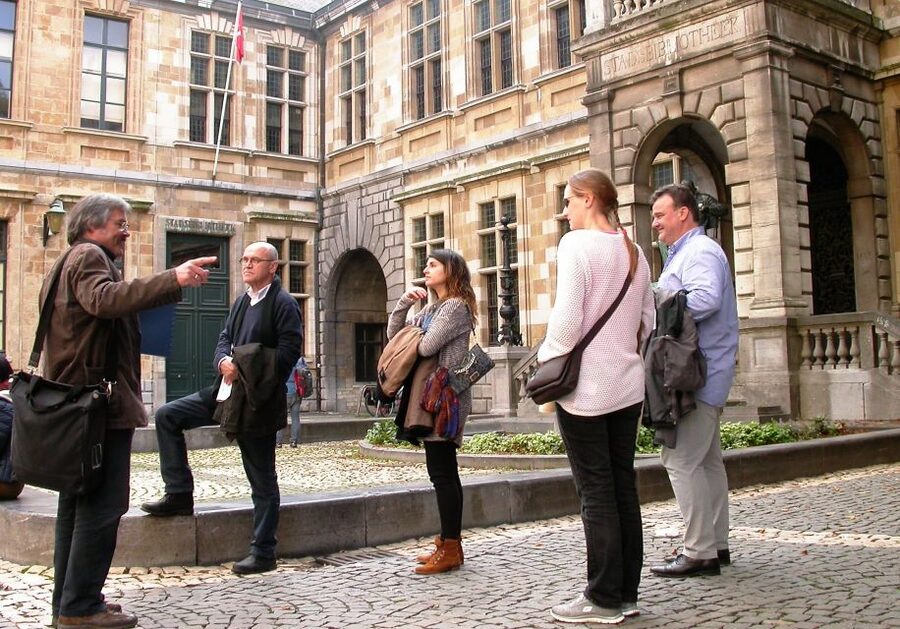
Two stops you’ll want to take slow are the Cathedral of Our Lady and the remarkable city hall. Yes, these are famous. But what makes them land in this tour is the combination of scale and explanation.
The cathedral is the kind of sight that can overwhelm if you don’t know what to look for first. With a guide, you’ll get a better sense of what makes the church important and how it fits into Antwerp’s identity. The city hall adds another dimension—civic power, public life, and the way Antwerp organized itself as it grew.
This is where the tour’s best aspect shows: the guides don’t just point. They connect architecture to the city’s character. That approach is the reason people consistently mention story-driven, humorous guiding styles—like Mark’s delivery and Leo’s careful attention to the group.
Hidden Courtyards and Off-the-Map Corners
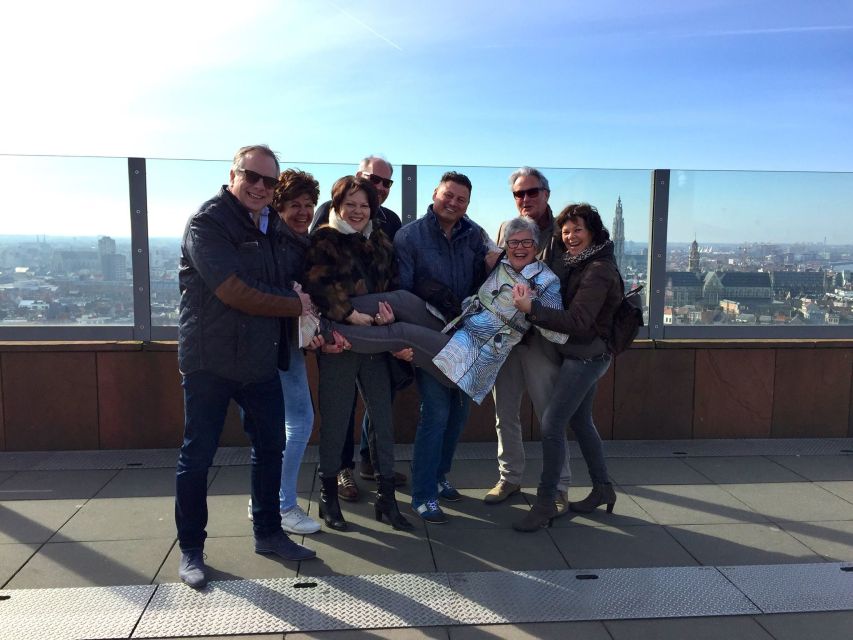
One of the best surprises is the emphasis on courtyards and other little spaces most tourists never find. Antwerp has a talent for hiding quiet pockets behind busy streets. In some cities, “hidden” means something gimmicky. Here, it’s more about design: small spaces that existed for daily life, work, and community, tucked away from the main walkways.
This part of the tour is especially satisfying if you enjoy slow looking. You’ll pause longer than you expect. You’ll also get the chance to ask questions if you want details about what you’re seeing or what to do next after the tour ends.
If you’re traveling with mixed interests—one person wants history, another wants photos—this section helps because the value is both visual and story-based.
The Street of Meir: Where Antwerp Shows a Different Side
The route also takes you around the street of Meir, which helps you understand that Antwerp isn’t stuck in the past. This is where you see the city’s living, shopping, and everyday flow—without leaving the historic center behind.
Meir works well in the itinerary because it offers contrast. After time in old lanes and old monuments, you get a more modern city feel. That contrast helps you orient yourself for the rest of your day.
If you plan to spend more time in Antwerp afterward, you’ll also appreciate that you’re learning the city’s layout rather than only looking at one “district museum.” By the end, you’re more able to choose where you want to return.
Ending at Antwerp Central Station: The Grand Finale
The tour finishes at Antwerp Central Station—often described as a Railway Cathedral. Even if you’re not a train person, you’ll feel why it earns that nickname the moment you see the space.
Finishing here is a clever choice. It gives you a big, visual, easy-to-recognize endpoint. It also sets you up for whatever comes next: dinner nearby, a museum detour, or train plans.
One practical consideration: if you’re staying in the older core, ending at the station may mean an extra walk back. Some people don’t mind that at all. Others prefer to keep the rest of their plans closer to the historic center. Either way, it’s best to think ahead so you don’t end the tour and then scramble.
Small Groups, Smooth Flow, and Guides Who Pay Attention
This tour keeps groups small and friendly. That alone changes the experience. When you’re in a smaller group, you can hear better, you can ask questions without shouting, and the guide can pace around real-life needs like bathroom breaks or slow walkers.
The guides stand out for a few consistent themes. People repeatedly highlight humor, organization, and a guide who actually watches the group and adjusts when needed. There’s even an example of a guide waiting for someone who arrived about five minutes late, which tells you the team running this tour is attentive rather than rigid.
There are also hints that guides can flex if something planned becomes unavailable. One group had to deal with sudden closures and still got good alternatives. Another tour ran during pouring rain and still stayed engaging. So, if the weather turns, don’t assume the day is ruined. Expect route tweaks and keep your expectations grounded: it’s a walking tour, so bring a light rain layer if your forecast looks uncertain.
Value for Money: Why $22 Works Here
For $22, you’re not paying for one attraction—you’re getting a guided route across multiple must-see areas. The value comes from the way the guide connects landmarks: Grote Markt’s guild power, the cathedral and city hall as civic identity anchors, atmospheric passageways like Vlaeykensgang, and the modern contrast of Meir, then the dramatic station finish.
It’s also value because it helps you avoid wasting time. Antwerp can be easy to enjoy without planning, but if you have limited time, a two-hour orientation walk gives you a strong baseline. Afterward, you’ll find it easier to pick museums, cafés, or neighborhoods without feeling like you’re guessing.
If you like to travel smart—spending your energy on what matters—this is one of those “pay once, save time later” city moments.
Who This Walking Tour Is Best For
I’d steer you toward this tour if you:
- want a quick orientation to Antwerp’s historic center
- enjoy stories tied to specific buildings (not just dates in a lecture)
- like walking at a comfortable pace with time to look up and ask questions
- appreciate a humorous, engaging guide style (several guides, like Mark and Leo, earn praise for exactly that)
It’s also a good fit for couples and small groups who want a shared “we get Antwerp now” experience without planning museum schedules.
If you’re the kind of traveler who only cares about inside access or long museum hours, this may feel lighter than a full day of attractions. But as an introductory backbone to your Antwerp day, it’s a strong choice.
Should You Book This Antwerp Walking Tour?
Book it if you want a practical, story-driven way to see Antwerp’s key historic landmarks in just two hours, with a memorable finish at Central Station. The route gives you the UNESCO core, atmospheric lanes, a sense of Antwerp’s civic identity, and then a big finale that’s easy to remember.
Skip it only if you know you’ll be short on time for the station-side ending, or if you prefer self-guided strolling with no guidance at all. Otherwise, this is one of the easiest ways to turn a quick stop in Antwerp into a day that actually makes sense.
FAQ
How long is the Antwerp city highlights walking tour?
It lasts 2 hours.
Where do we meet the guide?
You meet in front of the statue of Nello and Patrasche at Handschoenmarkt.
What’s the tour language?
The live guide runs the tour in English or Dutch.
How much does it cost?
It costs $22 per person.
Where does the tour end?
The tour ends at Antwerp Central Station, often called the Railway Cathedral.
Can I cancel if my plans change?
Yes. You can cancel up to 24 hours in advance for a full refund.