REVIEW · CHIANG MAI
Chiangmai: Temple And City Walking Tour With Ex-Monk
Book on GetYourGuide →Operated by Journey D Travel · Bookable on GetYourGuide
Three temples, one former monk. This Chiang Mai walking tour pairs Wat Chedi Luang, Wat Pan Tao, and Wat Phra Singh with a guide who lived the tradition and explains it in plain language. I particularly like how the ex-monk focus turns carved details and statues into something you actually understand, not just something you pose in front of. I also like that it’s structured enough to feel complete, but relaxed enough to ask questions and stop for needed breaks. The one catch: you’ll be walking in morning heat and you need to dress modestly—no shorts or sleeveless shirts.
You start in the old city area early (around 08:20), and the tour is built around seeing three iconic temples without the usual “hurried line” feeling. A nice bonus from the experience is that meditation and Buddhist practice come up right away, so you’re not just collecting photos—you’re learning how people approach calm and attention. One possible drawback to plan for: entrance fees are extra (50 THB for Wat Chedi Luang and 40 THB for Wat Phra Singh), so don’t assume the $15 covers everything.
In This Review
- Key Highlights You’ll Feel on This Walk
- Morning Start at 08:20: The Pace, the Walk, and the Setup
- Wat Chedi Luang’s Ruined Chedi: Chiang Mai’s Big Stupa Story
- Wat Pan Tao: Murals, Ordination Space, and the Lanna Details
- Wat Phra Singh and the Lion Buddha: Why This Monastery Matters
- What an Ex-Monk Guide Actually Adds (Not Just a Lecture)
- Price and Value: Is $15 Worth It After Entrance Fees?
- Dress Rules and Comfort in Chiang Mai’s Morning Heat
- Who Should Book This Temple Walk (and Who Might Skip It)
- Should You Book the Chiang Mai Ex-Monk Temple and Walking Tour?
- FAQ
- Which temples are included on this Chiang Mai walking tour?
- How long is the tour?
- What time does the tour start?
- Are hotel pickup and drop-off included?
- Are entrance fees included in the tour price?
- What languages are the tour guide speaks?
- Is it allowed to wear shorts or sleeveless shirts?
- FAQ
- Can I bring a drone or smoke during the tour?
- Final Decision: Book or Pass?
Key Highlights You’ll Feel on This Walk
- Ex-monk guide Q&A: you get honest answers about monk life, Buddha statues, and everyday Buddhism
- Wat Chedi Luang’s ruined chedi: a major 14th-century stupa damaged by an earthquake in 1545
- Wat Pan Tao’s Lanna ordination hall: a smaller temple experience with big visual detail, including murals
- Wat Phra Singh and the Lion Buddha: a major Chiang Mai monastery centered on the Phra Singh Buddha statue
- A calmer start with meditation: you may begin with a short practice, not just a lecture
- Easy value math: $15 plus two entrance fees still adds up to a bargain for a 4-hour guided walk
Morning Start at 08:20: The Pace, the Walk, and the Setup
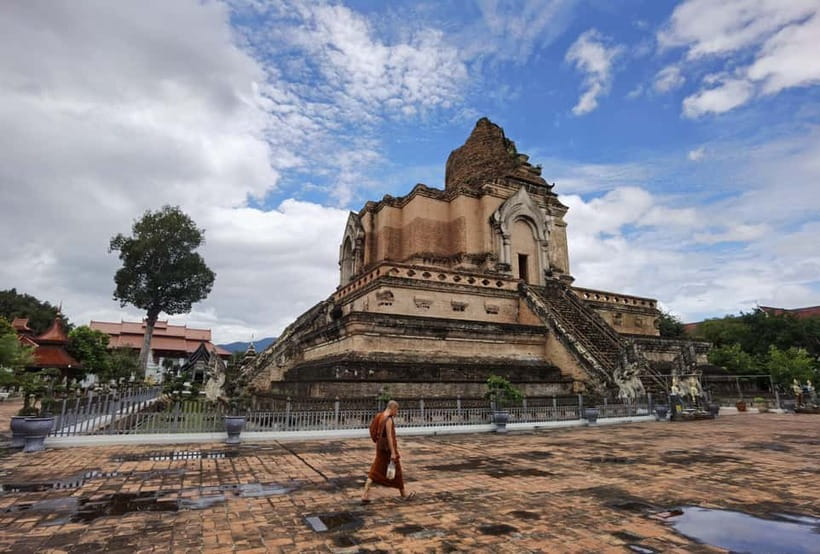
This is a classic old-city morning format: meet, walk, learn, and take your time at each stop. The tour starts at 08:20 and lasts about 4 hours, so you’ll finish by late morning. That timing matters in Chiang Mai. Temples are peaceful earlier, and you’re less likely to feel like you’re sweating through a T-shirt while staring at fine carvings.
You also want to know what you’re signing up for: it’s a walking tour, not a drive-and-drop. There’s no hotel pickup or drop-off, so you’ll be responsible for getting yourself to the start point and ready for regular walking between temples. The upside is you get to see the old city feel in-between stops instead of going from one gate to another in a car.
One of the best parts is the Q&A style. Multiple people note that the ex-monk guide (often named Katoon in the experience) answers even “tricky” questions patiently, and he can explain Buddhist ideas without turning them into a textbook. That matters because temple tours can otherwise be a one-way lecture. Here, you’re encouraged to ask.
You can also read our reviews of more walking tours in Chiang Mai
Wat Chedi Luang’s Ruined Chedi: Chiang Mai’s Big Stupa Story
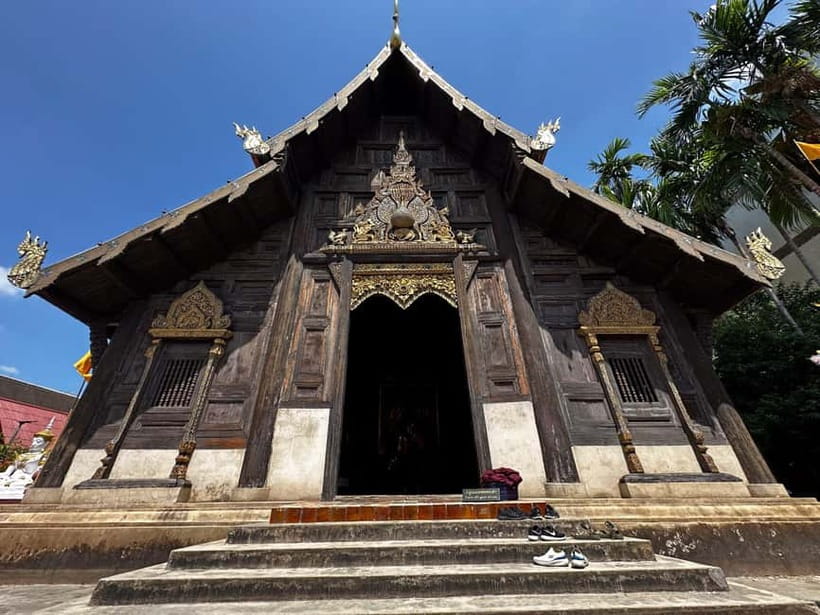
Wat Chedi Luang is the first real anchor of the morning. This is where you go to see one of Chiang Mai’s most important historical temple sites—the ruined chedi (stupa) that used to be massive in importance and scale.
Here’s the context that makes it worth more than a quick look. The chedi was originally built in the 14th century, and it was severely damaged in an earthquake in 1545. When you stand in the temple grounds, the “ruins” aren’t a sad afterthought. They’re part of the story: what survived, what changed, and how the site continued to matter.
What I like about starting here is that it gives you a reference point before you move to the other temples. Once you’ve seen the scale and significance of Wat Chedi Luang, the next two stops start to feel like chapters in the same local Buddhist and Lanna story rather than random sightseeing.
Practical heads-up: Wat Chedi Luang entrance fee is 50 THB, and it’s not bundled into the basic price. Bring cash or be ready to pay on-site.
Wat Pan Tao: Murals, Ordination Space, and the Lanna Details
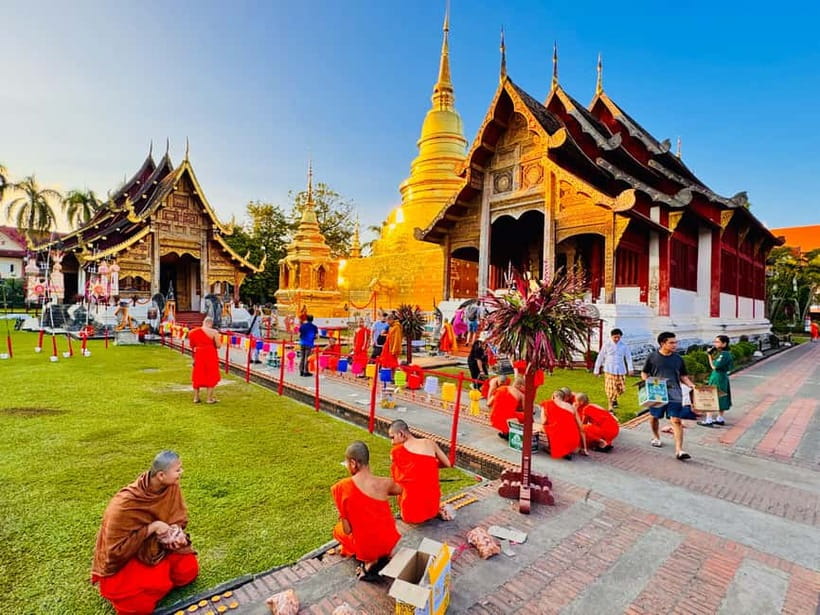
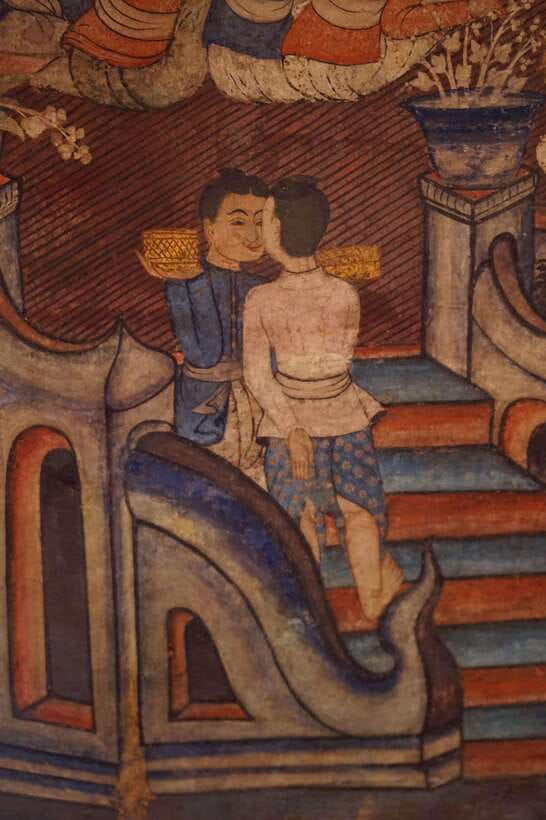
Next comes Wat Pan Tao, a smaller temple you can reach by a short walk from Wat Chedi Luang. Don’t let the size fool you. This stop is known for its beautiful murals depicting scenes from the life of the Buddha. If you’ve ever looked at temple murals and wondered what you were actually seeing, this is the moment where the guide’s explanations make it click.
This temple also includes the Lanna-style ordination hall. That term matters. An ordination hall is not just an architectural feature—it connects directly to how monastic life is structured, how ceremonies work, and how Buddhism becomes practice instead of only belief. The tour’s ex-monk perspective is especially useful here because he can connect the architecture to lived tradition.
You’ll probably notice that the guide pays attention to meaning: what symbols represent, why specific elements appear in temple spaces, and how different statue styles connect to practice. That’s the kind of detail you usually don’t get from a standard script.
One thing to watch: you’ll be in an active walking day, and you may want to pace yourself so you can actually look up at murals instead of just looking straight ahead. The tour doesn’t feel like a sprint, but you still want comfortable shoes and the patience to slow down.
Wat Phra Singh and the Lion Buddha: Why This Monastery Matters
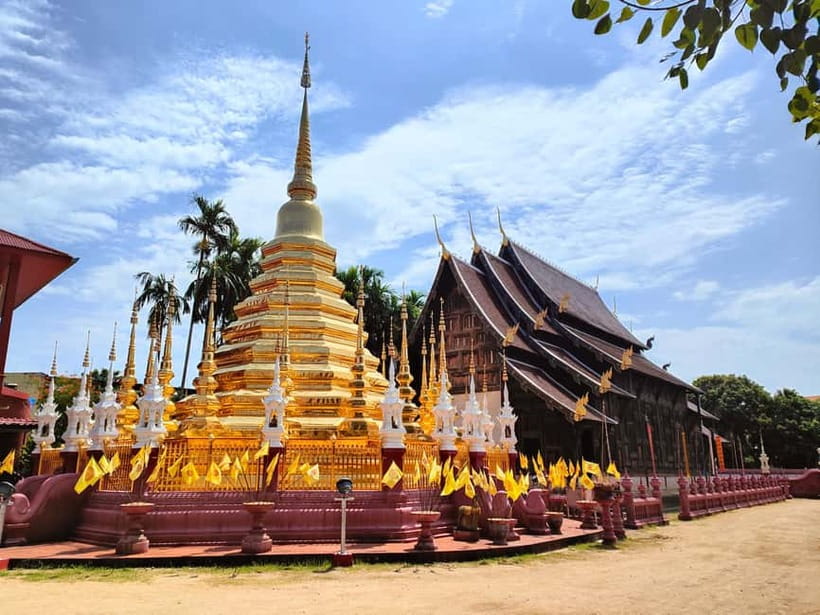
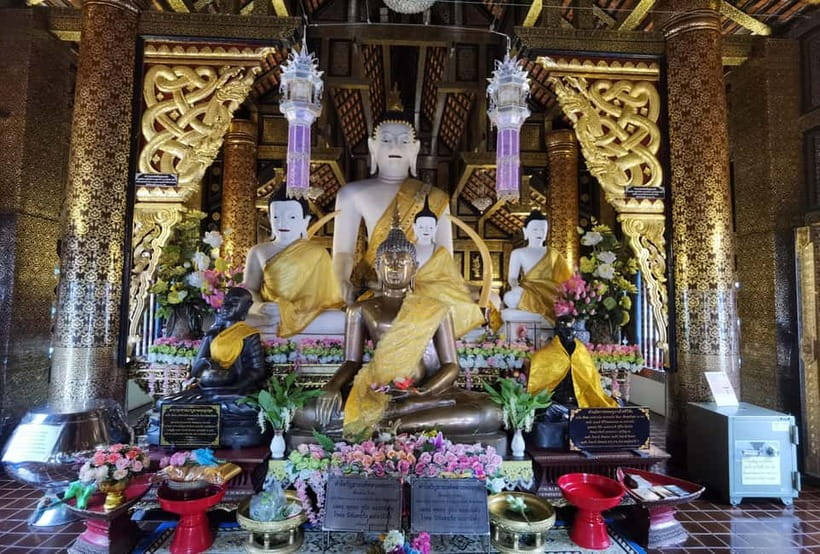
Wat Phra Singh is one of the most important temples in Chiang Mai, and the tour saves it for the final stop for a good reason. It’s centered on a highly revered relic: the Phra Singh Buddha statue, often described as the Lion Buddha.
This is where the day shifts from “historical site and art details” to “revered religious living center.” The grounds and architecture are part of the draw, but the statue is the heart of the experience. If you’re trying to understand why people visit these places, this is where you get the clearest answer: it’s not just scenery. It’s devotion.
The guide’s monk-life perspective can help you understand the respectful rituals around the statue. People in the experience note that the guide walks you through how to pray in Buddhism, and that you can learn what different Buddha positions mean. Even if you’ve studied Buddhism before, the practical, on-site explanations tend to make it feel more grounded.
Practical note again: Wat Phra Singh entrance fee is 40 THB, also not included in the $15 base price.
What an Ex-Monk Guide Actually Adds (Not Just a Lecture)
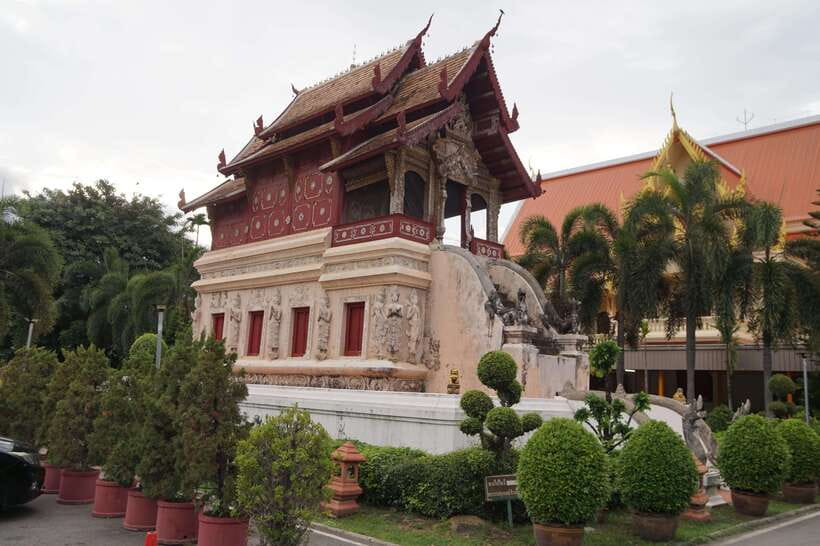
I’ve done temple tours with guides who know facts and guides who know stories. This one adds something rarer: a guide who lived it. The tour’s central advantage is that your main interpreter is an ex-monk, and he explains Buddhism from inside the practice.
In the experience, a few themes come up again and again:
- Monk life, in real terms: what daily routines look like and what the role involves
- Buddhist practice, not just Buddhist ideas: especially when meditation is introduced at the start
- How to read the temple: how symbols, statue positions, and ceremonial items connect to beliefs and behavior
You might even get extra ritual-style learning depending on your group situation. Some people mention things like a monks blessing and a ritual experience during the tour, and that in smaller groups the route can sometimes include additional temple sites. Don’t count on add-ons every time, but the overall pattern is consistent: you’re not just walking. You’re participating in understanding.
One practical tip from the experience: this guide style can be quieter sometimes. If you’re at the edges of the group or you’re facing away while listening, move closer so you don’t miss key points. Also, being able to ask questions matters. If you have a head full of curiosity—about monks, karma, or what certain symbols mean—this tour is set up for you.
Price and Value: Is $15 Worth It After Entrance Fees?
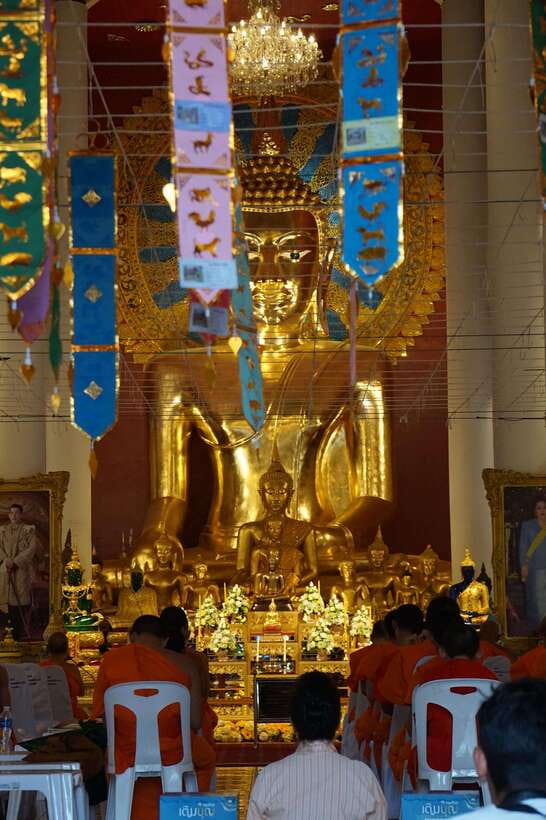
At $15 per person, this tour is priced like a budget win, especially because you’re getting a full 4-hour guided walk plus a guide who can explain Buddhism in direct, practical terms.
But do the math honestly:
- Tour price: $15
- Not included: Wat Chedi Luang entrance fee (50 THB)
- Not included: Wat Phra Singh entrance fee (40 THB)
So you’re looking at an additional 90 THB for the two paid temple stops. That’s still usually a small add-on compared with the total value of three major temple sites and a guide with an ex-monk background.
Where the value becomes clear is how much time you’re spending in meaningful places. You’re not paying for a quick stop at one temple and a rushed walk-by at two others. You get three iconic locations, and the guide helps you interpret what you’re seeing.
Also, no hotel pickup means you’re paying for the tour itself, not for transportation overhead. If you’re staying in or near the old city, this is usually a very fair setup.
Dress Rules and Comfort in Chiang Mai’s Morning Heat
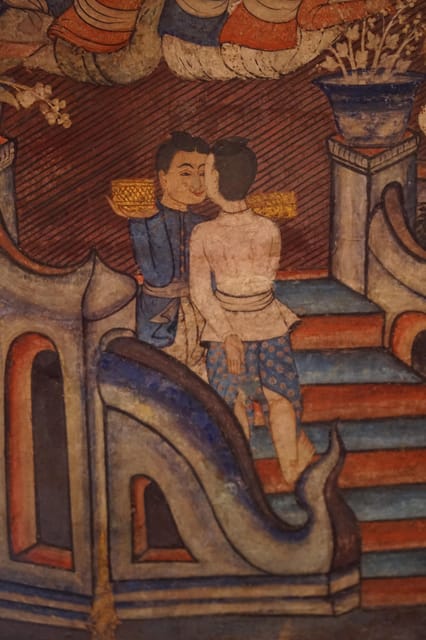
Temple etiquette here is not optional. The tour lists clear “not allowed” items: no shorts, no short skirts, no sleeveless shirts, and no smoking (including indoors). Drones are out too. So plan clothing that covers up comfortably in warm weather.
Practical advice that actually helps:
- Wear breathable fabric, but with sleeves and full-length legs.
- Bring something light in a bag you can swap if you’re sweating early.
- Use good shoes. Temple grounds and pathways aren’t designed for unstable footwear.
Heat is a real factor. One review points out that extra pauses for refreshment would help if you’re not used to warm weather. I’d treat that as a nudge to go in prepared: bring water, and don’t pretend you’ll “power through.” If you feel slow, that’s normal.
Good news: the tour’s flow includes enough downtime to keep it from feeling like you’re being dragged from stop to stop. People also mention the guide checks in and offers chances to take care of small needs, which makes a big difference on a walking tour.
Who Should Book This Temple Walk (and Who Might Skip It)
This tour is a strong fit if you want Chiang Mai’s temples explained through real practice and lived experience. You’ll probably love it if you:
- Like asking questions and want more than surface-level answers
- Want to understand Buddha imagery, not just photograph it
- Enjoy walking and seeing the old city in a human scale
It may be a harder fit if you:
- Need a ride or don’t want to handle walking on your own
- Don’t do well with rules around clothing
- Prefer tours that are purely historical and not centered on religious practice
The activity also notes it is not suitable for pregnant women, babies under 1 year, and people over 95 years. If any of those apply, look for a different format.
Should You Book the Chiang Mai Ex-Monk Temple and Walking Tour?
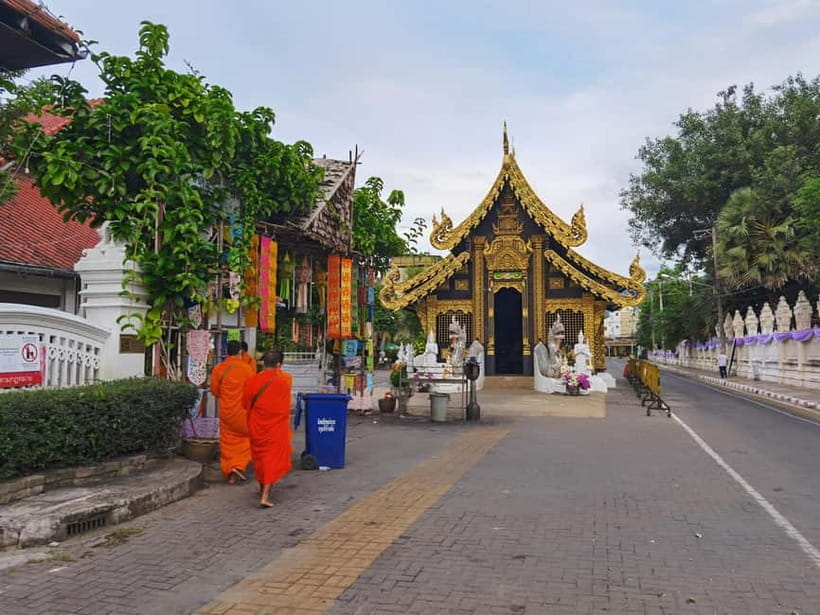
I’d book this if your ideal morning in Chiang Mai includes three major temples and you want the meaning behind them. The combination of Wat Chedi Luang’s chedi ruins, Wat Pan Tao’s mural-and-ordination detail, and Wat Phra Singh’s Phra Singh Buddha focus is a great “old city classics” set. Throw in meditation at the start (as described by people who did the tour) and the ex-monk Q&A, and you get more than a checklist of sights.
You should think twice if you hate walking, don’t like dress rules, or you want entrance fees fully included with no extra costs. Otherwise, for $15 plus the two temple tickets, this is one of the better value ways to understand Buddhism in Chiang Mai without feeling lost.
FAQ
Which temples are included on this Chiang Mai walking tour?
The tour includes visits to Wat Chedi Luang, Wat Pan Tao, and Wat Phra Singh.
How long is the tour?
It lasts about 4 hours.
What time does the tour start?
The tour starts at 08:20 am.
Are hotel pickup and drop-off included?
No. Hotel pickup and drop-off are not included.
Are entrance fees included in the tour price?
No. Entrance fees are not included: Wat Chedi Luang is 50 THB, and Wat Phra Singh is 40 THB.
What languages are the tour guide speaks?
The guide offers live interpretation in Thai and English.
Is it allowed to wear shorts or sleeveless shirts?
No. Shorts, short skirts, and sleeveless shirts are not allowed.
FAQ
Can I bring a drone or smoke during the tour?
Drones are not allowed, and smoking is not allowed (including smoking indoors).
Final Decision: Book or Pass?
If you want a morning that mixes temple classics with a real explanation of Buddhism—from an ex-monk perspective—this tour is a strong yes. The price is fair, the route hits three big names in the old city, and the guide’s lived experience is exactly the kind of detail that turns temple photos into understanding.