REVIEW · NEW YORK CITY
New York City: Greenwich Village Guided Walking Tour
Book on GetYourGuide →Operated by ExperienceFirst · Bookable on GetYourGuide
Greenwich Village hits different at walking speed. This 2-hour guided tour ties together writers, musicians, and activists, with big-name landmarks like the Stonewall Inn and the Cherry Lane Theater. What I really love is the way the stories feel personal, like you’re hearing history from long-time locals such as Steve K. or Angela Sharp, not just reading a sign, and the way the guide connects arts + activism so the neighborhood feels like one living timeline.
One thing to plan for: this is a walking tour, and it’s not set up for people with mobility impairments. Wear comfy shoes, because your best views come from your feet doing most of the work.
In This Review
- Key Things You’ll Enjoy Most
- Greenwich Village in Two Hours: What You Actually Get
- Meet-Up Choices: 6th Ave Option vs Washington Square Park
- Washington Square Park to MacDougal Street: The Village’s Writer-Artist Magnet
- Christopher Street and Stonewall Inn: Where History Turns
- Dylan Thomas, Jimi Hendrix, and Lenny Bruce: Creative Hideaways on Foot
- Jones Street and Bob Dylan’s Freewheeling Moment
- Café Society and Early Integrated NYC Club Culture
- The Birth of Gay Liberation, Continued by Context
- Pop-Culture Detour: The Friends Apartment Building Stop
- Old Wood, Old Stages: Oldest House and Cherry Lane Theater
- Wrapping Up at 77 Bedford Street and Village Cigars
- Price and Value: Is $39 Fair for 2 Hours?
- Who Should Book This Greenwich Village Walking Tour?
- Should You Book This Tour? My Recommendation
- FAQ
- How long is the Greenwich Village guided walking tour?
- How much does the tour cost?
- Where does the tour meet?
- What are the main stops on the route?
- Is there a drop-off location after the tour?
- Do I need to worry about the tour being canceled due to weather?
- Is the tour available in English?
- What should I bring, and is it accessible?
Key Things You’ll Enjoy Most
- Story-driven guiding: personal anecdotes from Village locals help the history stick
- Stonewall and LGBTQ history: you’ll learn how the gay liberation movement is tied to this area
- Beat-era creative energy: Dylan Thomas, Lenny Bruce, and the Beat Generation show up on the route
- Pop-culture crossovers: you’ll point out places linked to Friends and Bob Dylan-related photo moments
- Old New York details: stops like the oldest wood frame house and the long-running Cherry Lane Theater
Greenwich Village in Two Hours: What You Actually Get
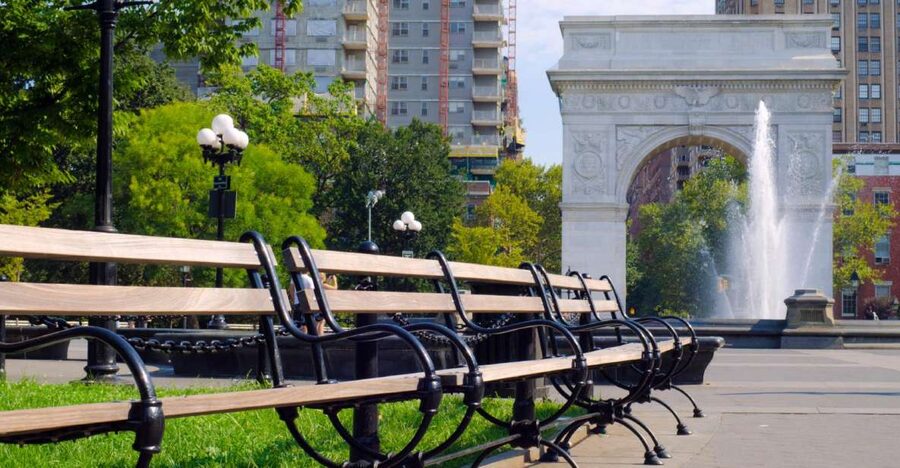
Greenwich Village is the kind of New York neighborhood where the sidewalks feel like archives. This tour is built for that. In just two hours, you cover a compact stretch of classic Village streets and land on landmarks tied to major cultural shifts.
You’ll walk past the places connected to writers and performers—think Dylan Thomas, Lenny Bruce, and even the Beat Generation’s late-1950s rise—while also seeing real, specific locations tied to social change. It’s not just murals and photo ops. The guide connects the dots, so you understand why these blocks mattered.
If you want a fast way to get your bearings and learn names you’ll recognize from books, albums, and TV, this format works well. The group pace is steady, and most stops are quick but meaningful.
You can also read our reviews of more walking tours in New York City


Meet-Up Choices: 6th Ave Option vs Washington Square Park
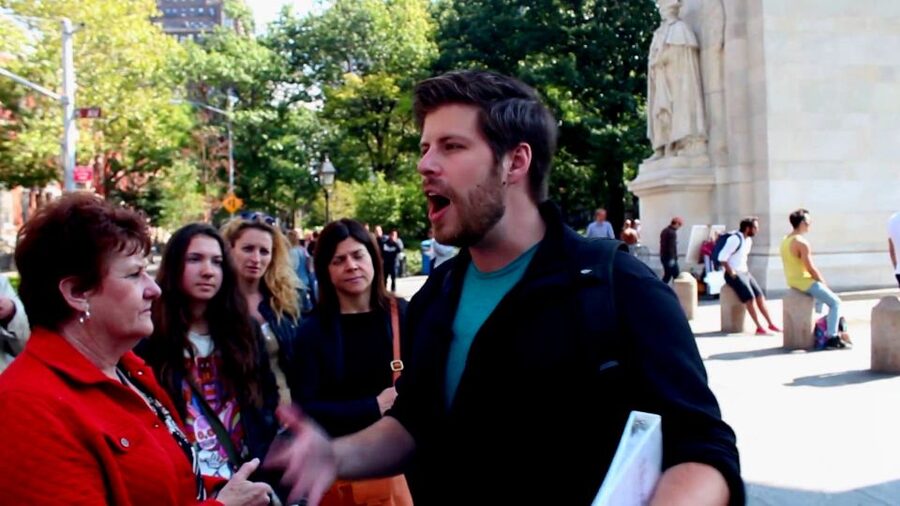
Your meeting point can vary based on what you book. One option is 375A 6th Ave (listed as an “Excel Ads – Local SEO Agency” location). Another option is right at Washington Square Park.
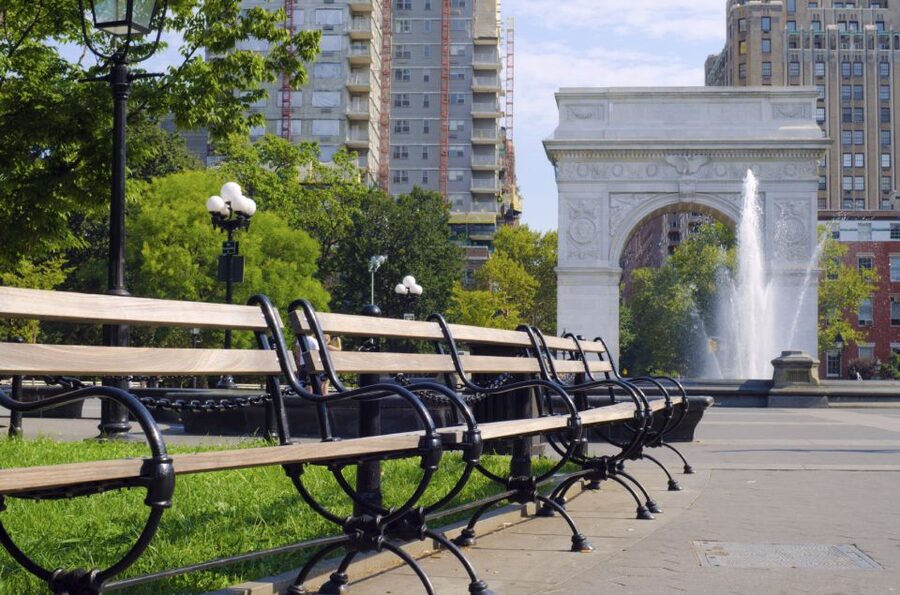
If you want the easiest mental start, pick Washington Square Park. It’s a natural hub, and you’ll begin with a guided walk plus photo stops right away. If you’re staying closer to 6th Avenue and want to minimize transit time, the other start point can help you roll straight into the neighborhood without detours.
Either way, the tour is led by a live English-speaking guide. Also, the experience is set up for small human-scale walking: you’re there to talk, ask, and move.
Washington Square Park to MacDougal Street: The Village’s Writer-Artist Magnet
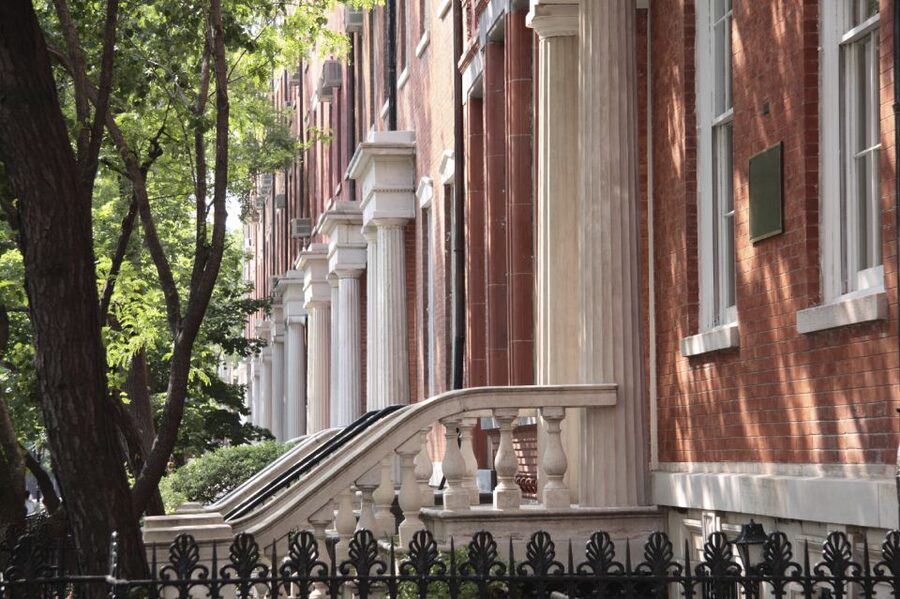
This is where the Village vibe makes sense fast.
You start with Washington Square Park, then move along toward MacDougal Street. These aren’t random streets—they’re part of how Greenwich Village built a reputation as a magnet for intellectuals, artists, and beat poets.
Here’s what I like about this section: the guide doesn’t treat the area like a museum. You’ll hear how writers and thinkers were drawn to the neighborhood, including a route framing that references major literary figures like Henry James and Edgar Allan Poe. That’s a good setup because it changes how you read what’s around you. Even when a building looks ordinary, you start asking who might have been nearby decades ago.
MacDougal Street also sets you up for the next wave of pop-culture and counterculture references. It’s the kind of transition that makes a two-hour tour feel like more than the math.
Christopher Street and Stonewall Inn: Where History Turns
The walk gets more serious around Christopher Street and the Stonewall Inn. You’ll pause for a photo stop at Stonewall and learn about the birth of the gay liberation movement outside this landmark.
Even if you know the headline version, you’ll likely leave with clearer context—especially when the guide ties this moment to what was happening culturally around the Village. That connection matters. It’s easy to treat Stonewall like a standalone event, but Greenwich Village was already a place where different communities found a voice.
Practical note: this portion can feel crowded depending on the day. That doesn’t ruin anything—it just means you should expect street-level noise and a bit of foot traffic around the landmark.
Dylan Thomas, Jimi Hendrix, and Lenny Bruce: Creative Hideaways on Foot
One of the tour’s strengths is how it blends disciplines. You don’t just hear about writers. You hear about musicians and performers too.
As you stroll, you’ll learn about famous Village connections, including Dylan Thomas, Jimi Hendrix, and Lenny Bruce. The guide also talks about how the Beat Generation flourished here in the late 1950s, and how the neighborhood’s freewheeling identity was shaped by figures like Jackson Pollack.
This is where the tour becomes more than a list of sites. The way the guide tells the stories—often with personal, local flavor—helps you understand why artists, thinkers, and radicals were drawn to the same blocks. In the past, guides like Steve K. and Angela Sharp have been praised for doing exactly this: local knowledge plus personal stories that feel connected to real life, not just historical facts.
You can also read our reviews of more guided tours in New York City




Jones Street and Bob Dylan’s Freewheeling Moment
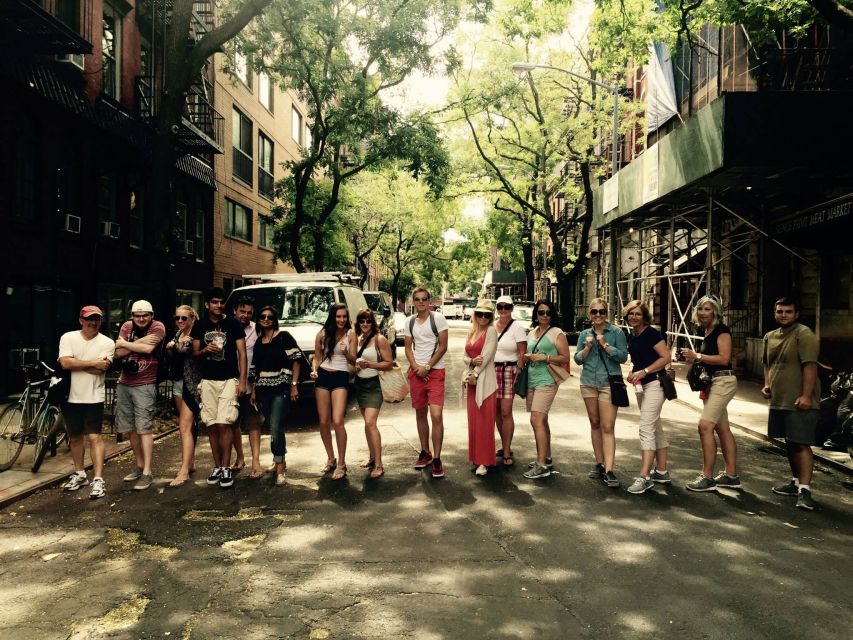
If you like music history, you’ll get a very tangible pop-culture win here.
You’ll walk down Jones Street, where Bob Dylan’s album cover The Freewheeling Bob Dylan was shot. It’s the kind of stop that makes the Village feel modern, even though the story is old.
I like stops like this because they give you a concrete place to attach memory. After the tour, you’re not just thinking Greenwich Village was important. You’re thinking, I’ve stood where that famous image was created.
And because this is a guided walk, you’re not left to guess what matters. The guide explains why this photo moment fits the neighborhood’s broader identity.
Café Society and Early Integrated NYC Club Culture
Next comes a social history thread that adds real depth to the walk.
You’ll learn about the first integrated NYC club at Café Society. This kind of stop changes your perspective on “art and nightlife.” It’s not only about style and swagger. It’s about access, inclusion, and who got to gather in public spaces.
The tour also references a broader pattern of debate and discussion in smoky cafés, with names such as Upton Sinclair and John Reed. When these stories show up on a walking route, they make it easier to picture the neighborhood at street level—people talking, arguing, sharing ideas, and then stepping back out into the night.
If you care about how culture and politics feed each other, this section is worth paying attention to.
The Birth of Gay Liberation, Continued by Context
Stonewall is the headline stop, but the tour keeps building the theme.
You’ll hear about the early movement’s roots outside the Inn, and you’ll connect it to the surrounding Village culture—why the area became a place where different lives could become visible and organized.
I appreciate that the guide doesn’t flatten the story into a single monument. Instead, the walk encourages you to treat these sites as part of an ecosystem. That’s also why the tour format works: you’re moving block to block, so the idea of change over time feels natural.
Pop-Culture Detour: The Friends Apartment Building Stop
If you’re a TV person, you’ll enjoy this.
You’ll stop for a photo at the apartment building used in the iconic sitcom Friends. It’s a pop-culture moment that doesn’t need to be “deep” to be fun. It helps you compare what you’re seeing now with what people remember from TV.
This stop also supports a subtle point: the Village didn’t just produce history. It also became a place where media later made the neighborhood easier for outsiders to recognize. That’s part of the story too—how the Village’s image travels.
Old Wood, Old Stages: Oldest House and Cherry Lane Theater
Two stops handle the “still here” side of Greenwich Village.
First, you’ll see the oldest wood frame house in the Village. Second, you’ll learn about the Cherry Lane Theater, described as the oldest continuously running off-Broadway theater in New York.
I love these because they anchor the tour in physical survivals. So much of New York’s history is gone, replaced by something shinier. Here, you get at least a couple of pieces that still look like they’ve outlasted the decades.
If you’re into architecture, street character, or how culture stays alive through performance spaces, this part delivers.
Wrapping Up at 77 Bedford Street and Village Cigars
The tour has a clear ending point in the Village’s real streets.
You finish at 77 Bedford Street, noted as the former home of Issac Hendricks. Then, one of the stated drop-off locations is Village Cigars, 110 7th Ave S.
This is a nice practical landing zone if you want to keep walking afterward. You’ve got options nearby for coffee, a snack, or a wander without feeling like you’re abandoning your day’s plan mid-stride.
Also, based on how guides have been described, you may get a sense of where to go next depending on your interests. Some guides are praised for tailoring recommendations and adding extras like small club stories (for example, references to the Zinc Club have shown up as added nuggets in past tours).
Price and Value: Is $39 Fair for 2 Hours?
For $39 per person and a 2-hour walking format, this is good value if you want interpretation, not just sightseeing.
Here’s why: you’re paying for a guide to connect multiple eras—Beat culture, key writers and performers, LGBTQ history tied to Stonewall, social change like Café Society, and older real-world landmarks like the oldest wood frame house and Cherry Lane Theater. That’s a lot to pack into two hours, and doing it solo would mean either a lot of reading or a lot of guessing.
Also, the high rating—4.8 based on 300 reviews—is consistent with what matters most in a walking tour: guides who are engaging, friendly, and able to answer questions. Past groups have praised guides for personal storytelling and for making people feel welcome and safe. If that’s your priority, the price starts to look even more reasonable.
Who Should Book This Greenwich Village Walking Tour?
This tour is a strong fit if you:
- want a guided intro to Greenwich Village and its cultural turning points
- like seeing famous names tied to real locations
- care about the story behind Stonewall and early LGBTQ activism
- enjoy pop culture connections like Friends and Bob Dylan photo history
- plan to walk anyway and want your time to feel organized
It’s less of a fit if you need mobility-friendly routing, since the tour is not suitable for people with mobility impairments.
It also works well for people who have been to New York before but haven’t really slowed down in the Village. Even if you’ve walked through Washington Square Park a dozen times, this kind of route gives you new reasons to look up and notice details.
Should You Book This Tour? My Recommendation
If you’re choosing between a self-guided stroll and a guided walk, I’d pick this one. The Village is too full of names and landmarks to treat casually. A good guide helps you turn scattered stops into one coherent story.
Book it if you’ll enjoy a mix of arts, politics, and pop culture—because that’s the heart of the route. Bring comfortable shoes, expect street noise, and wear weather-appropriate clothing since the tour runs regardless of weather.
If you’re short on time and want a high-signal route through Greenwich Village, this is a smart way to spend two hours.
FAQ
How long is the Greenwich Village guided walking tour?
It lasts 2 hours.
How much does the tour cost?
The price is $39 per person.
Where does the tour meet?
The meeting point can vary by option. It may be 375A 6th Ave or Washington Square Park, NYC.
What are the main stops on the route?
Expect to see places including Washington Square Park, MacDougal Street, Christopher Street, the Stonewall Inn, and the apartment building used in Friends, plus a stop at 77 Bedford Street.
Is there a drop-off location after the tour?
Yes. One listed drop-off point is Village Cigars, 110 7th Ave S.
Do I need to worry about the tour being canceled due to weather?
The tour runs regardless of weather conditions. If the provider is forced to cancel, ticket-holders can reschedule (subject to availability) or receive a refund.
Is the tour available in English?
Yes. The live guide speaks English.
What should I bring, and is it accessible?
Wear comfortable shoes and weather-appropriate clothing. It is not suitable for people with mobility impairments.