REVIEW · LONDON
London: Jack the Ripper Night Walking Tour in Whitechapel
Book on GetYourGuide →Operated by London City Travels operated by Carpe Diem Tours · Bookable on GetYourGuide
Jack the Ripper feels close in Whitechapel. I like the victim-first storytelling that gives the victims names and daily lives, and I like the interactive detective pack that turns the walk into a real case. One possible drawback: this is a dark topic, so expect grim details and plan on a night walk in whatever weather London hands you.
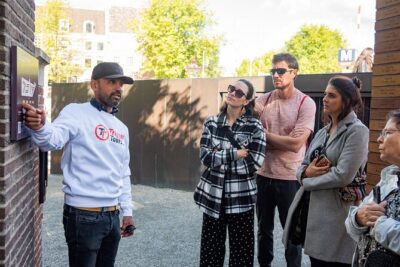
You meet at St Mary’s Whitechapel Church Memorial, then you’re guided through the East End streets tied to 1888, with stops that help you understand why the killer could operate so freely. Guides bring different personalities (Tyson, Cedric, Kory, Hadi, El/sie, Jude, and others are named in participant comments), but the tone stays grounded and focused on the people harmed, not on sensational glamour.
In This Review
- Key points at a glance
- Where the tour begins at St Mary’s Whitechapel Church Memorial
- Victim-first storytelling: why this case feels different
- Your interactive detective pack: theories, evidence, and questions
- Crime-scene street walk: Brick Lane through East End side streets
- Brick Lane
- Princelet Street
- Puma Court
- Gunthorpe Street
- Goulston Street
- St Botolph without Aldgate
- The Ten Bells Spitalfields stop: neighborhood context you’ll actually use
- Ending around Mitre Square: what to do after the last clue
- Price and value: is $22 good for a 2–2.5 hour night walk?
- Who this Whitechapel Ripper walk fits best
- FAQ
- FAQ
- How long is the London Jack the Ripper night walking tour in Whitechapel?
- Where do I meet the guide?
- Is the tour guided in English, and can it be private?
- What’s included in the ticket?
- Is food or drink included?
- Can I cancel for a refund, and can I reserve without paying today?
- Should you book this Jack the Ripper night walk?
Key points at a glance
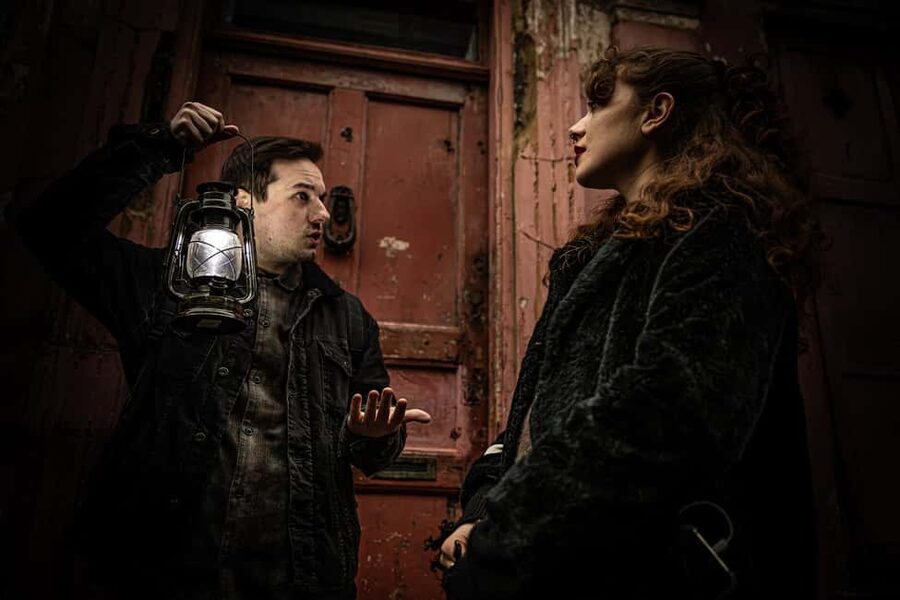
- Victims come first, with your guide working hard to humanize Mary Ann Nichols, Annie Chapman, Elizabeth Stride, Catherine Eddowes, and Mary Jane Kelly instead of treating them like plot points.
- Real-world street stops, including well-known landmarks along the route, where you’ll hear what makes each location matter.
- An evidence-style detective pack encourages you to analyze clues and theories rather than just listen.
- A Ripperologist-led approach keeps the story organized and question-friendly, with guides known for patience.
- A short, doable night format (about 2–2.5 hours) that blends Ripper material with East London context.
Where the tour begins at St Mary’s Whitechapel Church Memorial
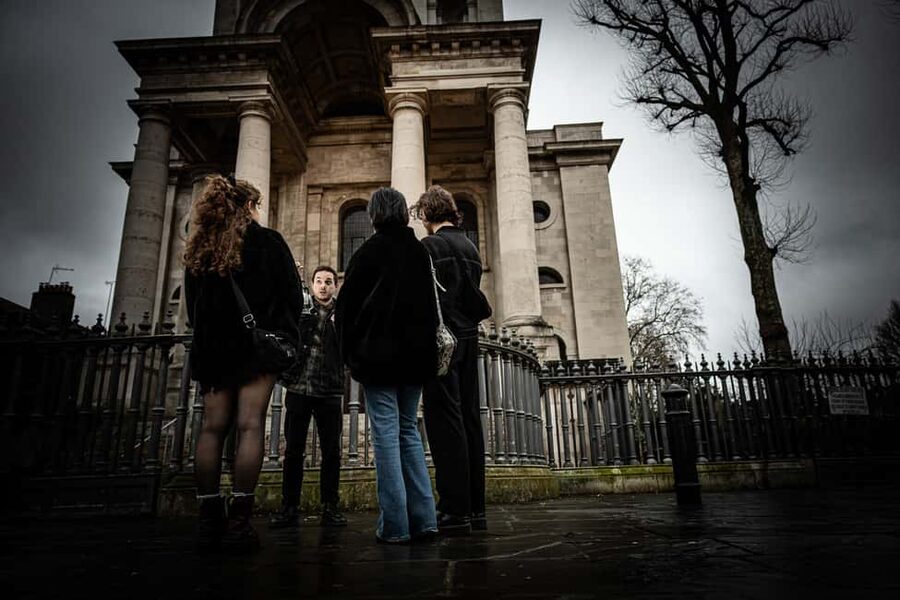
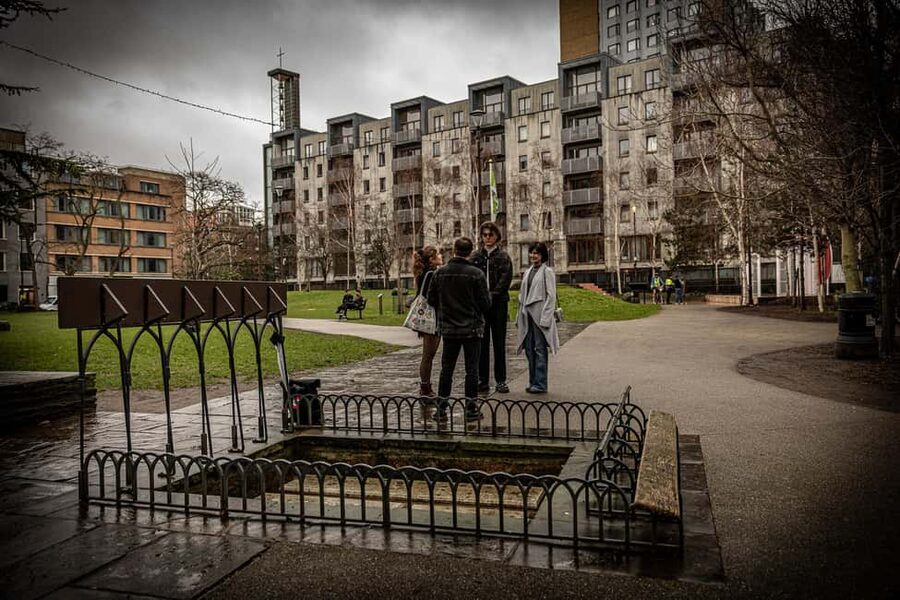
Most night tours in London start with a scramble. This one starts with something easier to find: the St Mary’s Whitechapel Church Memorial inside Altab Ali Park. You’ll want to arrive about 10 minutes early and look for a yellow Carpe Diem Tours flag or sign.
From there, you’ll start moving on foot through Whitechapel. The whole thing is built for an evening pace: long enough to feel like you’ve gone somewhere, short enough that you’re not trapped outside for the entire night.
One practical tip: wear shoes you trust. You’re walking city sidewalks at night, and the stops are spread across several streets. If it’s chilly, you’ll feel it—some participants specifically advised warm clothing in December.
You can also read our reviews of more walking tours in London



Victim-first storytelling: why this case feels different
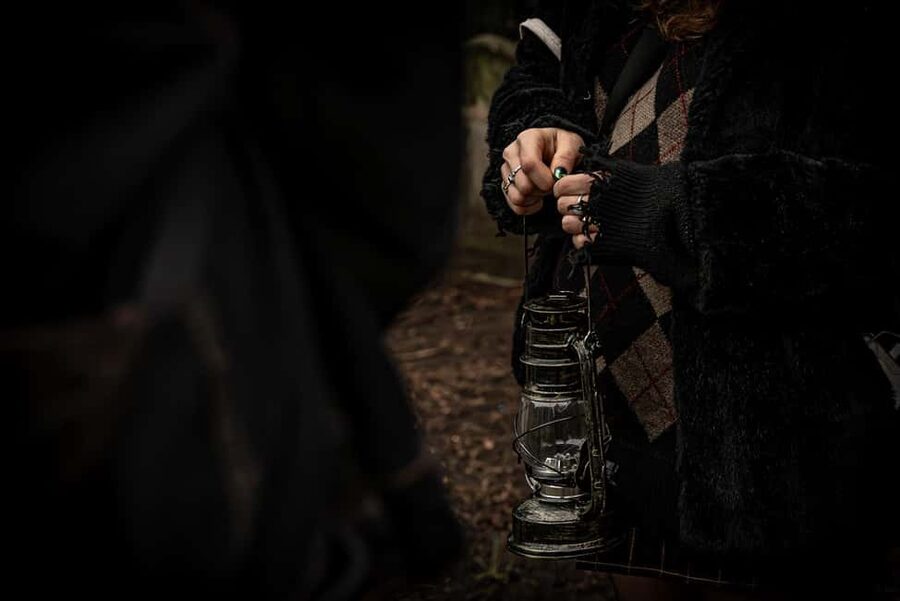
Jack the Ripper stories often get warped. The killer becomes the star, and the victims become background noise. This tour flips the emphasis on purpose, and you can feel the difference fast.
Instead of treating the murders like a horror movie trivia contest, the guide frames each event through the victims’ lives and deaths. You’re meant to understand who these women were in their communities, and what daily pressures shaped their world in Victorian London.
That approach shows up in the way participants describe the tour: respectful tone, focus on the victims as wives, mothers, sisters, and friends—not just as names attached to a crime. It’s also why the guide’s role matters. A good guide doesn’t just recite facts; they set the emotional rules for the group so you stay engaged without turning suffering into entertainment.
Your interactive detective pack: theories, evidence, and questions
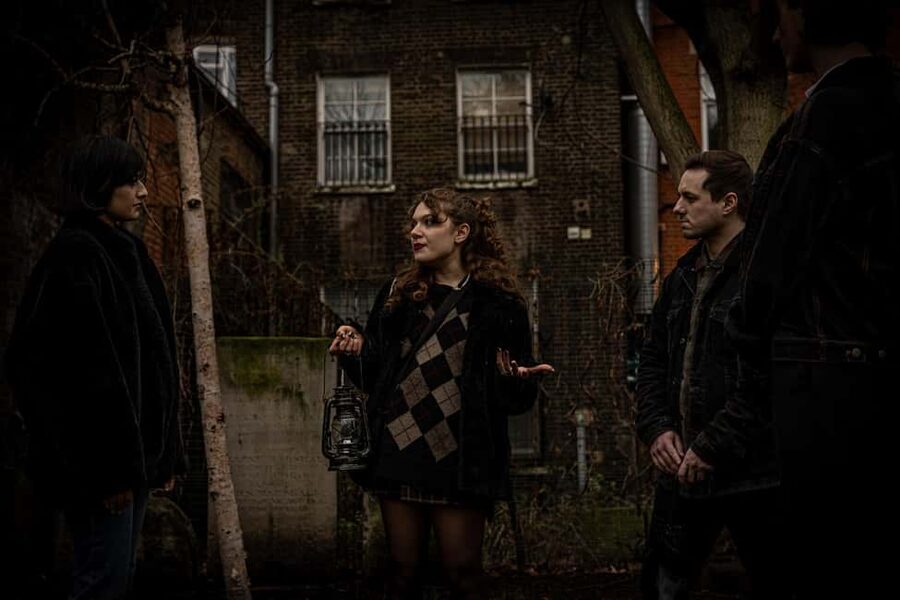
The interactive detective pack is a big reason this doesn’t feel like a typical lecture. You don’t just hear theories about the Ripper’s identity—you analyze clues in an evidence style as you walk.
That matters because Jack the Ripper is one of history’s big unknowns. The tour leans into that mystery, discussing the killer’s possible identity and what different clues suggest. But it keeps the experience grounded by pairing the theory talk with concrete locations tied to the investigation atmosphere.
In participant notes, guides are praised for being patient with questions. That’s useful. If you like to stop and think—What would investigators have seen? Why would someone move through these streets this way?—this format gives you permission to ask and to compare ideas.
Guides also bring humor and energy. Several named guides (Tyson, Cedric, Kory, Hadi) get credit for making the tour fun without losing the serious focus. You might hear jokes in the group, but the story itself stays respectful.
Crime-scene street walk: Brick Lane through East End side streets
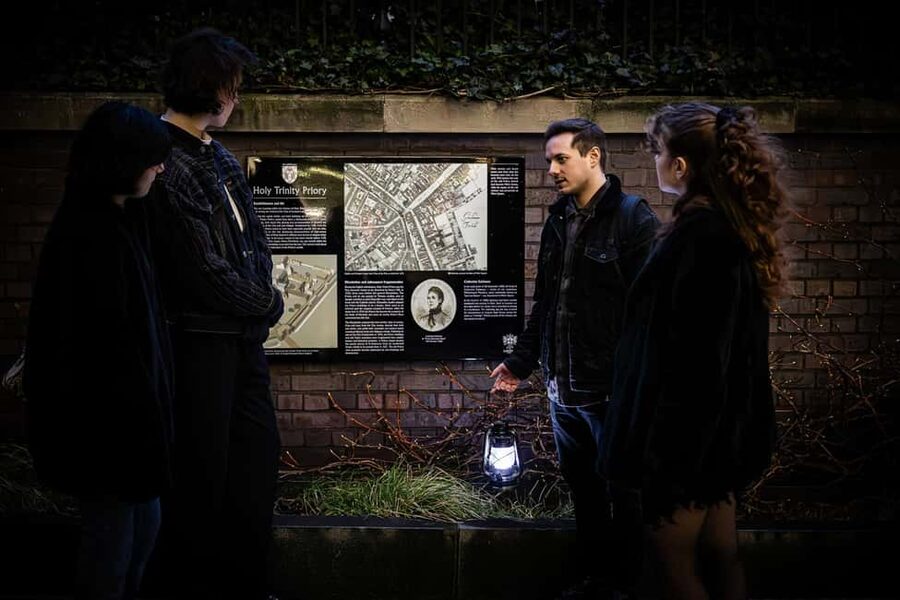
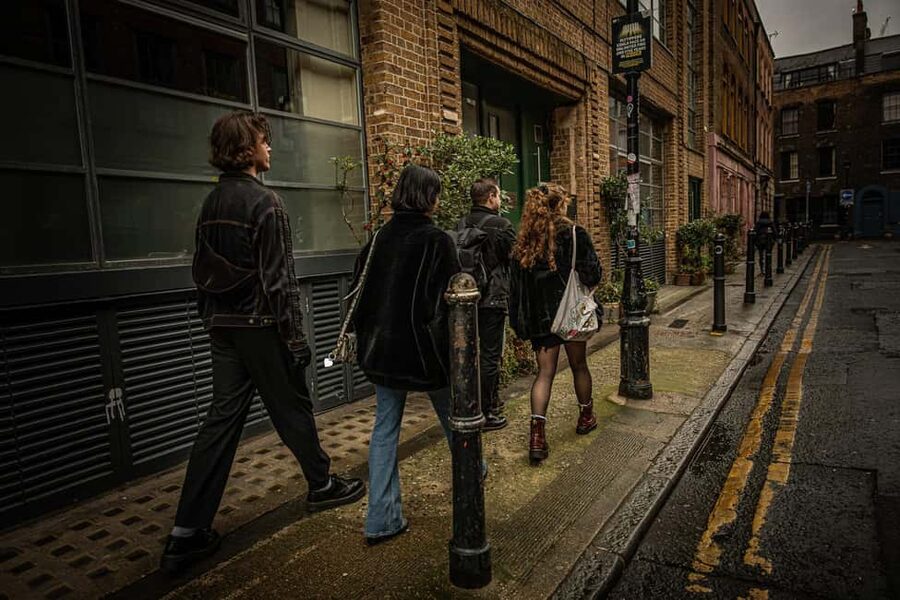
The walking route is the heart of the experience. You’re guided from stop to stop, each one timed for explanation and for your detective work. The tour moves through Whitechapel with a structure that helps you track the sequence of events and the geography of the area.
Here’s how the experience plays out on the ground, stop by stop:
Brick Lane
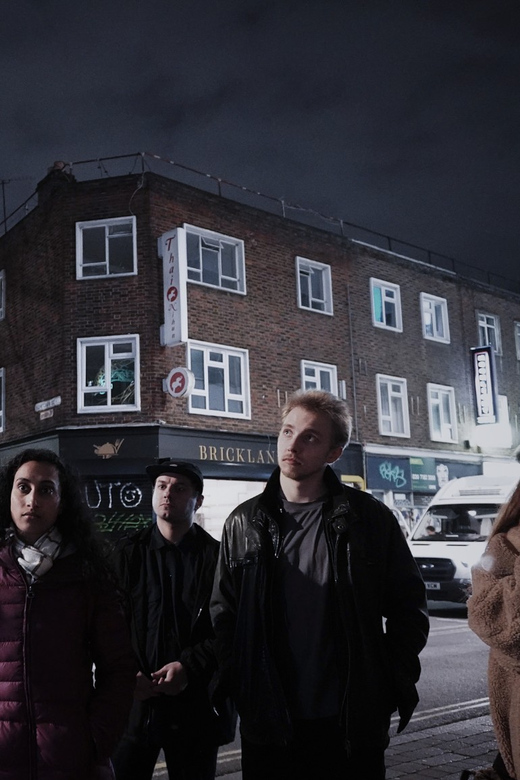
You start with a guided introduction on Brick Lane, where the guide helps set context for how this part of London functioned in 1888. It’s a solid first location because it gives you bearings fast: a neighborhood that was busy, crowded, and full of people living close together.
You can also read our reviews of more evening experiences in London

Princelet Street
Next comes Princelet Street. This is the kind of street stop that makes the case feel real. The guide points out why narrow streets and the layout of the area could shape who moved where, and how easily someone could vanish into the crowd.
Puma Court
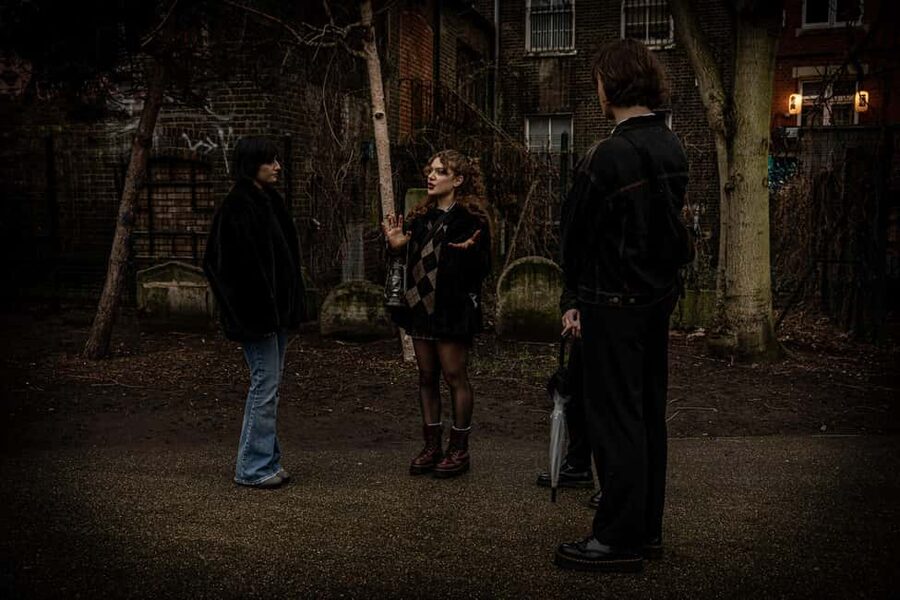
Puma Court adds a stronger sense of the “tight spaces” that define this story. Even if you’ve read the general headlines, small alleys and court passages change how you picture the events. This is where the tour’s detective angle gets more visual.
Gunthorpe Street
At Gunthorpe Street, you’ll keep building the route in your head. The guide’s job here is to connect the dots between the murders, the timing, and the streets that made those movements possible. Expect more of that evidence thinking, not just a name-and-date rundown.
Goulston Street
Goulston Street is another key stop in the sequence. This is the part where you’ll likely feel the rhythm of the tour: a few minutes of background, a few minutes of evidence-style discussion, then you walk on. It helps prevent information overload while keeping momentum.
St Botolph without Aldgate
You finish the main cluster of stops at St Botolph without Aldgate. This location works well as a “wrap the neighborhood into your map” moment. By the time you reach this point, the guide has given you enough context to understand why the East End mattered—not just as backdrop, but as a system of streets, housing, and hardship.
Across these stops, the common thread is the same: the tour is designed so you’re standing in the geography of the case, not just hearing about it. When you pair that with the detective pack, you end up thinking like you’re walking with an investigator.
The Ten Bells Spitalfields stop: neighborhood context you’ll actually use
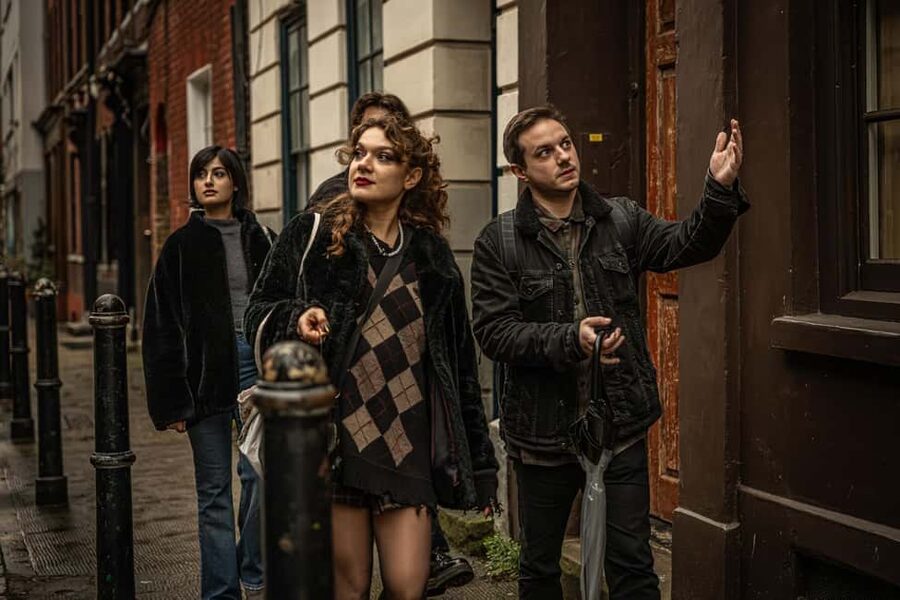
At The Ten Bells Spitalfields, the tour does something valuable. It reminds you that the murders didn’t happen in a vacuum. They happened in a lived-in neighborhood—full of routine, noise, crowds, and everyday movement.
This is also where guides often shine. Several named participants highlight guides who talk about East London history alongside the Ripper story. That blend helps you understand why the environment shaped the case and why the victims’ social world matters.
Even if you come just for Jack the Ripper, this stop helps you leave with more than a list of crimes. You start to see the area as a place where people had families, jobs, and survival strategies—alongside the tragedies that forced attention onto the streets.
Ending around Mitre Square: what to do after the last clue
The tour wraps with two drop-off locations in Mitre Square (Mitre Square, London EC3A 5DE). That ending point is convenient because it leaves you near places you can reach easily for the rest of your evening.
When the tour finishes, you’ll likely feel two things at once: you’ll be unsettled by what you learned, and you’ll be oddly clearer about the geography of the case. That’s a good sign. The experience is built to connect “what happened” to “where it happened,” and to keep the focus on the people harmed.
If you want to keep the momentum going, give yourself a little time before your next activity. This story lands emotionally, especially when the guide emphasizes the victims’ identities and lives.
Price and value: is $22 good for a 2–2.5 hour night walk?
At around $22 per person for a 2–2.5 hour guided night walking tour, the value is strong for London. You’re not only paying for a story. You’re paying for:
- a local Ripperologist guide
- an interactive detective pack
- visits to real crime-scene locations
- victim-centric storytelling and theory discussion
That mix is key. If it were just “a walk with facts,” $22 might be fine but not great. Here, you’re actively working through the case with your pack while the guide keeps you moving through the neighborhood in an organized way.
The main trade-off is that it’s not a food-and-drink experience. If you’ll be hungry, plan food before or after. The tour is focused on walking and analysis, not meals.
Who this Whitechapel Ripper walk fits best
This is a good fit if you:
- want Jack the Ripper material, but with a victim-first tone
- enjoy asking questions and talking through theories
- like guided walking tours that teach you the layout of a real neighborhood
- want a 2–2.5 hour night commitment rather than an all-evening ordeal
It might feel like the wrong choice if you’re sensitive to crime details or if you want a purely lighthearted “spooky London” vibe. The tour stays respectful, but the topic is inherently grim.
FAQ
FAQ
How long is the London Jack the Ripper night walking tour in Whitechapel?
It lasts about 2 to 2.5 hours.
Where do I meet the guide?
Meet at St Mary’s Whitechapel Church Memorial inside Altab Ali Park. Look for a yellow Carpe Diem Tours flag or sign, and arrive about 10 minutes early.
Is the tour guided in English, and can it be private?
Yes, it’s a live tour guide in English. Private group options are available.
What’s included in the ticket?
You get a local Ripperologist guide, an interactive detective pack, victim-centric storytelling, a walking tour of historic Whitechapel, and visits to real-life crime scenes.
Is food or drink included?
No, food and drink are not included.
Can I cancel for a refund, and can I reserve without paying today?
You can cancel up to 24 hours in advance for a full refund. It also offers a reserve now & pay later option.
Should you book this Jack the Ripper night walk?
If you want a Ripper tour that treats the victims as people first—and you like the idea of walking the streets like an actual investigation—then yes, book it. The $22 price works because you get a guide, a detective pack, and real street stops tied to the story, all in a time window that won’t wreck your next day.
If you’re hoping for something purely spooky and light, or you hate crime-history details, you might want a different kind of London evening activity. But for most people who care about the mystery and the human cost behind it, this Whitechapel night walk is a strong choice.