REVIEW · ROME
Dark Heart of Rome – Facts, Legend & Mystery Walking Tour
Book on GetYourGuide →Operated by City Wonders Ltd. · Bookable on GetYourGuide
Rome turns strange after sunset. This 90-minute English night walk trades daytime sightseeing for eerie street-level storytelling in central Rome.
What I love most is the guide-led tone: funny, interactive, and dark enough to feel fun, not grim. You’ll hear supernatural-leaning tales from guides including Inti, Alberto, Rob, and Alethia.
One heads-up: it’s a fair amount of walking, and it’s not set up for wheelchairs, mobility issues, or strollers. It also ends at Castel Sant’Angelo, so plan your onward ride before you start.
In This Review
- Key things that make this tour worth your time
- Entering Rome’s darker mood on a 90-minute night walk
- Finding Sant’Andrea della Valle: the meeting point that sets the vibe
- Campo de’ Fiori after dark: the square becomes a stage for myth
- Corso Vittorio Emanuele II: a classic corridor with a different soundtrack
- Via del Governo Vecchio: small streets, big atmosphere
- Via Giulia and Piazza Farnese: the elegant stops with a darker edge
- Corso Vittorio Emanuele II to Castel Sant’Angelo: ending with an easy exit
- What the guides bring: dark humor with real context
- Price and value: why $14 feels like a smart Rome night plan
- Who should book, and who might prefer a different Rome plan
- Should you book the Dark Heart of Rome tour?
- FAQ
- Where does the tour start?
- Where does the tour end?
- How long is the walking tour?
- Is the tour offered in English?
- What’s the price?
- What is included in the ticket price?
- Is the tour suitable for wheelchairs or strollers?
Key things that make this tour worth your time
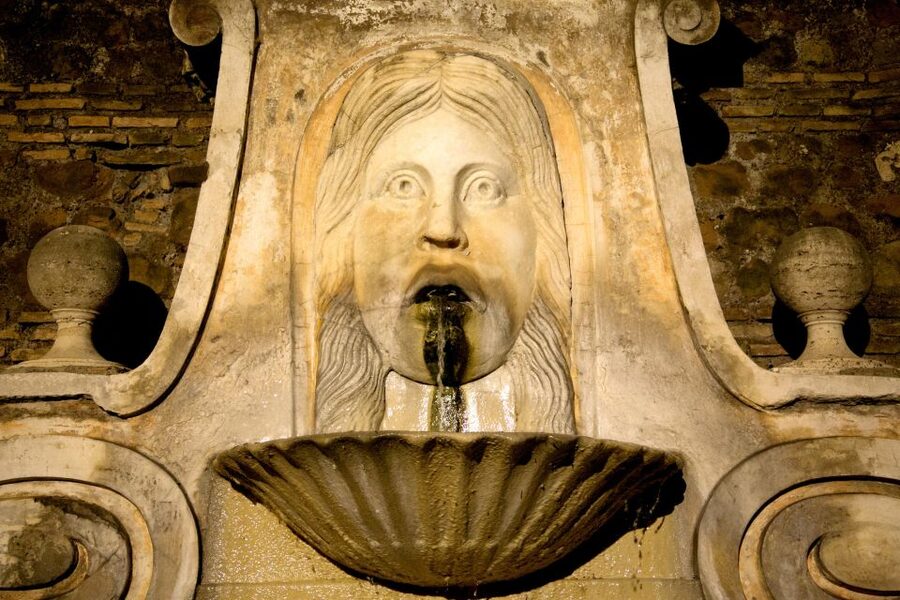
- Rome’s only nighttime English walking tour keeps the whole experience different from the usual museum loop.
- Facts braided with legends gives you stories that explain why certain corners feel strange.
- Campo de’ Fiori at night is a totally different stage when the lights go on and the crowds thin.
- A tight 90-minute route hits multiple historic streets without feeling like an all-night commitment.
- Live guide storytelling in English means you get pacing, humor, and chances to ask questions.
- Ends at Castel Sant’Angelo with public transport and taxis nearby for an easy finish.
Entering Rome’s darker mood on a 90-minute night walk
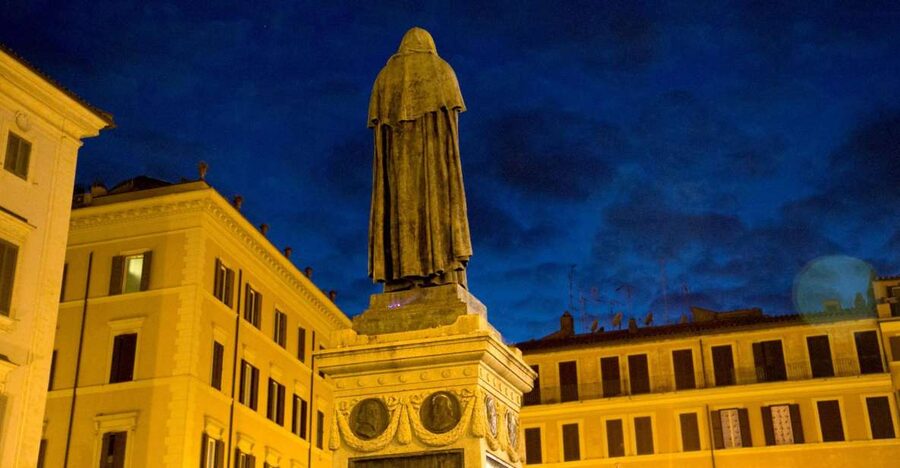
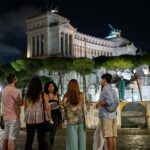
Rome at night has a different sound. Less traffic noise, more echo down stone lanes, and streetlights that make familiar places look half-forgotten. This tour leans into that shift, using the city’s darker myths and eerie history to reframe what you’re seeing.
The big draw is that it is not the standard Rome “built in year X” routine. You’re walking through the historic center while your guide mixes supernatural legends with the kind of historical context that makes the scary parts feel connected to real people and real power. It’s the kind of storytelling that helps you notice details you usually miss when you’re rushing toward landmarks.
You’ll also get the benefit of the timing. With a start that kicks off after sunset and a length of about 1.5 hours, it slots neatly into a first evening or a low-energy day. You come away with a different mental map of Rome, one that includes the spooky side.
You can also read our reviews of more walking tours in Rome


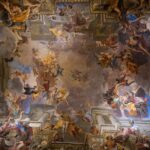
Finding Sant’Andrea della Valle: the meeting point that sets the vibe
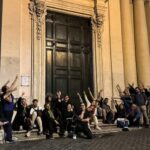
The tour starts at the steps of Sant’Andrea della Valle Church, right on Corso Vittorio Emanuele II. It’s about 150 meters from Largo di Torre Argentina, on the left-hand side as you head toward the Tiber River, and it’s right by Piazza Vidoni and Piazza Sant’Andrea della Valle.
This matters because nighttime tours work best when you arrive calm and early. If you can, give yourself a few extra minutes so you’re not trying to read street signs and directions while you’re looking for a group. The meeting point is in a central zone, so it’s easy to reach, but the lanes can be confusing if you show up late.
Also, know the practical shape of the walk: comfortable shoes are a must. You’re covering historic streets that are not designed for strollers or for anyone who needs step-free routes. If you’re traveling with kids, double-check what you’re bringing—baby strollers aren’t allowed.
Campo de’ Fiori after dark: the square becomes a stage for myth
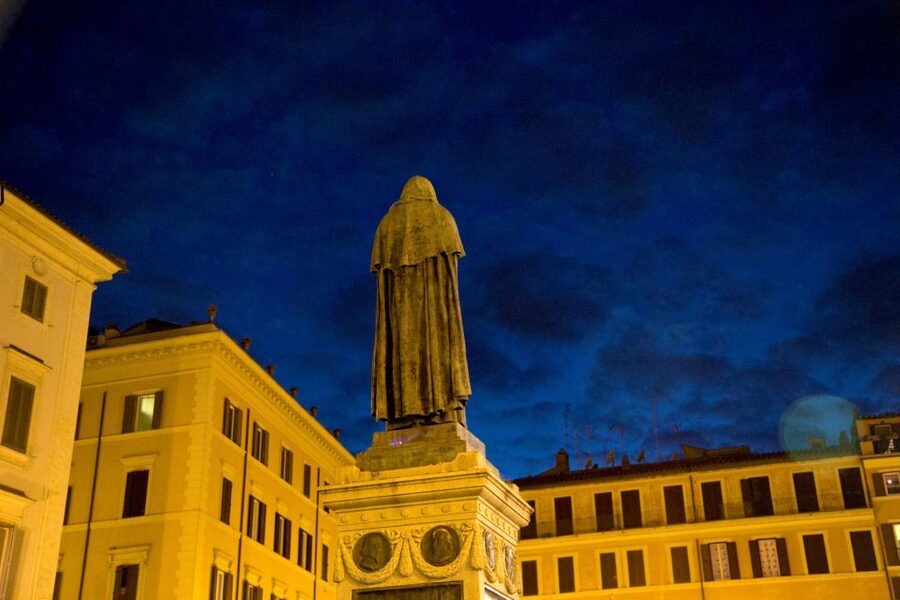
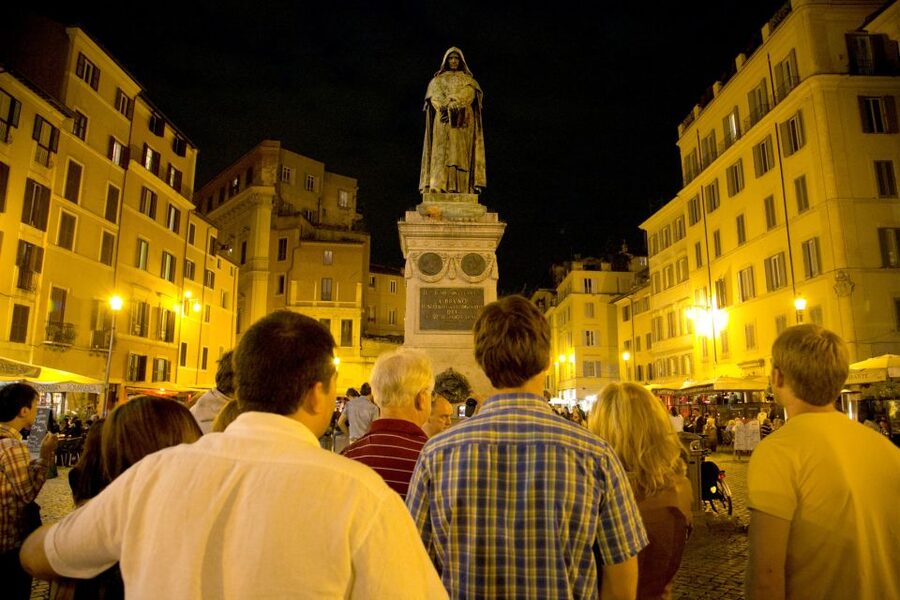
One of the route anchors is Campo de’ Fiori, and it’s exactly the kind of place that transforms at night. During the day it’s a recognizable square, but after dark the mood changes fast—less movement, more shadow, and the sense that you’re standing at the edge of older stories.
What you’re really getting here is a shift in perspective. Your guide ties together the square’s presence with the darker legends associated with Rome’s past. You’re not just looking at buildings; you’re being asked to think about motives, power, and rumor—how cities scare themselves with stories and how those stories survive.
Even if you’ve seen Campo de’ Fiori in daytime plans, this stops you from treating it like a quick photo stop. At night, you’ll likely find you notice street angles and nearby details more carefully, because the narration gives those corners meaning.
Corso Vittorio Emanuele II: a classic corridor with a different soundtrack
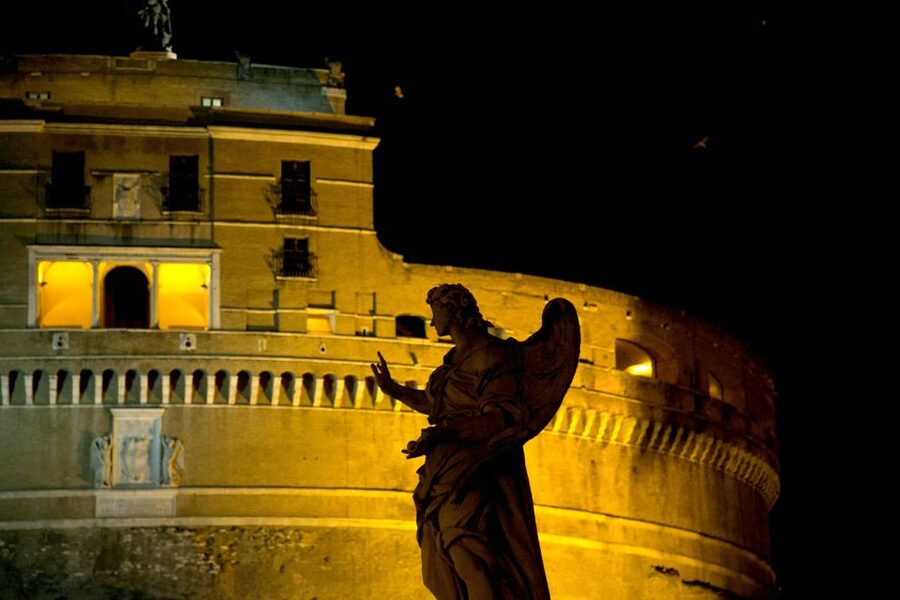
From the start area you’ll move along the Corso Vittorio Emanuele II corridor and surrounding lanes. Daytime Rome feels like a parade of sights. Nighttime Rome feels like a string of clues.
This is where the tour’s format helps. The route is built for walking and listening, not for racing. As you move along, you get that sense of Rome as a place layered over itself: the street keeps functioning, but the guide’s stories turn it into a timeline you can follow on foot.
If you like true-crime style storytelling, spooky folklore, or dark character sketches, this pacing works well. The guide keeps the attention on the street and the human choices behind the legends, which makes the supernatural elements feel less like random horror and more like social history.
Via del Governo Vecchio: small streets, big atmosphere
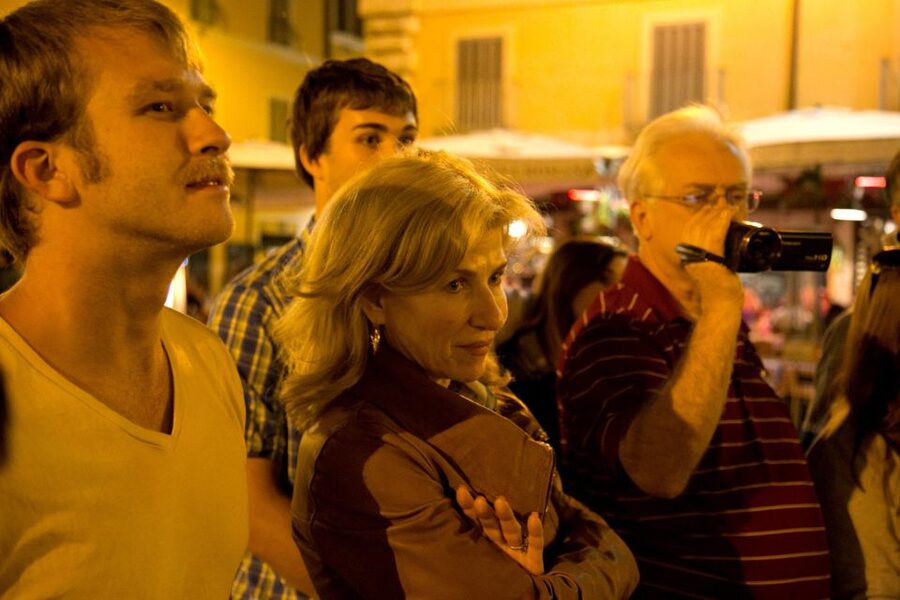
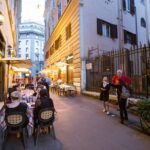
One of the more interesting name-drops on the route is Via del Governo Vecchio. Even without getting dramatic about it, the title alone hints at old systems and old rules. In practice, that’s what you feel while walking it: quieter lanes, more shadow, and fewer people to dilute the mood.
This part is often where nighttime tours start to feel real. In Rome, the streets are the main event. When you step off the most obvious lines, you see how locals navigate space and how older Rome still shapes routes today. With narration guiding you, those narrow lanes stop being “between the landmarks” and become part of the story.
It’s also a good stretch to focus on your senses. Listen to the guide’s rhythm, watch for the small architectural details they point out, and slow down your pace for a moment. Night tours can feel like a blur if you keep walking like you’re sightseeing on your phone battery. This one asks you to walk like you’re listening.


Via Giulia and Piazza Farnese: the elegant stops with a darker edge
The route includes Via Giulia and Piazza Farnese. Those names are a strong contrast to the tour’s spooky theme, and that contrast is part of what makes it fun. You’re not only in dark alleys. You’re in refined, important spaces, which makes the legends feel even stranger.
Via Giulia can feel like a “wow, Rome had taste” moment, while Piazza Farnese brings scale and visual weight. The guide’s job here is to connect setting to story—how power, wealth, and influence shaped what people believed and feared. Instead of treating the scary elements as pure entertainment, you get context for why certain myths take root in specific places.
One reason this segment works for value is that it gives you narrative value for spots you might otherwise treat like quick scenery. Even if you’ve walked nearby at midday, night changes how you experience the space. The light, the silence, and the guide’s framing make it feel like you’re reading a different page of the city.
Corso Vittorio Emanuele II to Castel Sant’Angelo: ending with an easy exit
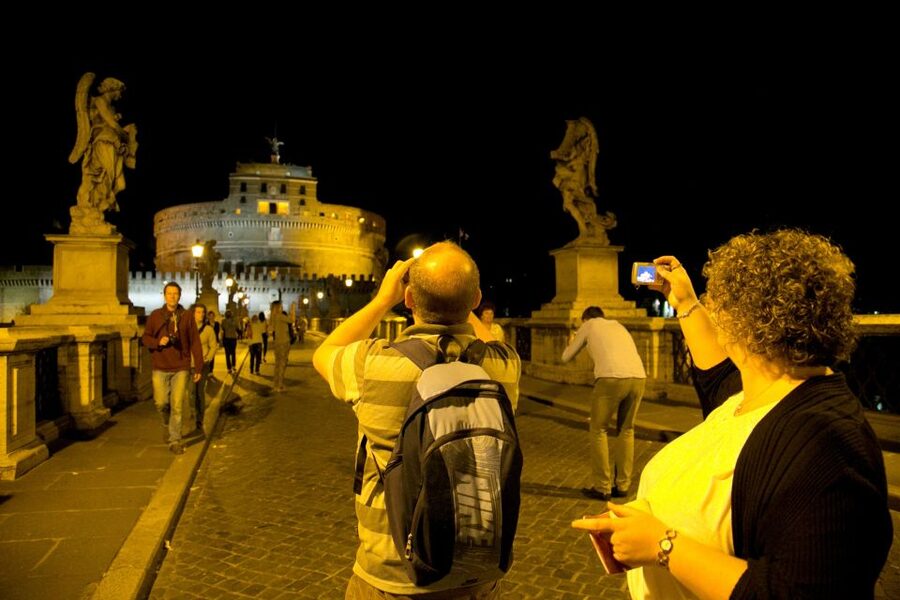
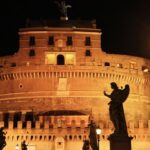
The tour concludes at Castel Sant’Angelo. You get this stop at the end on purpose: it’s recognizable, scenic at night, and it’s practical for getting back to your hotel or onto the next activity. The good news is that public transport and taxis are described as easily accessible from there.
Why that matters: night tours can trap you. You don’t want to be stuck in a dark pocket with no plan for leaving. Ending at Castel Sant’Angelo gives you options, so you can keep your evening flowing.
Also, keep an eye on your energy in the last 15 to 20 minutes. You’ve had 90 minutes of listening and walking, so it’s smart to do a quiet reset at the finish. If you’re hungry, decide before you start where you’ll eat next. That small move saves time later.
What the guides bring: dark humor with real context
A theme in the experience is the guide performance. Several guides show up in the set of stories your tour might feature—Inti, Alberto, Rob, Alethia, Roberto, Sabrina, and others—each bringing a distinct style, but the same core goal: make the “dark heart” feel entertaining and meaningful.
The tone tends to be relaxed, not staged. You’ll hear morbid stories, some of them sad, but the best part is that the guide uses humor and pacing to keep things from turning heavy. That matters because spooky history can go one of two ways: grim lecture, or fun street theater. This tour leans toward the fun side while still giving enough factual grounding to keep you thinking.
Another helpful detail is that the tour is specifically framed as highly entertaining and informative. That’s not a promise of dry facts. It’s a sign that you should expect context, not just ghost stories for shock value.
Price and value: why $14 feels like a smart Rome night plan
At $14 per person for about 1.5 hours, this is a bargain-level price for a live guided experience in central Rome. You’re paying for a guide, storytelling time, and a route that connects multiple stops without you needing to plan anything beyond showing up.
In practical terms, it’s good value because it does two jobs. First, it gives you a memorable first-night orientation to the historic center. Second, it adds a niche angle—supernatural myths and darker characters—that you won’t get on most daytime sightseeing tours.
If you’re trying to stretch your budget, a tour at this price also gives you flexibility. You’re not taking a big financial risk on a specific theme, and it gives you a reason to be out at night when many sightseeing plans shut down.
Who should book, and who might prefer a different Rome plan
This tour is a match if you want Rome with a twist: ghostly tales, eerie legends, and a route built for listening. It’s also a great choice for your first evening, since the storytelling can help you understand what you’ll see again in daytime, when the city looks polished and calm.
It may not be your best fit if you want straightforward, museum-style history with minimal scare-factor. The whole point here is that facts and legends are intertwined, and the guide leans into the spooky side. Also, if you rely on step-free access or need wheelchair support, this one won’t work, since the tour provider can’t accommodate wheelchairs or mobility impairments. Strollers also can’t be accommodated.
If you like walking but you’re sensitive to being spooked, treat it like a theatrical experience with spooky edges, not a full horror show. Wear shoes you can handle for 90 minutes, and you’ll be in the right mindset.
Should you book the Dark Heart of Rome tour?
I’d book it if you want a night plan that feels different from the usual line-up of ruins and fountains. For a low price, you get a live English guide, a focused 90-minute route, and a tone that mixes dark storytelling with context. Ending at Castel Sant’Angelo is also a plus, because it helps you wrap the night without stress.
Skip it if your priorities are strictly daylight sightseeing, step-free accessibility, or minimal walking. And if you’re traveling with a stroller, plan for a different activity since they’re not allowed on this tour.
If your idea of fun includes spooky myths, true-crime vibes, and Rome by night, this is one of the smartest evenings you can spend in Lazio’s capital city.
FAQ
Where does the tour start?
Meet on the steps of Sant’Andrea della Valle Church, on Corso Vittorio Emanuele II. It’s about 150 meters from Largo di Torre Argentina on the left side when heading toward the Tiber River.
Where does the tour end?
The tour ends at Castel Sant’Angelo, where public transport and taxis are easily accessible.
How long is the walking tour?
The duration is 1.5 hours (about 90 minutes).
Is the tour offered in English?
Yes. The tour guide speaks English.
What’s the price?
It costs $14 per person.
What is included in the ticket price?
You get an evening city tour and an English-speaking tour guide.
Is the tour suitable for wheelchairs or strollers?
No. Wheelchairs and mobility impairments can’t be accommodated, and baby strollers are not allowed.