REVIEW · BARCELONA
Barcelona: Ramblas, Old Town & Gaudí Houses Walking Tour
Book on GetYourGuide →Operated by Nostos Tours · Bookable on GetYourGuide
Two zones, one smooth walk. I love threading through the Gothic Quarter’s medieval lanes, then shifting to Gaudí’s Passeig de Gràcia designs with an expert guide who makes the details click. The main catch: this is mostly exterior viewing—great photos, but you’re not touring inside the Gaudí buildings as part of this walk.
You get a tidy, first-time-friendly route that mixes big landmarks with calmer squares, plus a quick break and one short metro hop. It runs rain or shine, so good shoes matter more than romance.
In This Review
- Key things that make this tour worth your time
- The point of this Barcelona highlights walk (and why it works)
- Start on Plaça de Catalunya, then go old-school fast
- Gothic Quarter: medieval lanes, squares, and the feeling of 2,000 years
- Barcelona Cathedral: quick stop, but a strong reference point
- Plaça Sant Jaume: politics, power, and a square that hums
- Placa Reial and La Rambla: the shift toward public life and people-watching
- A short café break that actually resets you
- Metro hop: the practical middle step to keep the walk enjoyable
- Passeig de Gràcia: the Gaudí runway where buildings become clues
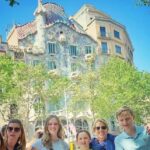
- Casa Milà and Casa Batlló: great exterior viewing, plus meaning behind the forms
- What the guides do well (and why it affects your whole trip)
- Logistics that can trip you up (simple fixes)
- Who this tour suits best
- When to book and how to make it pay off
- Should you book this Barcelona Ramblas, Old Town & Gaudí walking tour?
- FAQ
- How much does the Barcelona tour cost?
- How long is the tour?
- Where do we meet the guide?
- What language is the tour in?
- Do I need transit tickets or a headset?
- Is the tour held rain or shine?
- Is it wheelchair accessible, and what is the cancellation window?
- Final thoughts
Key things that make this tour worth your time
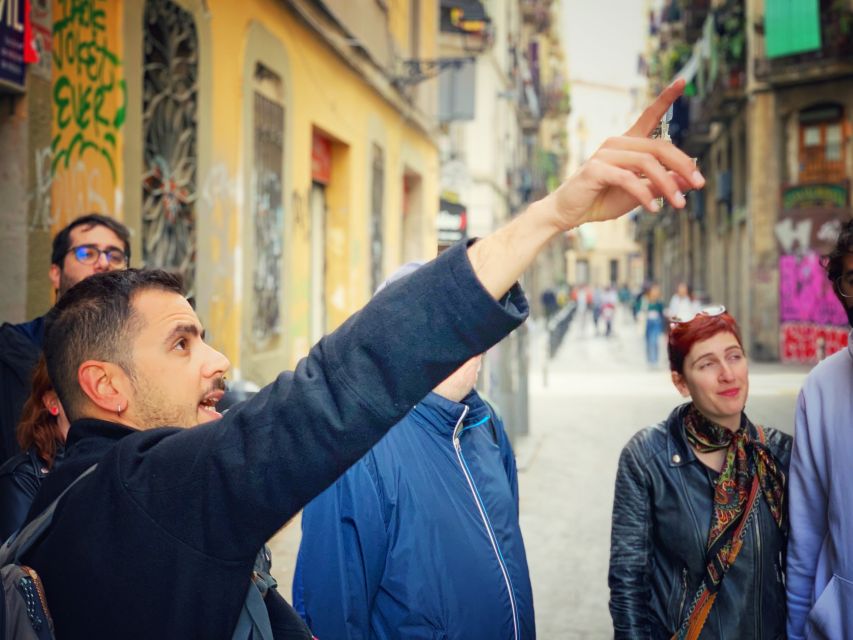
Two iconic areas in one outing: Gothic Quarter + Passeig de Gràcia
Photo stops that explain what you’re looking at: Barcelona Cathedral, Casa Milà, Casa Batlló
Small-group feel so questions and pace actually work (not a cattle drive)
Guide-led local tips for what to eat and where to head next
Built-in rhythm with a short café stop and a metro segment to keep you moving
The point of this Barcelona highlights walk (and why it works)
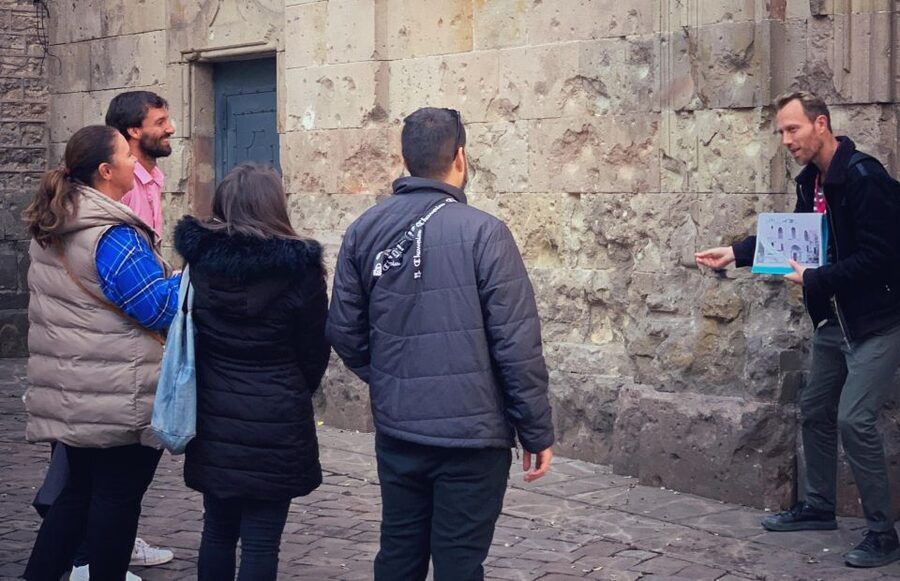
If you only have a short stay, this tour is a practical way to understand Barcelona fast—without doing a frantic checklist. You start in the Old Town side of the map, where the city’s medieval layers still show up in narrow streets and tiny squares. Then you travel into the Modernisme spotlight on Passeig de Gràcia, where Gaudí turns architecture into stories you can read.
What I like most is the balance. You’re not just looking at famous sites; you’re also getting the “why does this matter?” behind them. And the guides often bring a storytelling style that doesn’t drown you in facts—multiple guides are praised for keeping things clear, fun, and question-friendly.
The other smart part: the route ends where you’ll want to linger anyway. Finishing near Passeig de Gràcia puts you close to shopping, dining, and onward plans.
You can also read our reviews of more walking tours in Barcelona


Start on Plaça de Catalunya, then go old-school fast
You meet on the sidewalk in front of Foot Locker on Plaça de Catalunya. Your guide has a white umbrella, which makes it easy to spot when the sidewalks get crowded. From there, you’re basically primed to feel the contrast right away: open central square energy, then a guided pull into older, narrower neighborhoods.
This start is useful because Plaça de Catalunya is one of the easiest places to find and one of the easiest places to connect from. If you’re using the metro or arriving by transit, you’ll already be thinking in “Barcelona routes,” not “lost tourist routes.”
Timing-wise, the tour is about 150 minutes, and a big chunk is intentionally spent on the Gothic Quarter first—so you’re building context before you hit the Gaudí corridor.
Gothic Quarter: medieval lanes, squares, and the feeling of 2,000 years
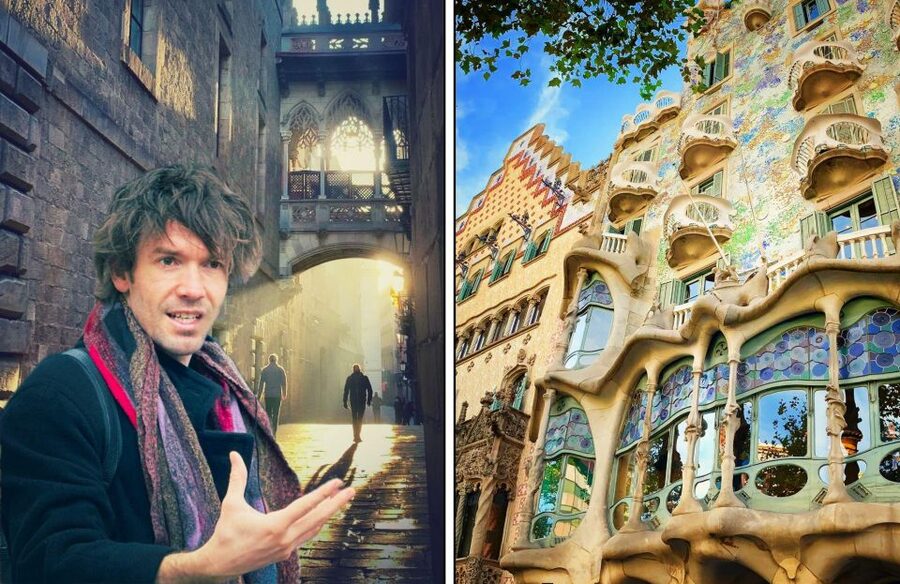
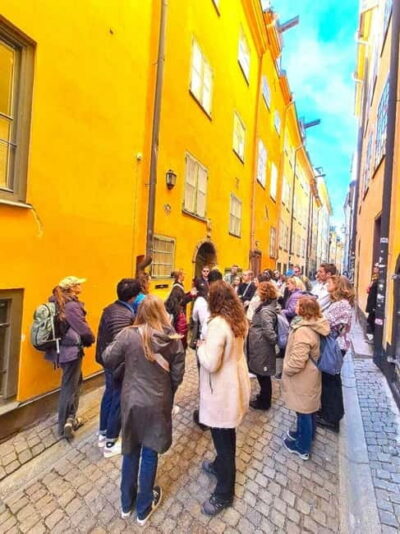
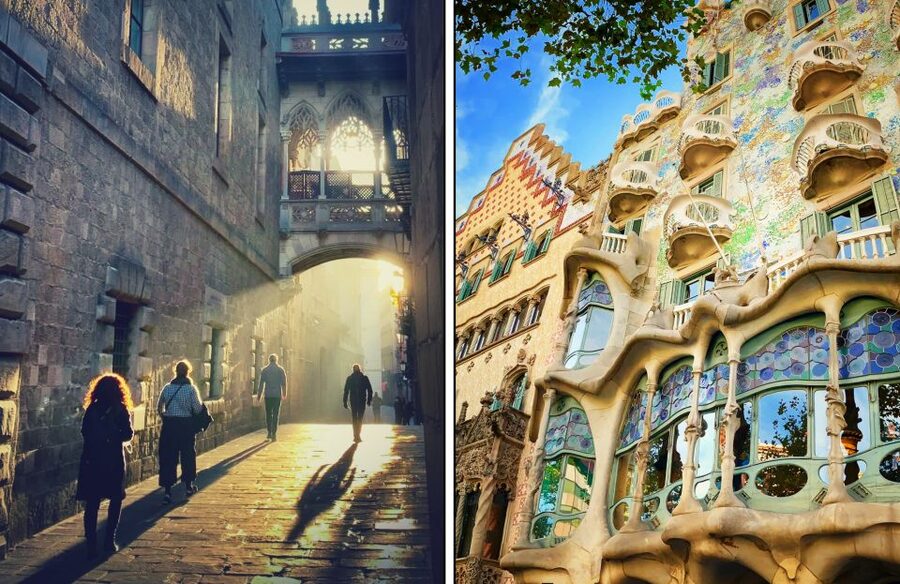
The Gothic Quarter segment runs about 75 minutes, and it’s the heart of the Old Town portion. Expect guided walks through maze-like streets and calmer pockets—those little squares and medieval façades that you’d miss if you just wandered.
This is where a good guide earns their pay. The standout feedback from groups is that guides can connect architecture to daily life, politics, and identity—so the streets feel like more than scenery. Guides such as Henrieta, Evan, Javier, Lena, and Yannis get singled out for humor plus clear explanations, which matters when you’re standing still for photos and then moving again right after.
What you’ll get here
- A sense of the Gothic Quarter’s medieval layout, not just a list of stops
- Context for why certain buildings and squares became important
- Direction on how the city’s layers overlap—old and modern next to each other
A practical drawback to plan for
This part is walk-heavy, and you’re moving through older streets where footing can vary. Bring comfortable, grippy shoes—especially if it’s wet, since the tour runs rain or shine.
Barcelona Cathedral: quick stop, but a strong reference point
You’ll make a stop at Barcelona Cathedral for about 10 minutes, including a photo break plus guided context. Think of this as a landmark anchor: it helps you orient to the Gothic Quarter’s “center of gravity,” even if you don’t spend long inside.
Even on a short stop, a guide can change how you see a building—explaining what the setting means and how the area evolved. The cathedral works well for that because it’s so visually dominant, but the stories around it are what give it depth.
If you’re the type who likes to understand your photos after the fact, this stop is worth the time.
Plaça Sant Jaume: politics, power, and a square that hums
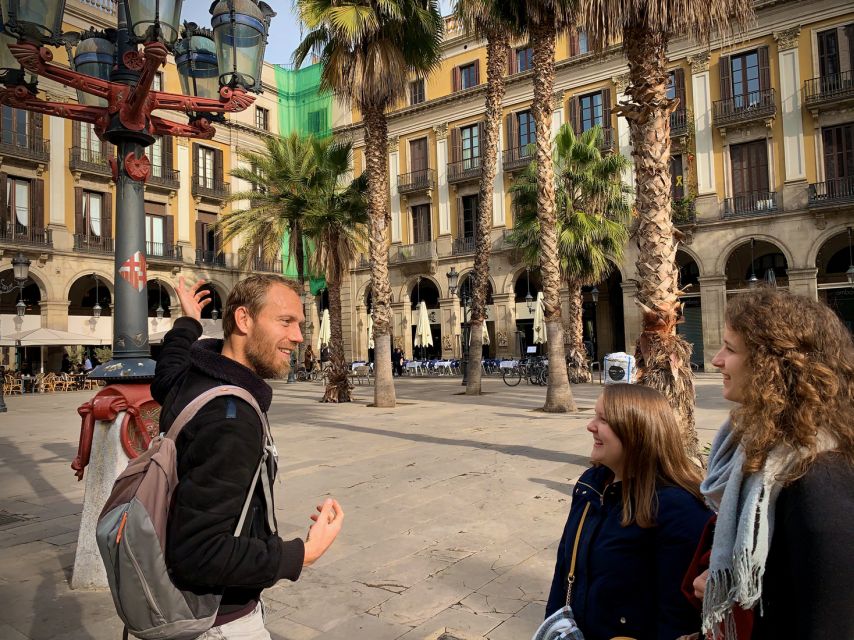
Next comes Plaça Sant Jaume (another 10-minute photo stop plus guidance). This square matters because it’s tied to civic life. In a walk like this, it’s the place where the medieval “set” stops feeling like a museum and starts feeling like a lived-in space with history behind it.
You’re not going to spend all day here, so don’t treat it like a deep sightseeing detour. Instead, use it as a moment to lock in the city’s vibe: formal buildings, a public square, and the sense that Barcelona’s identity is built through institutions as much as through art.




Placa Reial and La Rambla: the shift toward public life and people-watching
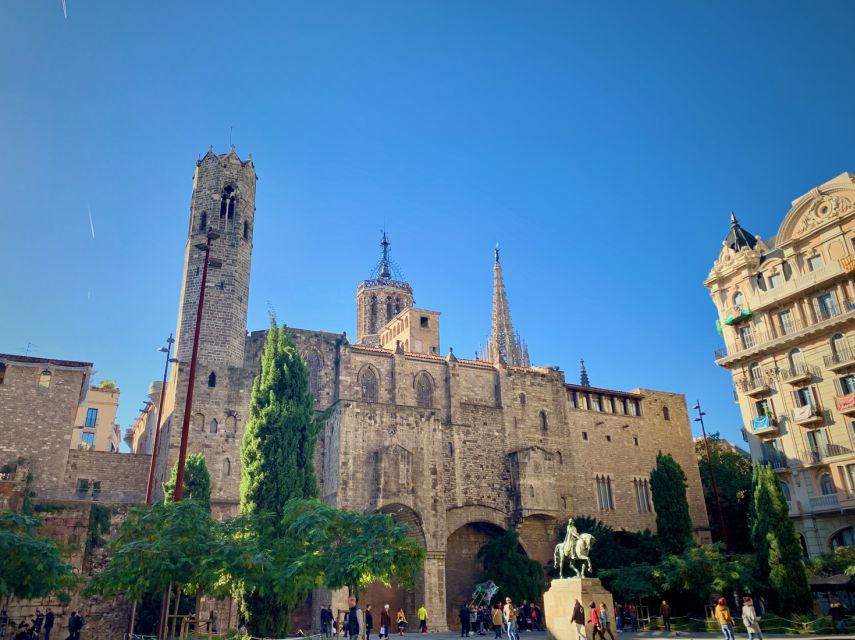
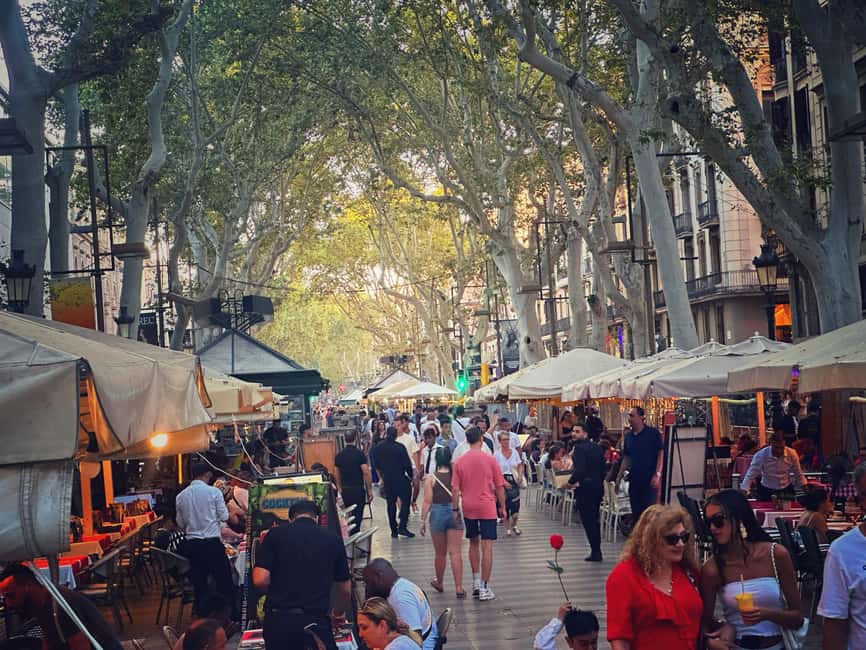
You’ll have another 10-minute guided stop at Placa Reial, then a quick 5-minute moment along La Rambla. This is a smart sequence: Placa Reial gives you a visually distinct, “designed for gathering” atmosphere, while La Rambla is your pulse-check on the city’s busiest street culture.
Even if you don’t linger, these are the stops that help you understand how Barcelona moves—how locals and visitors flow through major corridors, and how the city’s center operates on a different tempo than the narrow Gothic lanes.
A note on reality: La Rambla can feel intense. The guide’s job is to keep it usable—helping you look past the crowds and focus on what matters.
A short café break that actually resets you
There’s a 5-minute local café break, which sounds small until you’re halfway through Old Town on foot. It’s less about coffee as a destination and more about hydration, breathing room, and regrouping.
This is also a good moment to ask questions you’ve been saving. Many guides get praised for being attentive to group needs and answering everything from architecture questions to “where should I go next for food?”
Metro hop: the practical middle step to keep the walk enjoyable
You’ll get a 10-minute metro/subway segment. This matters because it prevents the “all walking, no payoff” problem that happens when tours try to cram too much into too little time.
I appreciate this kind of pacing. It keeps the schedule realistic and means you arrive at Passeig de Gràcia with energy left—especially important if you’re walking under hot sun or after rain.
Also, there’s an added planning point: you’ll need either a valid public transportation ticket or the option to buy one from your guide for €2.
Passeig de Gràcia: the Gaudí runway where buildings become clues
The walk around Passeig de Gràcia takes about 45 minutes, and this is the “aha” section of the tour. This is where Barcelona flexes—designer-store atmosphere, art nouveau façades, and the kind of street presence that makes you look up without thinking.
Most importantly, the guide explains Gaudí’s work in a way that’s meant to be understood on the street. Instead of treating it like trivia, the best guides connect shapes, symbolism, and design choices to what Barcelona was thinking and building during the Modernisme period.
Casa Milà and Casa Batlló: great exterior viewing, plus meaning behind the forms
You’ll have photo stops for:
- Casa Milà (about 10 minutes)
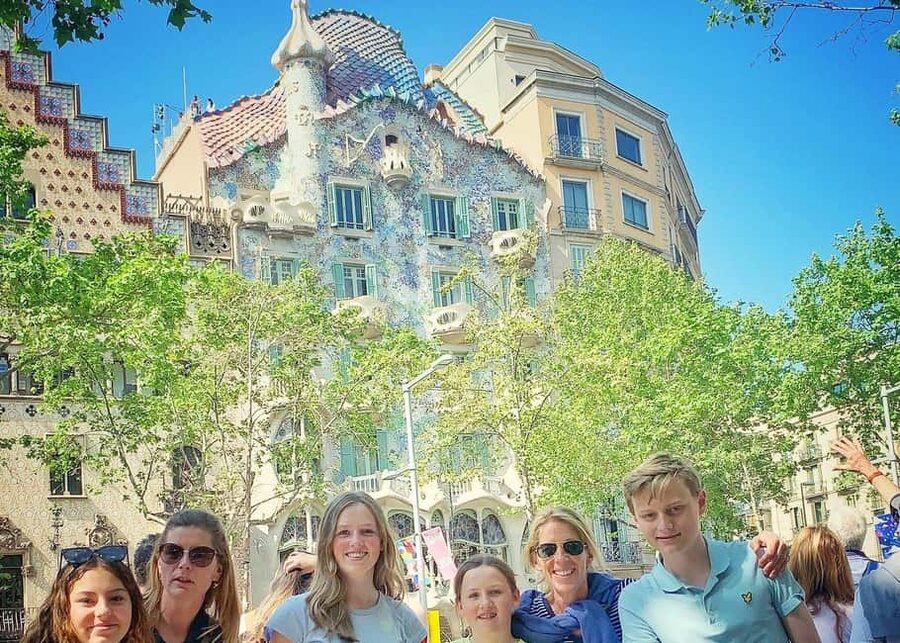
- Casa Batlló (about 10 minutes)
And there’s another practical reality: this is primarily an exterior experience. If you’re hoping for interior visits, plan separate tickets. But the exterior viewing is still valuable because the guide helps you read what you’re seeing—so your photos turn into something you can interpret.
Groups consistently praise guides for making Gaudí’s designs feel fairytale-like, but also understandable. That combination is what turns a “pretty building” into a “now I get it” moment.
What the guides do well (and why it affects your whole trip)
This tour lives or dies by the guide. The high marks you see across many guide names—Filipa, Otto, Christian, Lena, Evan, Yannis, Anna G., Melanie, Sarah, Luic, and others—point to a pattern:
- Clear storytelling that connects architecture and city life
- Humor without chaos, which keeps you engaged while walking
- Question time that feels welcome, not rushed
- Practical food and drink suggestions after the tour
When a guide is good at this, the tour becomes more than sightseeing. It becomes a shortcut for how to explore Barcelona on your own.
Logistics that can trip you up (simple fixes)
Because this is a walking tour with a short transit segment, a few small items matter.
Bring valid transit or plan for the €2 option
If you don’t already have a transportation ticket, you’ll need to either bring one or buy one from your guide for €2.
Consider the headset rental
Headsets aren’t included. You can rent them onsite for €1, and there’s also an optional audio guide in English. If you’re sensitive to hearing distance on busy streets, this is a small price to pay for not missing details.
Expect weather
The tour runs rain or shine. Pack accordingly: compact umbrella if you’re the type, or at least footwear you trust on slick pavement.
Who this tour suits best
This is a strong fit if:
- You’re a first-time visitor and want Barcelona’s main districts in one hit
- You care about architecture and history, but you don’t want an all-day lecture
- You’re traveling as a couple, friends group, or family and want a manageable route
- You like tours where the guide shares next-step tips for food and where to go
It’s also friendly if you want a tour that won’t drain you for the rest of the day. The schedule is compact, and the walk is described as doable, not punishing.
When to book and how to make it pay off
If you can, book this early in your trip. You’ll finish in a prime location on Passeig de Gràcia, close to the center and with plenty of options nearby. Even if you don’t plan to shop, it’s a great base for dinner and for planning your next day.
Also, because it’s English-language and designed as a highlights introduction, it works well when you’re trying to “get your bearings” quickly.
Should you book this Barcelona Ramblas, Old Town & Gaudí walking tour?
I’d book it if you want a guided route that hits the Gothic Quarter’s street texture and then delivers Gaudí’s Modernisme ideas without making you chase them across the city. For $41 and about 150 minutes, the value comes from how the guide connects the dots—plus the fact that you end in the most convenient area for continuing on your own.
I’d skip or adjust your plan if you specifically want interior access to the Gaudí houses, since this tour is set up around photo stops and exterior viewing rather than building entry. And if you hate walking in uneven old streets, go in with the right shoes and expectations.
FAQ
How much does the Barcelona tour cost?
The price is $41 per person.
How long is the tour?
The duration is 150 minutes.
Where do we meet the guide?
You meet on the sidewalk in front of Foot Locker on Plaça de Catalunya. The guide carries a white umbrella.
What language is the tour in?
The tour is in English. An optional audio guide is also available in English.
Do I need transit tickets or a headset?
You’ll need either a valid public transportation ticket or you can buy one from your guide for €2. Headsets are not included, but you can rent them onsite for €1.
Is the tour held rain or shine?
Yes, it runs rain or shine.
Is it wheelchair accessible, and what is the cancellation window?
The tour is wheelchair accessible. You can cancel up to 24 hours in advance for a full refund.
Final thoughts
This is the kind of Barcelona tour that helps you leave the city feeling like you understand it a little better, not just seen it. If you want a one-session map of Old Town + Gaudí on Passeig de Gràcia, with a guide who’s there to answer your questions, it’s a very good use of a short stay.