REVIEW · BARCELONA
Barcelona: The Spanish Civil War Historical Walking Tour
Book on GetYourGuide →Operated by Nostos Tours · Bookable on GetYourGuide
Barcelona hides a hard story. This Spanish Civil War Historical Walking Tour turns the old streets of Barcelona into a timeline of ideology, violence, and aftermath you can still feel in the city’s layout. You’ll go past the usual photo stops and focus on the parts of Barcelona that make no sense until someone explains what happened.
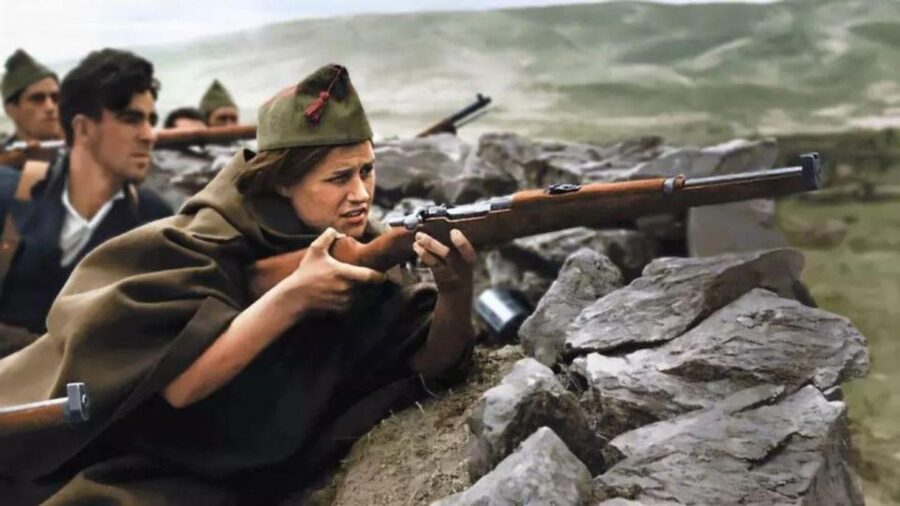
I love how the guides untangle the factions—Fascists, Loyalists, Anarchists—so you stop seeing 1930s Spain as a single “side vs side” story. I also love the pictures and visuals used to make complicated events stick, from pre-war tensions through the dictatorship that followed.
One possible drawback: this is heavy, political material, and it’s not the kind of tour I’d bring kids to. You’ll also be standing and regrouping at multiple points for explanations, so comfortable shoes matter.
In This Review
- Key things I’d pin to your map before you go
- Trading the tourist facade for the streets that remember
- Start at Plaça de Catalunya, find the white umbrella
- How the 2.5 hours feel in practice (and why it’s worth it)
- The story your guide builds: factions, foreign power, and the Church
- Orwell’s Barcelona: seeing Homage to Catalonia on the ground
- The “after” part: dictatorship, memory, and what Spain does now
- Guides who make the complicated parts click
- Where you end: Gothic Quarter by Barcelona city hall
- Is $46 good value for this tour?
- Extras worth knowing before you lace up
- Should you book the Barcelona Spanish Civil War Historical Walking Tour?
- FAQ
- How long is the Barcelona Spanish Civil War Historical Walking Tour?
- What does the tour cost?
- Where do I meet the guide, and how do I recognize them?
- Where does the tour finish?
- Is the tour in English?
- Does the tour run in bad weather?
- Is the tour wheelchair accessible?
- Is it suitable for children?
- Is there an extra fee for wireless audio?
- Is there free cancellation or a pay-later option?
Key things I’d pin to your map before you go
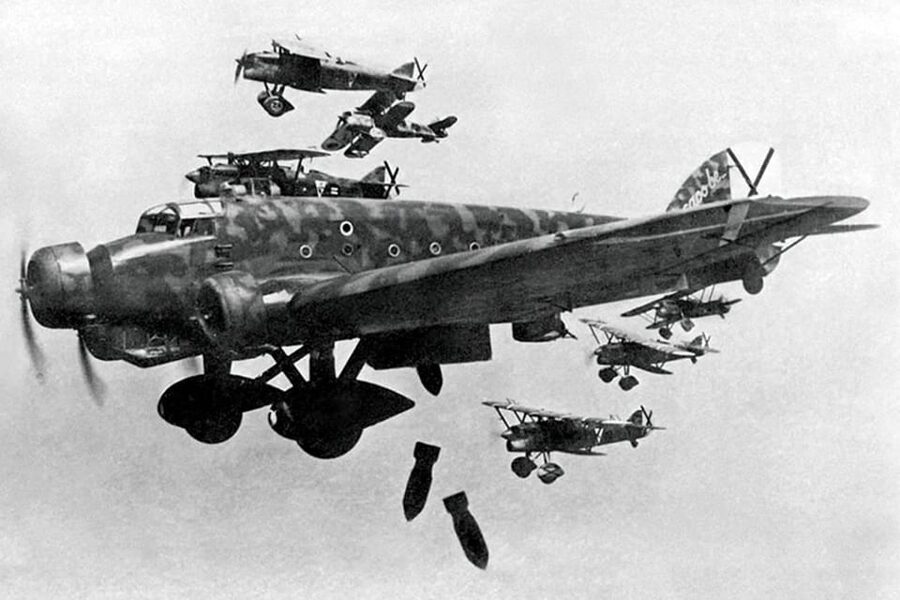
- Factions made understandable: the guide helps you connect goals, motivations, and how different groups ended up in violent collision.
- Orwell connections in real streets: you’ll see parts of Barcelona referenced in Homage to Catalonia.
- A history you can’t just museum your way through: this tour works because there are few official memorials that explain what you’re seeing.
- Women’s roles and politics get real airtime: the story includes conversations around the Second Republic and groups tied to the women’s movement.
- Pacing that avoids marathon walking: think stroll plus standing stops, not a nonstop two-and-a-half-hour hike.
Trading the tourist facade for the streets that remember
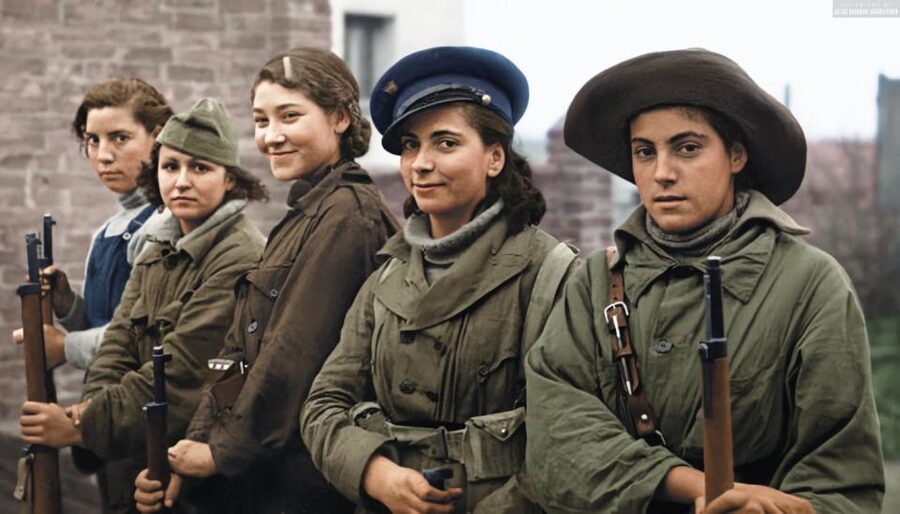
If you’ve ever looked at Barcelona and wondered why certain neighborhoods feel tense, layered, or politically charged, this is the tour that gives you the missing context. The Spanish Civil War isn’t treated like a distant textbook event. It’s presented as a sequence of choices and conflicts that played out in everyday places—streets, squares, and local communities—long before the dictatorship hardened the country for decades.
The emotional payoff is also practical. Once you understand how the battle lines formed, you start reading the city differently. Architecture and urban layout stop being only “pretty buildings,” and start becoming clues about what people believed and what institutions tried to control.
And yes, this tour goes beyond the common highlights. You’ll get out of the usual parade route and spend time in parts of the old town where the war’s impact isn’t neatly packaged for quick sightseeing.
You can also read our reviews of more walking tours in Barcelona


Start at Plaça de Catalunya, find the white umbrella
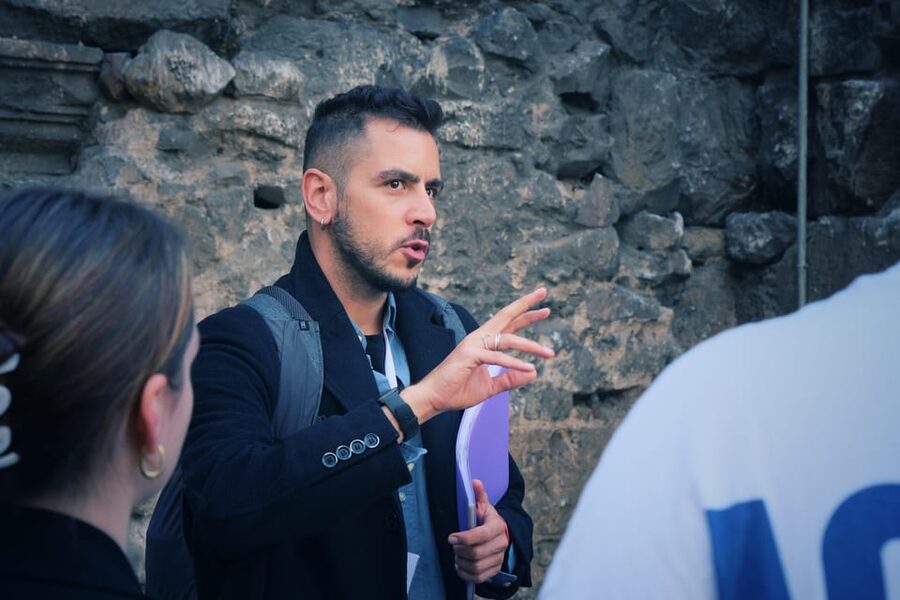
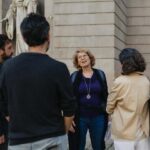
The meeting point is straightforward: stand on the sidewalk in front of Foot Locker on Plaça de Catalunya. Your guide will be there with a white umbrella, so you’re not left guessing.
This matters more than it sounds. Plaça de Catalunya is busy, and lining up quickly keeps the tour from sliding into that frantic “where is everyone?” energy. Aim to arrive a few minutes early so you can settle in.
From there, the tour focuses on getting you oriented through the old city rather than rushing. Expect a mix of walking and stop-and-talk moments. More than once, I’d want to see people thinking, okay, we’re here—now explain what’s going on. That’s exactly how the tour is built.
How the 2.5 hours feel in practice (and why it’s worth it)
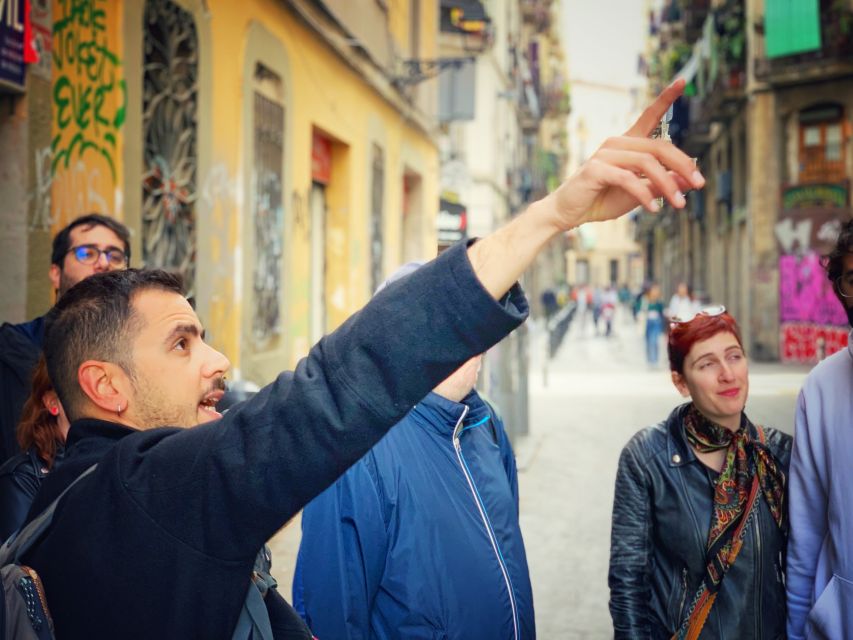
The official duration is 2.5 hours, and it’s designed for comprehension, not endurance. In practice, you don’t spend the entire time clocking miles. You’ll move between points, then pause while the guide explains what you’re seeing and how it connects to the broader conflict.
That pacing is one reason the tour earns such strong marks. The topic is complex—international actors, internal factions, and a long dictatorship after the war. If you only walked, you’d lose the thread. If you only sat, you’d lose the sense of place. This format keeps both working.
You’ll also want to plan for weather. The tour runs rain or shine, so bring layers. One reviewer specifically warned that January cold can make you wait while the group gathers, then you’re out in the air for standing stops—so dress for standing, not just walking.
The story your guide builds: factions, foreign power, and the Church
This is not just a war overview. The goal is to explain how Spain got divided so violently—and then why that division lasted so long. Your guide walks you through the “who,” “why,” and “what changed afterward,” using the city as the stage.
Here’s what the tour is set up to answer as you go:
- What led to the outbreak of the Spanish Civil War
- How different factions fought for their version of Spain’s future
- The role of Hitler and Mussolini
- Who the International Brigades were
- How the Western Allies responded
- The role of the Catholic Church
- How Spain deals with this period now
What I like about this approach is that it prevents a common misunderstanding: that the Civil War was simply a moral story with clean heroes and villains. Instead, it’s treated like a system—politics, class tensions, ideology, and power structures colliding under pressure.
The Catholic Church angle matters here because it helps explain why the conflict wasn’t just military. It also became cultural and institutional, tied to legitimacy and control. And the international component matters because local choices were shaped by outside support and international political calculations.
Orwell’s Barcelona: seeing Homage to Catalonia on the ground
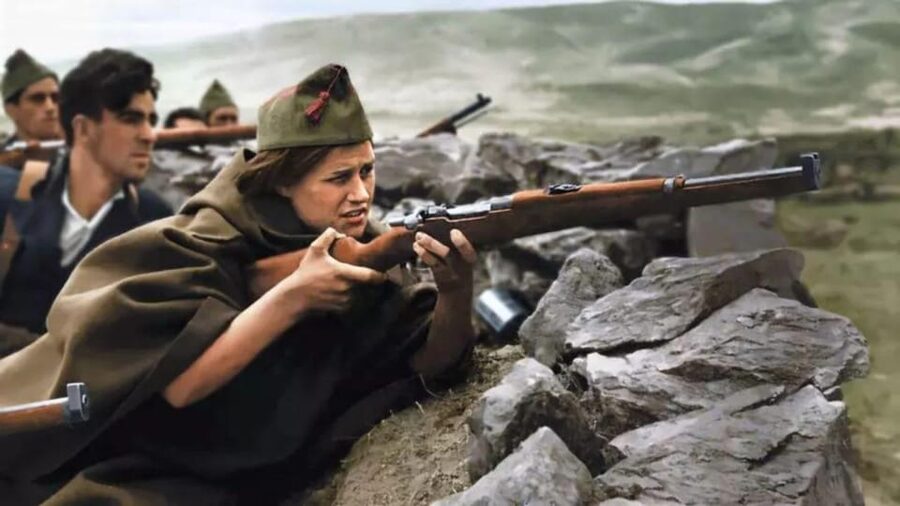
One standout promise here is that you’ll see places George Orwell mentions in Homage to Catalonia. That’s a huge hook if you’ve read the book—or if you’re curious why it became such a defining account of the early Civil War period in Catalonia.
Even without being a full-on literary walking tour, the effect is the same: the guide points you toward the sense of immediacy you’d miss if you only read words. You start placing ideas inside geography—what he describes becomes tied to the streets you’re standing on.
If you’re choosing between “history tour” and “history tour that feels alive,” this Orwell connection is a strong reason to pick it. It gives you a bridge between narrative history and lived experience.
You can also read our reviews of more historical tours in Barcelona
The “after” part: dictatorship, memory, and what Spain does now
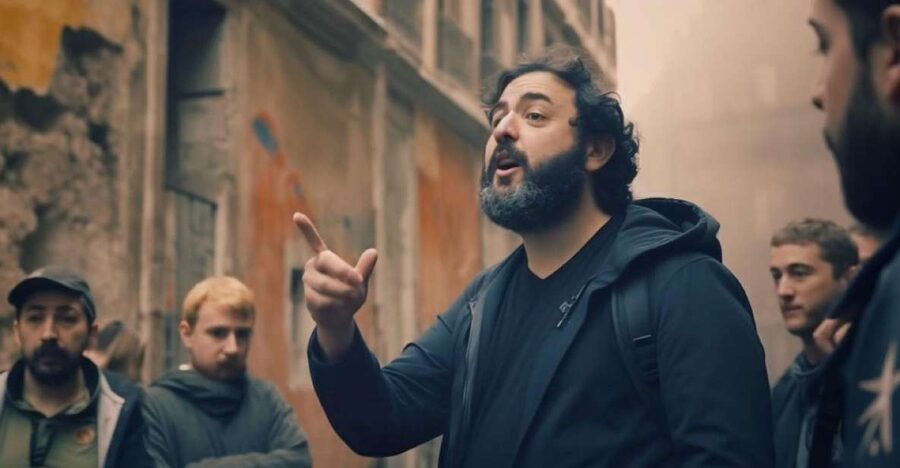
The tour doesn’t stop when the fighting ends. It also tackles what followed: the 36-year dictatorship that came after the Civil War. That time period is where Spain’s modern identity gets complicated, and the guide’s job is to help you make sense of how the trauma remained.
You’ll also hear how Spain deals with this past now—because memory isn’t passive. It’s political. It shows up in public debate, education, commemoration choices, and what gets emphasized or ignored.
This is where the tour can feel especially relevant to today, even if you’re coming for “just history.” The guide isn’t sensational about it. The point is that understanding how societies handle repression and contested narratives helps you recognize patterns elsewhere.
Guides who make the complicated parts click

A big reason this tour performs so well is delivery. You’ll see names like Javier, Chrisa/Chryssa, Yannis, Henrieta, Filipa, and Evan come up again and again for making a messy topic understandable.
What those guides seem to do especially well:
- break down faction politics into motivations you can track
- use pictures to reinforce key points
- handle questions patiently, including the ones that wander
- connect the past to modern-day Barcelona without turning it into a rant
One reviewer even noted the tour isn’t a constant “walking and listening.” It’s more of a stroll with frequent standing stops where the guide checks that you’re following. That check-in piece is gold with topics this layered.
Where you end: Gothic Quarter by Barcelona city hall
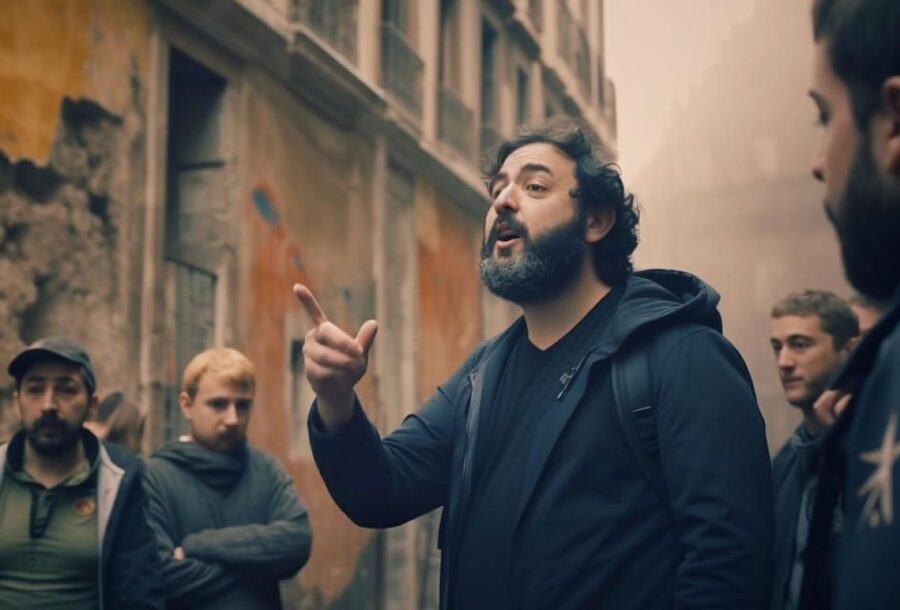
The tour finishes after about 2.5 hours in the Gothic Quarter, in the middle area near Barcelona city hall. Ending here is practical. You’re in a central zone that makes it easy to keep sightseeing right after, without needing extra transport.
It also gives a satisfying sense of completion. You started at Plaça de Catalunya—Barcelona’s crossroads—and you end in the Gothic Quarter, where the city’s identity feels most “old world.” The contrast helps you feel how the Civil War story became part of Barcelona’s long shadow.
Is $46 good value for this tour?
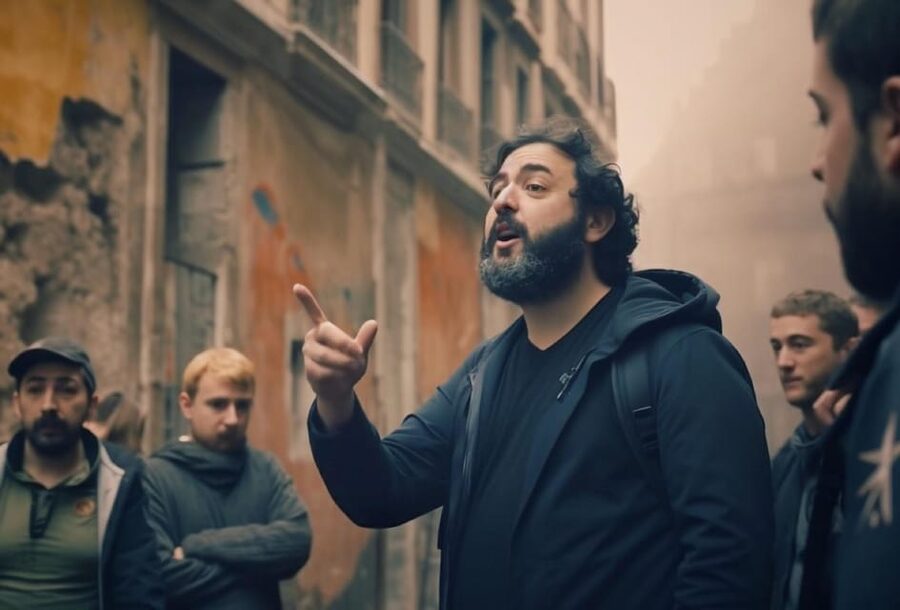
At $46 per person for a 2.5-hour walking tour, you’re not just paying for “a guide.” You’re paying for context that’s hard to find elsewhere in Barcelona. The tour itself is built around the fact that there are virtually no official museums or memorials that give you the full narrative you’re looking for.
So the value equation is this:
- You get a professional guide who can connect ideology, key players, and consequences.
- You also get structure: a guided story with visual aids, not random wandering.
- And because you’re learning in the streets themselves, the city becomes part of the lesson rather than a backdrop.
Add in that the tour is in English, and you’re not stuck trying to interpret history through language barriers. I’d call this a solid price if you want your Barcelona trip to include more than surface-level sightseeing.
Extras worth knowing before you lace up
A few on-the-ground details can affect your comfort and how smoothly the tour goes:
Wireless audio systems: the tour typically uses wireless tour guiding systems. There’s an extra 1€ per person charged at the start of the tour, and you can pay by card or cash.
Comfort: wear comfortable shoes. You’re mostly not doing aggressive walking, but you are standing during explanations and you can be outside longer than you expect in rain or cold.
Food and transport: hotel pickup and drop-off aren’t included, and food and drinks aren’t included. If you like having a plan, you might consider eating before or after rather than assuming it’ll be built into the tour.
Private group: there’s also a private group option if you want a smaller setting for discussion.
Should you book the Barcelona Spanish Civil War Historical Walking Tour?
Book it if you want Barcelona to come with context—if you like history that connects politics to real streets, and if the Spanish Civil War era matters to you beyond a quick overview. The strongest reason to go is the way guides translate a hard subject into a clear storyline, with visual support and strong Q&A.
Skip it if you want only light sightseeing, or if the subject matter would be too intense for your group. It’s rain or shine, you’ll be standing, and the themes—war, dictatorship, ideology—aren’t background noise. They’re the point.
If you’re the kind of traveler who likes to understand what a city is really made of, this is one of the better ways to do it.
FAQ
How long is the Barcelona Spanish Civil War Historical Walking Tour?
The tour lasts 2.5 hours.
What does the tour cost?
The price is $46 per person.
Where do I meet the guide, and how do I recognize them?
Meet on the sidewalk in front of Foot Locker on Plaça de Catalunya. The guide will be there with a white umbrella.
Where does the tour finish?
It finishes after about 2.5 hours in the middle of the Gothic Quarter, near Barcelona city hall.
Is the tour in English?
Yes. The live tour guide is English, and there is also an optional audio guide in English.
Does the tour run in bad weather?
Yes, the tour takes place rain or shine.
Is the tour wheelchair accessible?
Yes, the tour is listed as wheelchair accessible.
Is it suitable for children?
It is not advised for children due to the political, war, and dictatorship subject matter, but children are allowed to join.
Is there an extra fee for wireless audio?
The tour typically uses wireless tour guiding systems, with an extra 1€ per person charged at the beginning. This can be paid by card or cash.
Is there free cancellation or a pay-later option?
Yes. You can cancel up to 24 hours in advance for a full refund, and you can reserve now & pay later (you can book and pay nothing today).