REVIEW · WARSAW
Warsaw: Old Town Highlights Walking Tour in English
Book on GetYourGuide →Operated by Walkative Tours · Bookable on GetYourGuide
Warsaw’s Old Town is heavy and hopeful. This 2.5-hour English walking tour threads the Royal Route through iconic sights and personal stories, from the Copernicus monument to the city’s hard WWII memory. It’s one of those walks where the street scenes feel instantly more meaningful.
I especially like how the tour centers on Chopin’s heart and the real places linked to famous Poles, so famous names aren’t just trivia. I also like the way guides explain the city’s two major uprisings against Nazi rule and how Warsaw rebuilt afterward, without turning it into a lecture. The only drawback: you’re outside for most of the walk, so wear comfortable shoes and dress for weather, even though the tour will find cover if it rains or gets cold.
In This Review
- Key highlights before you go
- Start at Copernicus: the walk begins on Krakowskie Przedmieście
- Walking the Royal Route: sights that explain why Warsaw matters
- Krakowskie Przedmieście and the Old Town vibe you’ll remember
- Chopin’s heart stop: why one memorial can carry a whole story
- The Royal Castle reconstruction: standing in front of what survived
- WWII Warsaw explained without drowning you in details
- Famous Poles on the move: Copernicus, Chopin, Marie Curie
- What the tour feels like in real time: pace, groups, and your feet
- Price and value: what $26 buys in 2.5 hours
- Weather and rain plans: what happens if it’s cold or wet
- Who should book this walk, and who might skip it
- Should you book the Warsaw Old Town Highlights Walking Tour?
- FAQ
- Where do we meet for the tour?
- What’s the tour duration?
- Is the tour in English?
- Is the tour wheelchair accessible?
- What should I bring?
- Does the tour run in bad weather?
- Is food or drinks included?
- Is there free cancellation?
- Is there a pay-later option?
Key highlights before you go
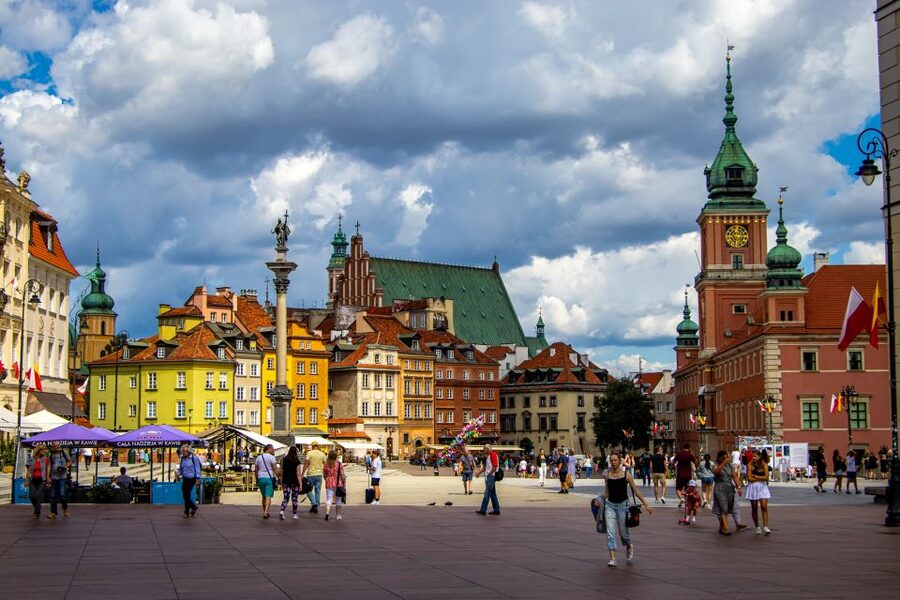
- Copernicus Monument start on Krakowskie Przedmieście, meeting your guide by the yellow umbrella
- Royal Route highlights that connect the city center sights into one easy walking story
- Chopin’s heart location plus stops tied to major Polish cultural figures
- Reconstructed Royal Castle awe and the symbolism of rebuilding
- WWII context with two uprisings that shaped Warsaw’s modern identity
- Real guide energy noted by many guests, with humor and an engaging pace
Start at Copernicus: the walk begins on Krakowskie Przedmieście
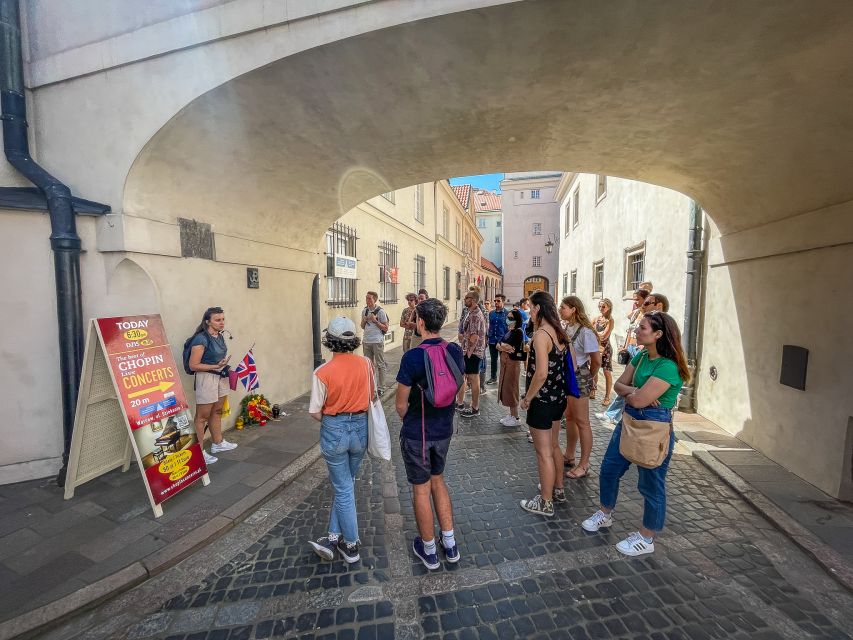
Your tour meets next to the Nicolaus Copernicus Monument on Krakowskie Przedmieście Street 2. The guide looks for you with a yellow umbrella, which is a small detail but makes a big difference when you’re trying to join on time. If you’re arriving from elsewhere in central Warsaw, give yourself a little extra buffer—this is a landmark meeting point, not a hidden backstreet.
From the first steps, you’ll be oriented fast. The tour sets you up to understand how Warsaw’s main ceremonial avenue—the Royal Route—shapes the city’s layout and identity. Even if you’ve seen photos of the Old Town, walking here with an English guide helps you connect the dots between streets and stories.
You can also read our reviews of more walking tours in Warsaw


Walking the Royal Route: sights that explain why Warsaw matters
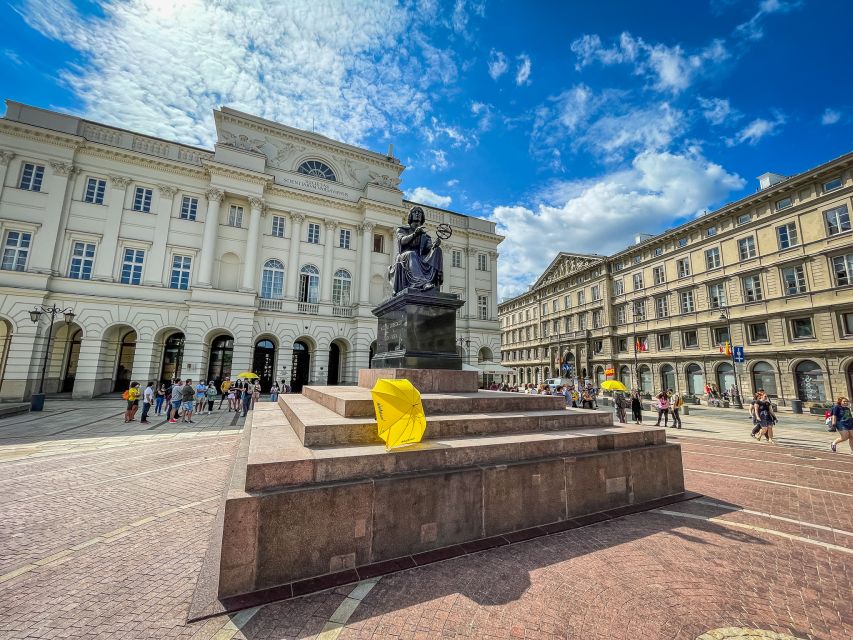
Once you’re moving, the route keeps pulling you back to one big idea: Warsaw isn’t just pretty buildings. It’s a capital that learned to endure, then rebuilt itself with intention. That theme is what makes the Royal Route feel more than sightseeing.
You’ll also pass the kind of landmarks that show how Warsaw functions today. The Presidential Palace area and the University buildings give you that “this is the working capital” feeling, not just a postcard view. In a short walk, you get both the pageant side of the city and the everyday pulse of politics and education.
Krakowskie Przedmieście and the Old Town vibe you’ll remember
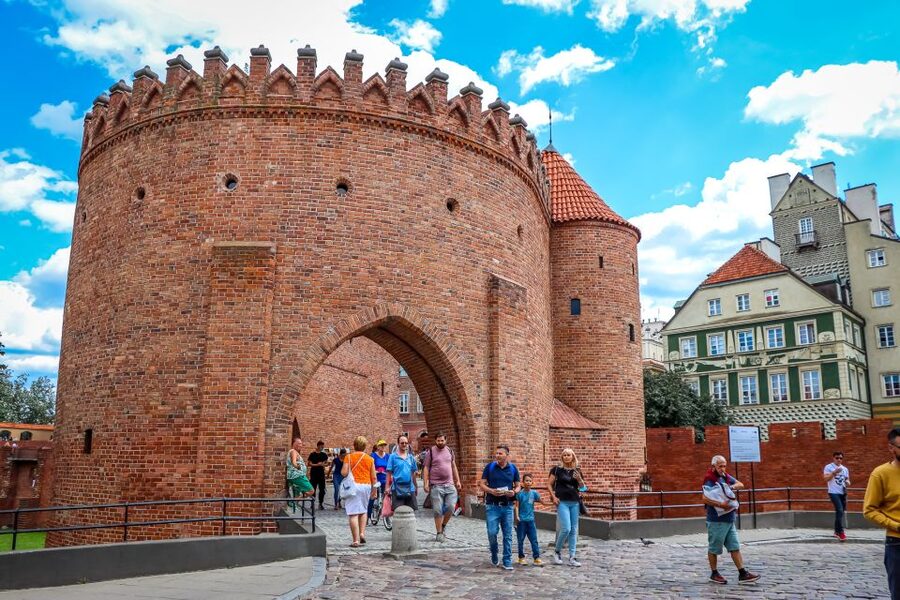
There’s a reason Krakowskie Przedmieście gets called colorful. Along the way, the street scene opens up into that classic mix of historic facades and lively capital energy. This stop matters because it helps you experience Old Town not as a museum, but as a place people still live with.
One practical advantage: this tour keeps you walking through areas that are easy to understand without a map obsession. So even if it’s your first day in Warsaw, you’ll leave with a mental model of where things sit and how they relate. That makes later wandering—on your own—much less stressful.
Chopin’s heart stop: why one memorial can carry a whole story
The highlight that lands for most people is the place where Chopin’s heart is buried. It’s not only sentimental; it’s also a powerful reminder of how Poland’s culture travels through hardship. When a tour pauses here, the meaning isn’t abstract. You feel how national identity can be stored in a single location.
What I like about this kind of stop is that it changes how you look at the surrounding streets. The architecture and ceremonial route stop feeling random. They become part of a broader story about remembrance—who’s honored, what’s preserved, and what’s rebuilt when history breaks things.
The Royal Castle reconstruction: standing in front of what survived
Then comes the moment that usually triggers the biggest reaction: the reconstructed Royal Castle. Seeing it as a physical structure is impressive, but what really sticks is the “why now” behind it. Reconstruction here isn’t just aesthetics. It’s a statement that Warsaw refused to stay broken.
Even if you don’t care much about royal lore, you’ll still get the point. This is where the tour’s WWII thread becomes visual. The castle doesn’t just represent monarchy or old grandeur; it represents continuity after destruction.


WWII Warsaw explained without drowning you in details
A walking tour like this works best when it explains the city’s tragedy in a way you can carry. Here, the story centers on Warsaw’s dark WWII experience and how the city rose again afterward. You’ll hear about the city being burned down and the hard, complex truth of Polish history during that period.
The tour also covers two major uprisings against Nazi rule—presented as complex events rather than simple hero-and-villain storylines. That nuance matters because Warsaw’s history isn’t one neat chapter. It’s overlapping pressures, difficult choices, and a population forced to endure more than one kind of catastrophe.
And yes, this is the part that makes the walk feel different from other Old Town tours. You’re looking at pretty streets, but your guide connects them to a past that still shaped the city’s layout and memory. It’s not gloomy for the sake of drama. It gives you context for why restoration and commemoration matter here.
Famous Poles on the move: Copernicus, Chopin, Marie Curie
A strong walking tour doesn’t just point; it interprets. This one uses famous names you’ll recognize—Copernicus, Chopin, and Marie Curie—to show how Warsaw links science, music, and public life. Meeting those references on the ground makes them stick.
If you like history that has human faces, you’ll appreciate this approach. The tour gives names real locations, so the city feels like it’s in conversation with its own legacy. You’ll also get a sense of how Warsaw supports education and innovation today, not only how it survived yesterday.
What the tour feels like in real time: pace, groups, and your feet
This experience runs about 150 minutes, so plan on roughly two and a half hours of steady walking with stops along the way. It’s not a sprint, but it also won’t drag. The pace works well if you’re trying to see Old Town and get context without dedicating a full day.
The tour is also wheelchair accessible. That said, you should still assume you’ll be spending most of the time outside, moving between stops. Comfortable shoes are a must, and if the day looks iffy, wear layers.
One pattern that shows up in guides’ style: many guides bring humor and keep the energy up while still staying focused on the history. Names that come up in that vibe include Michael, Andrzej, Ana, Jack, Lucas, Olivia, Ana and Jacek—often praised for clear English, good pacing, and the ability to make heavy topics easier to follow.
Price and value: what $26 buys in 2.5 hours
At about $26 per person for a 150-minute guided walk, this is solid value for two reasons. First, you’re not just touring “things”—you’re getting an English-speaking guide to connect the places into one coherent story. Second, the tour’s structure hits multiple high-demand stops in a short window: Copernicus, Royal Route sights, Chopin’s heart, the Old Town area, and the Royal Castle.
There’s also an important pricing nuance. You’re joining a general pay-as-you-wish style tour where what you pay covers a reservation fee and the guide’s compensation. If you want something smaller and more private, you can ask, and they’ll try to organize that.
Weather and rain plans: what happens if it’s cold or wet
This tour runs rain or shine. If the weather turns miserable, you’re not left stranded; the team finds cover. That doesn’t mean it becomes a fully indoor day—it just means your comfort and safety come first when conditions worsen.
So bring that basic Warsaw-walk preparation. If it’s chilly, layer up. If it’s wet, you’ll want shoes that handle puddles. You’ll be happier if you assume you’re outside for the majority of the experience.
Who should book this walk, and who might skip it
This tour is a great fit if you have limited time and you want Old Town with context. It’s also ideal if you like your history explained in a way you can remember—especially when the story includes Warsaw’s WWII destruction and rebuilding.
You might consider a different approach if you already know the WWII timeline well and prefer quiet photo stops over guided interpretation. But even then, the Royal Castle reconstruction and the Chopin heart stop usually make it worth it.
Should you book the Warsaw Old Town Highlights Walking Tour?
Yes, if you want the fastest route to understanding what Warsaw is—beautiful streets paired with a city that endured and rebuilt. The mix of Royal Route landmarks, Chopin’s memorial, the reconstructed Royal Castle, and WWII context is exactly the kind of combination that helps your self-guided wandering afterward feel easier.
If you’re traveling with kids or you dislike heavier topics, check your tolerance for WWII discussion beforehand. If you can handle serious history in short, human-sized explanations, you’ll likely love how much the guide packs into 150 minutes without turning it into a slog.
FAQ
Where do we meet for the tour?
You meet next to the Nicolaus Copernicus Monument on Krakowskie Przedmieście Street 2. Look for the guide with a yellow umbrella.
What’s the tour duration?
The tour lasts about 150 minutes (around two and a half hours).
Is the tour in English?
Yes, the live tour guide speaks English.
Is the tour wheelchair accessible?
Yes, the tour is listed as wheelchair accessible.
What should I bring?
Wear comfortable shoes. The tour is mostly outdoors, so comfortable footwear matters.
Does the tour run in bad weather?
It runs rain or shine. If it rains or gets cold, they find cover.
Is food or drinks included?
No. Food and drinks are not included.
Is there free cancellation?
Yes. You can cancel up to 24 hours in advance for a full refund.
Is there a pay-later option?
Yes. You can reserve now and pay later to keep your plans flexible.