REVIEW · BARCELONA
Barcelona: Gothic Quarter Walking Tour with 10+ Attractions
Book on GetYourGuide →Operated by Carpe Diem Tours · Bookable on GetYourGuide
Barcelona’s alleys have a way of talking back. This Gothic Quarter walking tour turns the Old City into a story you can follow, with a route that spans 2,000 years and 10+ iconic sights in about two hours. You start with Roman Barcelona vibes at Escultura Barcino and end at the sea-facing grandeur of Santa Maria del Mar.
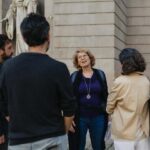
I especially like two things: the storytelling that connects eras, and the chance to see big landmarks plus quieter corners without having to plan every turn. In the same walk, you’ll pass places like Barcelona Cathedral and Placa Sant Felip Neri, plus details you might miss if you wander solo. Guides such as Mariah, Juan, Petra, and Sara have been praised for making the facts click with fun legends, clear pacing, and practical local recommendations.
One heads-up: it’s a lot of walking packed into 2 hours, and some of the streets around the Cathedral area can get tight. Bring comfortable shoes and expect short photo stops rather than long sit-down moments.
In This Review
- Key points to know before you go
- Starting at Escultura Barcino: the Roman layer beneath Gothic streets
- Els Quatre Gats: the Old Quarter’s creative undercurrent
- The Kiss of Freedom: a tiny stop with a big meaning
- Barcelona Cathedral in a short time window: what to look for
- La Casa de l’Ardiaca: the kind of detail you miss alone
- Bishop’s Bridge: a scenic shortcut to deeper context
- Placa Sant Felip Neri: the medieval calm between the crowds
- Plaça de l’Àngel: classic streets, sharp photo angles
- Finishing at Santa Maria del Mar: the Gothic finale that feels like air
- Two hours well spent: pace, walking rhythm, and group flow
- Price and value: why $25 can be a smart move in Barcelona
- Who this tour fits best (and who might want another style)
- Should you book this Gothic Quarter walking tour?
- FAQ
- How long is the tour?
- What is the price per person?
- Where do I meet the guide?
- What’s included in the tour price?
- Is food or drinks included?
- What language is the tour in?
- Is there a private option?
- Can I cancel or adjust my plan?
Key points to know before you go
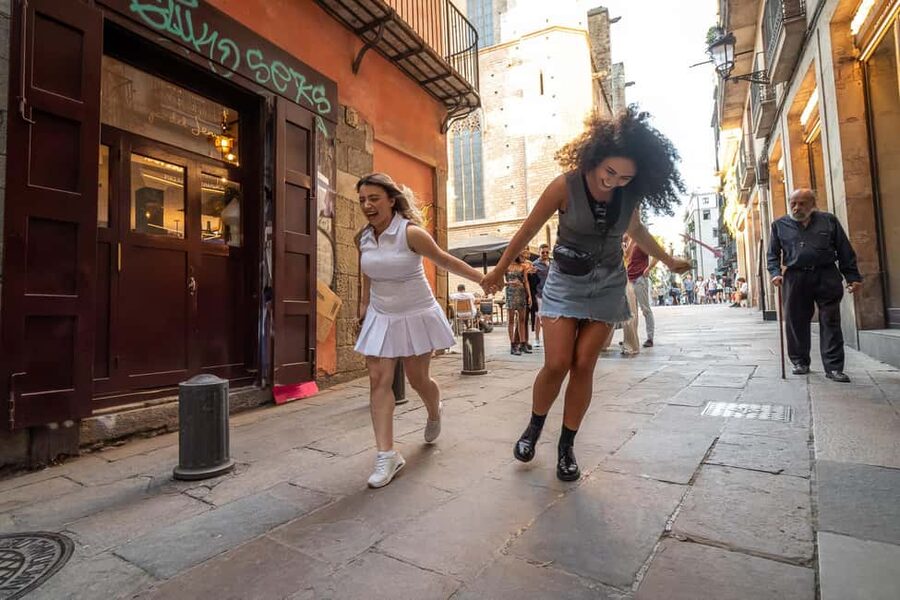
- 10+ stops in 2 hours: short, high-impact segments that still feel like a coherent narrative
- Roman-to-medieval-to-modern connections: Barcino roots lead into the Gothic Quarter’s peak period
- Big names plus small discoveries: Cathedral landmarks and lesser-noticed squares and bridge views
- Guides who keep you moving (and laughing): many tours are noted for clear, lively delivery
- A satisfying finish at Santa Maria del Mar: the walk ends with a strong Gothic finale
Starting at Escultura Barcino: the Roman layer beneath Gothic streets
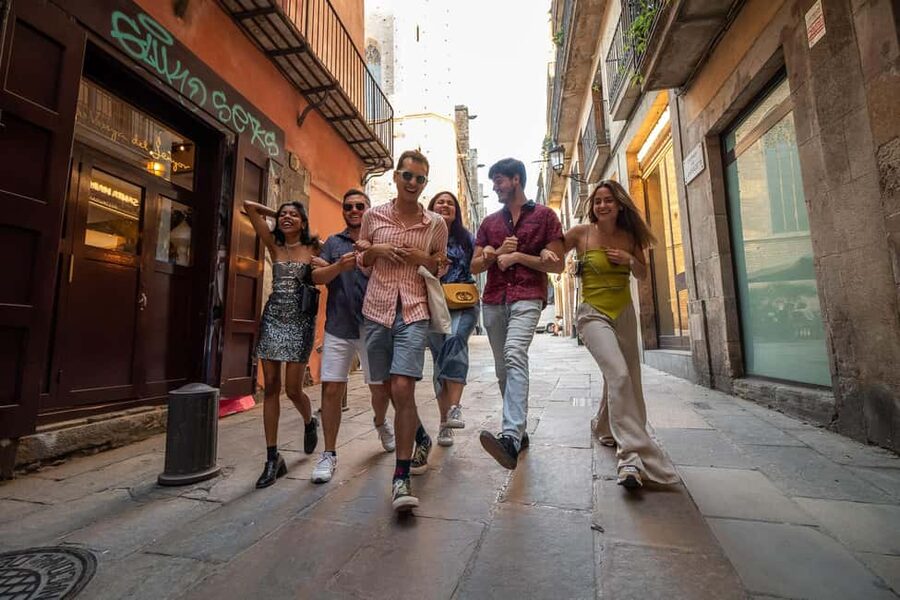
I love when a city tour starts with the oldest possible note, because it changes how you see everything that follows. The tour begins at Escultura Barcino, and from the get-go you’re tipped into the idea that today’s Gothic Quarter sits on top of Roman Barcelona.
Even if you don’t memorize dates, you’ll start recognizing how the street grid and locations make sense. Barcelona’s Old City didn’t spring up as a single style—it stacked centuries on top of each other. That’s the real value of a guided walk here: you don’t just look at buildings, you learn what their placement is telling you.
You can also read our reviews of more walking tours in Barcelona


Els Quatre Gats: the Old Quarter’s creative undercurrent
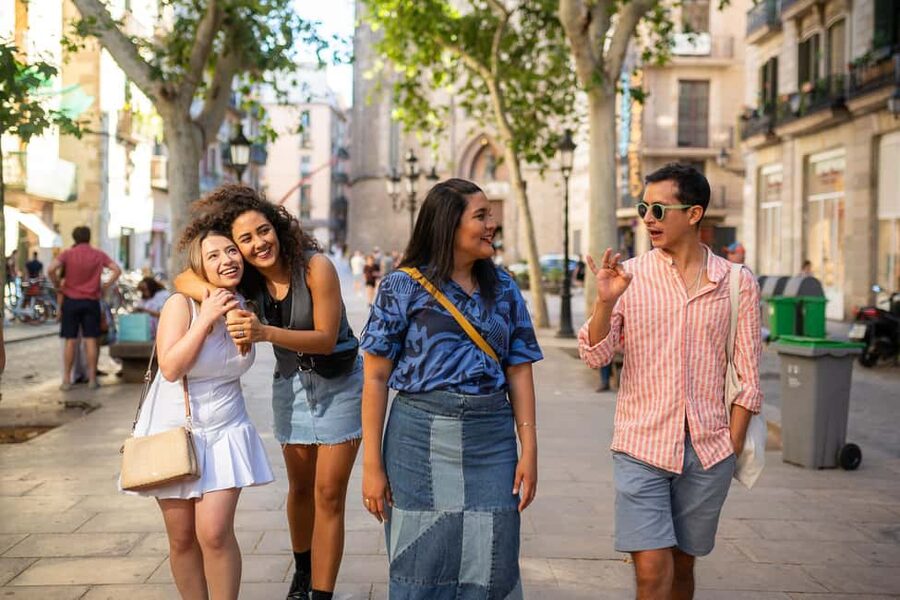
Next up is Els Quatre Gats, a name that feels almost like a stage set—small, storied, and tied to the city’s artistic energy. This stop works well early in the route because it shifts you from ancient infrastructure to the kinds of people and ideas that shaped later Barcelona.
In a short window, the guide typically frames why this place matters and what kind of atmosphere surrounds it. It’s the kind of stop that helps you understand Barcelona wasn’t only Gothic stone and medieval mystery; it also had modern thinkers threading their way through old streets.
The Kiss of Freedom: a tiny stop with a big meaning

Then comes The Kiss of Freedom, one of those spots you might walk right past without a prompt. With a guide, you get the point: it’s a marker that helps explain local memory—how Barcelona commemorates identity, politics, or turning points through public symbols.
Why this matters for you: the Gothic Quarter can feel like it’s all about architecture. Stops like this add human context. You start looking for stories embedded in small details—signs of when the city chose to remember something.
Barcelona Cathedral in a short time window: what to look for
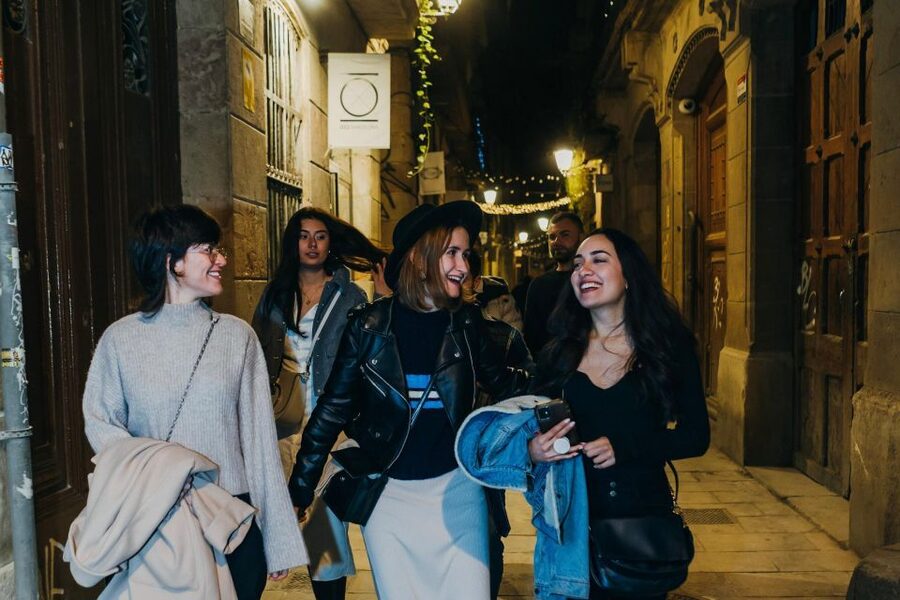
When the tour hits Barcelona Cathedral, it’s a classic “wow” moment—but the best part is what you do with that wow. A good guide doesn’t just point at the building; they help you see why it looks the way it does and how it fits the surrounding medieval rhythm.
Expect a quick, focused look. You won’t get a full architectural lecture, but you’ll likely learn the key facts that let you keep your bearings. This is where having a guide pays off even more than at major sights, because the Cathedral area can feel like a maze if you’re trying to make sense of it on your own.
Tip for your comfort: wear shoes that can handle uneven pavement. You’ll be stopping, turning, and angling for photos, and the ground in the Old City isn’t always forgiving.
La Casa de l’Ardiaca: the kind of detail you miss alone
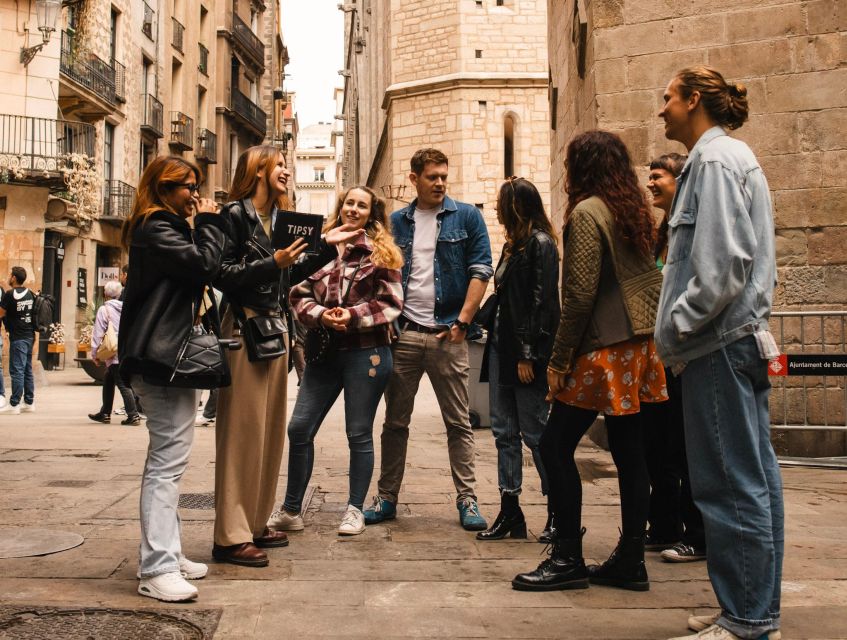
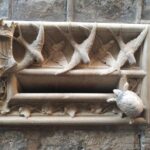
Next is La Casa de l’Ardiaca, a stop that’s perfect for people who like the “how did they build this?” side of travel. It’s the kind of place that rewards attention. Even when you only spend about 10 minutes, you can walk away knowing what to notice next time you pass it.
This stop also balances the route. After a massive landmark like the Cathedral, it’s refreshing to get something that feels more personal—more like you’re peeking into the city’s everyday medieval life. If you enjoy small windows, stonework, and the logic of architectural style, you’ll feel satisfied here.

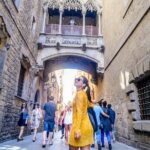


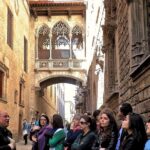
Bishop’s Bridge: a scenic shortcut to deeper context
Then you get Bishop’s Bridge, which sounds simple but is often a turning point in your mental map of the area. The guide usually uses this spot to connect the layout of the Quarter with the way people moved through it—where views opened up, where passage felt more protected, and how institutions influenced the city’s shape.
This is one of those moments where the tour can feel almost cinematic. You’re outside in an atmospheric street scene, but the guide is making sense of it like it’s a timeline.
Placa Sant Felip Neri: the medieval calm between the crowds
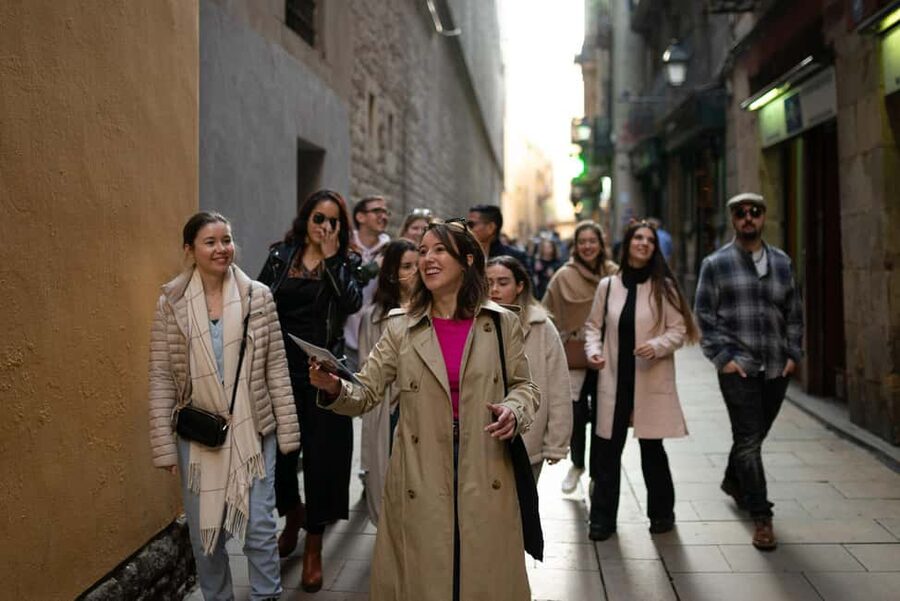
Placa Sant Felip Neri is one of those places where the tone shifts. Even if you’re still surrounded by visitors, it feels like a pause in the story. This is where you start noticing the mood of the Gothic Quarter: stone, shadows, and the sense that the city was designed for slow wandering.
Guides often use this stop to bring in legends and darker anecdotes—exactly the kind of storytelling that keeps the tour from being a checklist. Sara, for instance, has been praised for leaning into the darker side of Barcelona’s past without turning it into gloom for gloom’s sake.
If you like atmosphere, this stop is for you. If you’re rushing through Barcelona to tick boxes, you might want to slow down here, even briefly.
Plaça de l’Àngel: classic streets, sharp photo angles
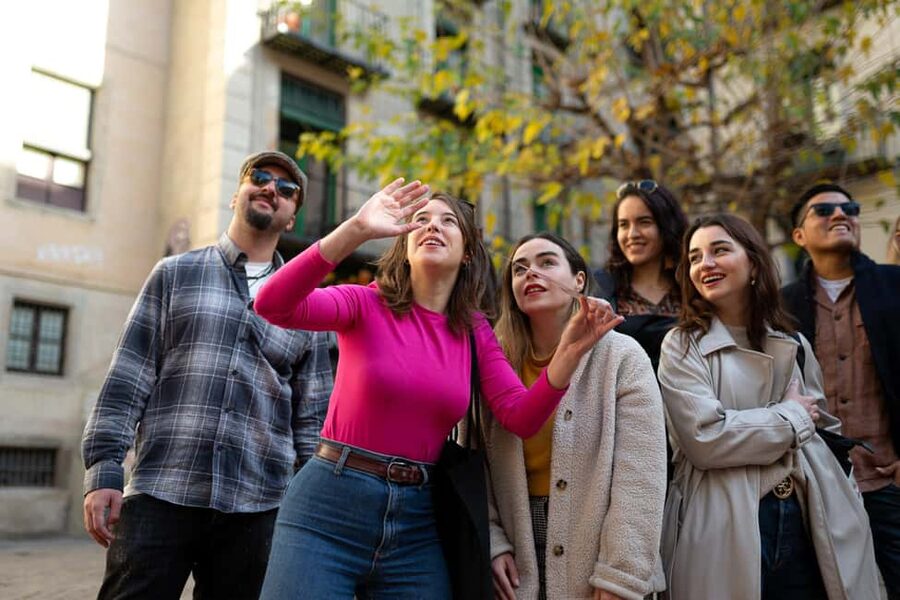
Then the tour moves to Plaça de l’Àngel, a lively square area that works as a visual reset. This is a good moment to re-center your photos because you’re going from very “close-up” street detail to a broader sense of how the Quarter opens and directs you.
The guide usually ties it back to the Gothic Quarter’s narrative—how streets and squares connect people, commerce, and public life. It’s also a strong place for quick orientation: after this stop, you’ll understand where you are in the bigger pattern of the old city.
Practical note: squares can bottleneck when tour groups cluster. If you’re sensitive to crowds, bring patience. Several guides have been specifically praised for adapting when areas get packed.
Finishing at Santa Maria del Mar: the Gothic finale that feels like air
The walk ends at Basílica de Santa Maria del Mar, and that matters more than it sounds. This church doesn’t just close the tour with a big building; it gives you a satisfying landing point where Gothic architecture feels composed and confident.
For many people, it’s the first time the Quarter feels complete. You’ve moved through Roman roots, medieval symbols, and narrow streets. Now you get a finale that ties the vibe together—church grandeur, neighborhood character, and a sense of place that lingers.
If you’re the type who likes to end a sightseeing block somewhere you could happily linger, this finish is a good match. You’ll naturally want a few extra minutes for photos and a final look at the details.
Two hours well spent: pace, walking rhythm, and group flow
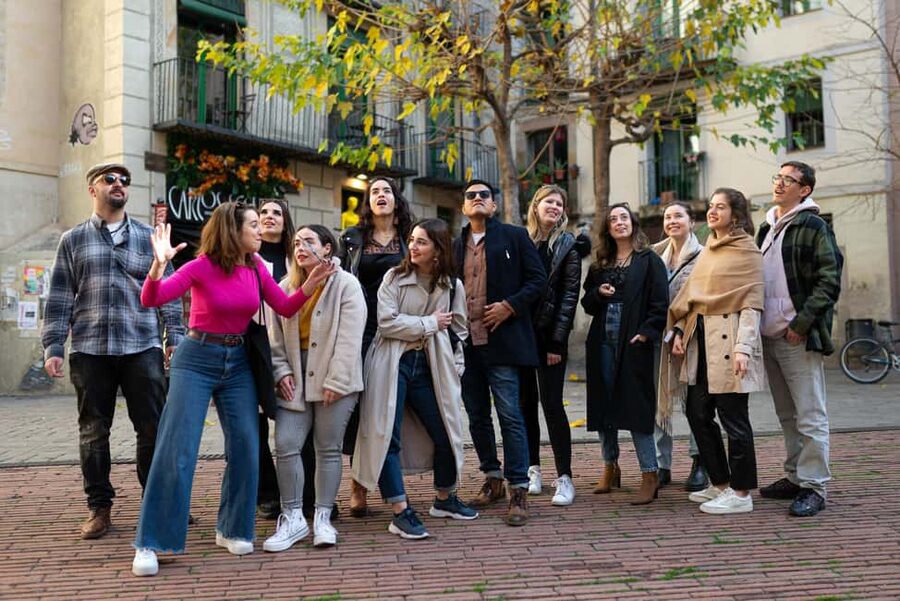
A 2-hour tour isn’t long, but it’s long enough to feel like you did something meaningful. The structure is typically built around short guided moments—about 10 minutes at each key stop—so you keep moving but still get context.
The best part is what that does for your memory. After a tour like this, you don’t just remember buildings; you remember how the story traveled. Guides such as Lydia have been praised for adapting in crowded areas, and others like Juan and Petra have been noted for clear, easy-to-follow explanations that keep the walk from turning into noise.
What you should do before you start:
- Wear comfortable shoes (you’ll be walking the whole time).
- Bring a camera, but also bring your attention.
- Expect the pace to be “steady and story-driven,” not “sit and linger.”
Also, know that Barcelona’s Old City is weather-sensitive and pavement-heavy. If it’s hot or rainy, your comfort matters even more. Dress accordingly.
Price and value: why $25 can be a smart move in Barcelona
At about $25 per person for a 2-hour walking tour with a live local guide, the value here is the time compression. Barcelona is packed with sites, but without context, you can burn hours chasing landmarks that don’t connect.
This tour gives you:
- 10+ attractions in a tight route
- A guide who ties locations to changing eras, from Roman Barcino through medieval Barcelona
- Stops that include both major sights (like the Cathedral) and smaller pieces of the Quarter’s atmosphere
If you’re visiting for a short time, a tour like this is one of the best ways to get your bearings fast. Even if you’re near the end of your trip, it can still be worth it because it helps you make sense of what you already saw—or what you’ll see later.
You’ll also save yourself the frustration of figuring out which side streets are meaningful. Instead of Googling between stops, you get a coherent route and a reason to care at each stop.
One thing to keep in mind: the tour doesn’t include food or drinks. That’s not a dealbreaker; it just means you should plan a meal separately, ideally with the recommendations your guide might share during the walk.
Who this tour fits best (and who might want another style)
This is a strong pick if you:
- Want history with momentum instead of museum time
- Enjoy walking and want a guided route through the Gothic Quarter
- Like legends and storytelling alongside architectural sights
- Need an efficient orientation tool early in your trip—or a smart catch-up on your way out
It may be less ideal if you:
- Prefer long, slow visits inside buildings
- Want a food-centered experience (this tour doesn’t include food)
- Don’t like dense areas or prefer fully independent pacing without group dynamics
Should you book this Gothic Quarter walking tour?
Yes—if you want the Gothic Quarter to make sense fast, this is one of the best ways to do it. The 2-hour format keeps things energetic, and the route’s mix of Roman roots, Gothic landmarks, and atmospheric squares makes the whole experience feel connected rather than random.
If you’re okay with walking and quick stops, you’ll get real value. Just plan comfy shoes and a separate meal afterward, and you’ll end with a stronger sense of Barcelona than you started with.
FAQ
How long is the tour?
The tour runs for 2 hours.
What is the price per person?
The price is $25 per person.
Where do I meet the guide?
Meet at Plaça del Vuit de Març, inside the park near Balmesiana Biblioteca Balmes and the Roman Aqueduct remains, next to the white van. Look for the yellow Carpe Diem Tours flag and arrive 10 minutes early.
What’s included in the tour price?
Included are a guided walking tour, a local tour guide, city highlights, and stops featuring hidden discoveries.
Is food or drinks included?
No. Food and drinks are not included.
What language is the tour in?
The live tour guide speaks English.
Is there a private option?
Yes. A private group option is available.
Can I cancel or adjust my plan?
You have free cancellation up to 24 hours in advance for a full refund, and there’s also a reserve now & pay later option to keep plans flexible.