REVIEW · VENICE
Venice: Must-See Attractions Walking Tour
Book on GetYourGuide →Operated by Guydeez Tours · Bookable on GetYourGuide
Venice can feel like a maze. This private highlights walk helps you turn the confusion into a smart route through the city’s best sights. I especially liked the customizable itinerary, so the walk can lean toward architecture, local history, or Renaissance art. One thing to keep in mind: with only 3 hours, you’ll cover a lot on foot, so comfortable shoes are not optional.
Starting at Campo San Luca, the tour threads its way through the Rialto area, major churches, and quieter corners like Cannaregio. You’ll also get a properly local angle from your guide, and they’ll help you line up tickets when needed. If you’re hoping for long sits inside every church, this isn’t built for that pace—but it’s excellent for getting your bearings fast.
In This Review
- Quick hits I’d plan around
- Starting at Campo San Luca: how this 3-hour plan actually works
- Rialto Bridge and Mercato di Rialto: the Venice spotlight, explained
- Basilica dei Frari: a big church stop that’s worth the time
- Campo San Bortolomio and Madonna dell’Orto: quieter Venice, sharper stories
- Cannaregio and Teatro La Fenice: culture that feels lived-in
- Palazzo Contarini del Bovolo: a staircase you’ll remember
- Santa Maria della Salute, Ponte dell’Accademia, and San Zaccaria: finish with classic views
- Your guide is the real upgrade (and the reviews offer clues)
- Price and value: what $41 per person is really buying
- What to bring and how to make the walk comfortable
- Should you book this Venice highlights walking tour?
- FAQ
- Where does the tour start?
- How long is the Venice walking tour?
- Is the tour private?
- Can the itinerary be tailored to my interests?
- Which major sights are included?
- What languages are the guides available in?
- Is food and drink included?
- Does the guide help with booking tickets?
- Is the tour wheelchair accessible?
- What should I bring, and what’s the cancellation policy?
Quick hits I’d plan around
- Private guide, tailored route depending on what you want most
- Rialto Bridge + Mercato di Rialto for Venice’s most photographed street-level scenes
- Basilica dei Frari and Madonna dell’Orto for art and atmosphere beyond the postcard view
- Cannaregio and Teatro La Fenice for the city’s cultural rhythm
- Ponte dell’Accademia and San Zaccaria for classic viewpoints and calmer views before you finish
Starting at Campo San Luca: how this 3-hour plan actually works
This tour starts at Campo San Luca, 4473. That matters because you’re in the historic center right away, with easy access to the core sights without spending precious time in transit. The walking pace is the real “secret sauce” here: your guide keeps the group moving, but not so fast that you miss details.
Because it’s private, you’re not stuck with a fixed script. If you care more about church art than bridge photos, the route can bend to match you. If you’d rather spend a few extra minutes on a view or a façade, that’s the kind of adjustment you can ask for.
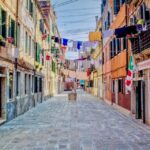
And yes, Venice is still Venice. Narrow streets, footbridges, and turns you didn’t expect are part of the deal. The value of having a guide is that you don’t waste time guessing your way toward the next good moment.
You can also read our reviews of more walking tours in Venice

Rialto Bridge and Mercato di Rialto: the Venice spotlight, explained

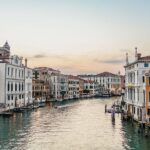
You’ll cross or pass through the area around Rialto Bridge, then head toward Mercato di Rialto (the fish market area). This is the section of Venice people imagine before they arrive: water nearby, busy edges, and that instantly recognizable scale of the Grand Canal world.
What I like about including this early is that it sets the tone. You see why Rialto matters—not just as a view, but as a practical hub that shaped how Venice worked. A good guide will point out the “why” behind what you’re looking at, like how the market culture shaped daily life around the canal.
One practical note: Rialto can be crowded at certain times of day. Since the tour is private, your guide can often position you for the best sightlines and keep the walk efficient. Still, bring patience. Venice’s most famous locations tend to come with foot traffic.
Basilica dei Frari: a big church stop that’s worth the time
Next up is Basilica dei Frari. This is one of those Venice sights where the building does more than impress your eyes—it helps you understand the city’s art and religious life. A guided stop here is especially useful because churches can feel like “painted walls” if you don’t know what to look for.
The benefit of a guided visit is context. Your guide can help you connect what you see to the broader story of Venice. That makes it easier to remember what mattered, and why certain details were included. If your interest leans toward architecture or Renaissance-era art, this is a strong anchor point in the walk.
The only drawback is timing. Since you only have a few hours total, you’ll get highlights rather than a slow, museum-style visit. If you want to linger long inside, you may want to plan a return visit later.
Campo San Bortolomio and Madonna dell’Orto: quieter Venice, sharper stories

From there, the tour moves into Campo San Bortolomio and Madonna dell’Orto. This is where the experience feels more like Venice as locals experience it—smaller spaces, calmer corners, and a shift away from the most obvious tourist magnets.
Madonna dell’Orto is a meaningful stop if you want something more grounded and less glossy than the big-name sights. Your guide can explain why this kind of neighborhood church deserves attention, and how it fits into Venice’s broader identity. These are the moments that often stick with people after the photos fade: the smell of old stone, the scale of the streets, and the sense that the city keeps working even while you’re visiting.
One consideration: these areas are still in the public realm, so you’ll be walking and pausing where you can. If you dislike tight crowd conditions, try to choose a time of day when you’re comfortable with some foot traffic.
Cannaregio and Teatro La Fenice: culture that feels lived-in
Then you’ll reach Cannaregio, a district that helps Venice feel less like a theme park. It’s a good place to walk because you can pick up how the city’s geography creates neighborhood rhythms. Expect street-level Venice: turns that change your view every few steps, local-facing spaces, and a vibe that’s more everyday than ceremonial.
From Cannaregio, the route includes Teatro La Fenice. Even if you don’t go inside, seeing it as part of your route helps you understand Venice beyond canals and churches. It’s a reminder that the city’s identity includes performance, music, and public life—not only the things you can photograph from across the water.
If you love art history, this pairing works well. Churches give you one kind of cultural depth; a major theater gives you another kind. You start seeing Venice as a place where culture was always part of the civic fabric.
Palazzo Contarini del Bovolo: a staircase you’ll remember
A standout architectural stop on the route is Palazzo Contarini del Bovolo. The reason this part is so satisfying is simple: it’s visual and it’s different. Instead of another straight-ahead view, you get something playful and distinctive that makes you stop, look up, and realize you’re in a city of clever design.
This is the kind of sight where a guide can help you see the details you’d otherwise miss. If you’re the kind of traveler who likes façades, staircases, and “how did they think of that?” architecture, this stop usually delivers.
Keep your phone/camera ready, but also keep your feet steady. Venice sidewalks and steps are not always uniform, and you’ll be stopping frequently.
Santa Maria della Salute, Ponte dell’Accademia, and San Zaccaria: finish with classic views
The final stretch leans into some of Venice’s most recognizable silhouettes and viewpoints.
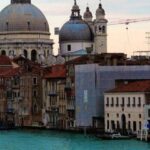
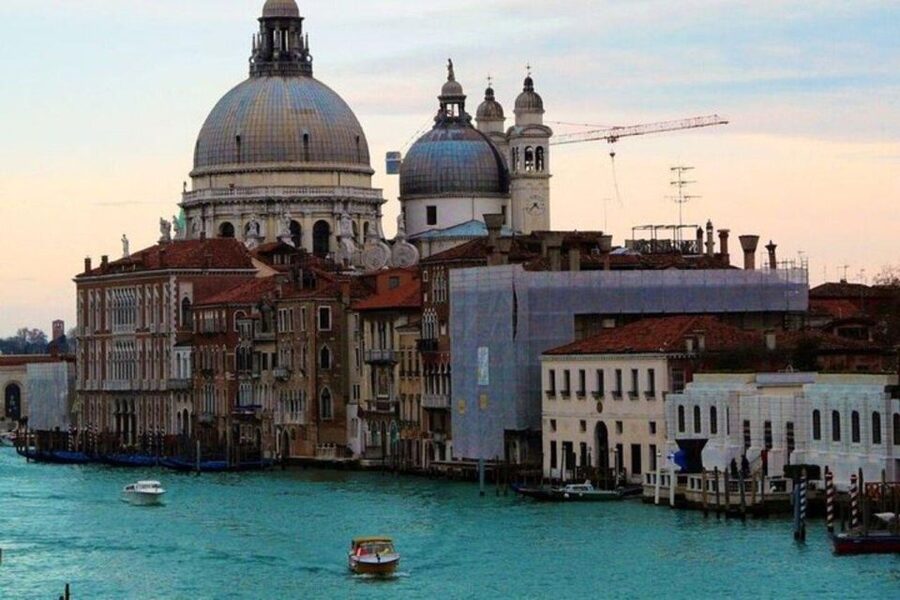
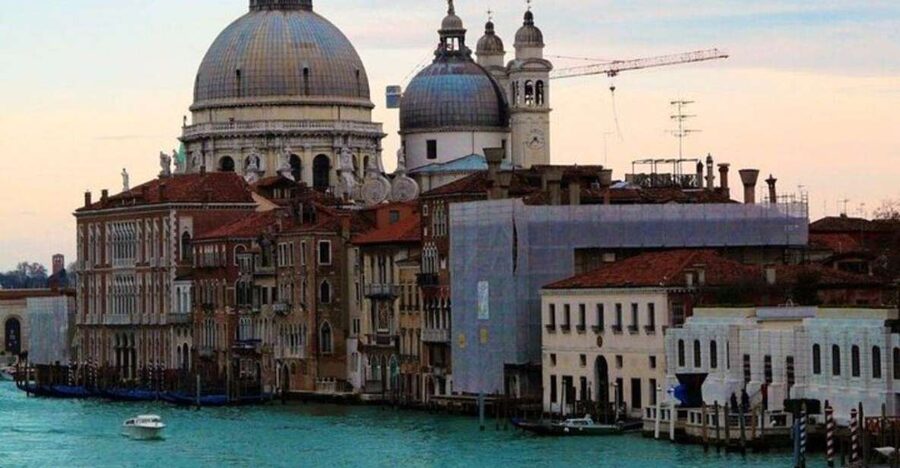
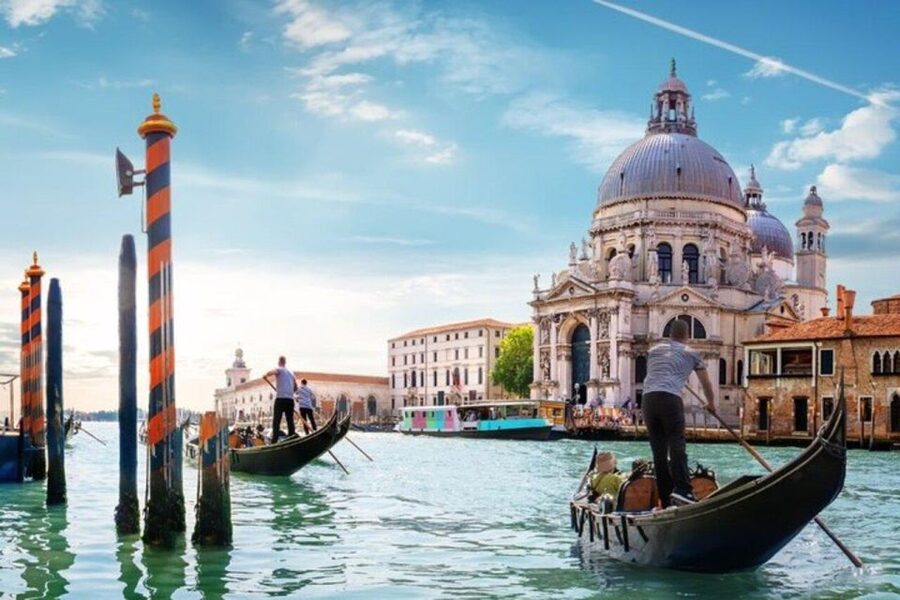
You’ll visit Santa Maria della Salute, a church that looks like it has been there forever—because in Venice, it kind of has. This stop gives you a sense of scale and a strong architectural anchor before you move toward the quieter end of the route.
Next is Ponte dell’Accademia, a bridge viewpoint that helps you understand how Venice’s waterways shape what you can see and where you feel “open” versus “tight.” It’s a good transition moment: you go from landmark architecture into water-and-bridge perspectives.
Finally, San Zaccaria brings the walk home with a calmer, more reflective feel. This end part is a smart choice because it doesn’t just pile on more crowds. It helps you wrap your head around the city while your energy is still decent.
Your tour returns to Campo San Luca, 4473, so you’re not ending lost in the wrong direction.
Your guide is the real upgrade (and the reviews offer clues)
A big reason this tour earns strong marks is the guide style. People describe guides like Cecelia as enthusiastic and full of information, Sneh as thorough and friendly, and Farid as patient with great storytelling. Others highlight Nazarena for tailoring the tour and even helping with photos, while Fredo and Karen get praised for personality, English clarity, and pacing that doesn’t feel rushed.
You don’t need the exact guide name to benefit from the format. The point is that the best version of this tour is not just “watch me point.” It’s “talk me through what I’m seeing.” That changes how you experience every stop, especially the churches and architecture.
Also, your guide helps with the small stuff that matters in Venice: ticket booking support for attractions, and route decisions that keep you from wasting time.
Price and value: what $41 per person is really buying
At $41 per person for 3 hours, you’re paying for three things: a private guide, a route that hits major highlights, and help coordinating tickets when needed. That’s a good deal compared to trying to DIY this quickly, especially if you don’t already know your way around Venice’s church art and neighborhood layout.
What’s not included is food and drinks, even though the tour includes a stop at a traditional Venetian bar for wine and appetizers. So think of it like this: the tour sets up the moment, but you’ll pay for what you choose to order.
Is it worth it? If it’s your first time in Venice or you want a high-quality “orientation tour,” yes. If you’re already a Venice pro with a museum schedule and specific ticket targets, you might prefer a self-guided plan. But for most people, the guide-driven pacing and focus deliver better value than wandering at random.
What to bring and how to make the walk comfortable
The one clear must-do is simple: wear comfortable shoes. Venice is famous for beauty, but it’s also famous for uneven stones, shallow steps, and sudden changes in street footing.
Also, bring a layer. Morning and evening can feel different near the water, and churches keep interiors cooler. Pack light so you can move easily during frequent stops.
If you’re doing this in warmer months, expect the walking to feel warmer than you planned. The 3-hour length sounds short until you’re on stone and bridges with no real “escape” from the sun.
Should you book this Venice highlights walking tour?
I’d book it if:
- You want a private Venice overview that’s fast but not sloppy.
- You care about history or art, not only scenery.
- You want someone to help you pick priorities and keep the walk organized.
- You’d like a bar stop that ends the experience in a relaxed way.
I wouldn’t prioritize it if:
- You want a slow, museum-style pace with long indoor time.
- You already have a tight plan with specific timed reservations and don’t need help building a route.
If you’re arriving in Venice and feeling that first-day fog, this tour helps clear it quickly. You’ll leave with a mental map, a few standout architectural moments, and the kind of context that makes the rest of your trip easier and more satisfying.
FAQ
Where does the tour start?
It starts at Campo S. Luca, 4473.
How long is the Venice walking tour?
The tour lasts 3 hours.
Is the tour private?
Yes. It’s a private guided walking tour, with private group availability.
Can the itinerary be tailored to my interests?
Yes. The itinerary can be tailored based on what you want to focus on, such as architecture, local history, or Renaissance art.
Which major sights are included?
The tour includes stops at Rialto Bridge, Mercato di Rialto, Basilica dei Frari, Campo San Bortolomio, Madonna dell’Orto, Cannaregio, Teatro La Fenice, Palazzo Contarini del Bovolo, Santa Maria della Salute, Ponte dell’Accademia, and San Zaccaria.
What languages are the guides available in?
Guides are available in French, Spanish, Italian, and English.
Is food and drink included?
Food and drinks are not included. The tour does include a stop at a traditional Venetian bar for wine and appetizers, but you’ll need to pay for what you order.
Does the guide help with booking tickets?
Yes. The activity provider helps with booking tickets for attractions.
Is the tour wheelchair accessible?
Yes, it’s listed as wheelchair accessible.
What should I bring, and what’s the cancellation policy?
Wear comfortable shoes. Free cancellation is available up to 24 hours in advance for a full refund.