REVIEW · NEW ORLEANS
The Premier New Orleans Food Tour
Book on Viator →Operated by The Premier New Orleans Food Tour · Bookable on Viator
A French Quarter bite tour that makes sense. You’ll walk historic Decatur St with a licensed guide and learn how Creole and Cajun dishes became New Orleans staples. I like that this runs with small groups, and guides like Naïf and Heidi bring the food history into plain, food-first talk, not museum voice.
What I like most: you get multiple classic dishes in a tight route, so you’re not hunting for the right order or the right restaurant. The other big win is the practical guidance for what to eat next, plus clear explanations of why Cajun food is often one-pot cooking and served with rice.
One thing to weigh: on busy days, the pace can stretch. Some groups have mentioned extra waiting and a heavier-feeling schedule of sit-down stops plus a boxed praline pickup, especially when restaurants are crowded.
In This Review
- Key Things to Know Before You Go
- Where This Tour Starts (and Why Decatur St Works)
- The 3-Hour Plan: What You’ll Eat and How It Flows
- Gumbo and crawfish étouffée starters
- Red beans and rice
- Jambalaya and the muffuletta stop
- Po’boy and another étouffée-style option
- Pecan praline for dessert
- Creole vs Cajun: Why the Guide’s Explanations Matter
- Tour Stops and the Places You’ll End Up Remembering
- Pace, Portion Size, and the Real World of French Quarter Crowds
- How the Value Adds Up at $81
- Who This Tour Fits Best (and Who Might Want to Skip It)
- Practical Tips to Get the Most Out of It
- Should You Book the Premier New Orleans Food Tour?
- FAQ
- What is the duration of The Premier New Orleans Food Tour?
- When and where does the tour start and end?
- How many people are in the group?
- What food is included in the tour price?
- Are alcoholic drinks included?
- Can you accommodate dietary restrictions?
- Does the tour run in bad weather?
- Is the tour offered in English?
- Is the walking difficult?
Key Things to Know Before You Go
- Small group size (max 12) means easier questions and a calmer walk through the French Quarter.
- Creole vs Cajun talk gives you a simple way to read the menu once you’re back on your own.
- Real New Orleans classics show up across the route: gumbo, étouffée, red beans and rice, jambalaya, muffuletta, po’boys.
- Dessert is not optional: you end with pecan praline.
- Short-block walking on Decatur St keeps it manageable, but you still need comfortable shoes and plan for rain.
- Alcohol is extra: drinks aren’t included, though you can buy them along the way.
Where This Tour Starts (and Why Decatur St Works)
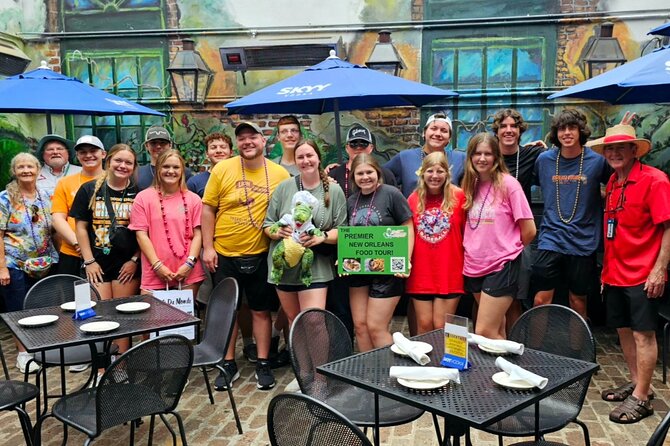
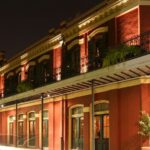
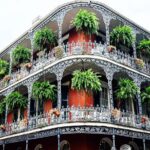
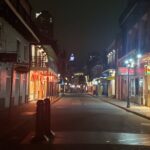
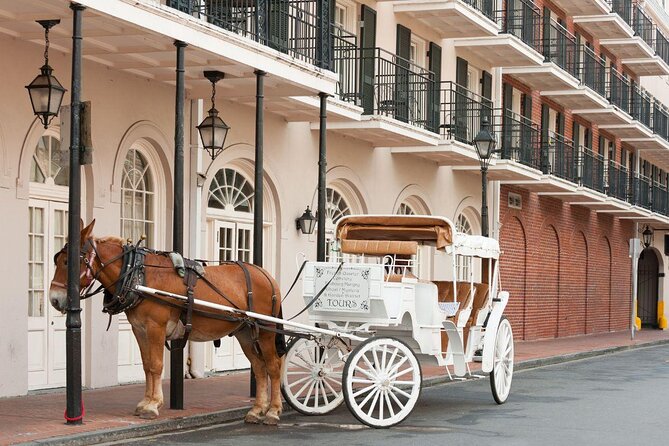
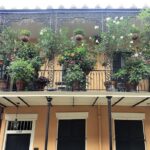
The Premier New Orleans Food Tour is built around the French Quarter’s most walkable zone: Decatur St. You meet at Market Cafe, 1000 Decatur St and end at Tujague’s, 429 Decatur St, starting at 1:00 pm. The route is designed so the blocks are short and the transitions don’t feel like a long slog.
This matters because New Orleans can be a sweatbox in warm months and a slick mess in rainy ones. The tour runs rain or shine, and the company only cancels if severe weather hits. Either way, you should show up prepared. I strongly suggest comfortable shoes and an umbrella you’ll actually use, not one that lives in your bag.
You’ll also appreciate the mobile ticket setup. Less time digging around for paperwork, more time doing the important part: eating and asking questions while you have a guide next to you.
You can also read our reviews of more food & drink experiences in New Orleans
The 3-Hour Plan: What You’ll Eat and How It Flows
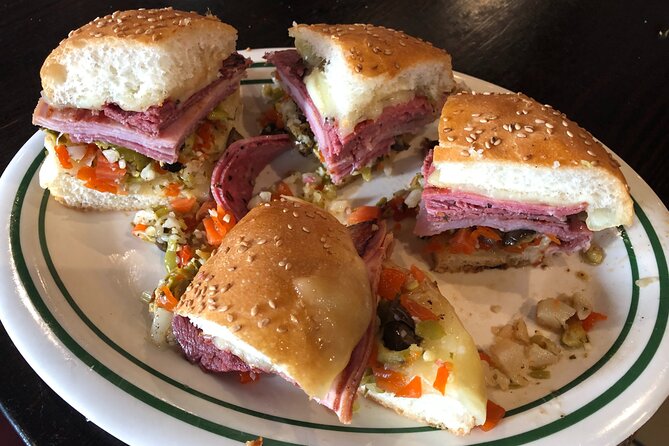
The tour lasts about 3 hours and is paced for a relaxed group. The menu is a sample, so the exact order can shift, but the food list is consistent: you’ll taste classic Creole and Cajun dishes and end with something sweet.
Here’s what to expect from the food side, dish by dish:
Gumbo and crawfish étouffée starters
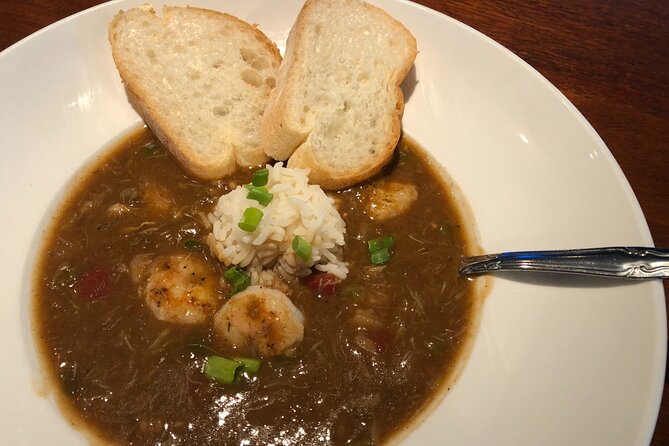
You’ll start with gumbo, then likely follow with another signature Louisiana bowl such as crawfish étouffée. Gumbo and étouffée are both comfort-food anchors in New Orleans, but they taste like different moods. That helps you understand what people mean when they say Louisiana cooking is about technique, not just ingredients.
If you’re trying to decode menus later, this is the moment your brain starts sorting flavors into categories. Is it spicy and thick like a gumbo-style stew? Or rich and saucy like an étouffée? Either way, you’ll get a firsthand baseline.
Red beans and rice
Next up is a New Orleans favorite: red beans and rice. Even if you think you already know what that means, the tour version is a good reality check. You’ll taste how the beans and seasoning show up as something deeper than a simple plate.
This is also where the guide’s Creole vs Cajun explanations start to click. You’ll hear why Cajun cooking often leans on one-pot methods, with rice as the steady companion.
Jambalaya and the muffuletta stop
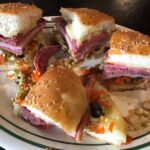
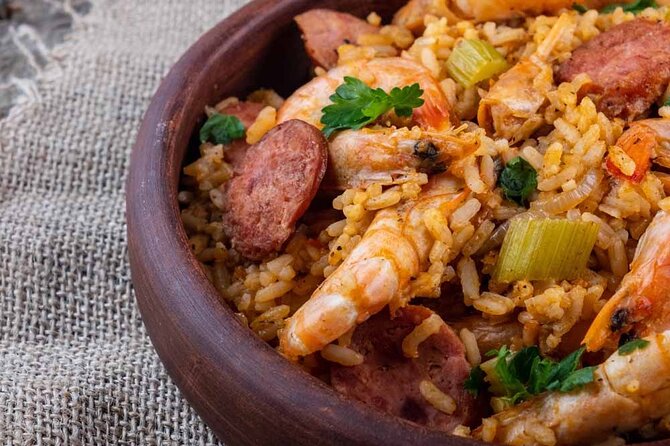
Then comes jambalaya, a dish people order when they want big flavor and big satisfaction in one go. After that, you’ll hit the heavily Sicilian-influenced muffuletta. The muffuletta is one of those sandwiches that feels like a city in portable form: layered, deeply seasoned, and built for the slow, happy bite.
If you’re the type who wants to taste what makes New Orleans different from nearby states, this sandwich is a key checkpoint.




Po’boy and another étouffée-style option
You’ll also taste a po’boy sandwich, another classic that locals treat as a go-to when they want something casual but not boring.
Later, you’ll likely get either a seafood étouffée or a classic étouffée. That repetition sounds small on paper, but it’s smart for your palate. You’ll learn how the base cooking approach can show up with different seafood choices and seasoning intensity.
Pecan praline for dessert
Finally: pecan praline. This is where you finish the loop. Salty, rich, spicy, saucy, then sweet. It’s the kind of end-stop that makes the rest of the tour feel even more complete.
One helpful detail for timing: on at least some versions of the route, there’s a praline pickup tied to a boxed version. On very crowded afternoons, that extra step can add waiting time, so just plan your expectations for a smooth, sit-down-free walk.
Creole vs Cajun: Why the Guide’s Explanations Matter
Many food tours list dishes. This one tries to teach you how to read them.
The standout angle is the difference between Creole and Cajun cooking. You’ll hear these terms explained in plain terms while you’re standing in the neighborhoods where the food culture developed. For example, one clear point you’ll get is that Cajun food is commonly known for one-pot cooking and is often served with rice.
That might sound like trivia, but it’s actually useful. When you’re back in a restaurant without a guide, you’ll recognize patterns:
- If something reads like one-pot comfort, you’ll know why it’s paired with rice.
- If you’re choosing between styles of gumbo or étouffée, you’ll know what direction you’re heading taste-wise.
Guides like Naïf and Heidi are especially praised for being friendly and full of stories that connect food to the city. Some other guides also come up in reviews, like Larry, Bryon/Brion, and Elizabeth, so the experience can vary by personality, but the food-history framework is the same.
Tour Stops and the Places You’ll End Up Remembering
You’ll definitely start at Market Cafe and finish at Tujague’s. Those are anchors on the route, and they help the whole thing feel like a real French Quarter day rather than a string of random tastings.
Along the way, you’ll visit historic restaurants tied to the classics you’re sampling. Some dishes are specifically linked to well-known spots. For instance:
- Crawfish étouffée has been associated with Pierre Maspero’s on at least one tour version.
- Praline pickup has been described as happening with Aunt Sally’s for a boxed praline.
Even if your exact stop order changes, the big value is that you’re eating at recognizable local-style restaurants, not chasing the tourist-food version of New Orleans.
Pace, Portion Size, and the Real World of French Quarter Crowds
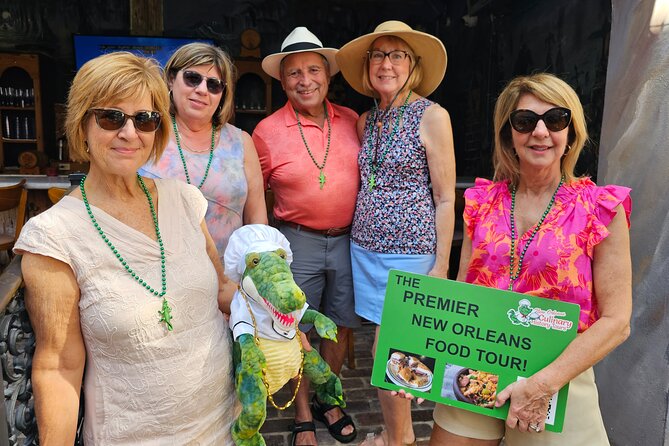
The tour is designed for a relaxed pace with short walks and small group attention. In practice, French Quarter crowds can still steer your timing.
Here’s what I’d watch for:
- The tour includes multiple tastings and can feel like a full afternoon of food. If you’re someone who prefers lighter bites, go easy on second helpings, even if everything smells incredible.
- Sit-down stops and any boxed praline pickup can create waiting time when restaurants are packed.
Most of the time, it sounds like the walk segments are calm and you can ask questions without being rushed. But if you travel during a major holiday weekend or peak events, expect the French Quarter to be extra busy. The tour runs rain or shine, but it doesn’t run in a bubble.
A practical move: eat at a comfortable speed, then ask your guide for recommendations for a lighter dinner after the tour. The tastings are meant to fill you up, and you’ll be glad you planned ahead.
How the Value Adds Up at $81
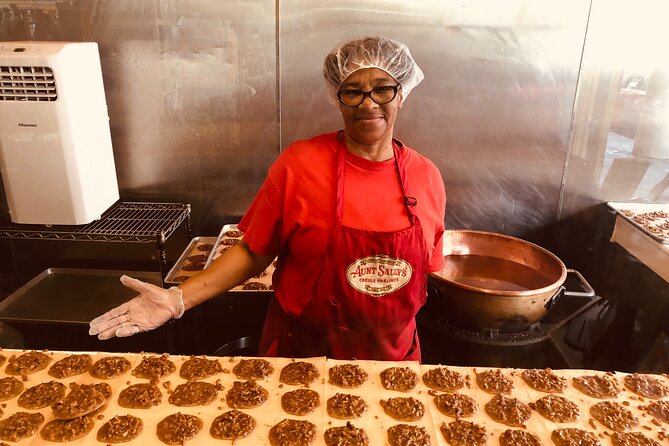
At $81 per person, you’re paying for three things at once:
1) access to multiple well-chosen restaurants
2) a licensed guide who connects dishes to the city
3) all food samplings (not just one appetizer)
Most restaurant meals in the French Quarter add up fast once you start ordering drinks and sides. Here, the food is the product. Alcohol is extra, so you can keep your spending predictable by sticking to water or paying for a drink only if you truly want it.
Also, the price includes a small-group experience with max 12 travelers, which is part of why the tour can feel personal instead of like a loud walking line.
If you love eating but don’t want to spend time planning where to start, this is strong value. If you only want one or two signature dishes, the tour might feel like more food than you need.
Who This Tour Fits Best (and Who Might Want to Skip It)
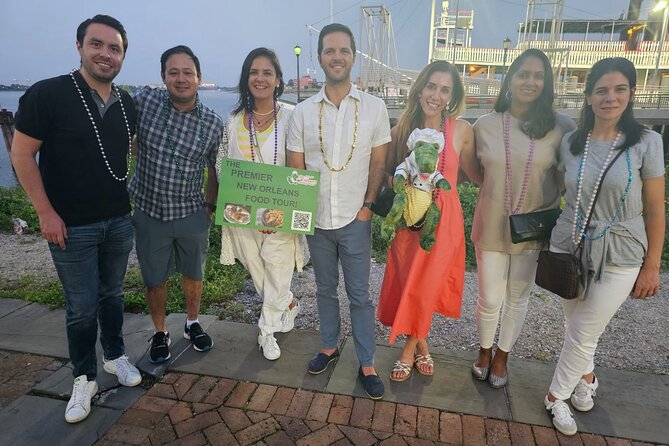
This tour is a great match if you’re:
- visiting for the first time and want a quick way to understand New Orleans cuisine
- a food-and-history type who likes learning while you eat
- traveling with a friend or partner and want an organized afternoon
It’s also a good option for families as long as kids can handle walking and a full tasting schedule. The walking is described as moderate, and the blocks are short in the French Quarter.
You might reconsider if you:
- dislike heavy schedules and want strictly light bites
- are sensitive to slowdowns caused by crowded restaurants
- need a very quiet, minimal-talk experience (guides can have different styles, and some commentary may go beyond the food at times)
Practical Tips to Get the Most Out of It
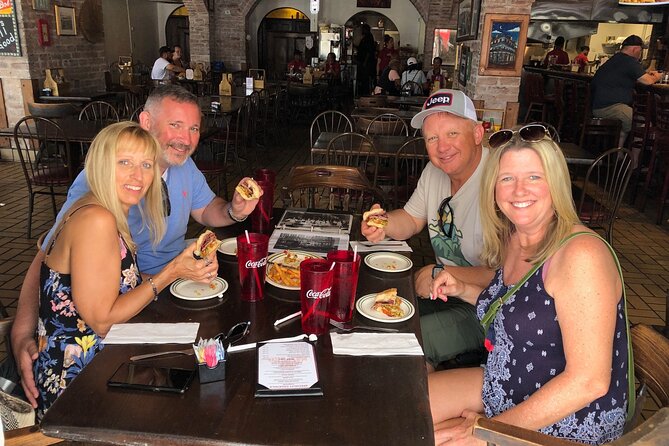
A few small moves help a lot:
- Wear comfortable shoes. You’ll be walking between classic stops.
- Bring an umbrella for rain, since the tour runs in wet weather.
- Go in hungry. The tastings can be plentiful, and many people say you’ll want a real appetite for it.
- If you have dietary restrictions, you can add them during checkout in the special requirements field. Do it early so the team has time to adjust.
- Plan your dinner to be lighter. Once you’ve had gumbo, étouffée, red beans and rice, jambalaya, a muffuletta, and a po’boy plus praline, you may not want a full meal later.
Should You Book the Premier New Orleans Food Tour?
If your goal is to taste a smart slice of New Orleans in a single afternoon, this is an easy yes. The tour’s biggest strength is the combination of classic dishes plus clear Creole vs Cajun context, with guides like Naïf and Heidi earning strong praise for friendliness, knowledge, and easy conversation.
I’d book it if you want value and direction: you’ll leave with enough food memories (gumbo, étouffée, jambalaya, muffuletta, po’boy, praline) to make your own restaurant choices feel confident.
I’d think twice if you prefer very light eating or you’re traveling during a peak-crowd period where restaurants can run behind. In those cases, you can still enjoy the food, just set expectations for a less snappy pace.
FAQ
What is the duration of The Premier New Orleans Food Tour?
The tour runs for about 3 hours.
When and where does the tour start and end?
It starts at 1:00 pm at Market Cafe, 1000 Decatur St, New Orleans, LA 70116, and it ends at Tujague’s, 429 Decatur St, New Orleans, LA 70130.
How many people are in the group?
The tour has a maximum of 12 travelers.
What food is included in the tour price?
All food samplings are included. The sample menu includes gumbo, crawfish étouffée, red beans and rice, jambalaya, muffuletta, po’boy sandwiches, seafood or classic étouffée, and pecan praline. The menu can change.
Are alcoholic drinks included?
No. Alcoholic drinks are available to purchase along the way, but they are not included.
Can you accommodate dietary restrictions?
Yes. You can add dietary restrictions to the Special Requirements field during checkout, or contact the provider after booking.
Does the tour run in bad weather?
It runs rain or shine. In severe weather, the company may cancel and you’ll be notified two hours ahead of time. If canceled due to poor weather, you’ll be offered a different date or a full refund.
Is the tour offered in English?
Yes, it’s offered in English.
Is the walking difficult?
There is a moderate amount of walking with short blocks in the French Quarter, and most travelers can participate. Comfortable shoes are recommended.