REVIEW · ROTORUA
Rotorua: Mount Tarawera Volcanic Crater Half-Day Guided Walk
Book on GetYourGuide →Operated by Kaitiaki Adventures · Bookable on GetYourGuide
A volcano walk with a cultural start. Mt Tarawera is dramatic on its own, but the mix of Māori guidance and a real crater experience is what makes this one stand out. I love the way the day is paced: you get a tough-but-fair summit hike with big payoff, then the optional scree run gives you that playful, adrenaline jolt. My only caution is that it is not a casual stroll—steep sections and some scrambling with hands can show up, especially on the route down.
What really makes it work is the people running it. Guides such as Steve, Bob, and crews including Kai, Tahi, and Jason bring energy, patience, and clear direction, and that matters when the terrain turns steep or windy. If weather rolls in with low cloud, you might lose some of those panoramic views, so you’ll want flexible expectations.
In This Review
- Key Things to Know Before You Go
- Mt Tarawera Starts With a Rotorua Pickup and a Proper Climb
- The Off-Road 4×4 Ride Through Native Bush to Base Camp
- Karakia at the Solar-Powered Base Camp (Not Just a Photo Stop)
- The Crater Walk and Summit Hike: 360° Views That Feel Like a Reward
- The Summit-to-Crater Segment: The Scree Run Option (and the Part You Can’t Avoid)
- What the Guides Bring: Stories, Myths, and Practical Confidence
- Weather Reality: When Low Cloud Steals the Panorama
- Price and Value: What $118 Pays For (and What It Doesn’t)
- What to Pack for a Windy, Steep Volcano Hike
- Who Should Book This (and Who Should Rethink It)
- Should You Book the Mount Tarawera Crater Walk With Kaitiaki Adventures?
- FAQ
- How long is the Mt Tarawera guided crater walk?
- Is hotel pickup and drop-off included?
- Do I need to bring food and drinks?
- What fitness level is required?
- How old do children need to be?
- What languages are the guides?
- Is the scree run optional?
- FAQ
- What should I wear and bring for the hike?
- What happens at the base camp before the hike?
- What’s included in the tour price?
- Is the tour cancellable?
- Can I reserve and pay later?
Key Things to Know Before You Go
- 4×4 gets you up fast: an off-road ride replaces a long uphill slog just to start hiking.
- A guided karakia: you’ll pause at base camp for a traditional Māori prayer before the climb.
- 360° summit views: on clear conditions, the crater rim view is the main event.
- Crater descent option: there’s an optional scree run into the crater basin.
- Wind is common up high: even in nice weather, bring a wind layer and long trousers if you get cold.
- Moderate fitness, not low fitness: steep inclines and descents can be demanding on knees.
Mt Tarawera Starts With a Rotorua Pickup and a Proper Climb
From Rotorua, this feels like a half-day that actually gets you somewhere. Hotel pickup and drop-off are included, and you’re transported to the base by vehicle, then taken up Mount Tarawera in an off-road 4×4. You’ll spend about 4.5 hours on the walking/crater experience within a total duration of roughly 270 minutes, which is a nice length for travelers who want a mountain hit without committing to a full day.
I like that the day has a clear rhythm. You’re not dropped at a trailhead and left to figure it out. Instead, you move from town, into native bush, and up toward the crater with your guide driving the story and the pacing. That’s especially helpful in an area where conditions can change quickly.
You can also read our reviews of more walking tours in Rotorua
The Off-Road 4×4 Ride Through Native Bush to Base Camp
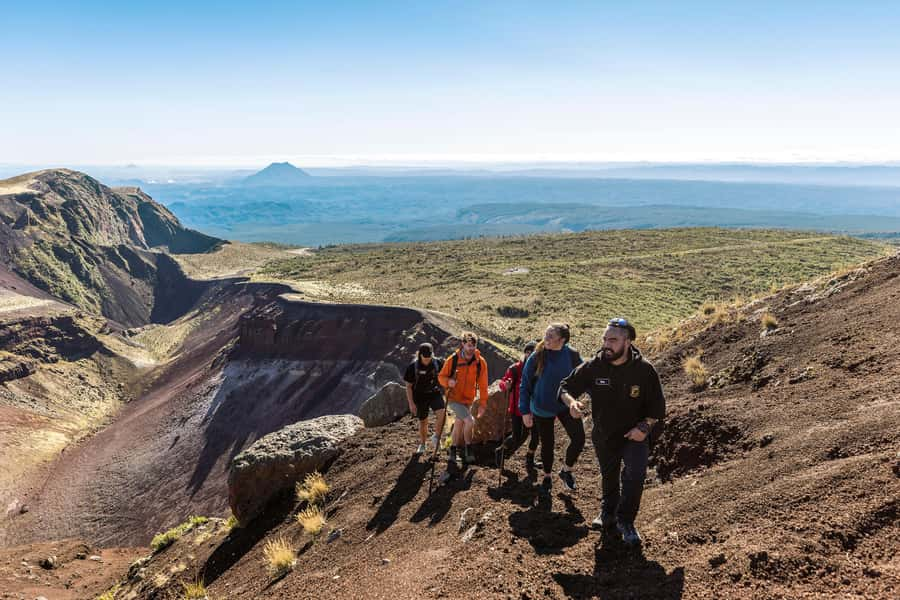
The first real “wow” is the ascent by rugged off-road 4×4. You’re not just commuting—you’re climbing. The vehicle gets you through rougher ground and up toward Mount Tarawera, so you start hiking with your energy intact rather than burning it all just reaching the trail.
As you head higher, the scenery shifts. One moment you’re leaving Rotorua behind; the next you’re in a more intense, mountain environment. There’s also a stop at a solar-powered base camp, where modern comfort meets the rawness of the volcano setting. If you like tours that mix practical logistics with respect for the place, this kind of stop is a good sign.
Karakia at the Solar-Powered Base Camp (Not Just a Photo Stop)
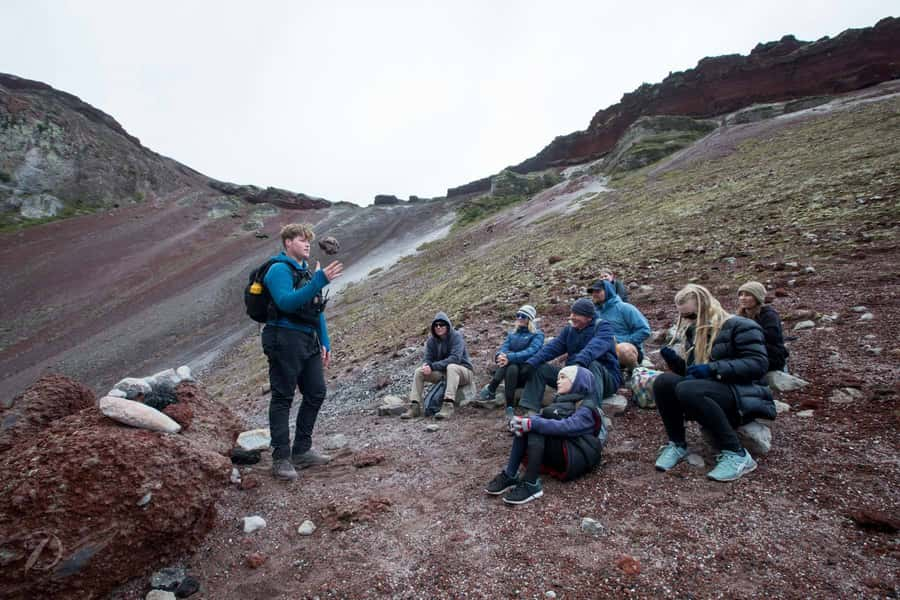
Before the main hike, you’ll join the group for a traditional Māori prayer, a karakia, led by your guide. This isn’t framed as a tourist performance. It’s presented as a protection-and-blessing moment before you head into steeper ground and crater terrain.
I think this is one of the best parts of the tour because it changes your relationship to what you’re doing. You’re still hiking, but you’re also acknowledging that this is a culturally significant volcano, not just an outdoor gym. Guides can also bring the myths and legends into the moment, so the mountain stops being “a viewpoint” and becomes a living story.
If you see guides like Steve or Bob coaching the group through the pause and the start of the hike, pay attention to how they set expectations. Clear, calm instruction makes a big difference once the trail tilts upward.
The Crater Walk and Summit Hike: 360° Views That Feel Like a Reward
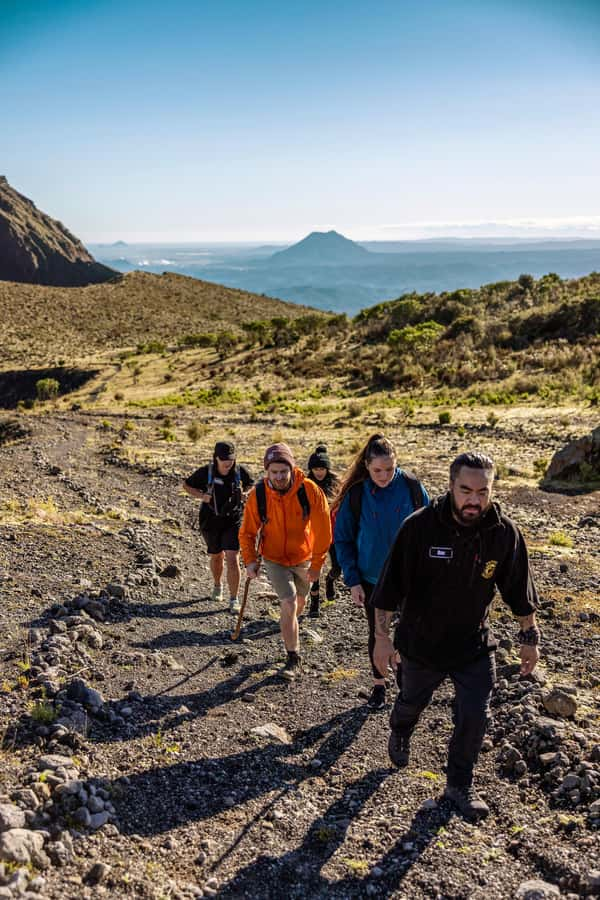
Once you begin the climb, the hike is where the tour earns its name. You’re moving toward the summit with help from your guide, and along the way you’ll get sweeping views that stretch across geothermal country, native forest, and the lake region around Rotorua.
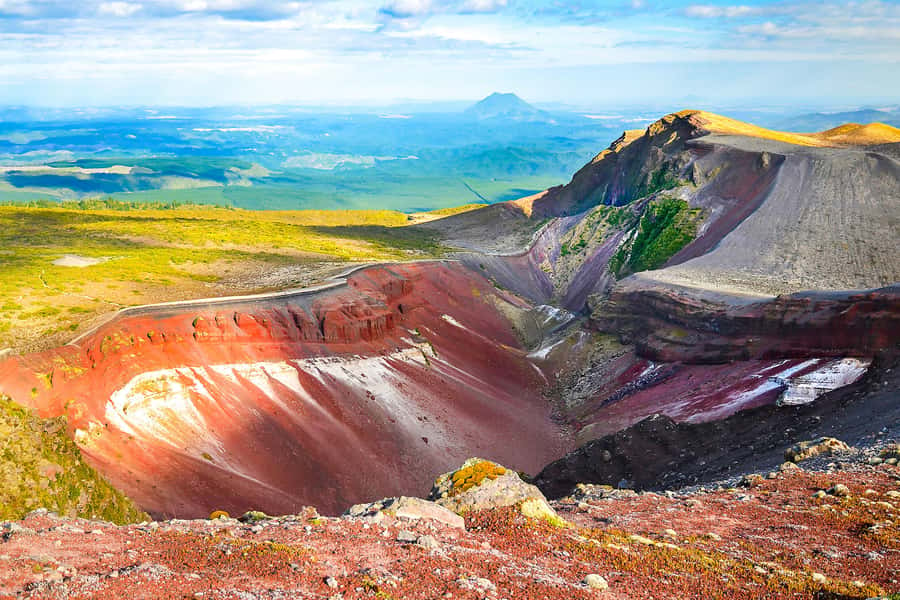
The main headline is the 360° panoramic view from the top. When the weather cooperates, you can see the scale of the volcanic landscape and understand why Mt Tarawera is such a magnet for both science and local legend. Even when you’re not a geology nerd, the crater geometry reads fast from up there.
Still, here’s the reality check: this is a volcanic route. In one case where a guest expected an easy walk, the experience was described as more like a trek with hands-on climbing moves. So if you don’t like steep, uneven terrain—or you dislike using your hands for balance—this is the part you should take seriously. The good news: guides have a supportive style, and slower pace is possible when you communicate that you need it.
The Summit-to-Crater Segment: The Scree Run Option (and the Part You Can’t Avoid)
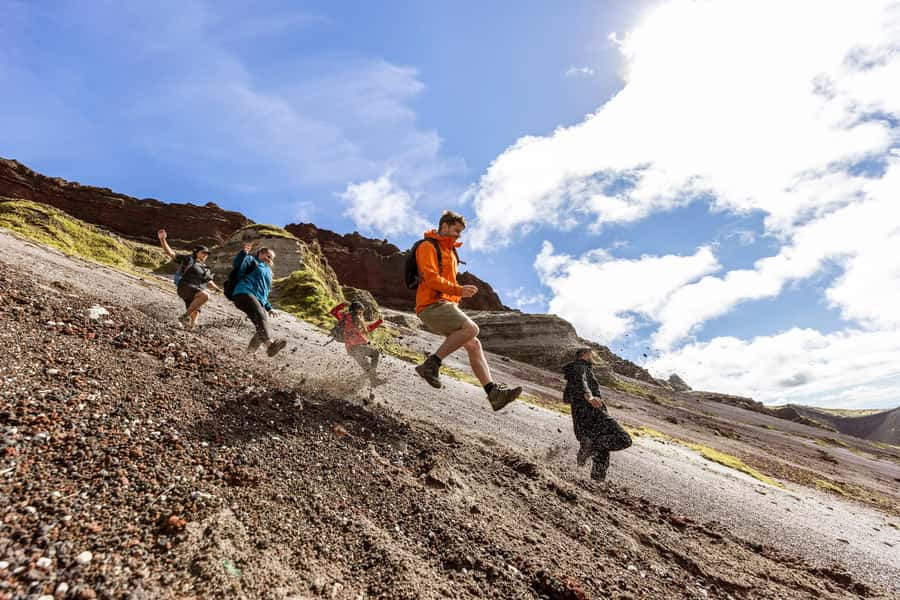
Reaching the summit is only half the excitement. The tour continues toward the crater basin, and this is where you get the “right into the heart of it” feeling.
Here’s what you should know in plain terms: the descent route is part of the hike. The steep slope down toward the crater is not something you opt out of completely. What’s optional is the fun element—an optional scree run down the steeper section.
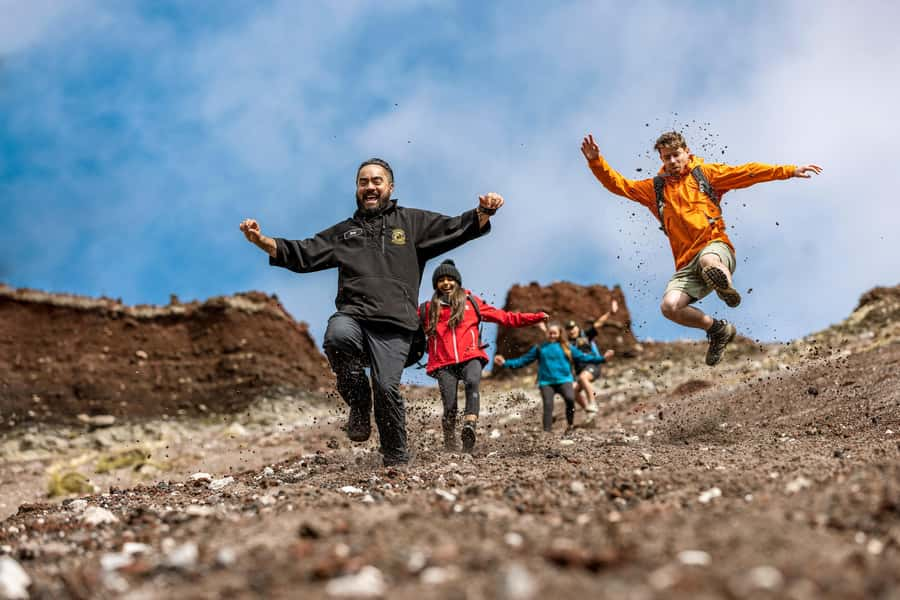
In reviews, people described it as a playful scramble—almost like slow surfing on loose volcanic material. That sounds ridiculous (in a good way), and it’s one reason the tour gets high marks. If you want the adventurous version, you’ll likely enjoy this part. If you’d rather not, you can choose a safer, slower way down as directed by your guide.
Also, plan for your body to do real work here. Steep up and steep down are different muscles and different risk. One common theme in feedback: knees matter. If you have a history of knee pain, go in with caution and be ready to take it slower than your instincts.
What the Guides Bring: Stories, Myths, and Practical Confidence
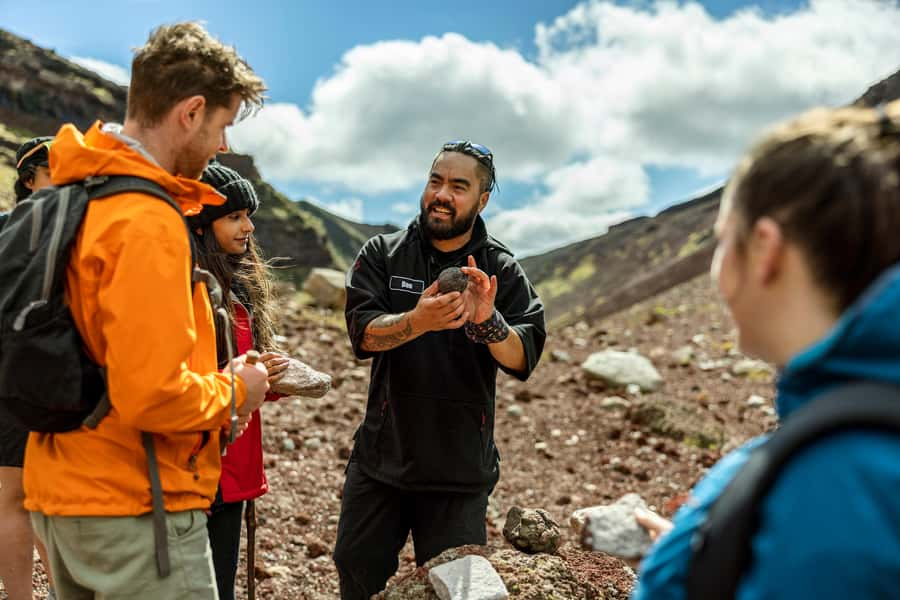
This tour rises or falls on the guide, and the guide quality seems consistently strong. Names like Kai, Tahi, and Jason show up in feedback for being welcoming and encouraging, while Steve and Bob get called out for organization, patience, and enthusiasm.
What I appreciate is the blend: you get cultural context, plus you get practical leadership on the trail. Guides remind you how to place your feet, when to pause, and how to handle wind or chilly stretches. Several people also mentioned support for people who were tired or nervous about heights, which is exactly what you want on a volcano day.
That support turns a physically challenging landscape into a manageable route. You still earn your views, but you’re not alone in the work.
Weather Reality: When Low Cloud Steals the Panorama
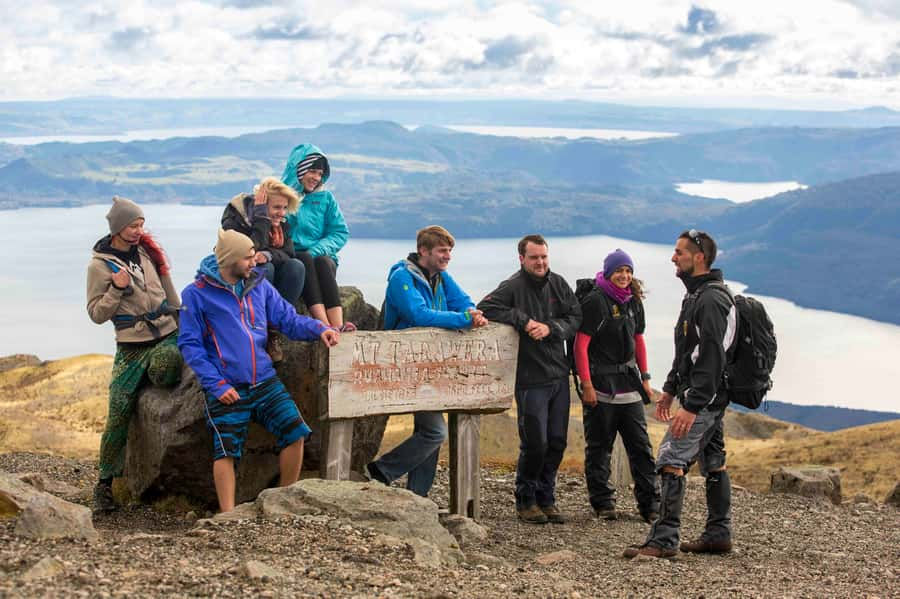
Mt Tarawera can be windy and chilly, even when the Rotorua morning feels friendly. Reviews specifically called out chilly, windy conditions and recommended dressing for it.
That’s not a small detail. High exposure changes how you experience the hike. Wind makes you feel colder fast, and colder muscles tighten up—meaning your stamina can drop if you’re underdressed. So treat the weather forecast as a suggestion, not a promise, and bring layers you can seal up against wind.
If you end up with low cloud, the tour won’t be ruined, but the payoff view might be reduced. This is the main reason I say you’ll want flexible expectations, especially if you’re only in the area for one day.
Price and Value: What $118 Pays For (and What It Doesn’t)
At $118 per person, this isn’t a budget stroll. You’re paying for three things that usually cost extra when you do them separately:
- Hotel pickup and drop-off around Rotorua
- 4×4 transport up the mountain area (so you start hiking with less friction)
- A guided crater hike with cultural content and on-route safety coaching
The big value play is that the day is organized end-to-end. You don’t have to coordinate transport, find the right trail approach, or figure out how to handle steep sections safely.
What’s not included is food and drink. You’ll want to pack snacks and water. People also mentioned items like sunscreen may be available, but don’t bet your comfort on finding what you need on the day—bring your own basics.
If you want a Mount Tarawera experience that includes the cultural component and a crater-focused route rather than just a viewpoint walk, this price looks more reasonable.
What to Pack for a Windy, Steep Volcano Hike
You’ll walk on uneven volcanic ground, and you’ll likely feel the wind once you’re higher up. Pack like you’re hiking in variable conditions.
Bring:
- Comfortable shoes with good grip
- Windbreaker (seriously)
- Water
- Snacks
- Comfortable clothes, and ideally long trousers if you get cold
If you’re tempted to travel light, this is one of those tours where “light” can become “miserable.” Your hands might get involved during the tougher sections, so avoid bulky items that catch on your balance. And if you’re prone to cold, bring a warmer layer than you think you need.
Who Should Book This (and Who Should Rethink It)
This tour fits best if you want:
- A guided crater hike with strong cultural storytelling
- Big views from a summit rather than just a short walking loop
- The chance for an optional scree run if you’re game
It also suits people with a moderate fitness level who can handle steep ground and steep descents. It’s described as suitable for children aged 7 and older, which suggests it’s not a pure endurance test—but it is still physically real.
If you have low fitness, or you know you struggle with steep inclines and descents, you’ll probably find it too demanding. The tour isn’t marketed as a gentle nature walk, and you’ll feel that on the way down.
Should You Book the Mount Tarawera Crater Walk With Kaitiaki Adventures?
Book it if you want the full Mt Tarawera hit: 4×4 access, a guided hike with a karakia, and a crater descent that can include the optional scree run. The guide energy and support—names like Steve, Bob, and Kai/Tahi/Jason come up for a reason—can turn a steep hike into something you manage comfortably.
Skip it or choose a gentler option if you know you dislike steep, uneven terrain, have knee issues, or you want something closer to a flat, easy walk. Also, if your trip schedule is tight and you’d be heartbroken by cloudy conditions, decide with open eyes about the weather.
If you’re prepared for wind, steep footing, and a little scrambly action, this is one of those Rotorua-area tours where the effort lines up with the view.
FAQ
How long is the Mt Tarawera guided crater walk?
The total duration is listed as 270 minutes, with a guided crater walk and hiking time included during that window.
Is hotel pickup and drop-off included?
Yes. Hotel pickup and drop-off are included, and you’ll be picked up from your chosen pickup point and returned to Rotorua.
Do I need to bring food and drinks?
Yes. Food and drink are not included, so you should bring snacks and water.
What fitness level is required?
Only a moderate level of fitness is required, but it is not suitable for people with low fitness due to steep inclines and descents.
How old do children need to be?
The tour is suitable for children aged 7 and older.
What languages are the guides?
The tour guide is available in English and Japanese.
Is the scree run optional?
The experience includes an optional scree run into the crater area, while the crater walk and descent portion is part of the overall hike.
FAQ
What should I wear and bring for the hike?
Wear comfortable shoes and bring a windbreaker. Also pack snacks and water, and dress in comfortable clothes.
What happens at the base camp before the hike?
You’ll stop at the solar-powered base camp and join your guide for a traditional Māori prayer (karakia) before starting the journey.
What’s included in the tour price?
Included items are hotel pickup and drop-off, transfers from Rotorua to the base of Mt Tarawera, transport by 4×4 up Mount Tarawera, a 90-minute guided crater walk, and a local guide.
Is the tour cancellable?
Yes. Free cancellation is offered up to 24 hours in advance for a full refund.
Can I reserve and pay later?
Yes. You can reserve now and pay later to keep your plans flexible.