REVIEW · STOCKHOLM
Stockholm: Guided Historic Old Town Walking Tour with Local
Book on GetYourGuide →Operated by Stockholm Summer Tours · Bookable on GetYourGuide
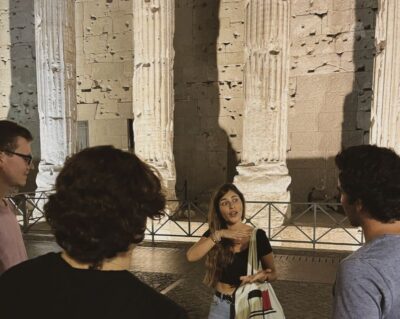
Medieval Stockholm moves fast on your feet. This guided Old Town walk with Sophie (a born Stockholmer studying to become an authorised Stockholm guide) is a smart way to connect old streets to modern-day Stockholm. I love that she uses relevant photos at each stop to make the timeline click, and I also love the relaxed finish with a mini fika so you don’t stumble back into sightseeing right after the last story. One real consideration: the tour runs in most weather, so in colder months you’ll want proper layers.
You cover the story of Stockholm from its founding in the 1200s to the city it is today, with about ten key stops and shorter walk-bys to keep the pace efficient. I like that it’s efficient but not rushed: you get time for questions along the way. Also, the guide language is German, so if that’s not your comfort zone, plan on leaning on the pictures and landmark spotting.
At $22 per person for a 2-hour guided walk that includes the guide, photos, a shared mini fika, and your guide’s local recommendation list, it’s strong value—especially because there are no entrance fees for what you see on the outside. The big drawback is simple: this is not for anyone who needs wheelchair access, and it’s not designed for very late starts or last-minute changes.
In This Review
- Key highlights that make this tour worth your time
- Meeting Sophie at Birger Jarls Torg: where your walk really begins
- Two hours in Gamla Stan: pace, stops, and how the photos help
- Birger Jarl to Riddarholmen: starting with power and water views
- Gustav Vasa and the power of statues in the street
- Practical note for comfort
- The narrowest alley, and why Mårten Trotzigs Gränd is a must
- German Church, Prästgatan, and the church-forward side of Gamla Stan
- Stortorget and the idea of a city square
- Nobel Prize Museum area, Köpmangatan, and the Iron Boy
- Royal Palace and Stockholm Cathedral: finishing with authority
- The mini fika and the recommendation list you’ll actually use
- Price and value: why $22 can work in your favor
- Language, weather, and who this tour suits best
- Should you book this Old Town walking tour?
- FAQ
- How long is the Stockholm Old Town walking tour?
- How much does the tour cost?
- What is the meeting point?
- Where is the nearest subway station?
- Where does the tour finish?
- What’s included in the price?
- Are entrance fees to sights included?
- Does the tour run in bad weather?
- Is the tour suitable for wheelchair users?
- What should I bring, and what’s not allowed?
Key highlights that make this tour worth your time
- Sophie’s photo-led stops help you understand what you’re seeing, not just name-drop landmarks.
- Gamla Stan’s medieval core: you’ll connect squares, churches, and narrow lanes into one clear walking story.
- Landmarks outside only means you avoid entrance-fee chaos and still see the big sights.
- Mini fika at the end gives you a natural reset point before you wander on your own.
- Local recommendations: you can take a photo of Sophie’s list for restaurants and fika ideas.
- Winter reality check: bring weather-appropriate gear because the tour runs in most conditions.
Meeting Sophie at Birger Jarls Torg: where your walk really begins
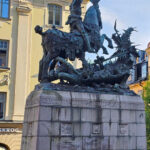
The tour starts at Birger Jarls Torg, right by the Birger Jarl statue. The guide wears a visible vest, so you shouldn’t have trouble finding the group if you arrive on time. You’ll do well to show up about 5 minutes early, since punctual departures matter with a walking tour like this.
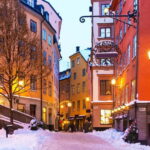
If you’re coming by subway, the nearest option listed is Gamla Stan on the green and red line. From there, you’re basically heading straight into the Old Town area, where the streets start doing what Stockholm is famous for: compact, walkable, and full of small surprises at almost every corner.
This start matters because the Birger Jarl statue is a clean “anchor.” It gives you a starting point to understand how Stockholm’s authority, defenses, and civic identity formed and changed over time. If you like tours that help you get your bearings fast, this one is built for that.
You can also read our reviews of more walking tours in Stockholm

Two hours in Gamla Stan: pace, stops, and how the photos help
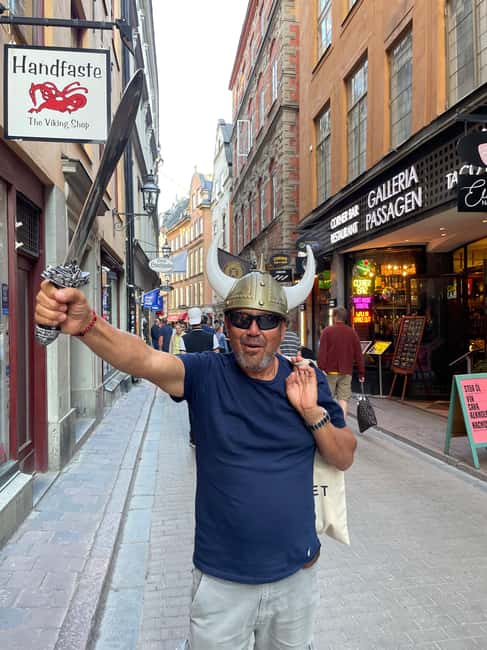
The tour is listed as 2 hours, and you’ll cover the core of Gamla Stan on foot. The route includes a lot of place names, but the way it’s run is the key: you get a sequence of short walks, then stories that explain why those locations matter.
You’ll also see relevant photos at the stops. That’s not a gimmick—it’s the difference between hearing “this is old” and understanding what old looked like at different moments. In a place like Gamla Stan, where centuries sit on top of each other, photos help you connect the dots quickly.
One more practical point: the tour is designed to be outside-only for sights. So you won’t be losing time waiting in lines or spending the budget on entrances. You’ll still learn the names and context, then you can decide later if you want to go inside any building on your own.
Birger Jarl to Riddarholmen: starting with power and water views
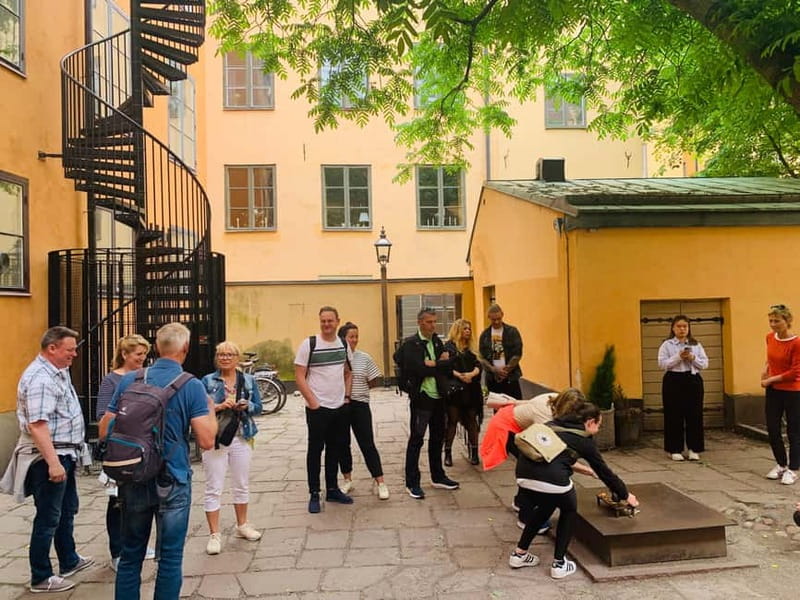
Right away, you begin with the Birger Jarl area. This is where the tour frames Stockholm as a city with leadership stories from early on. It’s a good opening because it sets the tone: the walk isn’t just “pretty streets,” it’s a timeline you can follow.
Next comes Riddarholmen (about a short walk). This is one of those waterfront-feeling parts of Gamla Stan that makes Stockholm’s geography impossible to ignore. Even if you’re not focused on history, the setting helps you understand why the city grew where it did. And for a guided tour, water-adjacent stops make the explanations easier to picture.
Gustav Vasa and the power of statues in the street
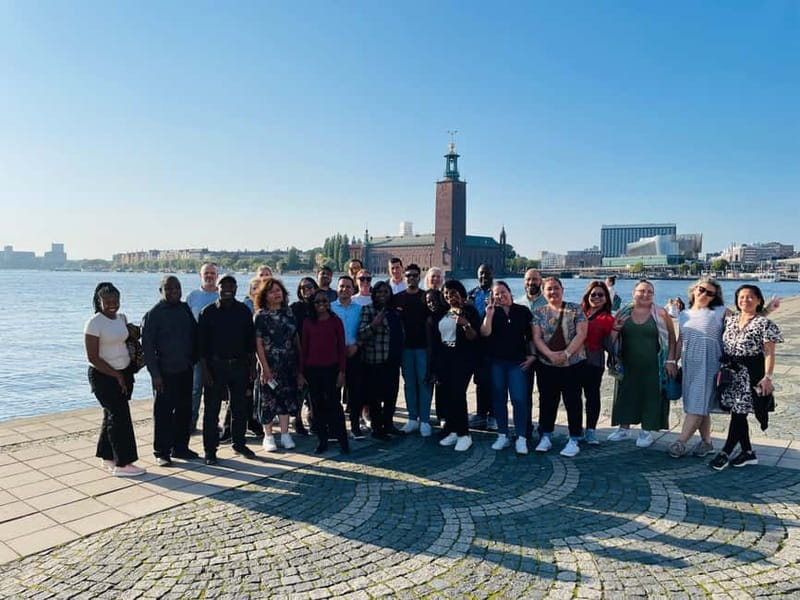
You’ll then reach the Gustav Vasa statue. Statues are easy to overlook when you’re rushing through a city, but on this walk they function like signposts. They mark shifts in political identity and help you remember that Stockholm didn’t just evolve naturally—it was shaped by leaders, reforms, and changing roles.
From there, you move through the streets around:
- Gåstorget
- Stora Nygatan 2
- Västerlånggatan
- Svartmangatan
These stops matter because they turn street names into clues. Each lane or street gives Sophie room to explain daily life patterns—where people moved, how the city connected neighborhoods, and how the medieval layout still influences how you walk today. You’ll probably notice how quickly the Old Town becomes intuitive once you understand the logic of the route.
Practical note for comfort
This part of the walk is short, but you’re doing a lot of “micro walking.” Comfortable shoes are a must, and it helps to keep your phone charged since one of the perks is taking a photo of the guide’s local recommendations list at the end.
You can also read our reviews of more guided tours in Stockholm

The narrowest alley, and why Mårten Trotzigs Gränd is a must
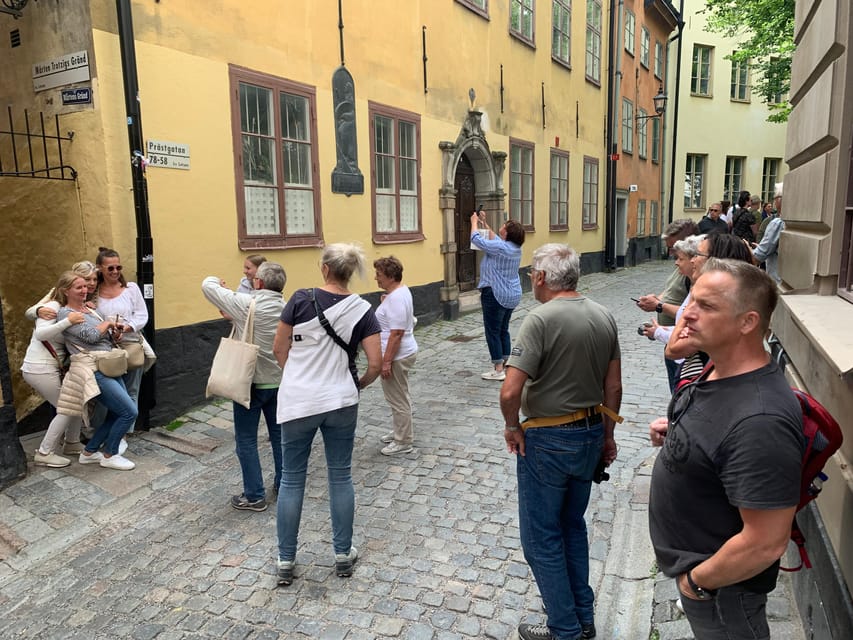
At Mårten Trotzigs Gränd, you hit one of Stockholm’s most famous street curiosities: the narrowest alley. This is the kind of stop that makes your camera work overtime, but it’s also a story stop. Narrow lanes like this aren’t just odd—they show how dense and practical medieval urban planning could be.
When you stand there, you’ll get a different relationship to the city. Wide avenues let you forget history. Narrow passages force you to slow down, look up, and feel how different movement was centuries ago. Even if you’ve seen photos of this spot already, being there in person is still the point.
German Church, Prästgatan, and the church-forward side of Gamla Stan
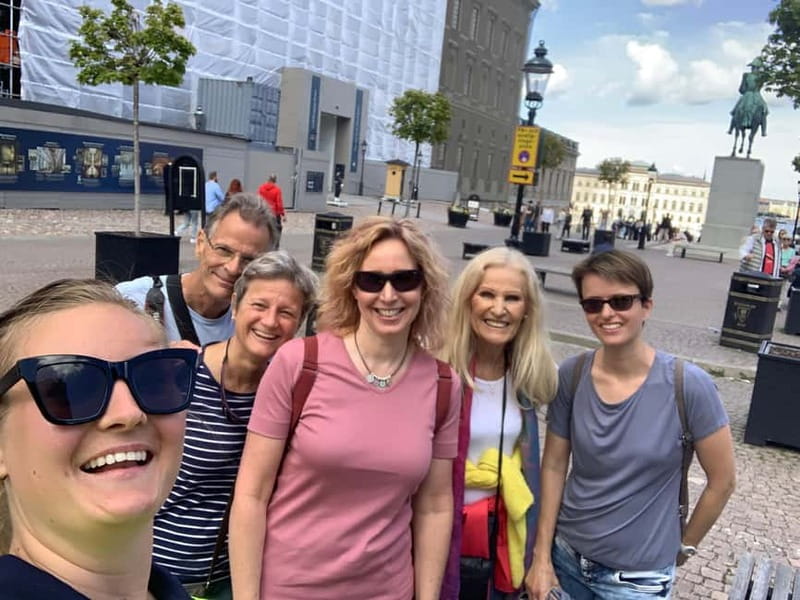
The route continues past key religious and street landmarks, starting with the German Church. Then you walk through Prästgatan and Österlånggatan. The idea here is to connect the “spiritual architecture” to the surrounding urban layout.
You’ll learn how churches fit into the city’s identity and how major buildings shaped movement and gathering in the Old Town. And because the tour is outside-only, the focus is on what you can see immediately: facades, shapes, and the way these structures anchor their streets.
If churches aren’t your main interest, don’t skip this section. It’s where the tour makes Stockholm feel like a lived-in capital, not only a medieval map.
Stortorget and the idea of a city square
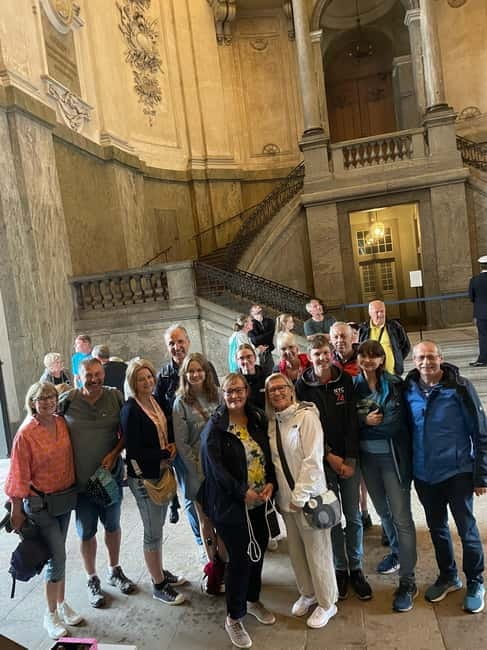
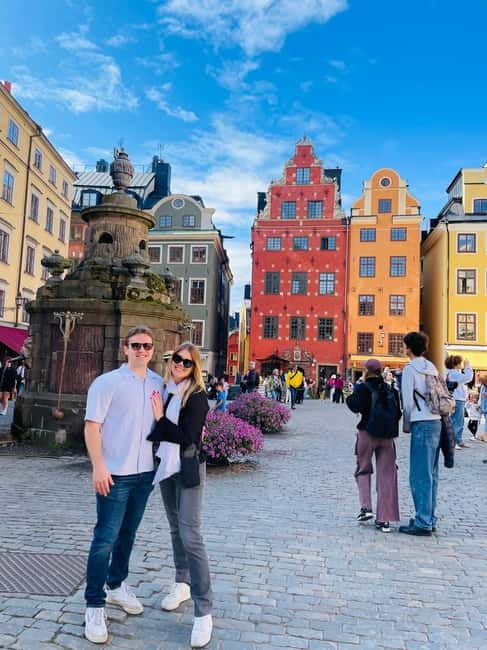
You’ll reach Stortorget, one of the most recognizable areas in Gamla Stan. A square stop is more than a photo moment. Squares are where cities used to handle the basics—meeting, trade, news, and public life.
In a guided format, Stortorget becomes a hinge. Sophie uses it to explain how Stockholm’s civic life shaped the Old Town, then you keep walking to more specialized landmarks.
If you’re the type who likes to know where you are in relation to the big picture, Stortorget is a good location for that. It’s easy to spot, and it gives you a “center of gravity” for the rest of the route.
Nobel Prize Museum area, Köpmangatan, and the Iron Boy
After Stortorget, the walk reaches the Nobel Prize Museum area. This stop matters because it prevents the tour from becoming only medieval. You’re still in Gamla Stan, but you’re also seeing how modern Sweden marks global recognition right in the historic streets.
Next comes Köpmangatan, a street name that signals trade and movement—exactly the kind of context that fits the way Sophie tells stories. Then you get to Iron Boy (Boy who watching the moon), a fun cultural marker in the middle of a very old setting.
I like that this statue breaks up the heaviness. It keeps the walk human and current, like Stockholm isn’t stuck in the past. It also gives you a mental “reset” before the royal sites at the end.
Royal Palace and Stockholm Cathedral: finishing with authority
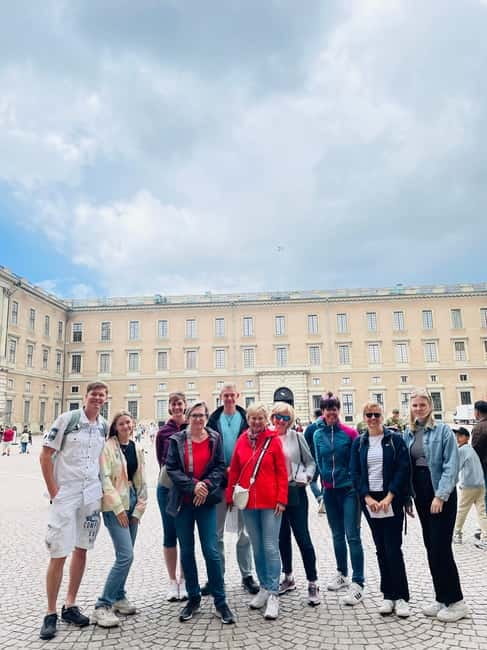
The tour continues to the Royal Palace area. This is the part of the route where the city shifts into power and ceremony. Even without entering any buildings, the exterior viewpoints give you a sense of scale, and the stories explain why these spaces are more than scenery.
Then you walk to Stockholm Cathedral. A cathedral stop in an Old Town tour is always useful because it rounds out the theme: city life, religious identity, and governance all end up connected in the same walkable area.
The finish point is listed as Gustav III:s Obelisk. This is a fitting end because it keeps the story in the realm of public memory and leadership—right where you can step out, check your bearings, and decide where to go next.
The mini fika and the recommendation list you’ll actually use
At the last part of the tour, you enjoy a mini fika together—Swedish sweet snack included. This is more than a perk. It’s a practical break that helps you avoid the classic travel problem: finishing a tour tired and not knowing what to do next.
After the tour ends, you can take a photo of Sophie’s list of local recommendations—including restaurants, fika ideas, and budget-friendly options. That’s a big deal because it gives you choices that aren’t based on generic tourist lists.
If you’re planning to eat your way through Stockholm (and who isn’t), this is one of the most useful parts of the whole experience.
Price and value: why $22 can work in your favor
At $22 per person for a 2-hour guided walk, this tour is priced for accessibility. You’re paying for a guide who can translate place names into a story, plus the added extras that most walking tours forget: photos at the stops, the mini fika, and that recommendation list at the end.
Also, since there are no entrance fees included (you’ll pass sights from the outside), you’re not forced into “buy now or miss out” decisions. If you want to go inside any site later, you can do it on your own schedule and budget.
The clearest reason this can feel like good value: the Old Town is dense. Without guidance, it’s easy to walk two hours and still feel like you saw separate postcards. With Sophie’s format, the stops connect into a timeline, which is what makes your time feel earned.
Language, weather, and who this tour suits best
This tour is German-language only. That’s not a problem if you’re comfortable with German, and it can still work if you’re a confident landmark spotter. But if German is a struggle for you, you might end up relying on photos more than the spoken stories.
Weather-wise, it’s designed to run in all conditions except really heavy rain, in which case it’s rescheduled. That lines up with what you’d expect in Stockholm: conditions can change quickly. If it’s winter (and the reviews reflect that someone got very cold), you need real layers and good shoes.
Rules-wise, it’s not for intoxicated participants, it doesn’t allow unaccompanied minors, and it doesn’t run with bachelor or bachelorette party groups. It also isn’t suitable for wheelchair users.
This tour is a great fit if you:
- Want a focused walk through Gamla Stan without committing to museum entrances
- Like a guide who explains both the medieval story and the present city
- Prefer short stops with time to ask questions
- Enjoy learning from someone local (Sophie is a born Stockholmer)
Should you book this Old Town walking tour?
Book it if you want a guided route that turns street names, squares, and major landmarks into one clear story. I think the mix of timeline photos, outside-only sightseeing, and the mini fika plus recommendations makes it a practical choice for first-timers and return visitors alike.
Skip it if you need wheelchair access, if you want an English-language guide, or if you hate cold weather walking. Also, if you’re hoping for lots of inside views and museum time, this isn’t that style.
If you’re visiting Stockholm and you want to understand Gamla Stan quickly—before you wander off on your own—this is the kind of tour that can make the rest of your trip click.
FAQ
How long is the Stockholm Old Town walking tour?
It lasts about 2 hours.
How much does the tour cost?
The price is $22 per person.
What is the meeting point?
You meet at Birger Jarls Torg, right by the Birger Jarl statue. The guide wears a visible vest.
Where is the nearest subway station?
The nearest subway station is Gamla Stan (green & red line).
Where does the tour finish?
It finishes at Gustav III:s Obelisk.
What’s included in the price?
You get a local guide, relevant photos at the stops, a mini fika at the end, and your guide’s local recommendations around town.
Are entrance fees to sights included?
No. The tour passes sights from the outside.
Does the tour run in bad weather?
It takes place in all weather conditions except really heavy rain, when it will be rescheduled.
Is the tour suitable for wheelchair users?
No, it is not suitable for wheelchair users.
What should I bring, and what’s not allowed?
Bring comfortable shoes, weather-appropriate clothing, and a charged smartphone. Intoxication, unaccompanied minors, and bachelor or bachelorette party groups are not allowed.