Montmartre has a way of making you look up. This 90-minute tour mixes art corners, food talk (yes, cheese and charcuterie), and the kind of street-level Paris you only spot when someone points it out. I especially like the walk’s easy-to-follow flow from the I Love You Wall toward the hilltop, and I love the vineyard stop that gives Montmartre a real, specific local twist. One thing to plan for: it’s uphill and on narrow, sometimes busy streets, so wear good shoes and take it at your own pace.
You’ll start in the right place, then let the guide pull the neighborhood together into a story you can actually use. Guides such as Linda, David, Sara, and Heidi have earned praise for keeping the group together, answering questions, and sharing practical local recommendations—so you don’t just see landmarks, you learn how they connect. The only real drawback is that it’s not wheelchair-friendly, and the terrain can feel steep in spots.
In This Review
- Key Stops That Make This Tour Worth It
- Where You Meet and How to Start Without Stress
- I Love You Wall to Rue des Abbesses: The Art-First Opening
- Place du Tertre and the Artist Square You Can Actually Enjoy
- Food Stories in Montmartre: Cheese, Charcuterie, and Why It Matters
- Moulin de la Galette: The Landmark and the Artistic Connection
- The Only Vineyard in Paris: Where the Tour Gets Surprisingly Local
- Sacré-Cœur Hilltop Views Without the Long Detour
- The Place to End: La Bonne Franquette for a Real-World Meal
- Guides You’re Likely to Enjoy: Friendly, Focused, and Answer-Ready
- Price and Value: Why $37 Can Feel Like a Bargain
- Who Should Book This Montmartre Walk
- Should You Book It?
- FAQ
- FAQ
- Where do I meet for the Paris: Montmartre Hidden Gems and Highlights Walking Tour?
- How long is the tour, and is it guided?
- Is food or drinks included in the tour price?
- Do we go inside Sacré-Cœur Basilica?
- Is the tour wheelchair accessible?
- What should I bring?
Key Stops That Make This Tour Worth It
- I Love You Wall: A quick, fun opener that sets the artistic tone for the whole neighborhood
- Place du Tertre: The artist square plus tips for what to look at as you move through
- Paris’s last remaining vineyard: A surprising Montmartre detail that adds depth beyond photos
- Moulin de la Galette: A classic landmark tied to the neighborhood’s painting legacy
- Sacré-Cœur views: Best way to get the hilltop perspective without turning it into a long day
Where You Meet and How to Start Without Stress
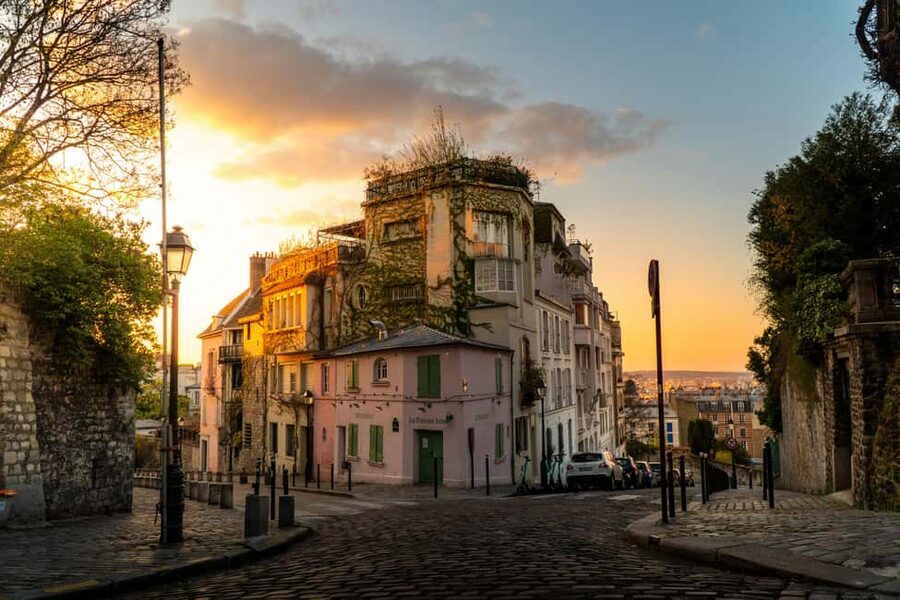
Meet your guide in front of Saint-Jean de Montmartre church at 19 Rue des Abbesses, where you’ll see an orange sign that says ExperienceFirst. If you’re using Google Maps, paste 19 Rue des Abbesses, 75018 Paris—this area is easy to reach, but streets do snake around, so using the exact address saves time.
The tour’s start point matters because Montmartre’s layout can feel like a maze. Once the group assembles, you’ll head toward the I Love You Wall, which is a strong first stop: it’s visual, easy to understand, and it signals what this tour does best—linking art to everyday street life.
Practical tip: come with comfortable shoes. The route isn’t described as including stairs, but you still need to handle a few hills and narrow streets. That combination is what makes Montmartre feel different from flat-city sightseeing.
You can also read our reviews of more walking tours in Paris



I Love You Wall to Rue des Abbesses: The Art-First Opening
The first key moment is the I Love You Wall, a romantic installation with the words I Love You in over 300 languages. It’s not just a photo op. The guide typically uses it as a warm-up to explain why Montmartre became a magnet for artists in the first place—people came here to work, to watch, and to turn real city scenes into art.
From there, the tour moves through winding streets where the details start to stack up fast. You’ll pass by Rue des Abbesses, and you’ll also see several unusual art pieces along the way. The value here is pacing: the guide doesn’t dump you at major sights and hope you figure out the rest. Instead, you keep moving, and each turn of the street adds another layer to the neighborhood.
If you’ve visited Montmartre before and felt like you only scratched the surface, this is where the tour tends to change your experience. You get the sense of how locals and artists would have moved through these same blocks.
Place du Tertre and the Artist Square You Can Actually Enjoy

Next comes Place du Tertre, one of Montmartre’s most recognizable squares. This is where artists set up, the vibe is lively, and you’ll see why the area became famous for painting and performance. It’s also where it’s smart to slow down briefly—because the square can be visually loud.
What I like about including Place du Tertre in a structured walk is that you’re not left to guess what you’re looking at. Your guide helps you interpret the scene—what belongs to the classic Montmartre feel, what’s more about today’s craft economy, and what to notice as you wander.
You’ll also spend time at cozy terraces and around the working artists. Just keep your expectations grounded: you’re walking through an active neighborhood, not a museum room.
Food Stories in Montmartre: Cheese, Charcuterie, and Why It Matters
A standout feature is how the guide weaves in Parisian food, from cheese to charcuterie. Food talk on walking tours can sometimes feel random. Here, it works because it connects art culture to everyday life—what people ate, what markets supplied, and how neighborhood identity shows up in small traditions.
Since food and drinks aren’t included, think of this as education with a purpose. The guide’s suggestions can help you decide what to order later, especially if you’re choosing among the tourist-heavy spots around Montmartre. Even if you don’t buy anything during the walk, the food context makes the area feel more real.
If you like tours that give you a few ideas you can act on, this food segment is one of the reasons the tour gets such strong feedback for being practical.
Moulin de la Galette: The Landmark and the Artistic Connection
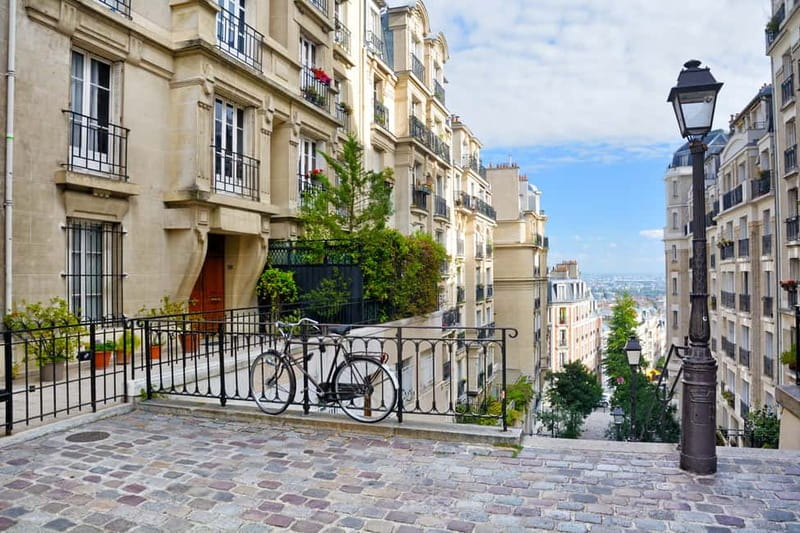
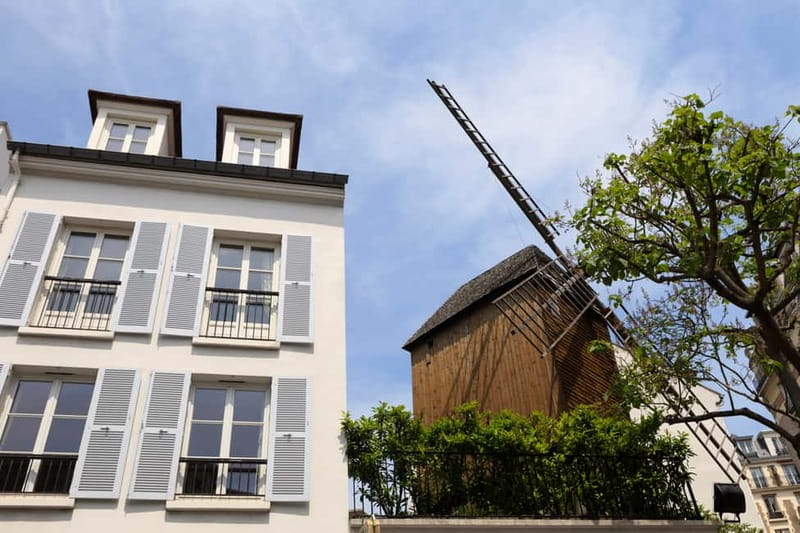
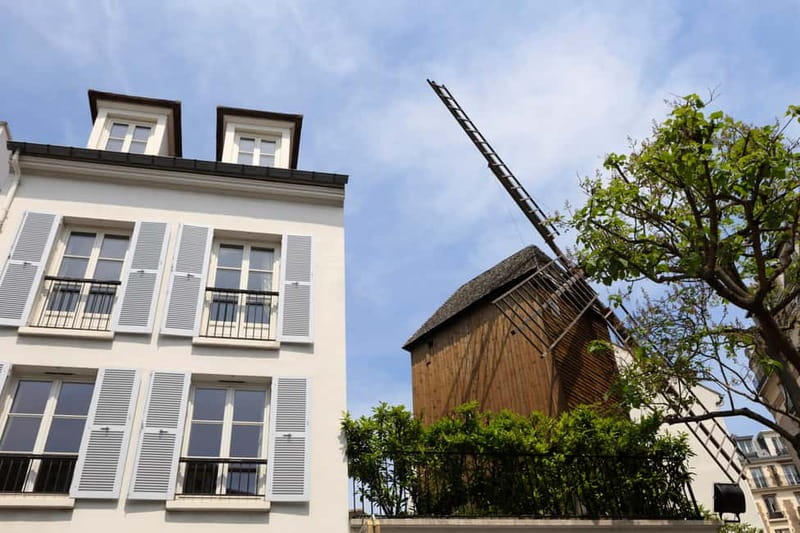
You’ll see Moulin de la Galette, a classic Montmartre landmark. It’s famous partly because it’s tied to art—your route includes the fact that it’s associated with painting history (including a connection to Renoir). Even if you’ve seen it in photos before, the experience lands better when you connect it to why artists kept coming back to this specific view and street rhythm.
This stop is also a good reality check. Montmartre is a tourist hotspot, but the landmark still holds visual power. You can look at the structure, then look outward and realize why it would have been worth capturing.
Pro tip: use this as your moment to take a breather. It’s a good place to slow your pace for a minute, then continue toward the more scenic hilltop area.





The Only Vineyard in Paris: Where the Tour Gets Surprisingly Local
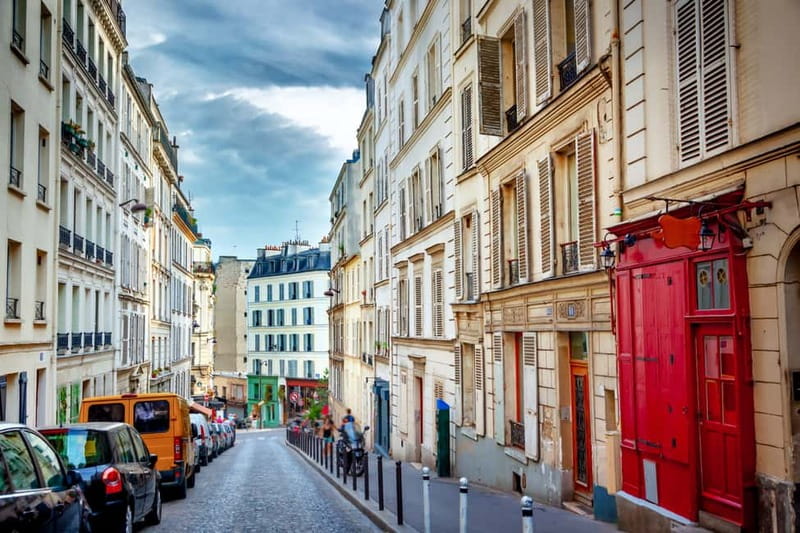
One of the most memorable parts is following your guide to the last remaining vineyard in Paris. This is the kind of detail that changes how you think about Montmartre. Instead of treating the neighborhood as just an art district, you see it as a working landscape piece—something tied to time, seasons, and the city’s changing edges.
Even if you’re not a wine person, the vineyard stop gives you a different kind of story: Montmartre isn’t frozen in 1900. It keeps shifting, and the fact that a vineyard still exists is a clue to how the neighborhood’s identity survived all the building pressure around it.
The tour doesn’t just point out the vineyard. It helps connect it to the broader theme of Montmartre as a magnet for artists and creators—people came for views, but they also found craft, fields, and texture.
Sacré-Cœur Hilltop Views Without the Long Detour
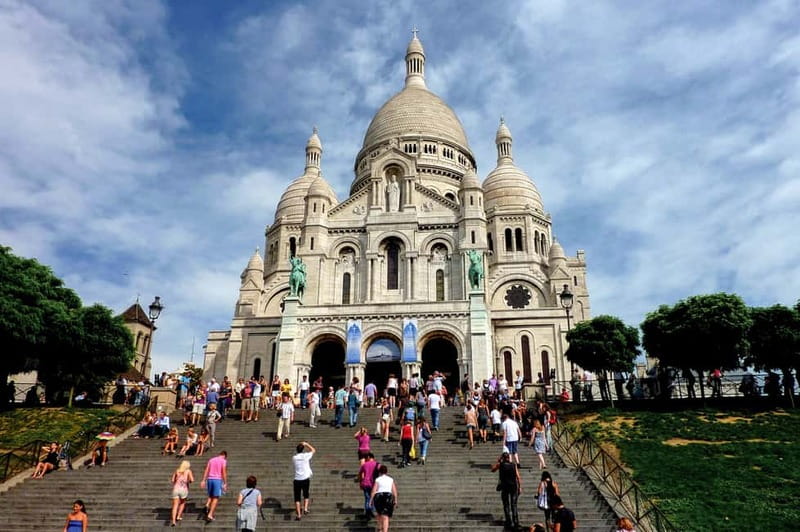
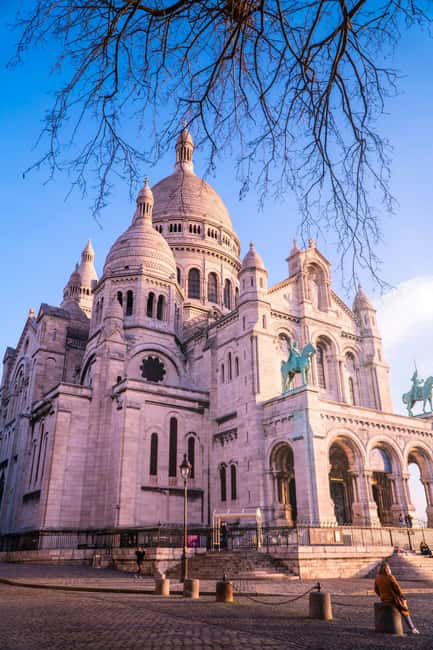
At the top, you’ll enjoy the views of Paris from Montmartre’s hilltop and learn about the striking 19th-century architecture of Sacré-Cœur Basilica. Important detail: the tour passes by the exterior of the basilica, and your guide provides tips on what to notice if you step inside.
If the basilica is open, you’re welcome to explore on your own, and entry is free when open. That’s a smart setup. You get the guided explanation for the architecture, then you control how long you want to spend inside. For many people, this is the perfect trade-off: a structured experience plus flexibility.
Terrain note: even if the route doesn’t include stairs, plan for hills. The hilltop is the payoff, but it can feel demanding if you’re already tired from other sightseeing.
The Place to End: La Bonne Franquette for a Real-World Meal
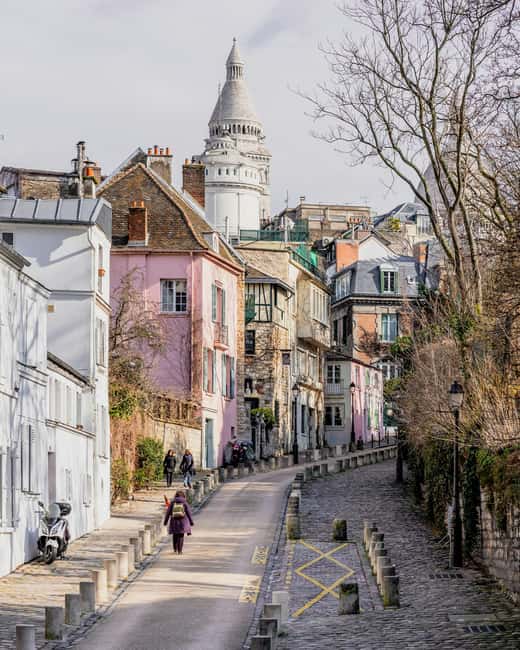
The walk ends at La Bonne Franquette, a historic restaurant that was once frequented by Van Gogh and Monet. This is a great finish because it ties the art theme back to a place you can actually use today.
Food and drinks aren’t included, but you’ll have a natural next step: stop in and order something traditional French. If you’re hungry, this ending point is practical. If you’re not, it still gives you a clear landmark for your next decision—shopping, a cafe break, or heading back down.
One more thing I like here: the timing. You’re not forced into a long sit-down during the tour itself. You get a walk, you get the sights, then you get to choose your pace.
Guides You’re Likely to Enjoy: Friendly, Focused, and Answer-Ready
This tour is described as an English-speaking expert guide experience, and the standout pattern from guide feedback is how they handle the group. People consistently praise guides like Linda, David, Sara, and Heidi for staying engaging, answering questions, and keeping the route moving at a pace that doesn’t feel chaotic.
Some guides are also called out for being funny, dramatic, or energetic in a way that makes the neighborhood story feel like a conversation. That matters because Montmartre can be overwhelming on your own. With a guide, you get clarity—what’s important, what’s worth a second look, and what’s just noise.
Price and Value: Why $37 Can Feel Like a Bargain
At $37 per person for a 90-minute walking tour, you’re paying for more than “seeing stuff.” You’re buying:
- A structured route through Montmartre’s tricky streets
- Explanations that connect landmarks (like Moulin de la Galette and Sacré-Cœur) to the neighborhood’s art pull
- A vineyard stop that most first-time itineraries skip
- Food context you can use later when you’re hungry
Most DIY Montmartre plans turn into: photo, crowd, guess, repeat. This tour turns it into: photo, story, context, then you can wander freely after. If you’re visiting for a limited time and want the neighborhood’s highlights plus a couple of turns you might miss, this price is a reasonable way to buy time and direction.
Who Should Book This Montmartre Walk
This tour fits best if you:
- Want an art-and-streets Montmartre experience (not just big monuments)
- Prefer a guided route so you don’t waste energy figuring out where to go next
- Like seeing a mix of iconic stops and smaller, more specific details like the vineyard
- Are comfortable walking uphill and through narrow, busy streets
It’s not suitable for wheelchair users, and if you struggle with steep hills or getting around in tight areas, you’ll likely feel it here. If you’re unsure, ask yourself: can I comfortably handle an uphill walk in crowded streets with minimal rest? If the answer is yes, you’ll probably enjoy it.
Should You Book It?
If you want Montmartre to feel like a connected story instead of a checklist, I’d book this. The best reason is the combination: artist culture at Place du Tertre, a landmark like Moulin de la Galette, the surprising vineyard in Paris, and the hilltop payoff at Sacré-Cœur—all in a tight 90 minutes.
Skip it only if you want food included (it isn’t), you don’t want any hill work at all, or you need wheelchair-friendly routing. Otherwise, it’s a strong way to get oriented, learn a few useful details, and finish near a historic place where you can keep the art theme going over dinner.
FAQ
FAQ
Where do I meet for the Paris: Montmartre Hidden Gems and Highlights Walking Tour?
Meet in front of Saint-Jean de Montmartre church at 19 Rue des Abbesses. Your guide will be holding an orange sign that says ExperienceFirst.
How long is the tour, and is it guided?
The tour lasts 90 minutes and is a live English-speaking guide walking tour.
Is food or drinks included in the tour price?
No. The tour includes food-related learning, but food and drinks are not included.
Do we go inside Sacré-Cœur Basilica?
The tour passes by the exterior of Sacré-Cœur Basilica. If it’s open, you can enter for free on your own, and your guide shares what to look for.
Is the tour wheelchair accessible?
No. It is not suitable for wheelchair users.
What should I bring?
Bring comfortable shoes. The route doesn’t include stairs, but it does involve hills and narrow, sometimes busy streets.