REVIEW · NEW ORLEANS
Voodoo Queen of New Orleans Walking Tour
Book on Viator →Operated by New Orleans Ghost Adventures · Bookable on Viator
Marie Laveau’s story comes alive on foot. This Voodoo Queen of New Orleans walking tour uses real French Quarter landmarks and lived-in neighborhood context to explain Voodou, not just spooky myths.
What I like most is how the walk ties together Congo Square and jazz roots with Marie Laveau’s legacy in plain, human terms. I also like the stop-and-learn format that includes an authentic Voodoo shop and a museum-style look at the symbols and everyday beliefs people carried in the city.
One possible drawback: you’re walking on historic streets, with sidewalks that can be uneven, so plan for a moderate pace and bring comfortable shoes (and patience on hot or rainy days).
In This Review
- Key takeaways before you go
- Entering the French Quarter with the right mindset
- Timing, meeting point, and how this tour fits your day
- Stop 1: St. Louis Cathedral and the French Quarter baseline
- Stop 2: Voodoo Authentica and the museum-style shop moment
- Stop 3: Congo Square—where the guide connects Voodou and jazz
- Stop 4: Marie Laveau’s home site and the story behind the photos
- The Rampart Treehouse ghost-sighting pass: spooky only by reputation
- Which guides make the biggest difference
- Price and value: why $25.60 can make sense here
- What the route feels like: walking pace and real-world comfort
- Who should book this tour (and who might not)
- Should you book the Voodoo Queen of New Orleans walking tour?
- FAQ
- Where does the Voodoo Queen of New Orleans tour start?
- What time does the tour begin?
- How long is the walking tour?
- What’s included in the price?
- Is parking available near the meeting point?
- Is food and drink included?
- Is the tour offered in English?
- Is the tour wheelchair accessible?
- What happens if the tour is canceled due to weather?
Key takeaways before you go
- A licensed guide tells the religion story, not just ghost-bait myths
- Congo Square is framed as both Voodou space and jazz origin point
- Marie Laveau stops include a photo moment and a final ghost-sighting location
- You’ll pass St. Louis Cathedral and key French Quarter blocks on foot
- Group size tops out at 28, so questions are actually welcome
- You may end the tour with a short second line experience, depending on the guide
Entering the French Quarter with the right mindset
This is a New Orleans history walk that treats Voodou as a belief system with roots, rules, and meaning. The tone is educational, and the best guides lean into respect. Expect stories about how African and Haitian traditions blended with Catholic rites over time, and how that mix showed up in music, community, and daily life.
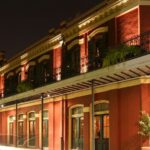
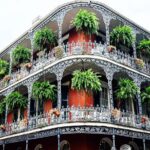
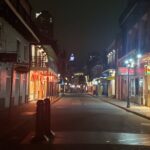
The tour is also set up to help you see the French Quarter as more than postcard backdrops. You’re moving through streets with deep cultural layers, and the guide helps you connect names and places—Marie Laveau, Congo Square, and even specific trees and house sites—into one story you can remember.
You can also read our reviews of more walking tours in New Orleans

Timing, meeting point, and how this tour fits your day
The tour runs about 1 hour 30 minutes, starting at 11:00 am. It ends back at the same meeting point, so you can slot it into a morning block without losing half your day to transit.
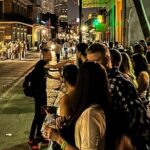
You meet at Bon’s New Orleans Street Food, 620 Decatur St Unit 1B. Arrive about 15 minutes early so you can get oriented and avoid a rushed start. The location is also close to public transportation, with a tram stop nearby, which makes it easier than trying to fight for parking in the French Quarter.
Group size is capped at 28 travelers, which matters more than it sounds. Smaller groups usually mean better listening and quicker answers—especially when you have questions about what Voodou is and is not.
Stop 1: St. Louis Cathedral and the French Quarter baseline
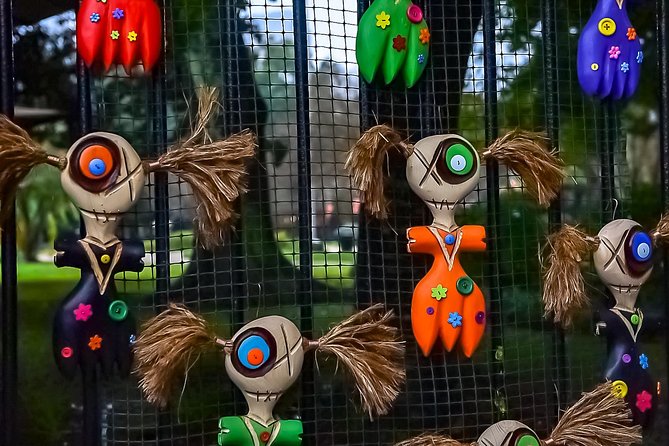
Early on, the walk sets the stage in the French Quarter. You’ll pass St. Louis Cathedral, described as the oldest cathedral in continuous use in the U.S. It’s not just a pretty stop. The guide uses landmarks like this to explain how Catholic institutions and African-rooted spiritual traditions overlapped in New Orleans history.
This kind of framing helps you avoid two common mistakes:
1) treating Voodou like pure folklore
2) treating it like a single-note pop-culture script
When the tour begins with major landmarks, you get a geographic anchor fast. Then the guide can start building the bigger narrative as you walk.
Stop 2: Voodoo Authentica and the museum-style shop moment
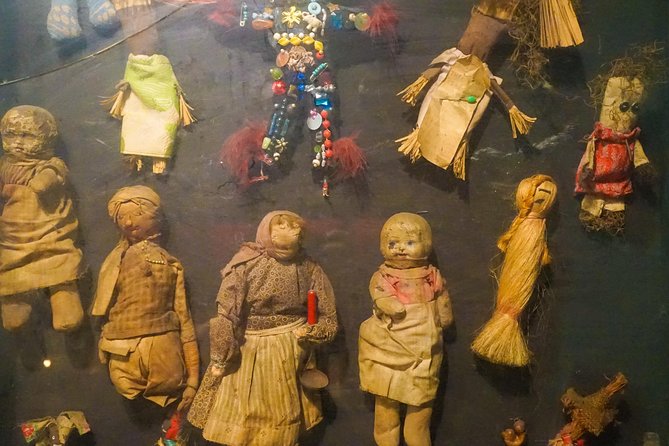
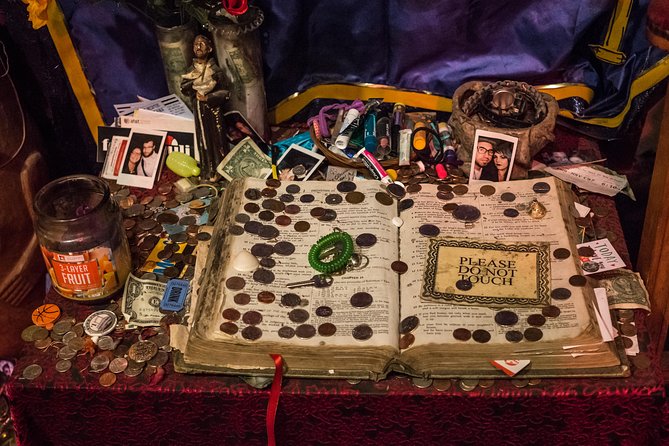
Next comes a stop at Voodoo Authentica, an authentic Voodoo shop experience. In the overview, you may also stop by the New Orleans Historic Voodoo Museum, where you can browse items connected to protection and spiritual practice, including things people associate with spells and potions.
Even if you’re not buying anything, this pause is valuable. It shows you how Voodou has been presented in New Orleans storefront culture and how symbols travel from belief to business. You’ll also hear how the Laveau family’s influence worked through the city’s social fabric—church life on one side, spiritual practice on the other.
Keep your expectations realistic. This isn’t a behind-closed-doors ritual lesson. It’s a history walk that uses real places where people gather, sell, and explain.
Practical tip: bring cash only if you feel like browsing, but you can also just enjoy the explanations and move on when the group does. Shop stops are short—think about it as a glance into a living culture, not a long shopping detour.
Stop 3: Congo Square—where the guide connects Voodou and jazz
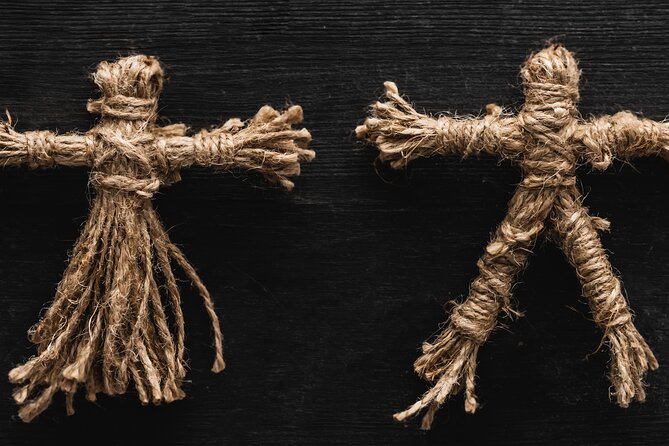
Then you hit Congo Square, where the tour focuses on the deep link between Voodou traditions and jazz roots. Congo Square is treated as more than a historical marker. It’s described as a place that mattered to both spirituality and music development in New Orleans.
Why this stop is a highlight: it helps you understand that New Orleans music didn’t come from nowhere. It grew from community gatherings, where people carried their beliefs, their rhythms, and their ways of celebrating.
You get a guided explanation of the role Congo Square played and how that environment fed artistic culture. Even if you don’t consider yourself a jazz person, this is the point where the story starts clicking.
If you’re the type who likes to learn through walking, Congo Square is where your brain goes from name-memorizing to actually understanding how the city worked.

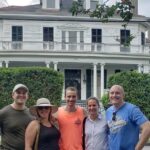
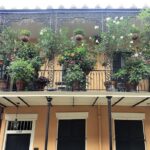
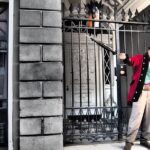


Stop 4: Marie Laveau’s home site and the story behind the photos
One of the most memorable parts is the stop at the original spot of the home of Marie Laveau. This is where you get a photo opportunity and hear the specific stories about Marie Laveau and her impact on Voodou in New Orleans.
Photo stops can feel awkward on tours, but here it’s more than a snapshot moment. The guide connects location to meaning—why that neighborhood mattered, and how the Laveau name became tied to spiritual authority.
It’s also a reminder that Marie Laveau is not just a spooky headline. She’s a historical figure connected to community leadership, tradition, and the city’s long-running spiritual life.
The Rampart Treehouse ghost-sighting pass: spooky only by reputation
The tour also includes passing by the Rampart Treehouse, noted as the site of Marie Laveau’s last ghost sighting. This is where the tour acknowledges the supernatural side of the folklore, without turning it into a cheap scare show.
If you’re hoping for pure horror-movie atmosphere, you might be surprised. The emphasis is on context—what the story means, how it evolved, and why it stuck in local memory. Think “urban legend with an educational frame,” not “ghost hunting with flashlights.”
This stop is brief, but it’s a strong payoff moment if you like New Orleans for its story power. You leave with a few specific locations you can later look up on your own, and that makes the city feel more personal.
Which guides make the biggest difference
The tour experience can vary a lot based on the guide’s style. The names that come up most positively include Scott, Gomez, Orion, Wes, D.J., Carlos, John, and Raffle.
Across these guides, a few traits show up again and again:
- they answer questions without shutting people down
- they connect Voodou history to broader New Orleans history and music
- they keep the tone respectful
- they manage the group with clear, loud narration
Some guides also add extra cultural elements—several accounts mention ending with a second line moment. That isn’t guaranteed, but it’s worth expecting that the guide may bring a little extra street culture into the finish.
If you prefer a tour with personality and storytelling, you’ll likely click with this format. If you prefer strict timelines and facts only, you still get facts—but the delivery is more character-driven.
Price and value: why $25.60 can make sense here
At $25.60 per person, this tour is priced like a budget-friendly walking experience, but it’s not a throwaway stop. You’re paying for:
- a licensed guide
- an about 90-minute guided route through key sites
- time spent on themes that many other tours either oversimplify or avoid
The value is strongest if you want a guided explanation of Voodou as a living religion with African and Haitian roots, rather than a quick hit of Halloween-style imagery. The tour’s strength is the way it connects people, places, and history you can’t easily piece together on your own just by wandering.
Also, a smaller group cap helps. With up to 28 people, it’s easier to hear and ask questions than on giant bus-style tours.
What the route feels like: walking pace and real-world comfort
This is a moderate walking tour. The French Quarter streets can be uneven and the sidewalks may be challenging. One of the good signs here is that the tour operates in all weather conditions, so it’s built for real city walking, not perfect weather fantasies.
If it’s hot, you’ll want water and breathable layers. If it’s rainy, wear shoes you can trust. Some guides are attentive about finding shade during stops, which can make a big difference on a summer day.
Mobility note: it’s generally described as wheelchair accessible with mostly flat paved route, but the French Quarter can still create sidewalk difficulties. If you’re using a wheelchair or mobility aid, go in expecting occasional rough patches and plan to move slowly.
Who should book this tour (and who might not)
This tour is a great fit if you:
- want to understand Marie Laveau beyond legends
- care about how Congo Square connects to New Orleans music
- like history told through street-level locations
- enjoy asking questions and getting straight answers
It can also work for families, with the important caveat that the guide covers serious historical themes, including the truth around the slave trade. The tone is educational, not horror-focused, but it’s not sanitized either.
You might skip it if you’re only looking for scary ghost stories or if walking on uneven historic streets is tough for you with your current energy level.
Should you book the Voodoo Queen of New Orleans walking tour?
If your goal is to understand Voodou as a real cultural and religious tradition tied to New Orleans history—and you’re happy to explore on foot—this tour is an easy yes. It’s good value for a guided, story-driven route that lands at the names and places you’ll keep hearing about anyway: St. Louis Cathedral, Congo Square, Marie Laveau’s legacy, and the Rampart Treehouse ghost lore.
Book it when you want context, not a costume show. And book it early in your trip if possible, so the French Quarter feels like a story you can read afterward, not just a set of stops you passed through.
FAQ
Where does the Voodoo Queen of New Orleans tour start?
The tour starts at Bon’s New Orleans Street Food, 620 Decatur St Unit 1B, New Orleans, LA 70130, and it ends back at the meeting point.
What time does the tour begin?
The start time is 11:00 am.
How long is the walking tour?
It runs about 1 hour 30 minutes.
What’s included in the price?
The tour includes a licensed guide and the 90-minute Voodoo walking tour.
Is parking available near the meeting point?
There is limited parking near the departure location, and parking rates apply and may vary. Because it’s in the French Quarter, it’s recommended to walk or use public transportation, or consider ride-share.
Is food and drink included?
No. Food and drink are not included.
Is the tour offered in English?
Yes, it’s offered in English.
Is the tour wheelchair accessible?
It’s described as wheelchair accessible, with a route that is mostly flat and paved. That said, the French Quarter streets can still be challenging for mobility.
What happens if the tour is canceled due to weather?
This experience requires good weather. If it’s canceled because of poor weather, you’ll be offered a different date or a full refund.