REVIEW · PALERMO
Palermo: Anti-Mafia Heroes Evening Walking Tour
Book on GetYourGuide →Operated by Gobo Tours Italy · Bookable on GetYourGuide
Mafia history lives in Palermo’s streets. This Palermo Anti-Mafia Heroes Evening Walking Tour turns the spotlight onto ordinary people who pushed back against Cosa Nostra, using real places in the Kalsa neighborhood. You’ll connect the names you’ve heard, like Falcone and Borsellino, to streets you can actually stand on.
I especially like the storytelling approach. Guides such as Angela and Andrea are praised for strong research and for weaving history with personal accounts and visual aids like photos, which makes the topic feel human instead of abstract. You’ll also have plenty of space for questions, so the guide can answer what you’re still curious about.
One thing to plan for: hearing can get harder at points because there may be traffic noise, and the group may need to huddle a bit closer. The tour is also not for wheelchair users, and it’s about 1 mile (1.6 km) on mostly shaded city streets.
In This Review
- Quick hits before you lace up
- Walking Palermo’s La Kalsa with Falcone and Borsellino in view
- Where it starts: Ciccio Passami l’Olio and Giovanni Falcone’s birthplace plaque
- Real locations tied to crimes, plus the places renewal left behind
- Stop-by-stop flow: what each section of the walk feels like
- Stop 1: Ruderi della casa natale del giudice Falcone
- The main walk through La Kalsa
- The finish near Piazza della Kalsa
- Why the guide matters: story quality is the real product
- The café stop and bathroom timing: small comfort, smart pacing
- Value check: $39.86 for 3 hours, 10 sites, and focused anti-mafia context
- What kind of traveler this is best for
- Practical tips so you get the best experience
- Should you book the Palermo Anti-Mafia Heroes Evening Walk?
- FAQ
- How long is the Palermo Anti-Mafia Heroes Evening Walking Tour?
- What’s the walking distance?
- Is the tour offered in English?
- Is there a break during the tour?
- Is there a bathroom available?
- Is the tour suitable for wheelchair users?
Quick hits before you lace up
- La Kalsa focus: born-and-raised ground tied to anti-mafia figures Falcone and Borsellino, plus restored sites linked to the movement
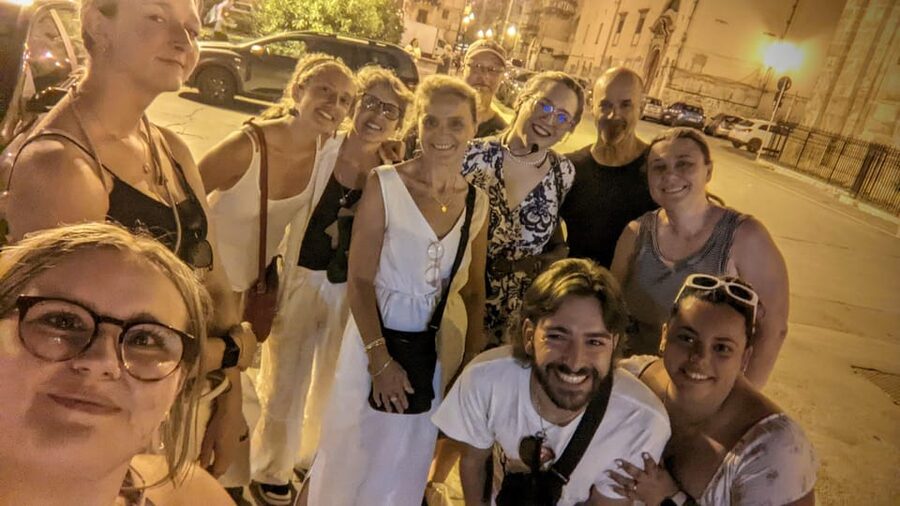
- 10 important stops: including three major crime sites, spread across about 1 mile of walking
- Story-first guide work: strong narrative plus photos and facts, with time for your questions
- A mid-walk café stop: refreshments are optional, and there’s a bathroom halfway through
- Small-group feel: many visitors note the tour moves at an easy pace and packs a lot into 3 hours
- English live guide: built for visitors starting from zero background knowledge
Walking Palermo’s La Kalsa with Falcone and Borsellino in view
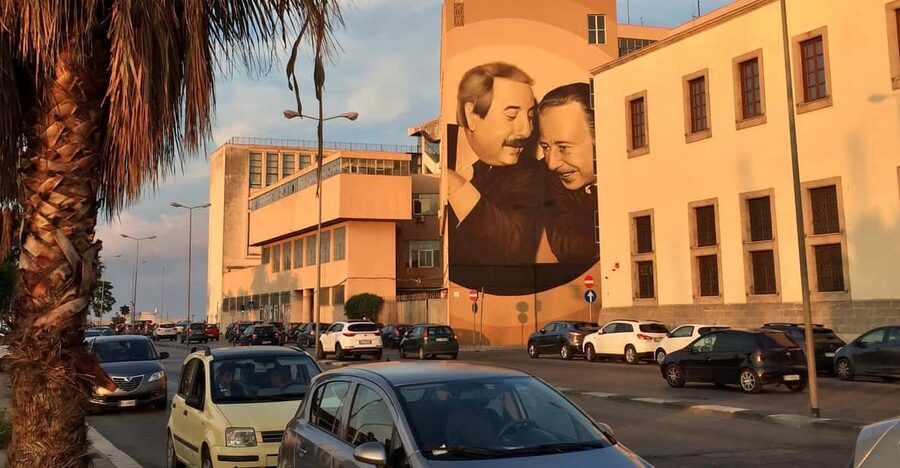
This is the kind of Palermo tour that changes how you look at the city. Instead of racing from one big sight to another, you move through La Kalsa and let the streets explain the past. The topic is heavy, but the framing stays grounded: it’s about the fight against organized crime, and the people who refused to accept it.
You’re also dealing with something many visitors miss in Sicily: the anti-mafia story is not only courtrooms and headlines. It lives in neighborhood choices, in what gets restored, and in how communities carry memory forward.
The tour runs about 3 hours, stays mostly shaded, and covers roughly 1 mile (1.6 km). That mix of manageable distance and focused subject matter makes it a smart evening plan, especially if you want something beyond the usual top-sights checklist.
You can also read our reviews of more walking tours in Palermo

Where it starts: Ciccio Passami l’Olio and Giovanni Falcone’s birthplace plaque
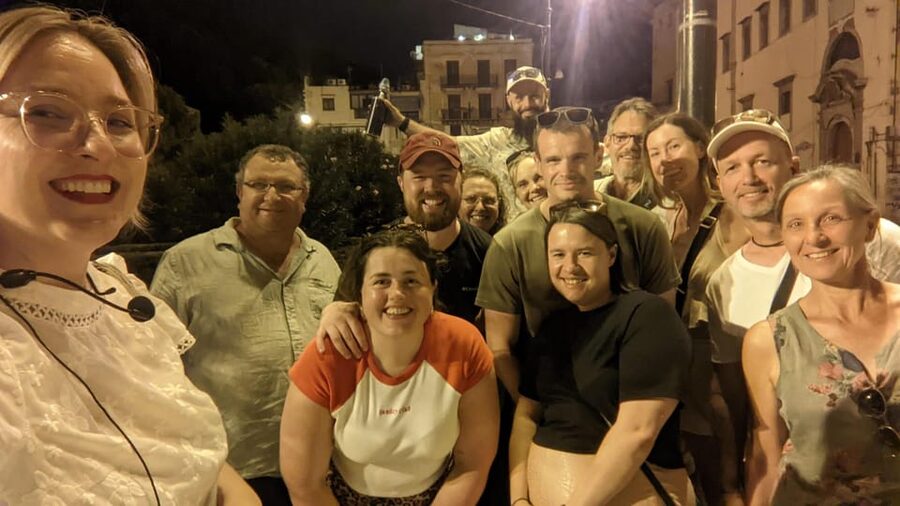
The meeting point is easy to find once you know what to look for. You meet in front of the restaurant Ciccio Passami l’Olio. Across from it, in the park, there’s a plaque marking the birthplace of anti-mafia lawyer Giovanni Falcone, one of the key figures tied to the walk.
That detail matters. It’s a quiet way to set the tone: you begin with a real anchor point, not just a generic introduction. And it helps you orient your brain before you start hearing names, dates, and events.
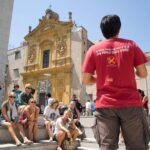
Your guide waits by the plaque. From there, you’ll begin moving into the Kalsa area, keeping the focus on where events happened and where the anti-mafia movement left traces.
Real locations tied to crimes, plus the places renewal left behind
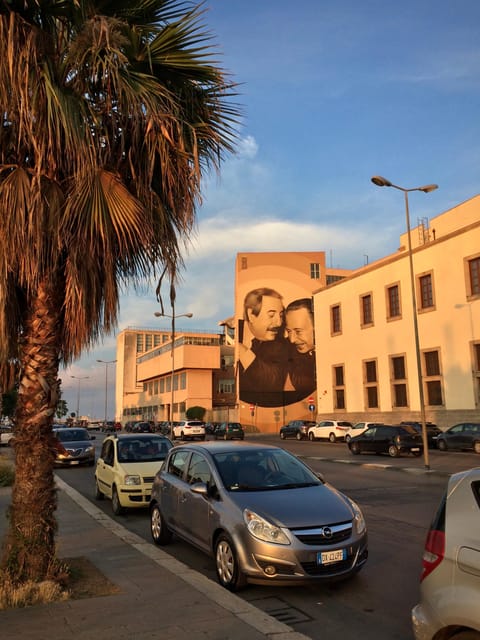
A big part of the value here is that you’re not just learning concepts. You’re visiting real spots connected to major crimes and the long response that followed.
Across the walk, you’ll see visits to 10 important sites, including three major crime sites. You’ll also cover restored areas linked to Palermo’s anti-mafia urban recuperation and renewal. In other words, the tour isn’t stuck in the “crime happened here” phase. It also points to the work that came after.
You’ll hear the story of Cosa Nostra as something with origins and myths competing in the public imagination. The tour’s theme emphasizes how Cosa Nostra was an aberration with shallow roots, uncharacteristic of the island’s culture and resilient spirit. Whether you know a lot or almost nothing beforehand, the guide’s job is to keep sorting the myth from the reality.
Stop-by-stop flow: what each section of the walk feels like
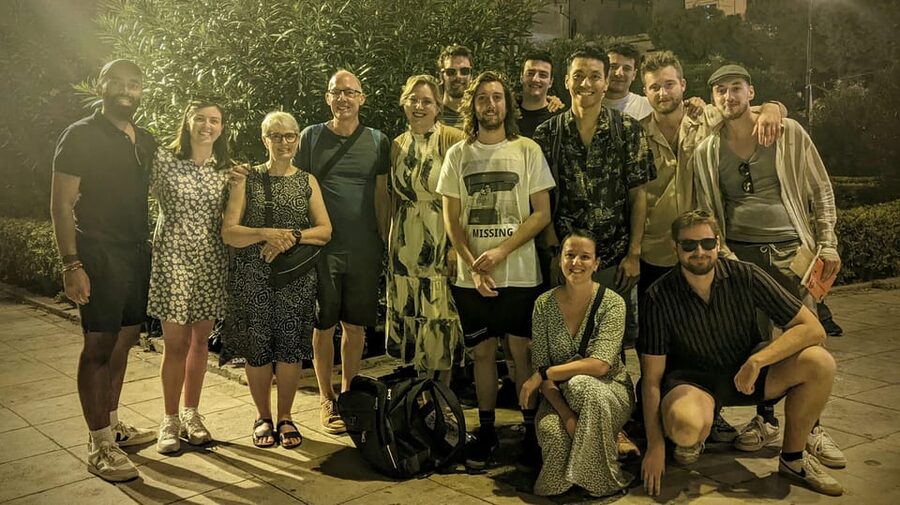
The tour moves in a logical order through the Kalsa neighborhood, and it’s designed to keep you connected to place as the story builds.
Stop 1: Ruderi della casa natale del giudice Falcone
The walk begins at Ruderi della casa natale del giudice Falcone. Even if you don’t yet know the full context, this opening location sets up the main thread: the fight against the mafia has a personal and local beginning.
This is where many tours would drop a quick intro and sprint ahead. Here, you start with a place that carries weight. It makes later stops feel more specific, because you’re building memory step by step.
You can also read our reviews of more evening experiences in Palermo
The main walk through La Kalsa
After the opening, you spend the bulk of the time moving through La Kalsa with guided stops and explanations. Expect the guide to talk about the moving struggle of ordinary Sicilians against Cosa Nostra and how anti-mafia heroes came out of this same neighborhood.
This is also where you’ll likely notice how the city layers itself. You see time in the built environment: older spaces, restored spaces, and everyday streets where modern life continues next to memory. That combination can be hard to catch if you’re sightseeing on your own.
The finish near Piazza della Kalsa
The tour concludes at Piazza della Kalsa. In the supplied details, it’s listed as the finish point, while the overall meeting-and-ending pattern returns you to the meeting area. Either way, you’ll finish in the Kalsa area after the last stories and final site visit, with a sense that you’ve walked a complete arc rather than a scattered list of stops.
Why the guide matters: story quality is the real product
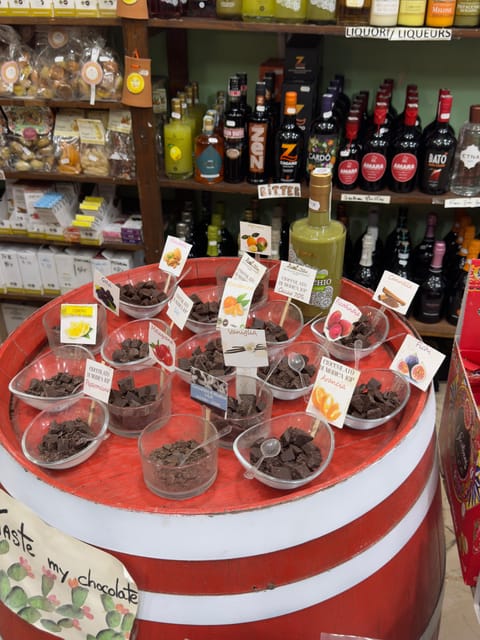
The walking part is simple enough. What makes this tour special is how the guide uses narrative.
You’ll hear repeated praise for Angela’s storytelling style, including how she uses photos and structured facts to support the route. Visitors also mention that the guide explains how the mafia affected local people, not just how the mafia operated. That matters because it shifts the lesson from “crime as spectacle” to “crime as harm with community consequences.”
You may even get a human touch beyond the lecture. Some reviews mention that the guide brings a small dog named Gobo, which is memorable in a good way and makes the tour feel personal rather than staged.
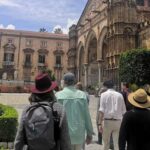
Also, don’t ignore the feedback about delivery. A few people mention traffic noise can interfere and that the small group may need to huddle closer. So pick a position near your guide. You’ll hear better, and you’ll feel more connected to what’s being pointed out.
The café stop and bathroom timing: small comfort, smart pacing
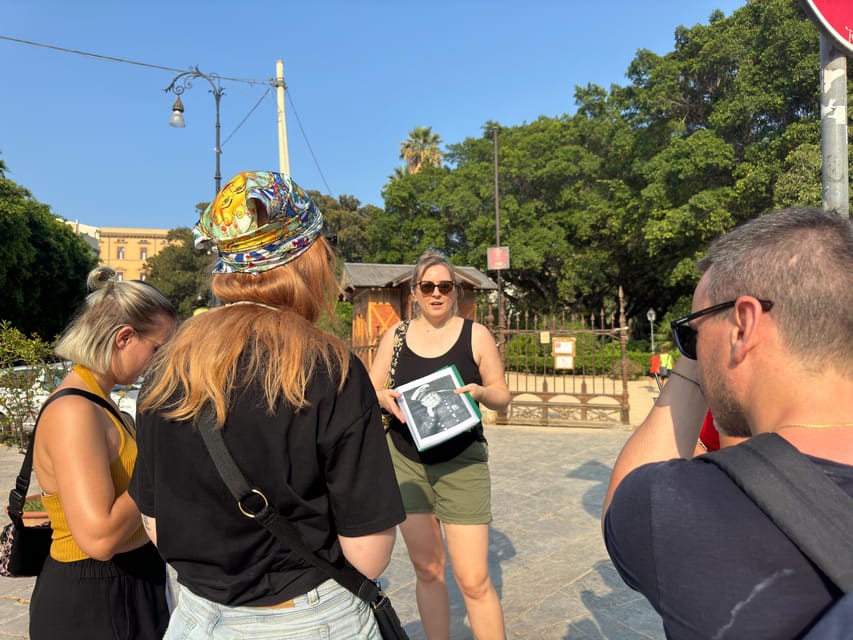
This is not a long trek, but 3 hours still requires rhythm. The tour covers about 1 mile (1.6 km) and is mostly shaded, so it stays comfortable for most people in the evening.
There is a bathroom available halfway through, which is a practical detail that makes this easier to plan around. You’ll also get a midway café stop, where refreshments are optional. In colder conditions, some visitors felt the café stop wasn’t necessary, while others saw it as part of the experience.
Either way, treat it as a “reset button,” not a requirement. If you order something, great. If you don’t, you still get the break.
Value check: $39.86 for 3 hours, 10 sites, and focused anti-mafia context
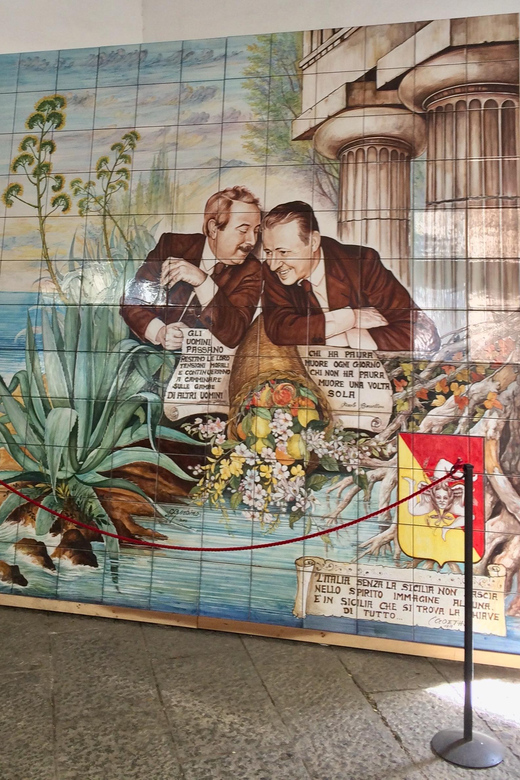
At $39.86 per person, the price is fair for a guided, English-language, story-heavy walking tour that hits 10 key locations in about 3 hours.
Here’s why it adds up:
- You’re paying for a guide, not just a map. The narrative is the core value.
- The tour includes visits to 10 important sites, including three major crime locations, which is hard to replicate on your own without the connections.
- The route is short enough to be realistic, but dense enough to feel like you learned something real.
If you like history that’s tied to streets, this kind of tour often becomes a highlight because it changes how you understand what you see later. After this, Palermo’s Kalsa area is no longer just buildings. It becomes a readable story of resistance and consequence.
If you’re the type who wants only big monuments and photos for Instagram, this may feel more intense than you want. But if you’re curious about Sicily beyond surface-level sights, it’s strong value.
What kind of traveler this is best for
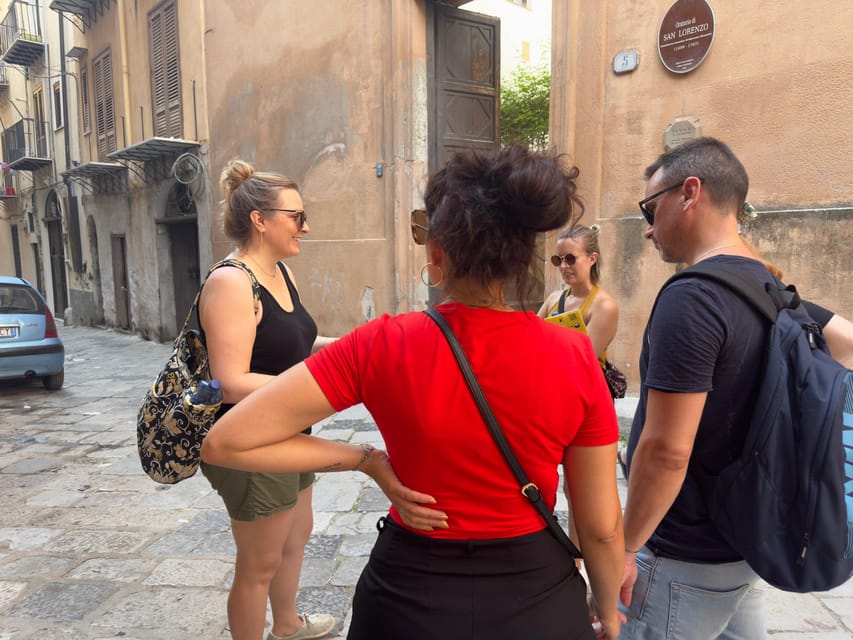
This tour fits you best if you:
- want a deeper understanding of Palermo’s anti-mafia movement, not just a general overview
- like tours where the guide makes connections between past and present
- enjoy walking at a moderate pace while hearing detailed stories
It’s less ideal if you:
- need wheelchair access, since it’s listed as not suitable for wheelchair users
- rely on high-heeled shoes for walking, since high heels are not allowed
- plan to bring luggage or large bags, since those aren’t allowed on the tour
You also want to bring comfortable shoes. The walking is relatively short, but it’s still city pavement.
Practical tips so you get the best experience
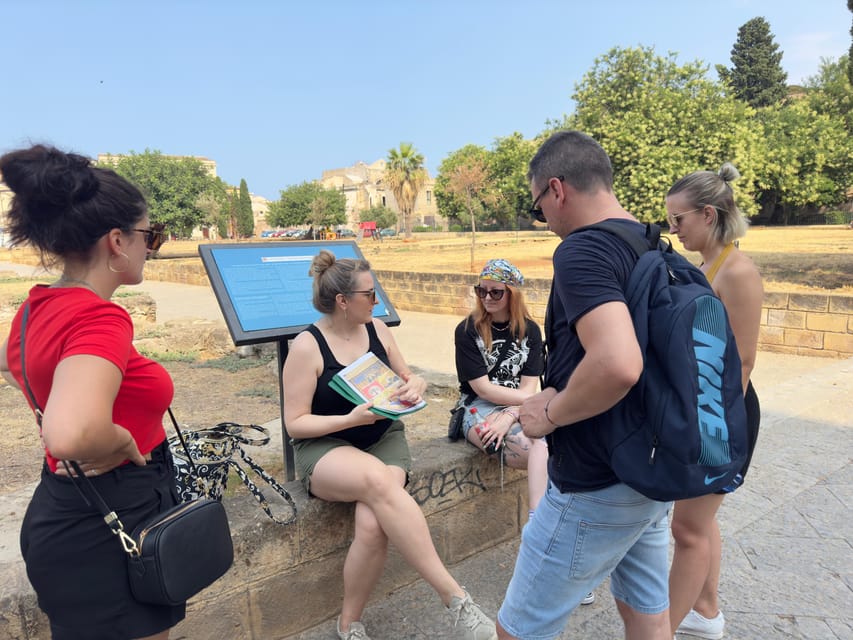
A few small moves can improve your enjoyment a lot.
First, wear comfortable shoes and keep your bag light. The rules are straightforward, and sticking to them keeps the pace smooth.
Second, expect the topic to be serious. The tour focuses on anti-mafia heroes and how their work continues to inspire. If you want violence described for shock value, you may find the tone more thoughtful than sensational.
Third, aim to hear the guide. If traffic noise pops up, stand nearer and don’t drift to the edges. Since the group may be small, you can usually adjust without feeling awkward.
Fourth, ask questions. This is one of the few themed tours in Palermo where the guide answers freely rather than rushing through scripted points.
Should you book the Palermo Anti-Mafia Heroes Evening Walk?
Book it if you want Palermo with meaning. This tour is a rare match of manageable walking, a strong neighborhood focus, and story-driven education centered on Falcone and Borsellino. You come away with a clearer picture of how the anti-mafia movement worked and why it mattered to ordinary people.
Skip it if you only want famous landmarks or if you’re not up for a serious, justice-centered theme. Also, if you need wheelchair access, this isn’t the right fit.
Overall, I think it’s a smart choice for an evening when you want to understand the city’s soul, not just its postcard angles.
FAQ
How long is the Palermo Anti-Mafia Heroes Evening Walking Tour?
It lasts about 3 hours.
What’s the walking distance?
You’ll walk about 1 mile (1.6 km), mostly shaded.
Is the tour offered in English?
Yes, the tour has a live guide in English.
Is there a break during the tour?
Yes. There’s a cafe stop midway through the walk. Refreshments are optional.
Is there a bathroom available?
Yes, a bathroom is available halfway through the tour.
Is the tour suitable for wheelchair users?
No, it’s not suitable for wheelchair users.