REVIEW · TORONTO
Toronto: City Walking Tour
Book on GetYourGuide →Operated by Buzz Tours · Bookable on GetYourGuide
Toronto’s PATH feels like a secret city. I love how this tour teaches you the PATH system and how to move through downtown without getting stuck. I also love the finish at St. Lawrence Market, where your guide points you toward smart food stops for the rest of the trip.
One thing to keep in mind: this is a true walking tour. You’ll be on your feet for about 3 hours, and it’s not designed for wheelchair users or people with low walking fitness.
In This Review
- Key takeaways before you go
- Getting your Toronto bearings in 3 hours
- Starting in the Entertainment District: where the energy is real
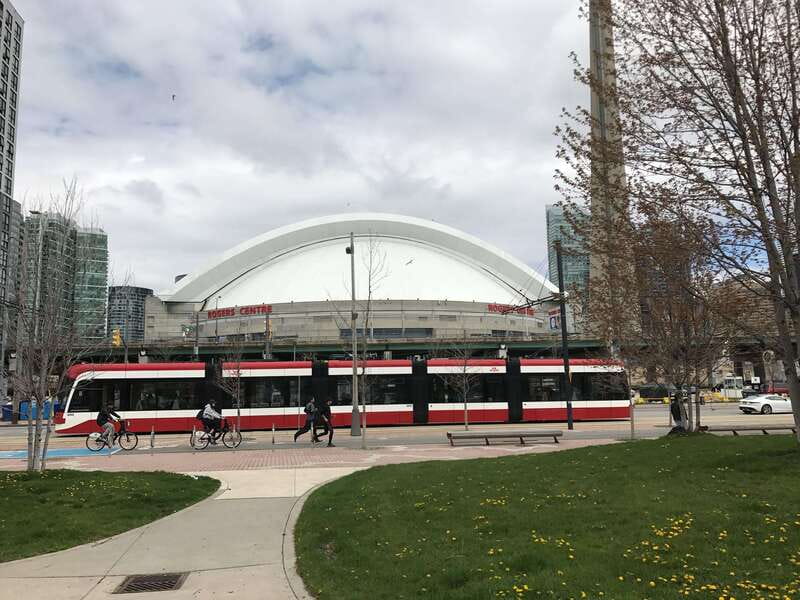
- Waterfront icons near the CN Tower and Rogers Centre
- The PATH system: over 70 towers connected underground
- Union Station and Brookfield Place’s Calatrava architecture stop
- Old Toronto: 19th-century streets with a different mood
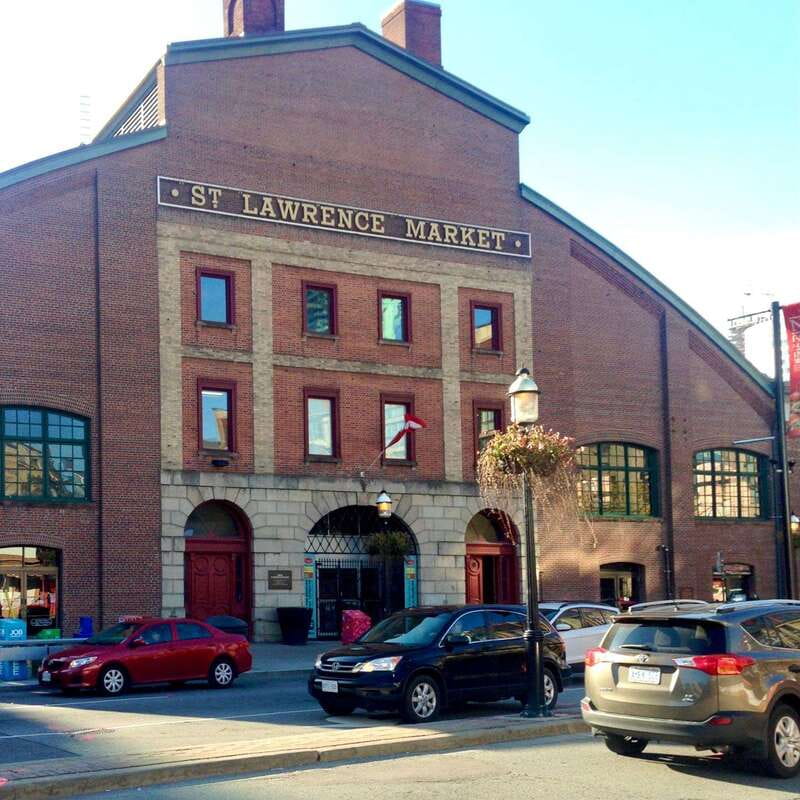
- St. Lawrence Market: a strong ending with real food planning
- Price and value: what $38 buys you in real terms
- Who should book (and who might skip it)
- Should you book Buzz Tours’ Toronto City Walking Tour?
- FAQ
- How long is the Toronto City Walking Tour?
- What does the tour cost?
- Where do I meet the guide?
- Is this a small group tour?
- What is included in the tour ticket?
- Are food and drinks included?
- Is entry to CN Tower and Rogers Centre included?
- Is the tour suitable for wheelchair users?
Key takeaways before you go
- Get downtown bearings fast: a walk that helps you understand where things are and how to move between them.
- PATH practicality in any weather: mostly underground routes that connect major towers and transit points.
- Icon spotting with context: CN Tower and Rogers Centre areas get explained from the street level.
- A real local finish: St. Lawrence Market wraps up the tour with food-forward suggestions.
- Small group, real conversation: limited to 10 participants, so you can ask questions along the way.
- Calatrava architecture moment: Brookfield Place adds a visual pay-off beyond the usual street views.
Getting your Toronto bearings in 3 hours
If you’re short on time, Toronto can feel like a giant puzzle. This walk is built to solve that problem early. You start in the Entertainment District, then work your way toward the waterfront and downtown core, ending at St. Lawrence Market.
What makes it especially useful is the mix of practical navigation and city stories. You’re not just looking at buildings. You’re learning how the downtown grid functions, where major corridors connect, and how locals think about where to go next. By the end, you should feel less like you’re guessing and more like you can plan your own day.
The PATH segment is the secret sauce for many first-timers. In winter or rain, it can completely change your Toronto experience because you’re not constantly fighting the weather. Even if the day is nice, understanding the PATH helps you map downtown in your head.
A quick note: this isn’t a sit-and-snap tour. If your walking is limited, you’ll want to rethink it. The route is designed for moderate fitness and steady pace.
You can also read our reviews of more walking tours in Toronto



Starting in the Entertainment District: where the energy is real
Your tour meets at the southwest corner of King Street West and Simcoe, beneath the small electronic billboard for Roy Thomson Hall. That location matters. The Entertainment District is where Toronto’s density shows up right away—live theatres, restaurants, bars, and concert halls in close proximity.
From the start, you’ll get a feel for how downtown is organized. Your guide doesn’t just rattle off facts. The tone is more walk-and-talk, with room for questions the whole way. With a small group capped at 10, it’s easier to get answers that match what you’re actually interested in—food, architecture, neighbourhoods, or where to spend an afternoon.
This is also a good place to notice how Toronto shifts by time of day. Theatres and nightlife create rhythms that aren’t obvious from a map. Even if you’ve only just arrived, the guide’s local context helps you understand what you’re seeing and why it matters.
If you’re the type who likes direction—how to get to places, and what to do once you arrive—this opening sets that expectation. It’s the foundation for the stops that follow.
Waterfront icons near the CN Tower and Rogers Centre
After you leave the theatre core, you head toward the waterfront. On the way, you’ll pass major downtown landmarks, including areas near the CN Tower and the Rogers Centre (often called Skydome by locals).
You’re not going inside those attractions on this walk. But the street-level look is still worth it when the guide adds the background. You’ll understand what these buildings represent in Toronto’s modern identity, and you’ll get context that makes later visits feel less random.
You’ll also get a short break at the waterfront around Queen’s Quay Terminal. This pause is practical: it gives you a moment to reset before you move underground. It’s also where you can connect what you’ve been seeing above ground with the “how downtown connects” theme the tour keeps returning to.
Even if you think you already know Toronto icons, I like this approach because it turns photos into understanding. You’re learning what to notice, not just what to point at.
The PATH system: over 70 towers connected underground
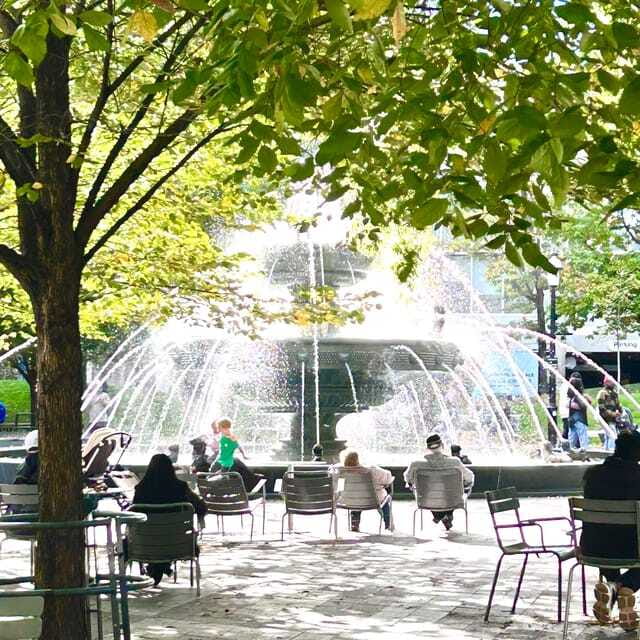
This is the part that can genuinely change how you experience Toronto.
The PATH is a mostly underground network that stretches roughly 30 km (about 20 miles). It connects downtown office towers and key indoor spaces, including over 70 office buildings. That’s not just a fun fact. For you, it means shorter routes, fewer weather issues, and more options for where to eat or browse without stepping outside.
The numbers your guide shares are what make it real: PATH includes around 600 places to eat, over 800 shops, 6 subway stations, and 7 hotels. Put simply, it’s a city-within-a-city. When you walk through it with a guide, you learn the logic of where it leads—so you don’t end up wandering corridors with no sense of direction.
This tour also includes entry to Toronto’s PATH, and the “pop in and out” approach helps you compare above-ground and underground feeling. You see how downtown transitions between street life and indoor convenience, which is a huge help if your plan includes multiple neighbourhood stops.
One more practical benefit: once you know where the PATH intersections are, you can plan your own day better. You can choose to stay inside longer on cold or rainy days, or pop out when the weather clears for skyline views.
Union Station and Brookfield Place’s Calatrava architecture stop
As the walk progresses, you’ll move from the underground network into major downtown interior spaces. The tour includes entry to Union Station and Brookfield Place, and that combination gives you two very different kinds of “downtown grandeur.”
Union Station tends to feel like movement. It’s a transit hub that signals how the city pulls people in different directions. Understanding the station early helps you later when you’re trying to figure out transit connections or getting oriented for day trips.
Brookfield Place is the architecture payoff. It was designed by Spanish architect Santiago Calatrava, and it’s one of those places where the building language is impossible to ignore. Even if you’re not an architecture fanatic, it gives you a visual anchor for the day. You’ll remember it because it looks like Toronto decided to take itself seriously in design.
This part of the tour is also a good time to ask questions. Guides often have a strong sense of how Toronto works day-to-day—where locals go for quick meals, what areas are convenient to pair together, and what to avoid if you’re trying to keep walking time efficient.






Old Toronto: 19th-century streets with a different mood
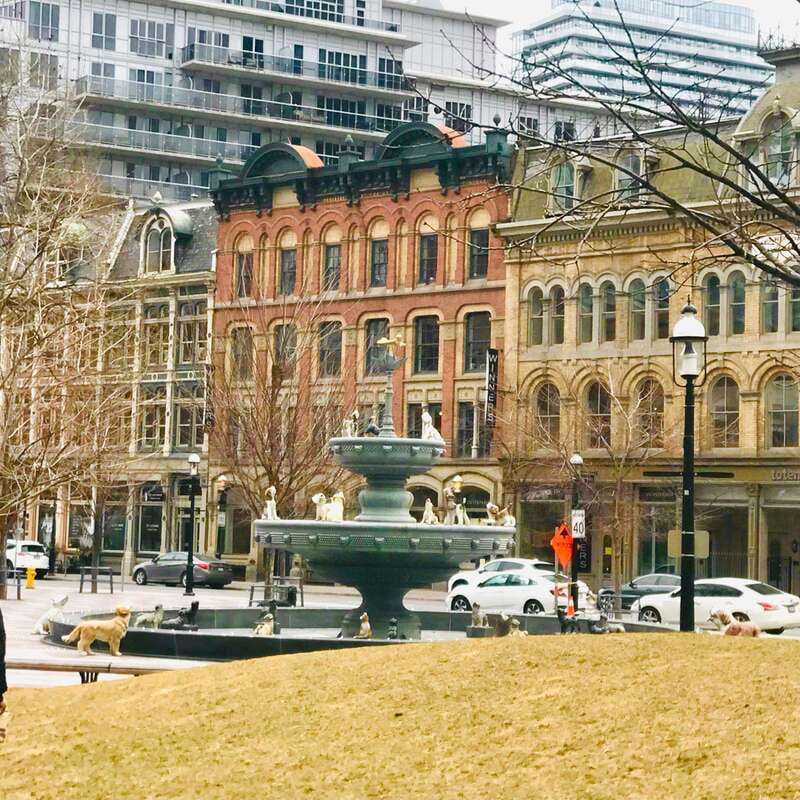
The final third shifts gears into Old Toronto. This is the area with buildings that trace back to the city’s 19th-century boom, and it has a different vibe than the newer downtown core.
You’ll see a contrast in scale and character: streets and structures feel more rooted, more human-scaled, and less like pure office-and-transit geometry. That contrast matters because it reminds you Toronto isn’t just modern towers and shopping corridors. It has layers, and you’re walking across them.
This is also where the tour’s “what to do next” value shows up. Your guide can connect the historical feel to present-day plans—restaurants, neighbourhood mood, and where you might want to spend extra time after the tour ends.
If you’re the kind of traveller who loves a city that reveals itself in layers, Old Toronto is a satisfying payoff. It helps your earlier stops feel more meaningful, instead of like random highlights.
St. Lawrence Market: a strong ending with real food planning
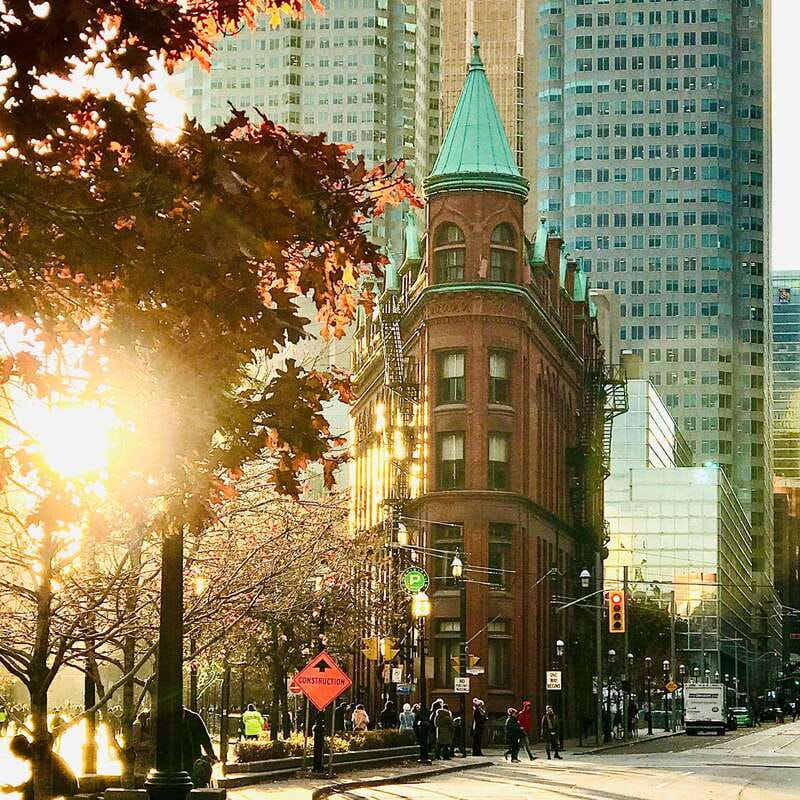
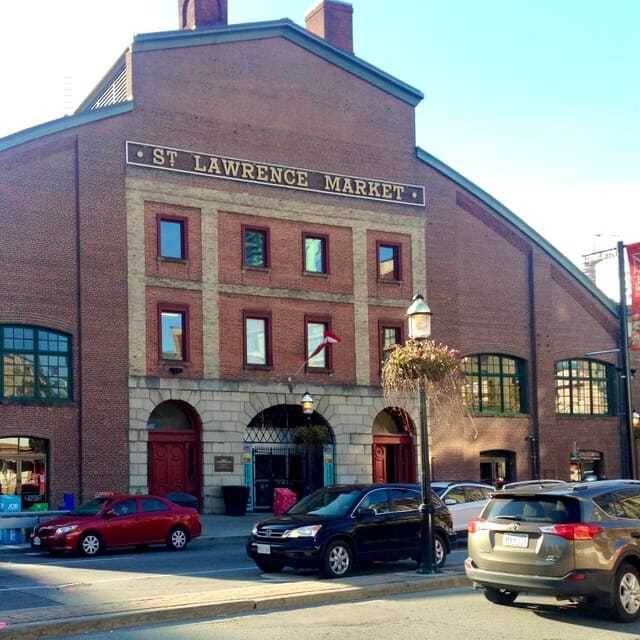
The tour ends at St. Lawrence Market. In many world rankings, it’s listed at or near the top, and it’s easy to see why. The market is a central place where you can taste the city’s food culture instead of only reading about it.
Your guide points out popular venues and foods available inside. This is where the tour becomes more than orientation. You get guidance for sampling without guessing. If you’re planning lunch (or a late snack right after), this ending is built for that.
It’s also a clever final stop. After 3 hours of learning how downtown connects, you finish at a place that’s easy to enjoy immediately. No need to figure out where to go next. You can stay here, wander, and let the guide’s suggestions steer your choices.
If you’re unsure what to eat in Canada beyond the obvious, this is a smart place to start because you’ll find plenty of variety under one roof.
Price and value: what $38 buys you in real terms

At $38 per person for a 3-hour guided walk, you’re paying for more than a route. You’re paying for a local who can explain what you’re seeing and help you navigate the city efficiently.
Here’s what you’re getting value-wise:
- A small group capped at 10, which supports real questions, not just one-way talking.
- A route that covers multiple key downtown zones in a short window: Entertainment District, waterfront area, PATH, Union Station, Brookfield Place, Old Toronto, and St. Lawrence Market.
- Included entry to several places along the way, including Queen’s Quay Terminal, Toronto’s PATH, Union Station, Brookfield Place, and St. Lawrence Market.
Important trade-offs: food and drinks aren’t included, and you won’t have entry to CN Tower or Rogers Centre. If those top-of-mind attractions are on your bucket list, plan to buy separate tickets. But for many first-time visitors, the walking tour is the better first step because it helps you decide what’s worth doing in depth.
What I like about the pricing model is that it feels like an efficient “city orientation” tool. If you spend the rest of your trip walking smarter—using PATH when it’s cold or planning neighbourhood pairings better—you’ll feel the value quickly.
Who should book (and who might skip it)
This tour is a good fit if:
- you want an organized downtown overview without spending your first day lost
- you like stories and humour along the way
- you plan to walk a lot during your Toronto stay
- you’re interested in how Toronto’s core works, especially the PATH system
It may not be the best fit if:
- walking for 3 hours is difficult for you
- you need wheelchair access (it’s not suitable for wheelchair users)
- you’re looking for a mostly indoor, no-steps experience (the route includes underground sections, but it’s still a walking itinerary)
You’ll also want to bring a camera, since there are lots of photo opportunities along the way. If you travel with kids, children must be accompanied by an adult.
If you’re travelling with pets, note that pets aren’t allowed.
Should you book Buzz Tours’ Toronto City Walking Tour?
If your goal is to get oriented fast and walk away with a clear sense of where things are, I’d book it. The PATH component alone makes it worth considering, and the ending at St. Lawrence Market gives you an easy way to turn the tour into real plans for food and downtime.
Skip it if you strongly prefer very low walking, need wheelchair access, or you only want inside-ticket attractions like CN Tower. This walk is about understanding and navigating downtown, not replacing separate attraction tickets.
If you do book, show up ready to walk with a moderate pace. Bring your curiosity, ask questions early, and use the guide’s tips to shape the rest of your Toronto days.
FAQ
How long is the Toronto City Walking Tour?
The tour lasts 3 hours.
What does the tour cost?
The price is $38 per person.
Where do I meet the guide?
Meet at the southwest corner of King Street West and Simcoe, beneath the small electronic billboard for Roy Thomson Hall.
Is this a small group tour?
Yes. The group is limited to 10 participants.
What is included in the tour ticket?
It includes a 3-hour guided walking tour, a local guide, and entry to Queen’s Quay Terminal, Toronto’s PATH, Union Station, Brookfield Place, and St. Lawrence Market.
Are food and drinks included?
No. Food and drinks are not included.
Is entry to CN Tower and Rogers Centre included?
No. Entry to CN Tower and Rogers Centre is not included.
Is the tour suitable for wheelchair users?
No. It is not suitable for wheelchair users, and it’s recommended for people with a moderate fitness level.