REVIEW · LONDON
London: Secrets of the London Underground Walking Tour
Book on GetYourGuide →Operated by Evan Evans Tours · Bookable on GetYourGuide
The Tube has secrets under your feet. This 2.5-hour London Underground walking tour strings together real station history, from an original stop dating to 1863, to stories of abandoned platforms and legends about haunting. If you’re lucky (or you just pick the right date), you’ll hear it all in a way that makes guides like John or Peter sound like they’re recounting a favorite London mystery.
What I like most is the focus on cause-and-effect: how the Underground was built, how trains shifted from steam to electrification, and why so many stations were left behind. I also love the mix of places: a walk through active Tube corridors plus time at the London Transport Museum, so the facts don’t just float in the air. There is one consideration: it’s walking and it involves steps, so it’s not a good fit if mobility is limited.
If you enjoy history that feels practical—signs, symbols, engineering, and what the Tube has been used for—you’ll get your money’s worth out of this one.
In This Review
- Key things to know before you go
- Baker Street Station: the perfect start line for Tube history
- Tube basics that make the rest click: steam, electricity, and the first tunnels
- London Transport Museum stop: facts you can see, not just hear
- Original stations, round numbers, and why 40+ were left behind
- Haunted and disused stations: what the legends add to the real history
- The Underground in wartime: Blitz refuge, aircraft factory, and Museum storage
- Walking pace and logistics: what to bring and what to skip
- Price ($40) and value: who should spend money on Tube secrets
- Who this London Underground walking tour fits best
- Should you book the London Underground secrets tour?
- FAQ
- Where do I meet for the London Underground secrets tour?
- How long is the tour?
- How much does it cost?
- Is the Underground ticket included?
- Do I need to bring anything besides the ticket?
- What’s included in the tour price?
- Is there food or drinks included?
- Is the tour accessible for wheelchair users?
- Are baby strollers allowed?
- Where does the tour end?
Key things to know before you go
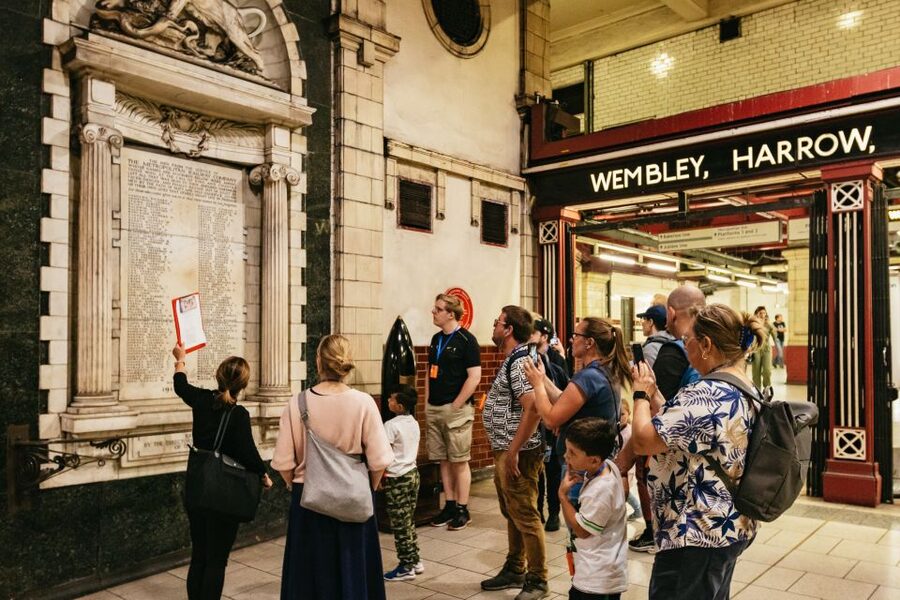
- Start at Baker Street Station (Sherlock Holmes statue): you’re meeting at the iconic spot where the Metropolitan Railway began.
- An 1863-era station in the story: you’ll connect Tube design to the earliest underground era.
- Audio headsets included: you can hear your guide over the station noise and platform chaos.
- Abandoned-and-haunted station lore: you’ll hear about disused stops and ghost stories tied to specific stations.
- Blitz-era repurposing tales: learn how the Underground served London in wartime in unexpected ways.
- Finish in Westminster near Bridge Street: easy to keep exploring after the tour ends.
Baker Street Station: the perfect start line for Tube history
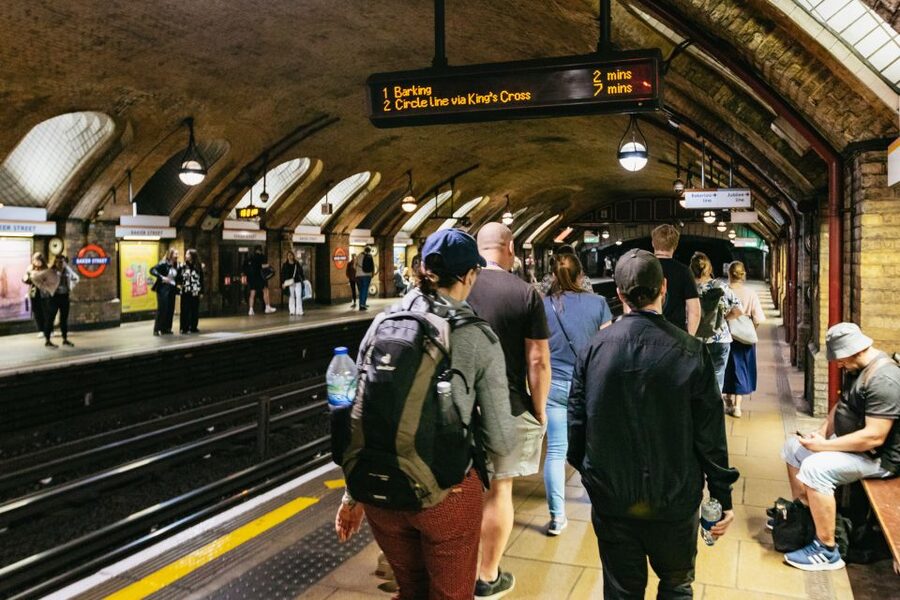
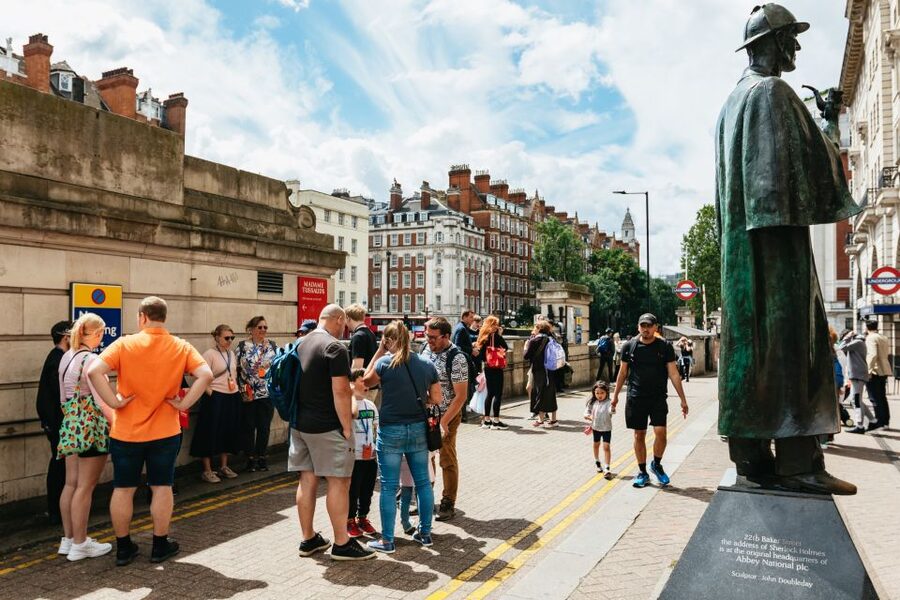
I like starting a Underground story at Baker Street because it immediately anchors you in London’s myth-and-reality mix. Your meeting point is by the Sherlock Holmes statue outside Baker Street Station, so you can orient fast and find the group without hunting around underground entrances. From there, the tour moves on foot and by Tube for a short segment, keeping the pace friendly for a 2.5-hour experience.
This is one of those tours where the guide doesn’t just name stations. You’ll learn what makes this network different from a typical subway: the Tube evolved in layers. You’ll hear about the early Underground era through the lens of the Metropolitan Railway, plus how the system matured over time—especially when steam gave way to electrified rails.
And because you’re starting above ground at a place so famous, the tour also helps you look at London like a city of infrastructure, not just sights. That sounds nerdy, but it’s practical. You begin noticing design details—signage, station layout clues, and how different generations of the network coexist in the same corridor.
You can also read our reviews of more walking tours in London



Tube basics that make the rest click: steam, electricity, and the first tunnels
Once you’re moving through the station world, the story gets more satisfying. The guide focuses on the major engineering shifts that changed how the Tube worked. You’ll hear how trains moved from steam power to electrified rails, and why that mattered for speed, reliability, and operation.
Then comes the part that helps you understand the Underground as a construction project instead of a magic transport trick: how the very first tunnels were built. Even if you’ve ridden the Tube a hundred times, this kind of explanation changes what you think you’re seeing. Corridors feel less like hallways and more like a record of engineering choices.
There’s also a symbolic element that I appreciate: you’ll learn about the famous roundel underground symbol. That may sound like trivia, but it’s actually useful. Once you know where the symbol fits into the Tube’s evolution, you’ll start noticing how branding, public trust, and system growth all moved together.
The practical payoff is simple: after this, your next Tube ride stops feeling like just getting from A to B. You’ll start mentally tracing which parts of the network feel older, newer, and repurposed—and why.
London Transport Museum stop: facts you can see, not just hear
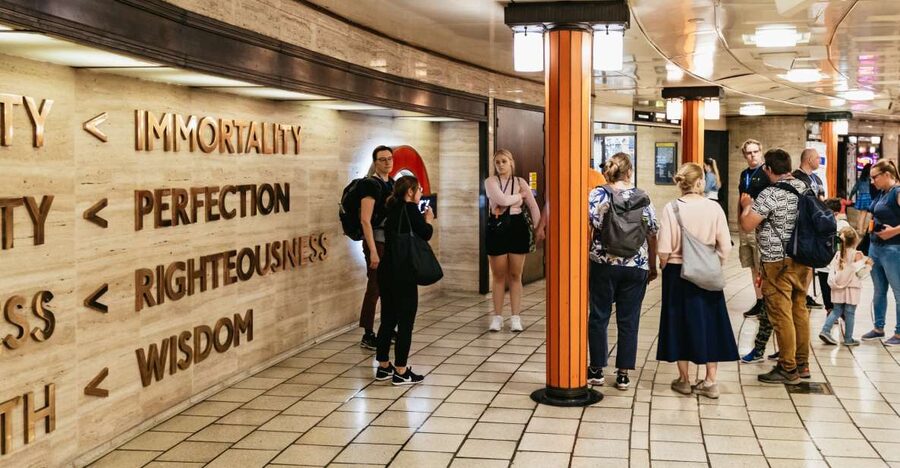
Half the value of a history tour is visual confirmation, and that’s why the London Transport Museum visit works. You go inside during the tour window, which means you’re not stuck listening while standing in one spot for too long.
Even without pretending you’ll become a museum expert in 2.5 hours, this stop helps tie together themes the guide has been pointing out: how Underground lines formed, how rolling stock changed, and how the Tube became a public icon. The Underground isn’t only tunnels; it’s design language—what you recognize instantly, what you remember, and what you trust to carry you across London.
One practical note: museums tend to reward slower pace. If you prefer to rush through everything, you might feel a little impatient during this segment. But if you like looking closely at old systems, parts, and explanations, you’ll enjoy the chance to see the broader picture while your guide is still there to point out what matters.
Original stations, round numbers, and why 40+ were left behind
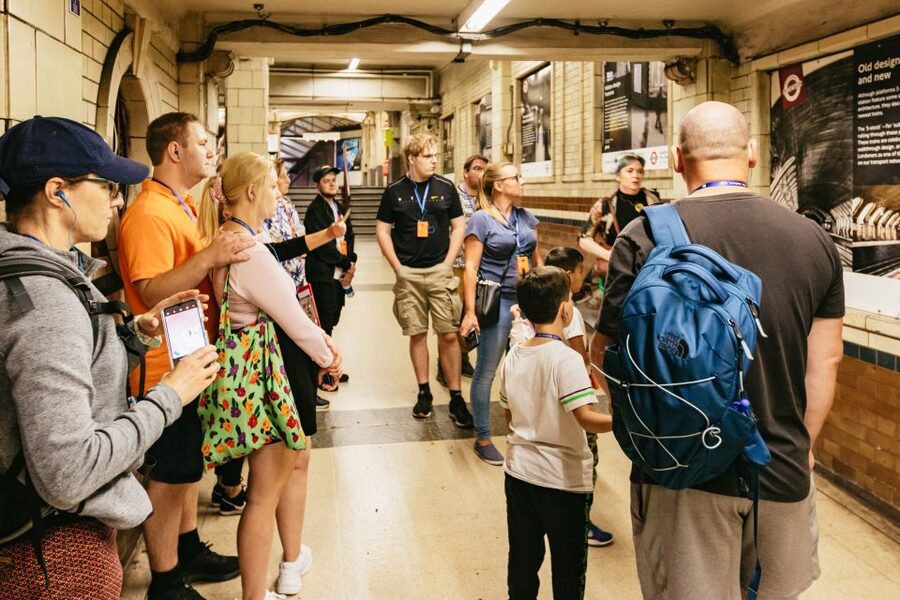
A big theme you’ll hear is abandonment—and it’s not just spooky storytelling. You’ll learn why more than 40 stations were left abandoned, and what that says about how London’s transit needs changed. When a city’s growth shifts, rail lines and stops that made sense once can become outdated fast.
The tour includes visits connected to the Underground’s earliest era, including an original station opened in 1863. That matters because it lets you connect modern-day Tube experience with the earliest underground ambitions. Instead of hearing history as distant legend, you’re hearing it tied to places you’re standing near.
This is also where the guide’s delivery style makes a difference. In the past, guides such as John and Angela have been praised for clear, entertaining pacing—historical background that stays interesting instead of turning into a lecture. Aaron and Nick also show up in past tour experiences as guides who keep the group moving while still answering questions when people ask them.
If you’re a rail nerd, this portion will feel like someone handing you a map of hidden logic. If you’re not, you can still appreciate the lesson: London’s Tube isn’t one project. It’s a long, uneven story of building, rebuilding, and abandoning as the city demanded change.
Haunted and disused stations: what the legends add to the real history
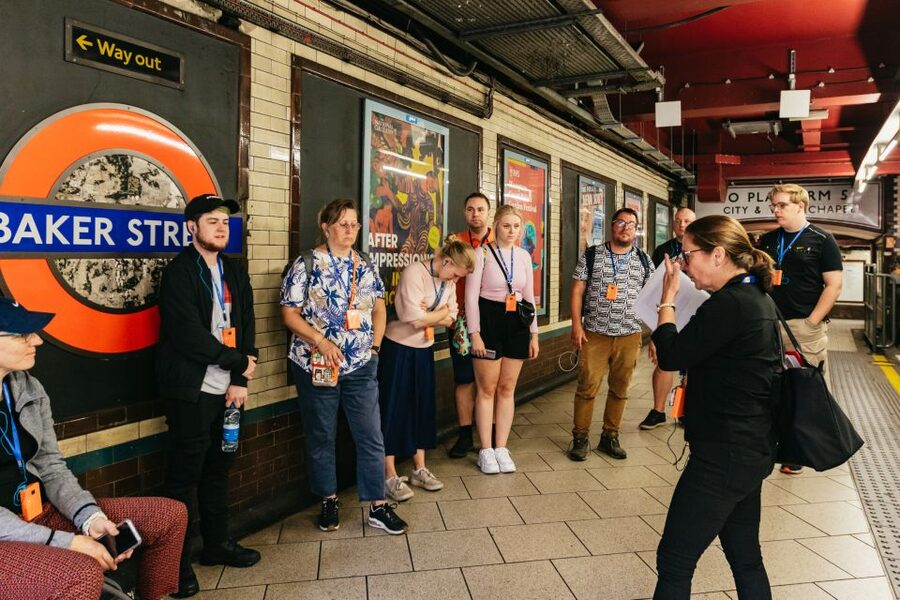
Yes, there are ghost stories. This tour includes haunted and disused station tales, including legends about the ghosts of a Pharaoh’s daughter and even a nun. You’ll also hear about which station is reputed to be connected to remains of 1,000 bodies—another detail that lands better when you’ve got context about how these stations were built and why they fell out of use.
Here’s what I think these legends do well: they make you pay attention to features you might otherwise ignore. When you hear a story tied to a specific stop, you start watching for design clues: sealed entrances, strange sightlines, changes in platform levels, and the way certain corridors feel like they belong to another time.
A small reality check, though. Some people go into these tours hoping to go inside a disused station. On certain runs, the tour may stay at the level of what you can access safely in active areas. In other words: don’t plan on getting a cinematic underground movie moment. Instead, plan on learning how abandoned and repurposed spaces fit into the Tube’s bigger history.
If you enjoy spooky storytelling that still sticks to the built environment—rather than turning fully into horror—you’ll likely have a great time. And if you prefer pure engineering, the guide’s framing still keeps the focus on how the system changed.






The Underground in wartime: Blitz refuge, aircraft factory, and Museum storage
One of the most striking parts of the tour is the Underground’s role in the Blitz. You’ll hear how the Tube was repurposed and used as a refuge during air raids, and how it served other functions too, including use as an aircraft factory and as storage for treasures of the British Museum.
This is history that changes your mental picture of the Tube. It’s not only transport and tourism. In wartime, it became critical infrastructure for survival and logistics. That gives a lot of weight to the station spaces you’re walking through. Even if you never think about it during your daily commute, the Tube has always been London’s built lifeline.
If you like context that makes the city feel human, this segment does it. It turns stations into stages for the kind of decisions civilians had to make fast—and it explains why some spaces feel layered rather than uniform.
There’s also a good chance your guide will connect these wartime stories to the broader theme of repurposing. Once you hear about the Blitz, abandonment makes more sense. Cities don’t treat buildings as permanent. They treat them as tools, and sometimes those tools get reused, or left behind.
Walking pace and logistics: what to bring and what to skip
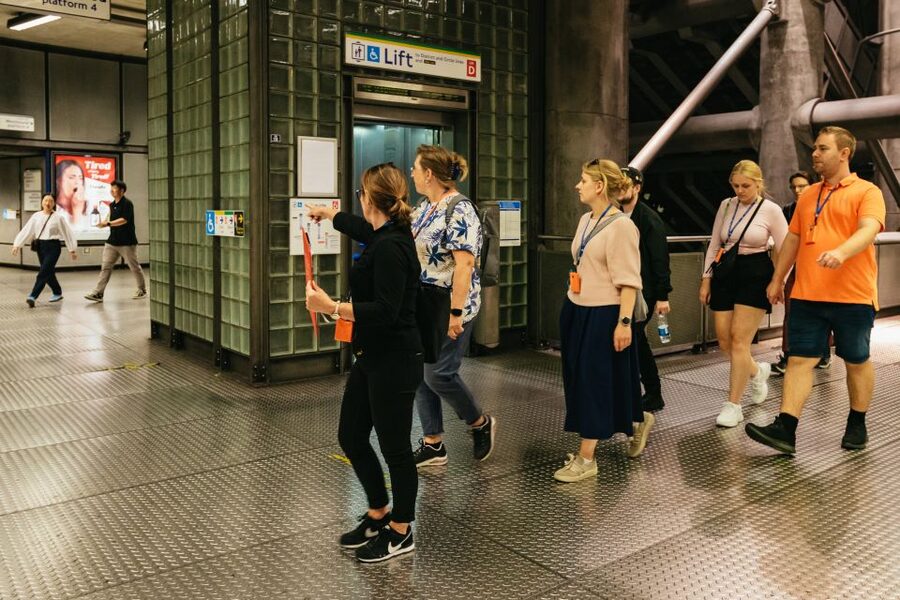
This tour involves a moderate amount of walking and, importantly, steps. It’s not suitable for wheelchair users or customers with reduced mobility because of the number of steps on the Underground system. Plan accordingly and don’t assume you’ll be able to take it slowly—this is a group tour with momentum.
You’ll need a public transport ticket. Specifically, you’re told to purchase a day travel card (Zones 1–2) or an Oyster card before you join. The tour itself doesn’t include the Underground travel ticket, even though part of it uses the Tube for about 10 minutes. So build that cost into your budget.
What to bring:
- A Zones 1–2 travel card or Oyster card
- Light baggage (the tour doesn’t allow luggage or large bags)
What’s not allowed:
- Baby strollers
- Luggage or large bags
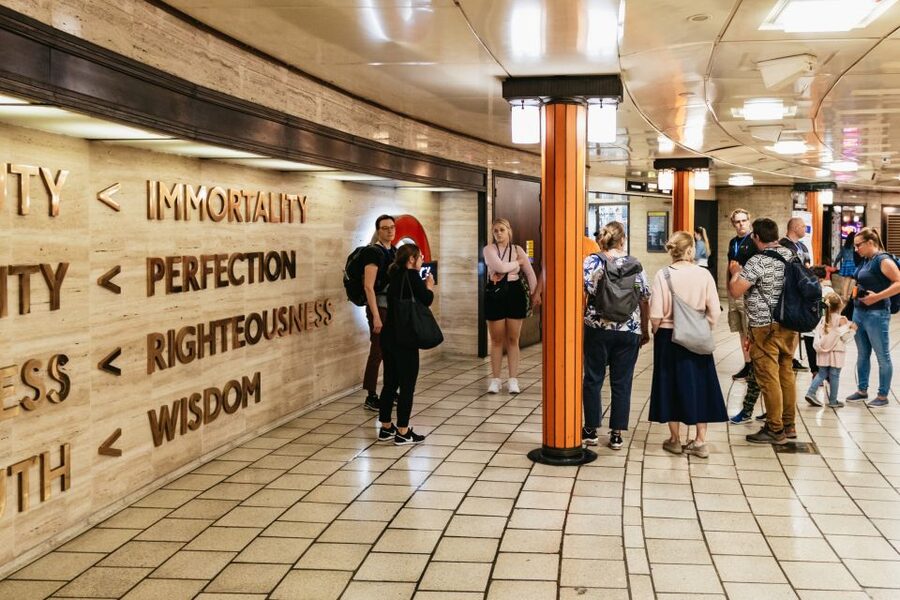
Audio is handled for you. Tour guide plus audio headset is included, and that’s genuinely helpful in a noisy station environment. One past experience did note the headsets could be crackly above ground, while working better underground, so just accept that the Tube has its own soundscape.
Finally, the tour ends at 10B Bridge St, Westminster. That’s a convenient finish if you want lunch nearby and keep exploring without a long journey afterward.
Price ($40) and value: who should spend money on Tube secrets
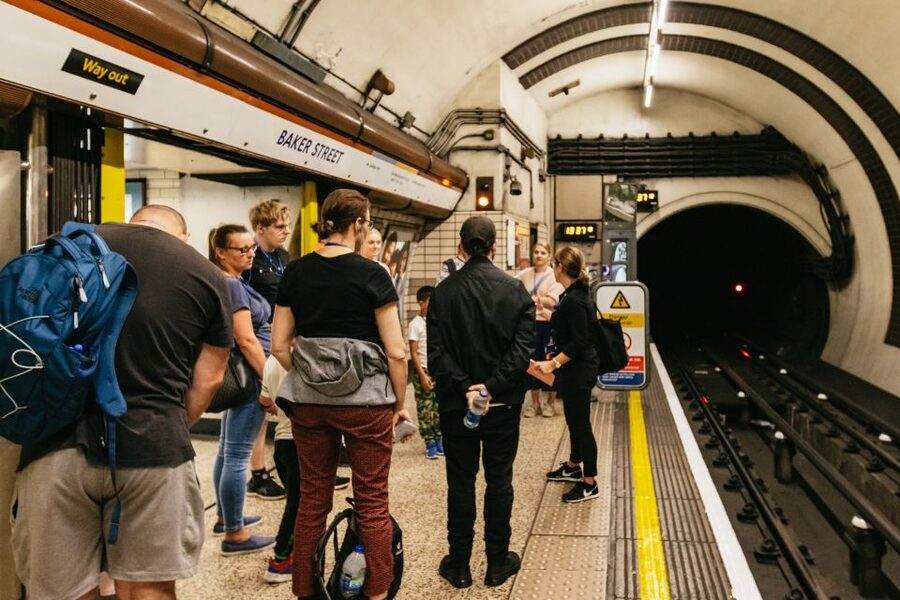
At about $40 per person for 2.5 hours, this tour is priced in the sweet spot for a themed London experience. It’s not a bargain, but it’s also not trying to sell you a half-day “big bus” product. You’re paying for expert storytelling plus access to a museum stop and audio support.
Here’s why it feels like good value for the right person:
- You get a guided route through multiple types of spaces: active Tube stations, walking segments, and a museum.
- The guide isn’t only repeating station names; you’re getting engineering context (steam-to-electric), system symbols (the roundel), and how the Tube shifted roles (Blitz, aircraft, British Museum storage).
- The ghost/disused angle adds memorability, but it’s anchored to specific station legends rather than generic spookiness.
If you’re the type who loves looking at details—signage, architecture, and how systems change over time—you’ll likely feel the spend was fair. If you only want quick photo stops and minimal walking, you might feel it’s too “in your head” and too much like a history walk.
Who this London Underground walking tour fits best

This is a strong pick for:
- First-time London visitors who already ride the Tube but want the city’s “how it works” backstory
- Anyone who likes engineering and transit history without needing a full textbook
- People who enjoy a little mystery mixed into real history—Pharaoh’s daughter, nun legends, abandoned station lore
It’s not the best pick for:
- Wheelchair users or anyone who can’t handle steps
- Anyone traveling with strollers
- People who want a mostly outside-only experience with very little walking
If you’re traveling with kids, the tour can work well as long as your child enjoys asking questions. In past groups, guides like John have been praised for answering an inquisitive son’s questions without making the experience feel rushed.
Should you book the London Underground secrets tour?
Book it if you want London to feel more legible. You’ll come away seeing the Underground as a living system—built, rebuilt, reused, and sometimes abandoned for good reasons. The stories about the Blitz, the Museum’s wartime role, and how the network shifted from steam to electrification give you a lot of meaning per hour.
Skip it if your priority is comfort over walking and steps, or if you expect behind-the-scenes access into closed disused platforms. The tour can include disused-station storytelling, but it’s still a real-world walking tour through a station-heavy network.
If you’re on the fence, I’d choose it when you like guides who keep the pace moving and make facts sound like part of the city’s ongoing conversation—whether your guide is John, Peter, Aaron, Angela, Aran, or Nick. The main thing is your interest in how London’s Tube became what it is today.
FAQ
Where do I meet for the London Underground secrets tour?
Meet the guide by the Sherlock Holmes statue outside Baker Street Station.
How long is the tour?
The duration is 2.5 hours.
How much does it cost?
It’s $40 per person.
Is the Underground ticket included?
No. You need your own Underground travel ticket (a day travel card for Zones 1–2 or an Oyster card).
Do I need to bring anything besides the ticket?
You mainly need a public transport ticket. The tour also notes that luggage or large bags are not allowed.
What’s included in the tour price?
You get a tour guide and an audio headset.
Is there food or drinks included?
No, food and drinks aren’t included.
Is the tour accessible for wheelchair users?
No. The tour is not suitable for customers with reduced mobility or wheelchair users due to the number of steps.
Are baby strollers allowed?
No, baby strollers are not allowed.
Where does the tour end?
The tour finishes at 10B Bridge St, Westminster, London SW1A 2JR, UK.