REVIEW · KRAKOW
Krakow: Old Town Highlights Walking Tour
Book on GetYourGuide →Operated by Krakow tours - segway, scooter, bike, walking tour in Krakow · Bookable on GetYourGuide
Krakow’s Old Town makes history easy to grasp. In this 2-hour walk, you move along the Royal Route and get big views from Wawel Hill with a live guide who keeps the story rolling.
I especially like how the tour centers Main Market Square and then threads you through the sights that explain Krakow’s medieval pull. St. Mary’s Basilica is part of the plan, and the guide connects what you see to how people lived, prayed, and ruled.
The trade-off is it’s mostly outdoors and there’s no hotel pickup, so plan for cold or wet weather with an umbrella and comfortable shoes. If you’re traveling in winter, bring layers.
In This Review
- Key highlights worth your attention
- Royal Route to Wawel Hill: Why this 2-hour format feels just right
- Wawel Hill views: Royal Castle and Cathedral as the big opener
- Old Town core: Main Market Square and Planty Park breaks the walking into layers
- Jagiellonian University district: learning the city’s brain, not just its monuments
- St. Mary’s Basilica and medieval fortification remnants
- The guide experience: why Arthur, Vlad, and Władysław keep showing up
- Price and value: $34 for a guided Old Town orientation you can build on
- Practical tips for enjoying every minute (and not freezing on stone)
- Should you book this Krakow Old Town Highlights walking tour?
- FAQ
- How long is the Krakow Old Town Highlights walking tour?
- What is included in the price?
- Do I need hotel pickup or drop-off?
- What languages are available for the live guide?
- What should I bring for the walking tour?
- Can I cancel for a refund?
Key highlights worth your attention
- Wawel Hill viewpoints: Royal Castle and Cathedral views tied to UNESCO-level importance
- Royal Route focus: a scenic Old Town walk aimed at medieval roots
- Main Market Square energy: a central stop with 13th-century origins
- Planty Park timing: a breather inside the Old Town ring of greenery
- St. Mary’s Basilica: a landmark stop paired with local context
- Medieval fortification remnants: you learn what survived and what it meant
Royal Route to Wawel Hill: Why this 2-hour format feels just right
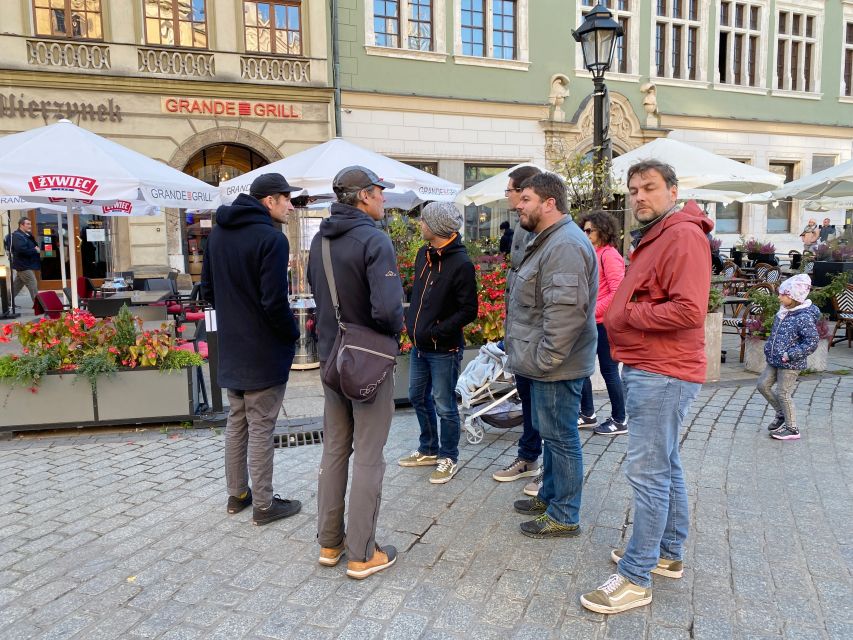
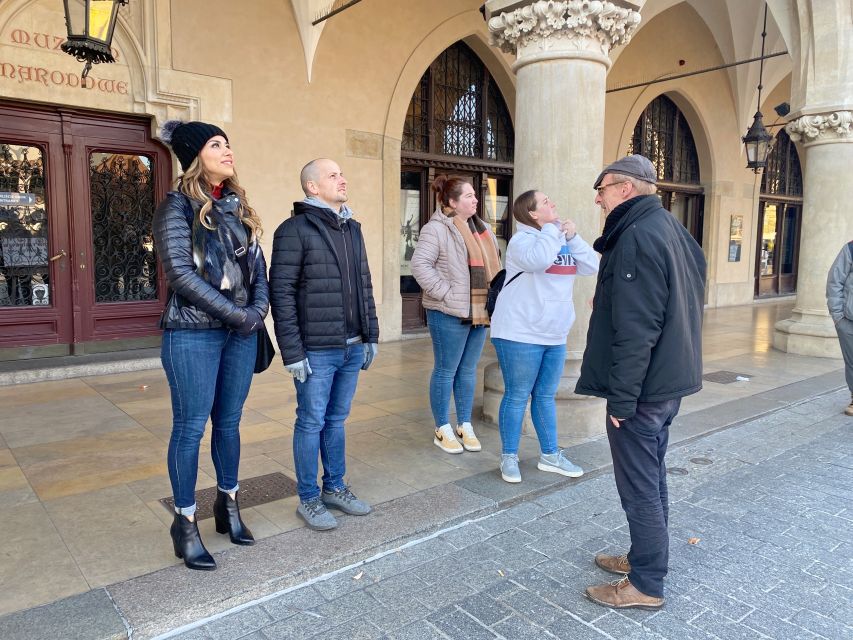
This is the kind of Krakow tour that works on day one. You get an organized path through the Old Town highlights without turning the day into a frantic map hunt. And because it’s only 2 hours, the pace stays manageable: enough time to learn key facts, yet short enough that you still have energy for the rest of your trip.
I like that the tour’s structure makes the city easier to understand. Krakow’s history can feel complicated fast, especially if you’re jumping between churches, squares, and castle viewpoints. Here, the guide connects the dots as you walk—so the Royal Route isn’t just a pretty line on a map. It becomes a way to follow power, culture, and everyday life across centuries.
You’ll also appreciate the “why it matters” approach. The itinerary is built around Krakow as a political center for over 500 years, and it starts with Wawel Hill, one of Poland’s most important historic areas. Then it moves into the Old Town heart—where the architecture and street layout still reflect how the city worked.
One practical note: since there’s no hotel pickup, you’ll need to reach the starting point on your own. That’s not a dealbreaker, but it does mean you should plan your morning or afternoon with buffer time.
You can also read our reviews of more walking tours in Krakow


Wawel Hill views: Royal Castle and Cathedral as the big opener
If you want Krakow to click quickly, start with Wawel Hill. This tour brings you to the area with the Royal Castle and Cathedral, and it’s not just about landmarks. The guide frames Wawel as part of one of the early UNESCO World Heritage sites, which helps you understand why the hill became such a symbol of authority.
You’ll also get a sense of scale. Wawel is described as one of the largest castles in Poland, and when you stand in the area looking out over the city, it’s easier to believe. The tour emphasizes views here, so you’re not just hearing facts from the sidewalk. You’re seeing why people built and ruled from this elevation.
What makes this start valuable is the context. Once you know what Wawel represents, the rest of Old Town feels more purposeful. The churches and squares stop being random stops and start reading like part of a system—religion, government, and identity in one city space.
Another plus: the guide is there to explain more than dates. Based on the way guides describe the city in English and other languages, you can expect stories and local traditions woven into the history. That matters in places like this, because the castle hill is often intimidating if you’re only armed with a guidebook.
Old Town core: Main Market Square and Planty Park breaks the walking into layers
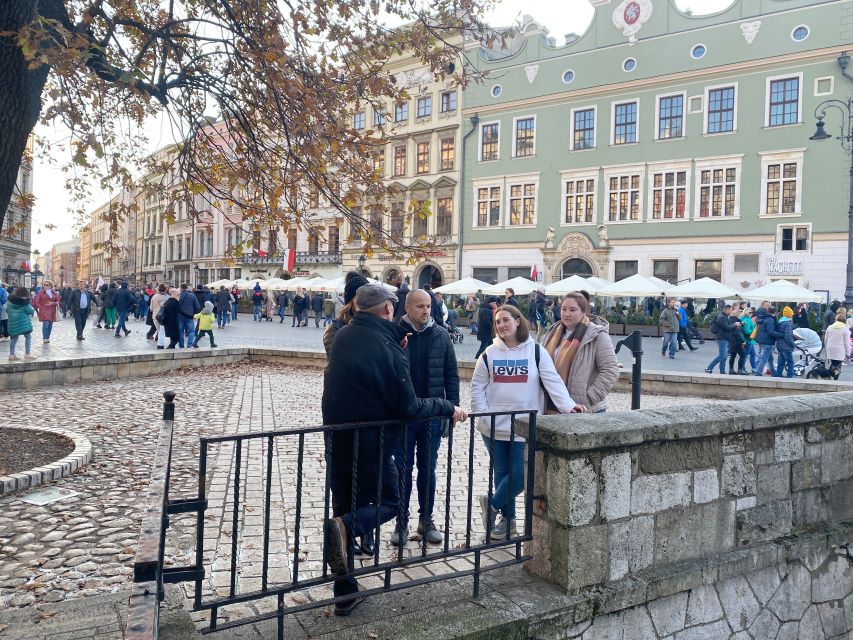
After Wawel, the tour leans into Krakow’s center: Old Town and Main Market Square. This is where the city’s medieval life becomes visible in public space. The square dates back to the 13th century, and you’ll feel that age in how the area holds together. It’s not just a photo spot; it’s a reference point for the entire city.
I like that the tour doesn’t treat the square as a quick stop-and-go. It’s used as a teaching moment. You learn how the Old Town operated when Krakow was the political heart of Poland for centuries. That makes your own exploration later easier, because you know what you’re looking at and why it mattered.
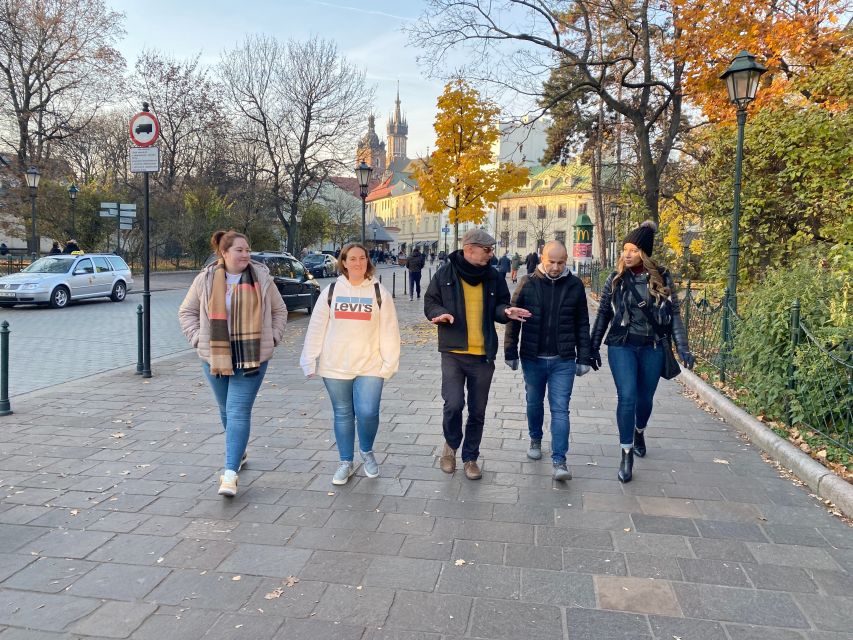
Then you get Planty Park, one of the largest parks in Krakow. It’s a smart addition because it breaks up the intensity of dense historic streets with an open-air pause. Even on a short tour, that breathing room helps. Your feet get a rest, your eyes reset, and you get a better sense of how the Old Town is ringed by green space.
If you’re thinking like a traveler, this section helps you plan the rest of your time. Once you’ve walked through the square and the park area, you can orient yourself for later visits to museums, more churches, or evening strolls. The tour gives you bearings fast.
Jagiellonian University district: learning the city’s brain, not just its monuments
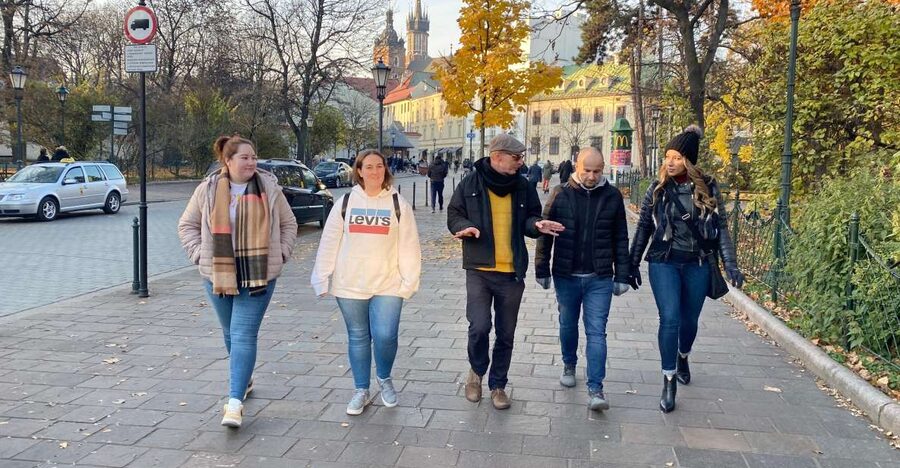
One of the best parts of the tour is that it includes the Jagiellonian University district. Monuments are easy to photograph, but learning a city’s intellectual life gives you a different kind of understanding. Here, the tour ties the area to the oldest university in Poland, which turns the neighborhood into more than scenery.
When you walk through this part of Old Town with a guide, you start noticing the rhythm of the streets and how educational institutions fit into a historic core. It becomes clear why cities like Krakow attracted talent, discussion, and influence—not just kings and courts.
This matters because Krakow’s story isn’t only castles and churches. It’s also learning, writing, and community shaping. If you’re the type who wants history that feels human, this stop helps a lot. It adds variety to the tour so you’re not stuck in a single theme for the full two hours.
It also gives you a clue for future exploring. After a stop like this, you’ll know where to look later if you want more atmosphere, small galleries, or cafés tucked into historic blocks. Even if you don’t plan a deep study day, you leave with a stronger sense of the city’s “today” layered on top of the “then.”
St. Mary’s Basilica and medieval fortification remnants
No Old Town walk in Krakow feels complete without a church moment, and St. Mary’s Basilica is part of the route. The guide helps you frame the building beyond appearances, including how it fits into local custom and tradition. Even if you’re not a “church-architecture” person, that context makes the stop more interesting than a quick glance.
The tour also includes remnants of medieval fortifications. This is where the city can surprise you. You might not notice leftover defensive structures when you walk alone, especially if you’re focused on the big set pieces. With a guide explaining what survived and what it protected, you start reading Krakow’s edges as history—not just streets.
I like these fortification stops because they change your perspective. Instead of only seeing buildings from the front, you understand how the city defended itself, how it grew, and where boundaries used to be. It’s the kind of detail that makes your later wandering more satisfying. You start spotting clues and asking better questions.
And because the guide uses stories and legends to explain local culture, these stops feel less like a lecture. In Krakow, legends often act like shortcuts to understanding. They give you the emotional meaning behind the stone.



The guide experience: why Arthur, Vlad, and Władysław keep showing up
A walking tour lives or dies by the guide. Here, the quality seems consistent. Names like Arthur and Vlad come up repeatedly, along with Władysław and Arturo, and the common thread is clear: friendly approach, strong storytelling, and answers to questions without rushing people.
What I’d call the “best use” of time is how the guide turns facts into understanding. You don’t just get a timeline. You get a sense of how Krakow’s identity formed over time, including the emotional side of history and the local legend angle that makes the city feel alive.
Another practical win: guides are reported to be patient with questions and willing to help you with ideas for the rest of your stay. That’s not fluff. If you only have a limited number of days, a good suggestion can save you from scheduling mistakes.
Language options also matter. The live guide availability includes English plus Polish, Russian, French, German, and Italian. That means you’re less likely to get stuck with a tour that’s technically “in English” but not fully comfortable. For groups, a private group option is also available, which can be helpful if you want a quieter pace or you’re traveling with kids.
Finally, the pacing is usually praised as well done for both adults and kids. That suggests the guide calibrates complexity on the spot, which is exactly what you want in a short, high-density Old Town walk.
Price and value: $34 for a guided Old Town orientation you can build on
At about $34 per person for a 2-hour guided tour, the value is in what you avoid and what you gain. You get a live guide, a structured route through multiple major highlights, and you’re not left stitching together history from separate museum visits.
You also get skip-the-ticket-line for key stops. That matters in Krakow because waiting can steal your momentum. Even if you’re visiting in the off-season, line time adds up. Skipping it keeps your walking tour moving and helps you stay on schedule.
Is it a bargain? It’s priced like a solid orientation tour. Not a “top-shelf private driver” experience, but also not a vague free walking group. The sweet spot here is that you leave with a mental map of how Old Town fits together: Wawel Hill as the symbol of power, Main Market Square as the center of civic life, and the university and fortification areas as supporting layers.
The duration is also a big part of the value. Two hours gives you a quick understanding without exhausting your whole day. If you’re the kind of traveler who likes to explore on foot afterward, this tour sets you up well.
Practical tips for enjoying every minute (and not freezing on stone)
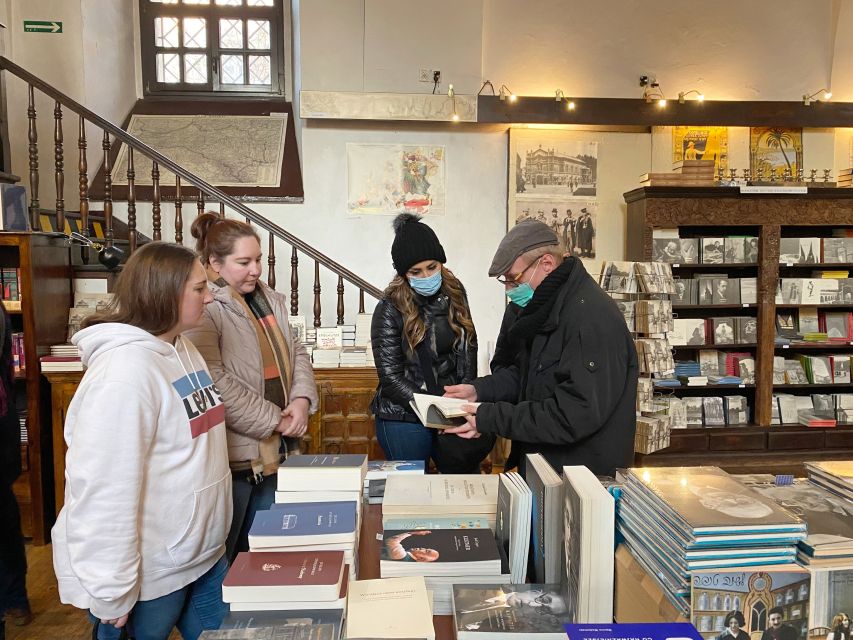
This tour is straightforward, but small details matter.
- Bring an umbrella. Even a light drizzle can make the walk feel longer.
- Wear comfortable clothes and shoes with good grip. Historic streets can be uneven.
- Dress for outdoor time. The tour is built around walking between highlights, so you’ll be outside for much of it.
- Expect a guided pace. You’ll want to stay with the group so you don’t miss the explanations at each stop.
- Plan your arrival since there’s no hotel pickup. Build in a little extra time to find the starting area calmly.
Also, if you’re traveling in winter or shoulder season, the lighting and weather can make outdoor walking feel tougher. A good guide will still keep the tour moving, but your comfort is on you. Layers help. A small thermos helps too, if you’re nearby afterward.
Should you book this Krakow Old Town Highlights walking tour?
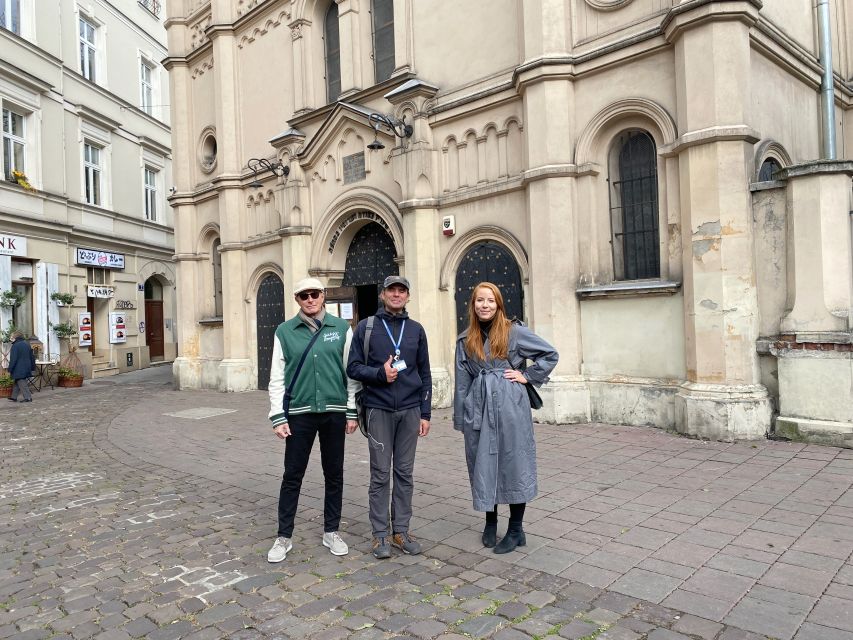
I think you should book it if you want a fast, organized way to understand Krakow’s historic core. This is especially smart for first-time visitors because it covers the big anchors: Wawel Hill, the medieval Old Town center, Main Market Square, Planty Park, plus landmarks like St. Mary’s Basilica and clues from fortifications.
It’s also a good match if you like guided storytelling. The tour’s value isn’t only what you see; it’s the legends and local customs woven into the walk. When the guide is good, you’ll feel like Krakow makes sense instead of just looking old.
Skip it if you hate walking, want a long, museum-heavy day, or you’re already fully confident about the city’s layout and history. In that case, you might prefer a longer, more specialized tour.
If you’re on a short schedule and you want to return to the city afterward with better questions, this one fits.
FAQ
How long is the Krakow Old Town Highlights walking tour?
The tour lasts 2 hours.
What is included in the price?
The guided tour is included.
Do I need hotel pickup or drop-off?
No. Hotel pickup and drop-off are not included, so you’ll need to make your own way to the meeting area.
What languages are available for the live guide?
You can choose from English, Polish, Russian, French, German, and Italian.
What should I bring for the walking tour?
Bring an umbrella and comfortable clothes.
Can I cancel for a refund?
Yes. You can cancel up to 24 hours in advance for a full refund.