REVIEW · LEIPZIG
Leipzig: City Center Guided Walking Tour
Book on GetYourGuide →Operated by Leipzig Details GbR · Bookable on GetYourGuide
Leipzig’s stories show up fast. In just 1.5 hours, you walk through the historic city center and pick up how music, art, and major political change all connect in one place. You’ll cover famous sights like the market square, St. Thomas’s Church, St. Nicholas’s Church, and the Mädler Passage with Auerbachs Keller, with live guiding in German, English, or French.
I like this tour because it’s built for real city understanding, not just photo stops. I especially like the way it ties Leipzig’s famous composers and writers—Bach, Mendelssohn, Schumann, Schiller, and even Goethe’s poetry studies—to the streets you’re standing on. I also like the short, focused format for price-to-time value. One consideration: if you prefer a slower walk, 1.5 hours can feel a bit long at times, depending on your pace and energy.
In This Review
- Key highlights worth your time
- Leipzig City Center: a short walk with big connections
- Starting at the market square and Old Town Hall
- St. Thomas’s Church: where Leipzig’s musical reputation becomes real
- St. Nicholas’s Church and the 1989 Peaceful Revolution story
- Mädler Passage and Auerbachs Keller: the famous stop you’ll remember
- Famous Leipzig names you’ll connect to the streets
- Tour pacing, group size, and why “short and sweet” is the point
- Languages: German, English, and French make it easier to follow
- Who this tour suits best
- Price and value: when $188 per group makes sense
- Should you book the Leipzig City Center Guided Walking Tour?
- FAQ
- How long is the Leipzig City Center Guided Walking Tour?
- What does the tour price include?
- How much does the tour cost?
- Where does the tour meet?
- What languages are available for the live guide?
- Is the tour wheelchair accessible?
- Is there an option for private groups?
- Can I cancel for a refund?
- What are the main sights you’ll visit?
Key highlights worth your time

- 90-minute structure that keeps the walk tight and easy to fit into your day
- Music-first storytelling with names like Bach, Mendelssohn, Schumann, and the Gewandhaus Orchestra
- Two major churches that anchor both cultural life and the 1989 Peaceful Revolution
- Historic passage and tavern stop via the Mädler Passage and Auerbachs Keller
- Helpful guide experience, with at least one guide named Max noted for being pleasant and sympathetic
Leipzig City Center: a short walk with big connections
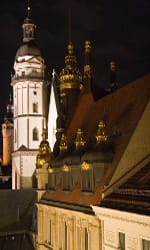
Leipzig is one of those cities where the past isn’t locked behind glass. You’ll notice that the center has layers—Renaissance and Art Nouveau buildings, famous churches, and everyday city life in the same frame. This tour leans into that feeling with a route that’s compact but meaning-heavy.
What makes it work well for you is the pace. Ninety minutes is long enough to see the core landmarks, yet short enough that you don’t feel stuck for the whole afternoon. The guide’s job is to connect what you’re seeing to why it mattered, from the city’s musical reputation to its role in the events leading to 1989.
And because the tour is offered in German, English, and French, you’re not stuck hunting down explanations on your own. That matters in Leipzig, where the details often live in small markers: building histories, church roles, and the way public spaces shaped daily life.
You can also read our reviews of more walking tours in Leipzig


Starting at the market square and Old Town Hall

Your walk begins in the heart of civic Leipzig. The tour focuses on the busy market place and the Old Town Hall area, which is a smart opener because it sets the tone fast: this is where people gathered to trade, argue, celebrate, and get information. Even if you don’t think of yourself as a “market person,” it’s a useful way to understand the city’s rhythm.
From here, you get the sense that Leipzig’s cultural life wasn’t separate from its street life. The market area helps you understand why the city could become such a strong center for music and ideas. It also gives you a practical orientation point—useful if you’re planning to explore on your own afterward.
A small practical note: because this start is a public square, the atmosphere can be more active. That’s generally good for energy, but if you’re sensitive to crowds, it can help to keep your timing in mind on the day you go.
St. Thomas’s Church: where Leipzig’s musical reputation becomes real
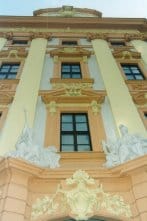
St. Thomas’s Church (St. Thomas’s Kirche) is one of the anchors on this tour, and the reason is straightforward: Leipzig’s music story doesn’t stay abstract here. The guide ties the church to the lives and legacy of composers connected with the city—especially Johann Sebastian Bach.
This is the kind of stop that’s worth slowing down for, even if you only have a short tour. You’re not just viewing a landmark; you’re learning how the church connects to the city’s identity as a music destination. When a guide brings in names like Bach and explains why they matter to Leipzig, the building stops being just architecture.
If you like music history, this will feel like a strong centerpiece. If you’re less interested in composers, you’ll still get value because the guide’s explanations give you context for why Leipzig built a reputation around sound, training, and performance.
St. Nicholas’s Church and the 1989 Peaceful Revolution story
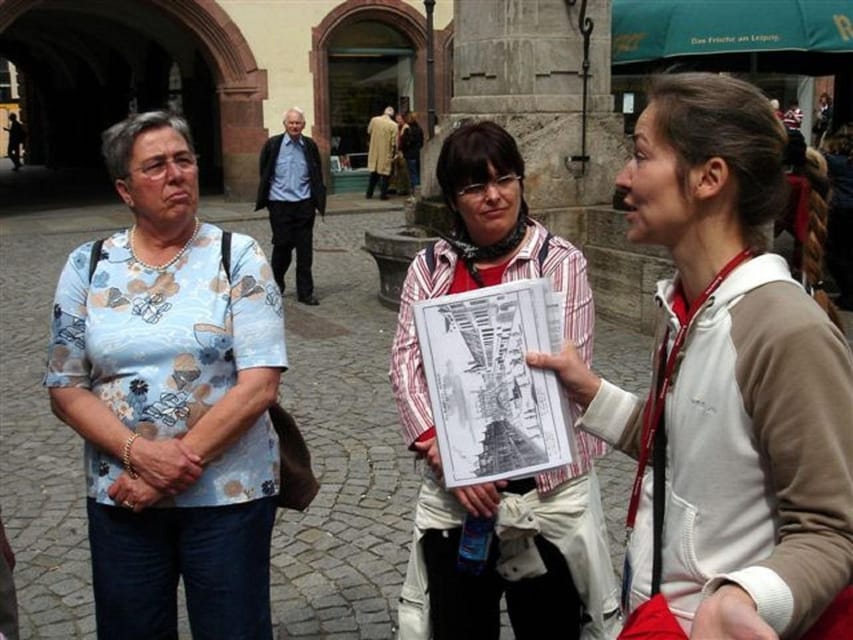
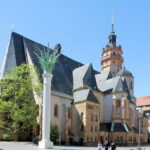
St. Nicholas’s Church (Nikolaikirche) is the other major highlight, and it’s emotionally heavier. The tour points out this church as an original location tied to the Peaceful Revolution of 1989. That’s where public belief, courage, and fear met in real street action.
Here, Leipzig stops being only “classical music city.” You also see how the city shaped change. The tour’s focus on the revolution makes the buildings feel connected to real decisions made by real people, not just historic symbolism.
The guide also connects this to the broader atmosphere of the time. You’ll hear about how secret police presence shaped life, including the once-secretive headquarters of the Stasi that you can visit as part of the tour context. For me, that connection between a church gathering point and the machinery of repression is one of the tour’s most useful educational moments.
If you want history with context, not just dates, this is the part of the walk to pay attention to. It turns a landmark stop into a real understanding of how Leipzig’s people pushed for change.
Mädler Passage and Auerbachs Keller: the famous stop you’ll remember
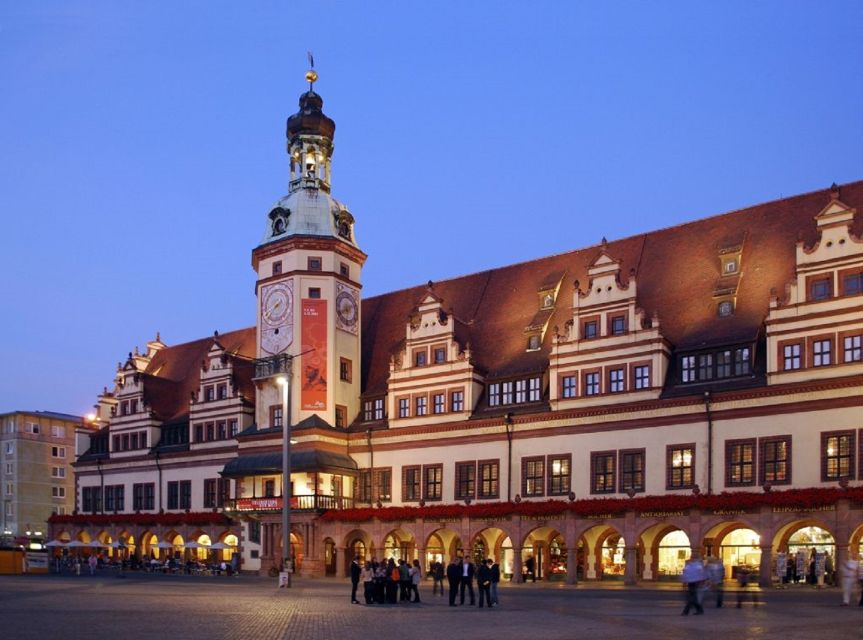
Then you shift from churches to city architecture and literary fame. The tour includes the Mädler Passage, where you’ll reach the famous Auerbachs Keller. Even if you’ve heard the name before, seeing how it fits into the center’s layout helps. It’s the kind of stop where Leipzig’s cultural reputation feels practical: passages, shops, and rooms where people met.
Auerbachs Keller is often talked about as a legendary restaurant space, and the tour uses it as a bridge from famous names to lived experience in older Leipzig. The message you get here is that culture isn’t only in concert halls or churches. It’s also in meeting places—where conversations turn into ideas and ideas turn into movements.
This segment is also a nice pacing change. After two heavy anchors, you get something more atmospheric and “street-level historic.” If you enjoy architecture and quirky famous sites, you’ll likely appreciate how the tour includes a place that’s well-known for a reason.
You can also read our reviews of more guided tours in Leipzig


Famous Leipzig names you’ll connect to the streets
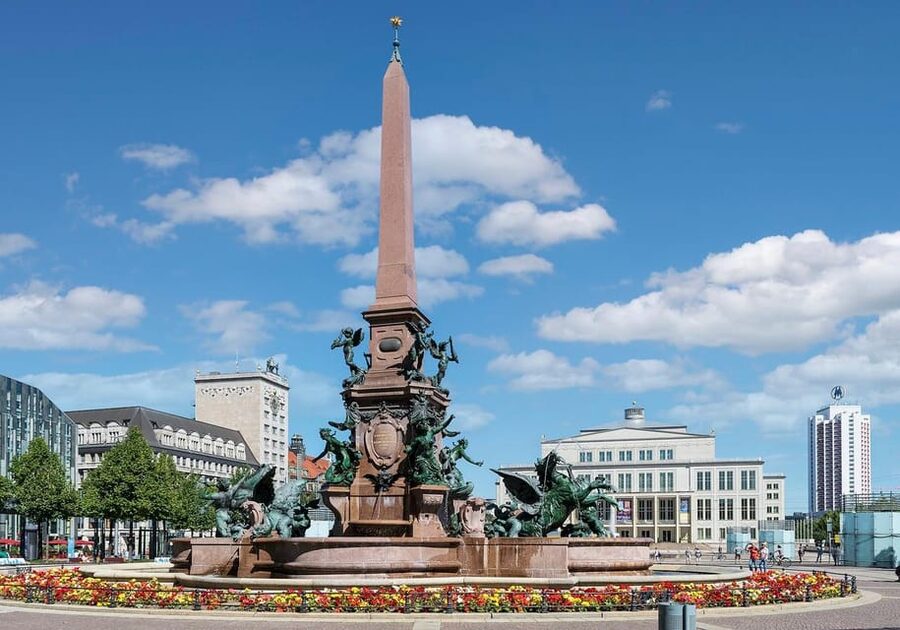
One of the best parts of this walking tour is that the city’s famous people aren’t dropped like trivia. They’re woven into why Leipzig became a cultural stronghold.
You’ll hear about composers Johann Sebastian Bach, Mendelssohn, and Schumann, along with the idea that Leipzig’s international reputation as a music city is tied to the Gewandhaus Orchestra. The goal isn’t to list facts. It’s to help you recognize why the city could support a long tradition of public music culture.
You’ll also connect the city to writers and thinkers. Friedrich Schiller is included, and you’ll learn that Johann Wolfgang von Goethe studied poetry in Leipzig in the late 1760s. That’s a useful detail because it shows Leipzig as a place where literature and ideas mattered alongside music.
Why this matters for you: when you know the names and timelines, your later self-guided walking becomes easier. You’ll spot references more quickly, and you’ll understand what you’re looking at instead of just reading plaques and moving on.
And because the guide is live, you can ask follow-up questions in the language you choose. That’s a small thing, but it makes a difference when you’re trying to connect the dots.
Tour pacing, group size, and why “short and sweet” is the point

This tour is listed at 1.5 hours, and that timing feels intentional. Leipzig’s center is walkable, but it can also tempt you to wander too long. The guided structure keeps you focused on the most meaningful landmarks without turning the day into a marathon.
There’s also a practical value aspect. The price is set per group up to 25 people at $188 per group, which can be a good deal if you’re traveling with companions or booking during times when groups fill. For solo travelers, it can still be good value if you want a guided framework rather than spending time piecing together history on your own.
In the feedback, people highlight the “short and punchy” feel, and the tone of the guide, including one mention of Max as being pleasant and easygoing. You can use that as a real decision clue: this is the sort of tour that seems to work best when you want a friendly guide who keeps the energy up without making it feel rushed.
One consideration stays worth noting. At 1.5 hours, the tour might feel long if you’re prone to getting tired on your feet. If you have mobility limits, the tour is wheelchair accessible, which helps a lot, but your comfort level still matters. Plan for a slower pace on your own after if you need it.
Languages: German, English, and French make it easier to follow
This tour runs with live guides in German, English, and French. That’s valuable because church interiors, building histories, and political context can get lost if you’re reading fast or translating on the fly.
If you’re traveling with friends who speak different languages, you’re also more likely to find a compatible option. And if you’re not super fluent, the language choice is the difference between hearing the highlights and missing the points.
Who this tour suits best
This walking tour is a strong fit if you want a guided way to learn Leipzig’s identity in a small amount of time. You don’t need deep background in music or German history to enjoy it, because the guide builds context around what you see.
It’s especially good for:
- First-timers who want a clear “what matters most” route through the center
- People interested in music culture connected to real locations
- Travelers who want 1989 history without a heavy, all-day museum commitment
- Anyone who likes walking tours that feel structured but not exhausting
It may be less ideal if you want long stops and lots of free time to explore interiors at your own pace. You’re still learning a lot, but the format keeps you moving.
Price and value: when $188 per group makes sense
Let’s talk value in a practical way. At $188 per group (up to 25 people), your cost depends heavily on how the group fills during your chosen departure. In general, a guided walking tour earns its value when it saves you time and confusion—meaning you don’t have to research every stop before you arrive.
This one earns value through several channels:
- You get a guided explanation of multiple landmark categories (market life, churches, passageways)
- You connect major cultural figures to the places tied to them
- You include a major historical thread—Peaceful Revolution of 1989 and Stasi-related context—without requiring a full day
If you’re already planning to visit these landmarks anyway, the guide turns your sightseeing into a story you can remember. If you’re only going to see one or two stops on your own, you might prefer a smaller, more targeted option. But if your goal is a “center orientation plus meaningful history,” this price structure can work well.
Should you book the Leipzig City Center Guided Walking Tour?
I’d book this tour if you want a smart, time-efficient way to understand Leipzig. The route hits a good mix: public square life, major church landmarks, a famous passage stop, and the city’s cultural names—plus the 1989 context that makes Leipzig’s modern identity make sense.
You should also consider booking if you like the idea of a friendly, active guide and a format that doesn’t drag. Based on feedback about guide tone, group size, and the short, focused length, the experience seems built for people who want clarity fast.
Skip it only if your top priority is slow exploring and lots of independent time at each stop. This is a guided learning walk, not a free-form wander session.
FAQ
How long is the Leipzig City Center Guided Walking Tour?
The tour lasts 1.5 hours.
What does the tour price include?
A ticket is included.
How much does the tour cost?
It costs $188 per group up to 25 people.
Where does the tour meet?
The meeting point may vary depending on the option booked.
What languages are available for the live guide?
The tour is available in German, English, and French.
Is the tour wheelchair accessible?
Yes, the tour is wheelchair accessible.
Is there an option for private groups?
Yes, private group options are available.
Can I cancel for a refund?
Yes. You can cancel up to 24 hours in advance for a full refund.
What are the main sights you’ll visit?
You’ll visit the market place with the Old Town Hall, St. Thomas’s Church, St. Nicholas’s Church, the Mädler Passage, and Auerbachs Keller. The tour also includes original locations related to the Peaceful Revolution of 1989 and context connected to the Stasi headquarters.