REVIEW · KRAKOW
Jewish Krakow Walking Tour
Book on Viator →Operated by Walkative! TOUR · Bookable on Viator
Jewish Krakow walks hit hard. This 2.5-hour route strings together synagogues, streets, and WWII sites with an energetic local expert guide and a narrative that makes the city’s layers click fast. I especially like starting at the Old Synagogue, because you get the architectural and community context before the tour turns to darker history.
One thing to plan for: some of the stops involve buildings where entry is not included, so you may need to budget extra for synagogue admissions (and for a bit of schedule flexibility while you pass through).
In This Review
- Jewish Krakow Walking Tour at a Glance: the Big Picture
- Key Highlights You’ll Feel During the Walk
- Entering The Old Synagogue: Where the Story Starts
- Szeroka Street: The Main Road of the Jewish Quarter
- Remuh Synagogue: A Private Praying House With Big Meaning
- Market Square: Revival and Nightlife Where Life Returns
- Mrs. Dresner Courtyard and Stairs: Schindler’s List, Explained
- Plac Bohaterów Getta: Walking the WWII Ghetto’s Main Square
- Eagle Pharmacy Exterior: A Different Viewpoint From Outside the Jewish Community
- Guides and Pace: Why the 2.5 Hours Works
- Price and Value: What $26.60 Really Buys You
- Weather, Comfort, and What to Bring
- Should You Book This Jewish Krakow Walking Tour?
- FAQ
- How long is the Jewish Krakow Walking Tour?
- What does the tour cost?
- Is the tour offered in English?
- What is included in the price?
- Are synagogue admissions included for every stop?
- Where does the tour start and end?
- Does the tour run in bad weather?
- How big is the group?
- FAQ
- Is free cancellation available?
- Can service animals join the tour?
Jewish Krakow Walking Tour at a Glance: the Big Picture
This is the kind of walk that helps you read Krakow like a map, not a postcard. You start where Jewish communal life left visible fingerprints, then move through the streets that shaped daily identity, and finally land in the WWII ghetto’s central space. The route is built to keep meaning connected: places first, then the story behind them.
The time split also matters. Most stops are short, so you’re not stuck for long in one spot. But the WWII ghetto square gets a full chunk of time, which helps the facts land instead of skimming past.
You’ll walk at a moderate pace over uneven old streets. It runs in all weather, and the guide can shorten or end it if conditions become unsafe—so pack smart.
Key Highlights You’ll Feel During the Walk
- Old Synagogue first: you learn what makes it special before the tour moves forward in time
- Street-level Jewish Krakow: Szeroka Street shows how the quarter flowed in real life
- Remuh Synagogue stop: a look at a private praying house tied to Krakow’s major rabbinic figure
- Schindler’s List connection: Mrs. Dresner courtyard and stairs with the real backstory behind the film reference
- Plac Bohaterów Getta gets time: the ghetto square is treated as more than a photo stop
- Small group size (max 35): easier for questions and a more human pace
You can also read our reviews of more walking tours in Krakow
Entering The Old Synagogue: Where the Story Starts
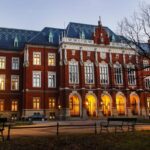
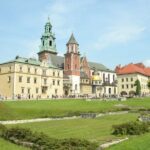
The tour begins at the Old Synagogue (Szeroka 24). This isn’t just a first stop for convenience—it’s a smart way to start. You get a sense of why this site mattered to the community, plus architectural details that are easier to spot when a guide points them out.
The tour frames it as the oldest synagogue in Poland, which sets the tone: Krakow’s Jewish community wasn’t a footnote. It had deep roots, and the buildings reflect that long presence. The stop is about 15 minutes, with admission noted as free for this part.
If you’re the kind of traveler who likes to understand context before you absorb tragedy, this first segment does a lot of heavy lifting. You’ll likely feel more oriented later, especially once the route shifts toward WWII sites.
Szeroka Street: The Main Road of the Jewish Quarter
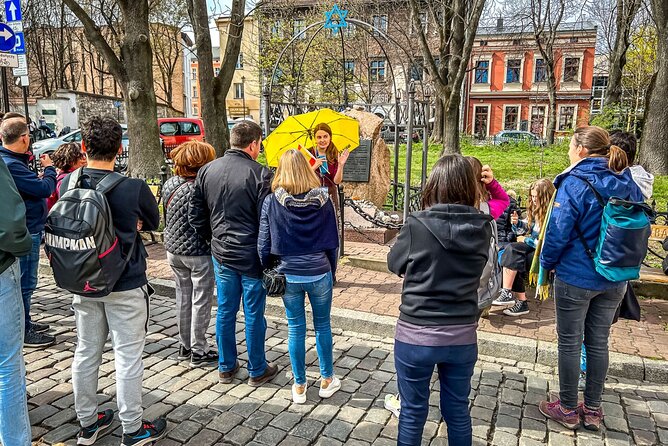
Next you head to Szeroka Street, described as the main street of the Jewish Quarter and a key coming-from route for many important people. At about 10 minutes, it’s not long, but the point is clear: you’re seeing the structure of the quarter—how movement and life concentrated along one main artery.
This is where the tour helps you stop thinking of the quarter as a museum. Streets like this are about patterns: what connected homes, businesses, and community institutions. The guide’s job here is to help you connect what you see outside to how people likely lived and traveled.
One practical note: short stops work only if you’re ready to look up. Keep an eye out for street-level details while you’re listening, because the narration can move fast.
Remuh Synagogue: A Private Praying House With Big Meaning
The Remuh Synagogue (Synagoga Remuh) stop focuses on something specific: it’s described as a private praying house built for Krakow’s most significant rabbi. That detail matters. It’s not presented as just another pretty historic building; it’s connected to leadership, worship, and community structure.
This stop is about 10 minutes, and admission is not included. So don’t be surprised if you need separate entry time or payment depending on the day and how the guide organizes the group.
Here’s what you’ll want to do during this segment: slow your mind down. Instead of trying to memorize dates, listen for how the guide links the place to the rabbi’s importance. That’s what makes a synagogue stop feel like a living story rather than a quick snapshot.
Market Square: Revival and Nightlife Where Life Returns
From the quieter reverence of synagogues, you swing toward Market Square, tied to the revival and nightlife of the Jewish Quarter. It’s about contrast, and it works.
At 10 minutes, the guide can’t cover everything—but this stop gives you a necessary counterweight. After heavy WWII framing, it helps to see that Jewish culture is not frozen in the past. Even when the conversation stays serious, the setting shows continuity and change.
If you like food, music, or people-watching, this is a good mental cue for what you might do afterward on your own. Just remember: this is still a memorial-adjacent walk, so keep your tone respectful even if the area feels lively.


Mrs. Dresner Courtyard and Stairs: Schindler’s List, Explained
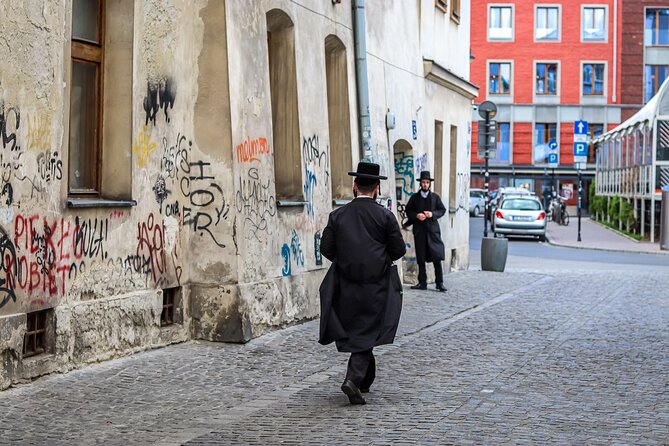
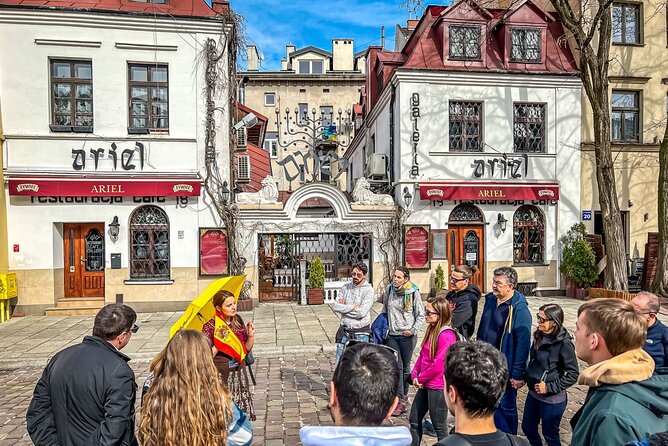
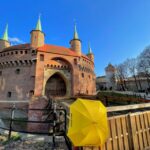
One of the most compelling segments is the stop at Mrs. Dresner courtyard and stairs, linked to Schindler’s List. The tour frames it as a hidden courtyard and the real story behind the movie reference.
This stop is about 10 minutes with admission not included. The value here is the guide’s narrative: why that place appears in popular memory, and what the real human story behind the scene is. If you’re only familiar with Schindler’s List as a film, the extra context can change how you interpret what you see on the street.
A practical planning tip: if you haven’t seen the film before arriving in Krakow, consider watching it first. It’s not required, but knowing the storyline can help you follow the guide’s explanation without feeling lost.
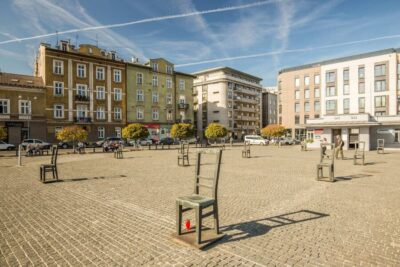
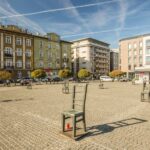
Plac Bohaterów Getta: Walking the WWII Ghetto’s Main Square
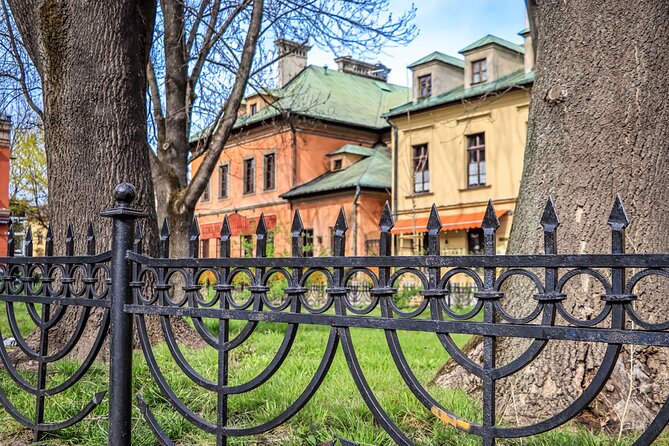
Then you get the heart of the WWII ghetto story at Plac Bohaterów Getta. This is the main square of the ghetto and the area of the district created by the Nazis—no euphemisms, just clear framing.
The duration here is much longer than the other stops: about 50 minutes. That extended time is a gift. It gives the guide room to explain the scale, the logic of the Nazi-created space, and what it meant for people on the ground. It also helps you slow down and take in the surroundings without being rushed toward the next click-worthy corner.
Because this segment is longer, come prepared for the physical reality: you’ll likely stand and listen more than elsewhere. Comfortable shoes help a lot, and if weather turns, dress for it. The guide can shorten or end the tour if conditions become dangerous—so be flexible.
Eagle Pharmacy Exterior: A Different Viewpoint From Outside the Jewish Community
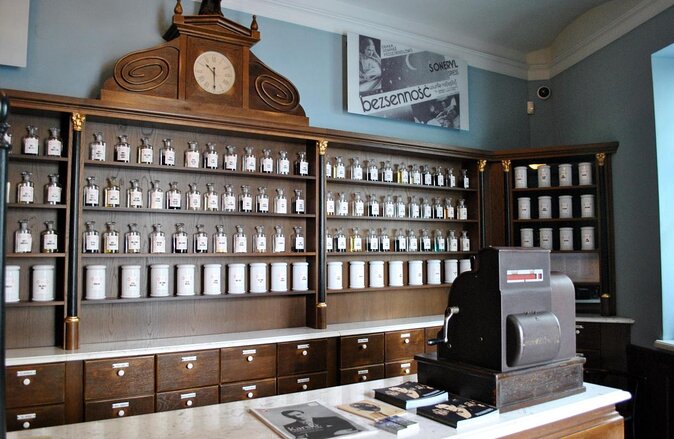
The Eagle Pharmacy—Museum of Krakow is another outside viewing stop. The tour uses it to introduce a key perspective: the home of the only non-Jewish ghetto inhabitant, who became an eyewitness of Nazi regime crimes.
This isn’t about widening the scope for entertainment. It’s about showing how the events affected and involved people across community lines—and how testimony and witnessing matter.
The stop lasts about 15 minutes, admission not included, so it’s long enough for a meaningful explanation but short enough to keep the tour moving. This is also a moment where questions can help, so if something doesn’t feel clear, ask.
If you’re planning what to do after the tour, keep the end point in mind: the walk finishes at Plac Bohaterów Getta, and one person noted that the Schindler’s factory area felt roughly a short walk away from there. If that’s on your list, plan your timing accordingly.
Guides and Pace: Why the 2.5 Hours Works
The tour is designed to feel like a guided story with moments of place-based context, not a lecture full of dates. That’s exactly how many guides in this niche succeed. The group is capped at 35, which helps the guide manage pacing and keep the narrative tight.
You might meet guides such as Tom (sometimes called Big Tom), Jakob, Lucy, Natalia/Nalalia, or Matt—names that show up in the experience history. Regardless of who you get, the goal stays the same: deliver a carefully constructed narrative while keeping the route understandable.
One watch-out from the overall experience vibe: some people feel there can be too much time standing still at a single place. If you’re someone who gets restless waiting, bring that energy into focus—listen hard, look around during stops, and use your questions to keep things moving.
Price and Value: What $26.60 Really Buys You
At $26.60 per person, this tour is priced like a solid, entry-level “big themes” walking experience—especially in a city where guided Jewish history tours often cost much more. The real value isn’t the price tag alone. It’s what’s included: a local expert guide and a narrative structure meant to keep the places connected.
What’s not included is also important. Admission is free only for the Old Synagogue stop, while several other sites list admission as not included (like Szeroka Street, Remuh Synagogue, Market Square, the Mrs. Dresner courtyard segment, Plac Bohaterów Getta, and Eagle Pharmacy exterior). That means the tour price covers the guiding and story-building, but not potential entry fees inside specific sites.
So here’s the practical way to budget: if you care about entering every building you can, set aside extra funds for possible admissions. If you’re mostly there for the historical framing and exterior context, you’ll likely feel the cost fits the experience well.
Weather, Comfort, and What to Bring
This tour operates in all weather conditions, with the guide able to shorten or end it for safety. That means you should dress as if you’ll be outside for most of the time—because you will.
A moderate physical fitness level is required, and it’s a walking itinerary through old streets. Think: comfortable shoes, layers, and a rain plan. A mobile ticket is part of the experience, so make sure your phone battery is healthy and easy to access.
Service animals are allowed, and the tour is near public transportation. It also requires children to be accompanied by an adult. If you’re traveling with family, this is one of those “adult-guided context” tours where the pacing and emotional content will matter—plan for that.
Should You Book This Jewish Krakow Walking Tour?
I’d book it if you want a guided route that covers the core landmarks without turning the day into a scavenger hunt. The strong point is how the narrative ties together synagogues, Szeroka Street, the Schindler’s List reference area, and the ghetto square. For many people, that’s the difference between just seeing things and actually understanding them.
I’d think twice if you’re sensitive to long standing during the ghetto square segment, or if you want a tour where every interior entry fee is included. Also do a quick sanity check on language expectations—this is offered in English, and language issues can ruin a planned afternoon.
Finally, if you’ve only got limited time in Krakow and you want one walk that hits the essential sites in a structured way, this is a strong pick.
FAQ
How long is the Jewish Krakow Walking Tour?
It lasts about 2 hours 30 minutes.
What does the tour cost?
The price is $26.60 per person.
Is the tour offered in English?
Yes, the tour is offered in English.
What is included in the price?
You get a local expert guide and a thoroughly constructed narrative. Admission is free only at the Old Synagogue stop.
Are synagogue admissions included for every stop?
No. The Old Synagogue stop lists admission ticket free, while other stops list admission ticket not included.
Where does the tour start and end?
It starts at Old Synagogue, Szeroka 24, 31-053 Kraków, Poland. It ends at Plac Bohaterów Getta, Kraków, Poland.
Does the tour run in bad weather?
It operates in all weather conditions, but the guide may shorten or end the tour if conditions pose a threat to participants.
How big is the group?
The tour has a maximum of 35 travelers.
FAQ
Is free cancellation available?
Yes. You can cancel up to 24 hours in advance for a full refund.
Can service animals join the tour?
Yes, service animals are allowed.