REVIEW · KRAKOW
Krakow Jewish Quarter Guided Walking Tour
Book on Viator →Operated by SeeKrakow Day Tours · Bookable on Viator
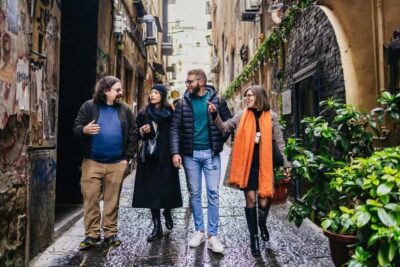
Synagogues, stories, and Schindler’s Krakow on foot. This guided walk turns the Jewish Quarter (Kazimierz) into something you can actually picture, with a clear route that includes the Old Synagogue and the cinematic trail tied to Schindler’s List. I especially loved how the tour anchors big events in specific streets and buildings, so it feels less like a lecture and more like you’re following signs in real time. One thing to watch: you’re on your feet for about 3 hours, so plan for steady walking and optional paid synagogue entries.
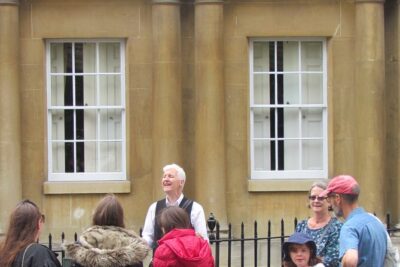
My second big win was the guide quality. I had the kind of experience where guides like Magda, Krzysztof, and Joanna don’t just name sites—they connect them to how people lived, worshiped, and survived. Even the Schindler connection lands more meaningfully because you’re seeing the neighborhood that shaped those stories. If you want Holocaust-era history told with care and context, this is one of the better ways to do it in Krakow.
In This Review
- Key things you’ll notice on this Jewish Quarter walk
- Kazimierz on foot: why this part of Krakow feels different
- Meeting point to finish line: how the 3-hour route actually works
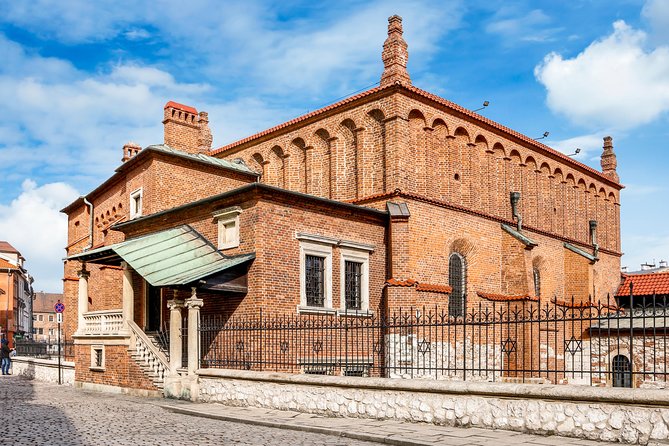
- Stara Synagoga: stepping into Krakow’s oldest surviving synagogue
- Kazimierz streets: how the former Jewish district tells its own timeline
- Remuh Synagogue and Szeroka Street: why these addresses matter
- Rynek Główny and the movie connection to Schindler’s List
- Guides who make the facts stick without turning it cold
- Price and value: what $33.21 buys you in real terms
- Walking logistics and weather reality in Krakow
- Who should book this Jewish Quarter walk?
- Should you book the Krakow Jewish Quarter Guided Walking Tour?
- FAQ
- Is the tour offered in English?
- How long is the Krakow Jewish Quarter Guided Walking Tour?
- Where do I meet and where does the tour end?
- Are synagogue admissions included?
- Is food included?
- What happens if the weather is bad or I need to cancel?
Key things you’ll notice on this Jewish Quarter walk
- Small group feel with a max of 20 people, which makes questions easier.
- Old Synagogue visit (Stara Synagoga), including a look at traditional Jewish architecture; entry is extra.
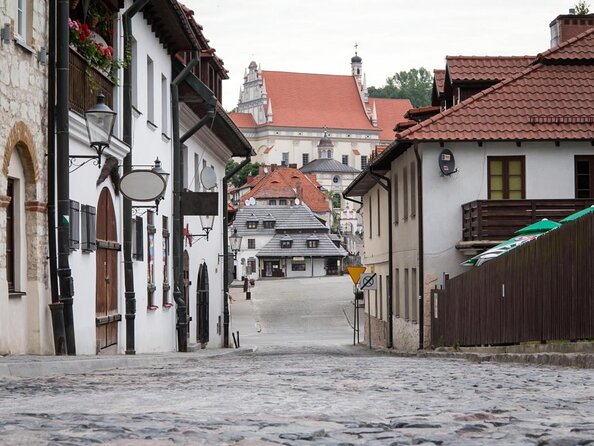
- Kazimierz street-level storytelling, where the former Jewish district’s layout helps the timeline click.
- Remuh Synagogue and Szeroka Street, two stops that explain why these streets matter.
- Schindler’s List locations and the walk’s end at Oskar Schindler’s Enamel Factory.
- New Cemetery connection, highlighting where many of Krakow’s prominent Jews were buried in the 19th and 20th centuries.
Kazimierz on foot: why this part of Krakow feels different
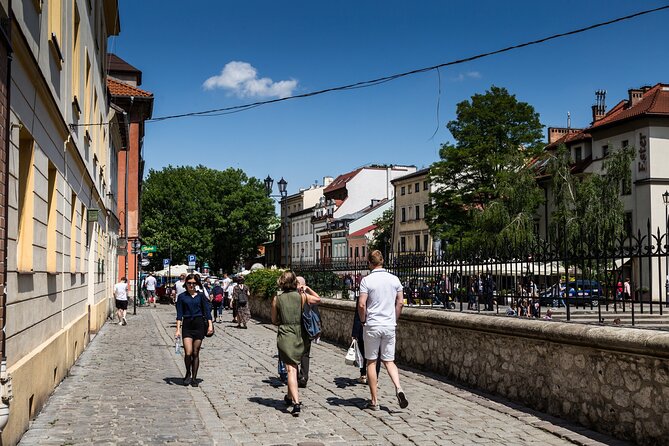
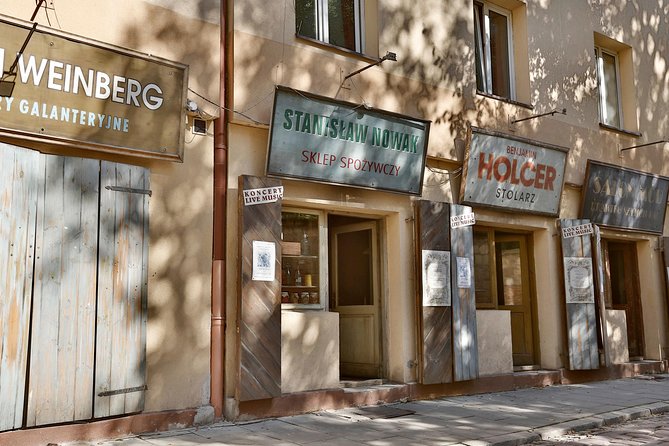
Kazimierz (the former Jewish district) isn’t just a set of attractions. On this tour, it becomes a living map of how Jewish life in Krakow formed, shifted, and left traces you can still read today. You’re walking through an area that was founded as its own city in the 14th century, which helps explain why the neighborhood has its own identity rather than feeling like an afterthought.
The tour also links that neighborhood story to the 20th century in a direct, respectful way. That matters because places like cemeteries and synagogues don’t only represent art or architecture—they mark community memory. And because this route mixes synagogues, streets, and filming-related stops, you get the sense of how history got remembered, shown, and sometimes simplified.
You can also read our reviews of more walking tours in Krakow
Meeting point to finish line: how the 3-hour route actually works
You start at the KrakowTIP – Tourist Information Point on Grodzka 18. This is a solid meetup because it’s easy to find before you commit to the walking portion. Your walk ends at Oskar Schindler’s Enamel Factory on Lipowa 4, which is a nice way to tie the neighborhood history to a tangible Schindler-related place you can visit right after the tour.
The tour is about 3 hours in length and runs in English. It’s priced at $33.21 per person, and the group size tops out at 20, which keeps it from turning into a marching band.
Practical detail that affects your comfort: some stops are outside for a while, then you step into quieter spaces for short visits. Even if you’re not going far at each point, the time adds up. Bring comfortable shoes and treat the route like a real walking day, not a quick sightseeing stroll.
Stara Synagoga: stepping into Krakow’s oldest surviving synagogue
Your first major stop is Muzeum Krakowa – Stara Synagoga (the Old Synagogue). This is described as Krakow’s oldest existing synagogue, and that’s exactly what you should pay attention to: it’s not a modern reconstruction meant to look old. You’re seeing something that has survived while the neighborhood around it changed.
The tour keeps this stop fairly short—about 10 minutes—and that’s understandable. The goal isn’t to turn it into a long museum visit; it’s to give you the historical frame, then point you toward what to notice next.
One more important thing: admission isn’t included for this stop. That means you’ll want a bit of cash or a way to pay for the optional entry. The value here is that you get context from your guide first, so when you do pay to go inside, you know what you’re looking at.
Kazimierz streets: how the former Jewish district tells its own timeline
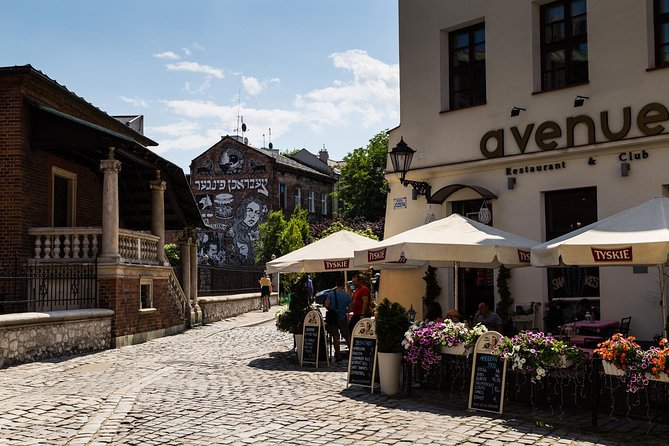
Most of the tour time goes to Kazimierz, and it’s the part where you’ll get the most “this makes sense now” moments. The neighborhood was founded as a separate city in the 14th century, and your guide uses that starting point to explain why the layout, streets, and institutions developed in a distinct way.
You spend about 1 hour 55 minutes in this zone, with key sights and storylines along the way. Admission isn’t required for the general walking area here—so you’re getting what you paid for: guided interpretation. This is also the part of the tour where the New Cemetery comes into focus. The cemetery is highlighted as the place where Krakow’s most prominent Jews were buried in the 19th and 20th centuries.
That combination—synagogues and a cemetery—can feel heavy, but it’s also one of the most honest ways to understand how a community leaves physical traces. Synagogues show religious and cultural life. Cemeteries show continuity, loss, and remembrance.
Remuh Synagogue and Szeroka Street: why these addresses matter
Two of the tour’s most meaningful stops are Remuh Synagogue and Szeroka Street.
Remuh Synagogue is another short visit (about 10 minutes). Like Stara Synagoga, admission is not included, so you’ll treat it as optional. The payoff is that your guide can explain the role these places played in everyday Jewish life—beyond the postcard idea of synagogues as only religious buildings.
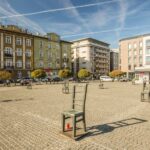
Then you move to Szeroka Street, where a lot of the neighborhood’s synagogues cluster. The tour frames Szeroka Street as more than just a street with historic buildings: it used to function as the main square of the Jewish town. When your guide ties the architecture and location to the idea of community gathering, the street becomes legible. You can almost picture people moving through it for events, services, and daily life.
This stop is about 25 minutes, and admission is free for the viewing portion. It’s one of those places where taking a slow walk helps. Stand where your guide tells you to stand, look in the directions you’re prompted to look, and you’ll get more than if you just keep moving.
You can also read our reviews of more guided tours in Krakow
Rynek Główny and the movie connection to Schindler’s List
The walk also connects to Krakow’s Rynek Główny (Central Square). You’ll spend around 10 minutes there, and it works as a kind of reference point. It helps you understand how the Jewish quarter sits within the broader Krakow map—so the neighborhood doesn’t feel like an isolated pocket.
From there, the tour shifts into the Schindler’s List connection. The highlights note you’ll see the factory of Oskar Schindler and other filming locations. Even if you’ve watched the movie before, seeing these locations in the geography of the city matters. A film can compress time and hide the mundane details. A walking route shows the distances, street angles, and neighborhood rhythms that films can only suggest.
You finish at Oskar Schindler’s Enamel Factory. That’s a strong ending choice because it gives you a direct place to continue on your own if you want to read more, look around, or connect what you heard to what you see.
Guides who make the facts stick without turning it cold
The strongest praise across the experiences centers on guide performance. I’ve found that in history tours, there’s a difference between someone who knows facts and someone who can turn those facts into understanding. This tour seems to deliver that second part regularly.
Guides such as Andrzej/Andrew, Rob, Magda, Krzysztof, Margareth, Gregory, Sofie, and Joanna come up again and again in the feedback—often described as university-level in how they explain context, and generous with time when questions come up. The common thread is pacing and clarity: people feel they aren’t being rushed, and they can ask what they need.
That matters with Holocaust-related history. If the pace is too fast, it becomes a blur. If it’s too slow without structure, it becomes wandering. Here, the tour’s length and multiple stops help keep things moving while still leaving enough room for explanation.
One extra note that’s worth taking seriously: one guest suggested shortening material at the beginning so later locations get more time. That’s a useful expectation-set. If you’re the type who wants more time in quieter places—cemetery spaces or synagogue interiors—you may want to consider your priorities and have a plan for optional entry times.
Price and value: what $33.21 buys you in real terms
At $33.21 per person for about 3 hours, the main value is the included local licensed Krakow guide. That’s not small. In a neighborhood this layered, having a guide who can connect streets to historical meaning is often what turns a self-guided walk into a “wait, I get it now” experience.
You’ll also notice what’s free versus what costs extra:
- Several stops and viewpoints are free (like the walking time through Kazimierz and parts around Szeroka Street and Central Square).
- At least two synagogue-related stops have admission not included, so your total trip cost can rise if you choose to enter both.
If you’re budgeting, plan for optional synagogue tickets. One review notes a need for about 15 PLN per person for synagogue entry. Since that’s specifically tied to paid access, it’s smart to keep a small buffer in your wallet or payment method.
Food and drinks aren’t included. That’s normal for a walking tour, but it does affect your day planning: you’ll likely want to eat before you start or after you finish near Schindler’s area.
Walking logistics and weather reality in Krakow
This experience is described as requiring good weather. That’s not just a footnote. Synagogues and indoor spots are limited by time, while much of Kazimierz is outdoor walking. If it’s rainy, you’ll still be moving between stops.
So pack for the kind of day Krakow actually gives you. A light rain layer helps, but the bigger comfort piece is still shoes with grip. Even when the tour is “only” 3 hours, you’re covering several distinct blocks and walking between major landmarks.
Because it’s a small group (max 20) and a guided experience, don’t rely on a tight schedule right before or after. Leave space for the natural stopping points and the occasional slow moment when your guide is explaining something important.
Who should book this Jewish Quarter walk?
This tour fits best if you want:
- A structured walk through Kazimierz with historical context tied to specific buildings.
- A guide-led explanation of how synagogues, streets, and the cemetery connect to the story of the community.
- A meaningful way to connect Schindler’s List to real places in Krakow, rather than treating the movie as separate trivia.
It may be less ideal if:
- You want mostly museum-style time with minimal walking.
- You hate the idea of optional paid synagogue entry and prefer everything included.
- You’re extremely sensitive to walking endurance and prefer a shorter route (because the pace is still a walking tour pace).
That said, the tour says most travelers can participate. The most important thing is setting expectations: this is about seeing, walking, and learning through the neighborhood itself.
Should you book the Krakow Jewish Quarter Guided Walking Tour?
I’d book this if your goal is to understand Kazimierz beyond surface-level sights. The combination of Stara Synagoga, Remuh Synagogue, Szeroka Street, and the New Cemetery gives you a fuller view than a quick stop-and-photo plan. Add in a guide who can connect those places to how people lived and how tragedies unfolded, and you’ve got a tour that’s worth the time.
If your budget is tight, just plan for optional synagogue admissions. If you want maximum comfort, wear shoes you trust and be ready for weather. Do that, and you’ll finish with a much clearer map of Jewish Krakow in your head—and a better sense of why the Schindler connection belongs to this geography.
FAQ
Is the tour offered in English?
Yes. The tour is offered in English.
How long is the Krakow Jewish Quarter Guided Walking Tour?
It’s about 3 hours.
Where do I meet and where does the tour end?
You start at KrakowTIP – Tourist Information Point, Grodzka 18 and you end at Oskar Schindler’s Enamel Factory, Lipowa 4.
Are synagogue admissions included?
Some visits have admission not included. The Old Synagogue (Stara Synagoga) and Remuh Synagogue are listed as admission not included, while parts like Kazimierz walking time and areas around Szeroka Street and Central Square are free.
Is food included?
No. Food and drinks are not included.
What happens if the weather is bad or I need to cancel?
The experience requires good weather. If it’s canceled due to poor weather, you’ll be offered a different date or a full refund. The tour also offers free cancellation up to 24 hours in advance for a full refund.