REVIEW · LONDON
Jack The Ripper Walking Tour of London
Book on Viator →Operated by See The Sights Tours · Bookable on Viator
London gets under your skin fast. This Jack the Ripper walking tour helps you move through Whitechapel without getting lost, while also connecting the big, famous moments to the people who were targeted. I really like how the guide keeps the focus on the victims and the lived-in East End feel, not just theories for shock value. One thing to consider: the subject matter is dark and includes prostitution, so it’s not an easy walk if you want light sightseeing.
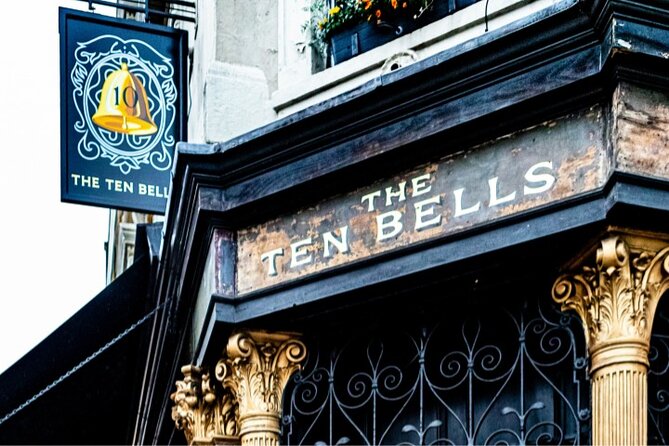
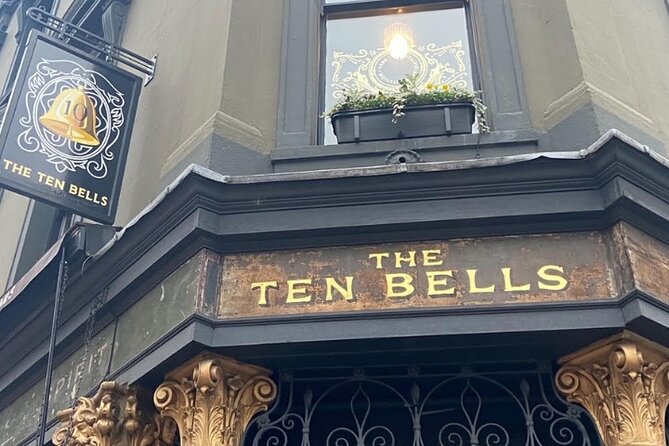
You’ll end at The Ten Bells, which is a fun closer than you might expect on paper. The pacing is built for a short 2 to 3 hour visit, with most of the time spent building the case around Whitechapel and then quick, sharp stops for the key locations.
In This Review
- Key points I’d plan around
- Aldgate to Ten Bells: how the tour stays easy to follow
- Price and value: what $19.41 really buys you
- Whitechapel streets: the case’s harsh setting, in plain terms
- The Ten Bells pub: the famous stop and the lingering question
- Goulston Street: why a small piece of evidence became huge
- Brick Lane: turning an East End street into a map of fear
- Spitalfields Market and Christ Church Spitalfields: ordinary landmarks, uneasy meaning
- St Botolph’s Aldgate: the Church of Prostitutes connection
- The guides make it work: Carolina and Adam’s delivery style
- Dark themes and who this walk fits best
- Smart ways to get more out of the 2-to-3-hour pace
- Should you book this Jack the Ripper walking tour?
- FAQ
- How long is the Jack the Ripper walking tour?
- Where does the tour start and end?
- What is included in the tour price?
- Is the tour offered in English?
- Do I need to bring a printed ticket?
- Is there a limit on group size?
- Is the tour suitable for children?
- Is the tour suitable for strollers or mobility issues?
- What happens if weather is bad or the minimum number of travelers isn’t met?
Key points I’d plan around
- A structured route from Aldgate Station to The Ten Bells keeps you oriented the whole time
- Victim-first storytelling gives the crimes a human, respectful frame
- Ten Bells plus supporting evidence stops means you get the famous question and the details around it
- Short stop times at multiple sites works well if you want a concentrated experience
- Small group size (max 25) helps the guide keep control and attention
- Real East End landmarks like Spitalfields Market and Brick Lane keep it more than trivia
Aldgate to Ten Bells: how the tour stays easy to follow
The tour starts at Aldgate Station (Aldgate High St, London EC3N 1AH). Go to Aldgate Station, not Aldgate East, then look for your guide holding a yellow umbrella. The tour ends at The Ten Bells (84 Commercial St, London E1 6LY), so you don’t have to figure out a second transport plan to get back.
You’re in English, and it’s set up to be straightforward even if you don’t know the neighborhood. The group is capped at 25 travelers, which matters because cramped, chaotic groups can turn a story-heavy walk into background noise. Also, you’ll use a mobile ticket, so you’re not fussing over paper.
The practical takeaway: this is designed for people who want to see the sights and hear the story without constantly checking your phone.
You can also read our reviews of more walking tours in London



Price and value: what $19.41 really buys you
At $19.41 per person, this tour is priced like a budget activity, but it doesn’t feel like a budget production. You’re getting a guided walk, a sequence of real locations tied to the murders, and a discussion of theories, clues, and evidence around Jack the Ripper’s identity.
Another value point: every listed stop is admission-free, so you’re mostly paying for the guide and the route. And since the total time is about 2 to 3 hours, it fits neatly into a day when you might also want a pub, a meal, or another East End wander.
One more cost-saver: you’re not paying separately for entry into the sites mentioned. You’re paying for direction, context, and a story you can actually place on a map.
Whitechapel streets: the case’s harsh setting, in plain terms
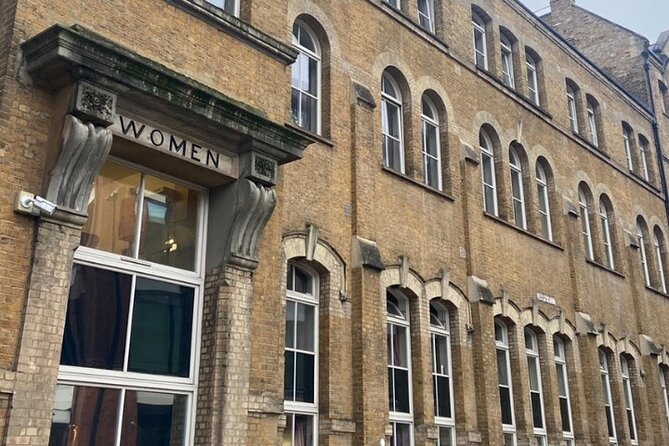
The big chunk of time is spent in Whitechapel, where the area’s grim conditions helped shape what happened in 1888. Your guide sets the scene around poverty, overcrowding, and social unrest, so you understand why this wasn’t just a single-night murder story. You also learn that Jack the Ripper was never identified, but the killings in this area involved at least five murdered women.
This stop matters because it changes how you read the rest of the walk. After Whitechapel, the smaller locations stop feeling random. You’ll start to connect streets, movement through the neighborhood, and why fear spread so quickly.
The main drawback is also practical: this first phase is the emotional center. If you prefer lighter, more straightforward sightseeing, this is where the tone will hit you hardest.
The Ten Bells pub: the famous stop and the lingering question
The Ten Bells is the headline stop for a reason. You’ll spend about 10 minutes here, and the focus is on the victims who visited the pub in the hours leading up to their deaths. You’ll also get the question that still haunts London: did Jack the Ripper visit the pub too?
What I like about making Ten Bells a short stop is that it keeps the story anchored. You get the point fast, then you move on, instead of getting stuck staring at a plaque while the group drifts. It also gives you a natural way to end the tour—because you finish here.
A useful tip for your planning: even if the subject is heavy, the pub setting can help you decompress after the walk. If you want a pint afterward, it’s right where the tour ends, so you won’t need extra logistics.
Goulston Street: why a small piece of evidence became huge
At Goulston Street, the tour zeroes in on one of the case details that people keep returning to. After the murder of Catherine Eddowes in 1888, part of her bloodied apron was found in a doorway on this street. That discovery makes Goulston Street a central location in the mystery.
This is a good stop if you like your crime history tied to objects and documentation, not just names and rumors. It shows how investigators and witnesses could connect a case across streets and moments. It also helps explain why people argue over suspects and motives centuries later: evidence points somewhere, and your brain fills in the gaps.
The consideration: this isn’t a quiet history museum. It’s a street stop with a specific story, and it moves on quickly.






Brick Lane: turning an East End street into a map of fear
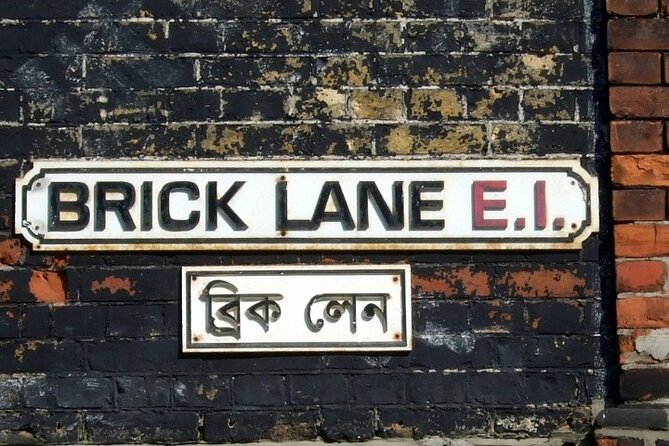
Brick Lane is another short but effective stop. The guide frames it as part of the impoverished East End in 1888, and notes that the victims frequently visited the area. That darker association is the point: this is where you see how everyday streets became part of the terror.
This is the part of the tour that blends history with what you can actually still see. Brick Lane today is known for its cultural energy, but you’ll be hearing the 1888 story while you stand there in the present. That contrast can be jarring—in a good way—because it turns a famous case into a place.
If you’re planning photos, I’d keep your expectations realistic. You’re there to listen, not to stage a film scene.
Spitalfields Market and Christ Church Spitalfields: ordinary landmarks, uneasy meaning
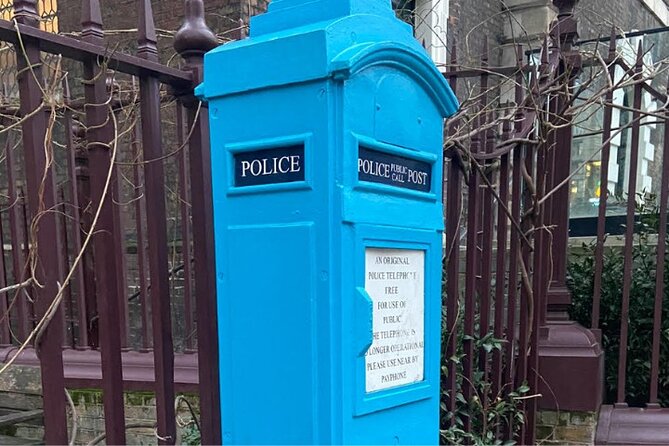
Two stops in a row bring you into Spitalfields.
At Spitalfields Market (E1), the story is about proximity: the market sat near the grim events of 1888. Several victims lived or were last seen before their deaths nearby. Even if you don’t know the streets well, the guide uses the market’s position to help you understand how close daily life was to the crimes.
Then you move to Christ Church Spitalfields. The church is presented as a silent witness to the era, looming over impoverished streets. Some victims were last seen nearby, and the church’s presence adds to the eerie atmosphere—something you’ll feel as the group slows down for a short moment.
Why this pairing works: it shows how the case is built from locations that weren’t designed to be historical. They were just where people went.
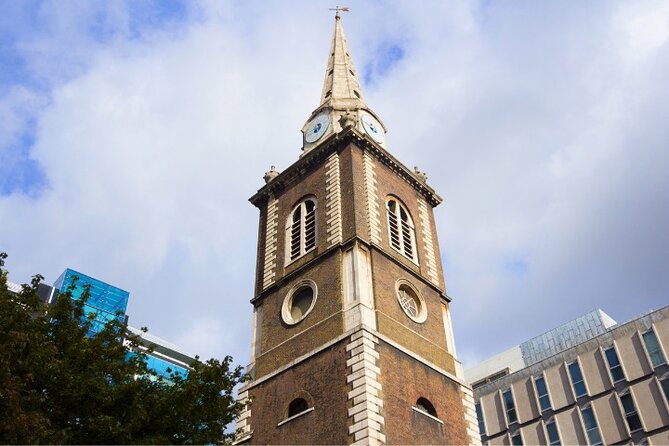
St Botolph’s Aldgate: the Church of Prostitutes connection
The tour finishes with St Botolph’s Aldgate, tied to the case through proximity to Whitechapel’s crime scenes. The church earned the nickname Church of Prostitutes because women often gathered nearby for safety. Several of the Ripper’s victims were reportedly among the women who frequented the area.
This stop is important because it shifts your understanding of victim movement. It’s not just about where crimes occurred; it’s about how people navigated safety in a dangerous environment. You’ll likely come away with a more grounded picture of life at street level in Victorian London.
It’s also where the tour’s “respectful and human” tone should be very noticeable. You’re not meant to treat it like a theme park stop.
The guides make it work: Carolina and Adam’s delivery style
The quality jump on this kind of walk usually comes from the guide. The strongest parts of the experience show up in the way the story is delivered.
Carolina is praised for being engaging, respectful, and able to speak quickly while still keeping facts digestible. People also noted that she used helpful photos and kept the walk gripping without turning graphic details into spectacle. That matters because this tour is built around heavy themes, and you want a guide who understands the difference between explaining and sensationalizing.
Adam is also singled out for being friendly and humorous, while still delivering facts and context that many people hadn’t heard before. The best version of a dark-history walk is when you can learn and listen without feeling preached at or shocked into boredom.
So if you want a smooth experience, pay attention to the guide’s tone on day-of. With this tour, that tone is part of the value.
Dark themes and who this walk fits best
This tour covers murder and prostitution, and it’s clear the guide won’t adjust the tour for kids on request. Participation for children is at a parent or guardian’s discretion, but the recommendation is age 14+.
It also isn’t suitable for people with walking or mobility difficulties, and it’s not suitable for prams, buggys, or strollers. That’s a practical point: you’re on foot for a concentrated stretch, and the route isn’t described as being easy to modify.
Who should book it:
- mystery lovers who want both theories and evidence presented in context
- people who like Victorian London stories that connect streets to real events
- anyone who wants famous sites plus the less-talked-about victims
If you want purely scenic stops with minimal emotional weight, skip it.
Smart ways to get more out of the 2-to-3-hour pace
This is a short tour, which means you should treat it like a focused lesson, not a slow stroll.
Wear comfortable shoes. You’re moving between multiple streets, and the stop times are tight after Whitechapel. Bring a small layer for weather too—this experience is described as requiring good weather, so you’ll feel it if conditions turn.
Also, decide what you’re there for. If you’re chasing the identity theories, listen for the way each clue gets tied back to the neighborhood. If you’re there for the victim-focused perspective, keep your attention on what the guide highlights about the women targeted and their lives.
Finally, set yourself up for the finish. Since the tour ends at The Ten Bells, you can plan a meal or a drink right after without backtracking across the East End.
Should you book this Jack the Ripper walking tour?
I’d recommend it if you want a guided route, a clear chain of locations, and a respectful story that connects the case to the East End people who lived through it. At $19.41 for a 2 to 3 hour walk with admission-free stops, it’s strong value—especially if you like history that you can see on the street.
I’d also book it earlier rather than later. The tour is commonly reserved about 48 days in advance on average, which suggests popular dates can go first.
But don’t book it if you dislike mature themes or need step-friendly accessibility. This is an intense subject, and the tour is built to be honest about it.
If that fits your mood, you’ll leave with the case mapped onto real London, plus a victim-centered perspective that most quick Ripper content never gives.
FAQ
How long is the Jack the Ripper walking tour?
The tour lasts about 2 to 3 hours.
Where does the tour start and end?
It starts at Aldgate Station on Aldgate High St, London EC3N 1AH, and it ends at The Ten Bells at 84 Commercial St, London E1 6LY.
What is included in the tour price?
You get a guided walking tour, real-life Jack the Ripper crime scenes around Whitechapel, theories and clues about the identity, stories of the victims and Victorian East End life, East End landmarks, and a professional tour guide.
Is the tour offered in English?
Yes, the tour is offered in English.
Do I need to bring a printed ticket?
No. The tour uses a mobile ticket.
Is there a limit on group size?
Yes. The tour has a maximum of 25 travelers.
Is the tour suitable for children?
Children’s participation is at parents’ or guardians’ discretion, but the tour recommends all children be aged 14+. The guide will not adjust the tour for children in attendance.
Is the tour suitable for strollers or mobility issues?
No. It is not suitable for guests with walking or mobility difficulties, and it’s not suitable for prams, buggys, or strollers.
What happens if weather is bad or the minimum number of travelers isn’t met?
The tour requires good weather. If it’s canceled due to poor weather, you’ll be offered a different date or a full refund. If it’s canceled because the minimum number of travelers isn’t met, you’ll also be offered a different experience/date or a full refund.