REVIEW · EDINBURGH
Royal Mile and Old Town Walking Tour
Book on Viator →Operated by Edinburgh Guided Tour · Bookable on Viator
Get your bearings on Edinburgh’s Royal Mile. This 3-hour, guided walk gives you an insider feel for the Old Town without getting stuck in a big crowd. I love the small group size and how the guide makes street corners feel like scenes from a story. I also like that it’s on foot from Usher Hall to the Scott Monument, so you can stop for photos. The one catch: the route is on uneven Old Town streets, so comfortable shoes matter, especially in rain.
With a 4.9 rating and a cap of 12 people, this tour tends to work like a smart walking conversation, not a rushed checklist. You’ll get history, but it’s aimed at helping you understand what you’re seeing right now—castle politics, city layouts, and the people behind the legends. The whole value play is that you cover a lot of iconic sights plus quieter courtyards where you can feel daily life.
Planning-wise, it’s usually booked about 59 days in advance, so don’t treat it as a last-minute fix. You get a mobile ticket, the tour runs in English, and it’s designed for a moderate fitness level—lots of walking, some stairs, and the occasional uneven step.
In This Review
- Key highlights worth centering your day
- Price and value: what $48.54 buys you in real time
- Usher Hall start to Castle views: fastest way to get oriented
- Grassmarket and Milne’s Court: where daily life peeks through
- James Court, Jolly Judge, and the Writers’ Museum: Edinburgh’s character in layers
- Riddle’s Court and Deacon Brodie’s Tavern: philosophers and frauds
- St Giles Cathedral, Mercat Cross area, and City Chambers: the Royal Mile’s power spine
- Waverley Station bridge to Princes Street Gardens and the Scott Monument finish
- How the guides shape the experience (and why small groups matter)
- Logistics that affect your comfort (without turning this into a chore)
- Who should book this Royal Mile and Old Town walk?
- Should you book this tour?
- FAQ
- How long is the Royal Mile and Old Town walking tour?
- How much does the tour cost?
- Where does the tour start and end?
- Are admissions included?
- What group size is it?
- What if the weather is poor?
Key highlights worth centering your day

- Max 12 people for real questions and a calmer pace through the Old Town
- Usher Hall to Scott Monument—a clean route for orientation and photos
- Outside castle viewpoints plus story context on Scottish wars and dynasties
- Courtyards and tenements like Milne’s Court, James Court, and Riddle’s Court
- Literature + legend stops including the Writers’ Museum and Deacon Brodie
- Royal Mile anchors such as Mercat Cross and St Giles Cathedral from the street
Price and value: what $48.54 buys you in real time
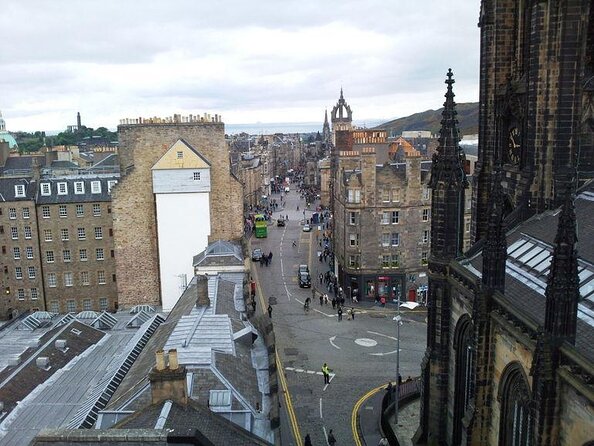
At $48.54 per person for about 3 hours, you’re not paying for a bunch of attractions with separate tickets. You’re paying for a professional guide and a tight walking route that turns the Royal Mile into a narrative you can actually remember on your next stop.
The big value is the mix of famous landmarks and smaller spaces you’d likely miss on your own. You’ll see Edinburgh Castle from outside at multiple vantage points, but you’ll also walk through places like Milne’s Court and Riddle’s Court—compact, lived-in corners that help you understand how the city grew and why it looks the way it does.
The second value piece is pacing. The tour is short enough to do on an arrival day or a morning you can’t stretch, but long enough to connect the dots. One thing that comes through in how guides teach this route: they often adjust to your interests, so history stays relevant instead of turning into a lecture.
You can also read our reviews of more walking tours in Edinburgh


Usher Hall start to Castle views: fastest way to get oriented
You start at Usher Hall on Lothian Road (EH1 2EA), a handy location in the heart of central Edinburgh. The tour opens with a stop at this Baroque-style building, described as a Beaux-Arts masterpiece. It’s also tied to the Usher family—Andrew Usher donated it for the benefit of the people and the city, through Stuart Usher’s great great uncle. That kind of detail matters because it frames Edinburgh as a place shaped by individuals and money, not just kings and battles.
From there, you move toward Edinburgh Castle views. This isn’t a ticketed inside visit. Instead, you get the chance to look at the castle from several exterior points and build a sense of the hill’s strategic power. The guide fills in the context—Scottish Wars of Independence, the Stuart dynasty, and the Union of the Crowns—so the castle stops being a photo background and becomes a political turning point.
Why this works for first-timers: Edinburgh rewards perspective. Seeing the castle from different angles helps you understand why the Old Town clings to the ridge the way it does. If you like taking photos, this portion also gives you natural opportunities to pause without feeling like you’re holding up the group.
Practical note: castle-hill terrain can feel steep even when the tour isn’t extreme. Your best move is to keep your pace steady and save your real questions for when the group pauses at viewpoints.
Grassmarket and Milne’s Court: where daily life peeks through

After the castle focus, the tour shifts into neighborhood texture. You step into the Grassmarket, an area that served as a medieval marketplace for centuries. It’s a great reset after big-power history because it pulls you back to commerce, crowds, and the messy reality of a city.
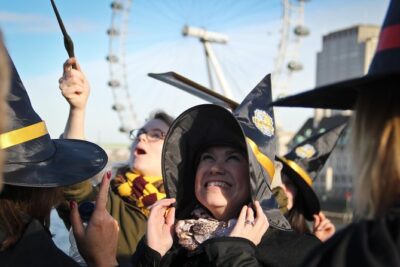
You’ll also get a mention of George Heriot School, including the idea that it inspired Hogwarts. Even if you’re not a Harry Potter superfan, the point is broader: Edinburgh’s institutions and architecture have helped shape popular imagination, and that’s part of why the city feels layered.
Next comes Milne’s Court, where you get to experience a tucked-away space designed to show how people lived in the 17th and 18th centuries. It’s short, but it’s the kind of stop that makes you look up and notice what you usually walk past—narrow entries, tucked courtyards, and the way buildings act like rooms without looking like rooms.
What I like about these stops is that they don’t ask you to sit and listen for long stretches. You’re moving through real settings, and the guide can point out the “why” behind each bend in the street.
A consideration: courtyards and lanes can feel tight. If you’re claustrophobic or dislike narrow spaces, give yourself a little extra time to adjust your comfort level.
James Court, Jolly Judge, and the Writers’ Museum: Edinburgh’s character in layers
This part of the walk leans into Edinburgh’s social identity—pub culture, tenements, and the city’s love of books.
You’ll visit James Court and see classic examples of Old Town tenement buildings. The stop also brings in the Jolly Judge pub, which gives you a fun contrast: a place where the architecture is serious and the atmosphere is human. It’s a reminder that Edinburgh isn’t only about monuments; it’s about community gathering points.
Then you move to the Writers’ Museum, a stop aimed at Scotland’s literary heroes, past and present. The tour info notes you can visit inside if you want. For me, this is one of the easiest places to tailor your time. If you’re tired from walking, you can keep it to the exterior context and move on. If you’re feeling fresh, you can step inside and deepen the literary theme.
Why this blend matters: Edinburgh’s stories don’t live only in battle dates. They also live in language, learning, and reputation. By the time you reach the later “Enlightenment and legend” stops, you’ll already have the emotional map: this is a city that argues with ideas as much as it argues with armies.
Riddle’s Court and Deacon Brodie’s Tavern: philosophers and frauds
Two of the most memorable segments are the ones that show Edinburgh’s talent for big ideas and big trouble.
At Riddle’s Court, you’ll see the exterior of the home of philosopher David Hume, often described as the Father of the Scottish Enlightenment. You’ll also get a broader sense that Hume’s era wasn’t an isolated moment. It was surrounded by other Scottish notables, all orbiting an age when thinking itself became a public event.
Then the tour heads to Deacon Brodie’s Tavern, where you’ll learn about Deacon Brodie and the connection to the real-life character behind Jekyll and Hyde. This is where Edinburgh’s history gets a little wicked, in a good way. You stop looking at the city as a museum and start seeing it as a place where reputations were built—and ruined.
One of the best values in this section is how the guide uses story to make architecture feel meaningful. You start noticing details you wouldn’t otherwise catch because you’re listening for how the city shaped behavior.





St Giles Cathedral, Mercat Cross area, and City Chambers: the Royal Mile’s power spine
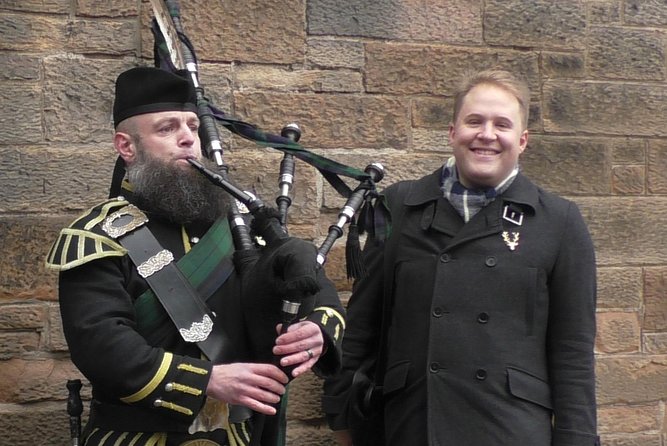
Now the tour returns to the wide-open “show your importance” section of the Royal Mile. You’ll view St Giles Cathedral from outside and learn its pivotal role during the Middle Ages and the Reformation periods. Since it’s a street-level viewing stop with history provided by the guide, it works well even if you don’t want to add another indoor admission.
From there you’ll move through key central landmarks, including Edinburgh City Chambers and Mercat Cross. This area is busy, and that’s part of its point. You can learn what the spaces were meant to do—mark power, support trade and announcements, and gather people—then immediately look around and see those functions echoed in modern street life.
If you like architecture, this is a good place to pause and scan. Try looking upward, not just forward. Edinburgh’s Old Town rewards attention to façades and angles, and the guide’s narrative helps you interpret what you’re seeing.
Practical note: this portion can be the busiest traffic zone on the route. If crowds bother you, keep your walking rhythm steady and let your guide lead where the group naturally queues and pauses.
Waverley Station bridge to Princes Street Gardens and the Scott Monument finish
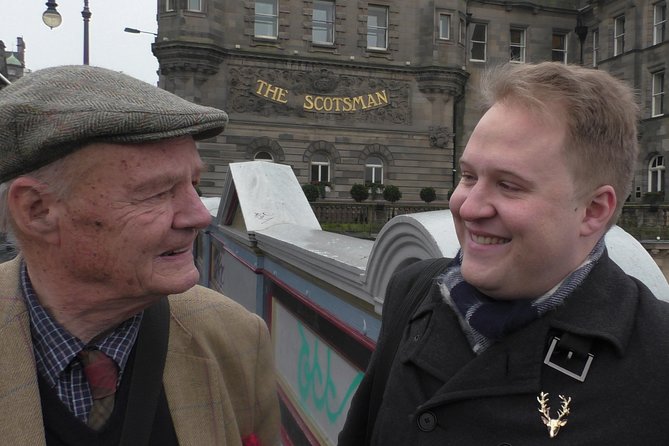
As the walk transitions toward the New Town edge, you cross a bridge tied to the connection between Old and New Towns. The tour includes a stop near Edinburgh Waverley Station, and you’ll walk toward Princes Street Gardens.
This is a smart ending move because it gives your body a breather and your eyes a contrast. You’re moving away from the tight Old Town streets into a more open view corridor, and the city starts making more sense as a whole.
The finale is the Scott Monument in East Princes Street Gardens. This landmark is described as delineating the separation between Old and New Town, and the tour ties both areas to UNESCO world heritage status. Even if you’ve seen photos already, it’s worth standing back and looking at how the monument frames the city’s two identities.
What makes this finish feel “worth it”: you’re closing the loop. Early on, you learned why the castle hill matters and how people lived in tight spaces. By the end, you can see the urban shift—the ridge versus the planned avenues—and you’ll understand the map in your head.
How the guides shape the experience (and why small groups matter)
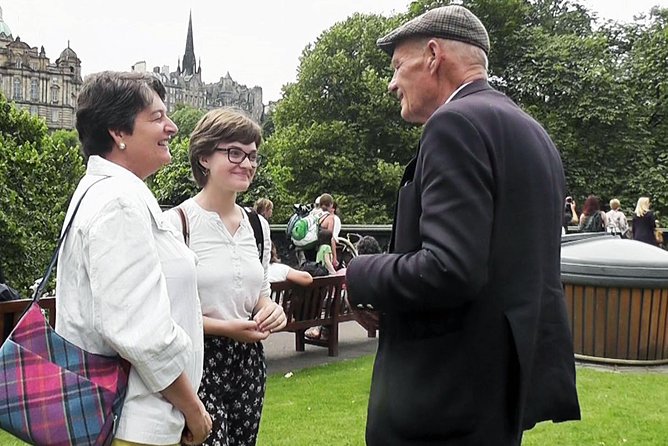
The tour is led by a professional guide, with a maximum group size of 12. That limit isn’t just for comfort. It affects how often you can ask questions and how often the guide can steer the walk toward your interests.
The guide names that show up in past experiences include Craig Goodman, Fiona, Dr Alison Duncan, Stuart Usher, David Forsyth, Alistair Sim, and Douglas Graham. Different personalities show up, but the recurring theme is story-led walking and adapting to the group. One example from past tours: when weather worsened, a guide took the group to a museum option to keep learning in comfort, rather than forcing people through bad conditions with nothing to show for it.
If you’re a history person, this will feel like a conversation that keeps moving. If you’re more “I want to understand what I’m seeing,” the guide approach still works because it connects landmarks to human choices.
Logistics that affect your comfort (without turning this into a chore)
You’ll be walking for about 3 hours, and the route includes uneven Old Town terrain. Shoes matter. One recurring practical message is to wear comfortable footwear because cobbled streets and stairs are part of the experience.
At the same time, this tour isn’t billed as a hardcore hike. Notes from past experiences highlight that guides often avoid the steepest steps when needed, and they tend to keep the route manageable for people with moderate mobility.
Weather matters, too. The tour requires good weather, and if it’s canceled due to poor weather, you’ll be offered a different date or a full refund.
Who should book this Royal Mile and Old Town walk?
Book this tour if you want a strong Edinburgh orientation day without spending the whole day on ticket lines. It’s especially suited to first-time visitors who want an overview with enough detail to make the city feel personal.
It also works well for people who like stories tied to specific places—cabinet decisions behind castles, the way courts and tenements shaped life, and the legends that grew from real characters like Deacon Brodie.
If you’re hoping for an inside visit to every big attraction, you might feel a little limited. Several key stops are viewing from the outside, and some venues require separate admission if you choose to go in.
Still, for $48.54, a small-group guide-led route that connects the Royal Mile’s big landmarks to the Old Town’s hidden corners is a solid way to spend a morning.
Should you book this tour?
Yes, if you want a high-ratio walk of famous Edinburgh plus smaller spaces that help the city click in your brain. The small group size, strong guide storytelling, and the route from Usher Hall to the Scott Monument make it a smart framework for planning the rest of your trip.
Hold off or plan around it if you expect mostly inside ticketed attractions, or if uneven streets will be a major issue for your comfort. If you can handle a moderate amount of walking and you’re coming to understand Edinburgh on foot, this one earns its strong reputation.
FAQ
How long is the Royal Mile and Old Town walking tour?
It runs for about 3 hours.
How much does the tour cost?
The price is $48.54 per person.
Where does the tour start and end?
It starts at Usher Hall (Lothian Rd, Edinburgh EH1 2EA) and ends at East Princes Street Gardens near the Scott Monument (Edinburgh EH2 2EJ).
Are admissions included?
Some stops include entry tickets as not included, such as Usher Hall, Edinburgh Castle, and St Giles Cathedral. Other stops are listed as free, including Grassmarket, Milne’s Court, Jolly Judge/James Court, Writers’ Museum (with interior visit optional), Riddle’s Court, Deacon Brodie’s Tavern, Edinburgh City Chambers area highlights, and Edinburgh Waverley Station area. The Scott Monument viewing is also listed as not included.
What group size is it?
The tour has a maximum of 12 travelers.
What if the weather is poor?
The experience requires good weather. If it’s canceled due to poor weather, you’ll be offered a different date or a full refund.