REVIEW · DUBROVNIK
Dubrovnik: Early Bird Walking Tour
Book on GetYourGuide →Operated by Experience Dubrovnik · Bookable on GetYourGuide
Dubrovnik feels different before the crowds. I love this early-morning pace because you get the highlights when the streets are still quiet, and you hear the city stories from a licensed local guide. My other favorite part is the mix of big landmarks and small, side-street details, so the Old Town feels like a place people actually live in. The one possible drawback: this is a brisk walk at sunrise, so you’ll want comfortable shoes and the energy for uneven stone streets.
You’ll start at first light and move through a maze of narrow lanes while Dubrovnik is still waking up. It’s the kind of tour that helps you get your bearings fast, then gives you a roadmap for what to revisit later when the day gets busier.
In This Review
- Key things that make the Early Bird tour worth it
- Meeting at Amerling Fountain: starting with the right energy
- First stop: Pile Gate and the moment you enter Old Town
- Onofrio’s Fountains: the showy start with a practical lesson
- Fort Lovrijenac viewpoint: why this fortress sets the tone
- Stradun at sunrise: the main street you almost never see this way
- Brsalje Square and the legendary bits you’ll remember
- Orlando’s Column: civic power, seen in a single landmark
- Sponza Palace: where trade and culture meet the guide’s storytelling
- Rector’s Palace: the political spine of the city
- St Blaise’s Church and Dubrovnik Cathedral: sacred sights with a city-wide view
- Monument to Ivan Gundulić: the human thread in the stone
- Ulica od Puča: closing the loop in the Old Town maze
- Back to Amerling Fountain: why ending early helps you plan the rest of your day
- Price and value: what you get for $23 in 90 minutes
- What the guide does that matters most (and why it shows up in the tour)
- Who should book this early bird walk
- Should you book the Dubrovnik Early Bird Walking Tour?
- FAQ
- Where is the meeting point for the Dubrovnik Early Bird Walking Tour?
- How long is the tour?
- What sights are included on the walking route?
- What language is the tour guide speaking?
- Is the tour wheelchair accessible?
- What should I bring, and is food included?
Key things that make the Early Bird tour worth it
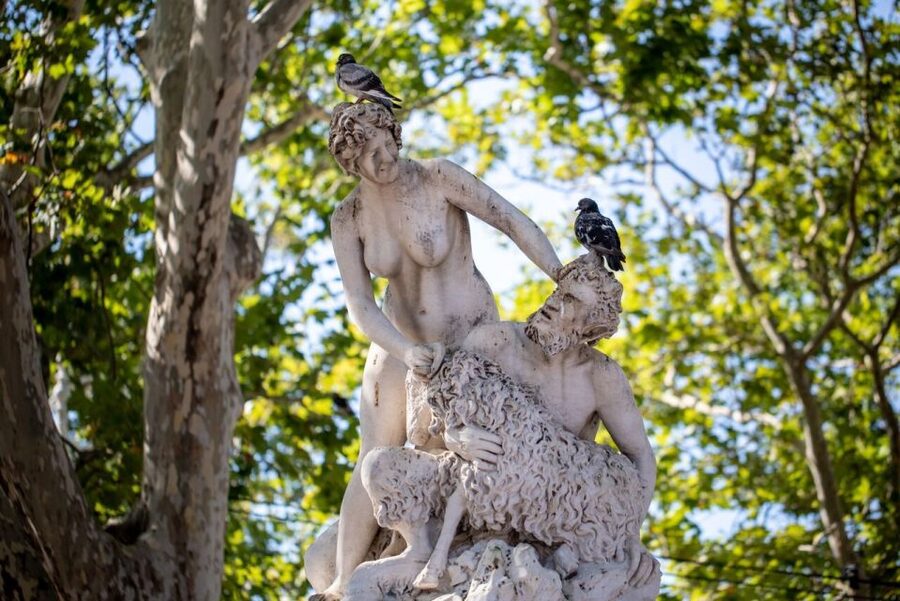
- You walk when Stradun is empty: the main street is often jammed later, but early you can actually see it.
- Fort Lovrijenac viewpoint first: you get an intro to why this place matters before you head into the Old Town.
- Real highlights, not random stops: Pile Gate, Onofrio’s fountains, Orlando’s Column, Sponza, the Cathedral, and more.
- Side streets locals use: you spend time where Dubrovnik life happens, not just the postcard lanes.
- Guides bring stories with context: names you might meet include Mihaela, Daniela/Daniella, Andreja, Drajan, Davor, and others.
- Short and focused at 90 minutes: it fits a busy day without swallowing half of it.
Meeting at Amerling Fountain: starting with the right energy
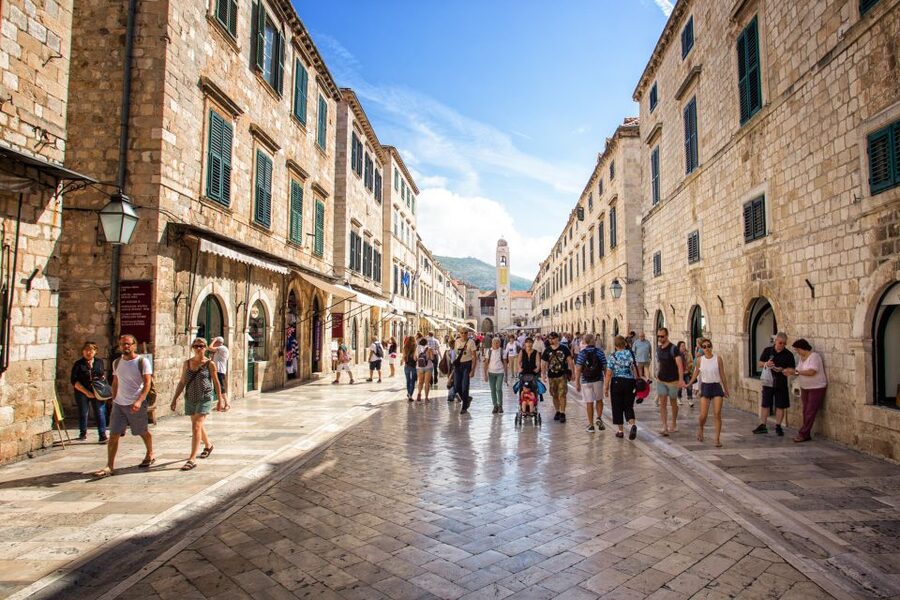
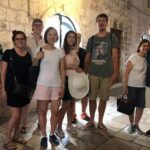
The tour begins at Amerling Fountain, right next to Dubravka restaurant. Look for the guide with a blue umbrella or a sign that says Early Bird, then be ready to step into the Old Town while most people are still rolling out of bed.
This is one of those smart timing choices. Dubrovnik’s historic center can feel like a steady stream of bodies by late morning, but early you get breathing room. You can listen, look up at details, and actually take in the layout without constantly dodging foot traffic.
You can also read our reviews of more walking tours in Dubrovnik

First stop: Pile Gate and the moment you enter Old Town
From Amerling Fountain, you head toward Pile Gate. Even if you’ve seen pictures of Dubrovnik, this is where the place starts to click—massive stone, the sense of entering a walled world, and the start of your orientation inside the walls.
At Pile Gate, you get a quick guided start before you’re pulled along into the next landmark. It’s a good setup because it frames what you’re about to see: the Old Town isn’t just scenery. It’s a designed space—built to protect, channel movement, and support daily life.
Onofrio’s Fountains: the showy start with a practical lesson
Next comes Large Onofrio’s Fountain. This is one of those Dubrovnik icons that works even if you’re not a fountain person, because it’s both visually striking and historically tied to the city’s survival.
Fountains in Dubrovnik aren’t just decorations. They signal how the city functioned—how people gathered, how water mattered, and how public space shaped daily routines. By the time you move on, you’ll likely notice how often key points connect to major routes.
Fort Lovrijenac viewpoint: why this fortress sets the tone
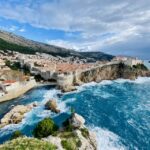
The first big story-and-view moment is Fort Lovrijenac. The tour brings you there early so you get a proper introduction to its history and why it’s part of Dubrovnik’s defense story.
This is also a timing win. From the viewpoint, you can take in the relationship between the fortress and the Old Town streets without the later chaos. You’ll walk away with a mental map, not just a photo.
Practical tip: take a breath here. You’ll be surprised how much your brain grabs at once—walls, heights, sightlines, and the idea of Dubrovnik as a protected city rather than a theme park.
Stradun at sunrise: the main street you almost never see this way
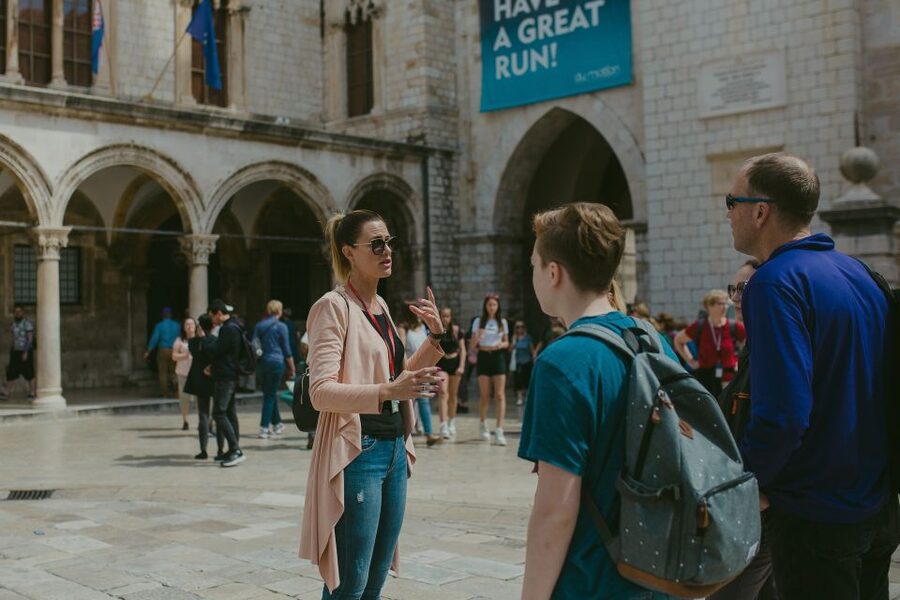
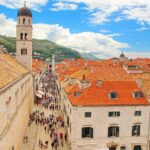
Then you hit Stradun, the shiny main street that feels like a corridor of stone beauty—especially when it’s empty. Later in the day, Stradun can be so crowded you end up watching people instead of seeing the street.
Early, though, Stradun becomes what it always was: a central spine. You can slow down, follow the guide’s explanation, and spot the little rhythms in the architecture and layout. It’s also the moment where the tour’s pacing really pays off—you’re witnessing the city at its calmest.
If you’re the type who likes atmosphere, this part is why you book an early walk rather than saving your time for later. You get the street in a way most visitors never do.

Brsalje Square and the legendary bits you’ll remember
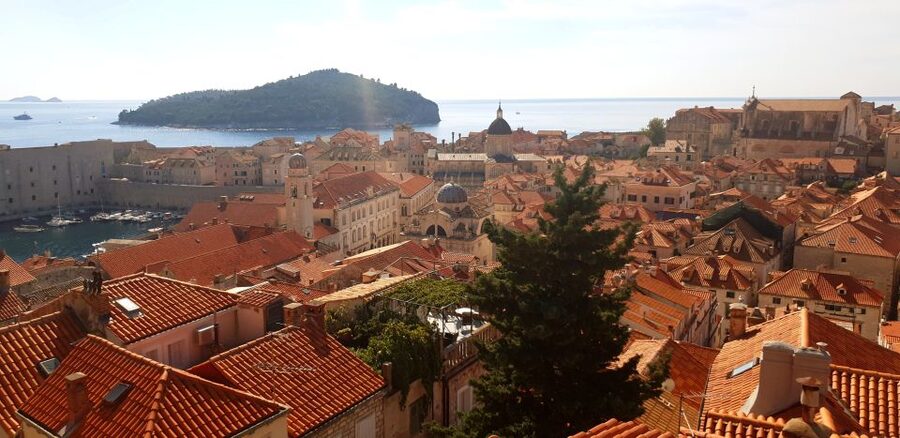
You’ll also cover Brsalje Square, one of the areas that helps connect Stradun to the broader story of the Old Town. It’s a place where the city’s public life and civic identity feel close.
What I like about this segment is the way the guide layers in legends and curiosities. You’re not getting a dry lecture; you’re getting a set of stories that make the sights feel like clues. When you’re ready to wander on your own afterward, those clues help you understand what you’re looking at.
Orlando’s Column: civic power, seen in a single landmark
Stop number: Orlando’s Column. This isn’t just a dramatic piece of stone you pass by—it ties into the civic character of Dubrovnik and how public authority showed itself in visible form.
It’s a quick stop, but it matters. Orlando’s Column is one of those anchors that helps explain why Dubrovnik’s history isn’t only about battles. It’s also about governance, identity, and how a city organized itself.
Sponza Palace: where trade and culture meet the guide’s storytelling

Next is Sponza Palace. This is the kind of place where a guide’s narrative changes everything. Without context, it’s simply an impressive building. With context, you start to see it as a crossroads—an architectural reminder that Dubrovnik’s life depended on exchange, not isolation.
During this stop, you’ll likely get the connection between the building’s role and what was at stake for the city. That matters because it helps you see the Old Town as a living system.
Also, enjoy the details while you’re there. Even with a tight timeline, it’s worth looking up and around instead of only listening.
Rector’s Palace: the political spine of the city
Then comes Rector’s Palace, one of the landmarks that gives you the big picture. This is where the tour’s story tends to shift toward how power worked in Dubrovnik.
A palace stop can be dry on some tours, but the early timing helps keep it alive. You’re walking the streets while they’re quiet, so the building doesn’t feel like a random photo stop. It feels like a key piece of the city’s structure.
St Blaise’s Church and Dubrovnik Cathedral: sacred sights with a city-wide view
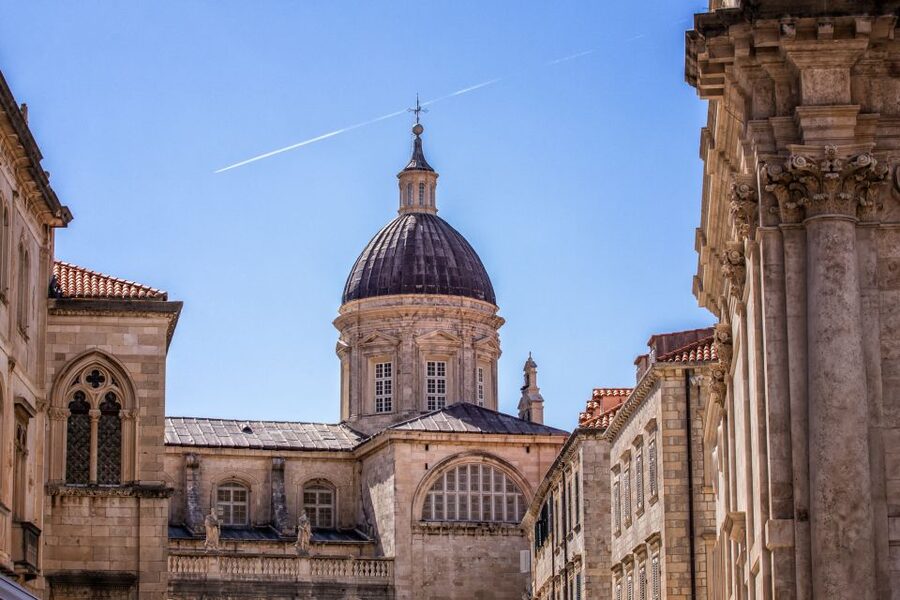
The walk includes St Blaise’s Church and also Dubrovnik Cathedral. The cathedral stop typically becomes a meaningful pause because it’s a major spiritual landmark and a strong visual centerpiece.
What I like here is the way the tour ties churches back to civic life. These aren’t just religious buildings. In a city like Dubrovnik, they often connect to identity, tradition, and public memory.
In practice, plan for a short look and a longer listen. The guide’s explanations help you notice features you might otherwise miss.
Monument to Ivan Gundulić: the human thread in the stone
You then reach the Monument to Ivan Gundulić. This stop adds a human layer to everything you’ve been seeing. Dubrovnik isn’t only fortresses and palaces; it also shaped culture and people whose names still land on streets today.
It’s a good breather from architectural intensity. It reminds you that the city’s story continues through language, art, and memory, even after the centuries you came to see.
Ulica od Puča: closing the loop in the Old Town maze
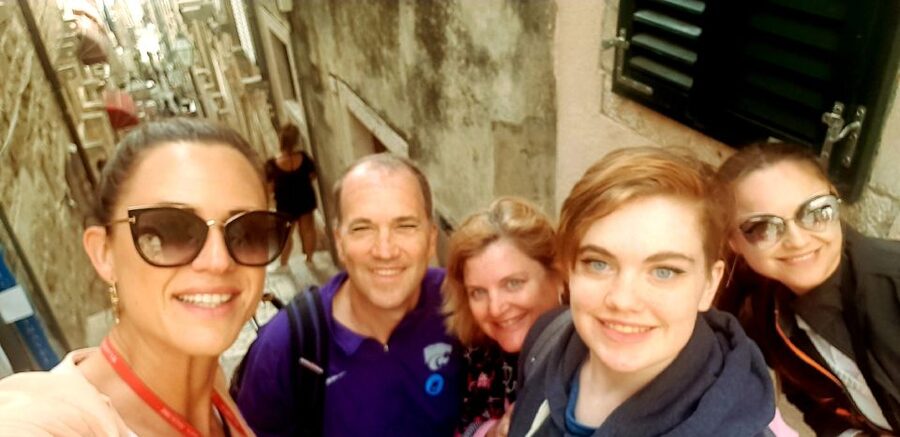
The final major walking segment includes Ulica od Puča, a side-street that feels like a local shortcut through the Old Town’s tighter web. This is where the tour’s theme of walking like a local really shows.
If you’ve spent other days in Dubrovnik scanning for the most obvious landmarks, this is the spot that helps you understand the city’s texture. Side streets like this are part of how the Old Town stays a real neighborhood, not only a showpiece.
Back to Amerling Fountain: why ending early helps you plan the rest of your day
After finishing the last stops, you return to Amerling Fountain. Ending where you started is convenient, but the bigger win is timing: you’re done before the Old Town fully swells.
That means you can use the next hours wisely. I like to treat an early walking tour as a live map. You’ll likely spot a couple of places you want to revisit later, once you’ve got the layout in your head.
Price and value: what you get for $23 in 90 minutes
At $23 per person for 90 minutes with a licensed local tour guide, the value comes from two things: expert direction and timing.
First, you’re paying for a guide who can connect landmarks into one story. In Dubrovnik, that’s not extra. It’s the difference between seeing objects and understanding a city built around walls, power, faith, and daily routines.
Second, you’re paying to experience the Old Town in its early rhythm. Empty Stradun, quieter viewpoints, and space to listen are the payoff you can’t get later without losing the mood. This tour is essentially buying you time back—time for you to learn fast and then roam on your own.
What the guide does that matters most (and why it shows up in the tour)
Across different guide names you may encounter—Mihaela, Daniela/Daniella, Andreja, Drajan, Davor, and others—the common thread is how they make the city’s stories feel practical.
The better guides don’t just recite dates. They point out how Dubrovnik worked day to day, and they add human stories that help places click. Some guides also keep the pace comfortable by stopping in shade when it gets hot, and they encourage questions so you’re not stuck guessing what something means.
If you do one thing to get the most out of this walk, ask one question early. Where to return later. What to skip. How the legends connect to real history. Good guides handle that instantly—and it turns a short tour into a long-term souvenir.
Who should book this early bird walk
This tour is a great match if you:
- Want Old Town orientation fast so you can explore with confidence afterward
- Prefer calm streets over shoulder-to-shoulder sightseeing
- Like history explained through places, not only dates
- Want key highlights covered in one focused 90-minute loop
It’s also a solid first stop in Dubrovnik. Even if you plan more walking later, you’ll benefit from getting the foundation before you expand outward.
Should you book the Dubrovnik Early Bird Walking Tour?
Yes, if you care about atmosphere and efficiency. For $23 and 90 minutes, you get a licensed guide, the major highlights, and the best possible version of Stradun—quiet enough to actually enjoy it.
I’d skip it only if you dislike early starts or you’re determined to wander entirely on your own with no structure. This tour works best when you’ll use what you learn right away to guide your later choices.
FAQ
Where is the meeting point for the Dubrovnik Early Bird Walking Tour?
You meet at Amerling Fountain, next to Dubravka restaurant. The guide will have a blue umbrella or a sign that says Early Bird.
How long is the tour?
The tour lasts 90 minutes.
What sights are included on the walking route?
You’ll see major Old Town highlights such as Pile Gate, Large Onofrio’s Fountain, Stradun, Orlando’s Column, Sponza Palace, Rector’s Palace, Dubrovnik Cathedral, the Monument to Ivan Gundulić, and Ulica od Puča, plus a stop at Fort Lovrijenac and an area around Brsalje Square.
What language is the tour guide speaking?
The tour is guided in English.
Is the tour wheelchair accessible?
Yes, it is listed as wheelchair accessible.
What should I bring, and is food included?
Bring comfortable shoes. Food and drinks are not included.