REVIEW · BIRMINGHAM
Birmingham: Guided City Center Walking Tour (10:30am & 2pm)
Book on GetYourGuide →Operated by Walking Tours In · Bookable on GetYourGuide
Birmingham makes more sense on foot. This guided city-center stroll strings together St Philip’s Cathedral and Broad Street with story-driven stops that explain how Birmingham became an industrial powerhouse. I especially like that the best guides on this route can turn big landmarks into real, human stories, and names like Dee, Phil, Peter, and Richard come up again and again for their energy and clear explanations.
One watch-out: it’s only 1.5 hours, so if you want long photo breaks or extra time inside museums, you’ll need to plan a follow-up stop on your own.
In This Review
- Key Highlights You’ll Feel Right Away
- Why This Birmingham Walk Works for First-Time Visitors
- Meeting at Cathedral Square Without Stress
- St Philip’s Cathedral: Your First Landmark Shot, Plus Real Context
- Victoria Square and the Civic Core: Town Hall Views You’ll Remember
- Birmingham Museum & Art Gallery: A Culture Pause Without a Long Detour
- Chamberlain Square and Centenary Square: Fountains and Modern City Energy
- Hall of Memory and Baskerville House: Stops That Add Texture
- Broad Street: Nightlife Street Meets Industrial-Era Storytelling
- Symphony Hall and the Modern Civic Beat
- Ikon Gallery Finish: A Strong Landing Point for More Exploring
- Walking Pace, Rain Plans, and What to Bring
- Price and Value: Is $20.20 Worth It?
- Who This Tour Fits Best
- Should You Book This Birmingham City Center Walking Tour?
- FAQ
- What time does the Birmingham guided walking tour start?
- How long is the tour?
- Where do I meet the guide?
- Is the tour guided in English?
- Does the tour run in bad weather?
- What places will I see during the walk?
- Is transportation included in the price?
- What should I bring?
- How much does the tour cost?
- Can I get a refund or pay later?
Key Highlights You’ll Feel Right Away
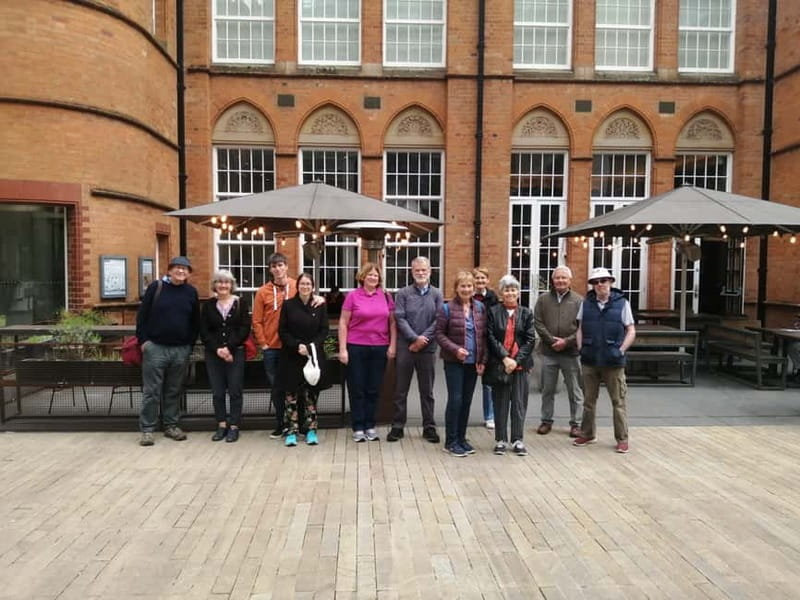
- Local guide storytelling that connects Cathedral Square, canals, and modern Birmingham into one walkable day plan
- St Philip’s Cathedral in Cathedral Square, with its English Baroque look as an easy first wow moment
- Broad Street night-scene framing, plus context about the industrial-era boom and what powered it
- Centenary Square fountains and the civic-culture rhythm of the city center
- A smooth end at Ikon Gallery, so you can keep exploring right after the walk
Why This Birmingham Walk Works for First-Time Visitors
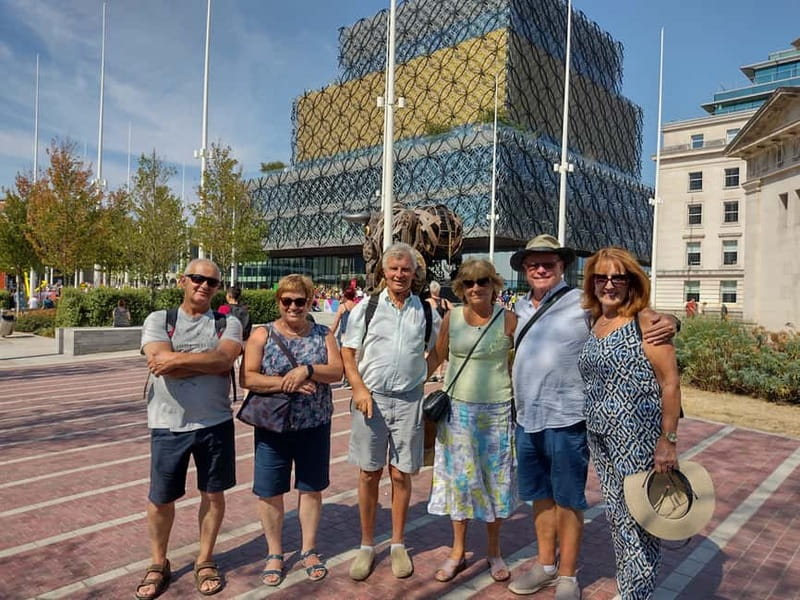
A guided walking tour is one of the fastest ways to stop feeling lost in a big city. This one is built around a compact slice of Birmingham’s core, starting at Cathedral Square and moving through the civic-and-cultural landmarks you’d want to see anyway.
What makes it worth your time is the way the guide ties places to themes. You’re not just looking at buildings. You’re hearing how Birmingham grew from a small market town into the country’s second-largest city, and how the canals and factories shaped everyday life—then you get the modern version of that story too.
You can also read our reviews of more walking tours in Birmingham


Meeting at Cathedral Square Without Stress
You’ll meet your guide at Cathedral Square, by the flag pole. The guide will be wearing an orange jacket or lanyard, so it’s pretty hard to miss them.
This is the kind of start point that helps your day planning. Cathedral Square sits right where the walking loop naturally begins, and from here you can keep moving to nearby sights whether you’re starting at 10:30am or 2pm.
Practical tip: wear shoes you trust. This is a walking experience, and you’ll want your feet comfortable before the stories start flying.
St Philip’s Cathedral: Your First Landmark Shot, Plus Real Context
The tour opens at Cathedral Square, where St Philip’s Cathedral anchors the view. Even if you’ve seen cathedrals before, this one tends to pull people in because of its English Baroque architecture and strong presence in the square.
From there, your guide sets the tone: Birmingham as a city that built itself. Expect explanations that link the cathedral area to the broader development of an industrious city—so the sightseeing feels connected, not random.
Possible drawback: if your goal is heavy architectural study, you won’t have a long time here. The value is in the big-picture understanding you get quickly, not in a slow, details-only approach.
Victoria Square and the Civic Core: Town Hall Views You’ll Remember
Next, you’ll head toward Victoria Square, centered in the heart of the city. This is where the walk leans into civic architecture—so you get a sense of how Birmingham organized public life as it grew.
You’ll also see the Town Hall and get a look at key buildings in the council area. The best part of stops like this is that they help you read the city. Once you understand where the public institutions sit, you notice their role in everything else you do later.
If you’re the type who likes to match buildings to stories, this section is a sweet spot.
Birmingham Museum & Art Gallery: A Culture Pause Without a Long Detour
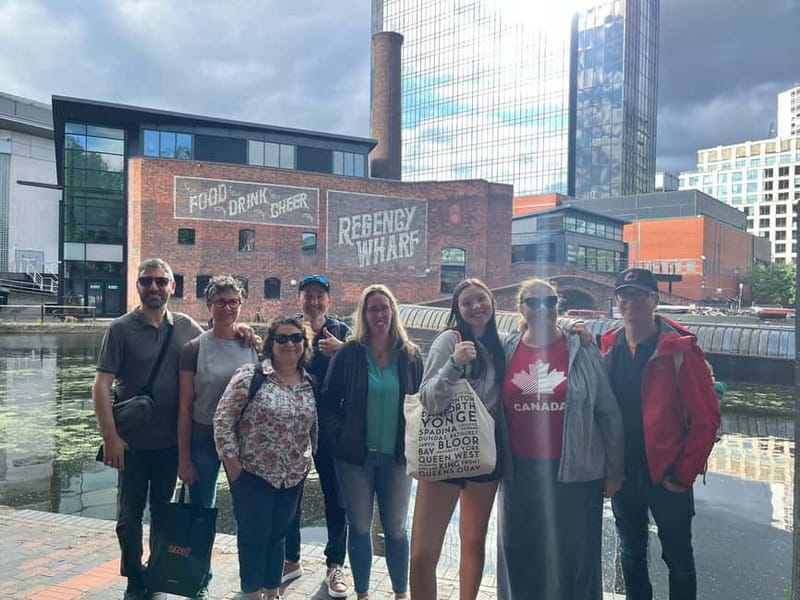
Along the route you’ll pass Birmingham Museum & Art Gallery. You’re not going to live inside it during a 1.5-hour walk, but having it on your route matters.
Why? It acts like a marker that Birmingham is not only factories and canals. It’s also art, museums, and the kind of culture big-city visitors expect. It gives you direction for what to add later if you want more time indoors.
If you hate deciding on the fly, take note: this is a good stop to bookmark for a return visit.
You can also read our reviews of more guided tours in Birmingham

Chamberlain Square and Centenary Square: Fountains and Modern City Energy
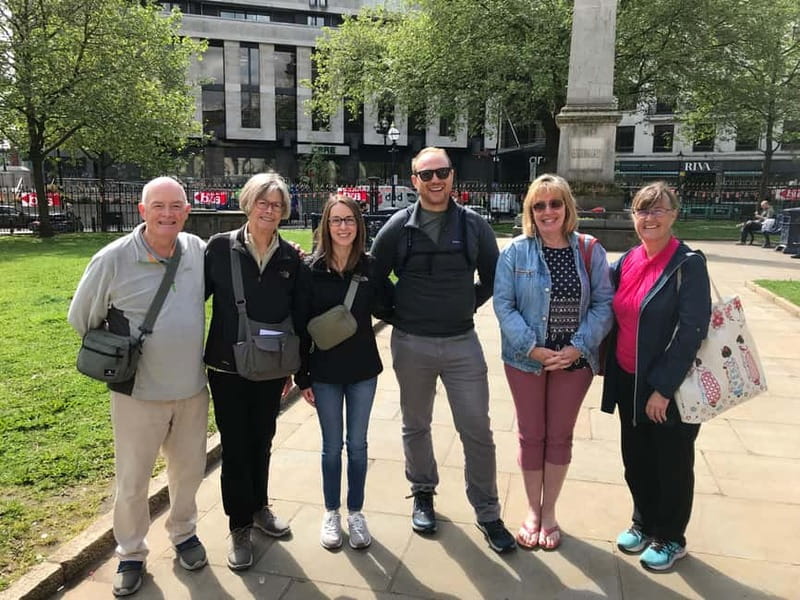
Then you’ll move through Chamberlain Square into Centenary Square, where you can admire the fountains. Centenary Square is the kind of place where your eyes naturally go wide, because the open space and water features give the city a visual “reset.”
This part of the tour shifts slightly from historic growth to modern life. Your guide explains how Birmingham’s identity didn’t vanish when industry evolved—it changed shape.
One more small practical point: open squares can be breezy. If you’re visiting in chilly or rainy weather, plan a weather layer.
Hall of Memory and Baskerville House: Stops That Add Texture
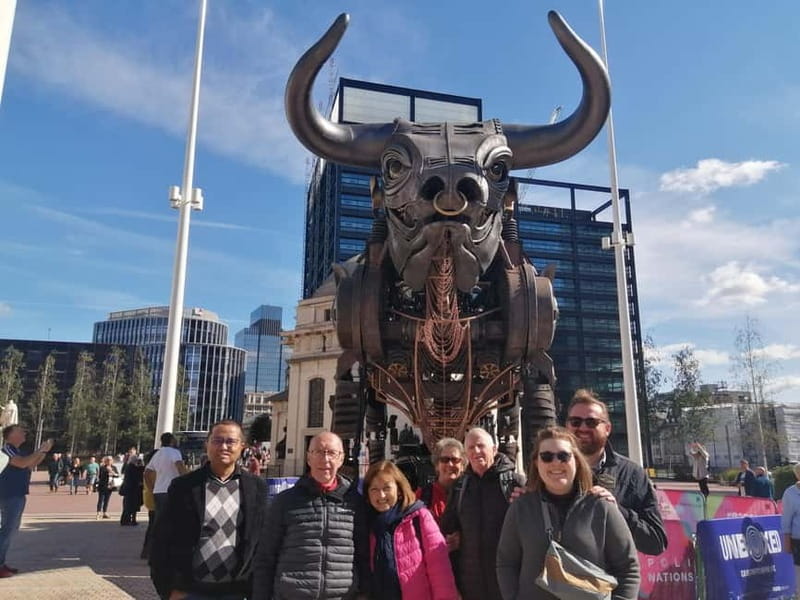
Later you’ll come to Hall of Memory, a quieter stop that gives the walk some emotional weight and depth. It’s the sort of place where you’ll likely pause, look around, and listen a bit more than you would at a purely scenic corner.
After that, you’ll pass Baskerville House. This is one of those “city-reads like a personality” stops. Even if you’re not studying the details, it helps you understand that Birmingham is built from many eras and many styles, not one single aesthetic.
If you’re short on attention for “in-between” stops, this is where you’ll want to stay engaged anyway. These stops give the walk its human texture.
Broad Street: Nightlife Street Meets Industrial-Era Storytelling
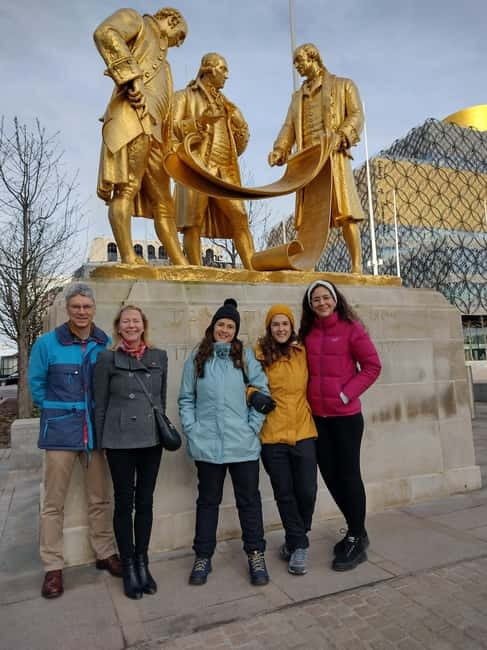
Now for one of the most iconic sections: Broad Street. The tour frames this street with context about Birmingham’s development and modern life, and it’s also described as a popular nightlife area.
Here’s why this works on a walking tour: you’re seeing the city as it actually is today, while your guide ties it back to how Birmingham became an industrial hub. That connection makes the street feel more than a party strip—it becomes a living part of the city’s ongoing story.
You’ll also hear about Birmingham’s industrial revolution boom, the story of its canals, and how it’s home to Cadbury. Even if you think you already know Birmingham, these are the kinds of details that make the city feel newly understood.
Symphony Hall and the Modern Civic Beat
As you continue, you’ll see Symphony Hall, described as a modern presence on the route. This stop helps balance the walk. You get industrial-era context, civic buildings, and then a venue that signals the city’s present-day role as a cultural destination.
This section is also useful for practical planning after the tour. If you like live music or performances, Symphony Hall gives you a clear, central landmark to build your evening plans around.
Ikon Gallery Finish: A Strong Landing Point for More Exploring
The walk ends at Ikon Gallery, described as a 19th-century site. Finishing here is smart because you’re not dumped on a random street corner. You finish in a place that naturally encourages you to keep going—whether that means window-shopping, browsing exhibitions if open, or just continuing your city walk.
One detail to keep in mind: the tour notes it ends back at the meeting point, but the itinerary also states the finish is at Ikon Gallery. In practice, it usually means you’re still within the same central area. Still, it’s worth checking with your guide at the start so you know exactly where you’ll be released.
Walking Pace, Rain Plans, and What to Bring
This is a rain-or-shine walk, so dress for weather you actually have, not the weather you hoped for. Bring a layer and shoes that handle wet pavement.
In terms of comfort, one wheelchair user said the walk made no difference whatsoever. That’s encouraging, but I can’t treat that as a universal guarantee from the limited info given. What I can say is this tour is designed as a straightforward city walk, which usually means you’re not doing long, rugged routes.
If you want photos, you’ll probably manage quick shots during key stops. If you’re someone who needs extra time at every photo point, build in a slower follow-up walk after you’re done.
Price and Value: Is $20.20 Worth It?
The tour costs $20.20 per person for about 1.5 hours with a live guide. For that price, you’re paying for two things: a timed route through major landmarks and someone who can explain what you’re seeing.
To me, the value is strongest if you fall into any of these groups:
- You want the city’s story fast, without doing your own heavy research
- You like asking questions and getting answers in real time
- You want a guided route that helps you navigate confidently the rest of your day
It may be less worth it if you’re only interested in scenery and you’re willing to read on your phone. But if you like context—especially Birmingham’s industrial-to-modern transition—this price feels fair.
Who This Tour Fits Best
This walking tour is a great match if you:
- are visiting Birmingham for the first time and want direction
- enjoy city history tied to modern life
- prefer a guided pace over picking through sights alone
It’s also useful for people who feel overwhelmed by a new city’s layout. The stops give you landmarks you can keep using later, even after the walk ends.
Should You Book This Birmingham City Center Walking Tour?
I’d book it if you want a short, high-impact introduction to Birmingham’s center. The combination of Cathedral Square, Broad Street, the civic landmarks around Victoria Square, and a finishing point at Ikon Gallery makes the route practical and memorable.
If you’re the type who needs long museum time, this won’t replace that. But as a first pass—especially with a guide who brings real pride and clear explanations—it’s the kind of outing that makes you return to the city with better instincts.
FAQ
What time does the Birmingham guided walking tour start?
It runs at 10:30am and 2pm.
How long is the tour?
The duration is 1.5 hours.
Where do I meet the guide?
Meet your guide by the flag pole in Cathedral Square. The guide will wear an orange jacket or lanyard.
Is the tour guided in English?
Yes, the live tour guide speaks English.
Does the tour run in bad weather?
The tour takes place rain or shine.
What places will I see during the walk?
You’ll visit highlights such as St Philip’s Cathedral, Victoria Square, Birmingham Town Hall, Birmingham Museum & Art Gallery, Chamberlain Square, Centenary Square, Hall of Memory, Baskerville House, Broad Street, Symphony Hall, and end at Ikon Gallery.
Is transportation included in the price?
No. Transportation is not included.
What should I bring?
Bring comfortable shoes and weather-appropriate clothing.
How much does the tour cost?
The price is listed as $20.20 per person.
Can I get a refund or pay later?
Yes. It offers free cancellation up to 24 hours in advance for a full refund, and it also allows reserve now & pay later.
If you tell me what day you’re going and what you care about most (industrial history, architecture, food/culture, or nightlife areas), I can suggest how to pair this walk with a tight follow-up plan.