REVIEW · ATHENS
Athens: Acropolis Guided Walking Tour
Book on GetYourGuide →Operated by Secrets of Greece IKE · Bookable on GetYourGuide
The Acropolis stories start at the gate. This Spanish guided walk turns stone ruins into living mythology as you move from gateway to temples and theaters. I love how the route connects the Propylaea and Parthenon to the bigger religious and political life of Athens. One possible drawback: if you don’t choose the option that includes the entry ticket, you’ll need to buy your Acropolis ticket in advance.
Guides are licensed, and reviews highlight Sara for making the architecture and Greek gods easier to grasp, with humor—not a dry lecture. You’ll also get time to stay after the guided portion, so you can linger at the best spots. Since it’s a walk on uneven archaeological ground, wear comfy shoes, and note that baby strollers and wheelchairs (non-folding or electric) aren’t allowed.
Key highlights at a glance
- Propylaea and Parthenon explained as one connected story, not random sights
- Theater of Dionysus with the 17,000-spectator scale put into context
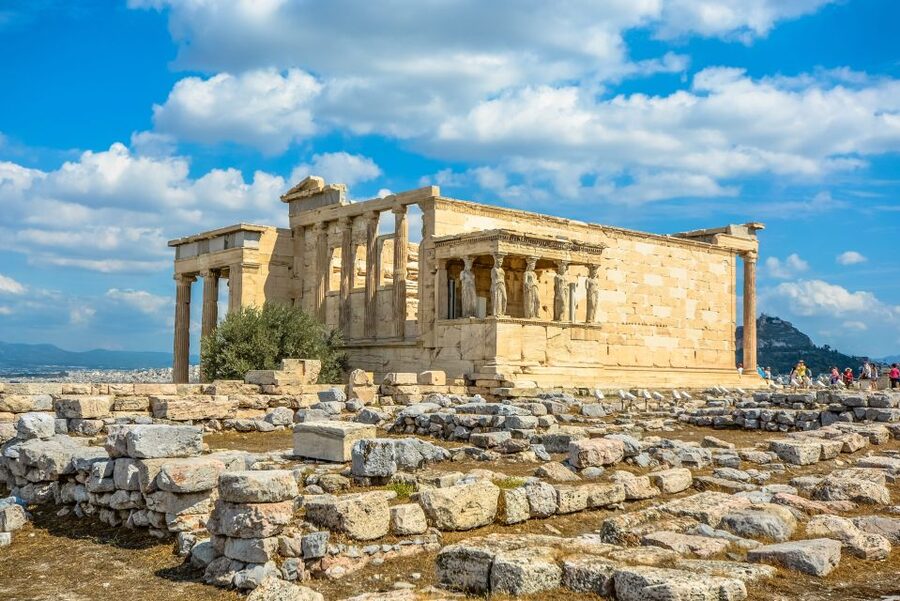
- Erechtheion and Caryatides so you understand what you’re actually looking at
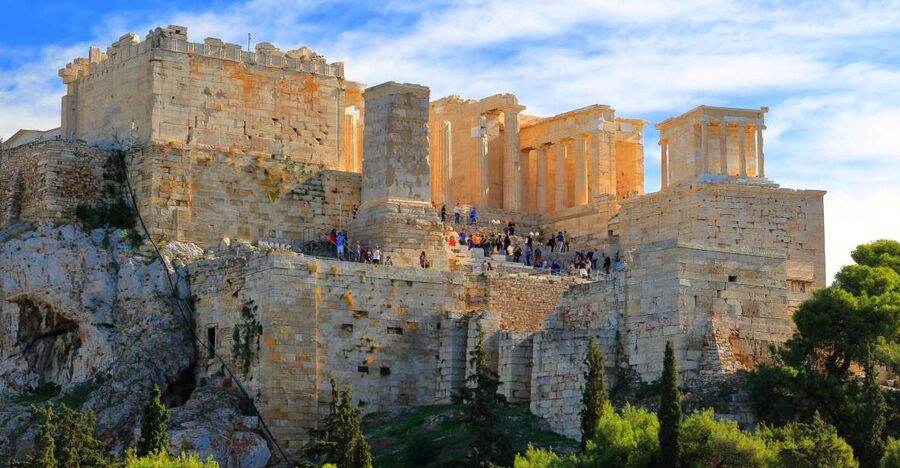
- Temple of Athena Nike highlighted as the small temple with big symbolism
- Small-group Q&A in Spanish, with guides praised for clarity and humor
- Free time after the tour to explore at your own pace on the same site
In This Review
- The Acropolis Clicks: Turning Myths Into Monuments on a Spanish Walk
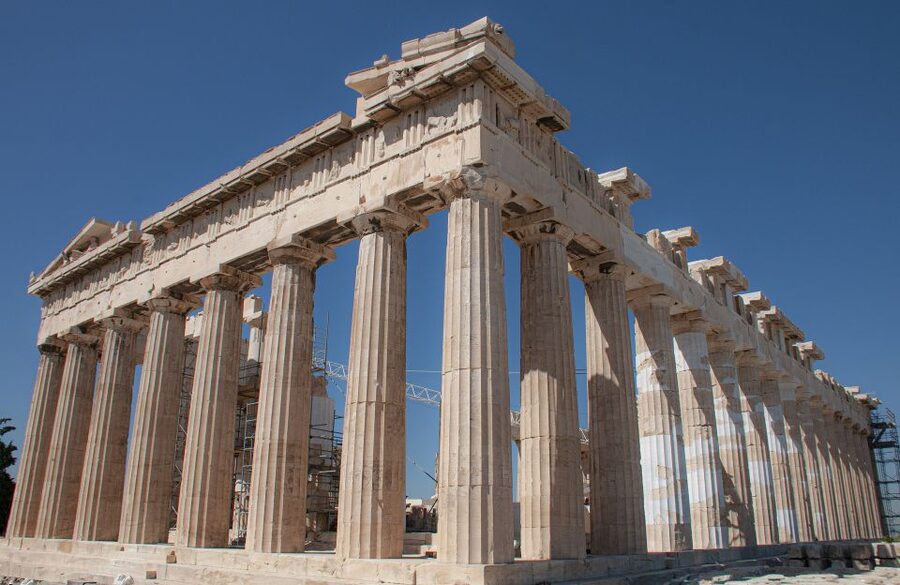
- Propylaea and Parthenon Views: The Gateway-To-Temples Route
- The Theater of Dionysus: Festivals, Not Just Seats
- Erechtheion and Caryatides: The Details That Earn Their Fame
- Temple of Athena Nike: Small Temple, Strong Message
- Odeon of Herodes Atticus: A Giant Stone Theater Nearby
- Small-Group Q&A in Spanish: Why the Guide Matters
- Ticket, Entry, and Getting Here on Time (Without Stress)
- Price and Value: Is $34 Worth It?
- Who This Acropolis Tour Fits Best (And Who Might Skip It)
- Should You Book This Athens Acropolis Guided Walking Tour?
- FAQ
- How long is the Athens Acropolis Guided Walking Tour?
- Is the guide in Spanish?
- Is the Acropolis entry ticket included?
- If I don’t choose the entry ticket option, do I still need to buy tickets?
- Where do I meet the guide?
- Are baby strollers or wheelchairs allowed?
- What time slot ticket should I buy for specific tour times?
- Can I cancel for a full refund?
The Acropolis Clicks: Turning Myths Into Monuments on a Spanish Walk
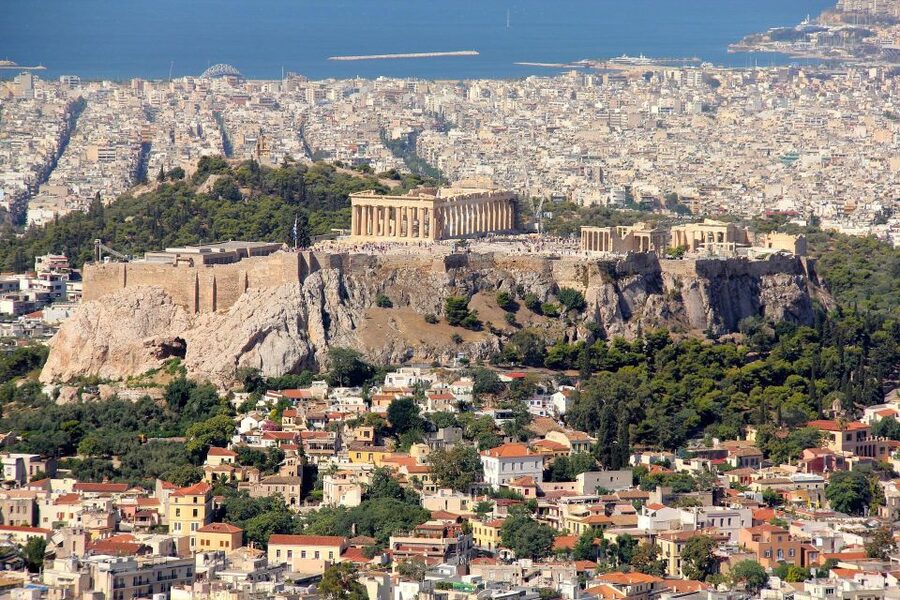
If the Acropolis feels like a pile of famous rocks to you, this kind of guided walking tour is the shortcut to making it make sense. You’re not just viewing the Parthenon from postcard angles—you’re getting the stories tied to those stones: Greek gods, major religious festivals, and why Athenians cared so much about these specific buildings.
You’ll cover the core dramatic hits in about two hours, and the pacing is designed for first-time visitors. That matters, because the Acropolis can overwhelm you fast when you’re trying to read a history book while standing in crowds.
And yes, the tour is in Spanish. If you’re comfortable following a guide in Spanish, you’ll probably get more out of it than you would with a quick audio app. If you’re not, you might still enjoy the visuals, but the learning part depends on language.
One more practical note: it’s not a stroller-friendly or wheelchair-friendly experience. Baby strollers and non-folding wheelchairs (plus electric wheelchairs) aren’t allowed, so plan for a walking-only visit.
Propylaea and Parthenon Views: The Gateway-To-Temples Route
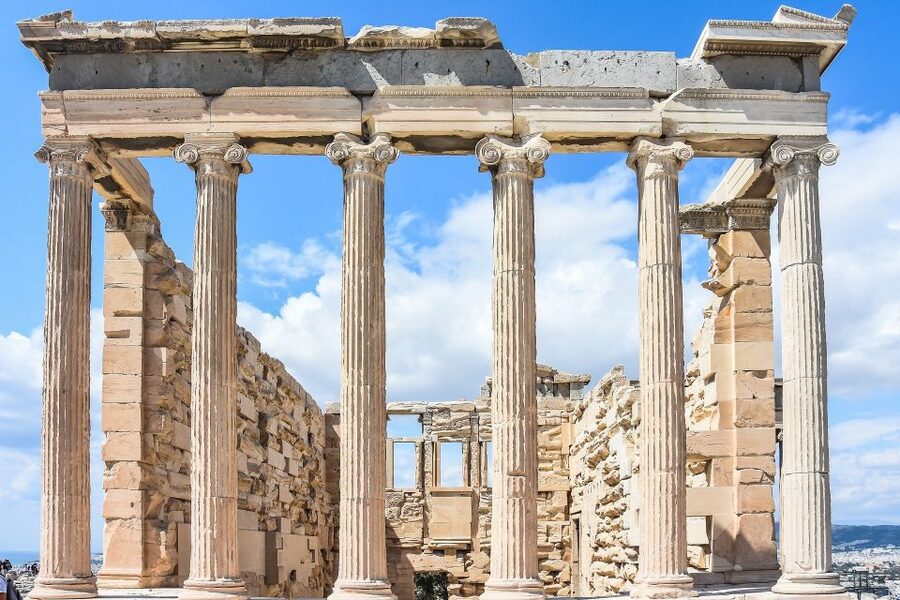
The tour is built around the idea of moving deeper into the Acropolis experience step by step. You start with the Propylaea, the monumental gateway into the rocky citadel. This is one of those places where a guide changes everything. Without context, you might see an impressive entrance. With context, you start to understand it as a threshold—this is where the modern visitor begins to share the feeling Athenians had when entering a sacred space.
From there, you get the Parthenon in view and in meaning. The Parthenon isn’t just an architectural trophy; it’s linked to Athens’ religious identity and its most famous myth-world. Your guide’s commentary is aimed at making the myths behind the ruins feel connected instead of random.
You’ll also hear about the long history of Athens, including how this site connects to the capital of modern Greece. That pairing can be surprisingly helpful. It reminds you that the Acropolis is not only ancient—it’s still a living symbol.
A small-group format helps here. You’re not stuck watching the back of someone’s camera. You can ask quick questions while you’re still close to the features.
You can also read our reviews of more walking tours in Athens


The Theater of Dionysus: Festivals, Not Just Seats
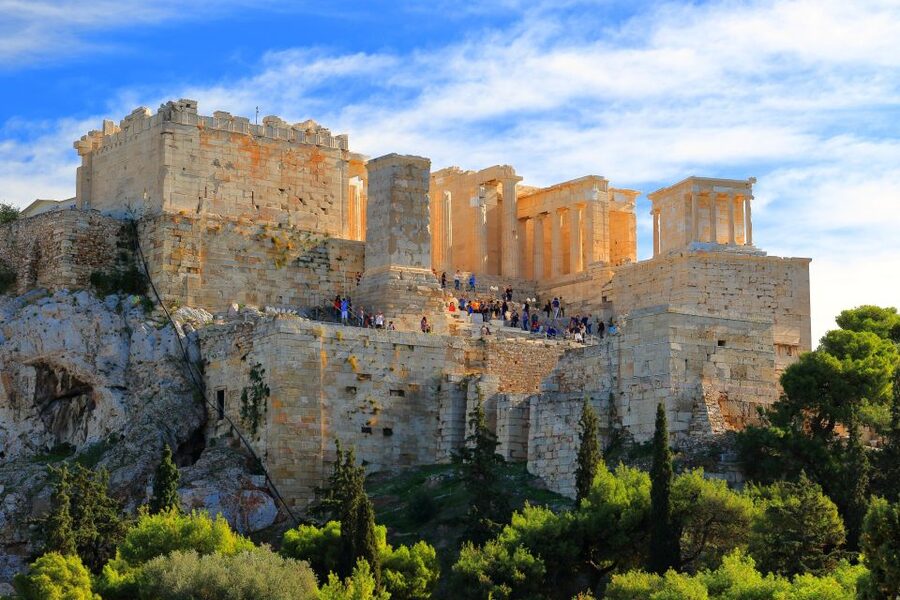
Next comes the theater of Dionysus, one of the most important stops on the Acropolis for anyone who likes how culture works. The tour frames it as more than a scenic ruin: it was used to host festivals honoring the birth of the Greek god Dionysus, and it held around 17,000 spectators.
That number helps you picture the scale. A theater like this wasn’t for casual entertainment. It was a major public event tied to religion, civic identity, and the kind of storytelling that shaped Greek drama. When you understand that, the stones start doing real work in your brain.
You’ll likely find that the best moments here are the explanations—especially if your guide points out how performance and worship overlapped. Reviews praise guides for being professional and for adding humor while explaining architecture and history. That style is ideal at a site like this, because you want facts without the vibe of a classroom.
Erechtheion and Caryatides: The Details That Earn Their Fame
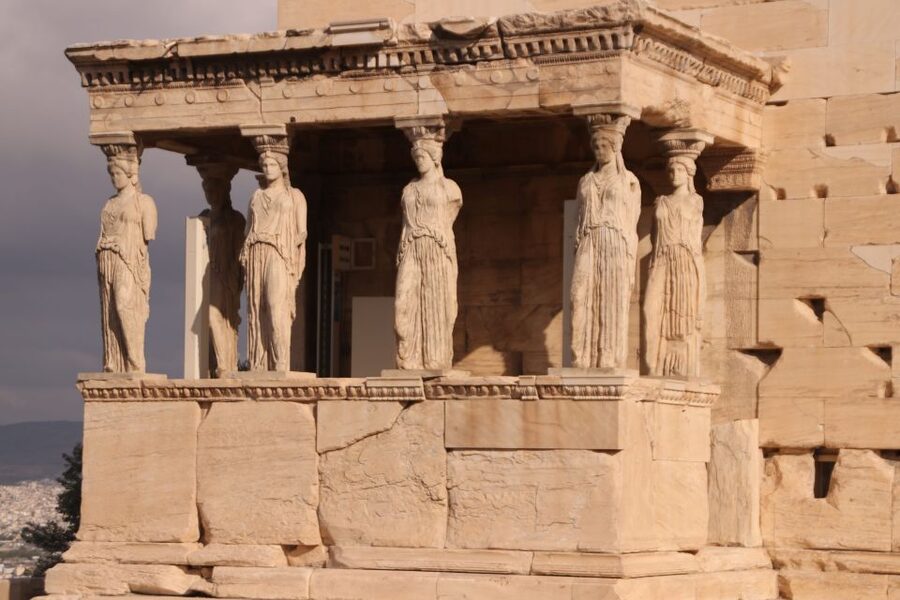
At the Erechtheion, the tour moves from big-picture myth into close-up architectural storytelling. The Erechtheion is named after the demi-god Erechtheus, and your guide uses that myth connection to help you see what the building represents.
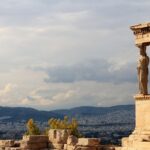
Then come the Caryatides—the famous stone female figures used as carved supports. These carvings are often photographed from the right angle, but they’re easier to appreciate when someone explains what you’re looking at and why it’s meaningful. It’s one thing to recognize the shapes. It’s another thing to understand how and why Greek architecture turned human form into symbolism.
This is also a good moment to slow down. The tour is timed for two hours, but you’ll still have time to take in the craftsmanship if your group keeps a steady pace. If you’re the type who normally walks past details, you’ll probably catch yourself staring.
Also, it’s worth knowing that this site is physically demanding in the sense that you’re walking and standing on uneven ground. Not marathon-level, but you’ll feel it if you’re not used to it.
Temple of Athena Nike: Small Temple, Strong Message
The Temple of Athena Nike is the smallest temple on your route, but your guide treats it like a major player for a reason. Athena is the goddess protector of the city, and this stop ties the myth and the political identity together.
When you see it as part of the broader Acropolis complex, it feels less like a bonus stop and more like a message in stone. Even if you’re not deeply into architecture, the guide’s explanation should help you connect symbolism to placement.
This is also a strong stop for photos, as long as you don’t try to force the perfect shot at the busiest moment. If you’re respectful of the flow, you’ll get chances.
Odeon of Herodes Atticus: A Giant Stone Theater Nearby
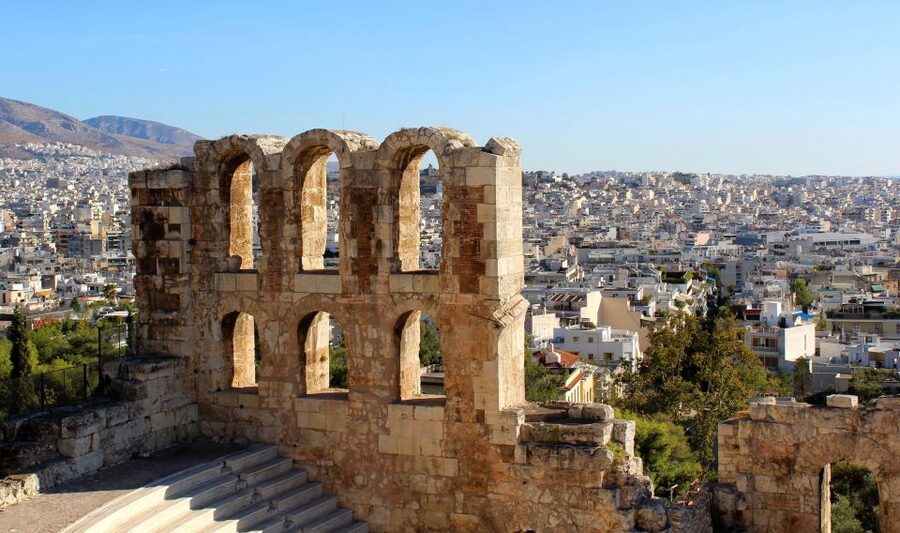
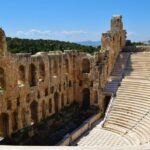
The tour also includes the Odeon of Herodes Atticus, described as a giant stone theater. It’s the kind of place that makes you appreciate how much Athens leaned on performance and spectacle as part of public life.
Even if you’ve seen theaters before, the context on this walk makes it feel like it belongs to the same cultural ecosystem as Dionysus’ theater. The guide commentary helps connect the dots across different structures, so you’re not left with isolated “wow” moments. You end up seeing how the Acropolis functioned as a stage for power, religion, and community story-telling.
If you like architecture and how design communicates authority, this portion is likely to land well. Reviews specifically mention that guides explain architectural elements in a way that’s enjoyable, not just technical.
You can also read our reviews of more guided tours in Athens


Small-Group Q&A in Spanish: Why the Guide Matters
The biggest reason I like this type of guided tour is simple: the guide gives you a mental map. The Acropolis is famous for a reason, but fame can trick you into feeling like you know what you’re seeing. A licensed guide helps you avoid that.
You’ll have time in a small-group setting to ask questions. That doesn’t sound like much on paper, but on-site it’s huge. A quick question can turn a confusing detail into a clear takeaway while you’re still standing right there.
And the Spanish language guide isn’t just a checkbox. In the reviews, Sara gets repeatedly highlighted for being professional and for using humor while describing historical and architectural elements. That kind of communication style matters because mythology can sound distant when it’s only names and dates. A good guide translates the meaning into something you can picture.
So if you want your visit to feel like conversation and not memorization, this tour format is a good match.
Ticket, Entry, and Getting Here on Time (Without Stress)
The tour lasts 2 hours, and the meeting point can vary depending on which option you book. If you’re aiming for smooth arrival, confirm your meeting location right after booking.
Here’s the key decision: the Acropolis entry ticket is optional. If you choose the option that includes it, the ticket is handled for you. If you don’t, you’ll have to buy the ticket previously yourself.
The supplier recommends buying tickets online ahead of time. If you do buy at the ticket office, plan to go to the ticket office area of the South entrance around 30 minutes before your tour time. After you receive tickets, you’ll then walk to the meeting point, which is less than 2 minutes from that ticket office area.
A practical tip: don’t wait until the last minute. Timed entry at major sites can be the difference between a smooth start and a scramble.
Price and Value: Is $34 Worth It?
At $34 per person for a two-hour small-group walking tour in Spanish, you’re mostly paying for interpretation, not just access. The entry ticket is optional, so even at the base price, a big chunk of the value is the licensed guide and the structured route.
You could do the Acropolis on your own. But here’s what you’d likely miss without guidance: the connections between the myths, the religious festivals, and why each building matters where it sits. That’s exactly what this tour is built to provide.
Also, the tour gives you something practical: a way to see many headline monuments in a logical order. And after the guided part, you get free time to stay longer and explore at your own pace.
In other words, this is a good “orientation + highlights + myth context” package. If you’re visiting for the first time, that’s usually when the guide earns its money.
Who This Acropolis Tour Fits Best (And Who Might Skip It)
This tour makes the most sense if you:
- Want a guided introduction to the Acropolis in a short window
- Like Greek gods and mythology explained in plain language
- Prefer a small group where you can ask questions
- Are comfortable following a tour in Spanish
It may not be ideal if you:
- Need wheelchair access or stroller support, since those aren’t allowed
- Want a long, slower, museum-style experience (this is a 2-hour walk)
- Don’t want the added responsibility of buying an entry ticket if you skip the optional add-on
If you’re traveling with kids, toddlers, or mobility limitations, you’ll need a different plan due to the access restrictions. If you’re flexible and can walk, this tour can help you get the meaning behind the most famous parts of the site without spending hours figuring out what you’re looking at.
Should You Book This Athens Acropolis Guided Walking Tour?
If your goal is to leave the Acropolis with stories you actually remember, I’d book it. The combination of major stops—Propylaea, Parthenon, theater of Dionysus (17,000 spectators), Erechtheion with Caryatides, Temple of Athena Nike, and Odeon of Herodes Atticus—is exactly the kind of “see it, understand it, then enjoy it” mix that works in a limited time.
The strongest signals here are the guide factor. Reviews repeatedly praise Sara for humor and clarity when explaining historical and architectural elements, and for making the experience feel easy to follow. Pair that with small-group Q&A, and you’ve got a tour that’s not just sightseeing.
So yes, if Spanish guidance and a two-hour walking format fit your trip, this is a smart buy—and it’s one of the better ways to make the Acropolis more than an impressive backdrop.
FAQ
How long is the Athens Acropolis Guided Walking Tour?
The tour duration is 2 hours.
Is the guide in Spanish?
Yes. The live tour guide speaks Spanish.
Is the Acropolis entry ticket included?
It’s listed as optional. If you choose the option that includes the entry ticket, it’s covered; otherwise, you need to buy it yourself in advance.
If I don’t choose the entry ticket option, do I still need to buy tickets?
Yes. If you skip the option with the entry ticket, you must purchase the Acropolis entry ticket beforehand.
Where do I meet the guide?
The meeting point may vary depending on the option booked.
Are baby strollers or wheelchairs allowed?
No. Baby strollers are not allowed. Non-folding wheelchairs and electric wheelchairs are also not allowed.
What time slot ticket should I buy for specific tour times?
For low season: a 09:30 tour uses the 09:00–10:00 ticket slot, and a 15:00 tour uses the 15:00–16:00 slot. For high season: an 08:45 tour uses the 09:00–10:00 slot, a 09:45 tour uses the 10:00–11:00 slot, a 17:00 tour uses the 17:00–18:00 slot, and a 17:45 tour uses the 18:00–19:00 slot.
Can I cancel for a full refund?
Yes. You can cancel up to 24 hours in advance for a full refund.