REVIEW · ZAGREB
Zagreb: City and WWII Tunnels Walking Tour
Book on GetYourGuide →Operated by pathfinder TOURS d.o.o. · Bookable on GetYourGuide
Zagreb has a darker side you can walk through. This 150-minute tour mixes classic old-town sights with real WWII leftovers, then rewards you with big views from Grič Hill. You start in the green, then you move street by street through the story of the city, from markets to tunnels to the Upper Town.
I especially like the way the route keeps you oriented: you’ll hit Zrinjevac Park, Ban Jelačić Square, and the historic core so you know where everything sits. I also love the contrast between the bright squares and the underground rooms—WWII tunnels turn Zagreb’s history from a lecture into something you can actually stand inside. One catch: the funicular is closed for renovation until March 2026, so the hill ride may not happen during your dates.
In This Review
- Key things to know before you go
- Meeting Zagreb where it feels most Zagreb
- Zrinjevac Park to Bogovićeva Street: the “daytime Zagreb” warm-up
- Ban Jelačić Square: the “anchor point” you’ll use all trip
- Zagreb Cathedral and Dolac Market: architecture and everyday life
- WWII tunnels: where the tour becomes real
- The funicular and Grič Hill: the shortest ride with the biggest payoff
- Lotrščak Tower, St Mark’s Church, and Stone Gate: key Gradec markers
- Tkalčićeva Street to the finish: where to snack and wander next
- Value: why $14 can actually feel like a deal
- Who should book this tour (and who might skip it)
- Guides and atmosphere: humor, story, and strong follow-through
- Practical tips to make your 150 minutes smoother
- Should you book Zagreb’s City and WWII Tunnels Walking Tour?
- FAQ
- How much does the Zagreb City and WWII Tunnels Walking Tour cost?
- How long is the tour?
- Where do I meet the guide?
- What’s included in the ticket?
- Is the tour in English?
- Will I be walking a lot?
- Does the tour run in bad weather?
- Is the funicular available right now?
- Do the WWII tunnels operate every day?
- Does the price include food and drinks?
- Is free cancellation available?
Key things to know before you go
- WWII tunnels are the star: you get a practical, on-foot history stop inside the city
- Grič Hill viewpoints: the Upper Town (Gradec) gives you panorama time for photos
- Tiny funicular ride (when operating): a short trip that’s more fun than you’d expect
- Old Town beats: cathedral, markets, Lotrščak Tower, St Mark’s Church, and Stone Gate
- Small, human-scale pacing: frequent photo stops and guided context, not a rushed dash
Meeting Zagreb where it feels most Zagreb
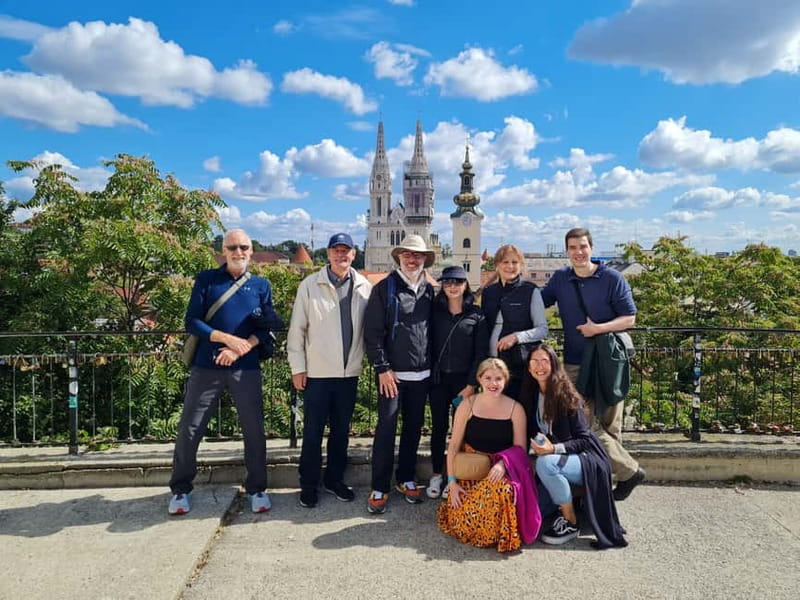
You begin near Trg Nikole Zrinskog 2, and the meeting point is in front of the Meteorological station. This matters because you’re starting in the center, close to the things you’ll be circling back to later on your own.
Your guide is a licensed local, and the tour runs in English. If you’re hoping to learn how to read the city—why certain buildings face certain streets, why people built where they built—this format is ideal. It’s also wheelchair accessible, so you won’t be forced into a purely stair-based outing.
You can also read our reviews of more walking tours in Zagreb
Zrinjevac Park to Bogovićeva Street: the “daytime Zagreb” warm-up
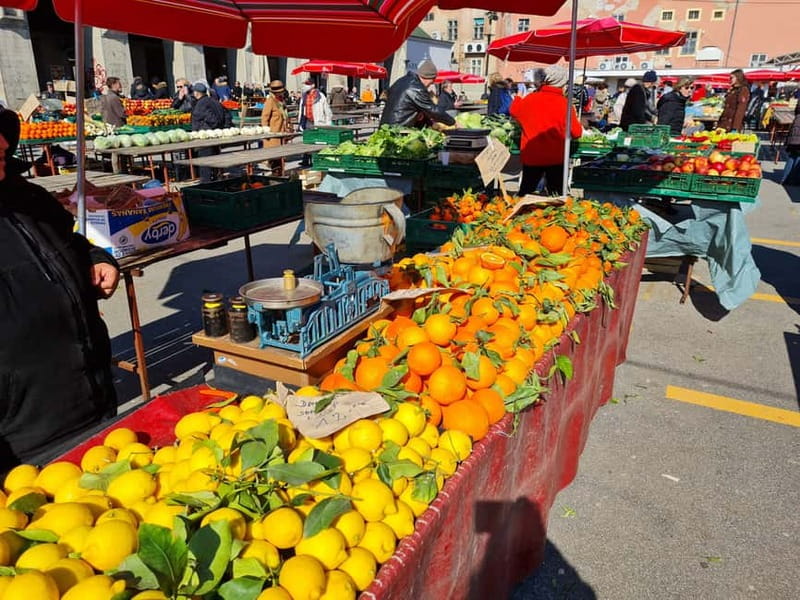
The first stop is Zrinjevac Park. It’s a smart opener: shaded, scenic, and perfect for quick selfies before you start walking with purpose. From here, you head to Bogovićeva Street, a lane known for bars and restaurants, which gives you an immediate feel for Zagreb’s nightlife and dining areas.
What I like about this stretch is that it’s not just scenery. Your guide can connect modern city life to the older streets you’re about to see—so when you reach the major squares, they feel earned, not random.
If you’re visiting in cold or rainy weather, it’s still workable. The tour is designed to operate in all weather conditions, so bring the basics and keep moving.
Ban Jelačić Square: the “anchor point” you’ll use all trip
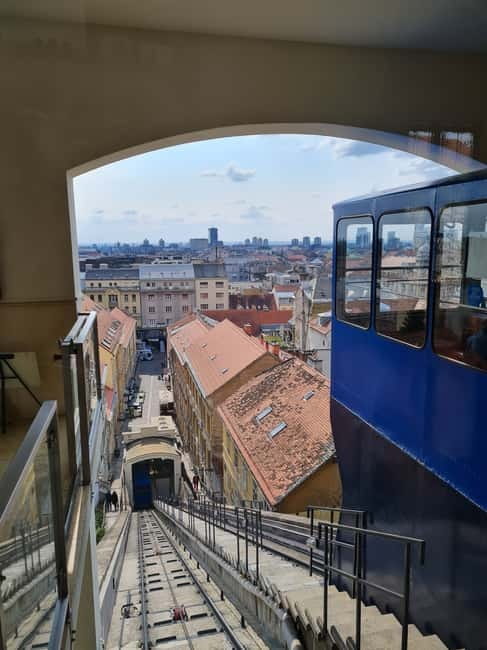
Next comes Ban Jelačić Square, a central hub where several key streets meet. Your guide points out what to notice and how different landmarks relate to each other—this is the kind of orientation that helps you later when you’re planning museums, meals, and side trips.
It’s also a great spot to slow down. You’ll have a guided walk through the historic core, plus photo time. And because the square is such a reference point, it’s a good place to know where you are even before you start climbing.
Zagreb Cathedral and Dolac Market: architecture and everyday life
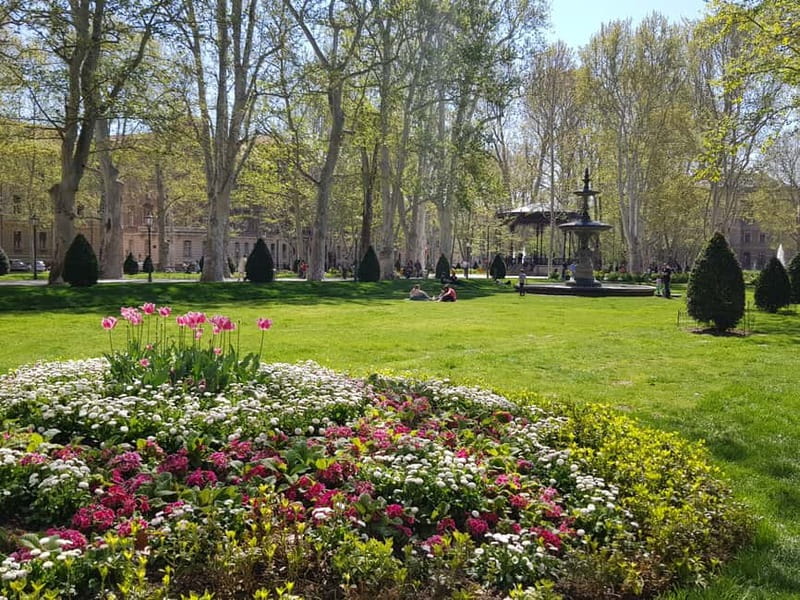
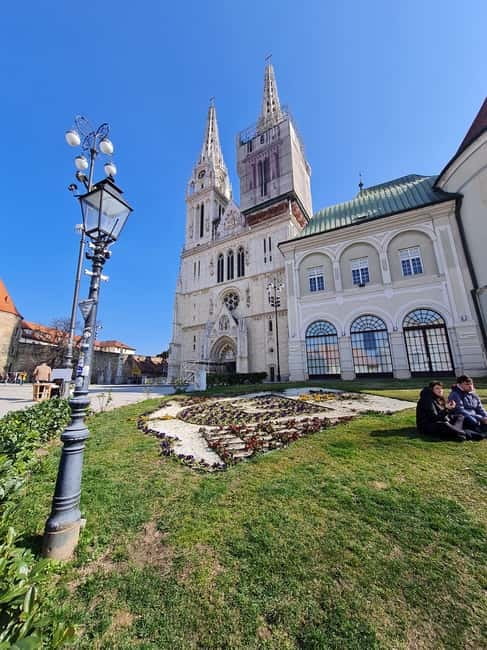
From the square, you visit Zagreb Cathedral, a major landmark that gives you a sense of how the city’s identity is tied to faith, power, and public space. Don’t rush this part. Cathedral stops work best when you take a moment to look up and then let your guide explain what you’re seeing.
After that, you move to Dolac Market. This is where Zagreb feels lived-in rather than postcard-only. Markets are often the easiest way to understand local routines, and Dolac is a perfect bridge from monuments to the city’s daily rhythm.
If you’re a “food curious” type, this is also a helpful prep stop. Even though the tour doesn’t include food or drinks, a market visit can help you decide what to seek out later.
WWII tunnels: where the tour becomes real
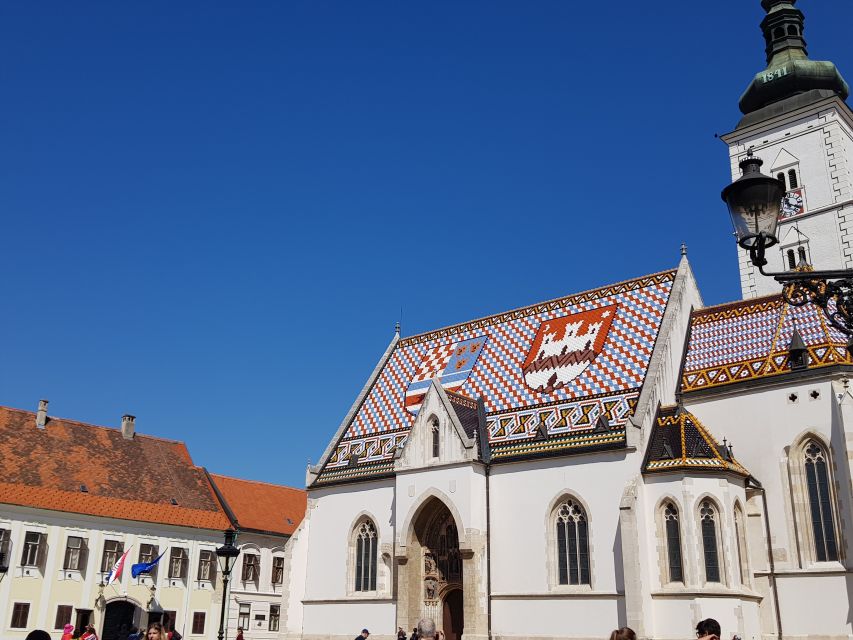
The history shift happens at the WWII tunnels. This is the stop many people remember, because you’re no longer looking at history from the outside. You’re walking through underground spaces that served serious purposes during wartime.
One of the most striking pieces of context you may hear is that these spaces functioned as an underground hospital, and later were repurposed into an underground bunker during the Cold War. That kind of continuity makes the story hit harder than a timeline on a sign.
A practical note: tunnels can feel cooler and darker than the street, so it’s worth wearing layers you can handle. You’ll get guided context, plus photo stops, but don’t treat this like a quick pass-through—slow down and let your guide pace the explanation.
The funicular and Grič Hill: the shortest ride with the biggest payoff
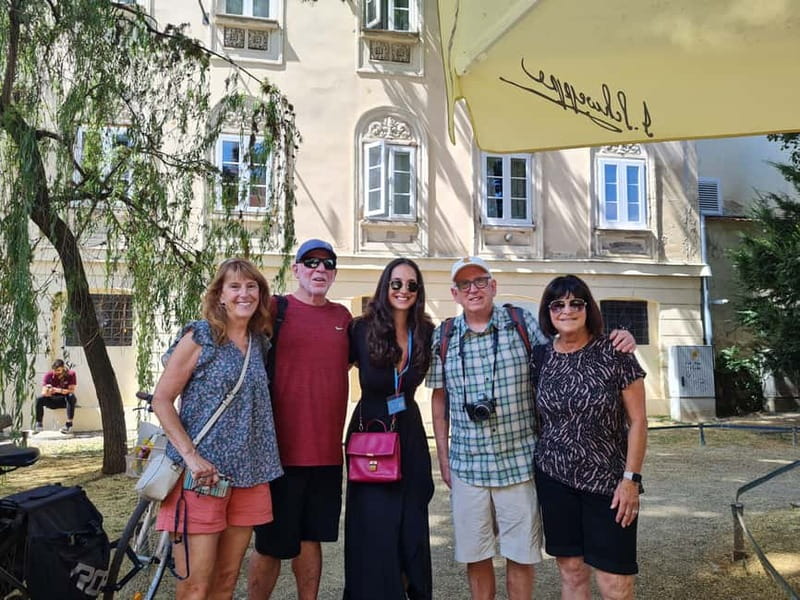
After the tunnels, the tour includes a small rest and then typically the funicular up to Grič Hill. This is described as the smallest funicular in the world, and the ride is about 2 minutes—short enough to fit into a walking plan, long enough to break the effort and add a “wow, we’re up there” moment.
But here’s the key consideration for your dates: the funicular is closed for renovation until March 2026. So if you’re traveling during the closure, expect the hill component to be different or reduced, because the tour explicitly notes that the tunnels and the funicular don’t operate on certain dates.
When the funicular is operating, the payoff is the view. At the top, you reach Gradec (the Upper Town), where the panoramic city views make the climb feel worth it. This is prime photo time, and it’s also where you can look back and connect the streets you walked earlier to the geometry of the city.
Lotrščak Tower, St Mark’s Church, and Stone Gate: key Gradec markers
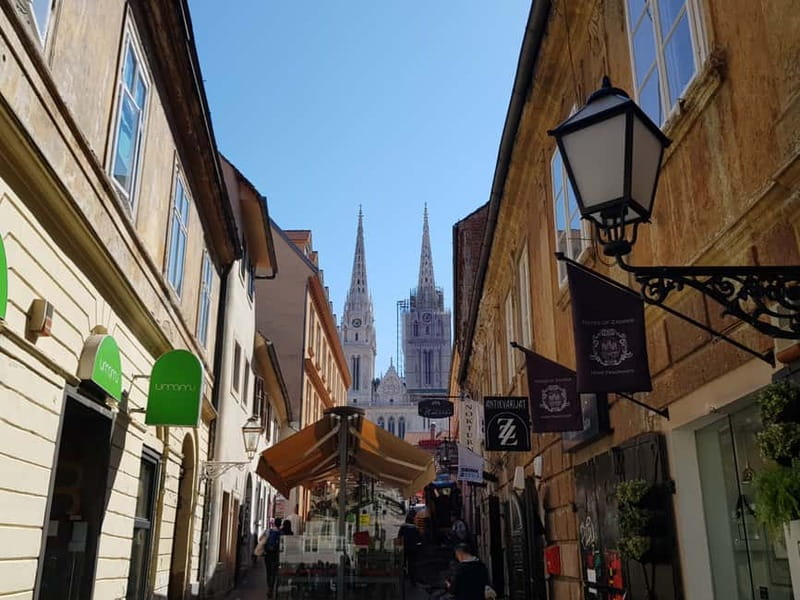
From Gradec, you’ll work through more classic Upper Town landmarks, including Lotrščak Tower and St Mark’s Church, plus a stop at the Stone Gate. These aren’t random stops. They’re checkpoints that help you understand Zagreb’s layered history—lower town, upper town, walls and gates, and the structures that signal importance.
Lotrščak Tower is particularly interesting because your guide may time things so you can catch the cannon firing. If timing aligns, it’s one of those small local moments that makes the city feel like a living place, not a museum.
St Mark’s Church and the Stone Gate are also the kind of places where a guide’s commentary helps you see details you’d miss on your own. Even a quick look at roofline details or gate positioning becomes more meaningful when you know what to notice.
Tkalčićeva Street to the finish: where to snack and wander next
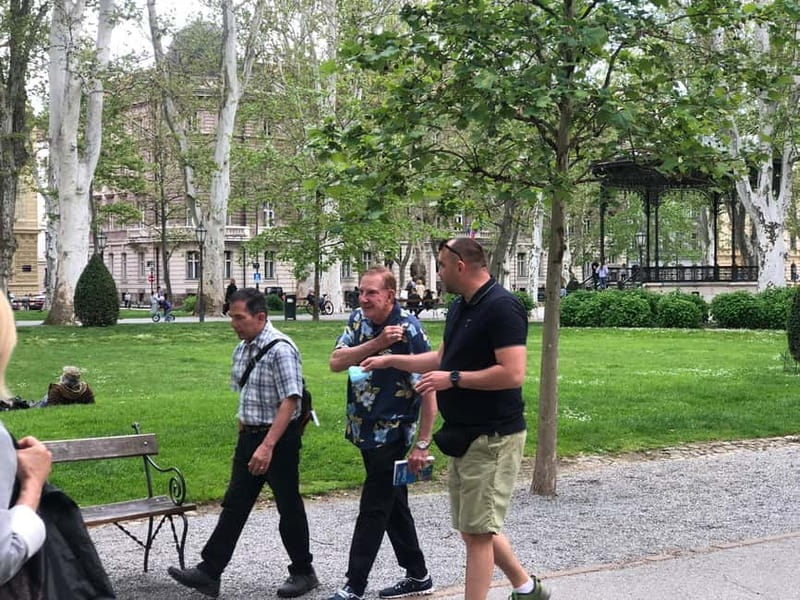
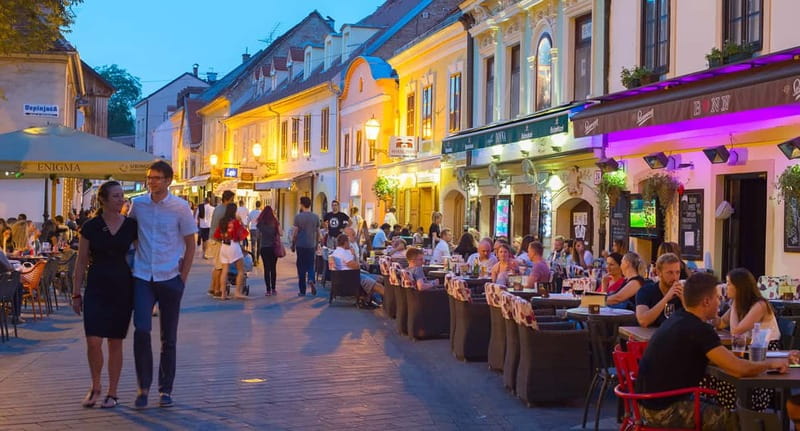
As you descend, you go toward Tkalčićeva Street, another area famous for bars and restaurants. This final stretch is handy because it gives you a natural choice: grab a snack, pick a drink spot, or just start wandering without feeling lost.
The tour finishes back at Ban Jelačić Square, which is smart. You end where you can easily transition to dinner plans, museums, or transport. After a focused 150 minutes, you’ll have the mental map to keep exploring.
Value: why $14 can actually feel like a deal
At $14 per person for about 150 minutes, this tour is priced in the “small money, big context” zone. You’re not just paying for walking time—you’re paying for a licensed guide plus access components like the funicular ticket when operating and guided entry to the WWII tunnels.
The best value comes from how the tour mixes three kinds of learning:
- Orientation (squares, cathedral area, market streets)
- Local life (markets and restaurant lanes you’ll revisit)
- History you can touch (underground WWII spaces)
If you’re trying to decide between a quick overview tour and something more specific, the tunnels give this one an edge. You’ll leave with at least one strong “Zagreb-specific” memory, not just generic highlights.
Who should book this tour (and who might skip it)
This tour is a great fit if you want:
- a first-day introduction to Zagreb’s center,
- a guided history walk that includes the WWII tunnels,
- city views from Grič Hill/Gradec,
- and a route that ends in a built-in hangout zone for food and drinks.
It’s less ideal if you strongly want the funicular experience and your dates fall during the renovation period until March 2026. In that case, you may still get a lot from the rest of the walk, but you’ll want to confirm how the hill portion is handled when the funicular isn’t running.
Guides and atmosphere: humor, story, and strong follow-through
A big reason this tour earns such high marks is the guide style. You may meet guides like Robert, Marko, Marin, Marco, Iva, Eva, Zrinka, or Goran (names that show up with the tour experience). Many are described as friendly and funny, with storytelling that keeps the pace from feeling like a lecture.
You’ll also benefit from practical guidance. Several guides are praised for offering helpful recommendations for restaurants and things to do after the walk. Even if you have a clear plan, that kind of local “what’s worth your time” advice can save you from mediocre choices.
Practical tips to make your 150 minutes smoother
Here’s how to get the most out of the walk:
- Wear comfortable shoes. This is a city-center tour with several meaningful legs.
- Bring a light layer for the tunnels and a rain option if the weather turns.
- If you care about the Lotrščak Tower cannon moment, ask your guide about timing so you’re in the right place when it happens.
- If the funicular is closed on your date, don’t panic—use that time to focus on the Upper Town stops and the views your guide can point out.
Should you book Zagreb’s City and WWII Tunnels Walking Tour?
If you want a fast, guided way to understand Zagreb’s center, yes—this tour is worth it. The combination of city highlights, market energy, and WWII tunnels creates a rounded picture that’s hard to replicate on your own in just a couple hours.
That said, check your travel dates against the funicular renovation (until March 2026) and the note that the tunnels/funicular can be inactive on some dates. If the funicular won’t run during your visit, you may still enjoy the walking route and tunnels, but the “tiny funicular + view” payoff may be reduced.
FAQ
How much does the Zagreb City and WWII Tunnels Walking Tour cost?
It costs $14 per person.
How long is the tour?
The tour runs for 150 minutes.
Where do I meet the guide?
Meet in front of the Meteorological station.
What’s included in the ticket?
You get a walking tour with a licensed guide, plus a ticket for the funicular ride when it is operating.
Is the tour in English?
Yes, the live tour guide is English.
Will I be walking a lot?
It’s a walking tour through Zagreb’s city center, with a short funicular ride when operating, plus stops for photos and sightseeing.
Does the tour run in bad weather?
Yes, it operates in all weather conditions.
Is the funicular available right now?
No. The funicular is closed for renovation until March 2026.
Do the WWII tunnels operate every day?
The tour notes that the WWII tunnels and the funicular do not operate on certain dates.
Does the price include food and drinks?
No. Food and drinks are not included.
Is free cancellation available?
Yes, you can cancel up to 24 hours in advance for a full refund.