REVIEW · VALLETTA
Valletta: Self-Guided Historical Walking Tour (Audio Guide)
Book on GetYourGuide →Operated by Robert Arrigo & Sons Limited · Bookable on GetYourGuide
Valletta sounds best with your own pace. This self-guided audio tour guides you through major sights with offline-ready maps, and it comes with a complimentary Mdina audio bonus.
I like that the route is planned like an easy walking day, with an expert-built path that fits about 3 to 4 hours. I also like the practical extras along the way: star points that point you toward shopping, food, and side stops worth your time. One thing to watch: this experience leans on your phone working properly, so if downloads or in-app navigation stall, you may have to rely on your phone’s map instead.
You’ll use the PopGuide app on your own smartphone, download the maps and audio content first, then follow the stops at your rhythm. You also get written explanations in five languages (English, French, German, Italian, Polish), which is handy when you want to read along while you walk.
So, how could it go wrong? The main risk is tech dependency. If you can’t download the app content ahead of time, or if the in-app “take me to this point” function doesn’t behave, the tour can feel more confusing than it should for a $8 outing.
In This Review
- Key highlights worth planning for
- Valletta feels like a walking museum, even with zero planning
- How the PopGuide audio system works (and what you should do first)
- My quick advice for avoiding phone chaos
- The route: from Tritons’ Fountain to Fort Saint Elmo
- Introduction and Tritons’ Fountain
- Valletta Waterfront
- Upper Barrakka Gardens
- Auberge de Castille, St. James Cavalier, and the Malta Stock Exchange area
- Fort Saint Elmo
- Hastings Gardens to Lower Barrakka: bastions and siege memory
- Hastings Gardens and St. Michael’s Bastion
- Lower Barrakka Gardens and the Siege Bell War Memorial
- Manoel Theatre
- Marsamxett Harbour (Ferry Service) and Old Marine Police Station
- Mediterranean Conference Centre
- Republic Square to St George’s Square: civic Valletta in full view
- Merchants Street
- Republic Square, National Library, New Parliament Building, Royal Opera House, Palazzo Ferreria
- St George’s Square and the Grand Master’s Palace area
- St John’s, Strait Street, and the churches that define the walk
- St John’s Co-Cathedral, the Oratory, and the Caravaggio paintings
- St Paul’s Pro-Cathedral (Anglican Church)
- Strait Street
- Basilica of Our Lady of Mount Carmel
- Victoria Gate and the Bridge Bar
- Price and value: what $8 really buys you here
- Where it shines, and where you should be careful
- Should you book this Valletta audio tour?
- FAQ
- FAQ
- What app do I need to use the audio guide?
- Can I use the audio tour without internet?
- How long is the suggested Valletta route?
- Is admission to the sites included in the price?
- What do I get with the complimentary Mdina audio tour?
- What do I need to bring to make the tour work?
- Is the tour suitable for people with mobility impairments?
Key highlights worth planning for
- Offline audio after downloads: once the maps and content are saved, you can keep going without internet.
- Mdina bonus included: your purchase adds a complimentary Mdina audio tour for extra value.
- A 3–4 hour main route: the suggested path is built for a solid walking loop rather than a stop-and-start sprint.
- Star points for food and shopping: helpful prompts show where to eat, shop, and find extra churches and museums.
- Five-language support: English, French, German, Italian, Polish for the commentary and text.
Valletta feels like a walking museum, even with zero planning

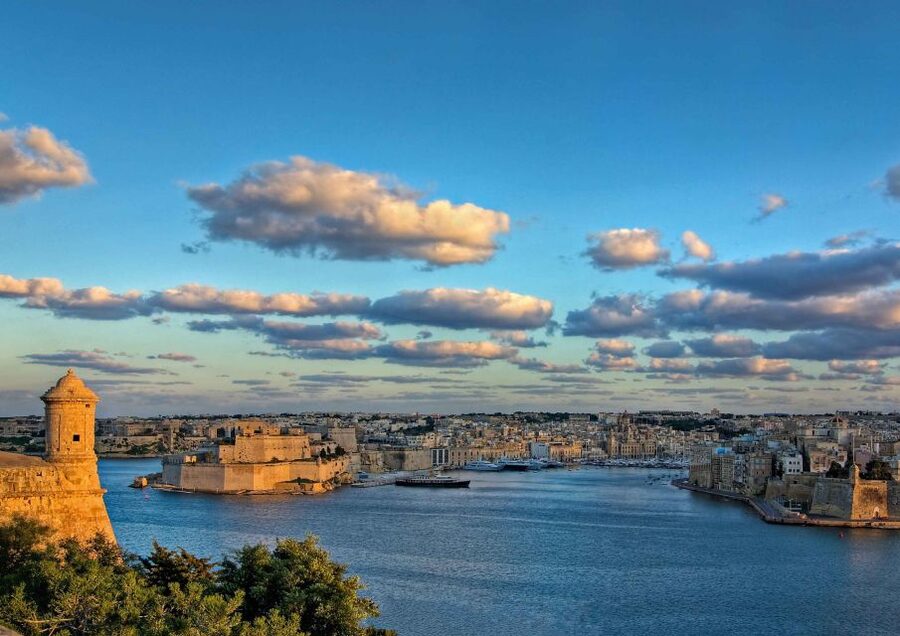
Valletta is a UNESCO World Heritage Site, and it works perfectly as a self-guided city walk. Think fortifications and bastions, baroque palaces and churches, and streets shaped by nearly five centuries of change. The charm here isn’t just the big monuments, it is how the buildings, viewpoints, and churches stitch together into one long story you can experience block by block.
What I like about this particular tour concept is that it treats Valletta like a museum that you get to walk through, not like a checklist you have to speed through. You can pause for photos, stop to buy something from a side street, or duck into a church area when the moment calls for it.
Also, Valletta rewards curiosity. One audio point may explain what you are looking at, and then the next star point nudges you toward a place to eat or another nearby stop. That small “what next” guidance helps you feel less lost on streets that can look similar if you are just wandering.
You can also read our reviews of more walking tours in Valletta


How the PopGuide audio system works (and what you should do first)
This tour runs through the PopGuide app on Android or iOS. To make it work smoothly, you need two things before you start: a charged smartphone and headphones (not included in the price). You will download the app and then download the tour maps and content while you have internet.
Here’s the practical flow:
- Book, then get an activation link with your username and password (sent the day before for advance bookings, or after same-day bookings).
- Download the PopGuide app from Google Play or the iOS App Store.
- Download the required maps so the audio content is available offline.
- Only then head out on your walk.
Five languages are supported: English, French, German, Italian, Polish. The key detail for you is that the language option you choose affects the commentary and the written text that comes with the audio points.
My quick advice for avoiding phone chaos
If you want this to feel easy (it can), treat the start like you are syncing an overnight playlist:
- Do the downloads on Wi-Fi.
- Plug in your phone before you leave.
- Bring a backup charging option if your battery runs low in cold weather or with bright screen use.
This tour is not a “press play whenever” experience. It works best when the audio content is already stored on your device.
The route: from Tritons’ Fountain to Fort Saint Elmo

The suggested path is built to hit a lot of Valletta’s most recognizable landmarks in one loop, and it is designed to take about 3 to 4 hours.
Introduction and Tritons’ Fountain
You start at the Tritons’ Fountain, which sets the tone right away. This kind of beginning matters on self-guided tours because it gives you an orientation point and a sense of how the city story will unfold. It is also where you can test your setup: headphones in, volume adjusted, and audio running without delays.
You can also read our reviews of more guided tours in Valletta

Valletta Waterfront
Next comes the Valletta Waterfront. This area is a good “warm-up” stop because it is visually open compared to some of the tighter streets elsewhere in town. Expect the audio to help you understand what you are seeing as you move along the water.
Upper Barrakka Gardens
Upper Barrakka Gardens is where Valletta starts feeling dramatic. Gardens like this give you space to slow down, and they are often the kind of place where the audio makes the architecture and city layout click into place. Use this stop to read the written explanation as you look around, not just to listen while walking.
Auberge de Castille, St. James Cavalier, and the Malta Stock Exchange area
This cluster is all about civic and cultural power. The audio points here connect major buildings and landmarks in the same zone, so you get a better sense of how the city arranged its important spaces. It is also a good section for star points, because shopping and dining areas tend to be close to the places tourists linger.
A practical note: this part of town can feel like a move from viewpoint to “look harder” architecture. If you are the type who enjoys details, you will get more out of it. If you prefer scenery over facts, do not feel obligated to absorb everything at once. Take one audio point, then walk a bit, then come back to listening.
Fort Saint Elmo
Fort Saint Elmo is one of the big anchors of Valletta’s fortifications theme. You’ll want to give this stop enough time to stand still, listen, and then look outward. Fort areas can be windy and sometimes uneven, so I suggest comfortable shoes and a steady pace.
This is a highlight stop for good reason: it is the kind of place where the city’s defensive history becomes physical, not just an idea.
Hastings Gardens to Lower Barrakka: bastions and siege memory

After Fort Saint Elmo, the route shifts toward more viewpoints and fortification-adjacent stops. This is where Valletta’s story gets heavier, but in a way that still fits a casual walking day.
Hastings Gardens and St. Michael’s Bastion
Hastings Gardens paired with St. Michael’s Bastion makes sense as a “transition” segment. You go from fortress territory into garden space, which helps you rest your eyes and legs while still following the theme. Use the audio here as your guide to the logic of the defenses and the city position.
Lower Barrakka Gardens and the Siege Bell War Memorial
Lower Barrakka Gardens and the Siege Bell War Memorial are likely to feel more reflective. Even if you are not a military-history person, audio that explains what a memorial is meant to hold helps you look past the object and understand its purpose.
This stop also works well for a pause. If you are keeping a comfortable pace, this is a natural “sit for a minute” moment before moving on.
Manoel Theatre
Manoel Theatre is a change of pace: cultural architecture instead of defense-focused angles. You’ll likely find it easier to appreciate because it contrasts with the fortifications theme you just did. Audio points like this add variety, so your walk doesn’t turn into one long stretch of walls and stone.
Marsamxett Harbour (Ferry Service) and Old Marine Police Station
Marsamxett Harbour brings you back to the water and the working feel of the city. The route includes the ferry service area, so you are in the right neighborhood to understand how the harbor connects different parts of everyday life.
Old Marine Police Station adds another layer, which is where the audio format shines: it turns a building you might otherwise walk past into something you actually understand. It is a good example of why this kind of audio tour can add value even when you already know the names of big sights.
Mediterranean Conference Centre
The Mediterranean Conference Centre is a modern anchor in the middle of a historic walk. That contrast is part of Valletta’s character, especially because the city includes everything from mid-16th-century baroque to modernism. Use the audio point here to recalibrate, then continue with the next streetscapes.
Republic Square to St George’s Square: civic Valletta in full view
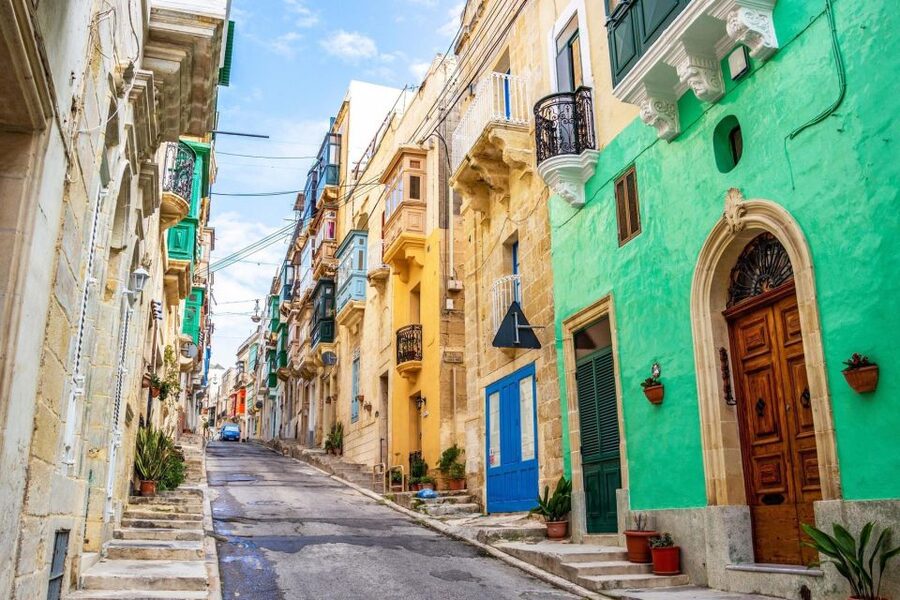
Now the route becomes more urban and more about how the city organizes power, culture, and public life.
Merchants Street
Merchants Street is where the walking tour becomes practical. This is the kind of street where you can time a snack or browse shops between major landmarks. The star points are especially useful here because they help you decide what to do on the spot instead of guessing.
Republic Square, National Library, New Parliament Building, Royal Opera House, Palazzo Ferreria
This cluster is “big institutions in a small space.” Audio points group these landmarks so you can build a mental map of how Republic Square works as the civic center. It is also a good place to use the written explanations if you want to slow down and read what each place represents.
A small tip: because this area concentrates several important buildings, you may want to pick one or two to focus on deeply with audio and let the others be lighter listening. It prevents audio fatigue and keeps the walk enjoyable.
St George’s Square and the Grand Master’s Palace area
St George’s Square is a classic sight for understanding how Valletta’s leaders and institutions shaped the city. The Grand Master’s Palace is the kind of landmark that changes how you look at the rest of the walking route. Even if you only catch a few key details from the audio, you’ll start noticing how the city’s layout supports the idea of authority and ceremony.
St John’s, Strait Street, and the churches that define the walk
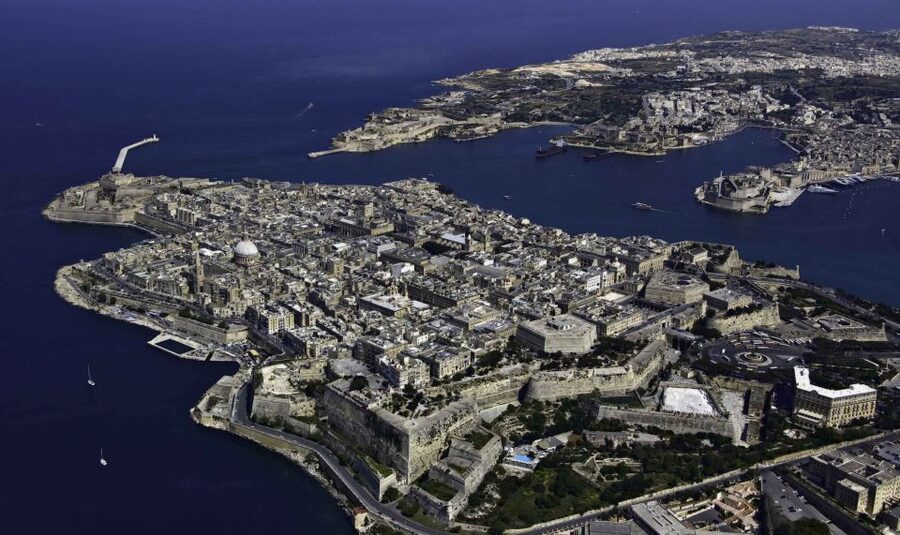
This section is often the emotional core of Valletta: churches, storied streets, and art-focused stops.
St John’s Co-Cathedral, the Oratory, and the Caravaggio paintings
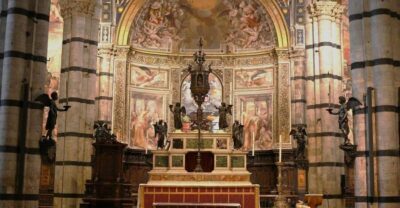
St John’s Co-Cathedral and the Oratory are essential stops if you want the baroque side of Valletta to hit home. The audio point specifically includes the Caravaggio paintings, so you know the commentary will be centered on art and the significance of what you are looking at.
Here is how I’d handle it for best value: listen first as you approach, then pause for a full read and a slow look. Audio-only moments can blur in your memory later, but when you combine audio with a quiet visual moment, you come away with something you can actually recall.
St Paul’s Pro-Cathedral (Anglican Church)
St Paul’s Co-Cathedral adds another layer: it broadens the church-focused stops beyond one tradition. This is useful on a self-guided tour because it prevents your understanding from becoming too narrow. You’ll also get variety in the feel of the buildings and the overall street energy.
Strait Street
Strait Street is one of those streets where the city’s texture becomes obvious. Narrow streets can be easier to follow with audio than with guesswork, because the commentary keeps you moving and helps you connect what you see with why it matters.
Basilica of Our Lady of Mount Carmel
This basilica continues the religious and architectural thread. The audio point helps you treat it as more than a backdrop. If you want a break from the densest parts of the city, churches like this can give you a calmer moment in the middle of the walk.
Victoria Gate and the Bridge Bar
The tour wraps with Victoria Gate and the Bridge Bar. This ending matters because it gives you a natural place to stop, recover, and decide whether you want to keep exploring on your own. If you are thirsty or you want a last-minute bite, the Bridge Bar is at least a practical nearby option.
Price and value: what $8 really buys you here
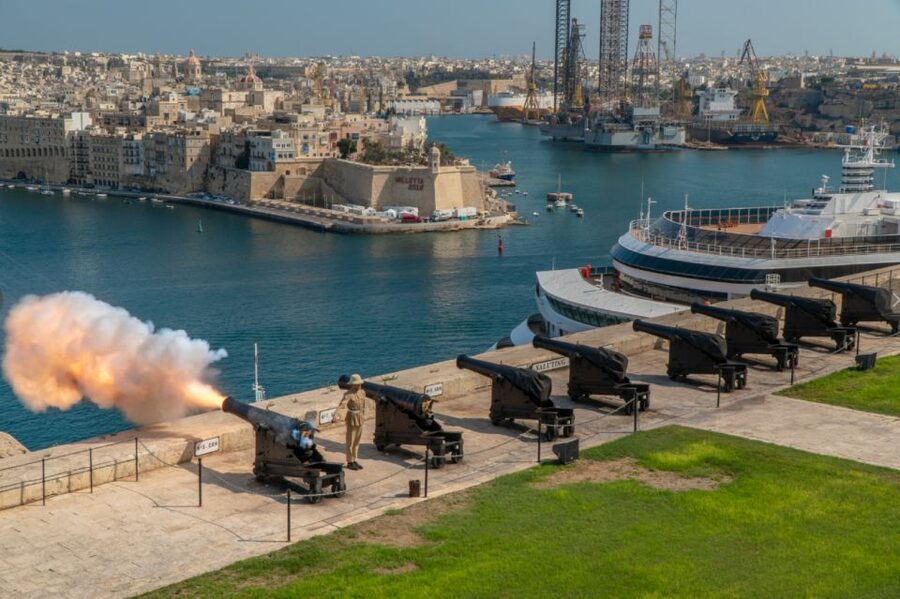
At $8 per person for a self-guided audio tour that runs for 1 to 7 days, the value depends on one question: will you actually use it?
If you do, $8 is a bargain-level price because you get:
- Offline audio for the planned route
- Written explanations along the way
- Star points for shopping and food guidance
- A complimentary Mdina audio tour bonus
The route itself is built for about 3 to 4 hours, so you are paying less than what you would spend on a guided tour entrance-and-out style day. The free Mdina add-on is a real multiplier for value because it gives you a second city without paying another full price.
Where the value can dip is when tech problems get in your way. If downloads fail or audio activation is delayed, you lose the main benefit: a smooth, guided stroll without guesswork.
Where it shines, and where you should be careful
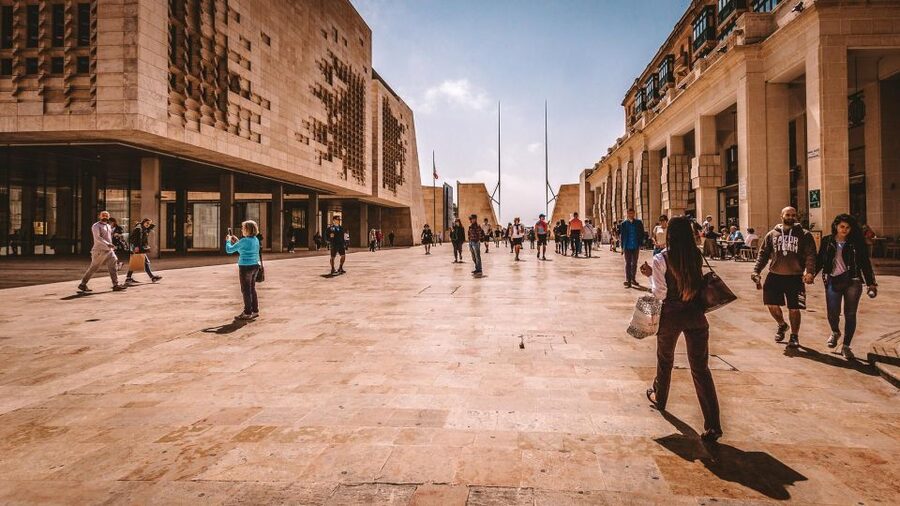
This tour works best if you like independence. You set the pace, stop when you want, and move on when you do not. You also get built-in guidance, which is a lifesaver in Valletta, where side streets can tempt you off the main story.
It’s less ideal if:
- You hate relying on a phone for navigation.
- Your phone battery is unreliable.
- You need step-by-step accessibility support. This tour is not suitable for people with mobility impairments.
If you are traveling with a group, this can still work, but expect that each person may need to download and activate their own content for the audio to play correctly.
Should you book this Valletta audio tour?

Book it if you want a low-cost way to see Valletta’s big themes in a single walk: fortifications, baroque churches, civic squares, and street-level city life. The offline-ready setup and the Mdina bonus are the big reasons it feels like a smart deal.
Skip or reconsider if you expect zero tech hassle. This is a phone-first experience: you need headphones, a charged device, and you must download the maps and content before you go. If you know your internet access or phone storage is shaky, it is worth testing the download process before you commit your time to the walk.
FAQ
FAQ
What app do I need to use the audio guide?
You need the PopGuide app. Download it from the iOS App Store or Google Play Store, then activate your username and password link that is sent after booking.
Can I use the audio tour without internet?
Yes, as long as you download the required maps and tour content before you start. Once downloaded, no internet or Wi-Fi connection is required for the audio-guided tour.
How long is the suggested Valletta route?
The suggested route is designed to take around 3 to 4 hours.
Is admission to the sites included in the price?
No. Admission or entry tickets to sites are not included.
What do I get with the complimentary Mdina audio tour?
With every purchase, you receive a complimentary audio-guided tour of Mdina in addition to the Valletta audio tour.
What do I need to bring to make the tour work?
You should bring headphones and a charged smartphone. You also need to download the app and maps using an internet connection before you go.
Is the tour suitable for people with mobility impairments?
No. The tour is listed as not suitable for people with mobility impairments.