REVIEW · VALLETTA
Mdina and Rabat – City Walking Tour
Book on Viator →Operated by City Walking Tours Malta · Bookable on Viator
Mdina and Rabat hit fast, and they hit hard. This 2-hour walk strings together the big Mdina sights and Rabat’s older lanes with a guide who talks as you walk, not after you get tired, and headsets help you catch every bit of the story. You end right at St Paul’s Square in Rabat, so the time crunch feels fair instead of rushed.
I really like how Mdina Old City is handled in one outing. You pass by key palaces, convents, churches, and the typical tight streets, then you roll straight into Rabat’s old quarter without needing to plan a second trip.
One thing to consider: Mdina’s streets can get crowded at midday, and the tour naturally includes frequent stops for explanations. If you prefer long, continuous walking over lots of pausing, you might want to arrive early and keep your expectations focused on orientation and stories.
In This Review
- Key things that make this tour worth your time
- Why Mdina and Rabat together works (even if you hate rushing)
- Meeting at Mdina Gate: the start is simple, so show up early
- The Mdina Old City walk: palaces, convents, churches, and details you’d miss
- What it feels like on the ground
- Headsets and group size: hearing the guide without losing the vibe
- Wheelchair friendly route: great, but still expect old-stone reality
- Rabat’s old quarter and St Paul’s Square: the story changes tone
- Why this contrast is more than scenery
- Guides matter: names you may meet, and the kind of energy to look for
- Price and value: $24.20 for a guided orientation you can’t fake
- How to get the most out of the 2-hour format
- Where this tour fits best (and where it might not)
- Practical logistics you should know before you go
- Should you book this Mdina and Rabat City Walking Tour?
- FAQ
- How long is the Mdina and Rabat city walking tour?
- How much does the tour cost?
- Is the tour offered in English?
- Where do I meet the guide?
- Where does the tour end?
- What is included in the price?
- Are museum or church entrance fees included?
- Is the tour wheelchair friendly?
- How big is the group?
- What if I need to cancel?
Key things that make this tour worth your time
- Mdina + Rabat in one go, ending in Rabat at St Paul’s Square
- A fully licensed guide guiding a compact route in about 2 hours
- Headset audio so you can hear the guide even when streets get busy
- A planned route that aims to hit the main sights without museum tickets
- Group size capped at 20, which helps on narrow lanes
- Wheelchair friendly for a route that still feels like real old-town exploring
Why Mdina and Rabat together works (even if you hate rushing)

Malta’s history feels layered, but on a short visit you can’t always afford to see everything twice. This tour is smart because it treats Mdina and Rabat as one connected story. Mdina is the quiet, fortified “old capital” feel people come for, while Rabat is the neighboring companion with a more everyday, working-town vibe. Doing them back-to-back means you don’t just collect pretty views—you start to understand how the places relate.
You also get a practical win: the walk ends near the center of Rabat. That matters because leaving Mdina on your own can feel like a “now what” moment. Here, you get dropped near a major public square, which makes it easier to keep your day moving.
You can also read our reviews of more walking tours in Valletta



Meeting at Mdina Gate: the start is simple, so show up early
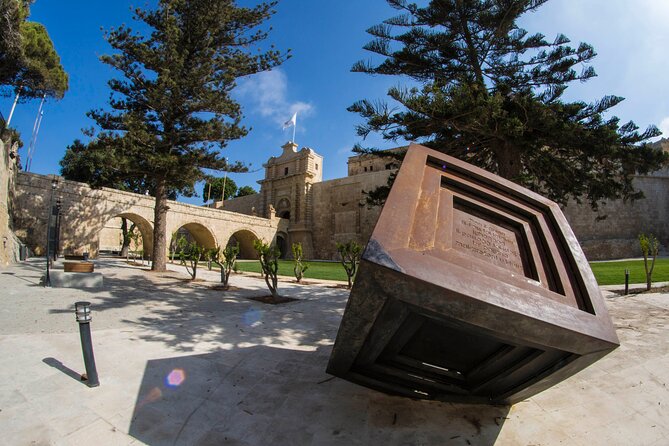
The meeting point is at the Main Gate of Mdina. In real terms, this is good news because you’re not searching a maze of side streets. But it also means you should arrive a few minutes before the stated time, not exactly on it. One complaint you may want to learn from: if you miss the group at the gate, it can be hard to catch up later.
When you check in, you’ll be oriented for the walk. Then you’re off, past important structures and through the street texture that makes Mdina feel like a movie set—except you’re doing it with a guide pointing out what matters.
If you’re using public transportation, you’ll likely find it straightforward to get to Mdina from nearby areas like Valletta. Still, build buffer time for your ride back because once you’re in Rabat, your next move depends on what you plan after the tour.
The Mdina Old City walk: palaces, convents, churches, and details you’d miss
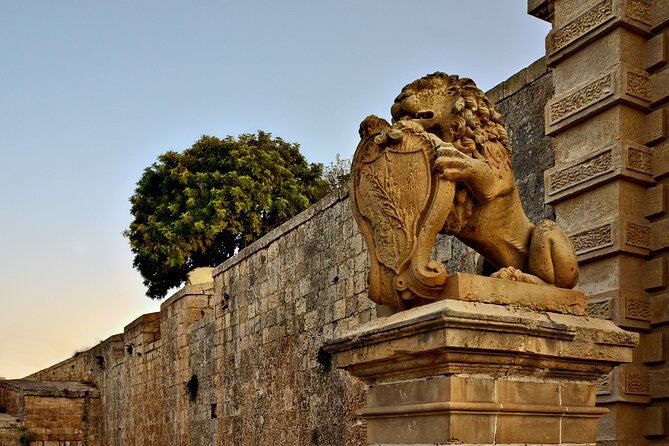
Mdina’s best feature is that it rewards slow attention. From the moment you start, the street scale and stonework make you want to look at everything. The tour’s value is that it helps you look in the right direction.
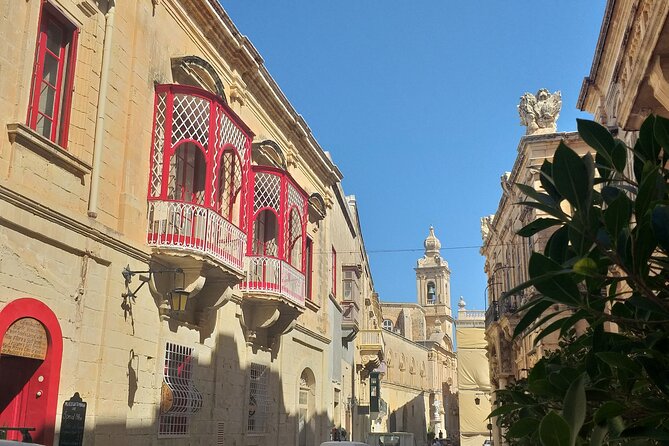
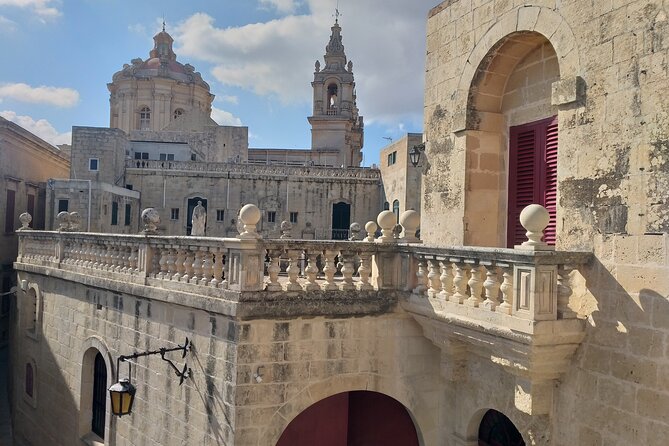
As you move through the Old City, you’ll pass by the kind of landmarks that you can easily walk past if you’re self-guiding. The route includes major palaces, convents, and churches, plus typical narrow streets that define the “Silent City” atmosphere people talk about. The guide’s job is to connect the dots: what you’re seeing, who it belonged to, and how the architecture relates to the city’s changes over time.
What it feels like on the ground
Expect a walking pace that’s more “guided stroll with moments stopped for stories” than “power-walk.” That’s not a flaw—it’s the point. Mdina is small, and the difference between enjoying it and getting bored often comes down to whether someone shows you what to notice.
Headsets and group size: hearing the guide without losing the vibe
One of the most praised parts of this tour is that you can actually hear what the guide is saying. People highlight the headset setup as a key part of the experience. In a place like Mdina, where lanes can get crowded and sound bounces around, that’s a big deal.
It also helps you keep your attention on the street, not on hunting for the guide’s voice. When you can hear clearly, the pacing feels smoother. You take in the buildings and small street cues while still following the timeline.
Group size is capped at 20, which helps more than you’d think on narrow lanes. Larger-than-ideal groups can stress a small historic town. Here, the cap keeps it from becoming a rolling traffic jam, even if midday can still feel busy.
You can also read our reviews of more city tours in Valletta


Wheelchair friendly route: great, but still expect old-stone reality
The tour is listed as wheelchair friendly. That’s encouraging, and it means the route is chosen with access in mind more than you might get with typical “just follow me” walking tours.
Still, old towns have uneven surfaces and tight corridors. Even when an itinerary is wheelchair friendly, you’ll want to think in practical terms: narrow streets mean people flow can tighten up when groups gather for photo stops or when you pause for a story.
If you’re bringing mobility needs, the biggest advantage of a guided walk is that you’re not negotiating your way around the town alone. The guide can manage where the group stops and how you move through the area.
Rabat’s old quarter and St Paul’s Square: the story changes tone
After Mdina, you head into neighboring Rabat, where the feel shifts. Rabat isn’t trying to be quiet. It’s more open in mood and more active in everyday life, while still carrying plenty of historic architecture.
The tour covers Rabat’s older area and finishes at St Paul’s Square. This ending point is useful because St Paul’s Square sits at the center of Rabat’s visitor-friendly action, which makes it easier to decide what to do next—whether that’s looking around longer, grabbing a bite, or connecting onward plans.
Why this contrast is more than scenery
Mdina can make you think history is frozen in place. Rabat corrects that idea by giving you a sense of how the region lived beside the fortress city. Even if you only have a couple of hours, the contrast helps you understand Malta as something that evolved, not just a set of preserved stones.
Guides matter: names you may meet, and the kind of energy to look for
A lot of reviews praise specific guides, and you can use those names as a clue about the quality you’re likely to get. Nadine stands out for managing larger groups well and keeping a clear, engaging flow. Mary is praised for enthusiasm and strong history explanations. Angele and Vishna are mentioned for bringing the cities to life with strong storytelling.
What you’re really paying for is not just facts. It’s the way those facts get timed to what you’re seeing right now. The best guides in this area do that balancing act: stop long enough for meaning, then get you moving before Mdina’s crowds tighten the streets.
Price and value: $24.20 for a guided orientation you can’t fake
At $24.20 per person for about 2 hours, this is priced like an efficient, high-utility walking tour rather than a museum ticket. That matters because your money is buying your guide’s route planning and commentary—especially the bits that are hard to “Google in the moment,” like architectural evolution and what each building’s role has been.
Also, this tour is built to cover major highlights without requiring museum admissions. Entrance fees for museums or churches aren’t included, so if you want to go inside specific places, you’ll need to budget separately. But as an orientation, the value is solid: you get a guided framework first, then you decide what deserves extra time.
The key value question for you is simple: do you want an hour of reading about Mdina, or do you want an hour of seeing it while someone explains what you’re looking at? If you lean toward the second option, the price starts to feel like a bargain.
How to get the most out of the 2-hour format
Two hours can sound short until you’re in Mdina. Then you realize the time fills up fast with turning corners, stopping at viewpoints, and listening closely. This tour is designed so you do not end up with a half-finished day that feels like you missed everything.
Here’s how to make it work for you:
- Go early if you can: Mdina lanes can get crowded midday, and many people recommend starting in the morning for easier walking and a calmer experience.
- Wear shoes you trust: you’ll be on historic stone streets, and the tour includes stops.
- Use the headset audio fully: it’s there so you don’t miss the guide’s key details.
- Have a plan after you reach Rabat: the tour ends near St Paul’s Square, so decide in advance whether you’ll eat nearby, keep walking, or head back.
If you’re thinking about getting back after the tour, consider how you’ll travel. Some people suggest arranging a return taxi or rideshare because public transport connections back from the area can be less convenient at certain times. You don’t have to do that every time, but it’s wise to check your timing.
Where this tour fits best (and where it might not)
This is a great match if you want:
- A fast way to see the main Mdina sights without planning multiple stops on your own
- A guided explanation of architecture and historical context, timed to the buildings you’re actually walking past
- A short, structured outing that ends in a central area of Rabat
It might feel less ideal if you strongly prefer:
- Long, uninterrupted walking with minimal stops
- Fewer pauses for explanations, because Mdina’s tour style tends to include frequent “look here” moments
A couple of reviews also mention that the tour can feel like it covers a lot of ground for the time window. That’s usually a sign the itinerary is doing its job—hitting highlights—but if you want a slow, in-depth stay in one specific church or museum, you’ll need extra time on your own afterward.
Practical logistics you should know before you go
The tour offers English commentary and uses a mobile ticket. Confirmation is received at booking time, and the experience is designed for most visitors.
A few extra points that may matter for your day:
- Children must be accompanied by an adult.
- Service animals are allowed.
- The walk is near public transportation.
- Expect a maximum group size of 20.
If you like planning, this one can sell out faster than you’d expect. It’s often booked about 17 days in advance, so if your schedule is tight, don’t leave it to the last minute.
Should you book this Mdina and Rabat City Walking Tour?
Yes, if you want a guided orientation that helps you understand what you’re seeing in Mdina and why Rabat matters right next to it. This is the kind of outing that makes a short Malta day feel purposeful: you walk real streets, you learn how the architecture connects, and you finish in a convenient Rabat location at St Paul’s Square.
I’d book it especially if:
- You’re time-limited and want to hit the big highlights in one outing
- You like learning in real time while looking at the buildings
- You appreciate clear audio, thanks to the headset setup
I’d think twice if:
- You hate stopping frequently for explanations
- You prefer museum entrances over exterior and street-level discovery
- You’re likely to arrive late or struggle with finding the Main Gate on your own
If you come early, wear good shoes, and lean into the guide’s storytelling, you’ll get a lot out of those two hours—and you’ll know exactly what to explore next on your own.
FAQ
How long is the Mdina and Rabat city walking tour?
The tour lasts about 2 hours.
How much does the tour cost?
The price is $24.20 per person.
Is the tour offered in English?
Yes, it is offered in English.
Where do I meet the guide?
You meet at the Main Gate of Mdina.
Where does the tour end?
The tour ends near Kolleġġjata u Proto-Parroċċa ta’ San Pawl on Triq Ir-Rebha in Rabat.
What is included in the price?
The price includes a 2-hour walk with a fully licensed guide.
Are museum or church entrance fees included?
No. Entrance fees to any museum or church are not included.
Is the tour wheelchair friendly?
Yes, the tour is listed as wheelchair friendly.
How big is the group?
The tour has a maximum of 20 travelers.
What if I need to cancel?
You can cancel for free up to 24 hours in advance for a full refund. If you cancel less than 24 hours before the start time, the amount paid is not refunded.