REVIEW · VALLETTA
Valletta: 3-Hour Walking Tour
Book on GetYourGuide →Operated by ColourMyTravel · Bookable on GetYourGuide
One street, and Valletta starts explaining itself. This 3-hour walk links Knights of St. John landmarks with modern Malta landmarks, with stops that make the history easy to picture. Two things I really like: you get top views over the Grand Harbour from Upper Barrakka Gardens, and you also cover the argument-filled Malta of today, including the Renzo Piano parliament building. One drawback to note: it’s a live English walking tour, so if you prefer slower, simpler narration, you may want to pace your expectations and ask questions.
I love that the guide keeps the pace brisk but not rushed, and guides like Matthew or Carmel tend to turn stone and dates into a story you can actually follow. You’ll see the ceremonial heart of the city—like St John’s Co-Cathedral façade—then walk through the streets that connect palaces, churches, and squares. Just plan for a real stroll in comfortable shoes; this is not a sit-and-watch version of Valletta.
In This Review
- Quick hits
- Start at the Parliament by Valletta City Gate
- Royal Opera House: Valletta’s stage for culture
- Auberge de Castille: Knights architecture with a purpose
- Pjazza Jean de Vallette and Our Lady of Victory
- Upper Barrakka Gardens: the Grand Harbour postcard view
- Palazzo Parisio: a palace-style look at Malta
- St John’s Co-Cathedral: the façade that stops you
- Republic Street and the Courts of Justice
- St George’s Square and Fort St Elmo’s edge
- Finish at Lower Barrakka Gardens: wrap with another view
- Why the 3 hours work (and where the tour’s value really is)
- Guides make the difference: names you’ll likely hear
- What you’ll likely notice as you walk
- Who should book this tour
- Should you book the Valletta 3-Hour Walking Tour?
- FAQ
- What’s the price and duration?
- Where does the tour start?
- Where does the tour end?
- Is a guide included?
- Are entrance fees included?
- What language is the tour in?
- Do I need to pay attention to shoes or walking comfort?
- Is there hotel pickup or drop-off?
- Is there free cancellation?
Quick hits
- Upper Barrakka Gardens: Grand Harbour views plus the Siege Bell Memorial viewpoint
- Medieval street plan: you’ll read Valletta’s layout as you walk, not from a brochure
- Today vs. Knights: a close look at the Renzo Piano parliament building and why people debate it
- Baroque “wow” moments: St John’s Co-Cathedral façade plus major church stops
- Palace stop: Palazzo Parisio appears on the route, so you see Valletta beyond just churches
Start at the Parliament by Valletta City Gate
The tour begins right where Valletta’s modern story meets its old-city walls: by the Parliament of Malta, near the Valletta City Gate steps. It’s a handy start because you’re already at the edge of the old urban flow—meaning you can orient quickly before the walking begins.
The Parliament building itself is a conversation piece. Renzo Piano’s design is controversial in style, and that matters here: the tour doesn’t treat it like random architecture. Instead, you get a chance to compare it mentally with the older stone language around it, so you can see how Valletta has changed without turning the city into a single “time period” museum.
You can also read our reviews of more walking tours in Valletta
Royal Opera House: Valletta’s stage for culture
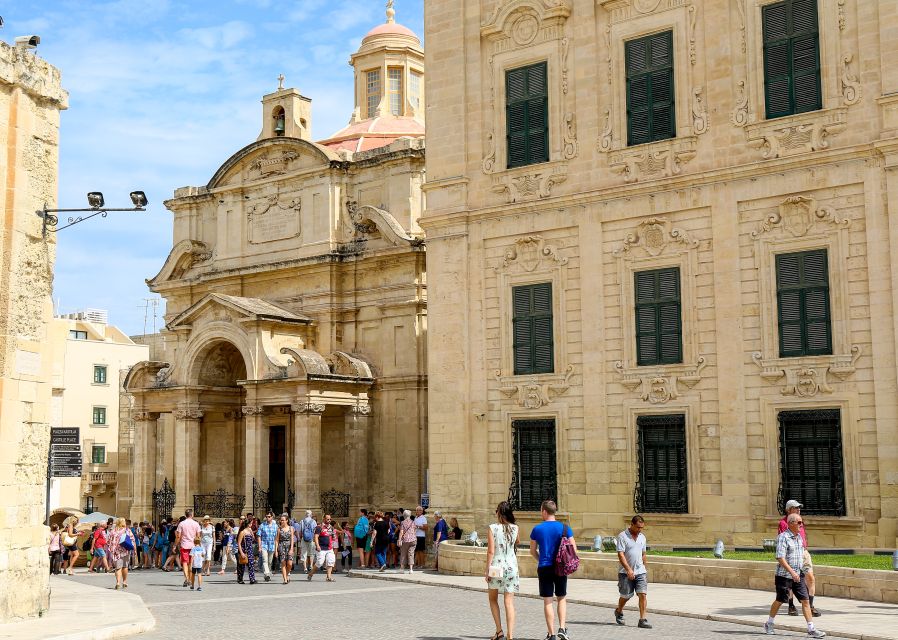
From the Parliament area, you move toward the Royal Opera House, where the tour shifts from “big exterior landmarks” to “how people used these places.” Even if you don’t attend a performance, it helps to understand why a city like Valletta would build a venue for music and drama in the first place.
Practical tip: this stretch is part of the walking rhythm. You’ll want to keep water in mind and treat every stop as a photo break plus a quick history lesson, not a long museum moment. The tour is built for flow.
Auberge de Castille: Knights architecture with a purpose
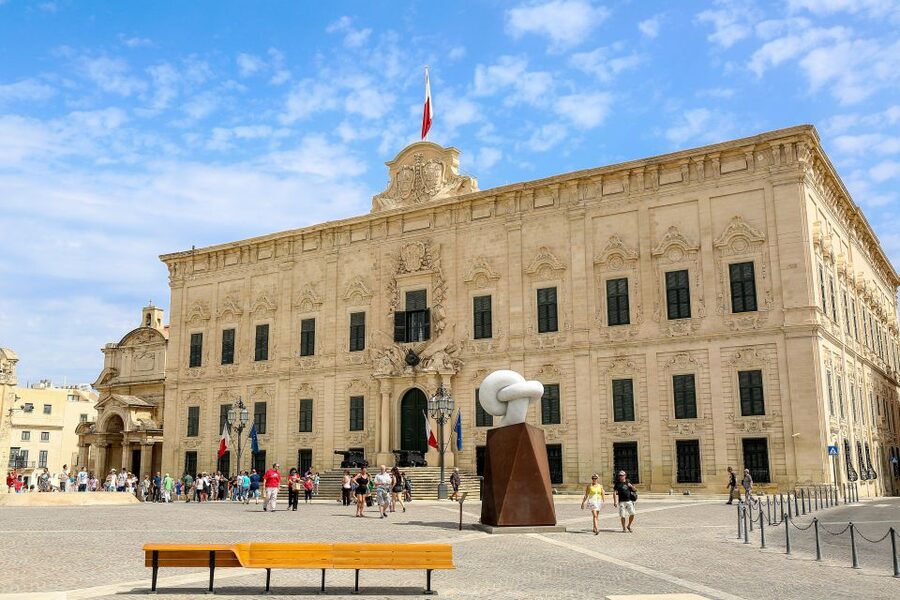
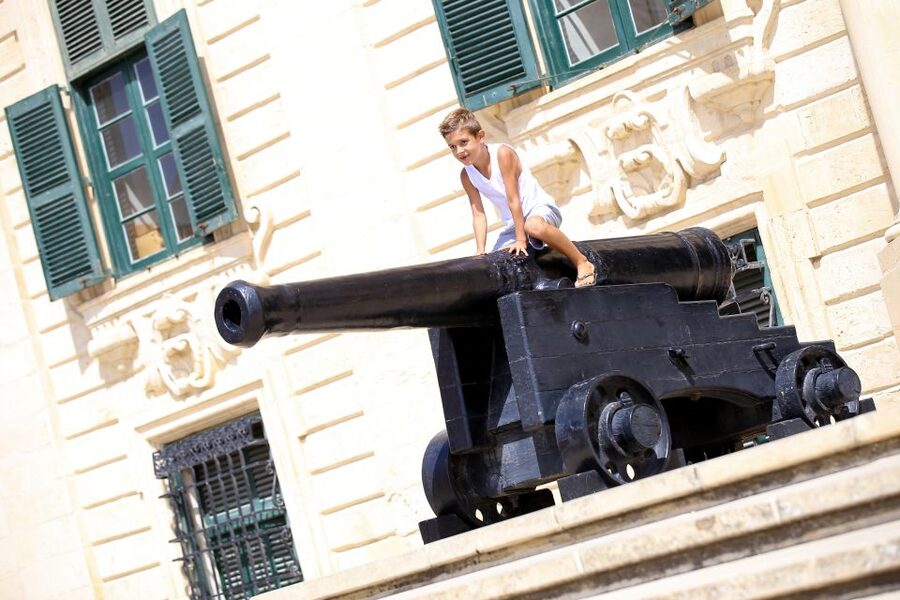
Next up is Auberge de Castille (often associated with the Knights’ presence in Malta). This is where the tour starts to feel like a guided “read” of Valletta’s power centers. The Knights weren’t just monks with swords; they ran an island-city-state with councils, responsibilities, and visible buildings.
You’ll learn to spot how buildings were made to communicate authority—shape, placement, and façade choices. And since you’re walking rather than driving, it’s easier to understand how these places relate to each other on the ground.
Pjazza Jean de Vallette and Our Lady of Victory
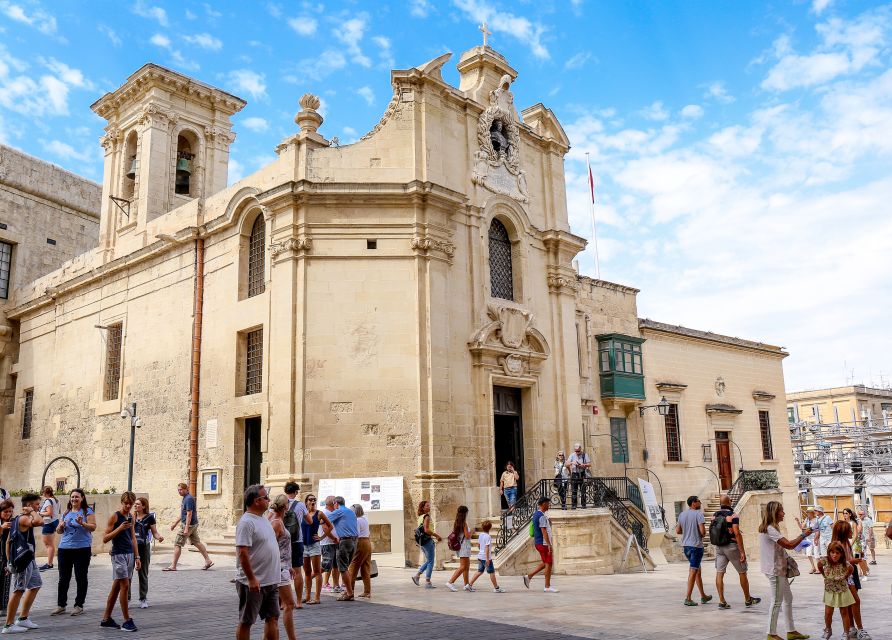
The route continues to Pjazza Jean de Vallette, named after the man tied to Valletta’s founding story. This is the kind of square stop that’s useful even when you’re tired: a flat-open patch in a city of stairs and slopes gives your body a reset and your eyes a quick way to map the city.
Then the tour heads to the Church of Our Lady of Victory. This is another key moment because it’s not just “another church.” In Valletta, religious spaces helped shape public life and community identity, so the guide’s framing here helps you look at the façade and interior cues as cultural signals, not just decoration.
Upper Barrakka Gardens: the Grand Harbour postcard view
Here’s the highlight stop that earns its hype. At Upper Barrakka Gardens, you get a stunning view of the Grand Harbour—the water, the ships’ movement, and the wide sense of Valletta’s strategic position. The walk leading into this viewpoint matters, too, because you’ll feel the change in scale as the city opens outward.
The Siege Bell Memorial is part of the experience on this side. It turns the viewpoint into more than a scenic break: you’re looking at the kind of landscape that would matter during sieges and defense, and the memorial gives that backdrop an emotional anchor.
This is also where the tour builds in break time. That matters on a walking tour, especially in warmer months. Take a slow moment, grab a drink if you need one, and then get ready to keep moving with fresh legs.


Palazzo Parisio: a palace-style look at Malta
After the harbour-view pause, the tour includes Palazzo Parisio. This stop helps round out Valletta’s image. Too often people think Valletta is all churches and fortifications. A palace stop adds another layer—how wealth and taste showed up in architecture and designed spaces.
The guide’s style is important here. From what I’ve heard about guides like Marija and Maria, the best versions of this tour don’t just point at walls; they connect what you’re seeing to why it was built and how it fits into the city’s evolution.
St John’s Co-Cathedral: the façade that stops you
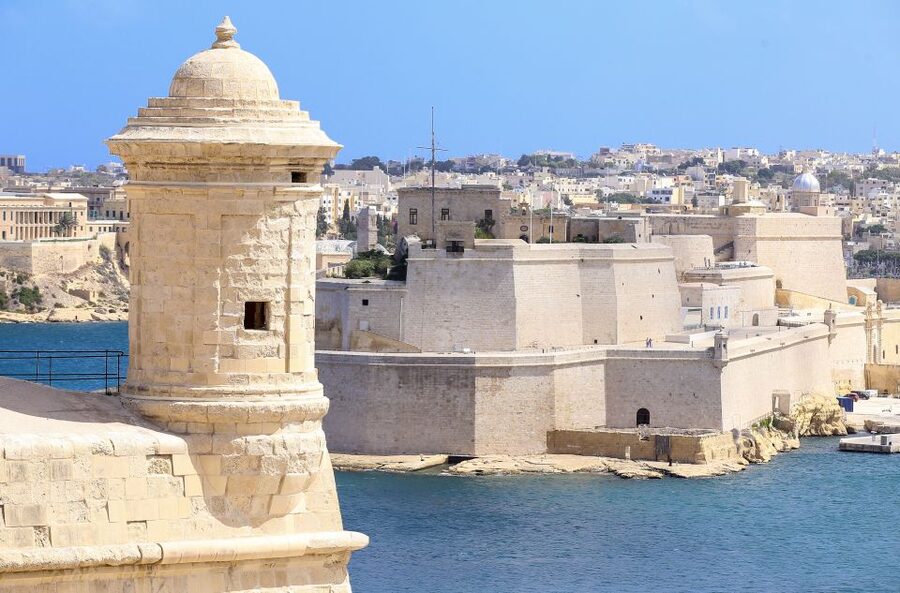
Next comes the St John’s Co-Cathedral, one of Valletta’s must-sees. The façade alone can feel like an event. The tour’s approach is to help you see the façade as a deliberate statement—designed to impress, to communicate importance, and to reflect the identity of the Knights.
This is also a good place to ask yourself a practical question: what do you want from your time here? If you’re the type who loves details, you can linger and use the guide’s pointers to notice patterns and design choices. If you prefer broad storytelling, you’ll still get plenty by listening closely to the guide’s framing before you move on.
Republic Street and the Courts of Justice
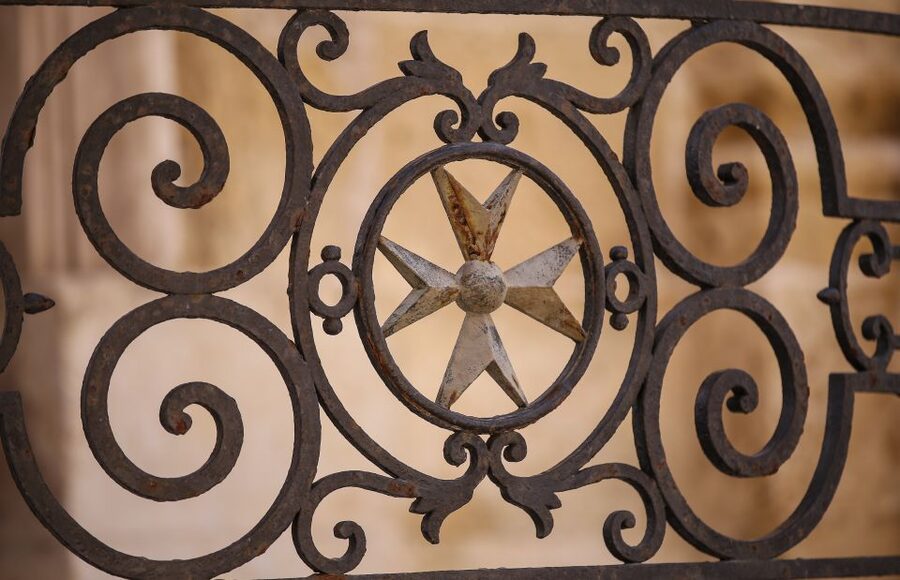
After the cathedral, you walk through Republic Street, and the tour passes the Courts of Justice building. These stops are a reminder that Valletta isn’t frozen in 1600s stone. Government institutions and civic life occupy the city too.
This is where the tour helps you connect the dots. You start to see a “through line”: religious authority in one period, administrative and legal functions in another, and modern political architecture beside both. It’s a city that keeps rewriting its role while reusing its dramatic setting.
St George’s Square and Fort St Elmo’s edge
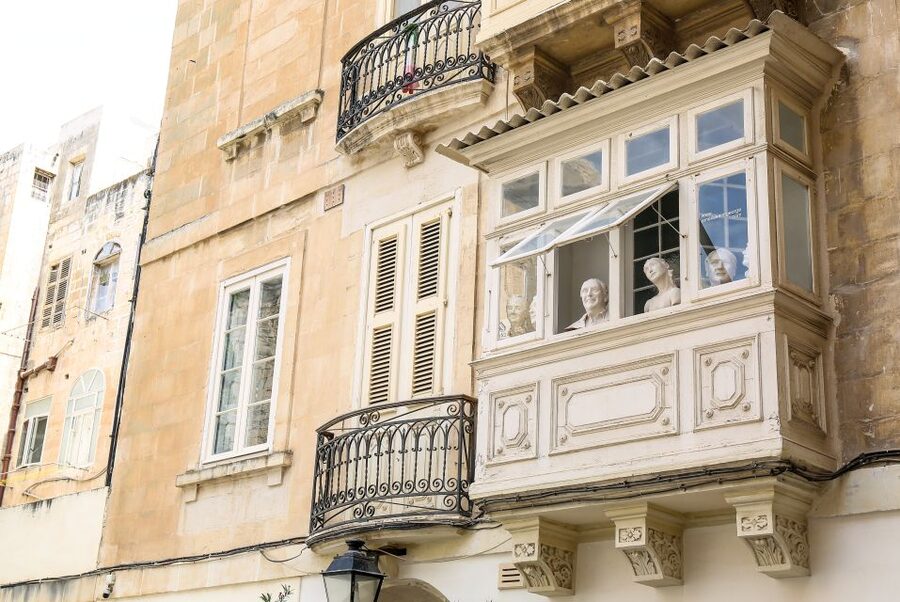
Then you reach St George’s Square, which gives you another open-space feel and helps you re-orient as the tour nears its end. It’s a smaller moment, but it’s one of the best ways to keep your bearings during a dense walk.
Finally, you pass the National War Museum at Fort St Elmo. Even though it’s a pass-by rather than a full deep stop in this tour format, it’s strategically smart. Fort St Elmo reinforces the defence story that’s already hinted at by the harbour views and memorial. If you’ve got extra time afterward, you’ll know where to go next.
Finish at Lower Barrakka Gardens: wrap with another view
The tour ends at Lower Barrakka Gardens. If Upper Barrakka feels like the big panoramic moment, Lower Barrakka is a fitting finish: you’re back near the water and the city’s dramatic drop-offs, which makes Valletta feel real rather than like a list of landmarks.
It’s also a good end for planning your next step. You’re positioned to keep exploring nearby streets on your own, or to slow down for food with the harbour still in your line of sight.
Why the 3 hours work (and where the tour’s value really is)
At $25 per person for a 3-hour walking tour with a licensed guide, the value comes from focus. You’re paying for a route that hits major architectural and cultural points without turning the day into a long checklist.
That means:
- You get a guided storyline (not just photos).
- You cover both “Knights era” sights and modern Malta’s architectural debates.
- You spend a small amount of time per stop, which is ideal if Valletta is only one part of your trip.
The only “cost” you’ll feel is time on your feet. Bring comfortable shoes and accept that you’re walking a compact but vertical city. If you’re expecting a gentle promenade, this one may feel active—but that’s also why the pacing tends to work well: you keep moving between contrasts, and the city stays engaging.
Guides make the difference: names you’ll likely hear
This tour rises or falls on the guide, and the best versions come from guides who can explain without drowning you in dates. Based on what’s been shared, guides like Matthew, Carmel, Marija, Julia, and Maria bring a mix of clarity and personality.
You’ll probably notice a few common strengths when the guide is on form:
- They keep details relevant to what you’re seeing right now.
- They explain why a building looks the way it does, not just when it was built.
- They’re comfortable answering questions along the route.
One caution from the tour’s format: it’s live English. If English is a struggle for you, keep your expectations realistic. This isn’t silent sightseeing where you can just follow the group.
What you’ll likely notice as you walk
Valletta has a habit of surprising you, mostly because it’s compact. In a few hours you can go from waterfront strategy to baroque church drama to modern political controversy. That jump in “mood” is the point.
As you move between stops, you’ll start noticing:
- How squares and viewpoints interrupt tight street corridors.
- How religious façades are built to project identity.
- How modern buildings sit among older stone without blending in.
That’s the kind of learning you remember later, because it’s physical. You’re not just learning facts; you’re learning the city’s logic.
Who should book this tour
Book it if:
- You want the easiest way to get oriented in Valletta fast.
- You care about architecture and want connections between buildings.
- You like tours where you walk, look, and listen without a long museum schedule.
Consider a different option if:
- You need a fully seated experience.
- Your English comfort level is low and you prefer simpler, shorter explanations.
- You’re traveling with mobility limitations that make 3 hours of walking hard.
Should you book the Valletta 3-Hour Walking Tour?
Yes—if you want a guided Valletta that actually teaches you how to see the city. For $25, the mix of major sights, harbour viewpoints, and the Modern Malta contrast (including the Renzo Piano parliament building) makes it a smart use of limited time. Just bring good shoes, expect a proper walking pace, and make sure your English comfort matches a live narration.
If Valletta is on your “must-see” list and you don’t want to spend your first day wandering blindly, this tour is the kind of start that helps everything else feel clearer afterward.
FAQ
What’s the price and duration?
It costs $25 per person and lasts 3 hours.
Where does the tour start?
Meet your guide at the bottom of the steps next to the Parliament of Malta, near Valletta City Gate.
Where does the tour end?
The tour finishes at Lower Barrakka Gardens.
Is a guide included?
Yes. The tour includes a licensed guide.
Are entrance fees included?
No. Entrance fees are not included.
What language is the tour in?
The live tour guide offers English.
Do I need to pay attention to shoes or walking comfort?
Yes. Wear comfortable shoes for a 3-hour walking tour.
Is there hotel pickup or drop-off?
No. There’s no hotel pickup or drop-off.
Is there free cancellation?
Yes. You can cancel up to 24 hours in advance for a full refund.