REVIEW · STRASBOURG
Strasbourg: Walking Tour with Local Guide
Book on GetYourGuide →Operated by Bretzel&Fun · Bookable on GetYourGuide
Strasbourg walks like a history book. This 2-hour small-group tour mixes revolution-era stories with top sights like the UNESCO Strasbourg Cathedral and the lived-in streets of Tonneliers. I especially loved the way Nicolas brings the city to life with personal anecdotes, and how he turns photo stops into an easy, fun game. One drawback: it’s a lot of walking, and it isn’t suitable for mobility impairments.
You’ll cover the medieval core of Grande Île, glide through the postcard streets, then end in the big open square area with local meal ideas ready for your next move. The vibe is practical, not museum-only: history talk, photo guidance, and clear recommendations so you can eat and wander like you belong.
In This Review
- Key Highlights You’ll Actually Feel During the Walk
- Why Strasbourg Feels Like Two Centuries at Once
- Tour Price: What $41 Gets You (and Why It’s Fair)
- Starting at Place d’Austerlitz and Getting Your Bearings
- Ponts Couverts and Petite France: Bridges, Canals, and Easy Photo Wins
- Église Saint-Thomas to Notre-Dame Cathedral: The Best Stops Outside
- Place Kléber and the Revolutionary Jean-Baptiste Kléber Story
- Place Saint-Étienne and Place de la République: Open Squares, Sharp Context
- Tonneliers District Stroll: Bars, Restaurants, and Local Rhythm
- The Real Win: Nicolas’s Food and Drink Recommendations After the Walk
- What It’s Like With Real Weather: The Tour Keeps Going
- Who This Tour Suits Best (and Who Should Skip It)
- Planning Tip: Make It Your First Strasbourg Morning (or Early Afternoon)
- Should You Book This Strasbourg Walking Tour?
- FAQ
- How long is the Strasbourg walking tour?
- What’s included in the price?
- Is entry to the cathedral included?
- What group size and languages should I expect?
- Where does the tour start and where does it end?
- Is the tour suitable for mobility impairments?
Key Highlights You’ll Actually Feel During the Walk
- A local guide who talks like a resident, not a script, including guide Nicolas sharing Alsace family context
- Strasbourg Cathedral photo stops outside the monument, with tips on angles as you move
- Ponts Couverts + Petite France pacing, enough time to look closely without feeling rushed
- Tonneliers district street life, where bars and restaurants show you how locals hang out
- Revolution-war context around Jean-Baptiste Kléber, tied directly to the city you’re seeing
- Small group up to 6 people, so questions land fast and you get personal attention
Why Strasbourg Feels Like Two Centuries at Once
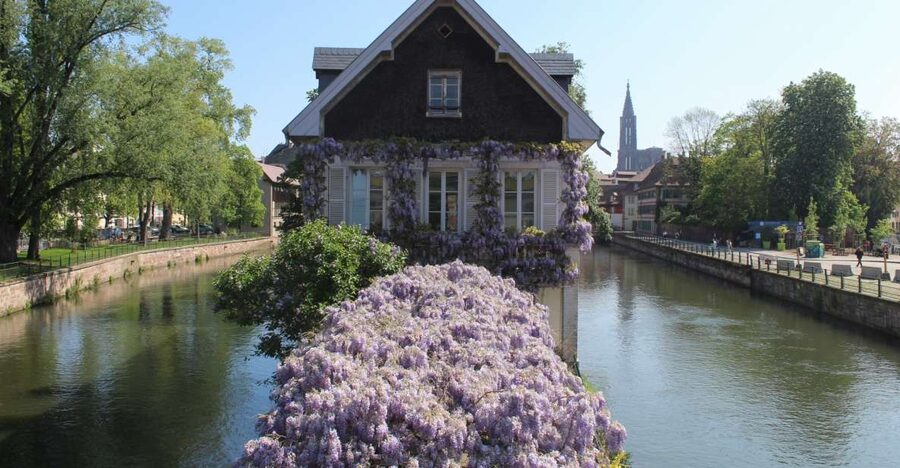
Strasbourg is one of those cities where the past isn’t behind glass. It’s built into the streets—especially around the Grande Île area—so every turn can feel like a time jump. This tour leans hard into that effect by jumping back into the 18th century and the revolutionary wars, then landing you at landmarks people still use and admire today.
What makes it click is the balance: you get major-sight stops, but also the “how people actually live” side of the city. I liked that the guide doesn’t treat history as distant trivia. He connects events to buildings and neighborhoods you can physically see in front of you.
You can also read our reviews of more walking tours in Strasbourg
Tour Price: What $41 Gets You (and Why It’s Fair)
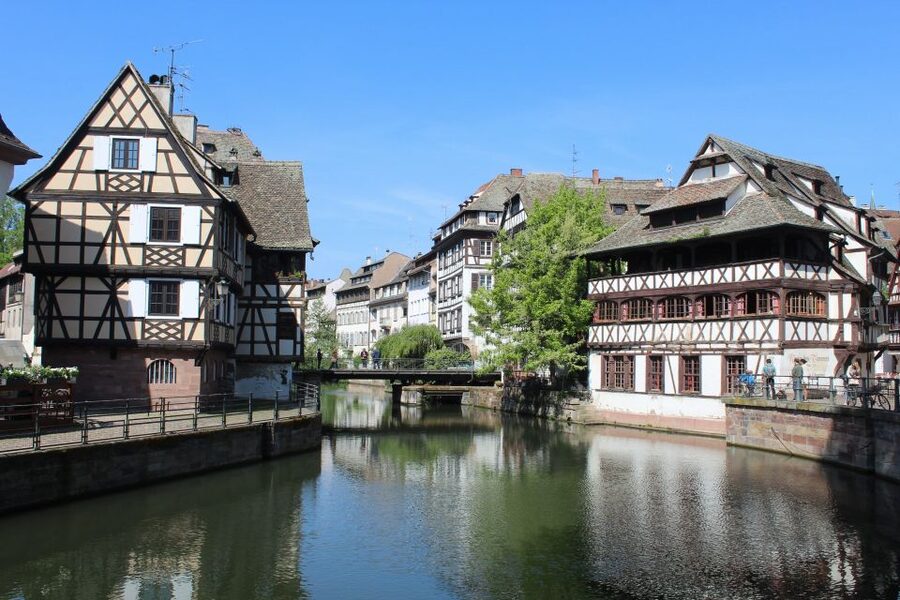
At about $41 per person for a 2-hour walking tour, the value comes from what’s included: a live local guide and a route that covers multiple neighborhoods, not just one highlight. The guide also gives practical photo tips as you go, plus end-of-tour suggestions for where to eat and drink—details that can easily save you time (and bad choices) later.
A fair warning: the cathedral entry isn’t included. You’ll focus on the outside viewpoints and the stories tied to the building, which is still impressive. If you want to go inside, plan for a separate ticket so you don’t feel surprised halfway through.
Starting at Place d’Austerlitz and Getting Your Bearings
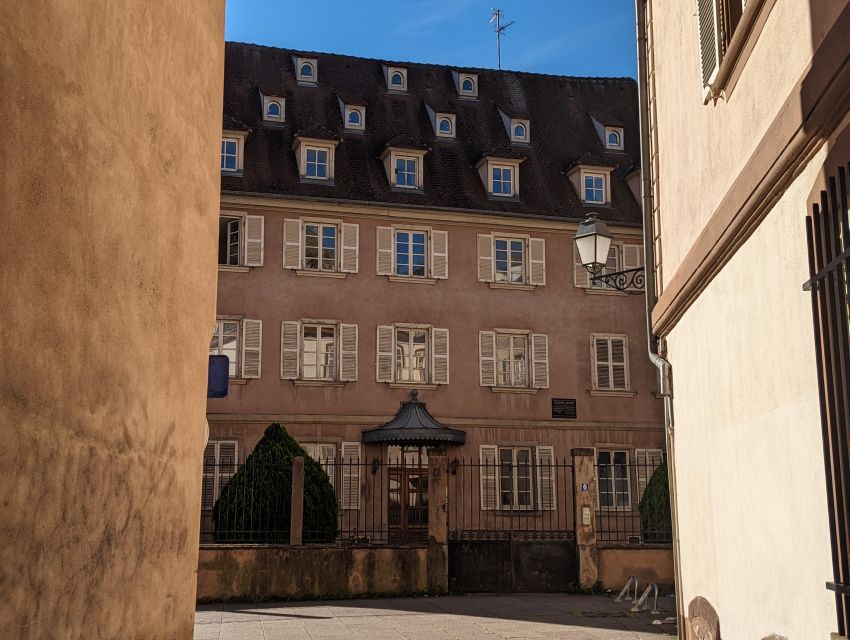
Your meeting point is at Place d’Austerlitz, though the exact spot can vary depending on what you booked. This matters more than it sounds, because a good start time and clear meeting location prevents the common first-day travel headache: finding the guide while you’re already tired.
Once the group is together, you’ll head into the old-quarter layout of Grande Île. I like this approach for first-timers: you get an overview while the city is still new to your eyes. And with a group limited to 6 participants, you’re not stuck behind a crowd or waiting for the guide to notice your question.
Ponts Couverts and Petite France: Bridges, Canals, and Easy Photo Wins
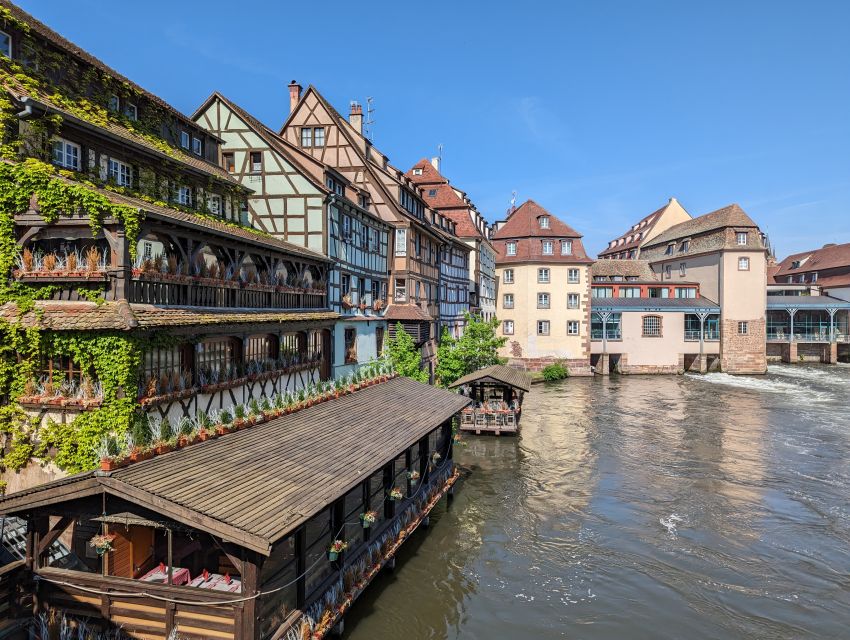
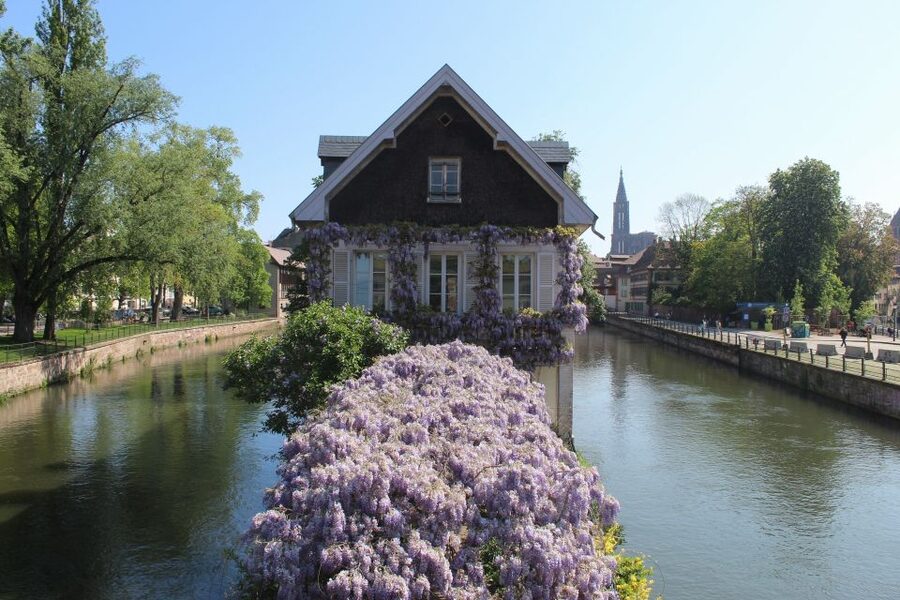
You begin by checking out Ponts Couverts, with a short guided stop. Then you move into Petite France, where the tour spends more time. These sections work because they show you Strasbourg’s “soft power” style: charming streets and waterways, but also a sense of how the city flows.
In Petite France, you’ll slow down enough to spot architectural details and street rhythm. You’re not just snapping one classic view and running off—you’re learning what to look for as the guide talks. One especially helpful element: you’ll get reminders on how to take photos while walking, including tips for angles along the way.
Practical note: wear comfortable shoes. This is a short tour, but the pace is real, and cobblestones can turn “quick stroll” into “ankle test” if you’re in the wrong footwear.
Église Saint-Thomas to Notre-Dame Cathedral: The Best Stops Outside
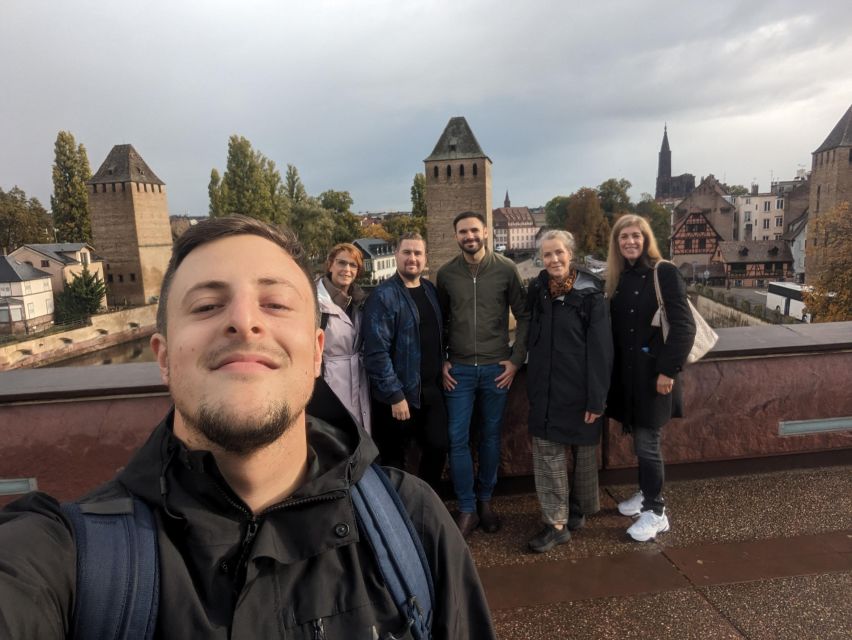
After Petite France, you’ll pass Église Saint-Thomas for a brief guided moment. It’s not a random detour. It helps connect the early route into the larger cathedral zone so the big landmark doesn’t feel isolated.
Then comes Notre-Dame Cathedral, where the stop is long enough to take in the vibe. You’ll look at the Romanesque and Rayonnant Gothic elements from the outside and hear stories tied to the monument, including legends. It’s a smart plan if you’re visiting with limited time, because the cathedral is the kind of place where standing and looking is part of the experience.
Since cathedral entry isn’t included, you won’t spend time in lines or navigating ticketed spaces. Instead, you’ll use the time for the exterior viewpoints and photo guidance—so you leave with pictures and context, not just a quick glance.
Place Kléber and the Revolutionary Jean-Baptiste Kléber Story
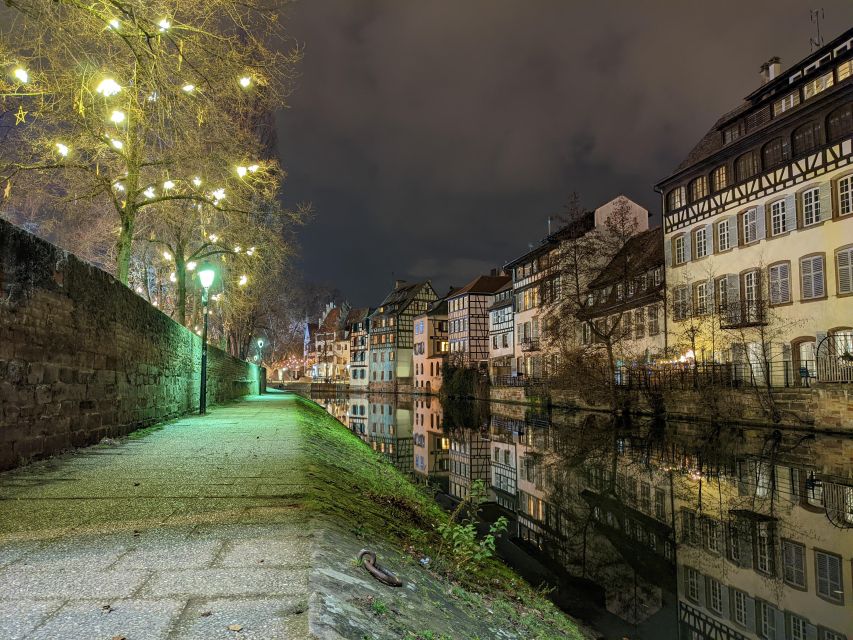
One of the tour’s smarter moves is weaving the city’s political past into a place you can stand in. Place Kléber is tied to Jean-Baptiste Kléber, and the guide explains his military and architectural background. You’re not just hearing names; you’re learning why this person is literally tied to the square that anchors the center.
This is also where the walk starts to feel like a real narrative. The revolutionary wars theme isn’t a lecture in the middle of sightseeing. It’s used to interpret what you’re seeing—how Strasbourg’s story gets written into public spaces.
Place Saint-Étienne and Place de la République: Open Squares, Sharp Context
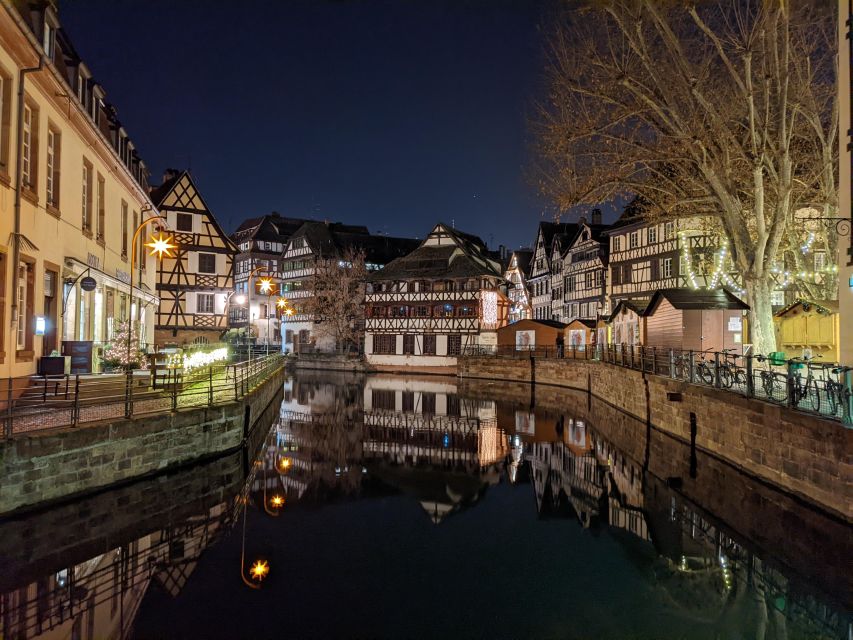
Next you’ll reach Place Saint-Étienne, then continue to Place de la République, where the tour finishes. These squares give your legs a break while also giving the guide room to point out city patterns—how buildings, streets, and open space shape movement and daily life.
I like these ending zones because they’re useful after the tour. Once you’re done, you’re already near major “next move” areas, so you can pivot easily: coffee, dinner, or taking your own self-guided loop in the direction that interests you most.
Tonneliers District Stroll: Bars, Restaurants, and Local Rhythm
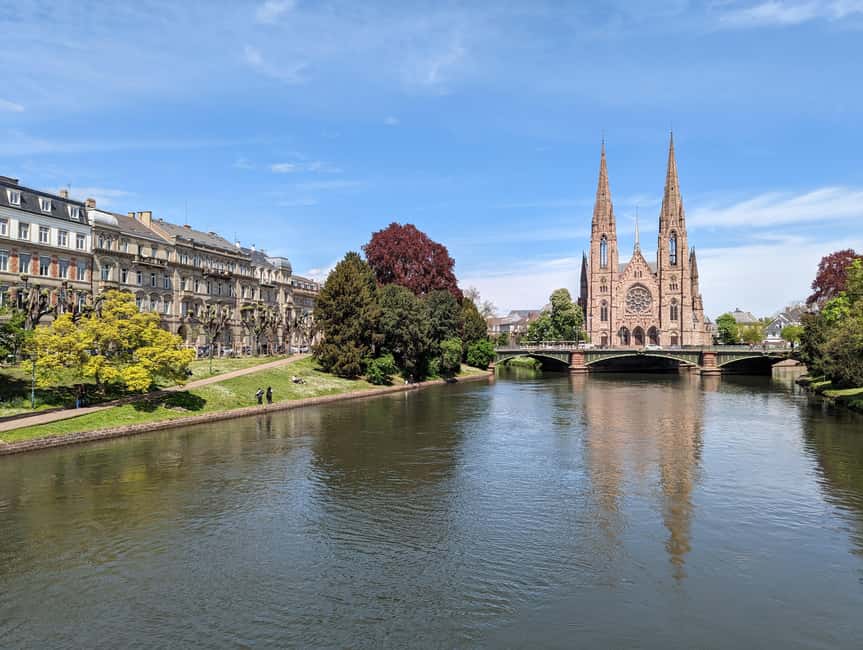
The Tonneliers district is where the tour stops feeling like a sightseeing checklist and starts feeling like you’re walking with a local friend. The guided walk goes through streets with many bars and restaurants, and you’ll get a feel for how people actually spend time here.
This part also includes photo guidance aimed at getting better results without turning it into a stressful shooting session. The guide shares tips to find the best angles as you go, so you’re not just relying on luck.
Even if you’re the type who hates food-focused tours, this segment still works. It connects the history of the city to contemporary life. That blend is the whole point of Strasbourg, and it’s exactly what makes the city memorable.
The Real Win: Nicolas’s Food and Drink Recommendations After the Walk
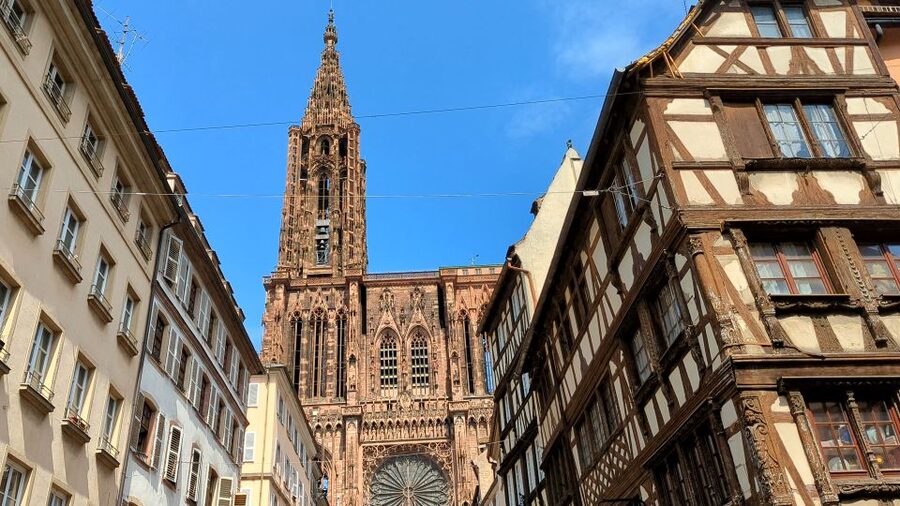
The highlight that keeps showing up in the experience is what happens after the main route. The guide finishes by giving advice on where to eat and drink in Strasbourg. In practice, this is gold because it translates sightseeing into an actual plan for the rest of your day.
From the way Nicolas guides and follows up, you can expect recommendations that feel specific to the neighborhood vibe—like which bakeries or market spots make sense and where to eat typical Alsatian food. More than once, people mentioned getting a detailed list after the tour, not just a couple of vague suggestions.
If you’re trying to pick restaurants quickly on a travel schedule, that added guidance can be the difference between wandering hungry and eating well on purpose.
What It’s Like With Real Weather: The Tour Keeps Going
Strasbourg weather can be dramatic. And the good news is this tour can run even when conditions aren’t perfect. In one rainy-day experience, the tour still happened and turned into something fun and memorable.
You’ll still walk, though, so bring the right layers for whatever you get. If snow or rain shows up, the guide’s job becomes maintaining the flow and keeping you focused on what’s worth seeing and photographing.
Who This Tour Suits Best (and Who Should Skip It)
This is a great match if you:
- Want a first-day overview so you know where to return later
- Like history that connects to streets and monuments, not just dates
- Enjoy photo stops and want simple guidance for better pictures
- Value a small group where you can ask questions and get real answers
It’s not the best fit if you have mobility limitations. The tour involves walking in city streets over about 2 hours, and it’s explicitly not suitable for people with mobility impairments.
For families, it can also work because the pacing is guided and the small group setup helps keep everyone involved. Still, shoes matter, and kids will do best if they’re comfortable walking.
Planning Tip: Make It Your First Strasbourg Morning (or Early Afternoon)
If you can, schedule this tour early. The route gives you a map in your head: where the historic core is, where the cathedral fits into the bigger picture, and which neighborhoods you’ll want to revisit.
Also, the timing helps with the food part. If you come hungry, you’ll appreciate the guide’s suggestions right away. If you’re not hungry yet, you can still use the recommendations later the same day.
One more practical note: booking options offer free cancellation up to 24 hours in advance and the ability to reserve now and pay later, which can help if your schedule is still shifting.
Should You Book This Strasbourg Walking Tour?
Yes—if you want a compact, high-impact introduction to Strasbourg that mixes cathedral views, Petite France atmosphere, Tonneliers street life, and revolutionary-war context in one smooth loop.
I’d book it especially if you care about local guidance. The pricing is reasonable for the route plus the guide’s hands-on style: photo angles while you walk, and specific eat-and-drink suggestions you can actually use after the tour ends. The small group size also helps. You don’t just watch; you participate.
Skip it only if walking for 2 hours on city streets is difficult for you. Otherwise, this is one of those tours that helps you feel oriented fast—and that usually leads to better days afterward in Strasbourg.
FAQ
How long is the Strasbourg walking tour?
The tour lasts 2 hours.
What’s included in the price?
You get the walking tour and a live local guide.
Is entry to the cathedral included?
No. Cathedral entry is not included.
What group size and languages should I expect?
The group is small, limited to 6 participants. The guide speaks French and English.
Where does the tour start and where does it end?
It starts at Place d’Austerlitz (meeting point can vary by the option). It ends at Place de la République.
Is the tour suitable for mobility impairments?
No. It isn’t suitable for people with mobility impairments.