REVIEW · WEIMAR
Weimar: Old Town Guided Walking Tour
Book on GetYourGuide →Operated by Tourist Information Weimar · Bookable on GetYourGuide
Weimar’s ideas walk beside you. On this old town walk, I love the way Weimar Classicism is connected to the city’s big picture, and I also like the focus on the Bauhaus cradle and the Weimar Republic stories you can place on the map. The pace is gentle, but it’s still real outdoor walking on rain or shine, and the tour isn’t suitable for wheelchair users or people with mobility or visual impairments.
You’ll move through a tight sequence of landmarks, starting at Neptun Brunnen, then working past the Market Square and the Square of Democracy, and finally finishing at Theaterplatz. Along the way, there are photo stops plus guided sight-seeing, so you’re not just listening while rushing forward.
At about $11 per person for a live German guide, this feels like strong value if you want orientation and context quickly. You’ll want comfortable shoes and weather-appropriate clothing, since the tour runs rain or shine and covers about 1–2 hours on foot.
In This Review
- Key highlights to expect
- Walking Weimar’s Classicism and Bauhaus story, one stop at a time
- Starting at Neptun Brunnen: getting oriented fast
- Market Square Weimar: the photo stop that sets the tone
- Square of Democracy: linking the Weimar Republic to real streets
- The park and the walk’s rhythm: when breaks become part of the story
- Goethe’s residence: seeing why Weimar Classicism matters
- Schillerstraße: the route becomes the meaning
- Theaterplatz finish and the poet duo monument: the payoff moment
- Language, pace, and who this walk suits best
- Price and value: why $11 can make sense here
- Small practical notes that affect your comfort
- Should you book this Weimar old town walking tour?
Key highlights to expect
- Neptun Brunnen start: you begin the walk right at the Neptun Brunnen.
- Market Square photo stop: you get a guided sightseeing moment here.
- Square of Democracy context: learn about the Weimar Republic while you’re still in the squares.
- Schillerstraße viewpoints: a guided walk along Schillerstraße with photo stops.
- Goethe residence stop: you pass by Goethe’s residence as part of the story arc.
- Theaterplatz ending: finish at the poet duo monument.
Walking Weimar’s Classicism and Bauhaus story, one stop at a time
Weimar has a way of making big ideas feel close. This guided walk is built around that: you don’t just read labels—you walk through the city spaces where the ideas played out, then you hear what to notice next.
I like that the tour keeps its focus. In about 1–2 hours, you cover a route that connects Weimar Classicism with the city’s later role as the cradle of the Bauhaus. That’s a useful pairing, because it helps you see Weimar as more than “pretty historic buildings.” It’s a place where style, politics, and modern design history overlap.
The guiding style also seems to land well for most people. Past bookings have praised the way the guide combines necessary facts with entertaining anecdotes, with at least one German guide (Frau Hose) specifically named for making the two hours fly by. That matters because on a short walking tour, you don’t want long lectures—you want clear points you can remember while looking at the street scene.
Starting at Neptun Brunnen: getting oriented fast
Every good walking tour starts with a “now you’re here” moment, and this one begins at Neptun Brunnen. Starting with a clear meeting point helps you reduce the common stress of early travel moments—no wandering, no hunting, no guessing where the route begins.
From there, the pace is set for the rest of the walk. It’s not an all-day museum experience, so the guide’s job is to help you read the city quickly: what matters, what to look at, and how each location links to the bigger story (Classicism, Bauhaus beginnings, and the Weimar Republic).
If you’re the type who likes to orient early—photos, quick orientation, and then learning—you’ll probably feel comfortable from the first minutes. If you prefer long, slow wandering on your own, you might find the structure a bit tighter than you like. But the upside is that the walk stays efficient and worth the time.
Market Square Weimar: the photo stop that sets the tone
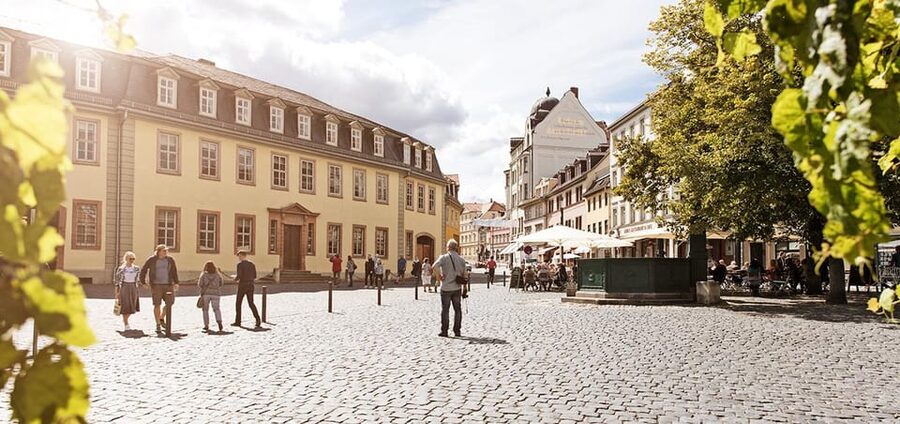
Market Square Weimar is the first real landmark stop on the route, with a photo stop and guided sightseeing. This is the kind of stop that works well because you’re likely to understand it immediately: a market square is a natural gathering point, so it becomes a good “base location” for the stories the guide tells.
I like using a market square as the opening scene for history. It grounds everything in everyday space. Even if you’re not thinking about politics right away, you start absorbing the feel of Weimar’s center—the kind of place people walked through daily.
One practical tip: treat the photo stop as a chance to capture the setting, not just a selfie moment. Look around while you’re paused—build a mental snapshot of where you are. Later stops like Democracy Square and Theaterplatz will make more sense if you remember the city’s layout from the beginning.
Square of Democracy: linking the Weimar Republic to real streets
The Square of Democracy is where the walk shifts into political context. It’s another guided sightseeing and photo stop, but the point here is how the guide frames the Weimar Republic stories in the same public space you’re standing in.
This is valuable because political history can become abstract fast. When someone ties it to a place name, a square, and the way people move through a town center, you’re more likely to remember what you learned. You also get a sense of how public space reflects public life—who gathers where, and why certain areas become symbolic.
Also, the tour’s short format means the guide has to keep moving. That can be a plus if you want clarity without getting stuck in a single point for too long. If you’re the kind of person who loves reading every plaque and staying at one spot for a long time, you may feel you’re seeing things at a “guided highlight” pace.
The park and the walk’s rhythm: when breaks become part of the story
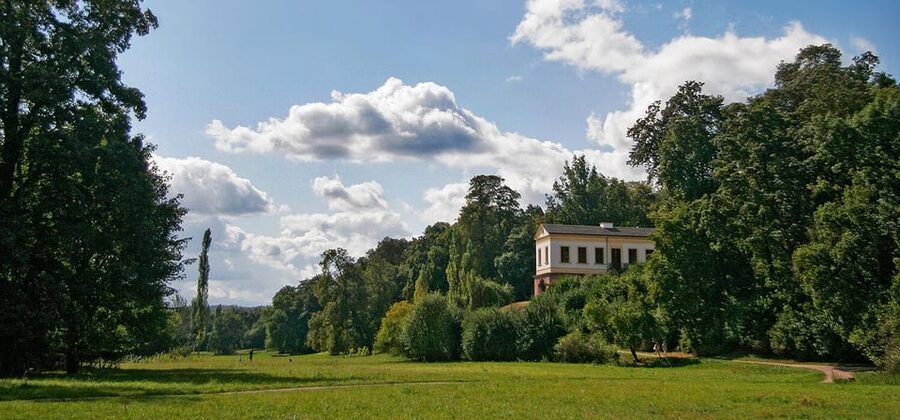
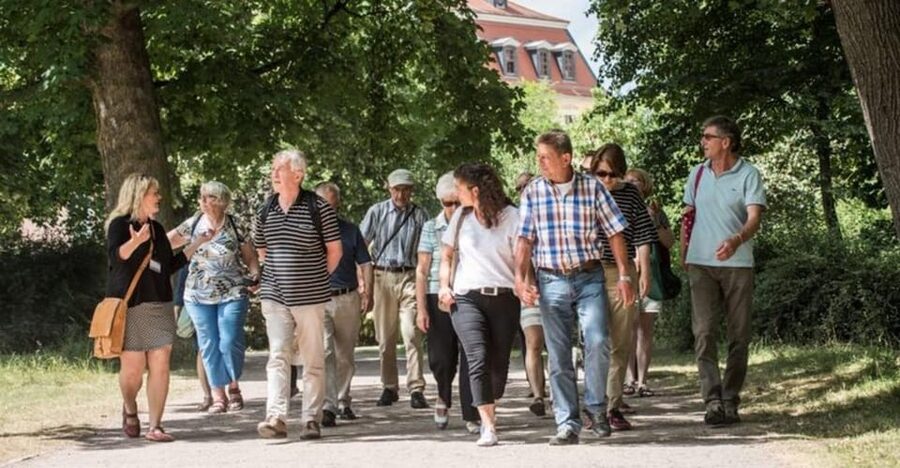
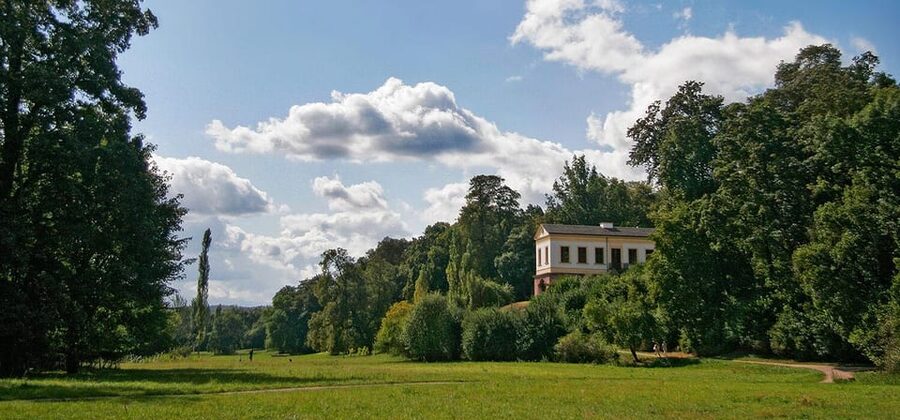
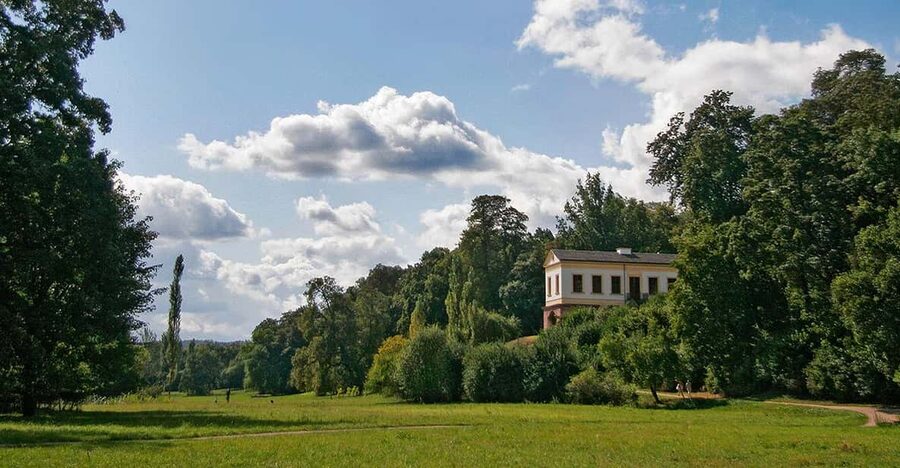
Between the squares, the route passes a park on the way toward Goethe’s residence. Parks matter on walking tours for a simple reason: they give you a break in visual intensity. After dense historic streets and public squares, a green space helps you reset your attention.
It also helps the story pacing. The guide is likely building a sequence—Classicism to later cultural developments—so a park stop can work like a transition scene. You can breathe, take a short photo, and keep your energy for the more focused landmark moments ahead.
Don’t underestimate this “in-between” segment. A lot of walking tours fail because they rush only from one stop to the next. Here, the inclusion of a park makes the walk feel like a real route through town, not a chain of disconnected viewpoints.
Goethe’s residence: seeing why Weimar Classicism matters
Reaching Goethe’s residence is one of the anchor moments of the tour. It’s part of the guided progression toward understanding Weimar Classicism—and what it contributed culturally.
I like these stops because they shift the conversation from general “history talk” to place-specific context. When the guide explains what to notice at Goethe’s residence, you start seeing the city as a physical record of who lived here and how they shaped culture. Even if you don’t consider yourself a Goethe expert, this kind of landmark makes the broader Classicism theme feel more grounded.
If you’re a design or arts history fan, this is also where the tour’s title themes start to click together. Weimar’s role later connects to later artistic movements, including the Bauhaus. So you’re not just learning isolated facts—you’re building a chain of influence in your head.
Schillerstraße: the route becomes the meaning
From Goethe’s residence, the tour continues down Schillerstraße, again with photo stop and guided sightseeing. Streets like this are useful because you can “read” them while walking. You experience the geography instead of only seeing it from a map.
There’s a simple reason Schillerstraße works in this kind of tour: it reinforces the poet thread. Even if you only remember a couple names from school, the guide’s stories help you place why poets and writers belong in a city walk alongside politics and design history.
Practical note: this section is where good shoes pay off. The walk continues, so your feet will appreciate proper grip and cushioning—especially if you hit wet pavement during rain or shine.
Theaterplatz finish and the poet duo monument: the payoff moment
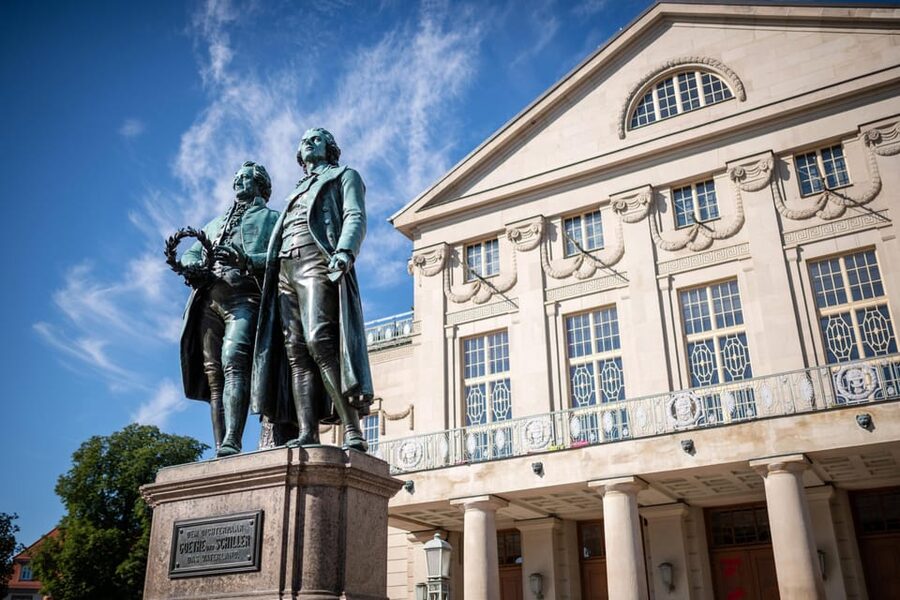
The tour culminates at Theaterplatz, home to the renowned monument of the poet duo. Ending here is smart. It’s a recognizable “arrival point,” the kind of place where you can stop, look up, and let the stories you’ve heard settle.
This finish also gives you a clean wrap-up. If you’ve been absorbing themes like Classicism, the Bauhaus cradle, and the Weimar Republic, Theaterplatz acts like a final scene where culture and public memory meet in one visible moment.
I also like how this ending helps your next steps. After a guided walk ends, you’re still in the center of things. You can keep wandering on your own, using the tour route as your mental map.
If you want a souvenir of sorts, this is a strong spot for a last photo—because it’s the closing highlight, not an in-between checkpoint.
Language, pace, and who this walk suits best
The guide is live and German-speaking, so this is best for people comfortable with German or those who are fine following along with limited language skills. The tour does happen rain or shine, so it suits travelers who enjoy walking outdoors even when the weather isn’t cooperating.
Duration is listed as 1–2 hours, which is a big deal for planning. It’s short enough to fit into a day of museums and meals without stealing the whole afternoon. And the price point makes it easy to add even if you don’t want a long, expensive tour.
This tour is not suitable for people with mobility impairments, wheelchair users, or visually impaired people. It’s also a reminder that the experience is designed for regular foot travel. If you’re dealing with limited stamina, consider whether you’ll be comfortable with a continuous walking route.
Who will love it most:
- First-timers who want an efficient overview of Weimar’s center
- People interested in Weimar Classicism, Bauhaus beginnings, and the Weimar Republic
- Anyone who likes guided stories with quick, memorable anecdotes
- Travelers who enjoy photo stops and a clear path from start to finish
Price and value: why $11 can make sense here
At around $11 per person, you’re buying more than “someone to walk with you.” You’re paying for a live guide’s ability to connect names, eras, and places into a sequence you can keep in your head.
For short tours, value often comes down to two things: how much you learn in the time you have and whether the guide keeps the energy up. Past comments highlight that the two hours tend to pass quickly and that the guide combines facts with entertaining stories. That’s exactly what you want at this price—information that feels worth your time, not just a ticket for movement.
Also, because the route is concentrated, you’re not spending your vacation energy on transportation logistics within Weimar itself. You start at Neptun Brunnen and finish at Theaterplatz, which are both central points for continuing your day.
Small practical notes that affect your comfort
There’s no hotel pickup or drop-off. Plan to arrive at Neptun Brunnen on your own and finish at Theaterplatz, then continue wherever you like from there.
Bring comfortable shoes. This tour takes place rain or shine, so you should dress for wet streets and changeable weather. If you know you get cold easily or dislike standing still in chilly wind, pack accordingly—especially for photo stop moments.
If you’re sensitive to uneven surfaces or need accessibility support, this may not match your needs. The tour is explicitly not suitable for wheelchair users and also not intended for visually impaired participants.
Should you book this Weimar old town walking tour?
Yes, if you want a fast, well-focused way to understand why Weimar matters—especially the links between Weimar Classicism, the Bauhaus cradle, and the Weimar Republic. The short duration makes it easy to fit in, and the route is built around the kinds of landmarks that turn history into something you can see.
Skip it (or think twice) if you need wheelchair accessibility, have mobility or visual limitations, or prefer long self-paced wandering without a set guided structure. It’s a structured walking experience, rain or shine, and it moves along a real street route.
If your goal is to leave Weimar with names you can place and a clearer sense of the city’s cultural arc, this is a smart, low-cost way to get there.