REVIEW · STRASBOURG
Strasbourg: Traditional Food Walking Tour with Tastings
Book on GetYourGuide →Operated by _Do Eat Better Experience · Bookable on GetYourGuide
Strasbourg’s best bites start at the cathedral area. I love how this tour mixes classic Alsatian comfort food—like charcuterie with soft bretzels and regional cheese—with real city-walking context through neighborhoods such as Petite France. One heads-up: the food portions run large, so if you do not plan to go hungry, you may feel uncomfortably full.
The other thing I really like is the structure. You get at least 4 food stops with a guided narrative—historic sights plus modern food culture—without rushing. You should also be prepared for a lot of tasting time spread across several partner spots, not a quick snack-and-go.
In This Review
- Key Things You’ll Notice on This Strasbourg Food Tour
- Starting at Place d’Austerlitz: the easiest way to meet up
- 210 minutes of tastings: what the tour format really means
- Fortwenger Strasbourg cathedrale area: your first sightseeing-and-tasting rhythm
- Rue des Grandes Arcades: when shopping streets turn into snack stops
- Petite France as your food anchor: charcuterie, cheese, then choucroute garnie
- Alsatian wine and dessert: Pain d’épices, Kugelhopf, and Tarte Flambée
- The guide makes the difference: city context behind every bite
- Price and value: is $116 for 3.5 hours a fair deal?
- Practicalities that can make or break your afternoon
- Should you book this Strasbourg food tour?
- FAQ
- Where is the meeting point for the tour?
- How long is the Strasbourg Traditional Food Walking Tour?
- How many food stops are included?
- Are drinks included, and is alcohol included?
- What languages is the live guide available in?
- What should I bring?
- Is hotel pickup or drop-off included?
- Is this tour suitable for people with mobility impairments?
- Are pets or luggage allowed?
- What is the cancellation policy?
Key Things You’ll Notice on This Strasbourg Food Tour
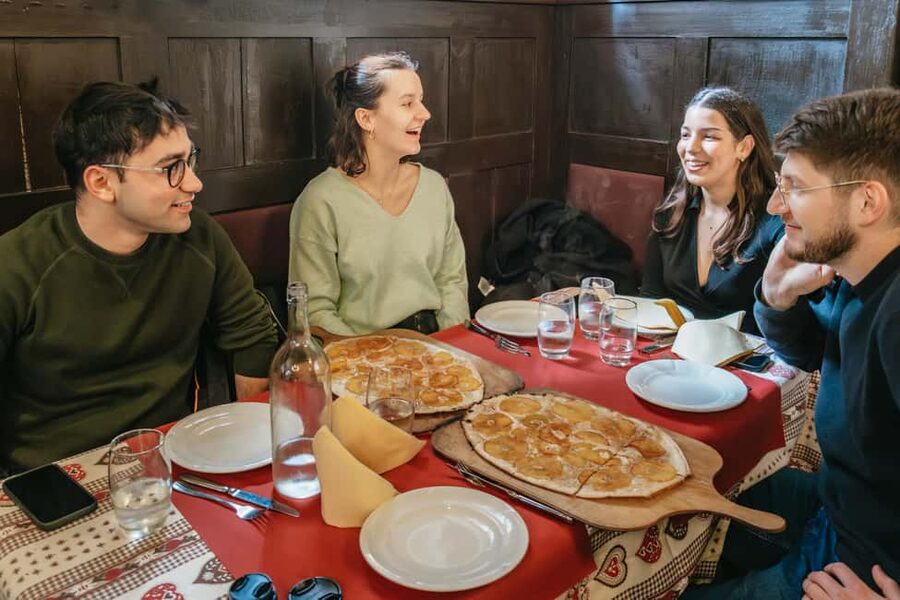
- A walk built around 4+ stops: each one includes at least one serving, plus water through the experience
- Alsatian staples with a twist: think smoked sausages, sauerkraut, cheese, and classic desserts like Pain d’épices
- Old-town highlights in the route: you’re not just eating—you’re also seeing the city as you go
- Wine and/or beer included: at least one alcoholic drink is part of the tour
- Small group size (max 12): easier to hear the guide and keep the pace comfortable
- Petite France as the finale: finishing in one of Strasbourg’s most atmospheric areas is a smart choice
Starting at Place d’Austerlitz: the easiest way to meet up
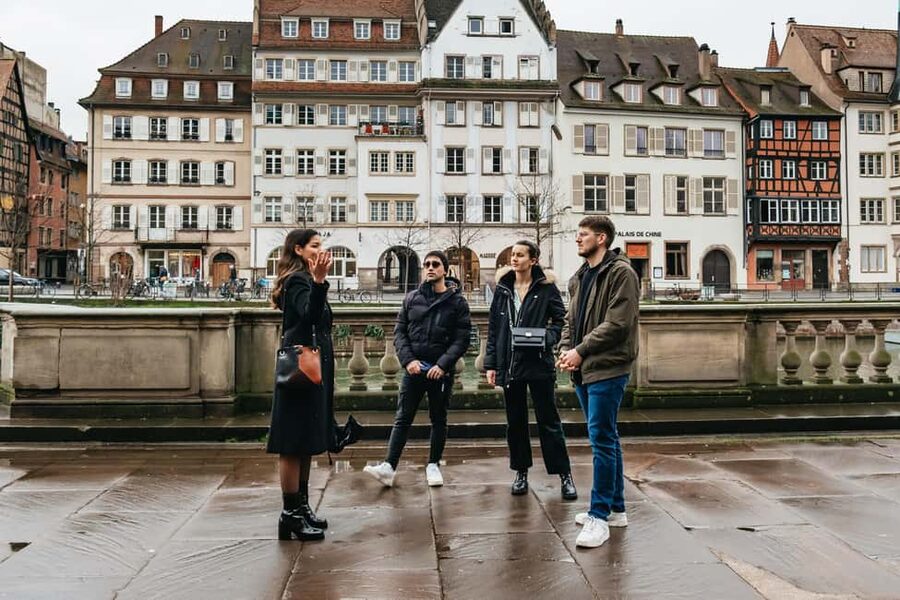
You’ll meet at Place d’Austerlitz, in front of the miniature of Strasbourg. That detail matters because some GPS directions can be confusing. If you want this to feel smooth, go early enough to find the statue area by sight, not just by address pin.
This is a classic walking tour format, so bring comfortable shoes. The streets are flat, and the pace is generally relaxed, but you will still be on your feet for the full stretch of the route.
Group size is capped at 12, and it needs at least 2 people to run. In practice, that usually means you get a more personal vibe than you’d get on a big bus-style day. One note from the tour’s constraints: it’s not suitable for people with mobility impairments—so if that affects you, it’s worth looking for a different format.
You can also read our reviews of more walking tours in Strasbourg

210 minutes of tastings: what the tour format really means
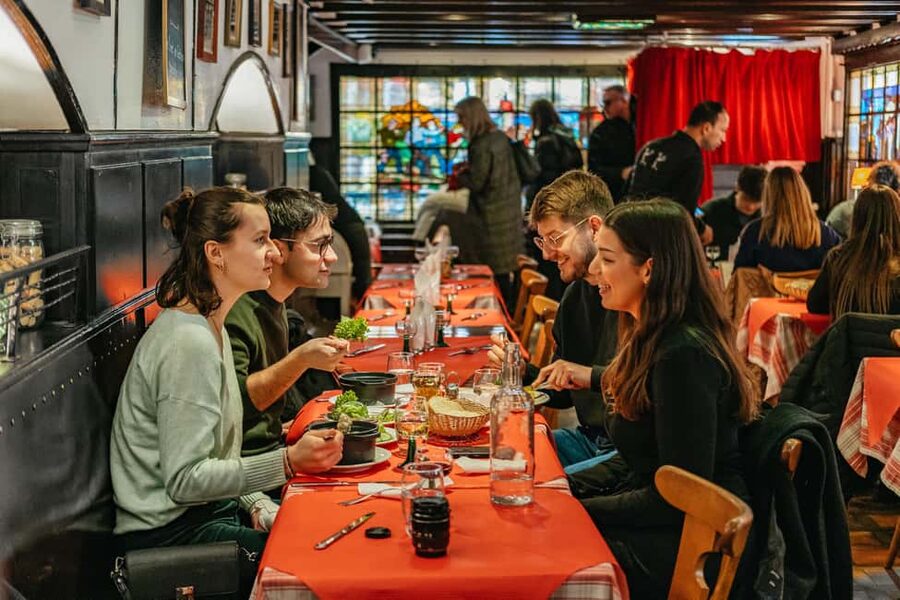
The tour lasts 210 minutes (about 3.5 hours). Your total includes a tour guide, at least 4 food stops, 1 serving at each stop, water, and at least 1 alcoholic drink.
Here’s why that matters for value: you’re not paying only for someone to walk you through the city. You’re paying for (1) guided storytelling, (2) reserved time at multiple food partners, and (3) the tastings themselves. If you’ve ever tried to recreate a multi-stop food day on your own, you know how hard it is to line up places that fit a tight schedule—especially in an old European core where doors close, kitchens run on rhythm, and finding the right specialty can take longer than you expect.
Also, the tour’s exact tasting lineup can shift based on season and what partners have available. So if you’re traveling in a peak month and you’re hunting for one specific dish, keep your expectations flexible—but do expect Alsatian classics.
Fortwenger Strasbourg cathedrale area: your first sightseeing-and-tasting rhythm
One of the best parts of this tour approach is that it gets you into the flow immediately. After meeting at Place d’Austerlitz, you head toward the cathedral area (including the Fortwenger Strasbourg cathedrale stop), where you’ll do both sightseeing and a food tasting.
Why I think that opening works: the guide can help you get your bearings fast—where you are in Strasbourg, what to notice as you walk, and how the city’s layout ties into the food scene. Then you start tasting early, which keeps the whole afternoon from feeling like a long prelude.
Expect the first tasting to set the tone, often including a local alcoholic drink (wine and/or beer) as part of the tour’s drink plan. If you’re watching how much alcohol you’re taking in, pace yourself right away—because once you’ve started choucroute and dessert later, it’s not the time to suddenly realize you drank too fast.
Rue des Grandes Arcades: when shopping streets turn into snack stops
Next comes Rue des Grandes Arcades, a street where it’s easy to think of Strasbourg as a place for strolling and shopping. On this tour, that idea changes, because you’re timing the walk around food stops instead of wandering randomly.
This is where you start noticing the tour’s “Alsace logic.” You’ll move between styles: historical, old-town flavor, plus modern cafés and current food culture. That mix is useful if you’re new to the city and want to understand what Alsatians keep repeating—and what they’ve updated.
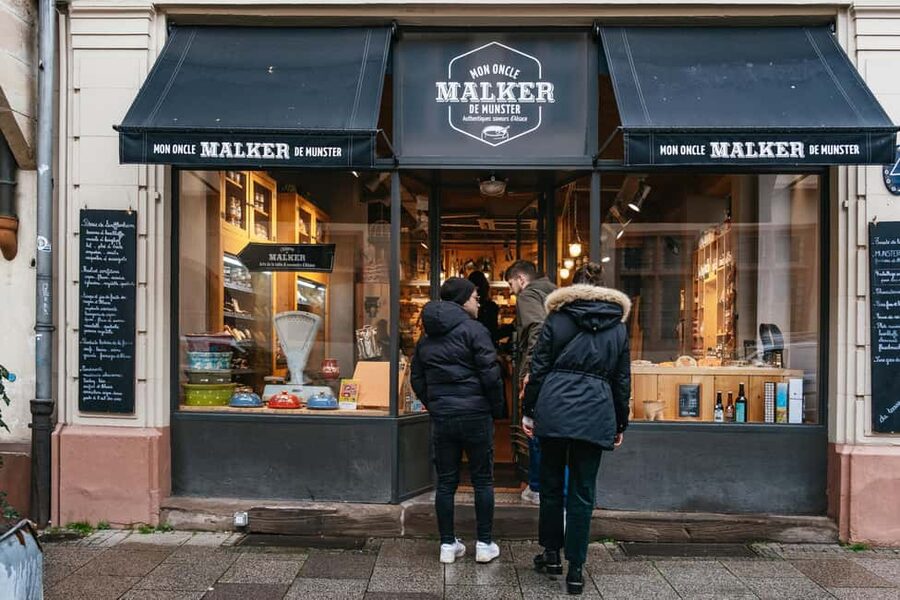
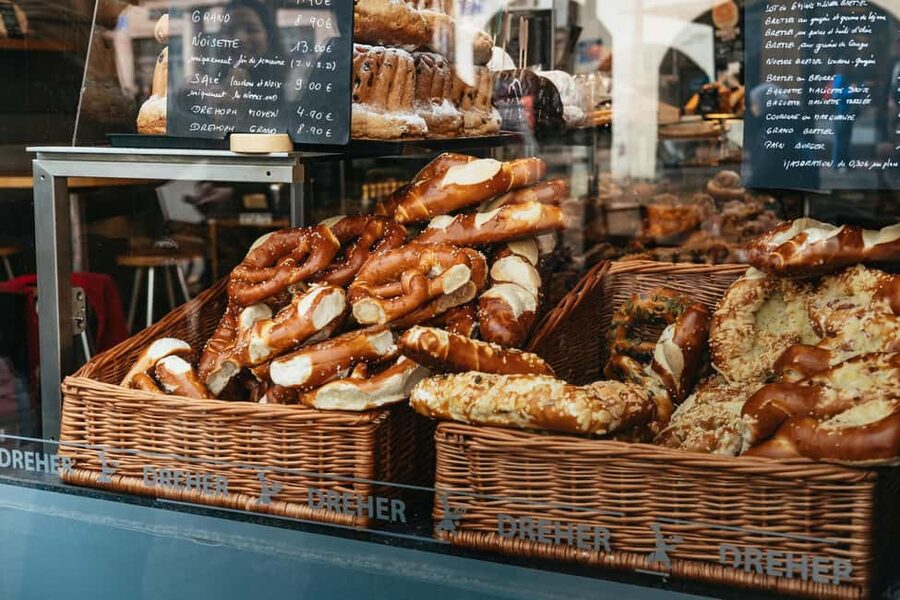
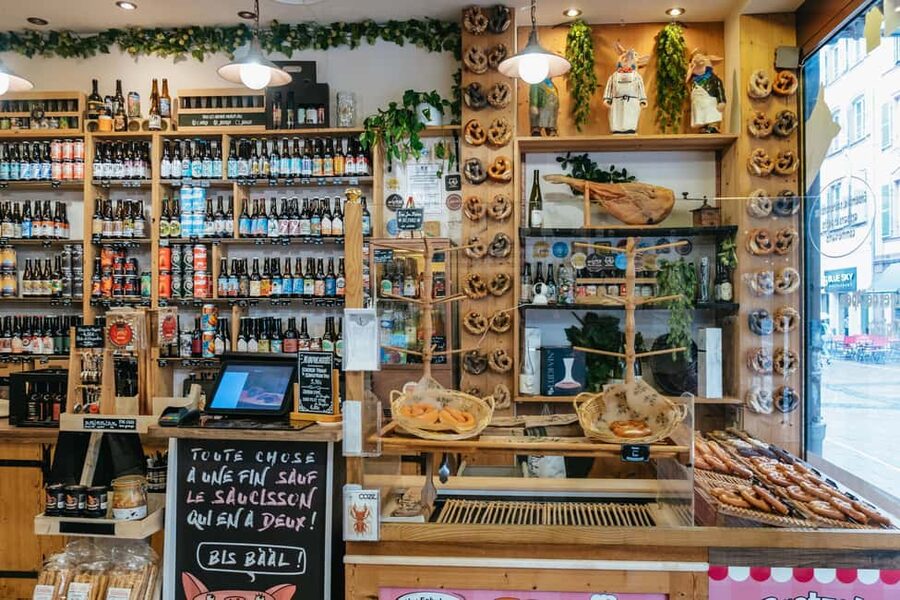
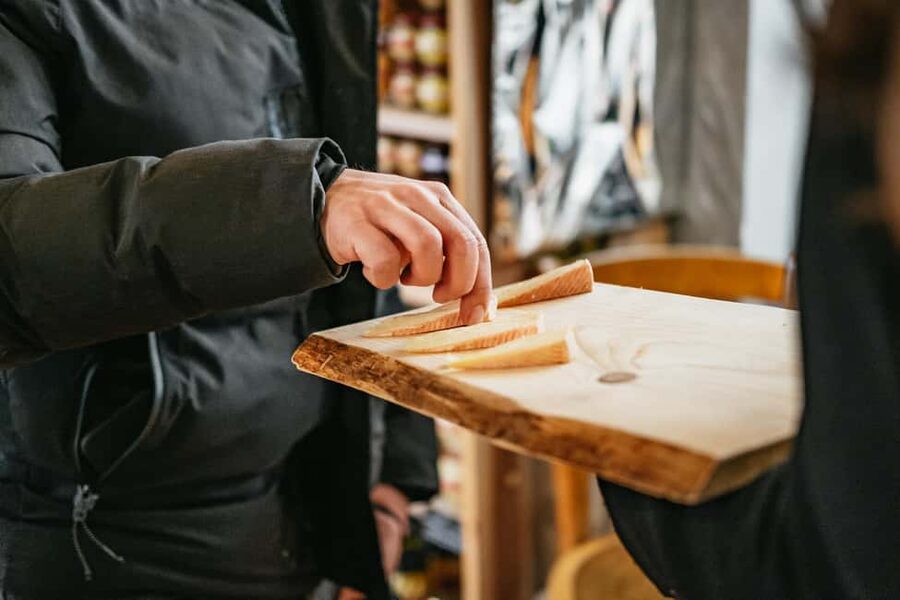
From the tasting examples, you’ll likely encounter soft bretzels and a selection of charcuterie, plus time at a cheese shop for another chance to taste. Some groups also get a chance to see how certain specialty products are made or presented—depending on partner availability—so it’s not only about eating, it’s also about understanding what you’re eating.
Petite France as your food anchor: charcuterie, cheese, then choucroute garnie
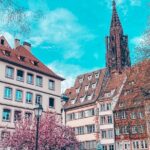
The walk continues into Petite France, which is both a sightseeing highlight and a food anchor. If you’re mapping your own day in Strasbourg, Petite France is the area you usually save for later because it’s so photogenic and atmospheric. Here, it’s also where the tour’s menu leans hardest into regional comfort.
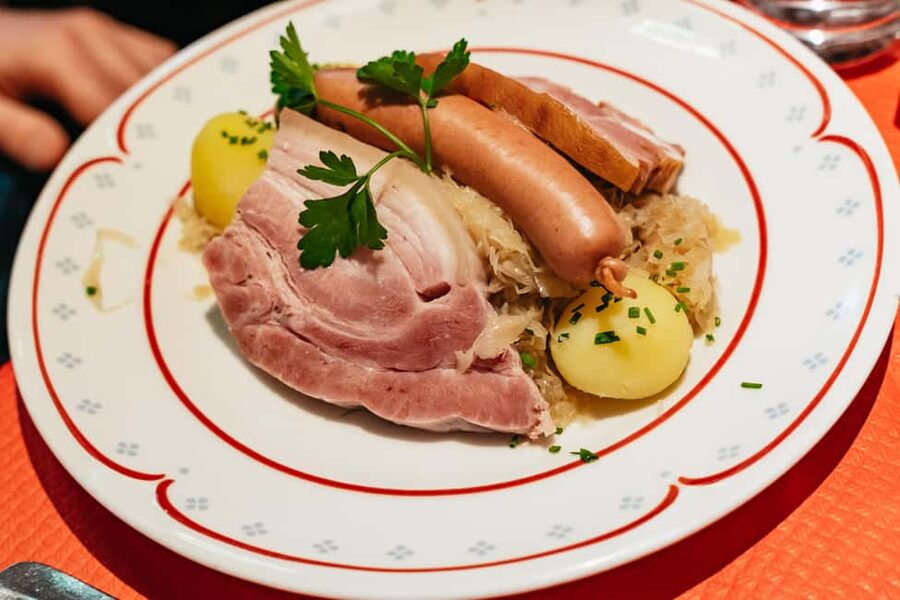
One of the signature items you should expect is choucroute garnie—a hearty regional dish built on smoked sausages and sauerkraut. This is one of those meals that feels simple, but the flavor is deep. It’s also a good test of whether you actually like Alsatian cuisine, because it’s not subtle: it’s salty, tangy, and filling in a way that turns “tasting” into a proper sit-down kind of feeling.
In addition, you may also encounter charcuterie pairings that go beyond the usual shortlist. People on this tour have mentioned tasting more unusual sausage options such as bull sausage—so come with curiosity, not a strict “only safe foods” plan.


Alsatian wine and dessert: Pain d’épices, Kugelhopf, and Tarte Flambée
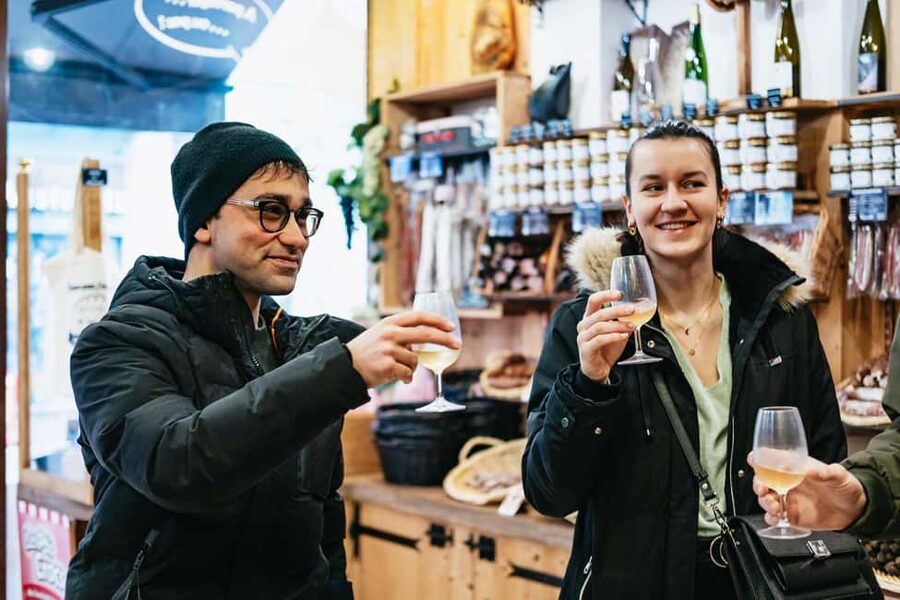
The last third of the tour is where the sweet-and-drink payoff shows up. Strasbourg and the Alsace region are known for vineyards, and the guide will usually connect the tastings to that bigger picture—why certain grapes and growing areas matter here.
For dessert, the tour’s examples include classic Alsatian gingerbread (Pain d’épices) and options like Kugelhopf. Another standout possibility is Tarte Flambée. Depending on the day and seasonal menus, you might taste one of these desserts and learn how it fits into Alsace’s everyday food habits, not just its postcard reputation.
Why dessert deserves a place on a food tour like this: Alsace doesn’t separate meal and snack culture. The flavors shift from savory to sweet without you feeling like you’ve jumped to a totally different world. That’s also why the tour can feel so satisfying even though it’s only a 3.5-hour walk.
One practical tip: if you’re someone who likes to taste every bite, you’ll be tempted to rush. Don’t. The whole format assumes you’ll slow down enough to enjoy each stop—not speed-run it.
The guide makes the difference: city context behind every bite
Food tours succeed or fail based on the guide, and the guides associated with this experience are often praised for mixing food explanation with city storytelling. Names that come up include Raphael, JP, Christine, Loubna, and Nahama—and the common thread in how they’re described is that they’re engaging, funny, and ready to answer questions.
In a tour like this, the best kind of information isn’t trivia for trivia’s sake. It’s the kind of context that makes the food logical. For example:
- Why a dish like choucroute garnie became a regional symbol
- How Alsatian wine culture ties to the landscape and local agriculture
- What to notice in Strasbourg as you walk, so the sightseeing feels connected to the tastings
Also, the “feel” of the experience depends on how the guide handles pacing. Some days the timing can be a touch slow at stops, but the overall pattern is designed to avoid rushing. You’ll have enough time to sit down, taste, and regroup.
Price and value: is $116 for 3.5 hours a fair deal?
At $116 per person, this tour isn’t cheap—but it can be good value if you price it the right way.
You’re getting:
- A live guide for 210 minutes
- At least 4 food stops with at least 1 serving at each stop
- Water
- At least 1 alcoholic drink
On a normal day, buying food one stop at a time can easily surpass a single tour price—especially when you include wine or beer. What you’re really paying for is the convenience of an efficient route plus access to multiple partners you might not choose on your own, plus someone to connect the dots between historic Strasbourg and what people actually eat now.
That said, you should go in knowing what you’re signing up for: this is a “you will eat” experience. If you’re the type who only wants small bites, you might find the amount more intense than expected for a walking tour.
Practicalities that can make or break your afternoon
A few logistics are worth reading twice:
Walking and pace
- It’s mostly a flat, easy walk with a comfortable rhythm.
- The key is still that you’re out for a while, and the food adds time at each stop.
What to bring
- Comfortable shoes.
- Wear clothes you’re happy to stand and walk in for a few hours.
What not to bring
- No pets.
- No luggage or large bags.
Mobility
- Not suitable for mobility impairments, so if you need step-free access, you’ll want a different plan.
Group dynamics
- Maximum 12 helps with hearing the guide.
- Minimum 2 means it’s usually running with enough people to keep the format intact.
Should you book this Strasbourg food tour?
Book it if:
- You’re in Strasbourg for the first time and want a guided route with food stops instead of random searching.
- You like Alsatian staples: cheese, charcuterie, choucroute garnie, and classic desserts.
- You enjoy learning how food ties to the city as you walk.
Skip it or choose something else if:
- You do not want a meal-sized food day and would rather do smaller, spaced-out tastings.
- Mobility access is an issue for you.
- You’d rather control every food choice yourself with no pre-planned stops.
If you’re on the fence because of the price, think of it like this: you’re buying time with a guide plus multiple specialty tastings plus an included drink—so it only feels expensive if you’d otherwise be spending far less. For most first-time visitors who want Strasbourg in one afternoon, it’s a smart way to leave full and informed.
FAQ
Where is the meeting point for the tour?
Meet at Place d’Austerlitz, in front of the miniature of Strasbourg.
How long is the Strasbourg Traditional Food Walking Tour?
The tour duration is 210 minutes (about 3.5 hours).
How many food stops are included?
At least 4 food stops are included, with 1 serving at each stop.
Are drinks included, and is alcohol included?
Yes. Water is included, and at least 1 alcoholic drink is included.
What languages is the live guide available in?
The tour guide is available in English and French.
What should I bring?
Bring comfortable shoes, since the experience is a walking tour.
Is hotel pickup or drop-off included?
No, hotel pickup and drop-off are not included.
Is this tour suitable for people with mobility impairments?
No. It is listed as not suitable for people with mobility impairments.
Are pets or luggage allowed?
Pets are not allowed. Luggage or large bags are also not allowed.
What is the cancellation policy?
Free cancellation is available up to 24 hours in advance for a full refund.