REVIEW · STRASBOURG
Strasbourg: Walking Tour with a Local Guide
Book on GetYourGuide →Operated by UTG EXPERIENCE · Bookable on GetYourGuide
Strasbourg is best when you walk it. This 2-hour route with UTG Experience gets you into the UNESCO core of Grande Île, then slows down at the places that explain why this city looks the way it does. I especially like the combo of Petite France canal views and the sharp, practical photo advice you get right when it matters.
You’ll also come away with a clearer sense of people behind the stones. The guide ties the city’s history to real spots—like where printing took off and how the Revolution showed up in everyday life—so landmarks don’t feel like disconnected postcards.
One thing to consider: the tour can be multi-lingual, with German and English spoken. If you want strictly one language at all times, plan to be flexible.
In This Review
- Key things I’d plan around
- Why This 2-Hour Strasbourg Walk Works So Well
- Place Gutenberg Meeting Point: Start Here, Think Printing Press
- Grande Île and the Old Town Flow: How to Read the City
- Strasbourg Cathedral and the Notre Dame Area: Details You’ll Actually Notice
- Petite France for Canals and Color: The Stop That Feels Like a Movie Set
- Tanners’ Quarter: Where the Names Sound Old but the Life Feels Current
- Place Kléber and Jean-Baptiste Kléber: A Main Square With Real Meaning
- How the Guide Elevances the Whole Walk (and When You Might Feel a Bit Rushed)
- Photo and Timing Tips for Your Day Plan
- Price and Value: What $28 Buys You in Real Time
- Who This Tour Is Best For
- Should You Book This Strasbourg Walking Tour With UTG Experience?
- FAQ
- How long is the Strasbourg walking tour?
- Where do I meet the guide?
- What languages are offered?
- Is the Strasbourg Cathedral ticket included?
- What’s included in the price?
- Are food and drinks included?
- Can I reserve without paying today?
- What should I bring?
Key things I’d plan around
- Petite France for photos: canals, bridges, and color—plus angles the guide points out
- Cathedral exterior focus: best details and photo timing before you head inside on your own
- Place Gutenberg’s meaning: printing history tied to where you’re standing
- Tanners’ Quarter atmosphere: a lively slice of local dining and drinks
- Place Kléber and Jean-Baptiste Kléber: Revolution context in a main square
- 2 hours that fit real plans: a compact loop for a first visit
Why This 2-Hour Strasbourg Walk Works So Well
Strasbourg can feel like a city with two modes: pretty postcard views and then a sudden flood of history. This tour helps with the bridge between those. In just two hours, you get a sequence of stops that makes the old town’s shape and symbolism click.
You’re not just ticking boxes. The guide points out what to notice—facades, street layout, and how certain neighborhoods earned their names—so you’ll understand what you’re seeing while you’re still there. That makes it easier to explore afterward on your own without feeling lost.
And it’s a smart length. Two hours is long enough to get oriented, but short enough that you can still shop, eat, or take another short walk the same day.
You can also read our reviews of more walking tours in Strasbourg
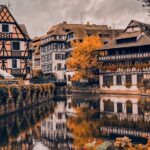
Place Gutenberg Meeting Point: Start Here, Think Printing Press
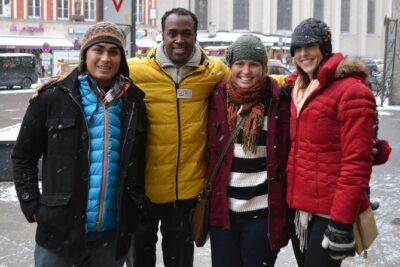
Your tour starts at Place Gutenberg in the 67000 area of Strasbourg. The meeting spot is in the square near the statue and a tree, and your guide will be wearing a blue UTG Experience badge.
This matters more than it sounds. Place Gutenberg is not just a convenient pin on a map—it’s tied to the man who invented the printing press. Starting here gives the walk a storyline right away: you’re standing in a public space connected to how ideas spread, long before you reach the older architecture around Grande Île.
Practical note: this is a walking tour, so comfortable shoes are the whole game. Strasbourg streets can be uneven, and two hours passes fast once you’re moving.
Grande Île and the Old Town Flow: How to Read the City
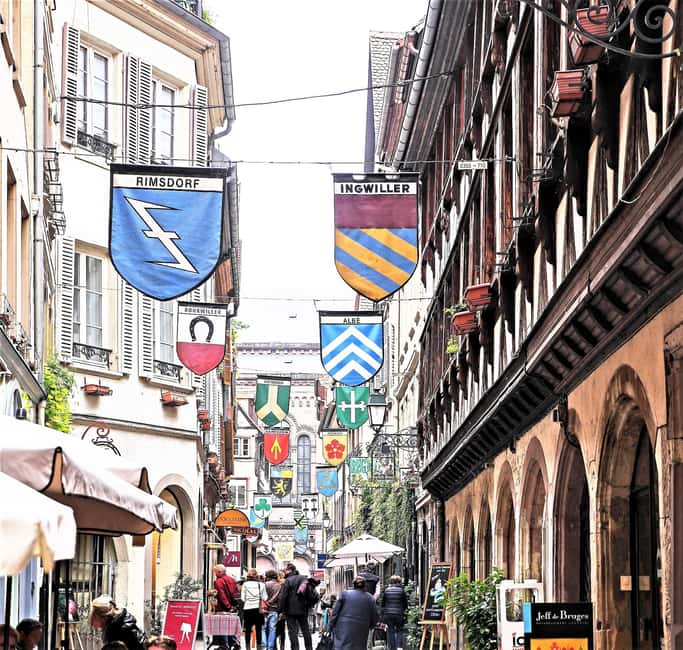
Once you get going, you’ll spend time in the historic center on Grande Île, a UNESCO World Heritage Site. The benefit of following a guide here is speed and clarity: instead of wandering randomly, you’ll get a route that takes you through the compact parts of the core.
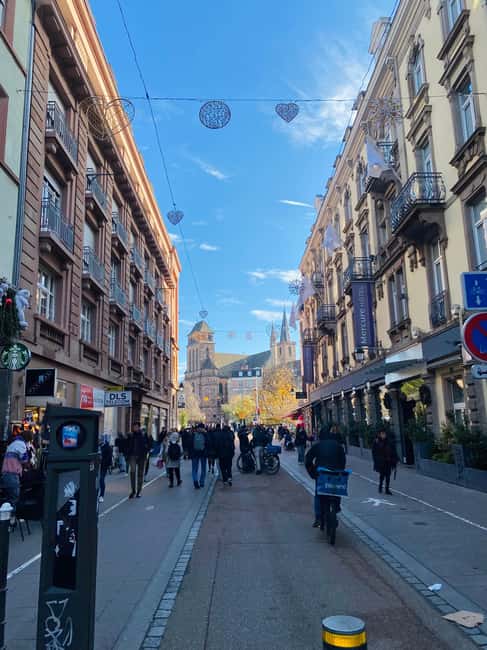
You’ll walk narrow streets lined with older houses and get that stepped-back-in-time feeling quickly. More importantly, the guide connects the geography to the city’s past—where people settled, how neighborhoods formed, and why certain squares and routes became important.
This is where the tour earns its keep. Strasbourg can be beautiful, but without context it’s easy to miss why different blocks feel different. A local guide helps you notice patterns: where the city opens up into squares, where it tightens into quarters, and where the canals and bridges shape daily life.
Strasbourg Cathedral and the Notre Dame Area: Details You’ll Actually Notice
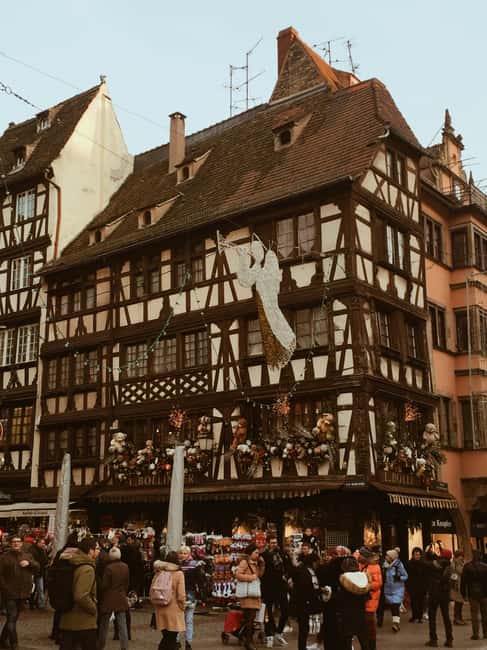
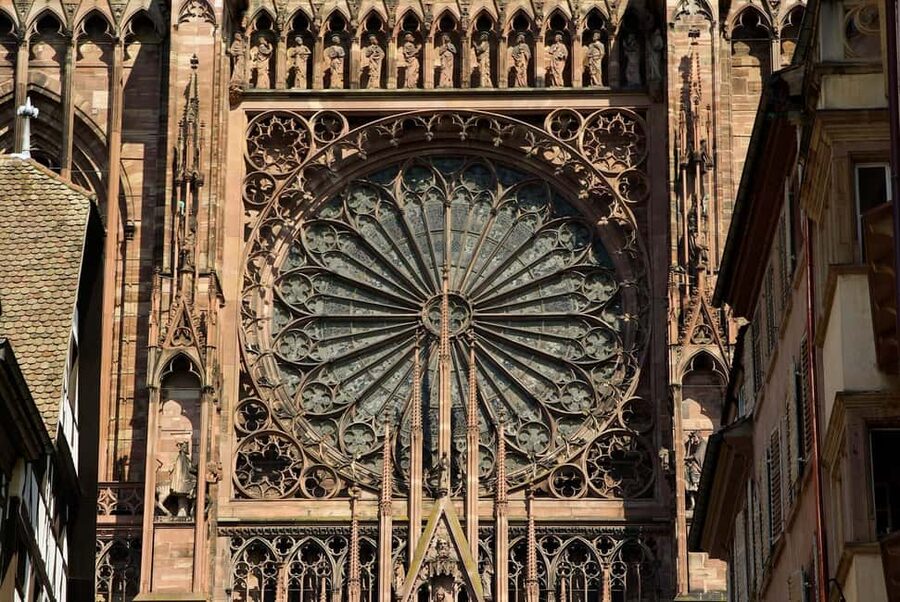
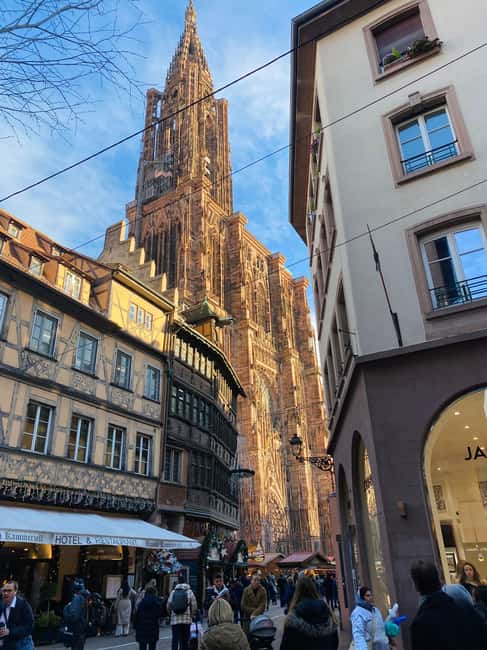
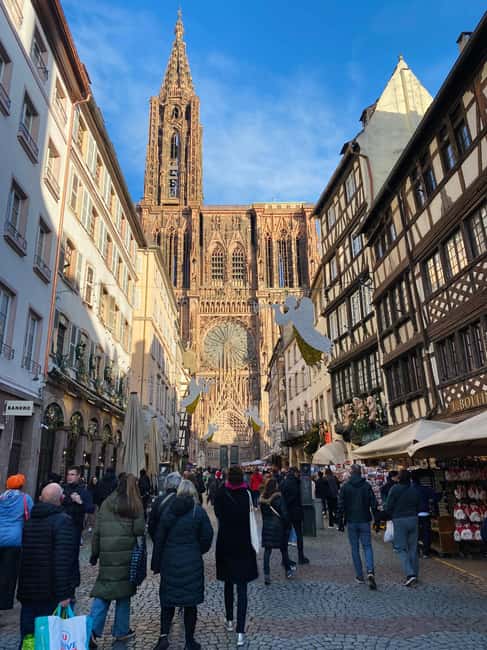
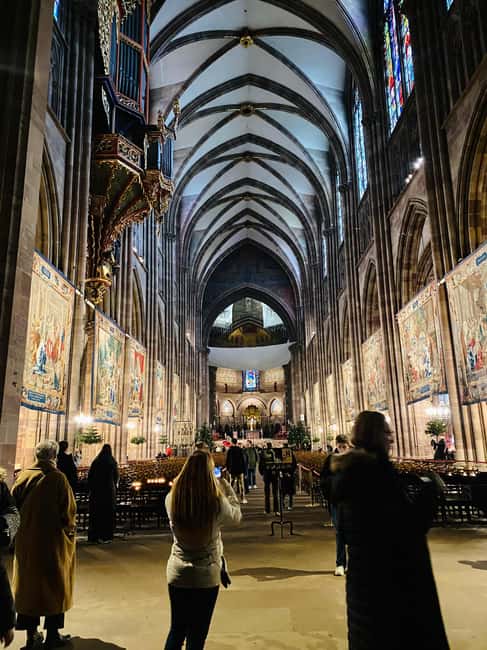
The headline sight is the Strasbourg Cathedral—often associated with the Notre Dame Cathedral area in the tour route. You won’t just see it from far away. You’ll get a closer look at the exterior details and interesting facts about the building’s decoration.
There’s also a practical photo component. The guide offers photo tips as you approach the cathedral area, which is great because cathedral photography is all about timing and angle. You’ll learn where to stand so the architectural details come through instead of turning into blurry walls.
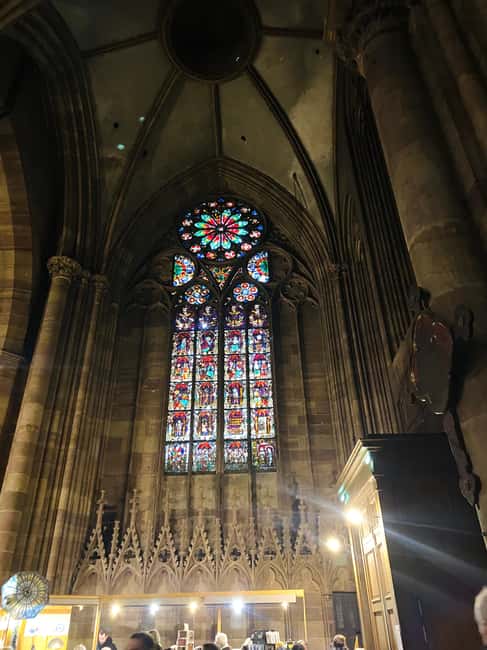
What you should know: entry tickets are not included. So think of this tour as the “best exterior orientation.” If you want to go inside, you’ll need to plan that separately.
Petite France for Canals and Color: The Stop That Feels Like a Movie Set
If you only remember one neighborhood name, make it Petite France. The tour gives you about an hour here, and that’s the right amount of time. You’ll move through a charming area of canals, bridges, and colorful houses—the postcard part, yes, but also the part that’s easy to understand once you get the background.
This neighborhood is where photo help really pays off. The guide shows you the best spots to take pictures and shares advice on composition. You’ll also hear stories about the people who used to live here, which turns the scenery from decoration into a place with a lived past.
Drawback to consider: Petite France is visually busy. If you hate crowd vibes or you prefer slow wandering, the guided flow can feel like you’re moving with intent rather than drifting. Still, the trade-off is that you’ll see multiple photo angles and get context, instead of spending an hour trying to figure out what to photograph.
Tanners’ Quarter: Where the Names Sound Old but the Life Feels Current
The tour also passes through the Tanners’ Quarter, an area closely tied to local history. The value here is atmosphere plus realism. The tour doesn’t frame it as a museum-only space—it highlights that locals still enjoy dining and relaxing in cozy restaurants and bars.
That matters because it helps you understand Strasbourg as a living city, not just an old-town exhibit. Even if you don’t stop for a meal on the tour, you’ll leave with a shortlist of where to look when you return.
This is also a good part of the walk to simply watch how the streets feel. The way the quarter sits in relation to the canals and nearby routes makes it easier to plan your own after-tour wandering.
Place Kléber and Jean-Baptiste Kléber: A Main Square With Real Meaning
Next up is Place Kléber, the city’s main square. A main square can be intimidating—too big, too open, too easy to treat like a transit zone. Not here. The guide connects the space to Jean-Baptiste Kléber, a famous figure from the French Revolution.
That context helps you see why the square matters. It’s not just a meeting point or a landmark. It’s part of the story of how political change left a mark on public life.
You’ll get about a half hour here on the walk, which is enough time to take in the scale and understand the connection to the Revolution without it turning into a lecture. You also get guidance that’s useful after the tour—where to eat and where to explore next, based on what you seemed to enjoy.
How the Guide Elevances the Whole Walk (and When You Might Feel a Bit Rushed)
The biggest praise this style of tour tends to earn comes down to the guide. You’re getting more than narration—you’re getting interpretation.
In practice, that shows up as:
- quick orientation before each major stop
- photo tips timed to the best views
- stories that connect buildings and neighborhoods to real people and events
- answers to questions along the way, so the walk stays interactive
There’s also a bit of a reality check in the reviews and the general nature of guided walking tours: the pace can be steady. A few people noted that it can feel quick, especially if you’re slowing down for photos or if you’re covering a lot of ground that day. My advice: if you need a slower rhythm, say something early. Good guides adjust.
Also, language matters. The tour is listed as German and English, and it can be multi-lingual. If you’re planning around language, confirm what you can expect for your group—because it can change your experience of how detailed the explanations feel.
Photo and Timing Tips for Your Day Plan
This tour is built for seeing and snapping. You’ll want to show up ready to move and ready to shoot.
Here’s what I’d do to get the most out of it:
- Bring a camera (or phone with space saved), because the cathedral exterior and Petite France corners are exactly the kind of places where angles matter.
- Wear a hat and sunscreen, especially in warmer months. Strasbourg weather can flip fast, but the walking time adds up.
- Carry water. Two hours may sound short, but you’re on your feet and you’ll likely talk more than you planned.
- Use the route to set up your later wandering. After the tour, you’ll have a much clearer idea of where you want to return for photos, shopping, or a calmer walk.
If you’re trying to fit this into a broader itinerary, think of it as your “first orientation loop.” Then you can branch out in the directions that felt most interesting, without second-guessing your bearings.
Price and Value: What $28 Buys You in Real Time
At $28 per person for a 2-hour walking tour, this is the kind of price that makes sense for a first visit. You’re paying for three things that are hard to replicate on your own:
- a smart route through the center so you don’t waste time zig-zagging
- interpretation that connects landmarks and neighborhoods
- photo guidance at the exact moments you’re standing where pictures actually work
It’s also a good value because it’s local-guide time, not just a sightseeing label. And you get language support in German and English, plus a wheelchair-accessible format.
What’s not included is important: entry tickets to the cathedral and food and drinks aren’t part of the package. That’s typical for walking tours, but it changes how you plan. Treat this as a guided overview and let your ticket and lunch plans come after (or before) so there’s no “we’re stuck because we need tickets” moment.
Who This Tour Is Best For
This tour fits best when you:
- want a quick, structured introduction to Strasbourg
- like walking at a comfortable pace with frequent stops
- care about understanding the city’s people and history tied to real places
- want practical help with where to take photos
It’s also a solid option if you’re pairing Strasbourg with other Alsace plans. Two hours lets you get the core identity of the city without eating up an entire day.
If you dislike guided groups or you strongly prefer silent, self-paced exploring, you might find the structure a bit limiting. But if you’re flexible, the guide’s route and photo advice will likely save you time and confusion.
Should You Book This Strasbourg Walking Tour With UTG Experience?
Yes, if you’re making Strasbourg your first big stop in Alsace or you want an easy way to understand the old town quickly. The best reason to book is simple: you’ll get a compact walk through the city’s most meaningful sights—Strasbourg Cathedral, Petite France, Place Kléber, plus the feel of the Tanners’ Quarter—with photo tips and context that help you keep exploring after the tour ends.
I’d consider skipping or double-checking expectations if you need strictly one language at all times, since the tour can be multi-lingual. Also, wear shoes you can trust—this isn’t a sit-and-watch kind of experience.
FAQ
How long is the Strasbourg walking tour?
It lasts 2 hours.
Where do I meet the guide?
Meet at Place Gutenberg, 67000 Strasbourg, in the square near the statue and the tree. The guide wears a blue UTG Experience badge.
What languages are offered?
The live guide offers German and English. The tour can be multi-lingual.
Is the Strasbourg Cathedral ticket included?
No. Entry tickets to the Strasbourg Cathedral are not included.
What’s included in the price?
You get a 2-hour walking tour with a local guide.
Are food and drinks included?
No. Food and drinks are not included.
Can I reserve without paying today?
Yes. You can reserve now & pay later, which means you can book without paying today.
What should I bring?
Bring comfortable shoes, a hat, a camera, sunscreen, and water.