REVIEW · STOCKHOLM
Stockholm Gamla Stan: Old Town Walking Tour with Local Guide
Book on GetYourGuide →Operated by NORDIC FREEDOM TOURS · Bookable on GetYourGuide
Gamla Stan can feel like a time machine. This 2-hour Old Town walking tour is a tight, well-paced way to get the key sights without getting lost, with a local guide who brings Swedish history to life through stories and context. I love the combination of medieval streets plus major landmarks, and I especially like the way the guide keeps the walk moving while still making time for photos. One thing to consider: it’s mostly on cobblestones and it isn’t wheelchair-friendly, so comfortable shoes really matter.
The operator behind it, Nordic Freedom Tours, has been running since 2015 and the experience is built around being punctual and organized. The strongest praise I saw in the reviews centers on guides who are fun and animated, like Märta, Michal, and Ben, plus guides who stay after to answer questions when they can. If you’re visiting in winter, I like that at least one guide actively checked that people weren’t getting too cold and adjusted the group’s pace.
In This Review
- Key Points That Matter Before You Go
- Gamla Stan in Two Hours: why this walk works
- Starting Point and the cobblestone reality of Gamla Stan
- From old square to Old Town: how Stockholm formed
- German Church and the streets that squeeze your attention
- Iron Boy and photo stops that actually make sense
- Stockholm Cathedral and the places where religion meets power
- Riddarholmen: waterfront views plus a church visit
- Royal Palace finish: seeing monarchy up close
- Value for $16: what you get and what to expect
- Who this tour suits best (and who might want another plan)
- Final verdict: should you book this Gamla Stan tour?
- FAQ
- How long is the Gamla Stan Old Town walking tour?
- What does the tour cost?
- Is the tour guided in English?
- Where does the tour meet?
- What should I bring, and is anything not allowed?
- Is the tour wheelchair accessible?
Key Points That Matter Before You Go
- A focused 2-hour loop through Gamla Stan with a clear finish near the Royal Palace
- Photo stops that still teach you something, from Mårten Trotzigs Gränd to the Iron Boy
- Riddarholmen with waterfront views, plus a guided church visit
- English-speaking local guides with lots of stories and context, not just dates and names
- Limited group size for a more personal walking pace (and fewer bottlenecks)
Gamla Stan in Two Hours: why this walk works
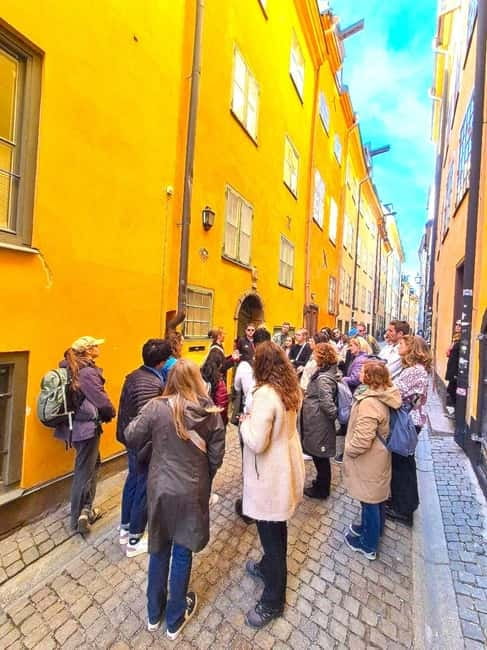
Stockholm Old Town, Gamla Stan, is one of those places where you can easily spend a full day wandering and still feel like you didn’t learn the “why.” This tour is designed for the opposite: it gives you the shape of the city and the main landmarks first, then you can choose what to revisit on your own.
You also get a guide who explains what you’re seeing in plain language. Instead of treating the streets like a museum hallway, the stories connect the architecture to daily life, politics, and the Swedish monarchy. It’s the kind of structure that helps you later when you’re comparing neighborhoods or deciding what to do next.
The duration matters too. Two hours is long enough to cover a meaningful route, but short enough that you won’t feel trapped if your legs get tired. It’s a smart “start here” option—especially if you’re not staying near the center.
You can also read our reviews of more walking tours in Stockholm

Starting Point and the cobblestone reality of Gamla Stan

Meeting point details can vary depending on the option you book, but one of the listed start options is Mälartorget 4. Either way, plan to show up a bit early so you’re not stressed when you spot the group.
Here’s the practical truth: Gamla Stan’s streets can be uneven and slippery. Even if you’re an experienced walker, cobblestones change your stride. Bring comfortable shoes with solid grip and expect a steady walking pace rather than long sits down to rest.
Also keep in mind the rules. Smoking isn’t allowed, and video recording isn’t allowed. If you want close-up footage, plan for still photos instead and use your eyes for the stories.
From old square to Old Town: how Stockholm formed
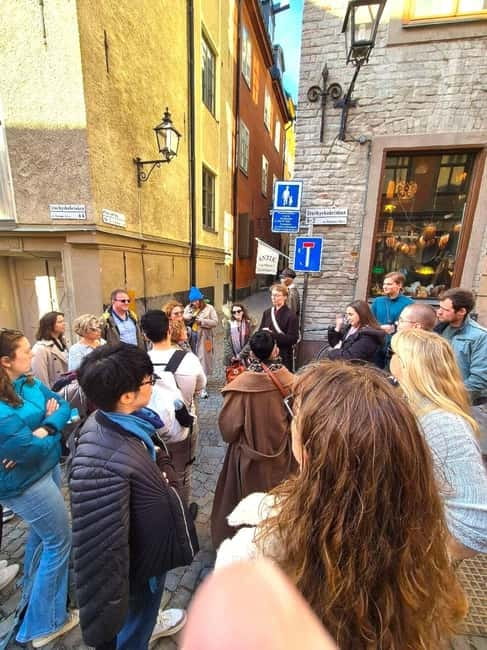
The tour begins in the Old Town area with an explanation of how Stockholm was founded and how the city grew over time. That first context is a big deal. Gamla Stan looks charming, but it also has a job to do: it tells you where power, trade, and daily life clustered as the city expanded.
Then you start threading through the core of Old Town with stops and brief explanations geared toward what you’d actually notice as you walk. You’re not just memorizing names. You’re learning what they mean—like why certain buildings sit where they do, and how Gamla Stan shaped Stockholm’s modern identity.
This part is also where I think the guide’s style really matters. Several reviews point to guides who balanced clear historical context with entertaining personal touches. That combo helps the walk feel faster, even when you’re stopping for photos.
German Church and the streets that squeeze your attention
One of the first landmarks on the route is German Church, Stockholm. You don’t spend a long time there, but you get a quick orientation moment—enough to put the building on your mental map before you move deeper into the medieval lanes.
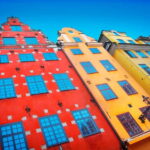
Then comes one of the most famous “wait, what?” moments: Mårten Trotzigs Gränd. This is the narrow lane that practically forces you to slow down and look at your surroundings. You get a photo stop and a guided pass-by, which is perfect here. You’ll get the visual impact without turning the day into a three-hour detour.
Narrow streets in Gamla Stan can feel like set dressing unless you understand the idea behind them. A good guide connects the physical layout—tight passages, dense blocks, small sightlines—to how people moved through the city when it wasn’t designed for tourists and buses.
Iron Boy and photo stops that actually make sense

A standout stop on this tour is the Iron Boy, the small bronze figure sometimes described as watching the moon. You’ll have time for a photo and a bit of explanation, which is exactly what I want from a statue stop: enough time to see it clearly and enough story to make it more than just a picture.
This is the rhythm of the tour: you get guided context, then you move on. The route includes multiple short pauses—photo stops and pass-bys—so you see more than you would on a casual stroll.
A small but useful expectation-setting point: because it’s built as a walking tour, not every landmark is an in-depth visit. Some spots are meant for looking and learning the basics, then moving on while the guide keeps the narrative going.
You can also read our reviews of more guided tours in Stockholm

Stockholm Cathedral and the places where religion meets power
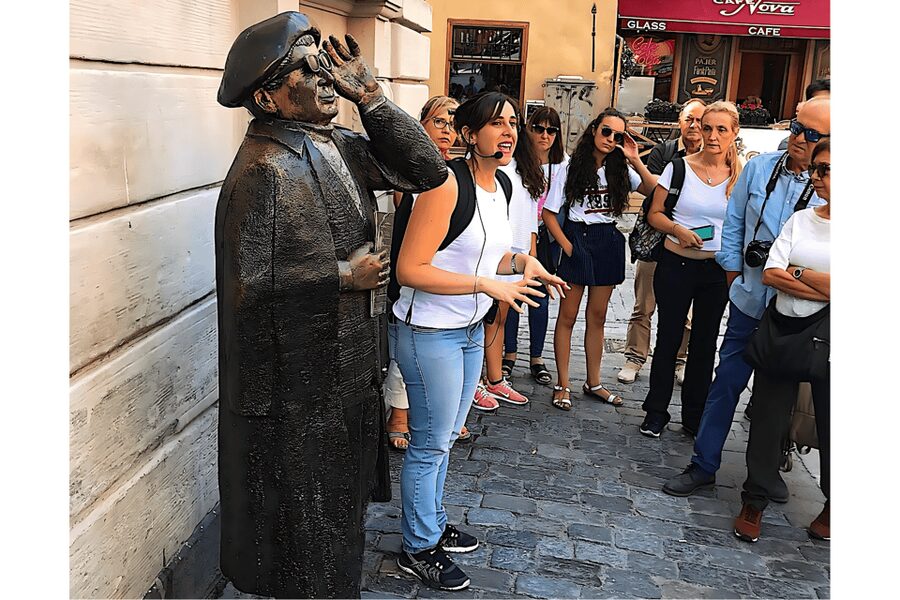
As you keep going, you’ll reach Stockholm Cathedral for a photo stop and guided sightseeing. This is a great moment to step back from street-level details and look at the bigger picture. Cathedrals in older European cities often reflect how wealth and authority showed up in stone—this one is no exception.
From there, the tour continues past several major cultural and civic landmarks. One example is the Nobel Museum area—there’s a photo stop and pass-by, which gives you the location even if you don’t go inside. If you later decide you want more, you’ll already know exactly where to head.
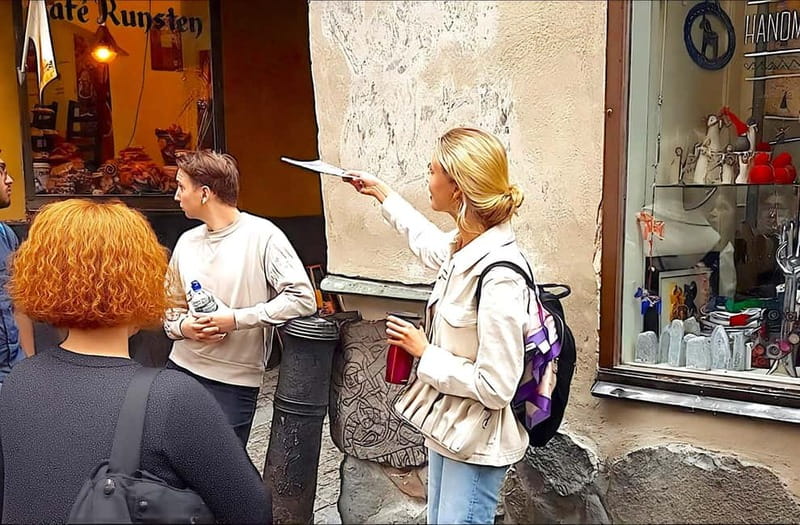
Then you pass by historic markers like the Runestone and the House of Nobility. These stops help round out the story of Sweden’s medieval and early modern identity—where public life, governance, and old traditions overlap in the same compact district.
Riddarholmen: waterfront views plus a church visit
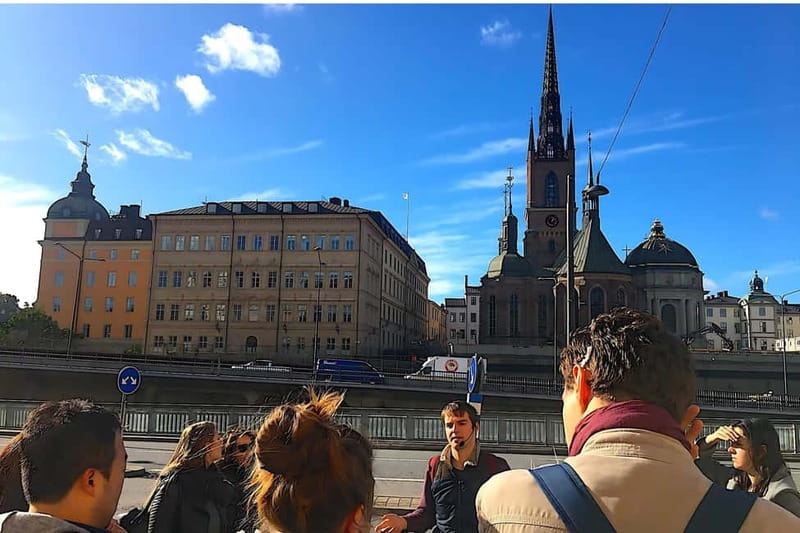
If you only remember one stretch from the tour, I’d bet it’s Riddarholmen. You’ll go there for waterfront views and you’ll also stop at Riddarholmen Church for a visit and guided tour.
This is where the walk starts feeling extra rewarding. Gamla Stan is dense and angled, and then Riddarholmen gives you water views that open the scene. You can see why this area matters historically: islands and waterfront edges were central to movement and the reach of influence.
The church visit is also a key difference-maker. A walk-by can give you a photo, but a guided visit gives you something to “carry home” in your head. Even if you’re not a church person, having someone explain what you’re looking at makes the time feel justified.
Royal Palace finish: seeing monarchy up close
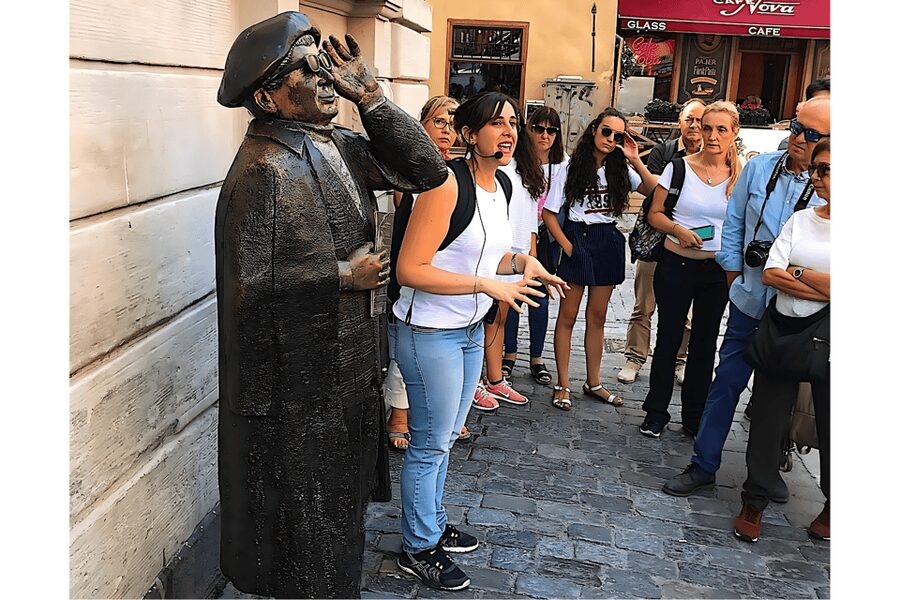
The tour ends near—and in some ways builds toward—the Royal Palace, Stockholm, the residence of the Swedish king. You’ll have time for a photo stop and pass-by around the palace area, with the tour finishing there.
This is a smart ending. After two hours of medieval lanes, political history, and civic landmarks, the palace lands like the final chapter. You’re not just seeing a big building. You’re seeing the conclusion of the story the guide has been telling: how power evolved and how Stockholm expresses it in architecture.
It’s also a convenient finish point if you want to keep exploring afterward. Even if you don’t do anything immediately, you’ll be positioned for onward plans in the central area.
Value for $16: what you get and what to expect
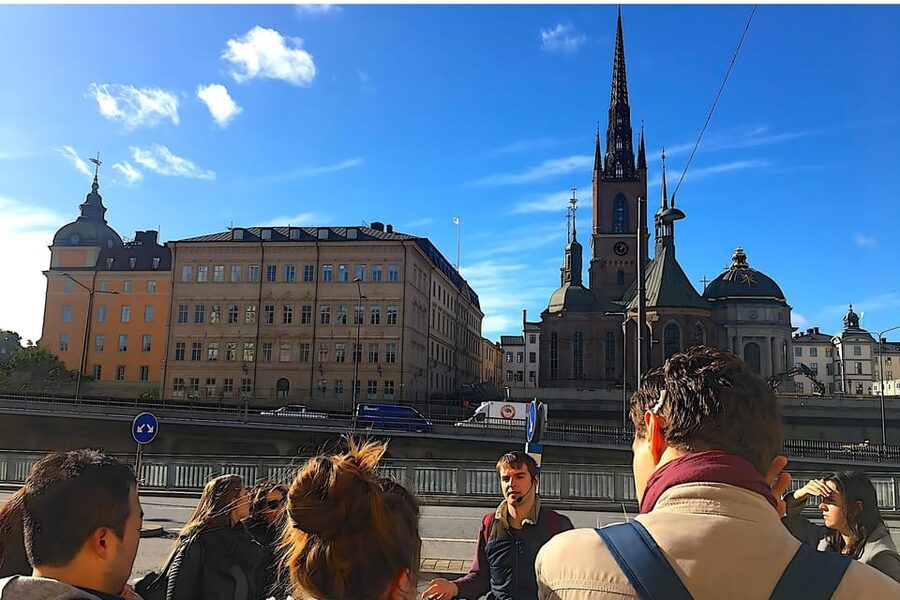
At $16 per person for about 2 hours, this tour is positioned as a value buy for orientation. You’re paying for three things that matter on day one:
- A structured route that prevents wandering without direction
- English guidance that ties the sights together
- A steady pace that covers major Old Town anchors
It’s not the kind of tour that tries to do everything. You’ll see lots of famous spots, but not every location is a long interior visit. For example, the Nobel Museum is a photo stop/pass-by, and several key sights are primarily viewed from the outside or with short pauses.
Still, for first-time visitors—or anyone who wants a quick “thread” through the district—it’s a strong deal. Free cancellation up to 24 hours in advance and reserve-and-pay-later options add flexibility if your schedule is fluid.
Who this tour suits best (and who might want another plan)
This works especially well for you if you:
- Want an efficient introduction to Stockholm Old Town without spending hours figuring out the route
- Prefer a local guide narrative over a purely self-guided checklist
- Like photo stops with context, not just landmarks you’ve already Googled
It may be less ideal if you:
- Need wheelchair access (this tour is not suitable for wheelchair users)
- Want lots of long museum-style interior time (this is primarily a walking tour with photo stops)
If you’re traveling with kids who love short stories and quick stops, it can be a decent fit because it’s structured and keeps moving. Just remember the cobblestones and the walking pace.
Final verdict: should you book this Gamla Stan tour?
I’d book this if you want a smart first pass through Gamla Stan. The route gives you the medieval vibe plus the political and religious landmarks, and the best part is the guide style—punctual, organized, and tuned to making history feel like a story rather than a lecture.
If you’re picky about tours that feel like a bus stop of photo ops, you might feel the pace is quick. But if you want to get your bearings fast and walk away understanding what you just saw, this one is a solid match.
FAQ
How long is the Gamla Stan Old Town walking tour?
The tour lasts 2 hours.
What does the tour cost?
It’s $16 per person.
Is the tour guided in English?
Yes. The guide provides an English-speaking guided experience.
Where does the tour meet?
Meeting point can vary depending on the option booked. One listed meeting point option is Mälartorget 4.
What should I bring, and is anything not allowed?
Wear comfortable shoes. Smoking is not allowed, and video recording is not allowed.
Is the tour wheelchair accessible?
No. It is not suitable for wheelchair users.