REVIEW · SOFIA
Sofia: Communist Walking Tour
Book on GetYourGuide →Operated by 365 LTD · Bookable on GetYourGuide
Cold War scars are still visible in Sofia. This 3-hour walk through communist-era landmarks turns big political ideas into real streets, buildings, and scenes you can actually point at. I also love how the best guides explain the ideology alongside everyday life themes like religion, housing, work, and culture, with a balanced take on both the upsides and the damage. One drawback: it’s a lot of walking and it’s not wheelchair-friendly, so plan for moderate fitness and lots of uneven city sidewalks.
You meet outside the Palace of Justice (the big white building with lion statues), then you finish near the National Palace of Culture by a famous chunk of the Berlin Wall. For around $21, it’s a strong value way to understand Sofia’s Cold War layer without getting stuck in a classroom.
In This Review
- Key things you’ll notice on this walk
- Entering Sofia’s Communist Era: Palace of Justice to Communist Power Lines
- Stalinist Sofia and the Rila Hotel Block: When Buildings Act Like Propaganda
- The Party Headquarters, Secret Police Sites, and a Mausoleum That’s Gone
- Sofia’s Church Between Eras: St. Nicholas the Wonderworker and Religion Under Communism
- Parliament and Power in Plain Sight: National Assembly Views
- Streets, Archives, Parks: Malko Tarnovo, the State Archives Agency, and City Green
- Soviet Symbols and Bulgarian Reckoning: Soviet Army Monument and the Victims Memorial
- National Palace of Culture and the Berlin Wall Piece: The Cold War Footnote You Can Touch
- Price and pacing: What $21 buys you in 3 hours
- Who this tour is best for (and who should skip it)
- Should you book the Sofia Communist Walking Tour?
- FAQ
- How long is the Sofia Communist Walking Tour?
- How much does the tour cost?
- Where do I meet the guide, and where does the tour end?
- Is the tour offered in English?
- What’s included in the price?
- Are food and drinks included?
- Is it wheelchair accessible?
Key things you’ll notice on this walk
- Stalinist showpieces up close, including the classic look tied to 1950s-era Sofia
- Religion and the communist state, using the Medieval Church of St. Nicholas as your reality check
- Where the system stored power, with stops tied to archives and state paperwork
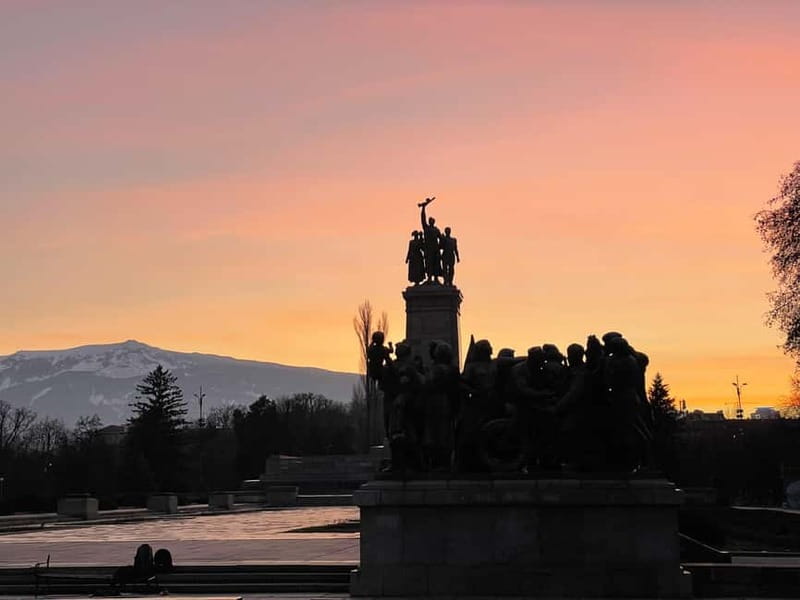
- Hard-to-ignore symbols, from the Monument of the Soviet Army to the memorial for victims
- A Berlin Wall piece to close the story, so the Cold War doesn’t feel abstract
Entering Sofia’s Communist Era: Palace of Justice to Communist Power Lines
If you’ve ever looked at photos of Soviet-influenced cities, Sofia’s communist layer can feel like background noise. This tour fixes that fast. You start right at the Palace of Justice area, and the mood shifts immediately from pretty Central European streets to a city shaped by authority.
At the beginning, your guide sets the stage: Bulgaria’s communist period runs from 1944 to 1989, and the story is tied to World War II outcomes, shifting political control, and how ideology took hold. The point isn’t just dates. It’s how power showed up in daily routines—through institutions, laws, and the way the state tried to manage people’s beliefs and opportunities.
You’ll also get context for why the communist era rose and then fell in Bulgaria, not just in theory, but in lived experience: how religion was treated, what happened to industry and jobs, and why housing and culture took on the look of the state. By the time you’re done, you’ll recognize the political logic behind the architecture and the public spaces.
You can also read our reviews of more walking tours in Sofia
Stalinist Sofia and the Rila Hotel Block: When Buildings Act Like Propaganda
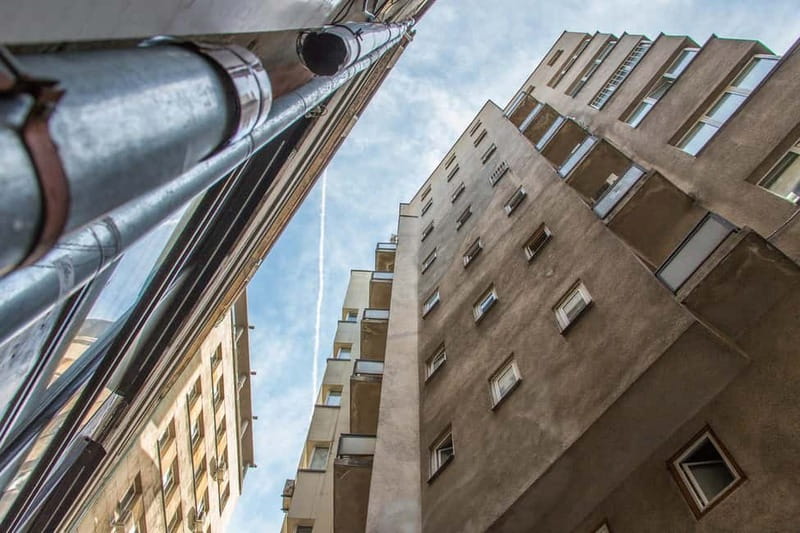
One of the most tangible parts of this walk is the architecture. You’ll see classic examples of communist-era design, including the Hotel Rila Sofia and the larger Stalinist architectural ensemble from the 1950s. Even if you’re not a design nerd, you can feel the difference: lines get stricter, facades get grander, and buildings start looking like they’re meant to impress the state first.
This section works well because it teaches you how regimes tried to win visually. Communism in Bulgaria wasn’t only about speeches; it was about public space. Your guide connects the look of buildings to themes like economy and industry—how cities were planned, how the state wanted to show progress, and how certain neighborhoods were shaped to reflect the new order.
The value here for you is practical. After this walk, you won’t just see the architecture; you’ll understand why it was built and what it was supposed to communicate. That changes how you read the city the next day when you’re wandering on your own.
The Party Headquarters, Secret Police Sites, and a Mausoleum That’s Gone
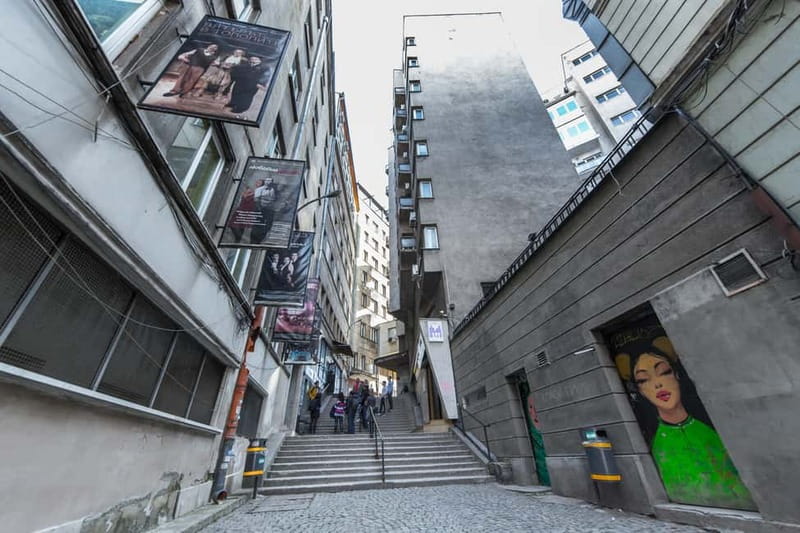
This tour includes stops tied to some of the darker machinery of the era. You’ll visit the former Bulgarian Communist Party headquarters, a secret police investigation facility, and the site where the mausoleum of Bulgaria’s first communist leader was destroyed.
These are the stops that make the history feel sharp. You’re not only learning about ideology; you’re seeing where the system operated. And because it’s a walking tour, the explanation stays grounded in the street-level reality—where people had to pass, where institutions sat, and how surveillance and control could become part of the urban map.
A key theme your guide should cover here is the “why.” Why did this kind of security apparatus exist? Why did people fear or adjust their behavior? And why did the symbolism of leaders matter so much that a mausoleum became a political focal point—until it didn’t.
If you’re worried about it becoming heavy, good guides tend to keep it factual and human-scale. Many of the English-speaking guides who lead this tour are historians who answer questions clearly and often keep the tone engaging rather than preachy.
Sofia’s Church Between Eras: St. Nicholas the Wonderworker and Religion Under Communism
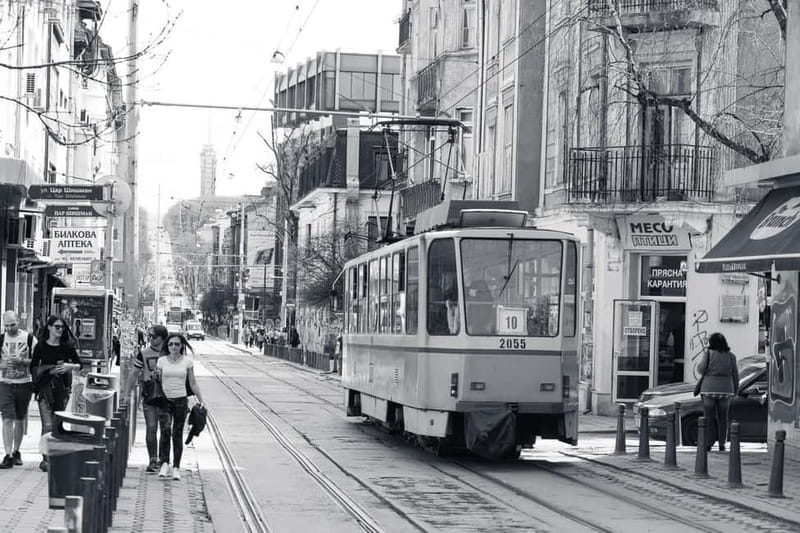
One of the smartest moves on this route is the stop at the Medieval Orthodox temple of St. Nicholas the Wonderworker, a 13th-century church. It forces the story to move beyond party offices and monuments.
Communism in Bulgaria affected religion, and your guide should explain the pressure points—how belief systems were treated, how churches functioned under state control, and what survived. Standing in a medieval religious space while hearing about the communist state helps you see the contrast instantly: centuries-old practice against a modern ideology that wanted loyalty to the new political order.
For you, this is the “balance check” part of the tour. It reminds you that politics wasn’t happening in a vacuum. People still worshipped, celebrated, argued, and adapted. The regime’s impact wasn’t only written in laws; it was written in daily choices.
Parliament and Power in Plain Sight: National Assembly Views
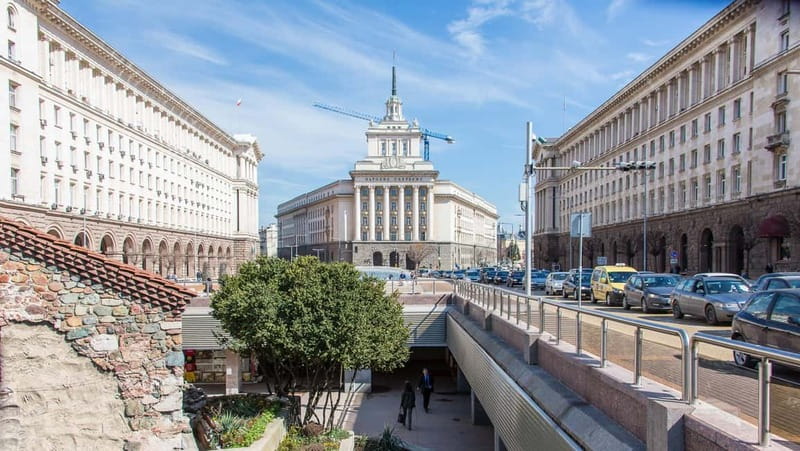
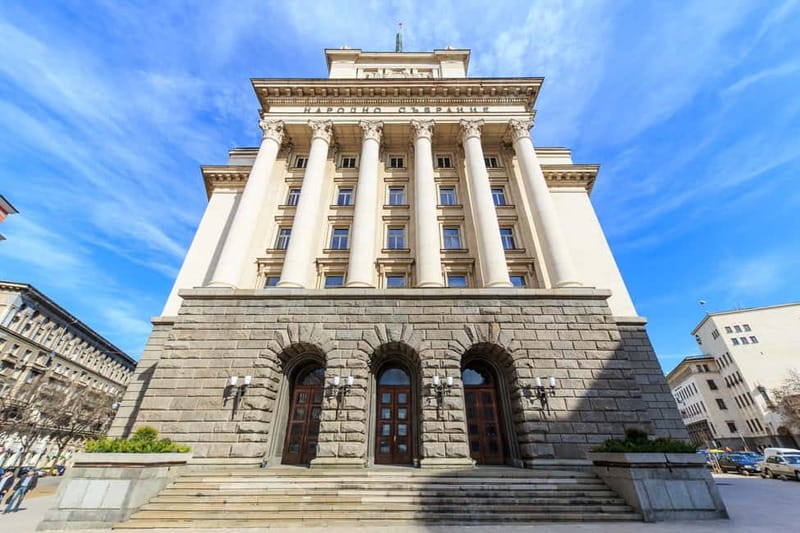
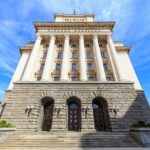
Next comes the National Assembly of Bulgaria. You’ll look at the building while your guide connects it to the larger story of the era—how institutions were reshaped, how governance worked, and how public life was influenced by the prevailing system.
Even without going inside for anything specific, this stop helps you connect the dots between the ideology you’re hearing and the structures you see. Bulgaria’s communist period didn’t just change rulers. It changed how citizens interacted with authority and how political life was organized.
This is also where questions help a lot. If your guide names specific events tied to WWII and the communist rise-and-fall arc, this is the moment to ask what changed and what stayed the same.
Streets, Archives, Parks: Malko Tarnovo, the State Archives Agency, and City Green
After the big symbols and institutions, the tour shifts into the stuff that makes history feel real: paperwork, daily routines, and the spaces where people lived their lives.
You’ll walk past ulitsa Malko Tarnovo and visit the State Agency “Archives.” This part matters because communist control often lived in files, records, and official processes. Talking about the archives in context helps you understand how regimes documented citizens and how the aftermath still shapes institutions and public memory.
Then the route includes City Garden, Sofia and Knyazheska Garden. These green spaces might seem like a break from politics, but that contrast is useful. It’s a reminder that the Cold War state didn’t only build harsh monuments—it also shaped the everyday environment people used for walking, meeting, and moving through the city.
For you, the parks also create a small breathing rhythm in a 3-hour walk. If you’re sensitive to heat or darkness, these stops can be a welcome pause—just keep in mind it’s still a guided route with some walking.
Soviet Symbols and Bulgarian Reckoning: Soviet Army Monument and the Victims Memorial
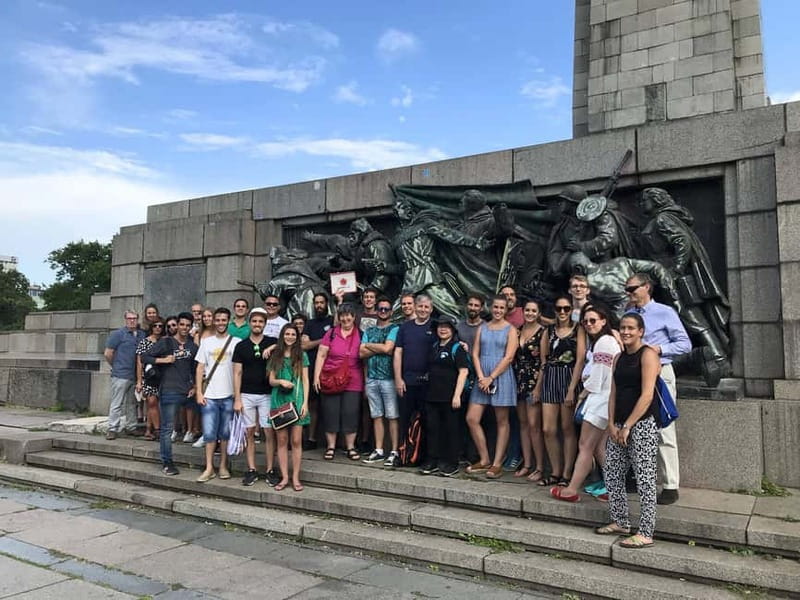
Second half energy is more pointed. You’ll visit the controversial Monument of the Soviet Army and the Memorial to the Victims of the communist regime in Bulgaria.
This is where the tour earns its balanced tone. The Soviet monument represents one side of the story—outside influence, the communist alliance system, and the political meaning attached to Soviet presence. The memorial represents the other side: the human cost, the repression, and the people who suffered under the system.
It’s a strong pairing because it prevents a one-note narrative. You’re not only hearing about the ideology; you’re seeing how post-1989 Bulgaria remembers it. That memory work is part of why the communist era still affects present-day Bulgaria.
If you like history that asks real questions rather than handing you a single moral, you’ll appreciate how your guide should frame the discomfort around these sites.
National Palace of Culture and the Berlin Wall Piece: The Cold War Footnote You Can Touch
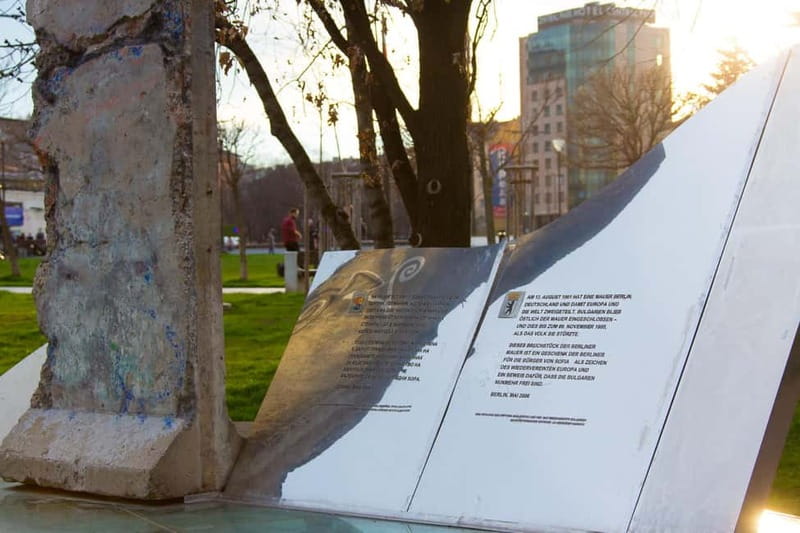
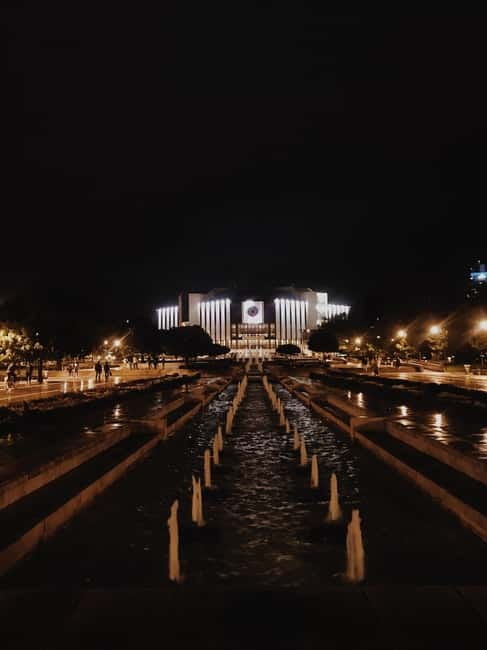
You’ll reach the National Palace of Culture area and then finish at part of the Berlin Wall (Част от Берлинската стена). Ending here isn’t random. It’s a visual shortcut to the bigger Cold War map—Bulgaria didn’t live in isolation, and the division of Europe shaped what communism meant in practice.
The Berlin Wall segment makes the story physical. You can point to it and think: this wasn’t just policy. It was border reality, fear, propaganda, and the sense that freedom could be measured in concrete and security lines.
This finish also gives you a clean landing spot. After the tour ends, you’re already positioned to keep exploring with the story in your head.
Price and pacing: What $21 buys you in 3 hours
At about $21 per person for a 3-hour walking tour, you’re buying two things: time with an English-speaking local guide and a structured route that hits the city’s communist landmarks without you having to research each stop.
The pacing is key. Reviews and the way the stops are grouped suggest the route stays active and question-friendly rather than turning into a lecture. Guides like Daniel, Martin, Vasil, Vasko, Dino, Nikola, Stefan, Ivo, and Niki show up often as examples of how the tour is led—often with clear explanations and a friendly, story-driven style. One winter note from past guests: some guides try to keep you warm with small breaks, like a quick hot chocolate stop.
What you’ll still need to handle:
- Bring water, especially in warm months, since there’s no food or drinks included.
- Wear comfortable walking shoes. This is a city-walk tour.
- Plan your schedule with dusk in mind. If you’re visiting in winter, it can get dark earlier, which can affect what you can see clearly outdoors.
Who this tour is best for (and who should skip it)
This tour is ideal if you want Sofia history that’s practical and street-level. It’s also a great fit if you like understanding both sides of an issue, not just hearing one political slogan repeated.
You’ll enjoy it most if you’re into:
- Soviet and communist-era architecture and city planning
- The link between ideology and everyday life (housing, industry, religion, culture)
- History that helps you read present-day Bulgaria with better context
You should think twice if:
- You have mobility limits. The tour is not wheelchair accessible and is not recommended for people with limited mobility.
- You prefer short, low-effort sightseeing. This is a 3-hour walk with multiple stops.
- You’re traveling with unaccompanied minors. Unaccompanied minors aren’t allowed.
Should you book the Sofia Communist Walking Tour?
Book it if you want a focused way to understand Bulgaria’s communist era as something built into the city—buildings, institutions, monuments, and memorials. For around $21, it’s excellent value because the route stitches together ideology, architecture, and everyday life themes, then ends with a tangible Cold War symbol you can see in person.
Skip it if walking is hard for you or if you know you’ll struggle with uncomfortable topics like repression and contested monuments. If you’re comfortable walking and you’re open to a balanced discussion, this is one of the most direct ways to turn Sofia from a pretty stopover into a city with a clear historical lens.
FAQ
How long is the Sofia Communist Walking Tour?
The tour lasts 3 hours.
How much does the tour cost?
The price is $21 per person.
Where do I meet the guide, and where does the tour end?
You meet outside the Palace of Justice (bul. Vitosha 2, Sofia Center) and the tour ends in front of the National Palace of Culture.
Is the tour offered in English?
Yes. The live tour guide speaks English.
What’s included in the price?
A local guide is included.
Are food and drinks included?
No, food and drinks are not included.
Is it wheelchair accessible?
No. It’s not recommended for people with limited mobility, and it is not wheelchair accessible.