REVIEW · SIENA
Siena: Walking Tour and Skip-the-Line Duomo Tickets
Book on GetYourGuide →Operated by Tuscan Escapes by Papilio · Bookable on GetYourGuide
Siena is a small city with big-city art and attitude, and this short walking tour is built to help you see the core highlights fast. In just two hours, you’ll move through medieval streets, hear why the Contrade still matter, and end with fast-track access to the Duomo.
I especially like the way the tour connects landmarks to real local tradition, like the Palio and Siena’s proud republic story. I also love that you get an authorized English-speaking local guide plus skip-the-line entry to the cathedral, so you spend your time looking up, not waiting.
One consideration: two hours is tight, so the Duomo stop can feel like a concentrated hit rather than a slow, all-day cathedral crawl. If you want extra time for chapels and details, plan to linger right after the tour ends when you can.
In This Review
- Key things I’d center in your planning
- Medieval Siena on foot: why 2 hours works
- Piazza San Domenico start point: the simple way to begin
- Basilica di San Domenico: why the St Catherine connection matters
- Palio and Contrade: getting past the surface version
- Old Siena power walk: Palazzo Salimbeni and Gothic landmarks
- How the tour handles time: pace, headphones, and comfort
- Duomo time with skip-the-line: what to focus on inside
- Food notes that actually help you eat like a local
- Small-but-important rules: clothing and footwear
- Is skip-the-line worth it for $47?
- Should you book this Siena walking tour with Duomo skip-the-line?
- FAQ
- Where is the meeting point for the Siena walking tour?
- How long is the tour?
- Does the price include Duomo tickets and skip-the-line entry?
- What should I wear for the church visits?
- Are pets allowed?
- Is this tour suitable for people with mobility impairments?
Key things I’d center in your planning
- Fast-track Duomo entry saves time on one of Siena’s most popular sights
- Basilica di San Domenico sets the tone with St Catherine context
- Palio and Contrade stories explain Siena’s neighborhoods beyond postcard facts
- Gothic landmarks in the center connect wealth, banking, and architecture in one route
- Duomo masterpieces include major names you’ll recognize (like Donatello, Michelangelo, Bernini)
Medieval Siena on foot: why 2 hours works
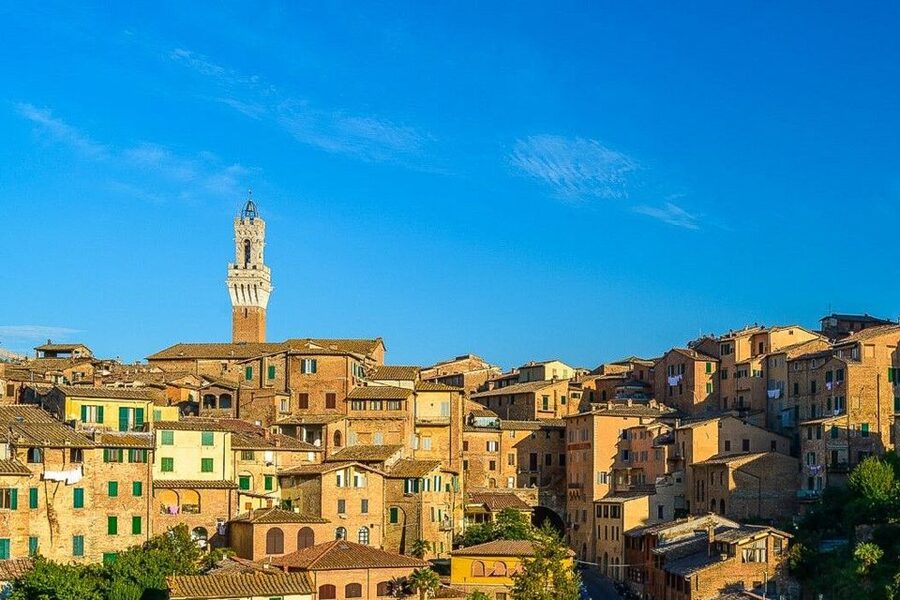
Siena can feel like a maze at first: tight turns, pale stone, and cobblestones that make every step a little slower. That’s also why a guided route is so useful. You’re not just collecting photos. You’re learning how the pieces fit together—religion, power, art, and local identity—while you physically walk through the city that shaped it.
This tour is short on purpose. The value isn’t that it hits everything in town; it’s that it hits the right things so you can decide what to see next. When the tour finishes, you’ll know where the Duomo sits in the bigger Siena story—and you’ll be able to target your extra time.
And yes, the Duomo is the big payoff. But the smart move here is that the tour doesn’t treat it like a standalone museum stop. You understand what you’re walking into.
You can also read our reviews of more tours and experiences in Siena.
Piazza San Domenico start point: the simple way to begin
You’ll meet at Piazza San Domenico, under the large tree in front of the church. That matters more than it sounds. Siena has more than one “busy square” where groups can get mixed up, so having a clear landmark helps you start without stress.
From there, the guide sets expectations for the walking pace and helps you spot what you’d otherwise miss—especially in the historic center, where the beauty is often in the details. Expect short stretches of explanation, then quick movement along narrow streets.
If you’re arriving right before your start time, give yourself a buffer for cobblestones. Even when you’re fit, those uneven surfaces add up over two hours.
Basilica di San Domenico: why the St Catherine connection matters
A strong tour starts by anchoring you in what Siena cares about. This one does that early at the Basilica di San Domenico. The guide links the basilica to St Catherine, including why she’s tied to Italy’s patron story.
Here’s what I find helpful as a visitor: when you connect a saint to local identity, the art inside becomes easier to read. You’re not looking at church décor as separate items. You’re seeing how Siena thinks—devotion, civic pride, and tradition all tangled together in stone and ceremony.
It also gives you a good mental reset. Before the tour jumps to bigger civic legends like the Palio, you get grounded in the religious heart of the city.
Practical note: you’ll need church-appropriate clothing. Shoulders covered and knee-length bottoms are required, and bare feet are not allowed.
Palio and Contrade: getting past the surface version
If you’ve seen photos of Siena’s Palio, you know it’s dramatic. What makes this tour useful is that it explains how the spectacle ties back to Siena’s Contrade—the city neighborhoods that live with the race all year long.
The Palio isn’t presented as a random event. The guide frames it as something deeply woven into community identity. You’ll hear how each Contrada waits, prepares, and participates through traditions that extend beyond the single day you might read about later.
This kind of context changes how you walk past the city’s corners and symbols. You start noticing things with purpose instead of just geography.
And one bonus: this is one of those moments where having a local guide makes a visible difference. Guides on this tour have been praised for making the streets feel like they have a pulse, not just a history sheet.
Old Siena power walk: Palazzo Salimbeni and Gothic landmarks
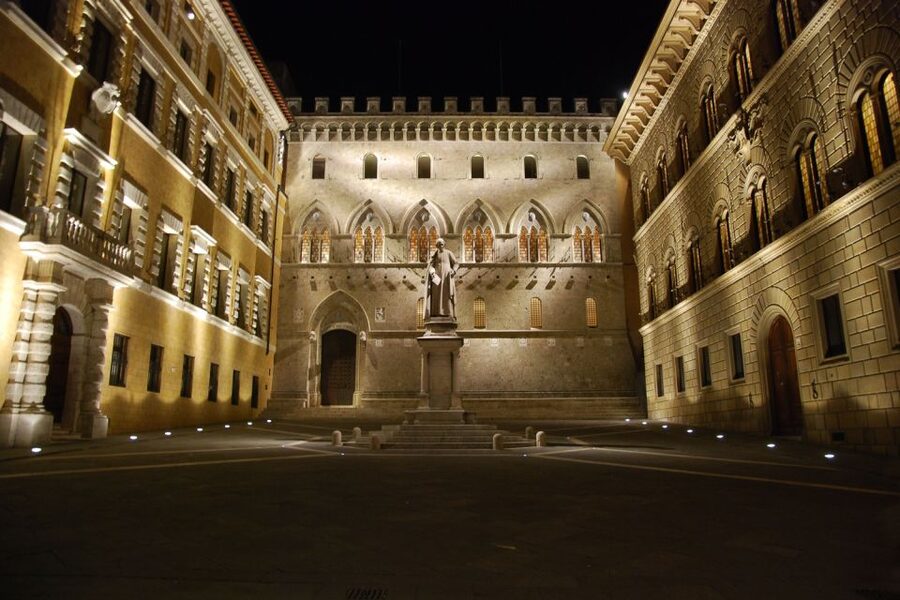
Next, the tour shifts toward the city’s built proof of wealth and trade. You’ll see Palazzo Salimbeni, known today as the world’s oldest bank—an eye-opening connection between medieval commerce and the architecture still shaping Siena’s skyline.
This stop is valuable because it gives you a second lens. It’s easy to think of Siena only as church-and-cathedral. But the city was also a financial and trading powerhouse. Seeing Palazzo Salimbeni in the route helps the Duomo make more sense. Big religious art doesn’t appear by magic; it grows out of local power and funding.
You’ll also pass Palazzo Tolomei, described as an imposing private Gothic building. It’s the kind of landmark you might otherwise walk past without a second look. With a guide, you understand the why: social status, architecture style, and the way Gothic design signals ambition.
Then you’ll reach Piazza del Campo, Siena’s central square, tied to monuments and a fountain you’ll spot as the heart of the city’s public life. Even if you don’t know what every detail means yet, you’ll know where to stand for the best feel of Siena’s layout.
You can also read our reviews of more walking tours in Siena
How the tour handles time: pace, headphones, and comfort
Two hours sounds short—until you realize Siena is also slow. Cobblestones, crowds around the cathedral area, and the need to pause for key explanations all take time.
One real-world tip: this tour may use headphones in busier interiors and streetscapes. Several people highlighted that the audio helps, but a couple also warned that it can be tricky to hear clearly. If you’re sensitive to audio or want every word, consider bringing your own earbuds just in case your hearing runs picky with the provided system.
Also, keep your expectations aligned: you’ll get meaningful stops, but not unlimited time everywhere. A few people noted they wished for more time in the main cathedral. That’s the trade-off for packing in the Palio context and a guided cathedral visit in a tight schedule.
Still, most feedback points to a good pace and a structured route. If you go in ready to absorb, it feels satisfying instead of rushed.
Duomo time with skip-the-line: what to focus on inside
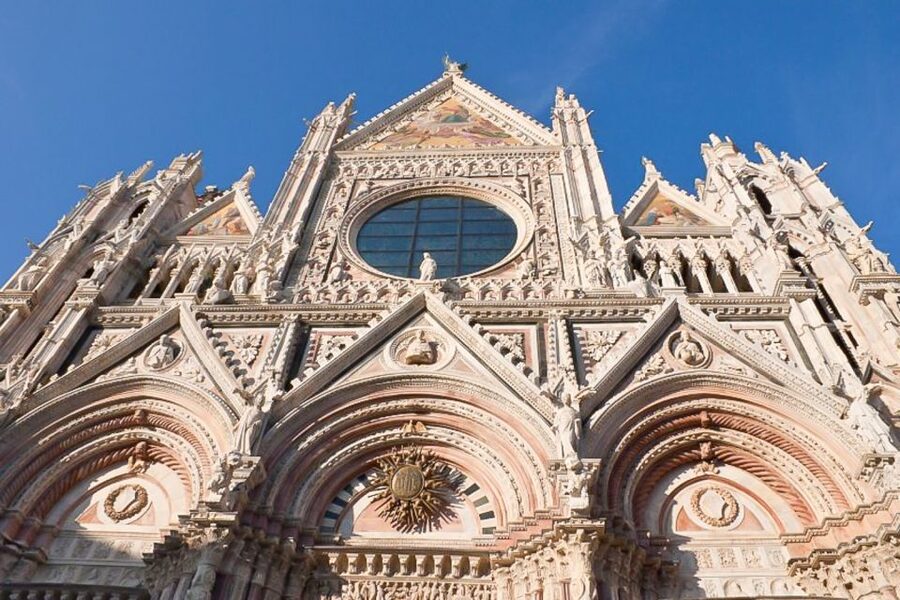
This is the reason many people book: skip-the-line entry to the Duomo of Siena. The value here is simple. The cathedral is busy, and lines can eat up your whole morning. Fast-track access helps you get your head inside the art and the chapels sooner.
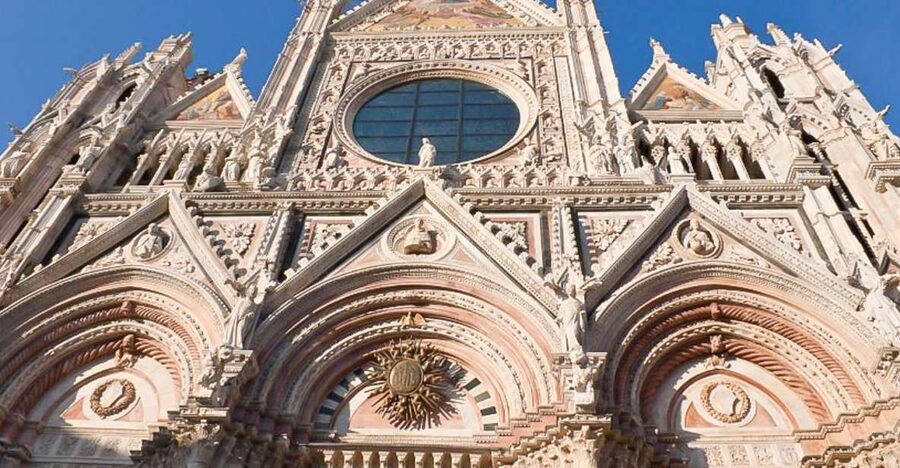
Once inside, the guide escorts you to important areas, including chapels and standout artworks. You’ll hear about masterpieces connected to Donatello, Michelangelo, and Bernini—names that immediately ground the cathedral in the broader story of Italian art.
Here’s how I’d use your time inside:
- Look for the guide’s cues about which chapel details matter most.
- If you’re photo-focused, take a few quick shots early, then switch into slower attention for the sculpture and artwork the guide highlights.
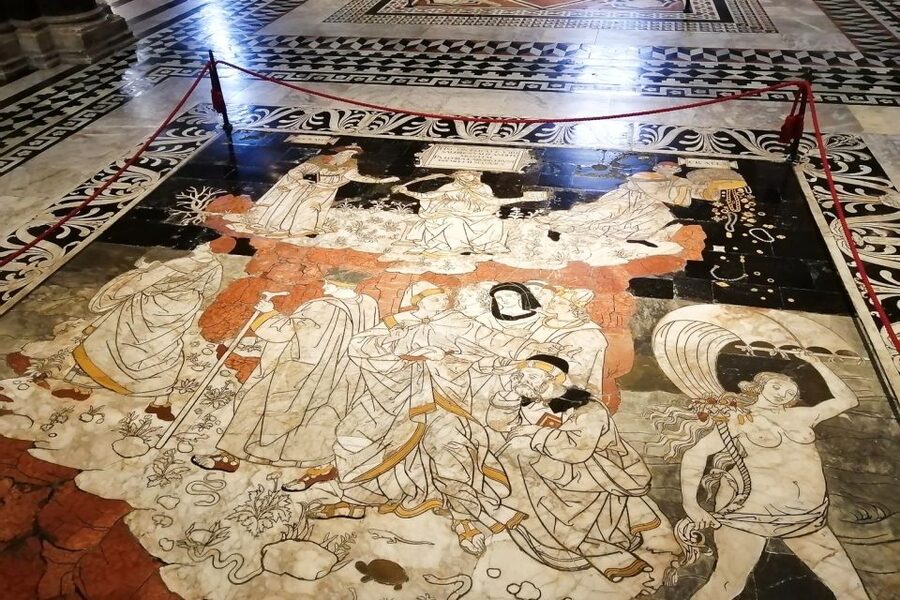
- If you love the floor details and hidden visual surprises, stay a bit after the guided portion ends when possible. Some people said the tour ends in a way that lets you linger at the cathedral.
Also, the Duomo stop is a finale in the best way. You’ve spent the first half learning Siena’s civic and cultural identity; the cathedral becomes the visual expression of that identity.
Food notes that actually help you eat like a local
Siena’s food can be overwhelming if you’re trying to pick on your own after a walk. This tour includes some attention to culinary traditions as part of the overall experience, and the guide often adds practical restaurant ideas along the way.
At least a couple of guides were praised for recommending great meals off the usual tourist loop. So if you take one thing from this tour beyond history, take the lunch advice. It’s a small thing that can change the rest of your day.
After the tour, you’ll be in a better position to pick what fits your mood: something hearty after walking, or something simpler if you’re cathedral-art fatigued.
Small-but-important rules: clothing and footwear
This tour is not a casual stroll. It’s a church visit plus historic buildings, so you’ll need to follow the requirements.
Not allowed:
- Pets
- Bare feet
- Sleeveless shirts
- Short skirts
Bring:
- Shoes you trust on cobblestones
- Covered shoulders and knee-length bottoms for church entry
There was also a practical reminder from a visitor: women may need a shawl to cover shoulders/back when entering churches. If you show up with a tank top or a short skirt, you can get stuck at the door. Plan clothing ahead and you’ll keep the day smooth.
Is skip-the-line worth it for $47?
Let’s talk value in plain terms. At about $47 per person for a 2-hour guided walk plus Duomo tickets, you’re paying for three things:
- A trained guide to turn streets and buildings into an understandable story
- Authorized English-language interpretation
- Skip-the-line entry to the Duomo, which saves your time where crowds are most stubborn
If you were to do this on your own, you might save some money but you’d pay elsewhere: waiting in line, and spending mental energy figuring out what to prioritize. With this tour, the guide’s job is to reduce that uncertainty fast.
For short stays, that’s the big win. People who did it early in their visit said it helped them plan the rest of their time, so the tour acts like your Siena map with explanations instead of just directions.
For longer stays, it still works as a smart first pass. Then you return to whatever grabbed you most—whether that’s the Duomo details, a specific square, or a neighborhood vibe.
Should you book this Siena walking tour with Duomo skip-the-line?
Book it if:
- You have only a couple hours and want the most important Siena signals explained.
- You care about art and the living culture behind it, like the Palio and Contrade identities.
- You dislike wasting time in lines and want a faster route into the Duomo.
Skip it (or choose a different format) if:
- You want a slow, sit-down cathedral experience. This tour is built to fit a lot into two hours, so you may want additional unguided time after.
- You don’t want to plan around church dress rules. Siena’s churches are strict, and this tour enforces that.
- You have mobility limitations, since the walking route and historic surfaces aren’t suited for everyone.
My bottom line: if you want a guided shortcut to understanding Siena, with skip-the-line Duomo access and stories tied to real local tradition, this is a strong value pick.
FAQ
Where is the meeting point for the Siena walking tour?
You meet at Piazza San Domenico, under the large tree in front of the church.
How long is the tour?
The tour lasts 2 hours.
Does the price include Duomo tickets and skip-the-line entry?
Yes. The tour includes skip-the-line entrance tickets to the Duomo or Cathedral along with the guided portion.
What should I wear for the church visits?
You need covered shoulders and knee-length clothing (pants or skirts). You also need shoes suitable for walking on cobblestones.
Are pets allowed?
No, pets are not allowed.
Is this tour suitable for people with mobility impairments?
No. It is not suitable for people with mobility impairments.